Vegan Leather Bag Security: Zippers, Locks and Smarter Travel
A bag that loses its contents in a crowded tram is more annoying than one that gets nicked in a laneway, and both failures begin with the closure. Zipper, magnetic flap, drawstring roll-top or a small padlock — each changes how your bag behaves when you hand it to a stranger, prop it on a café table or fall asleep on a night train. Most opportunistic theft happens because something is easy to reach, not because someone picked your lock. Choosing between a zip and a lock is therefore less about raw hardware strength and more about how easily a bag opens without your attention.
Material matters too. Vegan leather is usually a polyurethane or microfibre-backed synthetic that behaves differently from cowhide: it flexes more readily, needs reinforced stitching around stress points, and places extra pressure on zip sliders and pull tabs. Australia layers on its own conditions — a hot car boot in January, salt spray along a coastal walk, sand dragged in from Bondi, a hostel locker in Byron Bay. This guide looks at how closures, locks and daily habits work together to keep passports, cards and cameras where you left them, from the Opal platform in Sydney to the walking tracks of Tasmania.
Why Bag Security Matters in Australian Cities and Trails
Think about how an Australian day actually moves. You tap on with an Opal card in Sydney or a Myki in Melbourne, the carriage fills up, and your phone sits in an open tote at hip height where a passing hand can lift it in half a second. The same exposure exists on ferries to Manly, at bus interchanges in Brisbane, and on platforms in Adelaide where crowds surge before a match. The pattern is consistent: valuables near the top of a bag, a zip that gapes open under load, and a distracted traveller who assumes nothing will happen in daylight.
Outdoors, the risk changes shape rather than disappearing. Tourists leave daypacks unattended at trailheads in the Blue Mountains or while swimming at a supervised ocean pool, where the bag itself must stay dry and hidden. Break-ins through parked-car windows are a well-known issue in tourist car parks around Byron Bay, Cairns and Kakadu, and a soft vegan leather bag is an easier target than a hard-shell suitcase because it can be cut into. Festivals such as Splendour in the Grass and Big Day Out add another layer, with unattended gear, shared tents and long hours in the sun. A cheap clip or a single slider can be the weakest point in an otherwise solid bag.
Capacity plays a role too. When a bag is sized to your actual load, items sit deep inside and cannot be skimmed without unzipping it; when it is oversized, spare space becomes a grabbable void. If you are still working out what size you need, picking a roomier bag is a useful exercise, because the sweet spot for a guidebook, a litre bottle and a rain shell is also the size that keeps a pocket open and vulnerable.
How Zippers Perform on Vegan Leather Bags
Two closure systems cover almost every travel bag: the zip and the roll-top with a buckle or clip. Zip wins on convenience, because it can be opened one-handed on a platform and re-secured in a second. Roll-tops resist casual access better, though the fold must be rolled properly and clipped, which is awkward when you are juggling a coffee and a phone. Buckles and toggles are visually secure but can be released deliberately by someone who knows how they work, so they suit fashion bags more than bags carrying passports.
Zip quality varies more than most shoppers expect. Reverse-coil zips, where the coil faces inward, resist being levered apart with a card and do not catch on lining or T-shirt fabric. Standard coil and moulded-tooth zips are fine for everyday use but wear faster at the slider. Look for dual sliders on the main compartment, bartacked reinforcement at the ends of the strap anchor, and a lock hole in the slider so a padlock can pass through. Vegan leather is softer than hide, so the seam around a zip is the first place to check, particularly at the base corners where the bag meets the ground.
Access frequency tells you how much closure security you actually need. A walking-tour packing guide shows how often you reach into a backpack for a bottle, a snack or a layer, which is the moment a zip is left half open on a café wall or a hostel bar. If you are opening your bag dozens of times a day, a dual-slider zip that can be locked in one position and a second compartment for quick-reach items will serve you better than a bag with one large opening.
Choosing a Lock That Works with Australian Travel
There are three lock types worth knowing. Combination locks with dials set a code you choose and let you re-set it without a key, which is convenient for shared lockers. Keyed padlocks are simple and cheap, but a lost key ends their usefulness. Cable locks thread through both zip pulls and around a fixed strap, which stops a slider being separated from the bag; short coil cables also reach into side pockets.
Australia does not use the American TSA system, because airport screening here is run by state authorities in New South Wales, Victoria and Queensland under federal aviation rules. That matters if you fly via Singapore, Dubai or Auckland, where TSA-compatible locks open with an inspector's master key and will not be cut off. Locks fitted with the standard TSA mechanism, and dual-dial combination locks, are accepted internationally and still protect the bag when you are not at an airport. If you want a key to be useful in every scenario, keep a spare key in a separate bag rather than in the bag it secures.
Hardware quality is easier to judge when you know what good finishing looks like. Many buyers compare vegan leather with the original material, and reading about Italian leather-making heritage gives useful context on the tanning and finishing standards that shaped expectations for bags and wallets in the first place. Synthetics borrow that vocabulary of edge paint, lining, stitching and hardware, so check whether the store lists slider brands, stitch density and repair options. A shop that publishes those details is usually the one that tests a zip a few hundred times before approving it.
Everyday Australian Habits That Change the Security Equation
Local routines quietly dictate how a bag is used. Cycling to work in Melbourne or Perth means a bag on a rack or pannier that someone may try; swimming at your local pool means a tote left in a change room locker; walking the dog at dawn means a phone in an outside pocket. Australian shops, bars and supermarkets still take cards, so a wallet matters more than cash in a bag, which makes the inner zipped pocket the one that should hold it. On public transport, the habit that protects people is simply wearing a backpack closed-side-in on crowded carriages and keeping tote contents below the rim.
Sand and heat deserve their own line in any security plan. Grit from Bondi to Coogee or from a campsite near Nerriga works its way into a slider and jams it, sometimes permanently, and a jammed zip may not close properly in a hurry. Keep a stiff card or a small brush in the bag for exactly this reason. Australian summer also means a black car boot at 40 degrees, which is where many travellers end up storing a day bag before a swim or a walk, turning a convenient habit into the most exposed spot in the trip.
Accessories fill the gaps that a single bag cannot. A small zipped pouch for passports and cards, a cable lock that lives in the main compartment, a luggage tag that hides your address and a coin pouch for loose change are all useful, and they also make excellent gifts for friends who travel. A short read on handy travel gift accessories covers the versions worth considering, including wallets and small pouches that match the main bag rather than clashing with it.
Weather, Materials and Long-Term Durability
Australian conditions stress closures in ways that a temperate climate does not. Polyurethane coatings soften in sustained heat, particularly in a parked vehicle or a red-centre campsite, and repeated flexing at a strap anchor can eventually pull a bartack loose. Microfibre-backed vegan leather usually handles heat better than plain polyurethane, though it can still crack after long sun exposure. The practical rule is to avoid leaving a bag in a hot vehicle and to store it away from direct northern light when you are home, rather than relying on a bag to survive every environment without care.
Rain and salt work on hardware. Monsoonal humidity in the Far North, condensation in tropical Queensland and salt-laden air on a Sydney coastal walk all encourage corrosion, so stainless sliders and coated zips earn their keep. Wipe a bag with a damp cloth, dry it before closing it, and avoid conditioners containing animal fats, since the whole point of the material is that it is animal-free. Buying from a store that ships internationally also means replacements are practical; free worldwide shipping to Australia and order tracking make it possible to swap a damaged slider or a whole bag without a local trip.
Stitching deserves the same attention as the zip. Look for double rows of stitching around the handle base, reinforced corners and a lining that does not tear when you pull a jumper out in a hurry. A bag with a slightly structured base stands up on the floor of a tram and is harder to rummage, while a soft, unstructured tote collapses into a heap and invites reaching. Durable designs from specialist vegan leather sellers tend to share these details, and the more the brand explains them, the easier it is to judge before an item arrives at your door in Adelaide or Geelong.
Practical Security Recommendations for Australian Travellers
The strongest setups combine a good closure with a small amount of hardware and a few consistent habits. Before you buy, check the zip specification and the internal pocket layout, and after delivery, test the closure every time you pack.
- Choose a bag with a reverse-coil or heavy-duty zip, dual sliders and a slider that accepts a padlock or cable.
- Carry a TSA-style combination lock or a short cable lock, and thread it through both pulls rather than one.
- Use a separate internal zipped pocket for passport, cards and keys, and keep outer pockets for items you would happily lose.
- Wear backpacks closed-side-in on crowded trams and trains, and keep tote contents below the rim of the bag.
- Carry only what you need; a smaller load zips shut and sits deeper, which removes easy access entirely.
- Clear sand from sliders with a stiff card, and never store a bag in a hot car boot overnight.
- Keep a spare key or a second lock in a different bag, and check the closure at the start and end of each day.
Ready for a More Secure Bag
Browse the Travel Starter Pack range of vegan leather backpacks, crossbody bags, totes and wallets, where every design pairs animal-free materials with reinforced stitching and hardware built for daily use. The collection ships free worldwide, so an Australian order arrives with tracking you can follow from dispatch to your door, and sale items make it easier to match a secure everyday bag with a smaller zipped pouch or wallet. Joining the newsletter keeps new arrivals and offers in view, so you can pick a closure that suits your commute, your gym bag and your trips rather than settling for the first zip you see.
Before you check out, run through the short list again: a lockable slider, one internal zipped pocket, a cable in the main compartment and a habit of wearing your backpack the way you want it worn. Those four choices cover the situations Australian travellers actually meet — crowded platforms, hot car boots, hostel lockers and trailheads — and they do it without turning your bag into a fortress. Secure the closure, check it once a day, and the rest of the trip gets simpler.
Our Backpack Styles
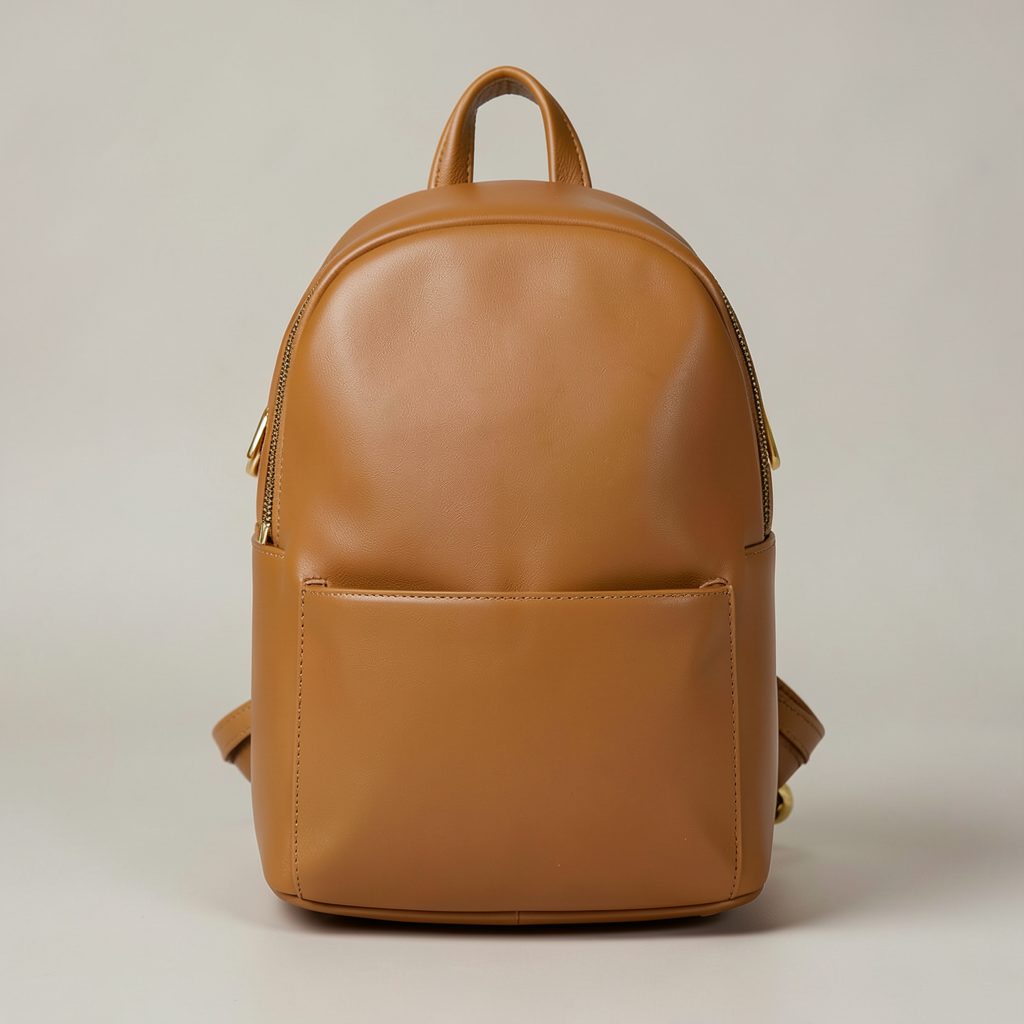
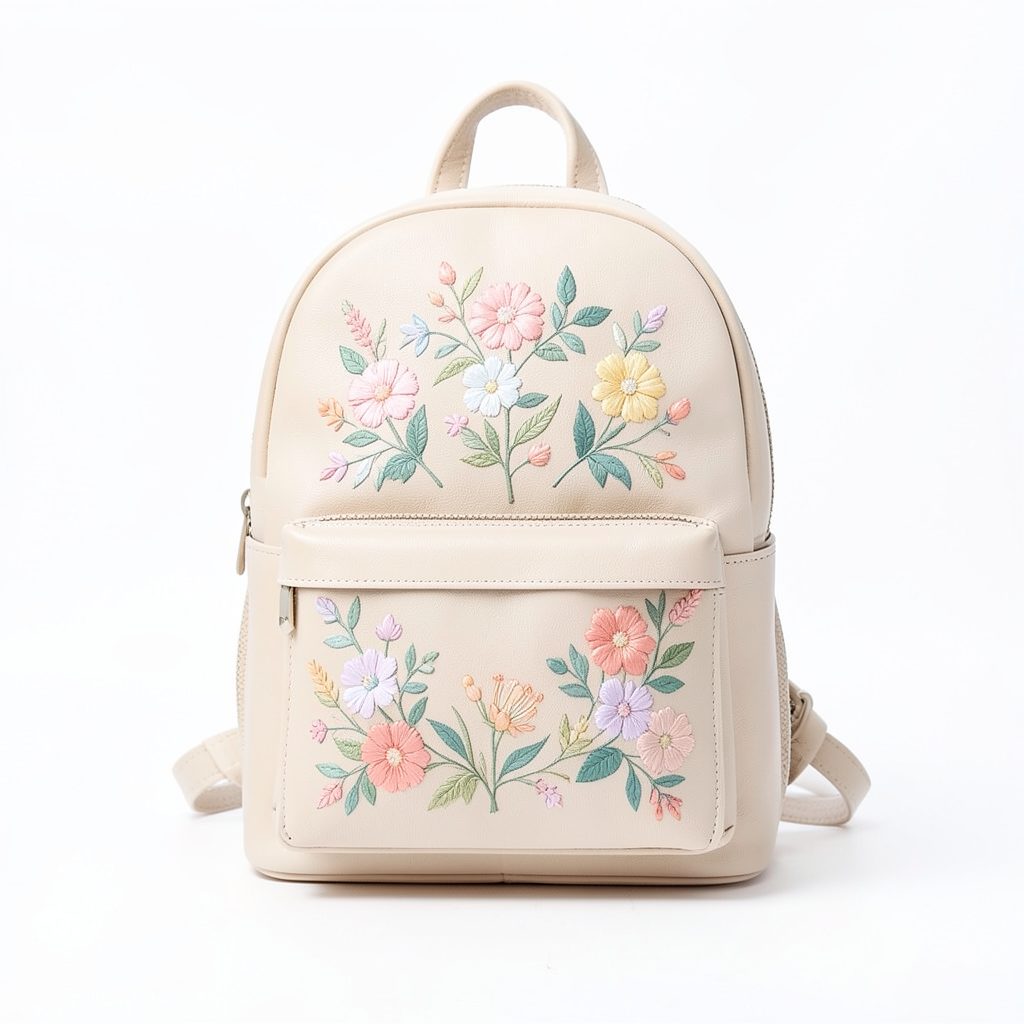
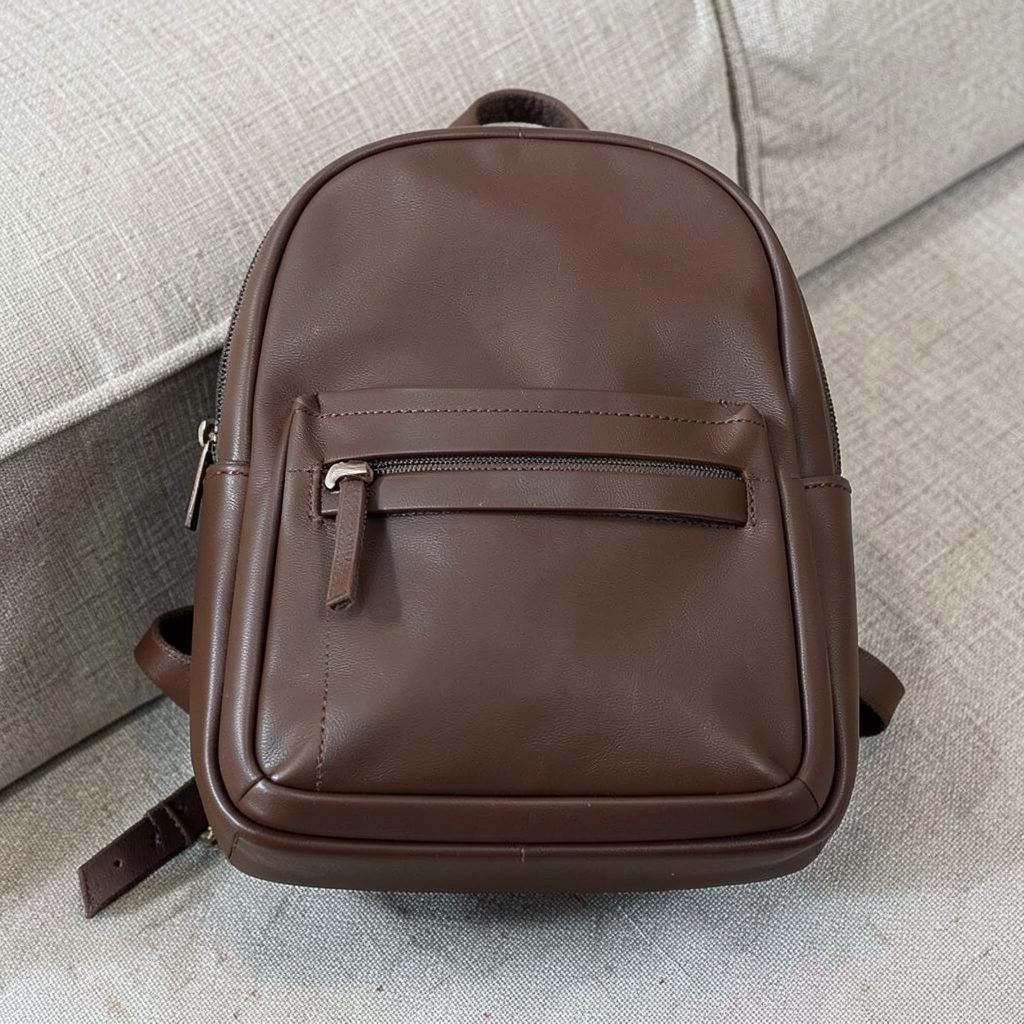
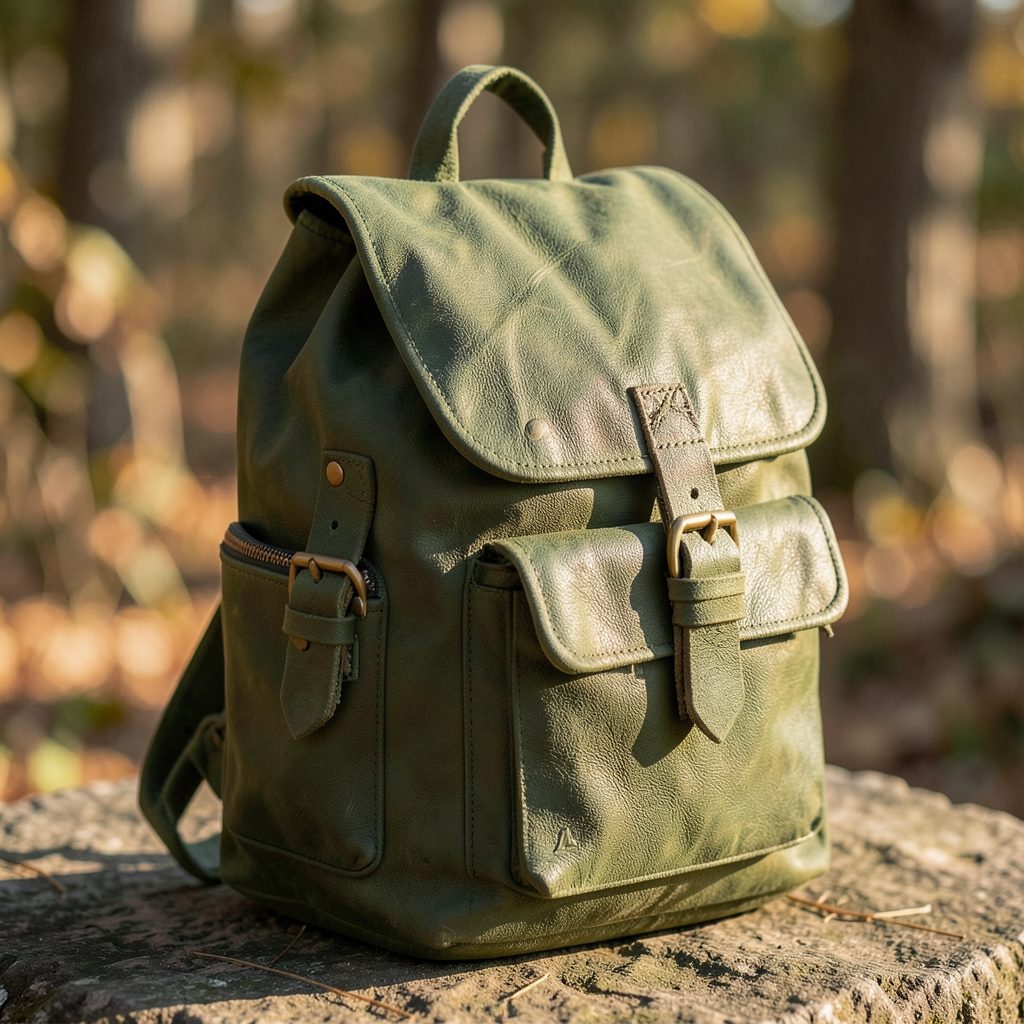
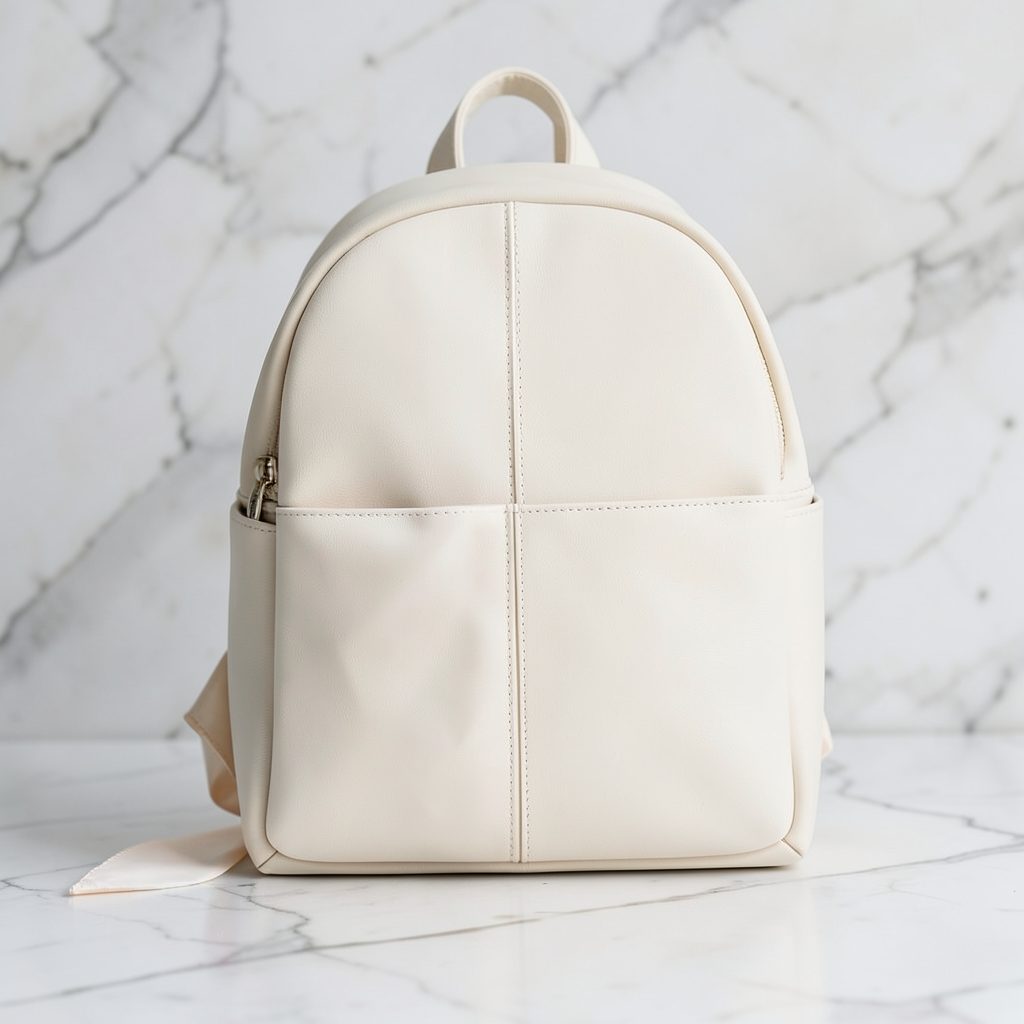
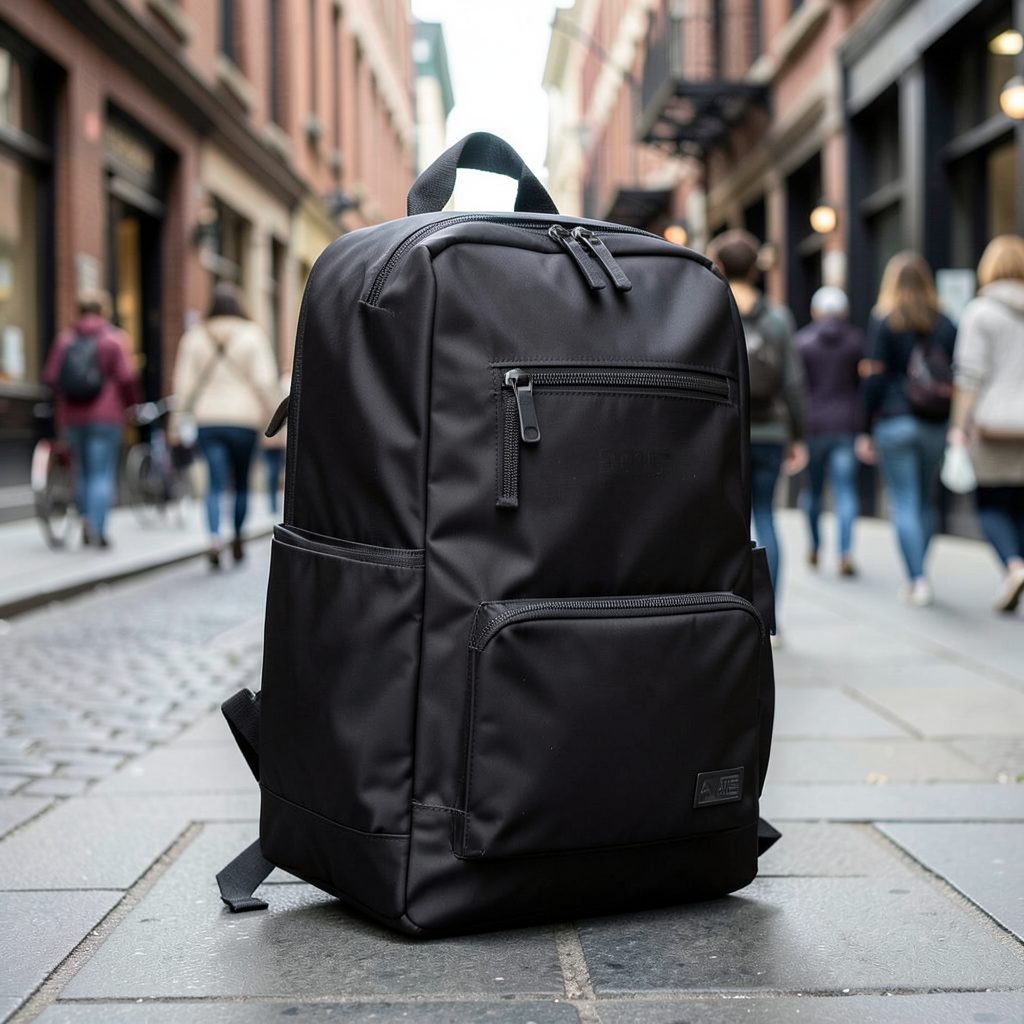
Every backpack is crafted from premium vegan leather with thoughtful details — multiple pockets, removable straps, and colors that work with any wardrobe. Browse the lineup below.