What To Pack In A Vegan Leather Backpack For A Full Day Of Walking Tours
A full day of sightseeing asks a lot from a daypack. It must hold the things you need from breakfast through the last attraction, while staying comfortable on your shoulders and easy to organise when you stop for coffee or check a map. The right contents can make a long walking route feel far more manageable.
A vegan leather backpack is especially useful for urban travel because it combines a polished appearance with practical storage. It can move from a hotel lobby to a museum, market or restaurant without looking like specialist hiking equipment. Choose one with adjustable straps, a secure closure and enough room for daily essentials without filling every compartment.
Australian cities make thoughtful packing particularly important. A walking tour through Melbourne may include laneways, galleries and sudden weather changes, while a Sydney itinerary can involve ferries, steep streets and long stretches between cafés. In Brisbane, strong sun and humidity call for extra hydration and sun protection, even during a winter visit.
The best approach is to pack for comfort, access and flexibility. Keep frequently used items close at hand, protect valuables from rain and crowds, and leave enough space for a light layer or a few local purchases. A considered load is easier to carry and helps your backpack support the day rather than distract from it.
Choose The Right Backpack For Urban Exploring
Start with the backpack itself. Look for a design that distributes weight evenly across both shoulders, has a wide opening and includes internal pockets for smaller belongings. Padded straps are valuable when you are walking for several hours, while a smooth, wipe-clean exterior is useful after contact with café tables, public transport seats or unexpected drizzle.
Capacity matters, but bigger is not automatically better. A compact to medium-sized backpack usually offers enough room for a water bottle, compact umbrella, camera, charger, snacks and an extra layer. An oversized bag encourages overpacking and can become uncomfortable by the afternoon. Aim to fill roughly two-thirds of the interior so that items are easy to retrieve.
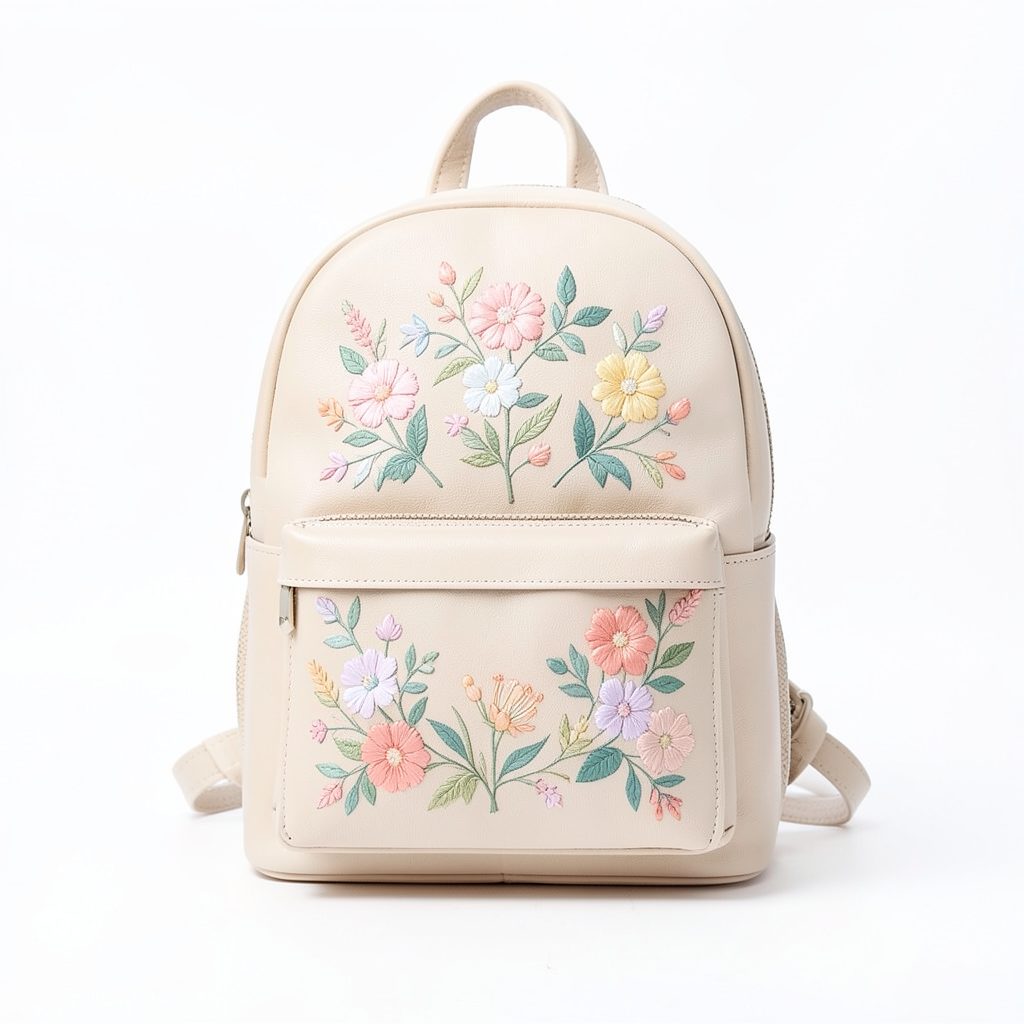
A vegan leather option can suit travellers who prefer animal-free materials and a refined everyday style. For a distinctive look, the floral embroidery backpack adds visual character while remaining suitable for sightseeing, commuting and casual daily use. Neutral shades work well with a travel capsule wardrobe, while brighter colours make a bag easier to identify in a busy hotel lobby or tour group.
Before leaving, adjust both straps so the backpack sits close to your upper back rather than hanging near your hips. Put heavier items near the centre of your back, and keep anything fragile away from the outer wall. This simple arrangement reduces strain and prevents the contents from shifting as you walk.
Pack Weather Protection And Personal Comfort
Australian weather can change quickly, particularly during shoulder seasons. A lightweight rain shell or compact umbrella is useful in Melbourne, where a clear morning can become cool and wet by lunchtime. Even in Sydney or Perth, a weatherproof layer protects your bag and clothing during a short shower without taking up much space.
Sun protection deserves a permanent place in your walking kit. Include sunscreen, sunglasses and a foldable hat, especially for open-air routes around beaches, harbour areas, historic districts and botanical gardens. Reapply sunscreen during a long day outside; relying on the morning application alone is rarely enough in Australia’s strong UV conditions.
A small hand sanitiser, tissues and a few blister plasters can be surprisingly helpful. Walking tours often involve uneven paving, stairs and long periods on your feet. Add any personal medication in its original packaging, plus pain relief or allergy tablets if you normally use them. Keeping these supplies together in a small pouch makes them easier to find.
Choose breathable clothing and pack one light layer rather than several bulky pieces. A thin cardigan or overshirt can be useful in heavily air-conditioned museums and restaurants, even when the afternoon is warm. If you plan to visit a place of worship or heritage site, a layer that covers shoulders can also help you dress respectfully.
Organise Technology, Documents And Money
Your phone will probably handle maps, tickets, translation, photography and communication, so protect it from running out of power. Pack a compact power bank, charging cable and, where relevant, a universal travel adaptor. Place the cable in an outer pocket and keep the power bank somewhere accessible so you can recharge while waiting for a ferry or sitting at lunch.
Download offline maps before setting out. Mobile coverage is generally reliable in major Australian cities, but underground stations, crowded venues and some older buildings can create dead zones. Screenshots of booking confirmations, attraction opening times and transport directions provide useful backups when a signal is unreliable.
For transport, keep your payment card or local travel card separate from your passport and main wallet. Melbourne visitors may use a myki card, while Sydney travellers often use an Opal card or a contactless bank card. Brisbane’s Translink network also supports travel cards and contactless payment options. Check the current transport arrangements before your tour, as systems and accepted payment methods can change.
A slim wallet with several card slots keeps your identity documents, bank cards and loyalty cards from becoming a loose stack in the backpack. The guide to travel wallets with card slots is useful when comparing layouts for travel cards, hotel keys and everyday payments. Carry only what you need for the day and store a backup payment method separately.
| Item | Why It Helps On A Walking Tour | Best Packing Position |
|---|---|---|
| Reusable water bottle | Supports hydration during long routes and warm weather | Upright side pocket |
| Power bank and cable | Keeps maps, tickets and camera functions available | Accessible inner pocket |
| Sunscreen and sunglasses | Helps manage strong Australian UV exposure | Front pocket or small pouch |
| Light rain layer | Protects against showers and cool changes | Near the top of the main compartment |
| Wallet and travel card | Keeps payments and transport access organised | Secure zipped pocket |
| Snacks | Prevents low energy between scheduled stops | Easy-to-reach outer pocket |
| Small first-aid pouch | Covers blisters, minor scrapes and personal medication | Inner organiser pocket |
Build A Practical Walking Checklist
A reliable daily load usually includes a few essentials rather than every possible convenience. Pack a refillable water bottle, a small snack, your phone, portable power, wallet, sunglasses and sunscreen first. Then add weather protection and any item required for your specific tour, such as headphones for an audio guide or a compact camera.
Keep the following items easy to reach without opening the entire backpack:
- Refillable water bottle
- Phone and power bank
- Sunscreen and sunglasses
- Wallet or transport card
The main compartment can hold less frequently used items, such as an umbrella, light layer, notebook or foldable shopping bag. A reusable tote is particularly handy in Australia, where many shops charge for lightweight single-use bags and some states have restricted them. It also gives you somewhere to place a book, market purchase or takeaway lunch.
For small comfort items, use a separate pouch rather than scattering things through the bag:
- Hand sanitiser and tissues
- Blister plasters
- Lip balm
- Personal medication
A pouch makes airport-to-city transitions easier and reduces the time spent searching at a busy tram stop. It also prevents small items from slipping beneath a water bottle or becoming tangled with charging cables.
Prepare For Transport, Crowds And Stops
Walking tours rarely involve walking alone from start to finish. You may use a tram in Melbourne, a train in Sydney, a ferry across the harbour or a bus in Brisbane. Pack so that the backpack can be secured against your body on crowded services. Keep zips closed, wear the bag in front when boarding or standing in a packed carriage, and avoid placing valuables in an exterior pocket.
A discreet design can be an advantage in busy visitor areas. Avoid overloading the backpack with dangling accessories that can catch on seats or attract unnecessary attention. If your bag has a rear zip or concealed compartment, reserve it for your passport, spare bank card and other important documents rather than opening it repeatedly during the day.
Plan around practical stops. A morning coffee, public toilet, shaded bench and lunch break create natural opportunities to check your belongings, refill your bottle and adjust the straps. In cities such as Adelaide or Canberra, broad cultural precincts may leave you walking longer distances between venues, so check where food, water and transport are available before departing.
Leave a little empty capacity for the day’s discoveries. You might buy a small print from a Melbourne design shop, local produce at a market or a book from a museum store. An expandable section or foldable tote keeps these purchases separate from personal items and avoids forcing the backpack closed.
Keep Valuables Secure And Easy To Access
Your passport may stay in the hotel safe during a city walking day, but you should carry a secure form of identification if your plans require it. Keep a digital copy of key documents in encrypted storage or a password-protected account, and avoid carrying every bank card you own. A little separation limits the impact if a wallet is misplaced.
Use internal compartments according to risk and frequency. Store your phone and everyday card where you can reach them quickly, but keep spare cash, identification and backup payment details in a zipped section. Do not place your phone loosely beside keys or sunscreen, as scratches, leaks and accidental pressure can cause avoidable damage.
When stopping at a café, keep the backpack between your feet or loop one strap around a chair leg rather than hanging it on the back of a chair. At outdoor markets and transport hubs, maintain awareness without making the day feel stressful. A closed backpack, sensible organisation and deliberate handling are usually enough for ordinary urban travel.
At the end of each day, empty receipts, food wrappers and damp items from the bag. Wipe the exterior with a soft, slightly damp cloth according to the manufacturer’s care instructions, and allow the interior to air if it has been exposed to rain or perspiration. Regular care helps vegan leather retain its appearance across many trips.
Balance Style, Sustainability And Daily Use
Travel gear earns its place when it works beyond a single holiday. A vegan leather backpack can become part of your commute, weekend market routine or day trip kit after you return home. Choosing one versatile design reduces the need for separate bags and makes it easier to maintain a consistent packing system.
Animal-free materials appeal to travellers who want to align practical purchases with personal values. Durability matters just as much as appearance, so inspect the stitching, hardware, lining and strap attachments before committing to a design. A bag that remains comfortable and useful over many seasons is a more responsible choice than one selected only for its first impression.
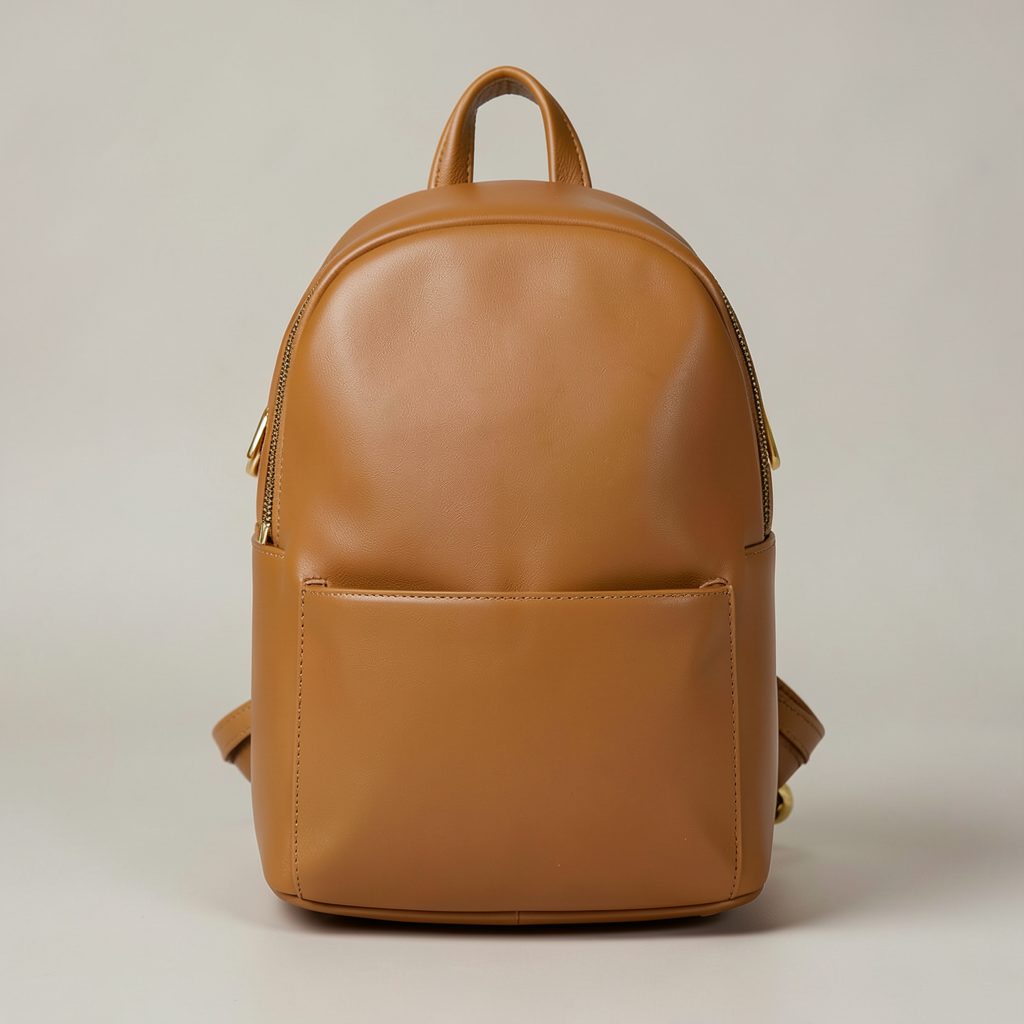
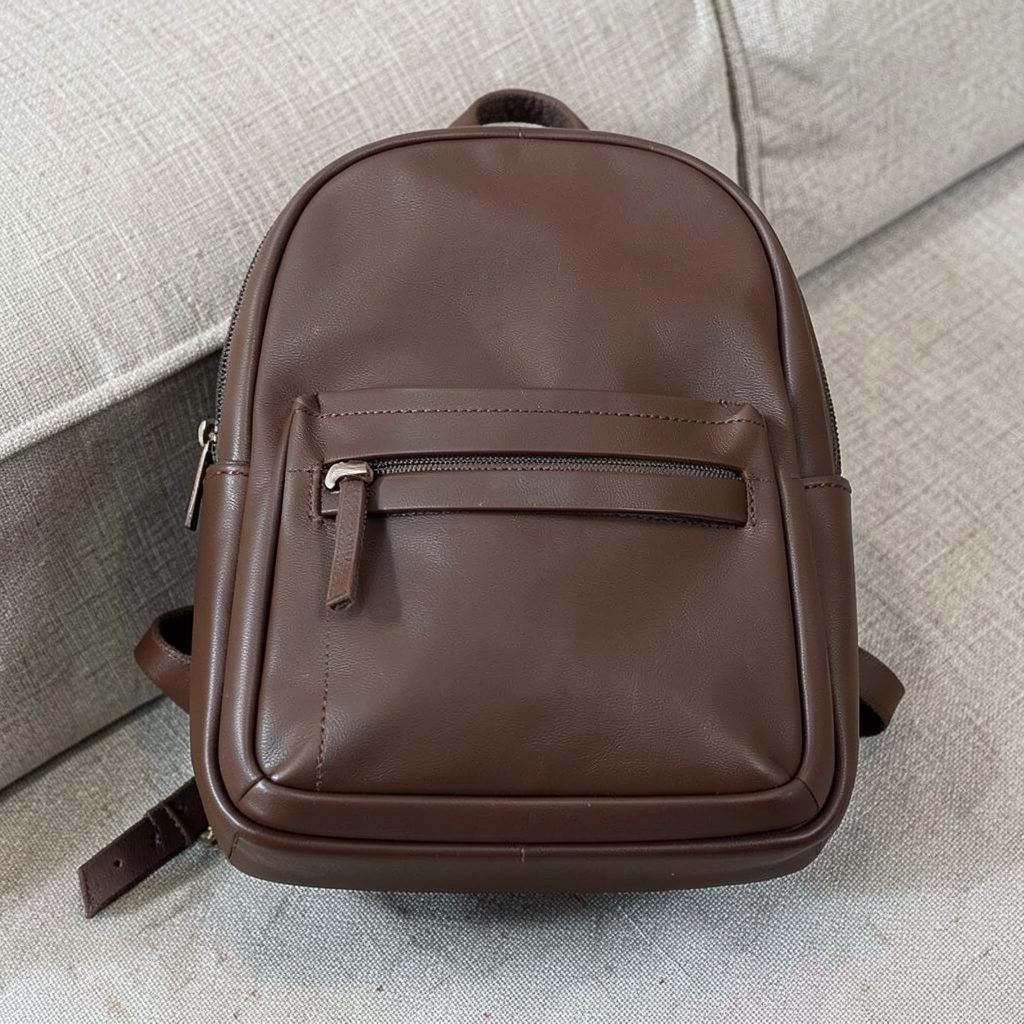
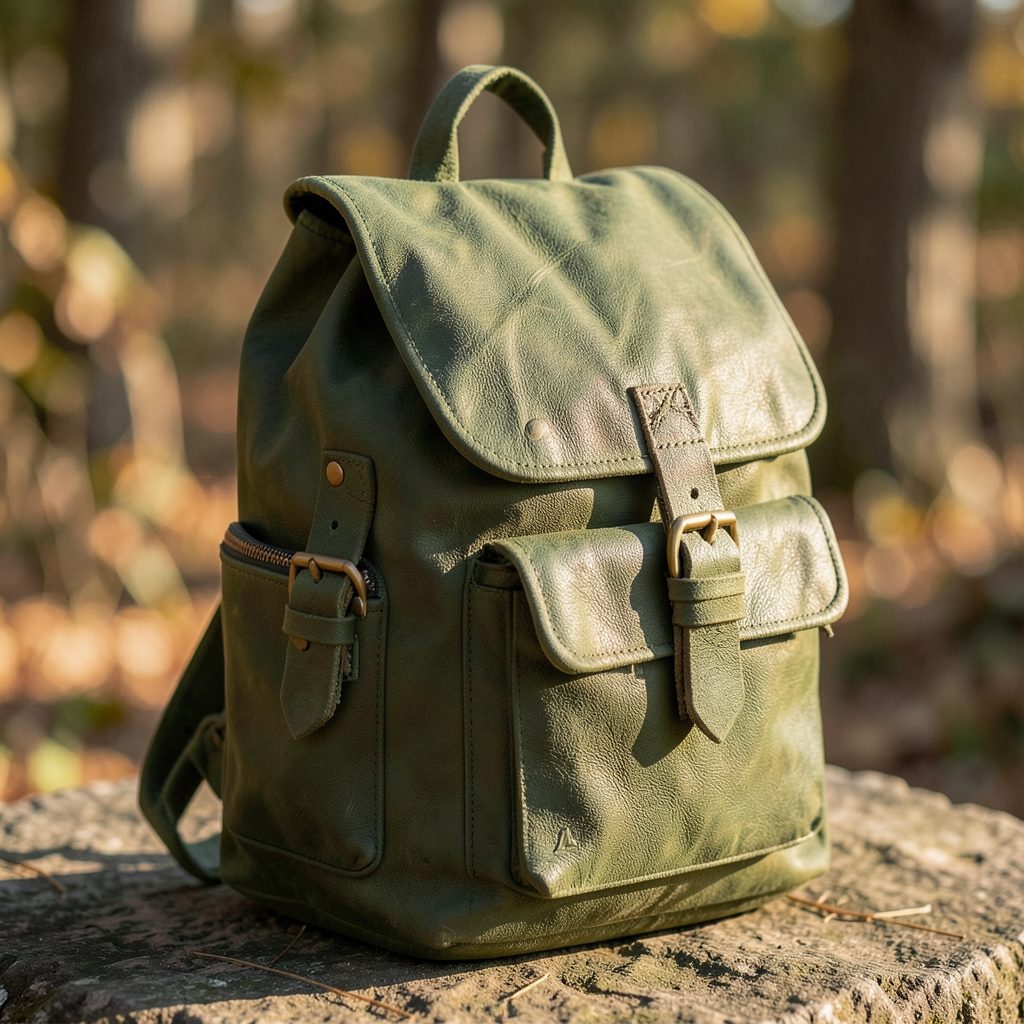
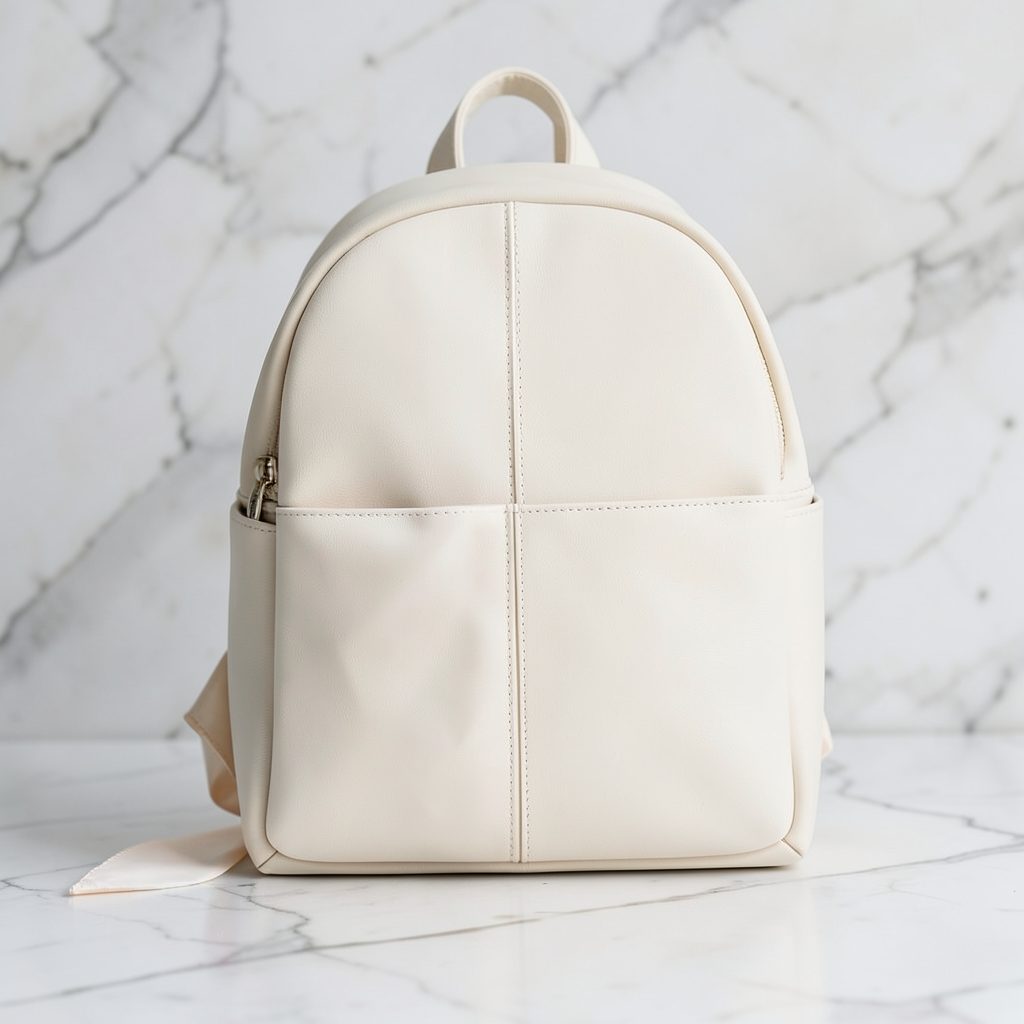
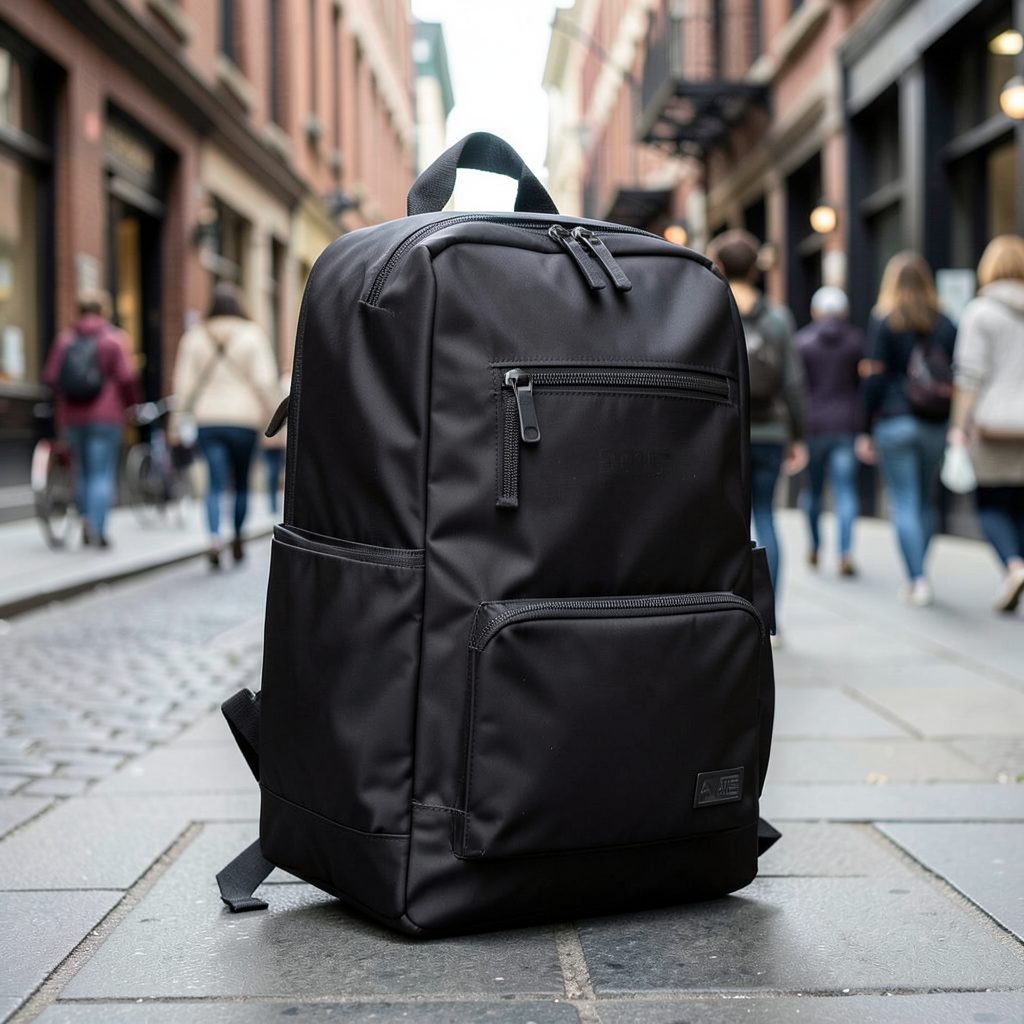
Colour can affect everyday practicality. Black, tan and deep brown coordinate easily with travel clothing and tend to disguise minor marks, while cream, green or patterned styles bring more personality to a simple outfit. Whatever the shade, place pens, cosmetics and snacks in separate pouches to reduce stains and keep the interior tidy.
Look for purchase features that make travel easier, including dependable order tracking and free worldwide shipping where available. These details are especially convenient for Australian shoppers ordering from an international travel brand, as they provide clearer delivery expectations before a trip. A well-made backpack, thoughtfully packed and properly cared for, can support sightseeing days without compromising personal style.
Pack your essentials, adjust the straps and make room for the unexpected before setting out. Explore Travel Starter Pack’s vegan leather backpacks and matching accessories to create a comfortable walking-tour kit for Australian city breaks, everyday errands and future adventures.
Our Backpack Styles
Every backpack is crafted from premium vegan leather with thoughtful details — multiple pockets, removable straps, and colors that work with any wardrobe. Browse the lineup below.