How to choose a vegan leather bag for guidebooks and bottles
A useful travel bag needs to handle the practical details of a day out: a guidebook, a reusable water bottle, phone, wallet, keys, sunscreen and perhaps a light layer. A design can look polished online yet feel awkward when the bottle rolls around or the book bends at the corners. The best choice combines dependable capacity with a shape that remains comfortable when it is fully packed.
Vegan leather is available in many finishes, from smooth polyurethane with a refined sheen to pebbled textures that disguise small marks. Quality varies between products, so the material name alone should not decide your purchase. Pay attention to the bag’s dimensions, lining, stitching, fastenings and strap construction before choosing a style.
Australian travel habits make this decision especially practical. A commuter moving between Sydney trains and city streets may want a secure crossbody, while someone exploring Melbourne laneways could prefer a hands-free backpack. In Brisbane, sudden rain can affect what you carry, and a sturdy reusable bottle is an everyday essential from Perth to Hobart.
The right bag should suit the guidebook you actually use, rather than a general idea of what might fit. Measure its height, width and thickness, then add the bottle’s diameter and a little space for easy access. This simple check helps prevent the common mistake of buying a fashionable bag that technically holds your essentials but becomes difficult to close or carry.
Start with the items you carry
Begin by laying out the contents you expect to take on a typical day. A standard travel guide may be around 20 to 23 centimetres tall, while a larger regional guide can be wider and noticeably heavier. Add a bottle between 600 and 750 millilitres, sunglasses, a compact umbrella, charging cable, hand sanitiser and a small pouch. This gives you a more realistic load than judging capacity from a product photograph.
Look for internal measurements rather than relying on labels such as “medium” or “large”. The bag should be at least a few centimetres taller and wider than the guidebook, with enough depth for a bottle standing beside it. A slightly relaxed shape is useful when carrying a jumper, although excessive softness can allow the book to bow or the bottle to fall sideways.
The opening matters as much as the overall capacity. A full zip keeps belongings contained on crowded public transport, while a magnetic or press-stud closure gives faster access. If you plan to carry the bottle upright, check whether the mouth of the bag opens wide enough to remove it without taking out the guidebook first.
Match the bag style to your route
A tote bag is often the easiest option when you need a broad opening and room for a book. Choose one with a reinforced base, substantial handles and enough depth to keep the bottle stable. A zipped interior pocket can separate smaller belongings from the main compartment. Browse vegan leather tote bags for shapes that can work for sightseeing, shopping and everyday errands.
Totes are particularly convenient for a slow market morning, a museum visit or a day when you may pick up extra items. Their weakness is weight distribution: a full bottle and guidebook can pull on one shoulder. Longer handles allow the bag to sit more securely, but commuters who walk substantial distances may find a backpack or crossbody more comfortable.
A crossbody bag is a strong choice for city exploration because it leaves both hands free for maps, public transport cards and taking photographs. Look for a wide adjustable strap and a compartment long enough for the book. The strap should attach with secure hardware rather than thin decorative loops, especially when the bag will carry a full bottle every day.
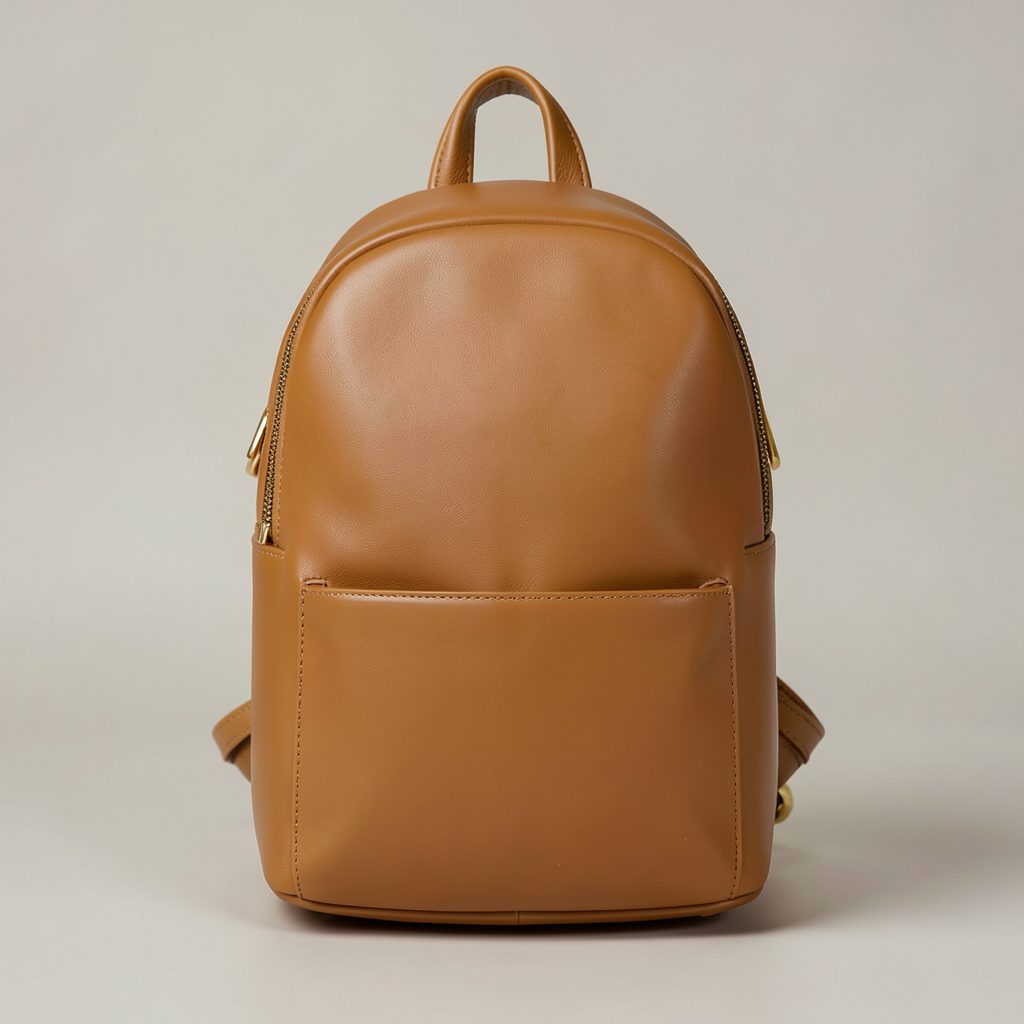
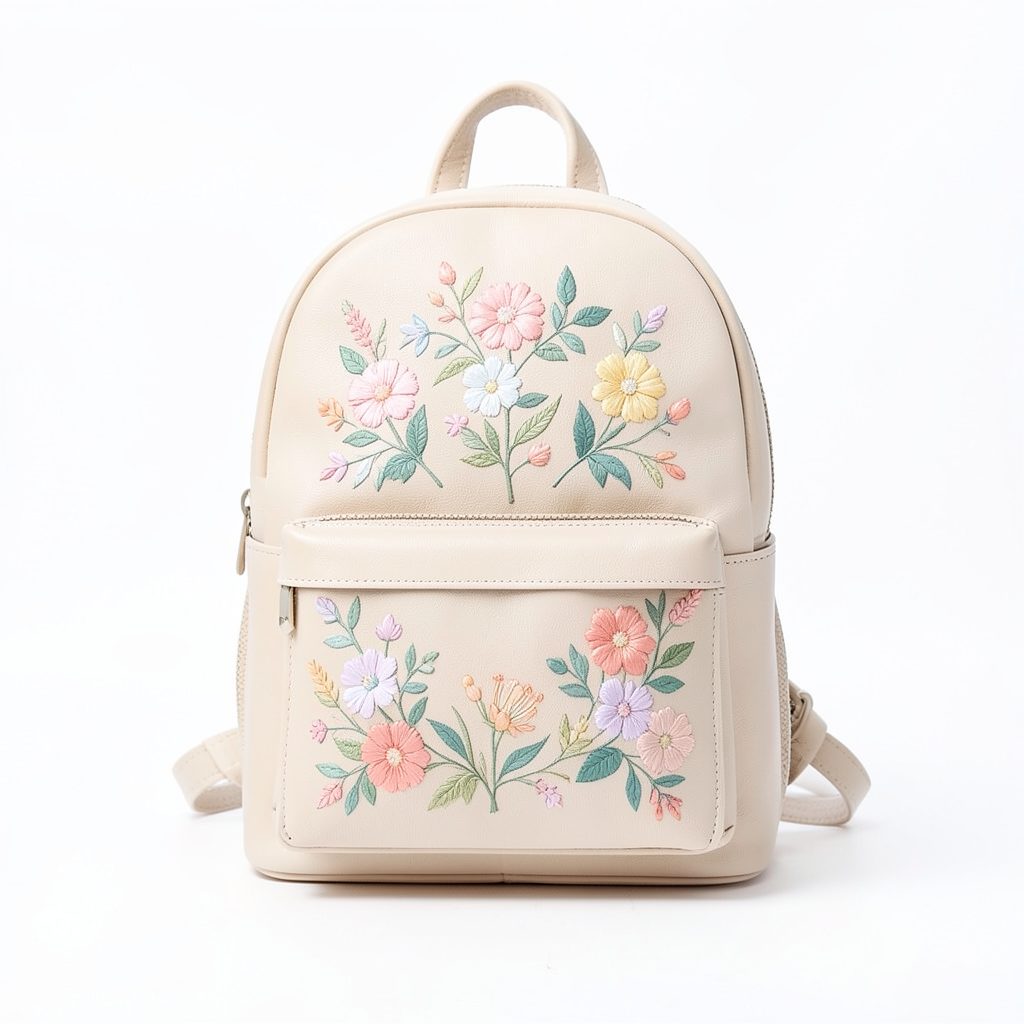
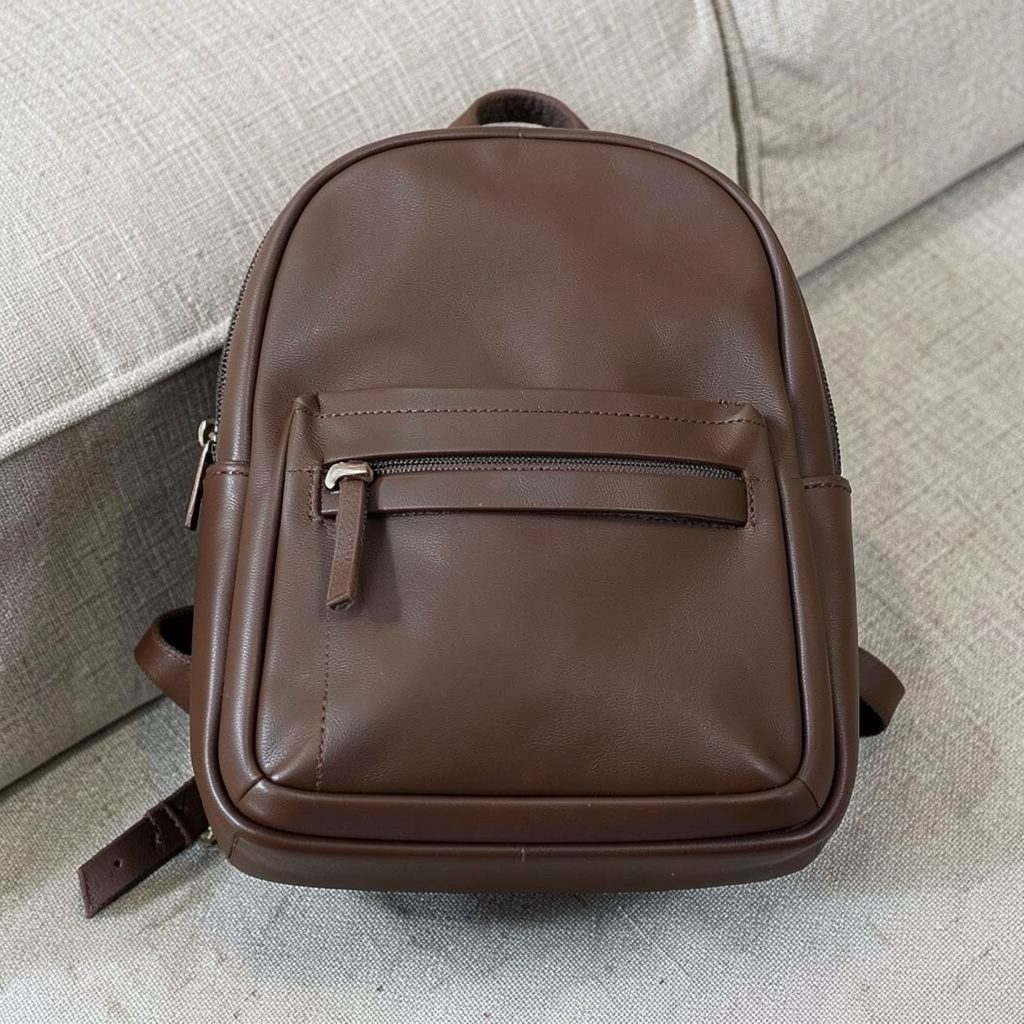
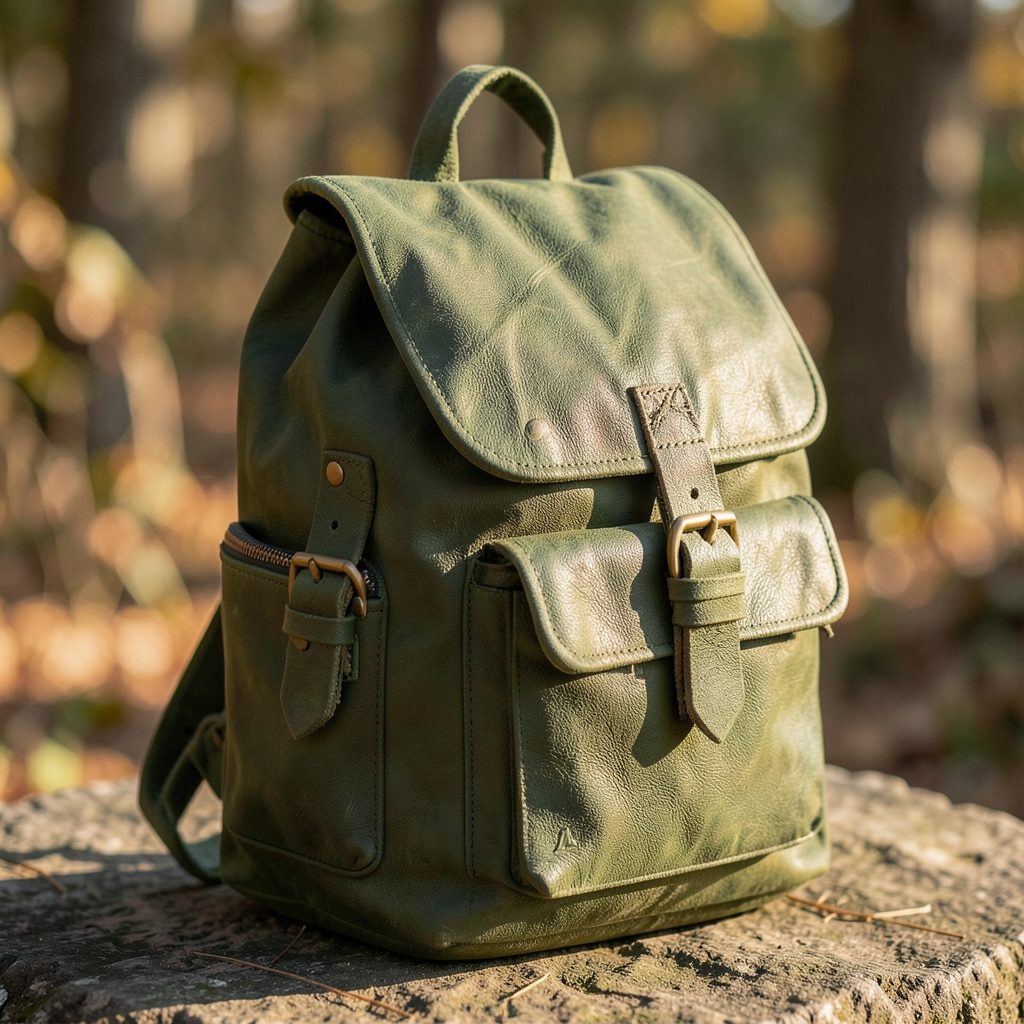
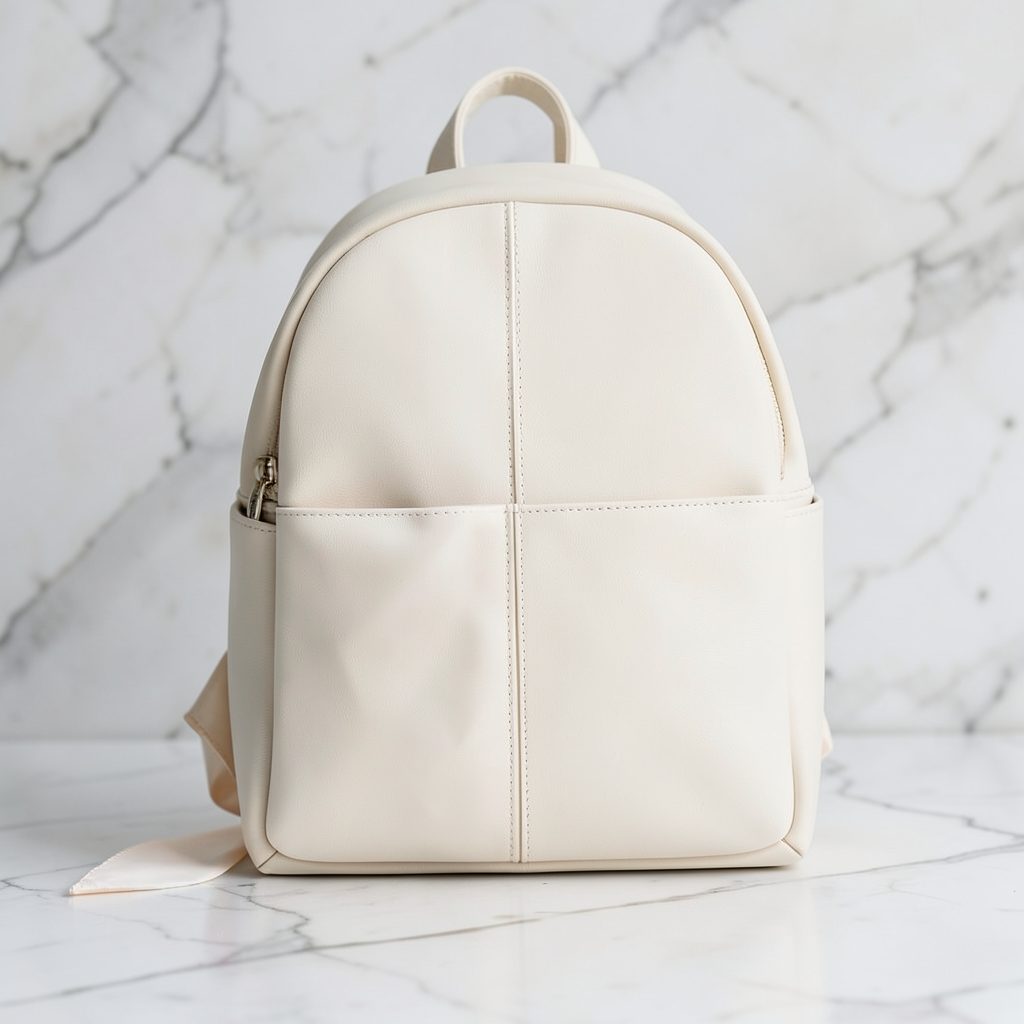
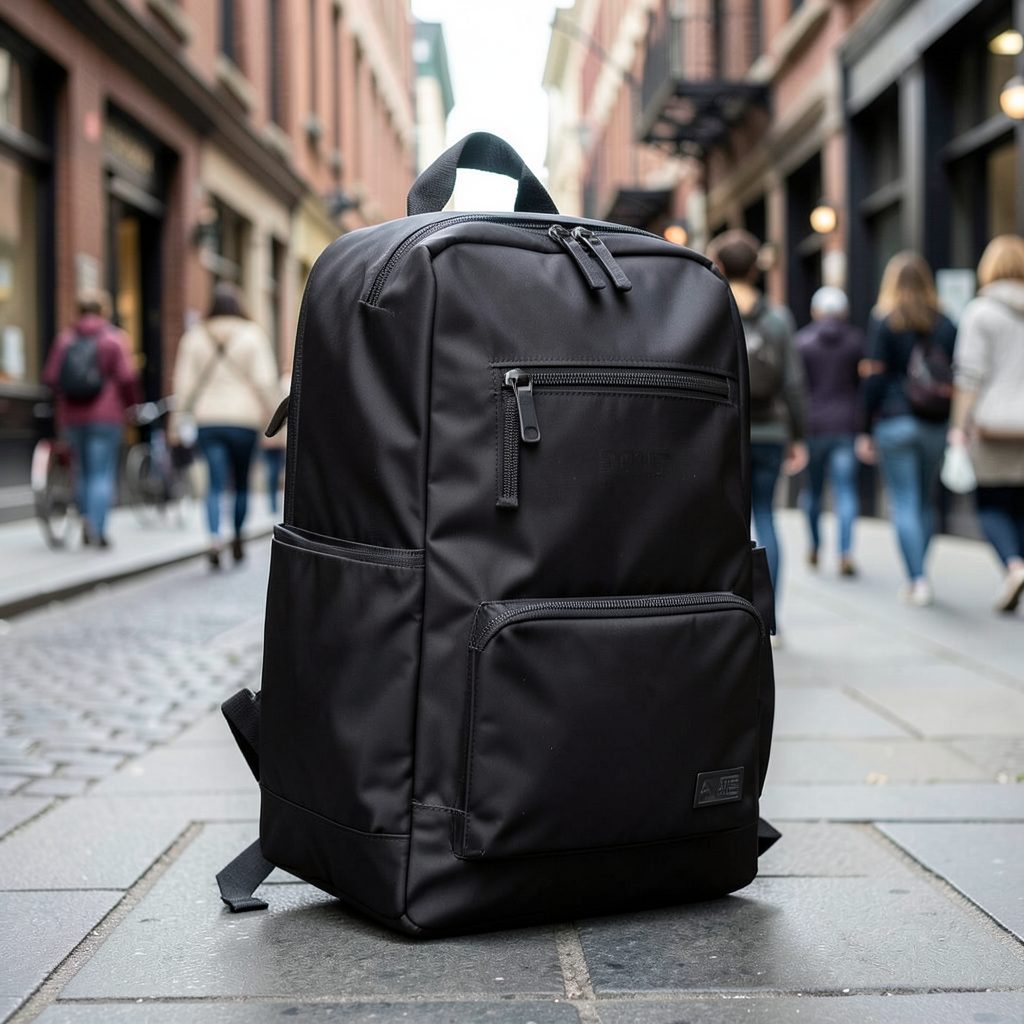
A backpack spreads weight across both shoulders and suits longer walks, airport transfers and university or work commutes. Its main compartment should hold the guidebook without forcing it against a curved back panel. A structured base and separate bottle sleeve help prevent leaks from reaching pages, while a smaller front pocket keeps your phone and keys accessible.
Check the structure and interior
A bag designed for a guidebook should have enough structure to protect the book from bending. This does not mean it needs to be rigid. A lightly reinforced bottom, stable side panels and a smooth lining will help the contents stay organised while preserving a comfortable feel. If the bag collapses completely when empty, confirm that it still has a usable opening when filled.
Interior pockets are valuable when they support the way you pack. A padded sleeve may protect an e-reader or tablet, while a zipped pocket is better for passports, cards and coins. An open slip pocket can hold a phone, but it should be deep enough to prevent the device sliding out when you bend down.
A bottle pocket is a useful feature, though its size should be checked carefully. Some sleeves fit only narrow disposable bottles, not the wider insulated flasks many Australians carry. Measure the bottle at its widest point, including any rubber grip or carry loop, and compare that measurement with the pocket width.
If there is no dedicated sleeve, choose a bag with a flat base and enough depth to keep the bottle upright. A removable bottle pouch can help, but it takes up room and may not be necessary. Placing the bottle inside a leak-resistant cover is sensible when the guidebook is valuable or the bag will be carried in hot conditions for several hours.
Assess comfort for Australian days
A bag that feels light in a shop may become tiring after a full day of walking. A large guidebook can weigh close to a kilogram, and a filled bottle adds more. Choose padded or broad straps where possible, and check that the strap length allows the bag to sit near your natural hip or mid-back rather than hanging against your knees.
Breathability also matters in warmer regions. Smooth vegan leather can feel warm against the body, particularly when worn as a crossbody in Queensland or during a summer afternoon in Adelaide. A backpack with a lightly padded back panel may improve comfort, while a crossbody with a wide strap can reduce pressure on one shoulder.
Consider how you move through local spaces. On Sydney buses and trains, a compact bag that stays close to the body is easier to manage during busy periods. On Melbourne’s trams, a zip closure and controlled size can prevent the bag from catching on seats or other passengers. For outdoor walks, a secure closure and practical strap are more important than a dramatic silhouette.
The bag should also be comfortable when placed under an airline seat or carried through a terminal. Avoid excessive external decoration that can snag, and check whether the handles lie flat. If flying domestically, remember that a full bottle will generally need to be emptied before security, so a bag with a wide opening makes it easier to remove and replace the bottle.
Choose materials and finishes thoughtfully
Vegan leather usually refers to animal-free alternatives such as polyurethane or other coated synthetic materials. The feel can range from supple and matte to firm and glossy. A pebbled surface is often forgiving for everyday use because minor scuffs are less visible, while a smooth finish can create a cleaner, minimalist appearance.
Inspect the points that experience the most strain. Stitching around handles, strap anchors and side seams should look even, with no loose threads. Metal rings and clasps need to sit firmly without pulling the material. A reinforced base is helpful because it protects the lower corners when the bag is placed on café floors, pavements or airport seating.
Hot weather and sudden showers are worth considering in Australia. Vegan leather may resist light splashes, but it should not be treated as fully waterproof unless the product specifically says so. Wipe away moisture with a soft cloth, avoid leaving the bag in direct sun for long periods, and store it somewhere cool and dry when it is not in use.
Care instructions can reveal how practical the finish will be. A bag that needs specialised products may be less convenient for frequent travel. Most everyday marks can be handled with a slightly damp cloth, but abrasive cleaners, high heat and prolonged exposure to wet conditions can affect coatings, colour and flexibility.
Balance appearance with everyday function
A travel bag does not have to look technical to be useful. Neutral black, tan, brown or deep green can coordinate with casual clothing and workwear, while brighter shades make the bag easier to identify in a busy luggage area. Think about the clothes and shoes you already wear, then choose a colour that will earn regular use beyond one holiday.
Decorative details should not compromise access. A tassel, contrast trim or textured panel can add personality, but make sure it does not block the zip or interfere with a bottle sleeve. For a softer shape with a distinctive finish, the tassel bucket bag style can suit light sightseeing days when you want a relaxed alternative to a conventional tote.
A bucket bag works best when its base is stable and its drawstring or closure can be tightened securely. Check the opening after placing the guidebook inside: some rounded designs narrow sharply at the top, leaving less usable space than their full dimensions suggest. The bottle should sit low and upright rather than pushing the book towards the opening.
Think about security in crowded areas as well. A crossbody worn across the body is generally easier to monitor than a loose shoulder bag, while a backpack may need to be moved to the front on busy transport. Internal zipped pockets provide a sensible place for cards and identification, and a discreet exterior keeps the design streamlined.
When researching an overseas itinerary, practical planning resources can sit alongside transport information and packing notes; for example, Dutch helpline information may be relevant to travellers reviewing support services before visiting the Netherlands. The broader point is to keep essential information, documents and contact details organised in a bag that is easy to access without exposing everything inside.
Use a simple shopping checklist
Before ordering, compare the bag’s external and internal dimensions with your guidebook and bottle. Confirm the weight of the empty bag, because a heavy design leaves less room for useful contents. Check the closure, strap drop, pocket arrangement and whether the base is wide enough to stand upright.
Read product photographs carefully. Look for close views of the lining, stitching, hardware and handle attachment points. If measurements are provided in centimetres, sketch the dimensions on paper or use a ruler against your current bag. This is especially helpful when buying online, where perspective can make a compact bag look much larger.
Consider how the bag fits your whole travel routine. A tote may be ideal for a day at a market and a crossbody better for public transport, while a backpack may make sense for long walks or study trips. If you want one versatile purchase, prioritise a secure opening, a comfortable strap, a stable base and enough room for the bottle without crushing the guidebook.
Finally, look at delivery and after-purchase details. Free worldwide shipping can make an online order more practical for Australian customers, while order tracking helps you follow a parcel across international stages. Check sale terms, care guidance and product specifications before paying, then allow enough time for delivery before your departure.
Choose a vegan leather bag that protects the guidebook, keeps the water bottle upright and feels comfortable after several hours of use. Explore practical styles at Travel Starter Pack, compare the measurements with your everyday essentials, and select a design that can move from Australian commutes to overseas sightseeing with ease.
Our Backpack Styles
Every backpack is crafted from premium vegan leather with thoughtful details — multiple pockets, removable straps, and colors that work with any wardrobe. Browse the lineup below.