How to clean a vegan leather bag after a spill or stain
A spill does not have to ruin a vegan leather bag. Most everyday marks can be removed safely when they are treated promptly with gentle products, light pressure, and a small amount of moisture. Vegan leather, also called faux leather or synthetic leather, usually has a coated surface that helps resist liquid, but that coating still needs careful handling.
The safest approach is to identify the stain before reaching for a cleaner. Water, coffee, oil, makeup, ink, and food residue each respond differently, and an aggressive solvent can cause more damage than the original spill. Avoid scrubbing, soaking, or applying heat, especially when you do not know how the bag’s finish will react.
A well-maintained bag remains practical for commuting, holidays, and daily errands. Travel Starter Pack’s animal-free bags are designed for repeated use, so a simple cleaning routine can help preserve the color, surface texture, stitching, and structure for longer.
Check the material and the stain first
Start by checking the care label, product description, or manufacturer’s instructions. Some vegan leather bags have a smooth polyurethane coating, while others include textured finishes, microfiber panels, fabric sections, or suede-like details. A method that is suitable for a glossy exterior may be unsuitable for a soft or brushed panel.
Remove everything from the bag before cleaning. Check inside pockets, under the lining, and around seams so that a loose pen, cosmetic, or food item does not create another mark. If the spill is still wet, gently blot it with a clean white cloth or paper towel. Press down and lift the cloth rather than rubbing the liquid across the surface.
Look closely at the stain in good light. A fresh water-based spill is usually easier to remove than an older mark that has dried into the coating. If the material is cracked, peeling, sticky, or discolored around the spill, stop before applying moisture. The damage may involve the finish itself rather than surface dirt.
Gather gentle cleaning supplies
You do not need a specialist kit for most small stains. Prepare two or three soft, lint-free cloths, lukewarm water, and a mild soap such as an unscented dishwashing liquid or gentle hand soap. A soft-bristled toothbrush can help clean stitching and textured edges, but use it lightly.
Use a small bowl for diluted soapy water rather than applying liquid directly to the bag. A useful starting mixture is a few drops of mild soap in a cup of lukewarm water. The solution should feel slippery but not heavily sudsy. Keep a separate cloth dampened with plain water for removing soap residue.
Avoid bleach, acetone, nail-polish remover, alcohol-based sprays, abrasive powders, disinfectant wipes, furniture polish, and strong household cleaners. These products can strip color, soften the coating, leave a cloudy film, or make the surface tacky. Melamine sponges can also be too abrasive for vegan leather, even when they appear to remove marks quickly.
Before treating the visible area, test the solution on a hidden section, such as beneath a flap or near an interior seam. Wait until the area dries completely. A successful spot test should leave the color, sheen, and texture unchanged.
Clean the spill with controlled movements
Once the stain has been blotted and the solution tested, dip a soft cloth into the diluted soap and wring it out thoroughly. It should be damp, never dripping. Work from the outside edge of the mark toward the center to reduce the chance of spreading it.
Use short, gentle dabbing or circular movements with minimal pressure. Clean a small section at a time, then inspect the surface. Several light passes are safer than one forceful scrub. If the cloth becomes dirty, change to a clean section so that you do not redistribute the stain.
After the mark lifts, use a second cloth lightly dampened with plain water to remove soap residue. Do not rinse the bag under a tap or hold it beneath running water. Excess moisture can seep into seams, affect the lining, weaken adhesives, or distort the shape of a structured bag.
For a spill inside the bag, turn the lining outward if the construction allows it, or wipe the interior carefully with a barely damp cloth. Leave zippers open while the lining dries. A cotton swab can help reach corners, but it should also be only slightly damp.
| Spill or stain | First treatment | Avoid |
|---|---|---|
| Water or juice | Blot immediately, then wipe with diluted mild soap | Rubbing the wet area outward |
| Coffee or tea | Blot, use a damp soapy cloth, and remove residue | Hot water or soaking |
| Oil or greasy food | Lift solids, blot carefully, then use very mild soap | Powders, degreasers, or heavy pressure |
| Makeup | Remove excess with a dry cloth, then dab with diluted soap | Scraping or using alcohol |
| Ink | Blot only if fresh and seek care guidance before solvents | Acetone, perfume, or hairspray |
| Mud or dirt | Let it dry, brush away loose particles, then wipe | Cleaning wet grit into the coating |
Treat common marks without damaging the finish
Coffee, tea, juice, and other water-based spills should be handled quickly. Blot away as much liquid as possible, then use the diluted soap solution. Work in small areas and repeat only when the surface has dried enough to assess. A faint ring may disappear as the area dries evenly, but soaking one spot can create a larger water mark.
For food residue, remove any solid pieces with the edge of a plastic card or a dry cloth. Do not scrape with a knife or fingernail. Once the residue is gone, use a damp soapy cloth and follow with a clean damp cloth. Greasy marks may require two or three gentle passes, but stronger detergent is not necessarily better.
Makeup stains deserve extra care because foundation, lipstick, and mascara can contain oils, pigments, or waxes. Lift loose product without spreading it, then dab rather than wipe. Avoid applying cosmetic remover unless the bag’s manufacturer specifically recommends it; many removers contain alcohol or solvents that can affect synthetic leather.
Ink is one of the most difficult marks to remove at home. Rubbing can enlarge the stain and drive pigment deeper into a textured coating. Try only a small, manufacturer-approved treatment after testing it in a hidden place. If the ink is prominent or the bag is valuable, professional cleaning is safer than experimenting with household solvents.
Dry and reshape the bag naturally
After cleaning, pat the area with a dry towel to absorb surface moisture. Then leave the bag in a cool, well-ventilated room away from direct sunlight, radiators, hairdryers, heated vents, and tumble dryers. Artificial leather can warp, crack, fade, or become stiff when exposed to concentrated heat.
Keep the bag open while it dries. If its shape has softened, fill it loosely with clean white tissue paper or a plain cotton towel. Avoid newspaper, colored paper, and heavily packed items, since ink can transfer and tight stuffing can stretch the material. Do not hang a wet, heavy bag from a narrow strap; place it upright on a clean surface instead.
Allow the exterior and lining to dry fully before storing or using the bag. A cool, slightly damp feel can indicate moisture trapped beneath a flap or inside a pocket. Closing the bag too soon may encourage odor or mildew, particularly in humid conditions.
If you regularly switch between work, sightseeing, and air travel, organization helps prevent future spills. Learning how to pack a tote bag can help keep liquids upright, separate shoes and cosmetics, and prevent sharp objects from pressing against the lining or outer panels.
Prevent stains during everyday travel
Prevention begins with how the bag is packed. Keep bottles, sunscreen, hand sanitizer, and cosmetics in sealed pouches rather than loose compartments. Choose leak-resistant containers, tighten caps before leaving home, and place liquids upright whenever possible. A small washable pouch provides an extra barrier for toiletries and snacks.
Avoid placing the bag directly on wet floors, dusty pavement, restaurant seats, or rough walls. When you need to set it down, use a clean chair, luggage rack, or protective surface. Sharp-edged items such as keys, pens, and charging accessories should be stored in an interior pocket so they do not scratch the exterior.
Weight also affects the bag’s shape and long-term wear. Overloading can strain handles, distort base panels, and increase friction along corners. Before selecting a travel bag for regular use, these guidelines on testing backpack comfort can help you assess how the load sits against your body and whether the design is practical for your routine.
A convertible design can be especially useful when a bag needs to move between hand carry, shoulder carry, and backpack use. The right configuration may reduce dragging and contact with dirty surfaces. For ideas about adaptable capacity and carrying options, explore this guide to a convertible tote backpack.
Build a simple care routine
A quick surface check once a week can prevent small marks from becoming permanent. Empty crumbs and dust, wipe high-contact areas such as handles and straps with a barely damp cloth, and inspect corners for scuffing. Regular light cleaning is preferable to occasional deep cleaning because it uses less moisture and less pressure.
Store the bag in a breathable fabric dust bag or a clean pillowcase when it is not in use. Keep it away from direct sunlight, damp closets, and sharp objects. Do not fold a structured bag tightly for long periods; maintain its shape with light tissue paper and leave enough space for air circulation.
Conditioners made for genuine leather are usually unnecessary and may leave vegan leather greasy or cloudy. If a care product claims to be suitable for synthetic leather, read the label carefully and test it first. The safest routine remains gentle wiping, limited moisture, natural drying, and prompt treatment of fresh spills.
For a dependable cleaning routine, keep these habits in place:
- Blot spills immediately with a clean, absorbent cloth instead of rubbing them.
- Test every soap or care product on a hidden area before treating the stain.
- Use lukewarm water sparingly and keep moisture away from seams and zippers.
- Dry the bag naturally in a shaded, ventilated place with its shape supported.
- Store liquids, cosmetics, and snacks in sealed pouches during travel.
A clean vegan leather bag looks polished, feels better to carry, and is easier to rely on for daily movement. When a spill occurs, patience and light handling usually protect the finish more effectively than powerful chemicals or vigorous scrubbing. Browse Travel Starter Pack’s vegan leather bags and accessories to find an animal-free design suited to your routine, then keep it ready for the next commute, weekend away, or long-haul journey.
Our Backpack Styles
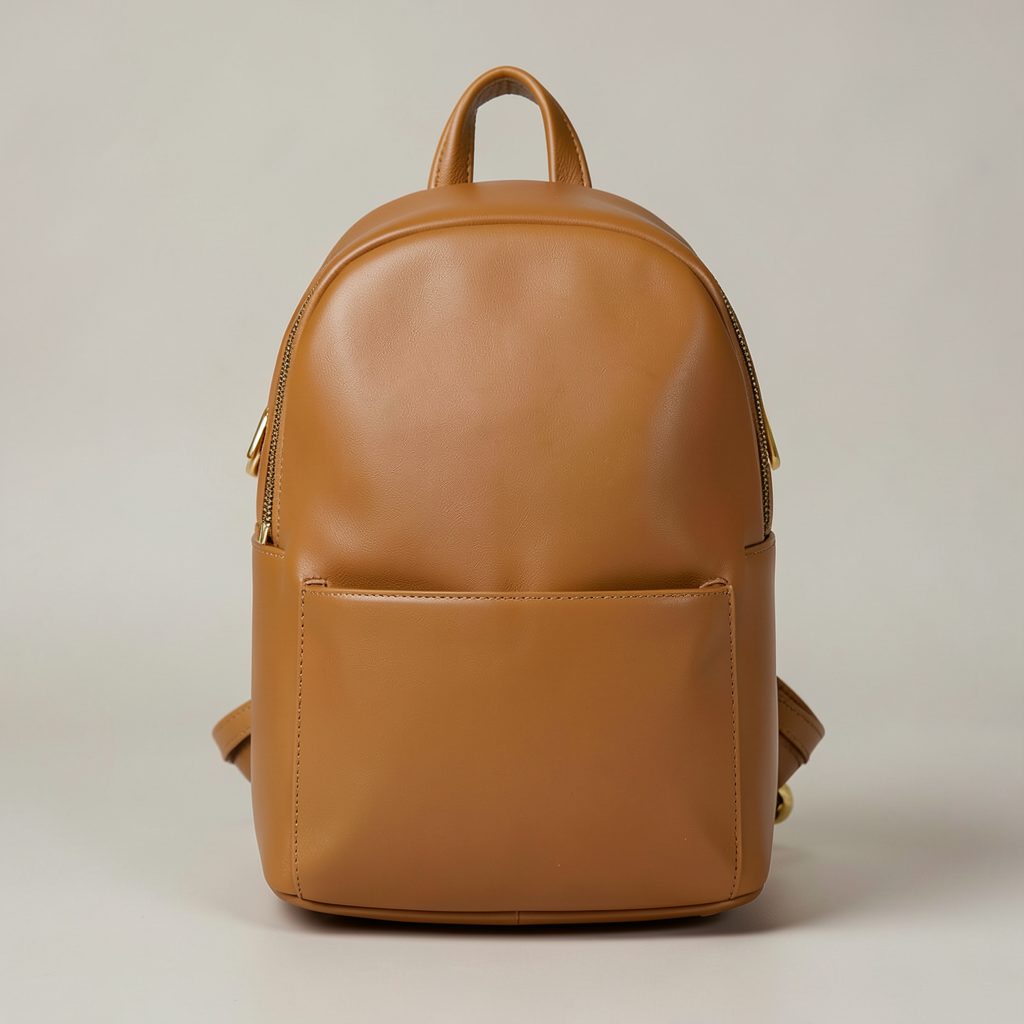
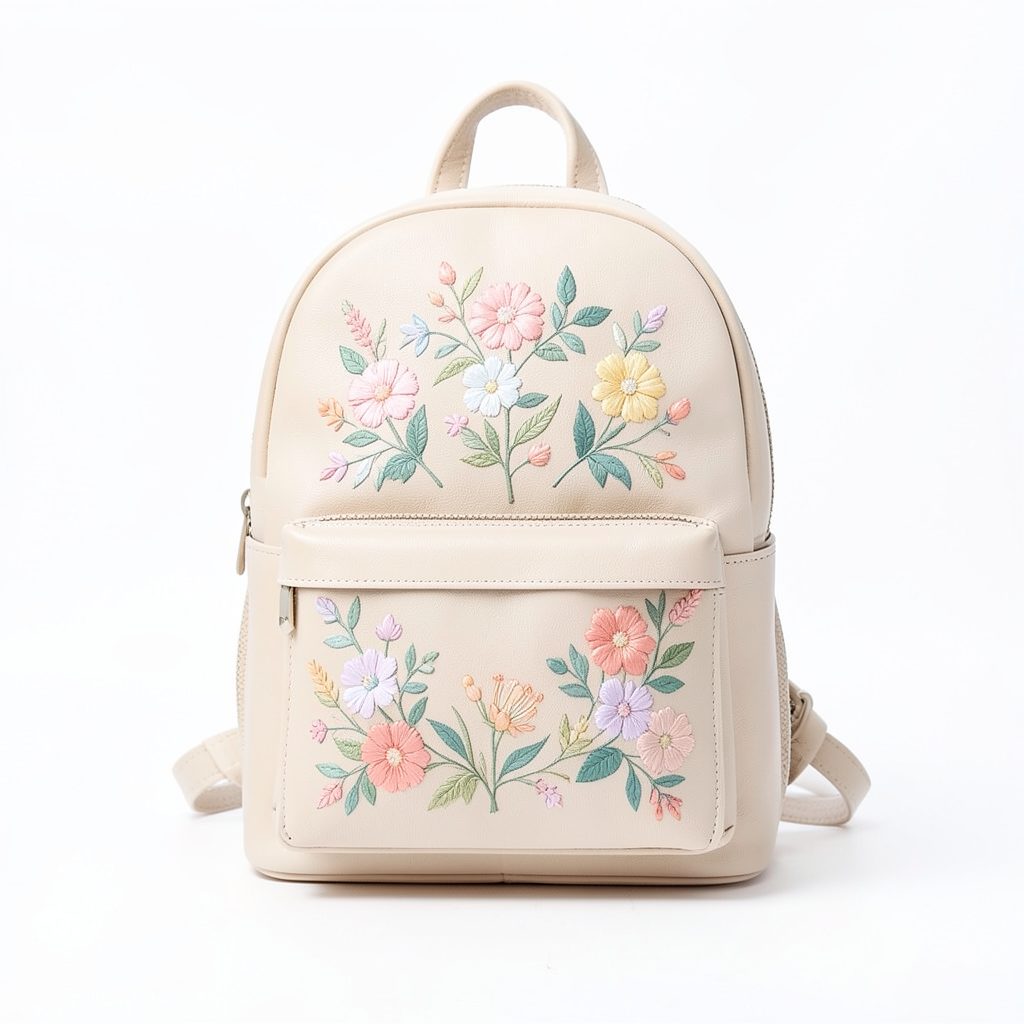
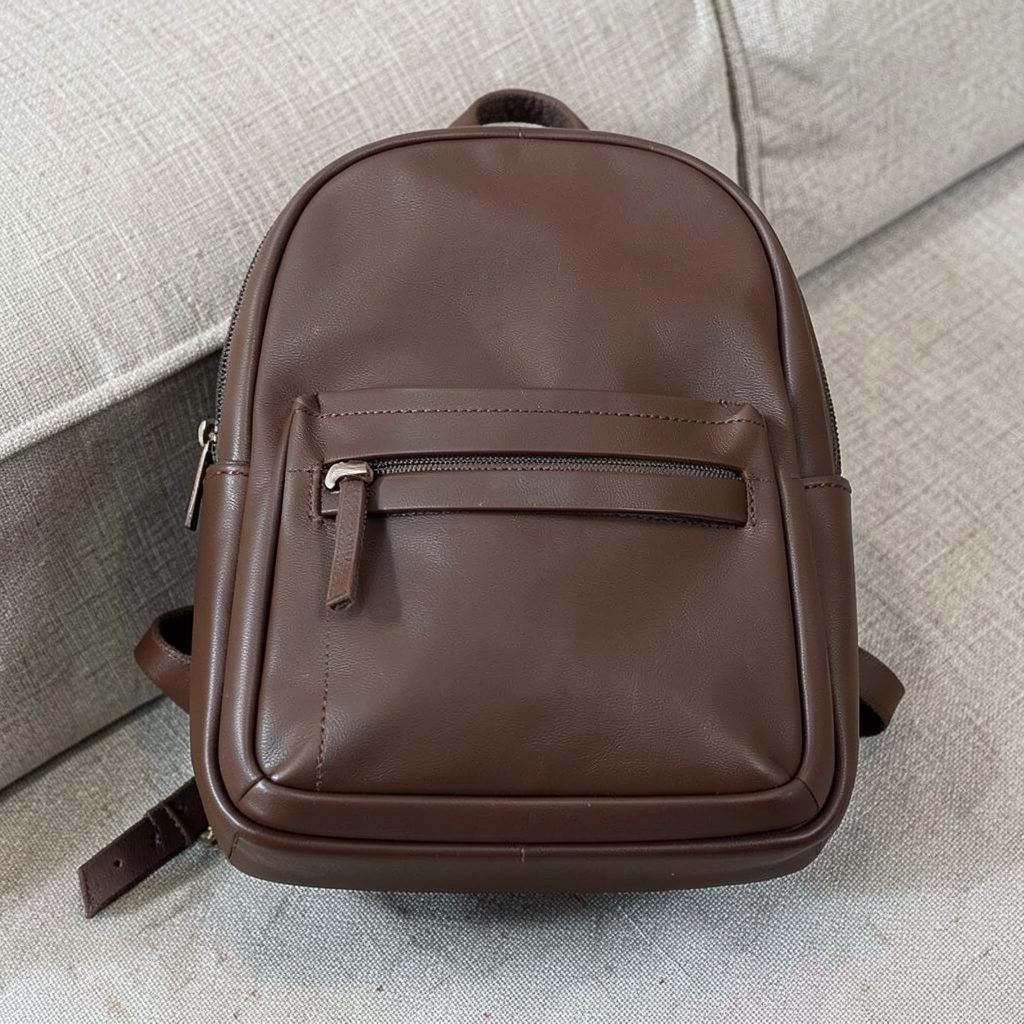
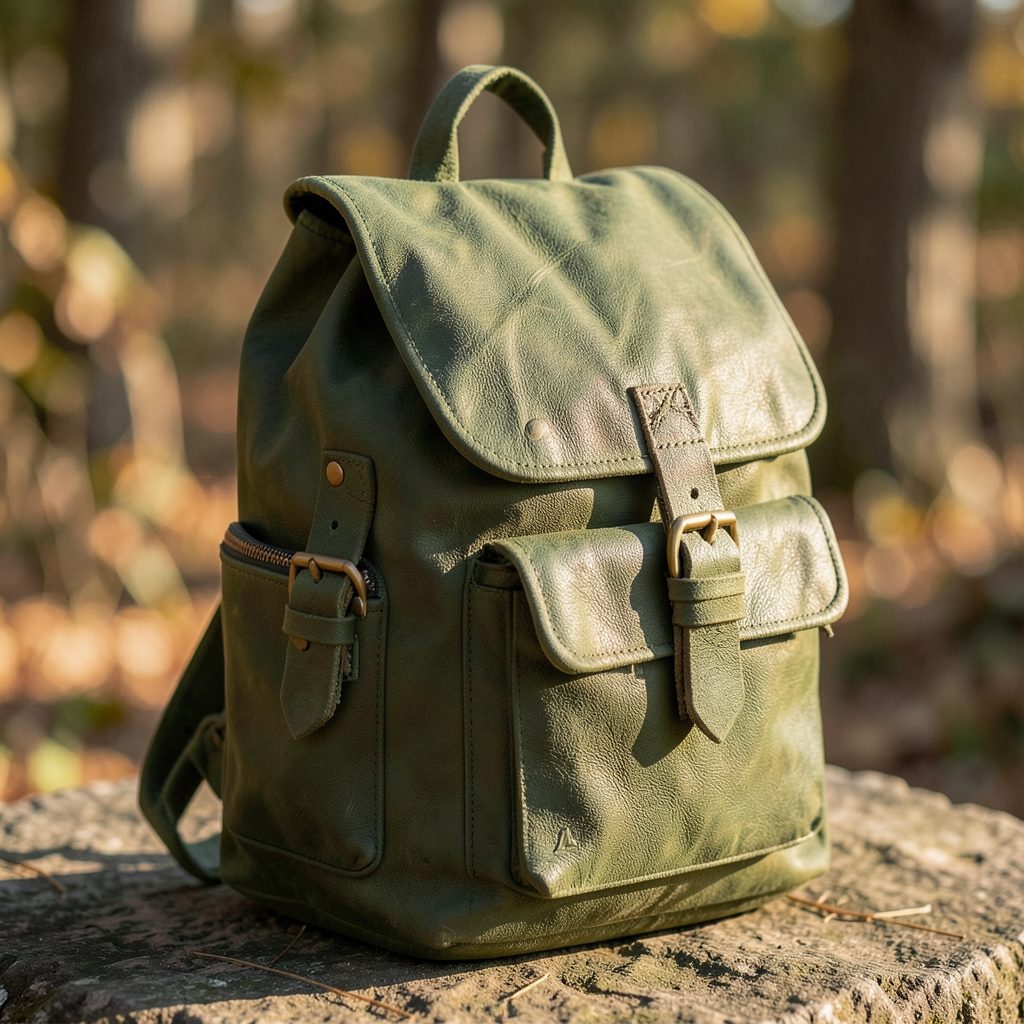
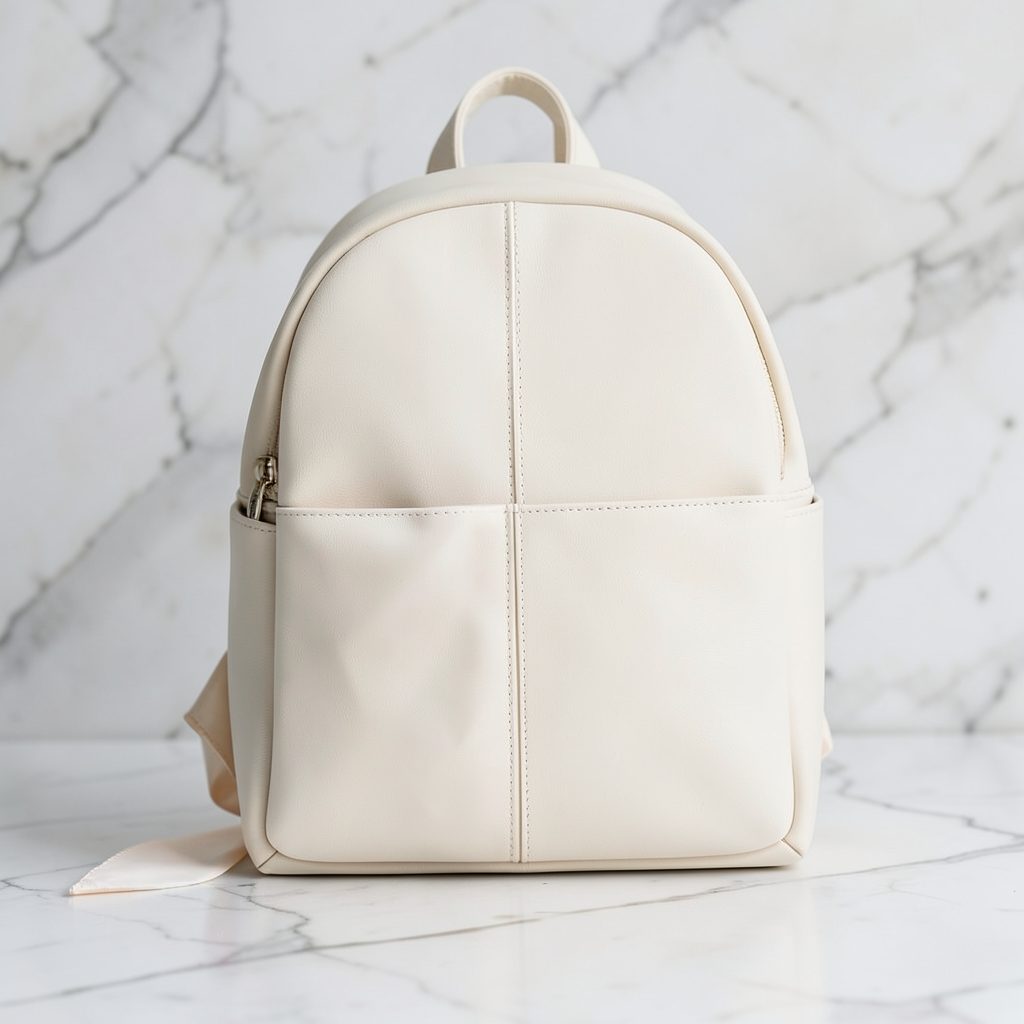
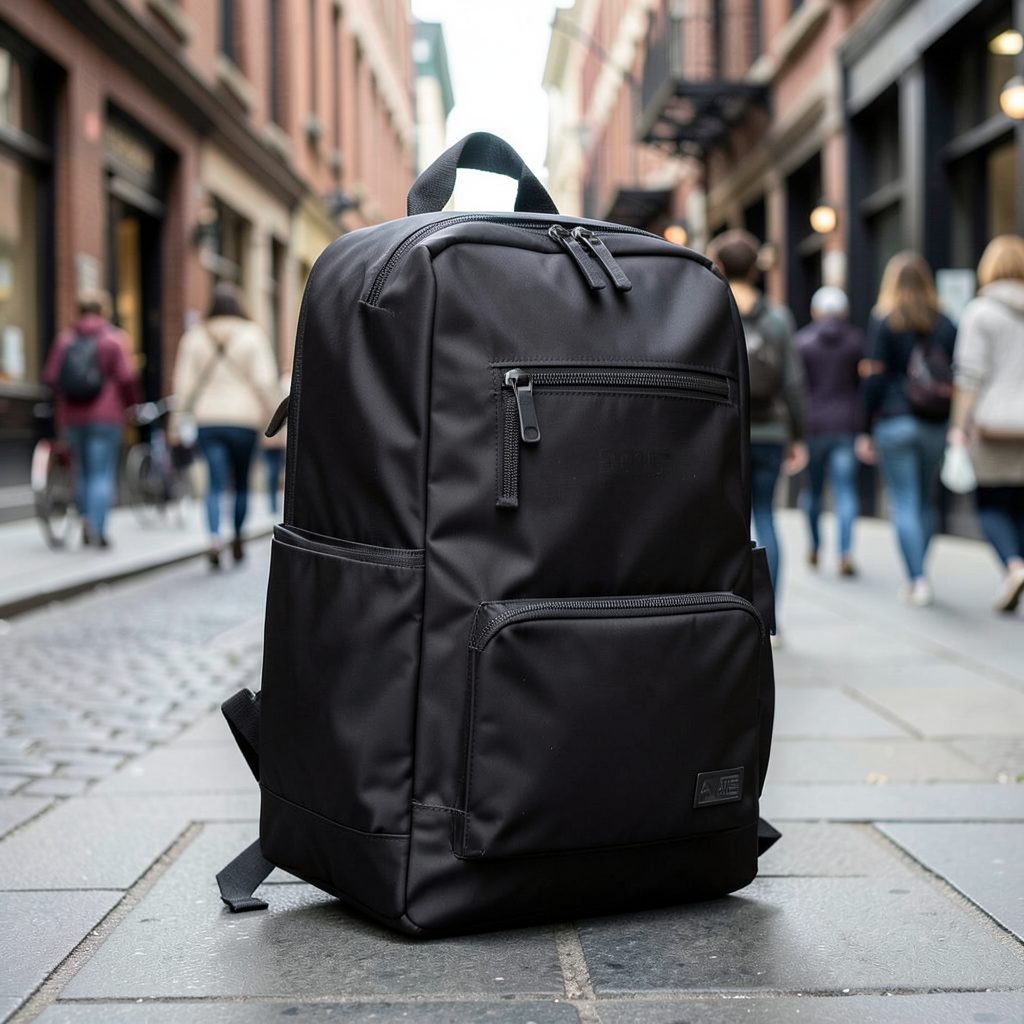
Every backpack is crafted from premium vegan leather with thoughtful details — multiple pockets, removable straps, and colors that work with any wardrobe. Browse the lineup below.