How to Test the Weight and Comfort of a Travel Backpack Before Buying
A travel backpack can look practical online and still feel uncomfortable after an hour of walking. Product photos show the shape, color, and storage capacity, but they rarely reveal how the bag distributes weight across your shoulders, back, and hips. A proper comfort check helps you avoid buying a stylish pack that becomes tiring during airport transfers, city tours, or weekend trips.
The best test uses the same conditions you expect on the road. Add realistic items, adjust every strap, walk for several minutes, and pay attention to pressure points rather than judging the bag while it is empty. A lightweight design is useful, but fit and balance determine whether that lightness remains comfortable once the backpack is packed.
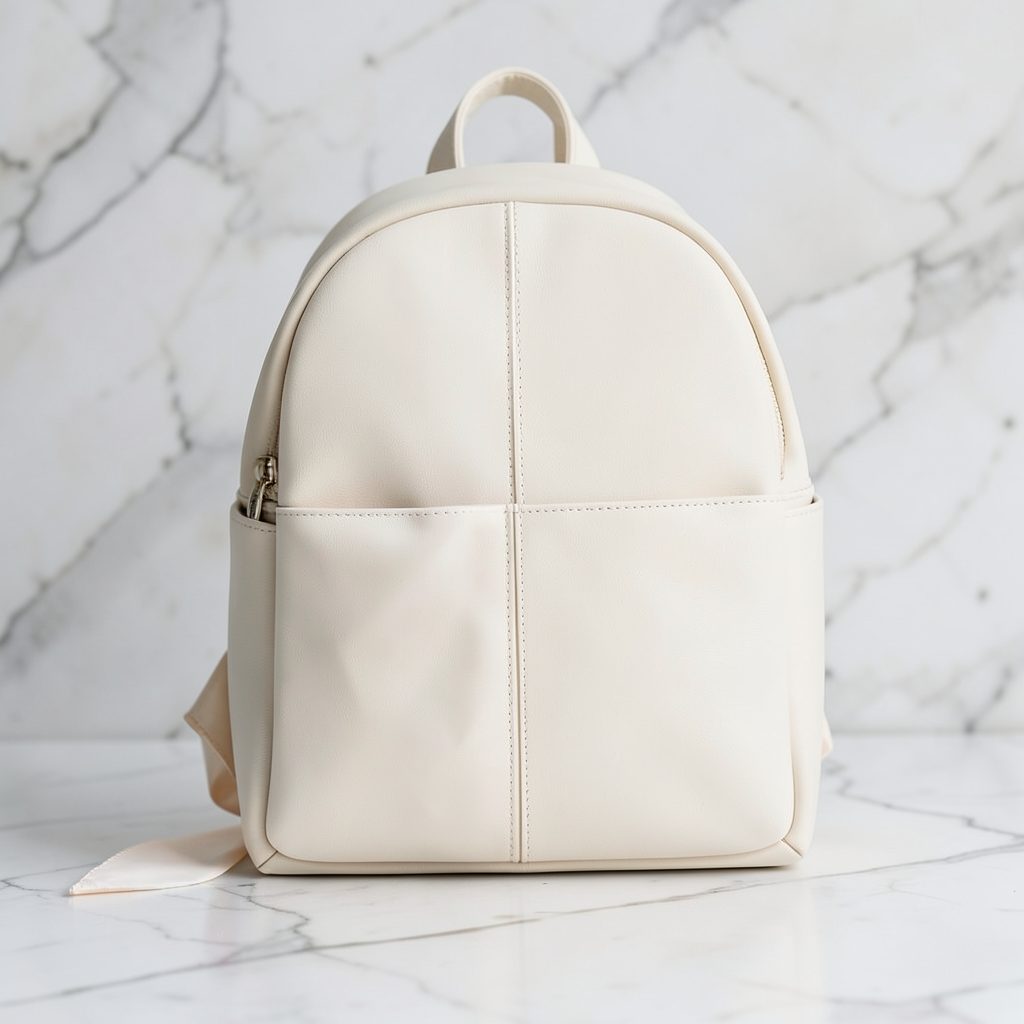
Materials also affect the experience. Vegan leather can provide a structured appearance and a smooth finish, while thoughtful construction, reinforced seams, padded straps, and practical compartments make a greater difference to daily usability. Travel Starter Pack offers animal-free bags designed for travel and everyday carrying, giving shoppers a range of styles to evaluate according to their own routines.
Start With Your Real Travel Load
Before testing a backpack, estimate what you will actually carry. A short city break may require a phone, wallet, passport, sunglasses, water bottle, charger, light sweater, toiletries, and a small camera. Longer trips could add a tablet, compact laptop, book, snacks, or an extra pair of shoes. Use comparable items during your fitting instead of relying on an empty bag.
Place heavier objects close to the back panel and lower than the shoulder blades. This reflects sensible packing and makes the test more accurate. If the bag feels fine when its contents are scattered randomly but becomes uncomfortable when loaded normally, its internal layout may be contributing to poor balance.
Capacity should support your plans without encouraging overpacking. A large compartment can seem convenient, yet extra space often leads to unnecessary weight. For guidance on proportions, compartments, and weekend functionality, review this vegan leather backpack guide before comparing individual models.
Check the Empty and Loaded Weight
Begin with the backpack in its empty state. Lift it by the top handle and notice whether it already feels dense or awkward. A bag that is surprisingly heavy before you add anything will reduce the amount of useful gear you can carry. Check the product specifications for the actual net weight, then compare it with the materials, hardware, padding, and structure included in the design.
Next, load the backpack gradually. Add a water bottle, electronics, clothing, and other travel essentials one at a time. After each addition, lift and wear the pack. This reveals when comfort starts to decline and whether a particular object creates a hard spot against your back. It also shows whether the compartments keep items stable or allow them to shift while walking.
Aim to judge the total carrying weight, not simply the bag itself. A well-designed pack should feel close to your body rather than pulling backward. If the shoulders carry nearly all the pressure, the pack may be too heavy, too long, or poorly adjusted. If the lower back feels compressed, the load may be sitting too low or the rear panel may lack enough support.
A useful test is to walk for five to ten minutes with the intended load. Stand, sit, climb stairs, and turn from side to side. Comfort that lasts only while you are standing still is not enough for a travel bag that will move with you through stations, terminals, and busy streets.
Adjust the Fit From Top to Bottom
Put the backpack on with both shoulder straps in place. Loosen all adjustments first, then tighten them gradually. The shoulder straps should hold the bag close without digging into your neck. Their upper attachment points should sit near the top of your shoulders, while the lower ends should follow the natural curve of your torso.
The back panel should make broad, even contact without creating a hot spot. A small gap can be useful for airflow, but too much separation allows the pack to swing and increases the effort required to stabilize it. Check whether the bottom of the backpack rests around the middle of your lower back rather than hanging near your hips or pressing into them.
If the model includes a sternum strap, position it across the upper chest and tighten it lightly. Its purpose is to keep the shoulder straps from spreading outward, not to pull them tightly together. A hip belt can help with larger loads, but it should sit on the upper hip bones and transfer some weight away from the shoulders. Decorative waist straps generally do not provide the same support.
Pay attention to movement as well as stillness. Reach for a passport, bend down, rotate your torso, and lift your arms. The bag should remain secure without restricting normal movement. Straps that slip during these actions may require repeated adjustment throughout the day.
Compare Carrying Positions and Features
A travel backpack may be carried on the back most of the time, but alternative handles and straps affect convenience. Test the top handle with the loaded bag, especially if you expect to place it in an overhead compartment or carry it briefly between transport connections. It should feel secure in your hand and remain comfortable without sharp edges pressing into your fingers.
Some designs include a side handle or a convertible strap arrangement. Try each option with the same contents. A side carry position can be helpful in narrow spaces, while a crossbody configuration may work for short distances. However, a bag that feels comfortable in one position can become unbalanced in another, so each carrying mode deserves its own check.
Storage layout also influences weight distribution. A laptop sleeve close to the back can keep electronics stable, while an outer pocket makes frequently used items easier to reach. Small accessories should not force you to carry a second bulky pouch. A compact wallet, for example, can keep cards and identification organized inside an accessible compartment; the range of travel wallets can help you consider this part of the overall packing setup.
| Test Area | What To Check | Comfortable Result |
|---|---|---|
| Empty weight | Lift the bag before adding belongings | It feels manageable and well balanced |
| Loaded weight | Pack realistic travel items | The contents stay close to your back |
| Shoulder straps | Wear and tighten them evenly | No pinching, slipping, or neck pressure |
| Back panel | Walk and sit with the pack on | Broad contact without painful hot spots |
| Sternum strap | Move your arms and rotate | Shoulder straps remain stable |
| Handles | Lift the loaded bag briefly | Grip feels secure without sharp pressure |
| Compartments | Reach for essentials and repack | Items are accessible without disturbing balance |
Use a Short Practical Fitting Routine
A repeatable routine makes it easier to compare several backpacks. Complete the same steps with each model and use similar contents. Record the empty weight, the loaded feel, the adjustment range, and any discomfort that appears after walking. This prevents a visually appealing design from receiving an unfair advantage simply because it was tested for less time.
- Load the pack with the items you normally travel with.
- Place dense objects close to the back panel.
- Adjust shoulder, sternum, and hip straps from loose to secure.
- Walk, sit, climb stairs, and bend for at least five minutes.
- Remove the backpack and note pressure, heat, slipping, or restricted movement.
Give each sensation a specific description. “Uncomfortable” could mean a strap edge pressing into the collarbone, a zipper rubbing against the back, a bottom panel hitting the hips, or the bag pulling away from the body. Identifying the cause makes it easier to decide whether an adjustment can solve the issue or whether a different shape is needed.
Test the pack again after removing a few items. If a minor reduction in load produces a major improvement, the backpack may be suitable only for lighter travel. That is not necessarily a flaw, but it should match your intended use. A compact daypack and a work-and-weekend backpack have different comfort limits.
Inspect Materials, Padding, and Construction
Comfort depends on the surfaces that touch your body. Examine the shoulder straps for enough padding and a smooth finish. Look at the edges where straps meet the main body, since rough binding or rigid seams can become irritating after repeated movement. The back panel should feel supportive rather than excessively stiff.
Inspect the base and side panels as well. A structured base helps the backpack stand and protects its contents, but too much rigidity can make the bag dig into your lower back. Flexible panels can feel pleasant when lightly packed, though they may allow items to press against the body when the load increases. The best choice depends on how much structure your usual contents require.
Vegan leather often gives a bag a polished, consistent surface and can be easy to maintain. Still, material quality should be judged alongside stitching, lining, hardware, and reinforcement at high-stress points. Open and close each zipper several times, pull gently on the handles, and examine whether the seams remain even around pockets and strap attachments.
Look for a balance between appearance and practical durability. A smooth exterior may suit business travel, while a more relaxed design can work for everyday errands. Either style should protect the contents, remain stable when loaded, and offer hardware that feels reliable enough for frequent use.
Test Access, Security, and Daily Movement
A comfortable backpack can still be inconvenient if every essential item is difficult to reach. With the bag on your back, practice removing your phone, passport, water bottle, and wallet. Notice whether you can access them without taking the backpack off or twisting awkwardly. Fast access matters during ticket checks, hotel arrivals, and public transport journeys.
Check the zippers while the backpack is loaded. They should open smoothly without catching on lining or becoming difficult to pull because the compartment is overfilled. If you plan to carry valuables in crowded places, examine whether the zipper positions and pocket placement support secure packing. These travel security tips can help you evaluate protective features before making a purchase.
Move through realistic scenarios rather than standing in front of a mirror. Walk through a narrow doorway, place the bag under a seat, lift it into a luggage compartment, and turn while wearing a coat. Check whether the straps remain comfortable over different clothing layers and whether the backpack retains its shape when partially full.
Consider heat and weather, too. A smooth back panel may be easy to clean, while breathable padding can reduce warmth during long walks. If the exterior is likely to encounter light rain or spills, confirm how the material and lining should be cared for. Practical maintenance supports comfort by helping straps, padding, and zippers remain in good condition.
Make the Final Decision With Evidence
After the fitting routine, compare your notes instead of relying on first impressions. A backpack with slightly less attractive styling may be the better travel companion if it distributes weight evenly and stays comfortable after movement. Conversely, a beautiful design can still be the right choice when the load is light and the fit matches your body.
For online purchases, review dimensions, net weight, strap measurements, compartment details, and customer feedback about comfort. Product images should be considered together with written specifications. Check shipping and tracking information as well, particularly when ordering for an upcoming trip. Once the bag arrives, repeat the loaded test indoors while keeping packaging and tags intact until you are satisfied with the fit.
The most reliable backpack is the one that suits your body, packing habits, and daily travel patterns. Take time to adjust it properly, test it with realistic weight, and inspect how it behaves during ordinary movement. When comfort, organization, animal-free materials, and durable construction work together, the backpack becomes an asset rather than another burden to manage.
Choose a Travel Starter Pack backpack that matches your load, complete the fitting routine before your next trip, and use the result to pack with confidence. A few careful minutes of testing can make every airport connection, city walk, and everyday commute feel considerably easier.
Our Backpack Styles
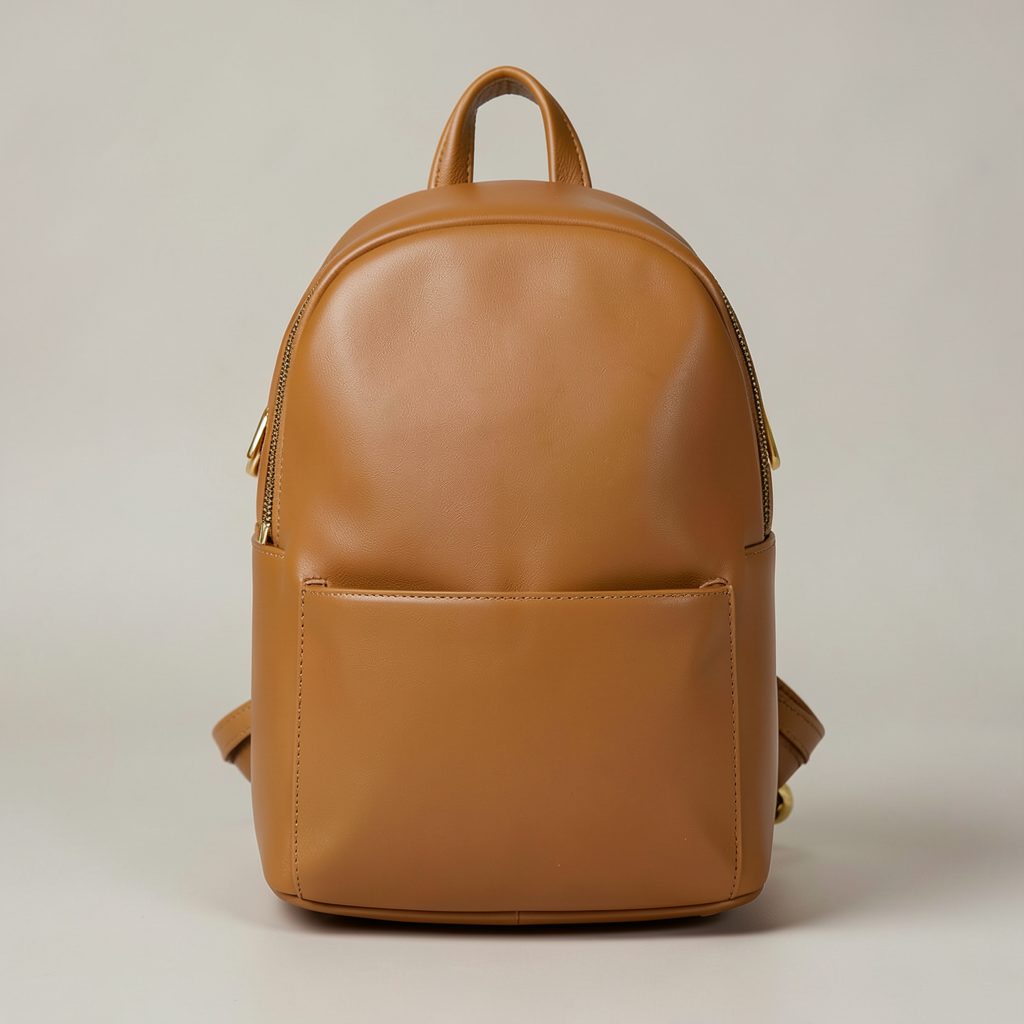
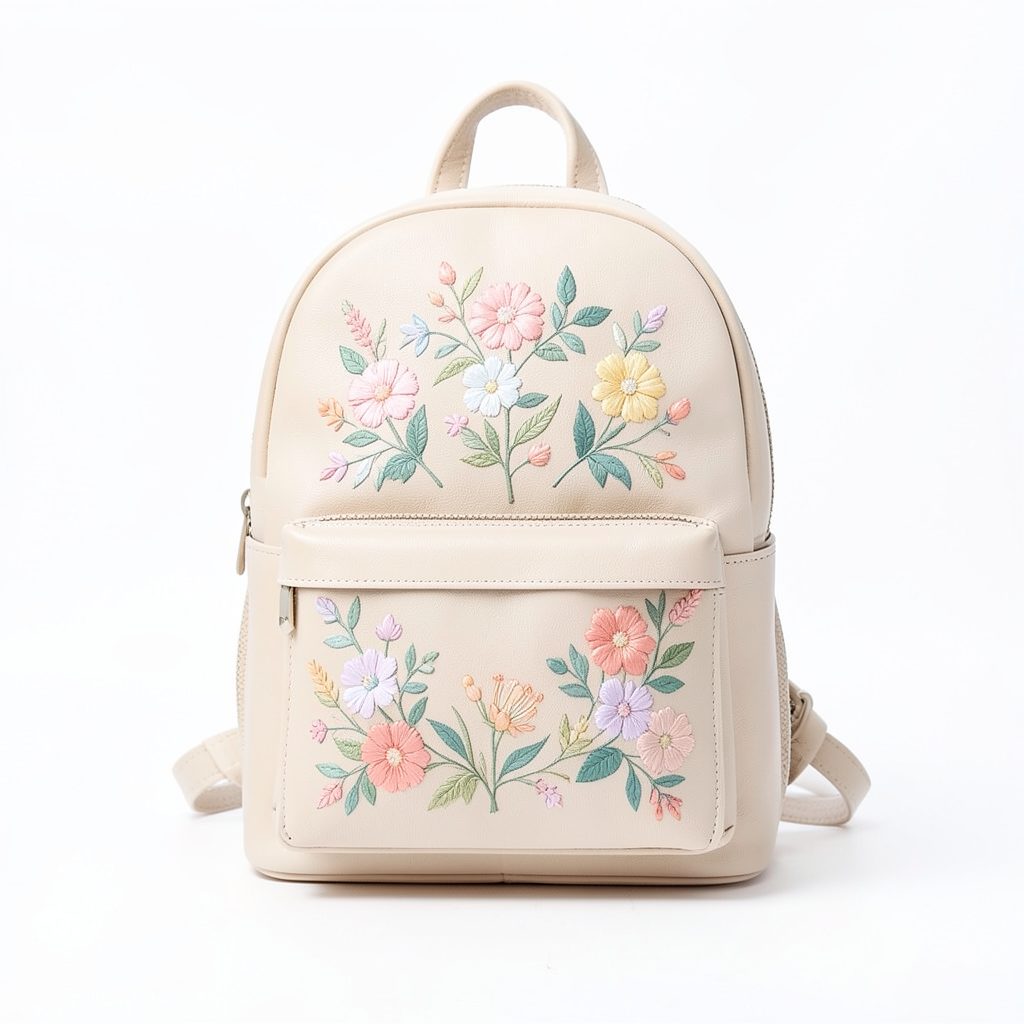
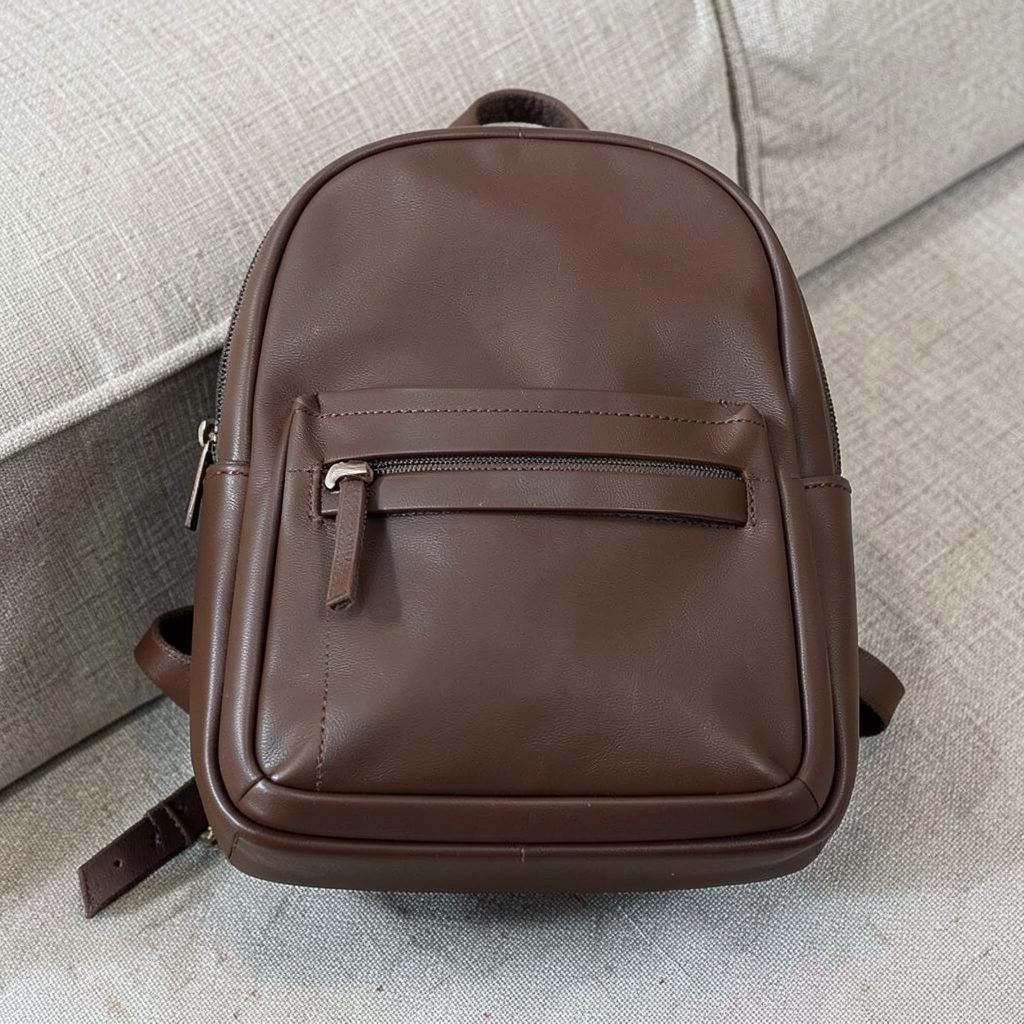
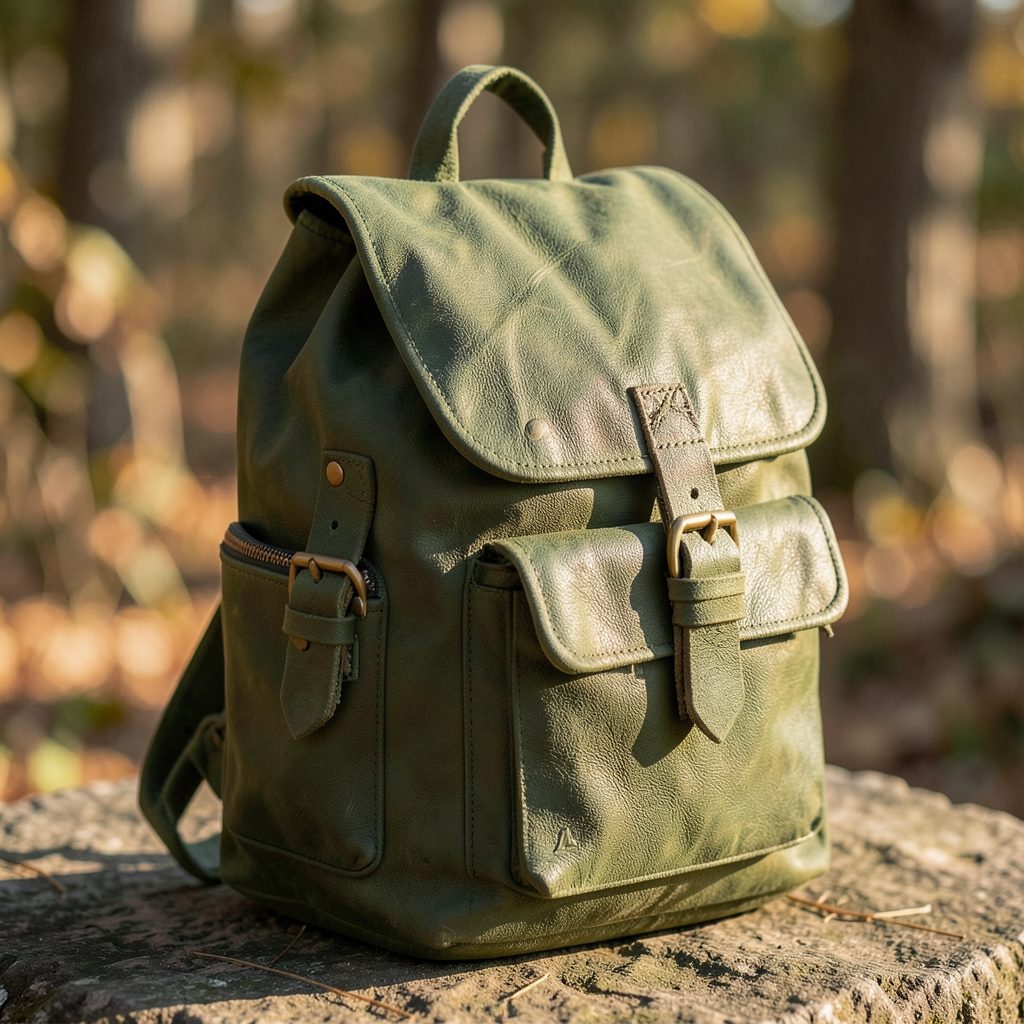
Every backpack is crafted from premium vegan leather with thoughtful details — multiple pockets, removable straps, and colors that work with any wardrobe. Browse the lineup below.