How to Pack a Tote Bag as Your Personal Item
A well-packed tote can make a travel day considerably easier. When it serves as your personal item and carry-on companion, it should hold the essentials you need during transit without becoming so full that it is awkward to carry. The goal is easy access, balanced weight, and enough flexibility for changing plans.
Learning how to pack a tote bag as your personal item and carry-on starts with choosing the right structure. A roomy design with comfortable handles, secure closures, and useful compartments can accommodate travel documents, electronics, toiletries, a water bottle, and a few personal comforts while fitting beneath an airplane seat.
Vegan leather is especially practical for this purpose. It offers a polished appearance for airports, offices, and weekend trips, while a durable, animal-free material can handle frequent use. With a simple packing system, your tote becomes more than a handbag: it becomes a compact travel organizer that works alongside your main luggage.
Choose The Right Tote
Start by considering the airline’s personal-item dimensions and your own travel habits. Airlines often have different size limits, so check the current rules before leaving home. A tote that fits beneath the seat is generally more useful than an oversized style that may need to be placed in the overhead compartment. Measure the bag when it is filled, since soft sides can expand beyond their stated dimensions.
Look for a medium-to-large tote with a wide opening, strong straps, and a stable base. A zippered top keeps belongings contained when the bag is placed under a seat or carried through a busy terminal. Interior pockets help separate small items, while an exterior pocket can provide quick access to a boarding pass or phone.
Material and weight matter as well. A heavy empty bag leaves less room for your own possessions and can become uncomfortable after a long walk through the airport. A structured vegan leather tote gives you a refined look without requiring extra luggage, especially when its lining and stitching are designed for repeated travel.
Build A Practical Packing System
Divide the contents into three groups: items needed during the journey, items needed only at your destination, and items that should remain in your main suitcase. The first group belongs in the easiest-to-reach area. This usually includes identification, travel documents, medication, headphones, a phone charger, and a light layer.
Use small pouches to create zones inside the tote. A compact pouch can hold cables and adapters, another can organize personal care products, and a slim wallet can keep cards and cash together. This prevents loose objects from settling at the bottom and allows you to move essential items between bags when your plans change.
Keep heavier belongings close to the base and near the side that rests against your body. Place lighter items, such as a scarf or e-reader, toward the top. This arrangement improves balance and leaves a little open space for purchases, snacks, or a jacket during the journey.
A wallet with built-in scanning protection can be useful when moving through crowded transport hubs. This guide to RFID-blocking wallets explains what to look for when selecting a compact option for cards and identification.
Arrange Items For Easy Access
The top layer of your tote should contain anything you may need before reaching your destination. Keep your passport or identification in a secure pocket rather than loose among larger belongings. Place your phone, charging cable, tissues, and a small snack where they can be reached without unpacking the entire bag.
A clear pouch is helpful for airport security and everyday organization. Use it for lip balm, hand sanitizer, a travel-size moisturizer, and other small liquids that may need to be removed during screening. Check liquid restrictions for your departure airport, and keep containers within the permitted size.
Electronics should have their own section whenever possible. A tablet or compact laptop can sit against a padded divider, while cables should be coiled in a separate organizer. Avoid placing hard objects directly against a screen. If your tote has no padding, use a slim sleeve to add protection without taking up much space.
Wear the bulkiest travel layers instead of packing them. A cardigan, light jacket, or scarf can be carried over your arm when necessary, then folded into the tote once you settle on the plane. This creates room for useful extras and prevents the bag from becoming overstuffed.
Match Your Tote With Your Main Luggage
A tote works best as a personal item when your main suitcase contains clothing, shoes, and destination-specific belongings. Keep duplicate items out of the tote. For example, if your checked or cabin suitcase already contains a full toiletry kit, pack only the essentials needed during transit in your personal bag.
Use the suitcase for items that are difficult to access in a seated space. The tote should carry smaller, high-use essentials, while the larger case handles folded clothing and heavier possessions. This division also makes it easier to comply with weight limits and retrieve what you need without opening your suitcase in the terminal.
If possible, select a tote with a luggage sleeve. This feature slides over a suitcase handle and takes pressure off your shoulder while moving between gates, stations, and hotels. Without a sleeve, you can place the tote securely over the telescoping handle, but check that it does not shift or drag against the wheels.
| Tote Area | Best Items To Pack | Why It Helps |
|---|---|---|
| Secure inner pocket | Passport, identification, cards, cash | Keeps important documents contained |
| Padded center section | Tablet, e-reader, compact laptop | Reduces contact with other objects |
| Small organizer pouch | Chargers, cables, earbuds, adapters | Prevents tangled electronics |
| Clear toiletry pouch | Sanitizer, lip balm, tissues, small liquids | Makes screening and access easier |
| Outer pocket | Phone, boarding pass, pen | Allows quick access during transit |
| Lower section | Book, compact umbrella, water bottle | Keeps heavier items balanced |
Protect Comfort And Security
A tote can hold a surprising amount, so it is important to monitor its weight. Before leaving, lift the packed bag and walk around with it for a few minutes. If the handles dig into your hand or the bag pulls strongly on one shoulder, remove nonessential items or redistribute the contents.
Alternate shoulders when carrying the tote through the terminal, and use both hands when lifting it into an overhead compartment. A bag that feels manageable at home can become tiring after security lines, transfers, and delays. Comfort is part of efficient packing, not an afterthought.
Security also depends on how the tote closes. Keep zippers fastened in crowded areas, and avoid storing your phone or wallet in an open exterior pocket when walking through busy spaces. A crossbody belt bag can provide a second layer for your phone and passport. For outfit ideas that keep small essentials close, explore these tips for styling belt bags.
Choose items that serve more than one purpose. A lightweight scarf can become a blanket on a chilly flight, a reusable bottle can replace multiple disposable purchases, and a small foldable bag can hold souvenirs without forcing the tote to expand beyond a comfortable size.
Use A Simple Pre-Flight Checklist
Packing in the same order before each trip makes it easier to identify missing essentials. First, place documents and medications in their secure locations. Next, add electronics and personal care items, then fill the remaining space with comfort items. Leave a little capacity at the top rather than packing to the limit.
Review the tote once more before entering the airport. Remove anything you will not use during the journey, confirm that liquids are accessible, and make sure the bag closes fully. If you are traveling internationally, keep copies of important details securely stored according to your own privacy preferences.
- Check the airline’s personal-item size and weight rules
- Place identification, medication, and valuables in secure pockets
- Store electronics in a padded sleeve with cables organized separately
- Keep liquids together in an accessible, compliant pouch
- Test the filled tote for comfort, balance, and secure closure
A final check should also account for the return trip. If you expect to shop or collect printed materials, leave enough space for them. A tote that begins with no flexibility may become difficult to close later, especially when a jacket or travel documents need to be added.
Make Every Trip Easier
The most useful personal-item tote is organized around your actual movements. You will need to show identification, pass through security, wait at a gate, board efficiently, and settle into a limited amount of space. Packing for those moments creates a bag that feels calm and functional rather than crowded.
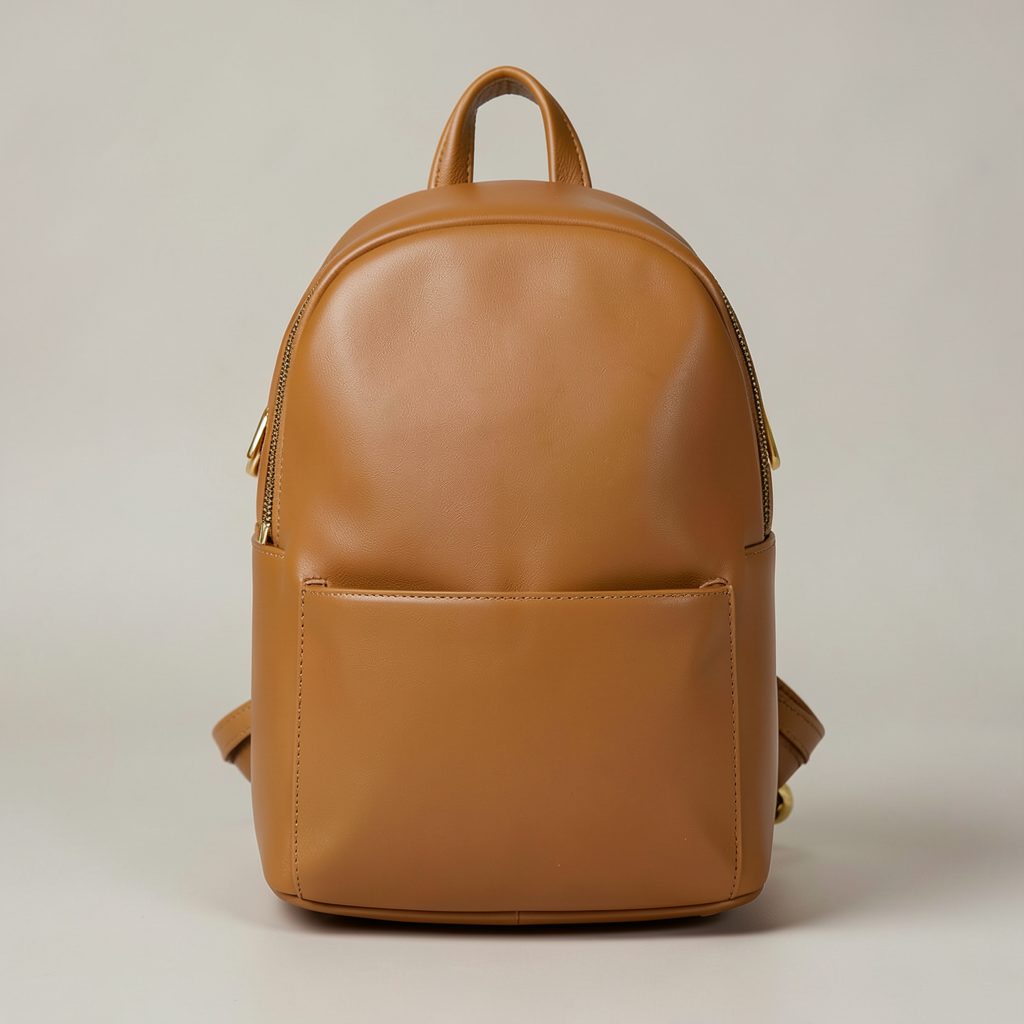
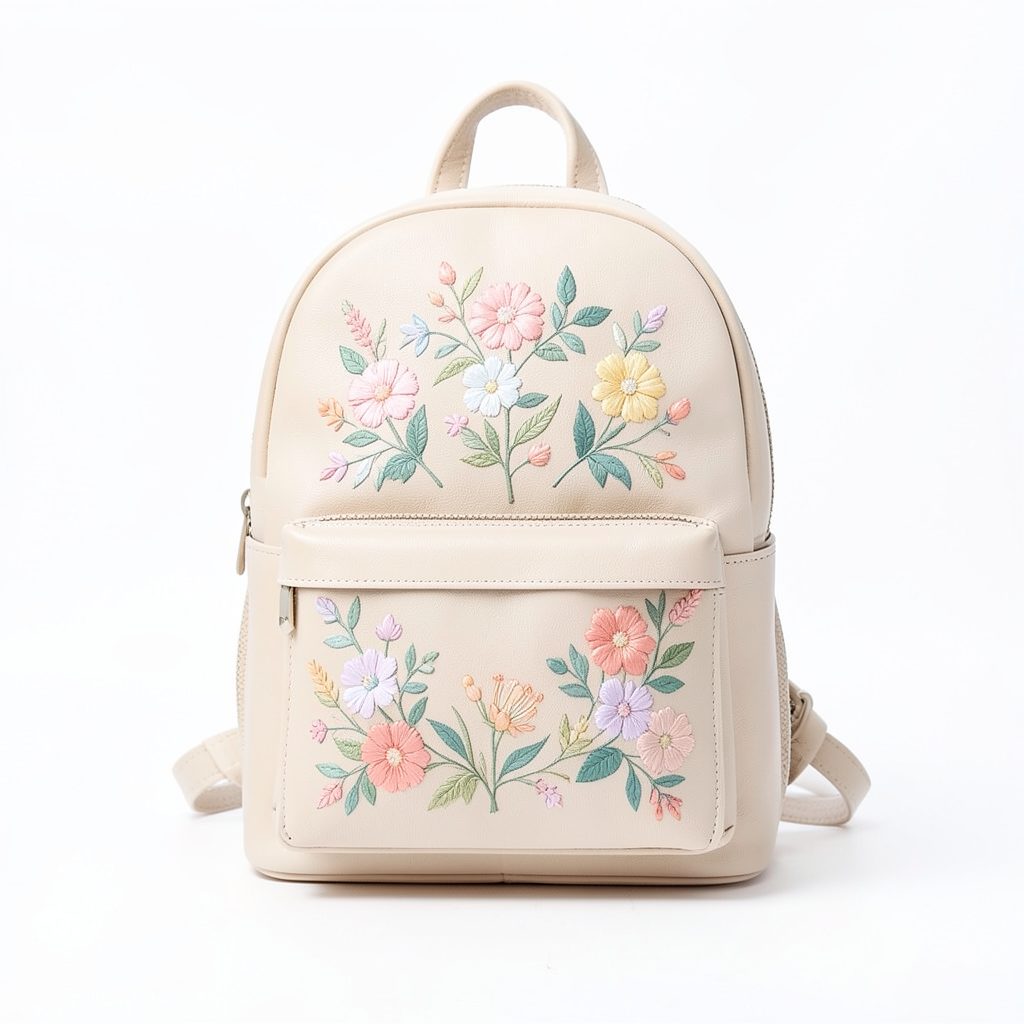
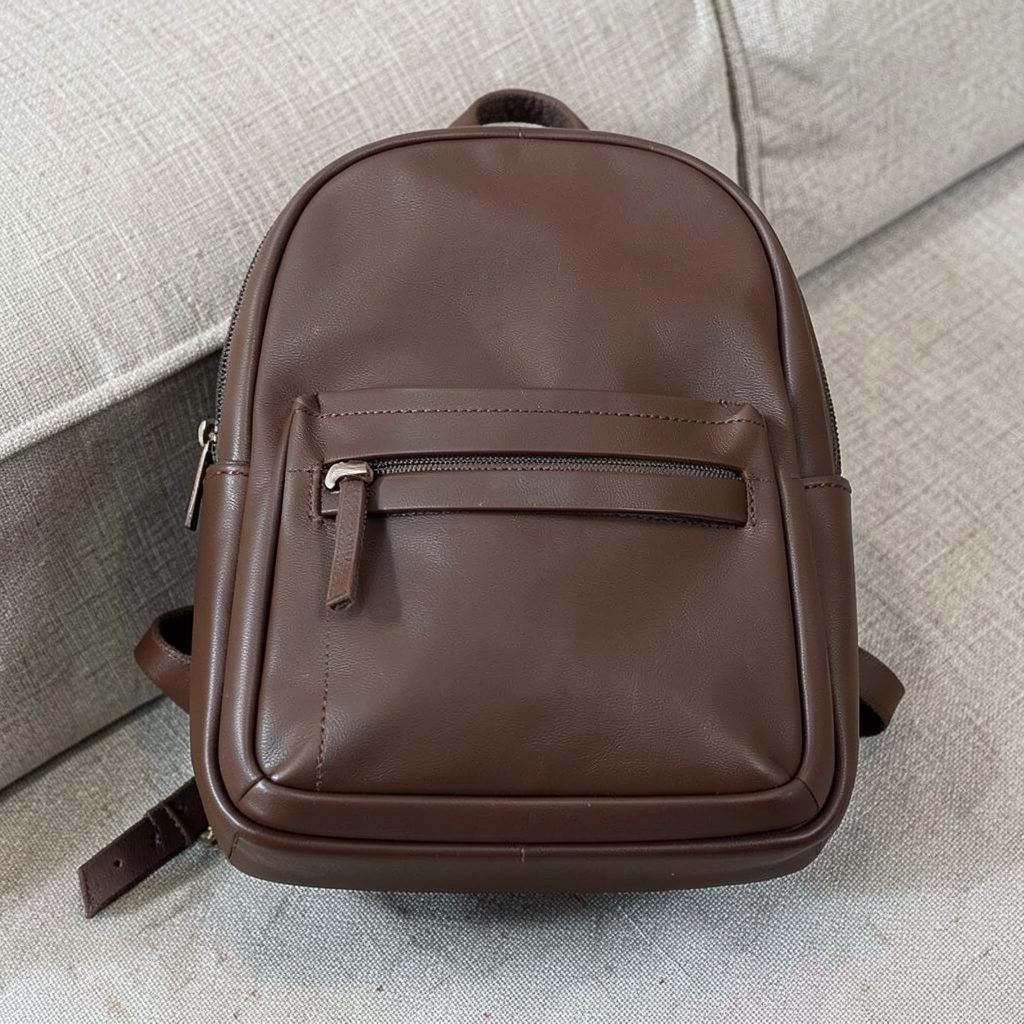
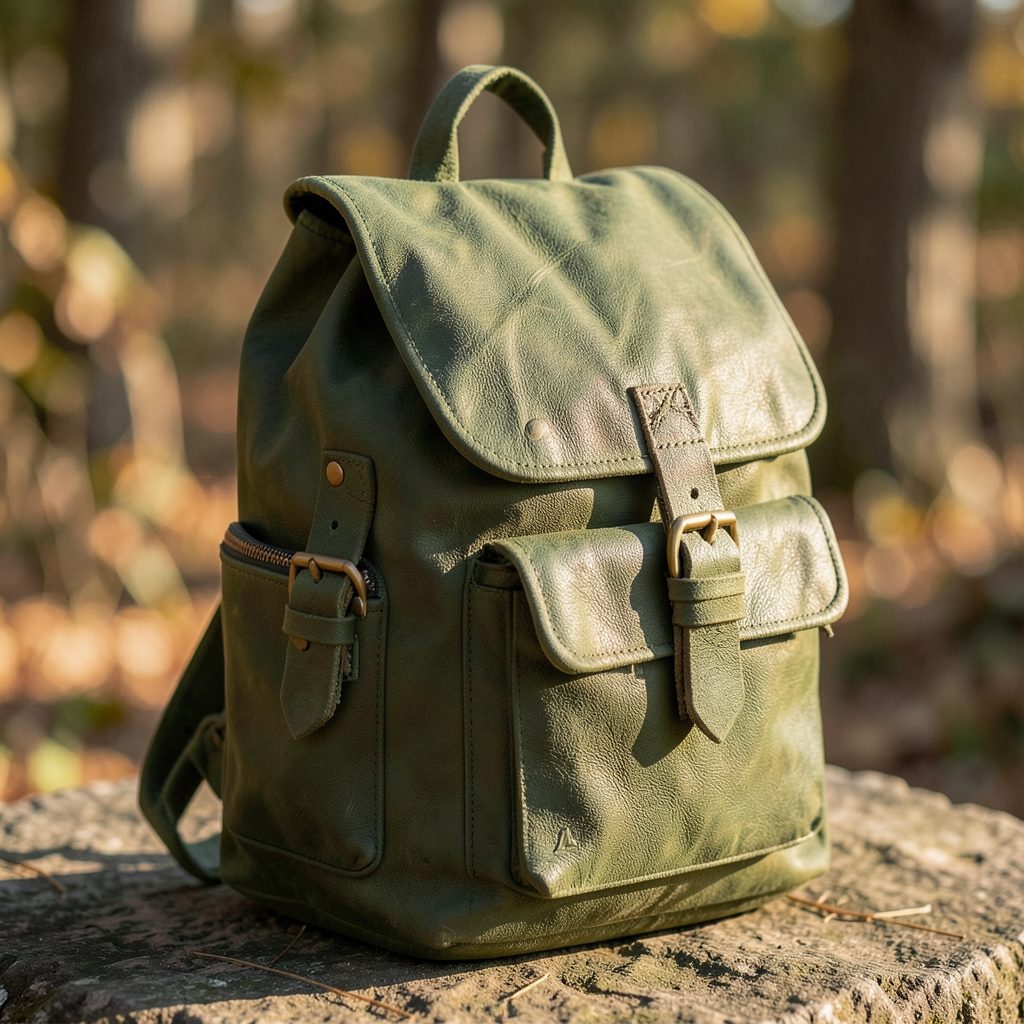
Travel Starter Pack offers vegan leather backpacks, crossbody bags, totes, wallets, and accessories designed for travel and everyday use. Durable materials, practical silhouettes, and a range of colors make it possible to choose a bag that works with your wardrobe and your packing habits. You can also browse the current sale collection for travel-ready styles and accessories.
Before your next departure, select a tote with enough structure to protect your essentials, create clear packing zones, and remove anything that does not support the journey. With the right arrangement, your personal item can keep documents, technology, comfort items, and daily necessities within reach from the moment you leave home until you arrive.
Our Backpack Styles
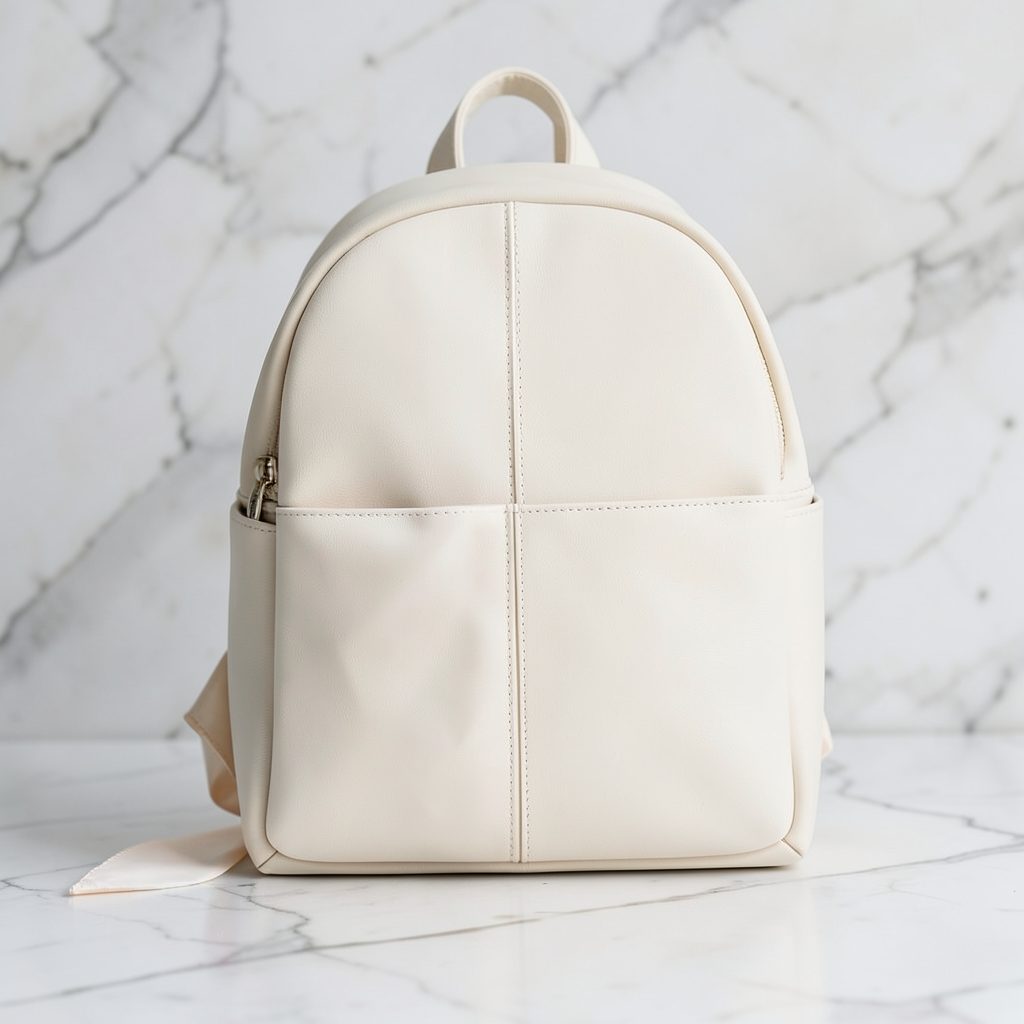
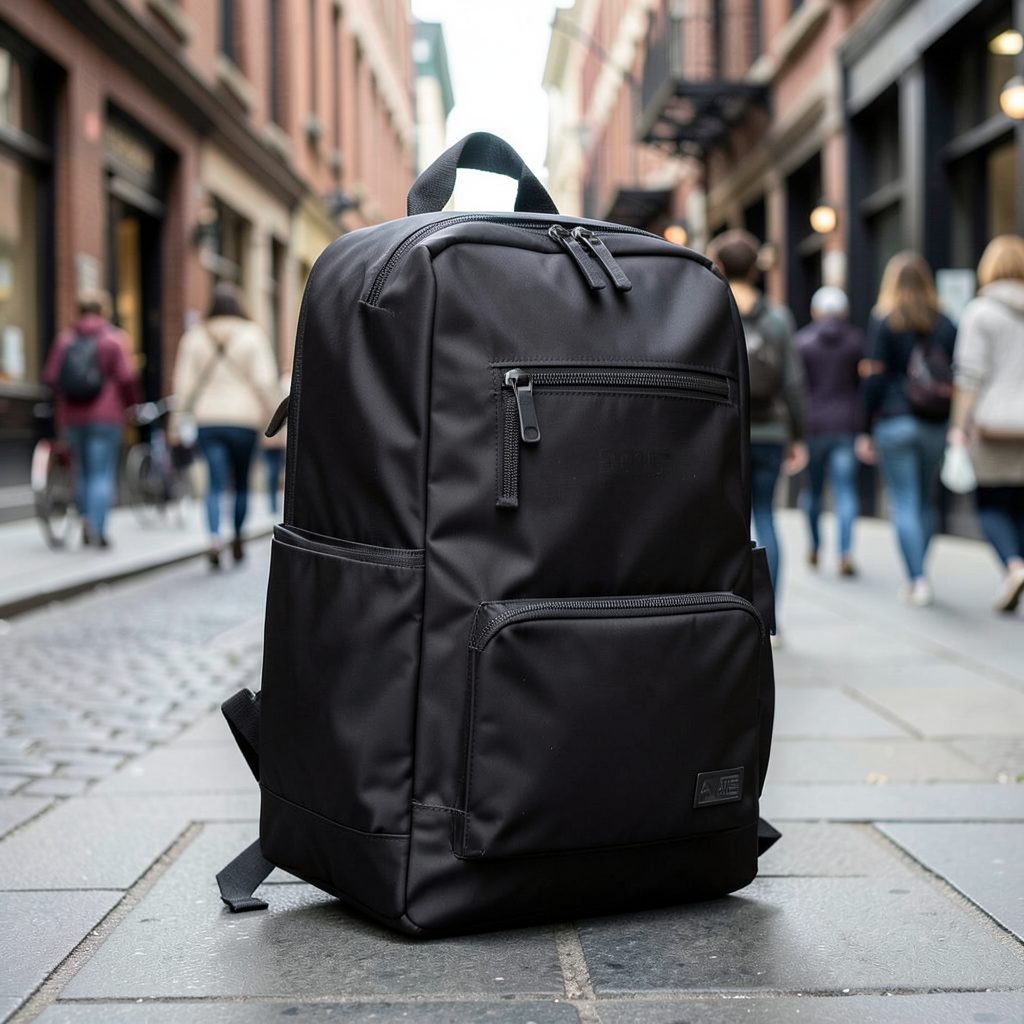
Every backpack is crafted from premium vegan leather with thoughtful details — multiple pockets, removable straps, and colors that work with any wardrobe. Browse the lineup below.