Why Vegan Leather Works Better in Warm Climates Than Expected
Warm weather changes the way we judge a travel bag. A material that feels perfectly comfortable in a cool shop may become sticky, heavy, or unpleasant after a day of sightseeing in humid conditions. That is why breathability matters alongside appearance, durability, and resistance to occasional rain.
Vegan leather is often treated as a single material, but the term covers several constructions. Some bags use smooth polyurethane coatings, while others combine synthetic leather with woven, textile, or perforated backing. The difference between these designs can have a greater effect on airflow than the label itself.
A well-designed vegan leather backpack, crossbody bag, or tote can feel considerably cooler than expected. Its comfort depends on the material’s surface, the lining, the panels touching your body, and the space built between the bag and your clothing. When those details work together, animal-free materials can suit tropical trips, summer commutes, and warm-weather weekends.
What breathability means in a travel bag
Breathability is the ability of a material or product to allow heat and moisture to move away from the body. In a bag, this does not mean air passes freely through the entire exterior. Instead, it usually refers to how effectively the parts that touch your back, shoulder, or hand avoid trapping warmth and perspiration.
A coated synthetic surface is often less air-permeable than cotton, linen, or mesh. However, a bag is a layered object rather than a single sheet of material. A breathable back panel, ventilated shoulder straps, a lightweight lining, and a structured shape can create airflow even when the outer surface is water-resistant.
This distinction explains why two bags made with similar vegan leather can feel completely different. A flat, unlined pouch may become warm against the body, while a backpack with padded mesh and a slightly curved back can remain comfortable. Construction determines the wearing experience as much as the outer finish.
The materials behind vegan leather comfort
Most vegan leather used for fashion accessories is made from polyurethane, commonly called PU, or polyvinyl chloride, known as PVC. PU is often softer, lighter, and more flexible, making it a popular option for everyday bags. It can also be embossed or finished to resemble smooth leather, pebbled leather, or other textures.
Breathability varies within PU and PVC products. A thin coating over a fabric backing may feel more flexible and less dense than a thick, rigid layer. Some designs use micro-perforations, textured surfaces, or composite panels to reduce the sealed sensation. These features do not turn synthetic leather into open-weave fabric, but they can improve heat management.
Plant-based alternatives, such as apple, cactus, grape, or mushroom-derived materials, also differ from one another. Many still use a binder or protective coating to improve strength and water resistance. Their environmental profile can be appealing, but breathability should be assessed from the finished product rather than assumed from its botanical name.
The wider sustainability story matters too. Choosing a durable animal-free bag that remains useful for years can reduce the need for frequent replacement. Travel Starter Pack’s discussion of eco-friendly travel offers useful context on how material choices fit into a lower-impact packing routine.
Why construction matters in hot weather
The parts of a bag that touch the body have the greatest effect on perceived breathability. Backpack panels with air-mesh covers can create a small gap between the wearer and the bag, allowing heat to disperse. Wide straps with breathable padding can also reduce the damp, compressed feeling that narrow synthetic straps may cause.
Crossbody bags benefit from a lighter format. Because they sit against the side of the body rather than covering the entire back, they generally allow more exposed skin and air movement. A soft vegan leather crossbody with an adjustable strap can be a practical choice for city breaks when you want hands-free storage without carrying a full backpack.
Tote bags have their own advantages in warm climates. Their open top and flexible structure can prevent internal heat from building up, especially when the bag is not packed tightly. A tote with cotton or recycled-fabric handles may also feel cooler in the hand than one with heavily coated synthetic handles.
Interior organization plays a role as well. When a bag is overfilled, air cannot circulate around its contents, and the weight pulls the material against the body. Separate compartments, a modest capacity, and a smooth lining make it easier to keep the bag comfortable during long walks.
| Bag feature | Effect in warm climates | Useful detail to look for |
|---|---|---|
| Mesh back panel | Moves heat away from the back | Raised or ventilated padding |
| Lightweight PU exterior | Reduces bulk and stiffness | Flexible finish with fabric backing |
| Adjustable crossbody strap | Allows the bag to sit away from the torso | Smooth, breathable webbing |
| Open tote construction | Encourages airflow inside the bag | Uncluttered interior and sturdy handles |
| Light-colored surface | Absorbs less solar heat | Tan, cream, grey, or pastel finishes |
| Separate compartments | Prevents dense overpacking | Zipped pockets and practical dividers |
Choosing a breathable bag for a hot destination
Start by considering where the bag will sit. For beach towns, humid cities, and outdoor markets, a backpack with a ventilated panel is useful when you need to carry water, a camera, sunscreen, and a light layer. For museum visits or evening dining, a compact crossbody may feel less restrictive.
The next consideration is weight. A thick, heavily structured bag can become tiring in heat because it adds pressure and encourages perspiration where it touches the body. Lightweight vegan leather and a fabric-lined interior often offer a better balance between polished appearance and all-day comfort.
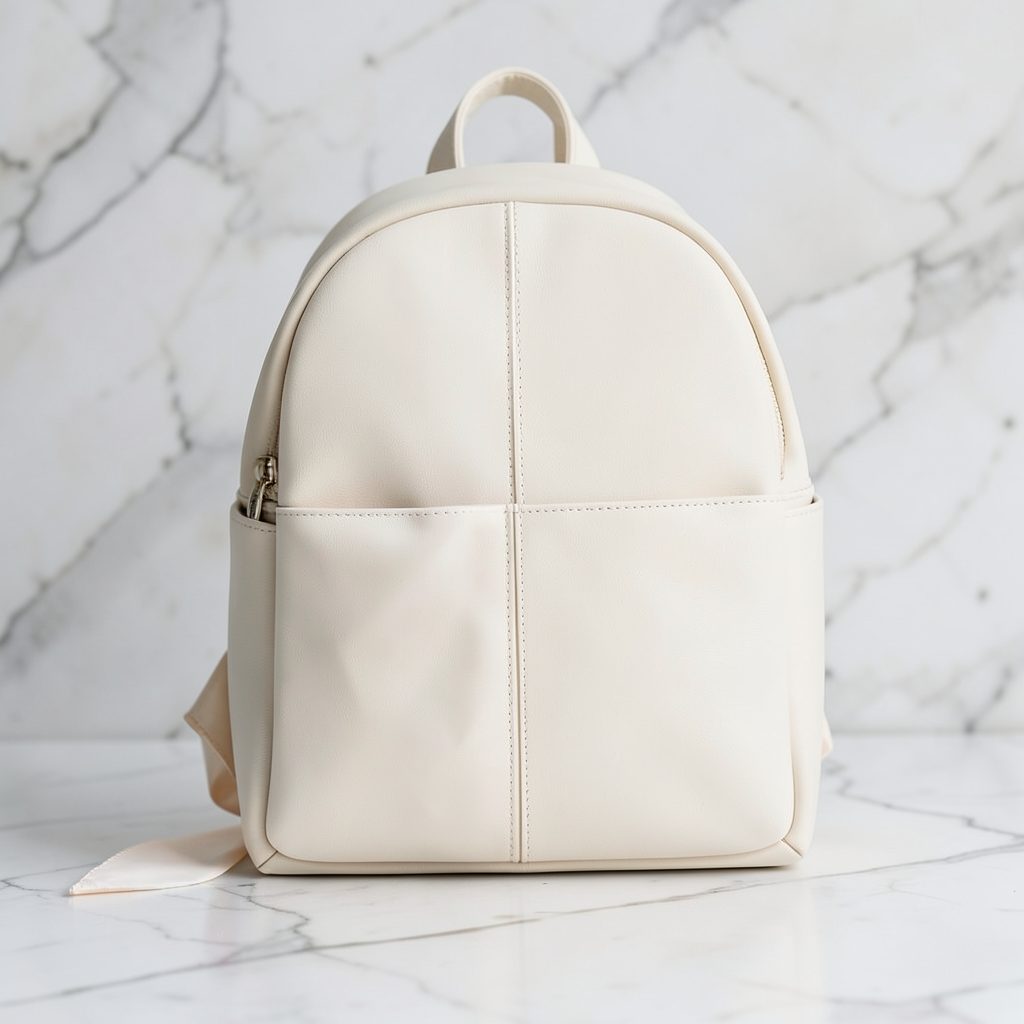
Color can influence surface temperature. Dark materials absorb more sunlight, while pale neutrals and softer shades generally remain cooler when left in direct sun. Color is not a substitute for ventilation, but a light beige, stone, sage, or muted blue bag may feel more pleasant during a long outdoor itinerary.
Look closely at the straps and hardware. Smooth edges, adjustable fittings, and reinforced attachment points make a bag easier to wear without constant repositioning. Metal hardware can become hot in strong sunlight, so it is helpful when buckles and clasps are placed away from the skin or balanced with padded sections.
Breathability and protection from moisture
Warm climates often bring sudden rain, high humidity, or perspiration. A fully open textile bag may allow excellent airflow but offer little protection for passports, electronics, or travel documents. Vegan leather can provide a useful middle ground because its coated surface is typically easier to wipe clean and more resistant to light moisture.
Water resistance and breathability involve a design trade-off. A dense, sealed coating can block droplets effectively, but it may also trap heat. Ventilated panels and breathable backing can offset this limitation without exposing the entire bag to water. Many well-designed travel bags place airflow features on the body-facing side while keeping the outer shell more protective.
A lining also affects comfort and maintenance. Polyester, cotton blends, and other textiles can make the interior feel less clammy than a bare coated surface. At the same time, a lining that absorbs moisture should be allowed to dry fully after use. Leaving a damp bag closed in a warm room can create odors and shorten the life of the interior.
Packing habits matter during wet weather. Keep liquids in sealed pouches, avoid pressing damp swimwear against the lining, and remove crumpled receipts or used tissues at the end of each day. These small steps preserve freshness without requiring harsh cleaning products.
Caring for vegan leather in humid conditions
Regular care helps preserve the flexibility that makes a synthetic bag comfortable. Wipe away sweat, sunscreen, dust, and salt residue with a soft, slightly damp cloth. These substances can gradually affect the surface coating, particularly when a bag is used near the sea or in a hot, dusty environment.
Avoid placing vegan leather directly against a radiator, hairdryer, or intense midday heat to speed up drying. Excessive heat can cause some coatings to become brittle, warp, or crack. Instead, empty the bag, open its compartments, and let it dry naturally in a shaded, ventilated place.
Follow the manufacturer’s care instructions before applying any conditioner or leather polish. Products designed for animal leather may leave a sticky film or damage a polyurethane finish. A small hidden-area test is a sensible precaution when using any new cleaning solution.
Storage is important between trips. Keep the bag loosely filled with clean paper or fabric so it retains its shape, and store it away from prolonged sunlight. Do not compress a structured backpack beneath heavy luggage, since permanent creases can restrict the flexibility of the outer material and its backing.
Packing habits that help air move
A breathable bag can still feel uncomfortable if it is packed too tightly. Place heavier items close to the base and center, then use smaller pockets for accessories that would otherwise press against your back or hip. This keeps the load stable and reduces the need to tighten straps excessively.
Leave a little space between the contents and the body-facing panel whenever possible. A thin water bottle, notebook, or tablet sleeve can create a more even surface than loose objects, while soft items can fill gaps without creating hard pressure points. Avoid carrying unnecessary packaging, duplicate chargers, or oversized toiletry bottles.
For long journeys, alternate how you carry the bag. Move a crossbody from one side to the other during a walk, or switch between a tote and a backpack when your itinerary allows. A short rest from shoulder contact can make more difference than choosing a slightly different exterior finish.
Small entertainment items should be compact too. A phone, e-reader, or slim card holder leaves room for practical essentials, and travelers who enjoy blackjack during layovers can keep their downtime activity on a device instead of adding bulky items to a warm-weather bag.
Practical features worth prioritizing
When comparing vegan leather bags, focus on features that support airflow without sacrificing daily function. A useful design does not need to look sporty; hidden mesh, perforated padding, or a breathable textile strap can provide ventilation while preserving a refined appearance.
- Choose a ventilated or raised back panel for a backpack used on long walks.
- Select adjustable webbing or padded straps that do not sit tightly against bare skin.
- Prefer a lightweight lining and sensible compartments over excessive internal structure.
- Consider lighter colors for destinations with strong sun exposure.
- Keep the bag moderately filled so its shape does not press flat against the body.
Zippers and closures deserve attention in humid destinations. Smooth, reliable zippers prevent the frustration of repeatedly opening a swollen or overpacked compartment, while a secure top closure protects belongings during crowded transit. Exterior pockets are convenient, but they should not make the bag so dense that it loses its shape and ventilation.
It is also worth checking the balance between style and frequency of use. A polished tote may work for cafés, offices, and short excursions, whereas a backpack may be better for walking-heavy travel. Selecting the right silhouette prevents overloading one bag and helps each panel perform as intended.
Vegan leather is not automatically breathable, but that does not make it unsuitable for hot climates. The most comfortable choices combine a flexible outer material with thoughtful spacing, airy contact panels, manageable weight, and sensible care. Those details can make an animal-free bag feel fresh, practical, and polished from the first airport transfer to the final evening walk.
Explore Travel Starter Pack’s vegan leather backpacks, crossbody bags, totes, wallets, and travel accessories to find a warm-weather option suited to your routine. With durable designs, varied colors, worldwide shipping, and order tracking, the right bag can make everyday travel lighter and more comfortable.
Our Backpack Styles
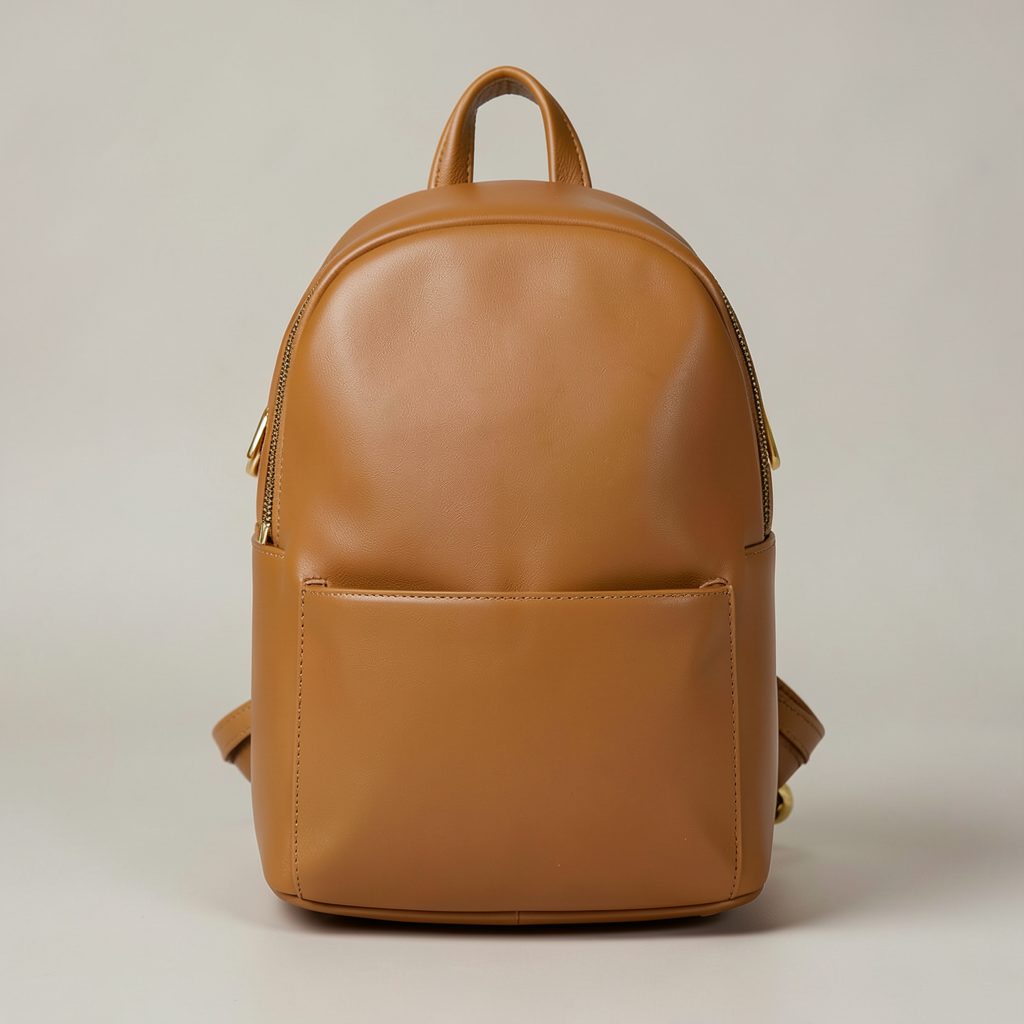
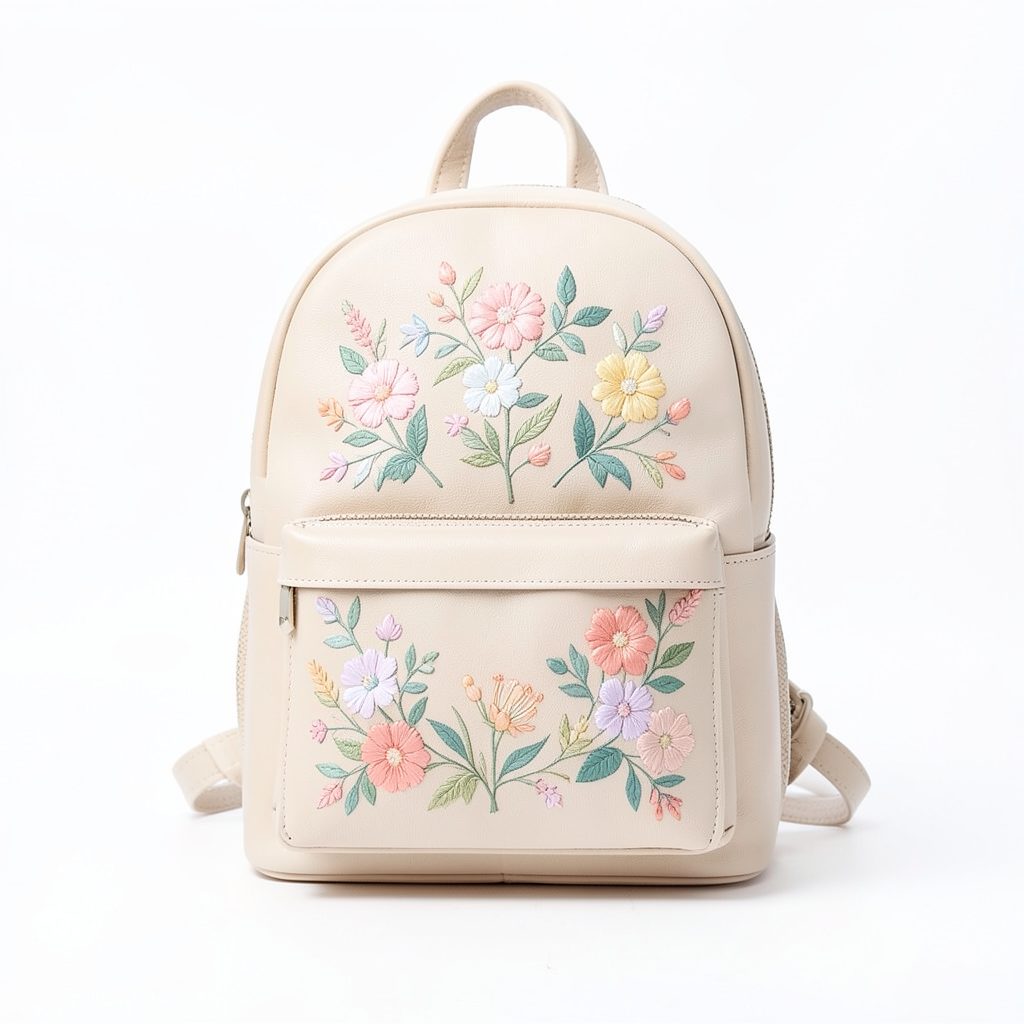
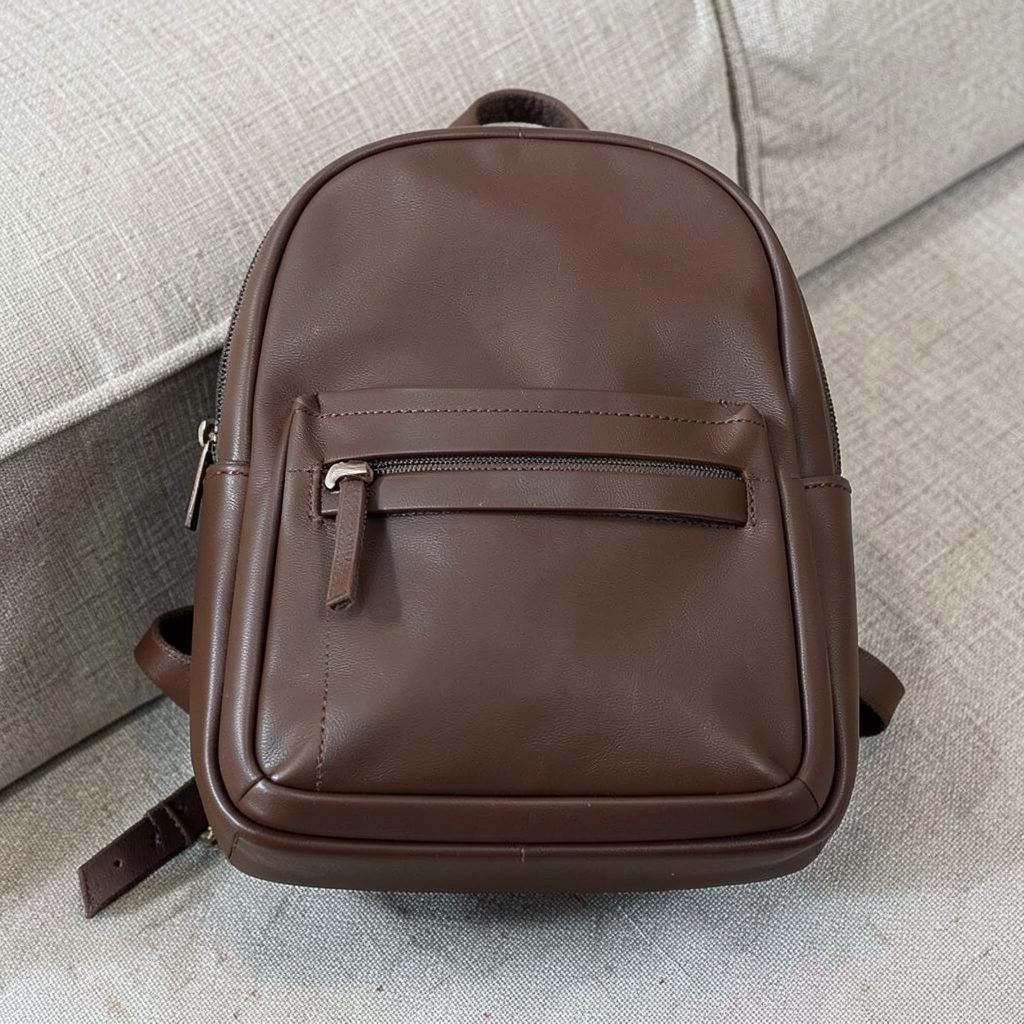
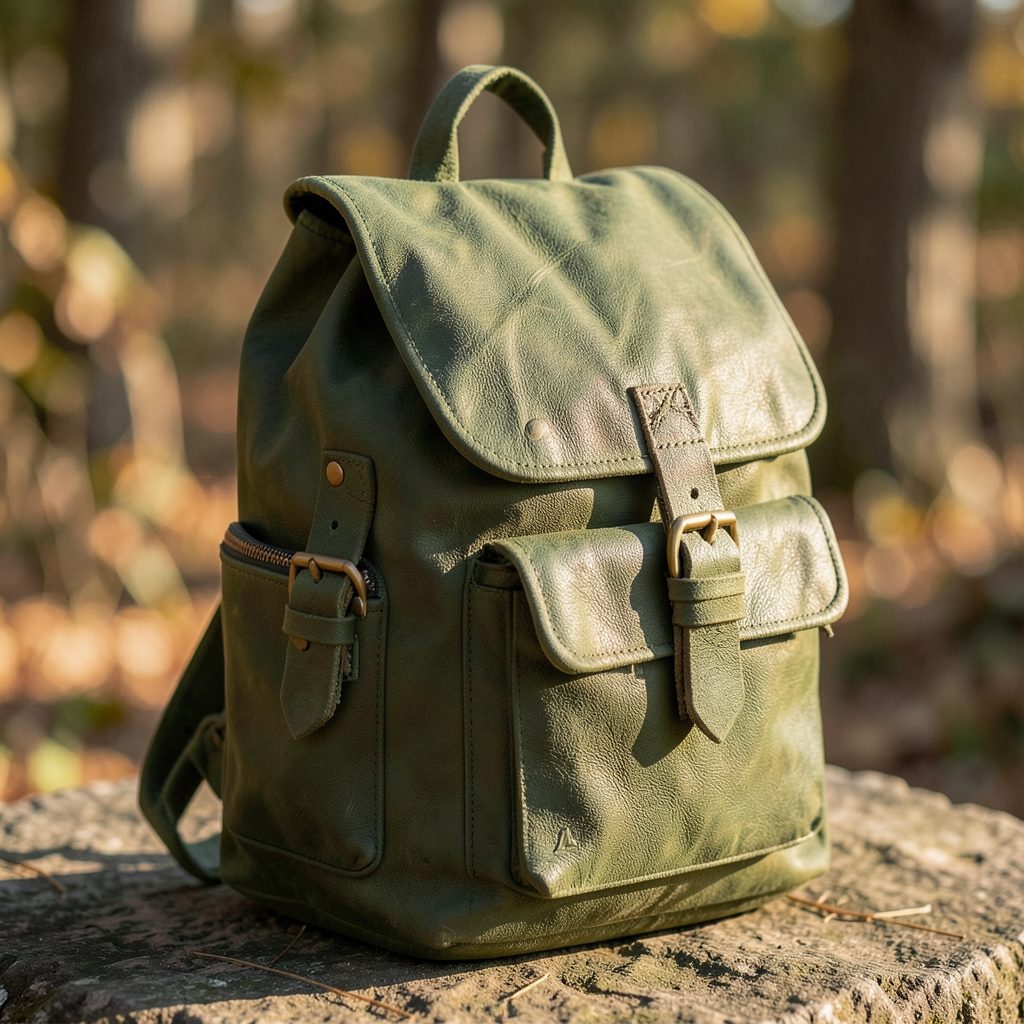
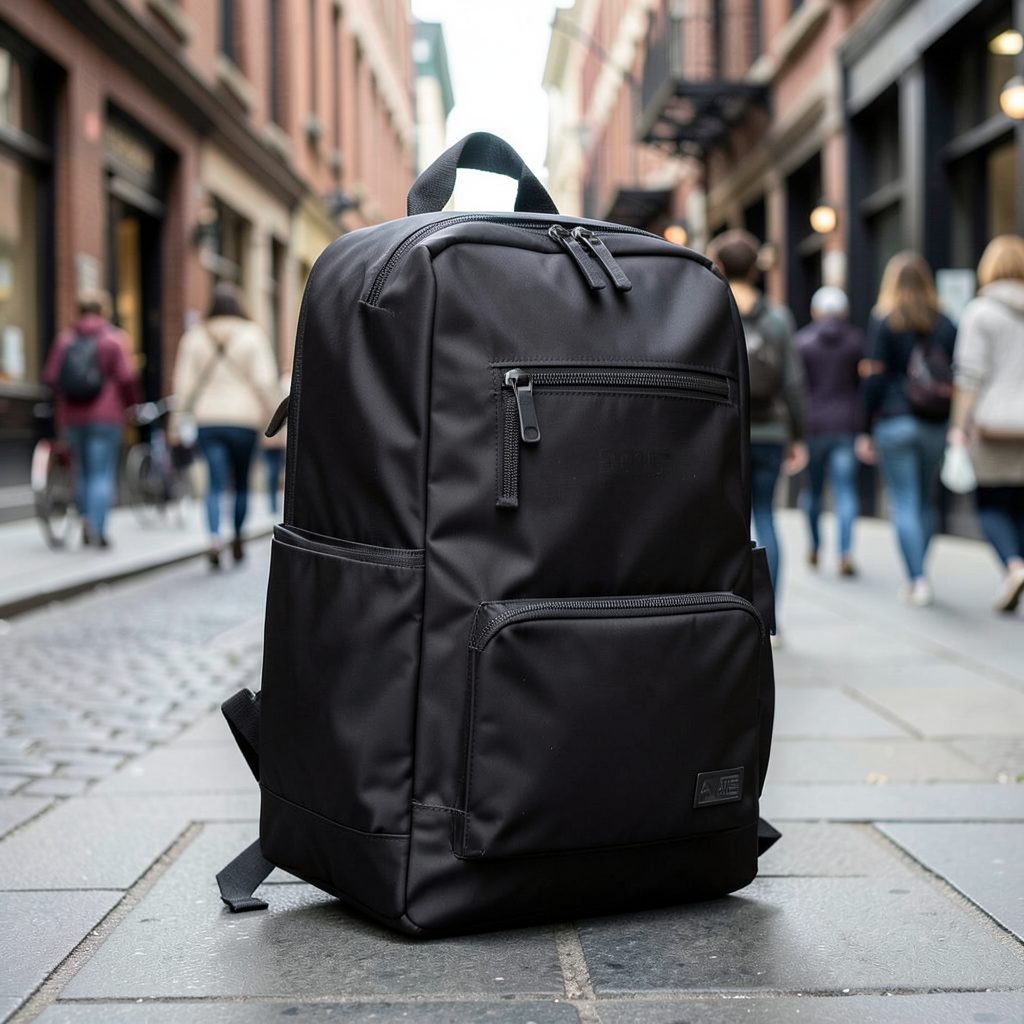
Every backpack is crafted from premium vegan leather with thoughtful details — multiple pockets, removable straps, and colors that work with any wardrobe. Browse the lineup below.