Eco-Friendly Travel Starts With the Bag You Carry
Travel creates environmental costs long before a suitcase reaches the airport. Manufacturing, transportation, energy use, packaging, and eventual disposal all contribute to a journey’s overall footprint. Air travel often represents the largest share, yet smaller purchasing decisions still matter because they influence demand, product longevity, and the amount of waste sent to landfill.
A travel bag made from vegan leather can be part of a lower-impact routine when it replaces animal leather, lasts for years, and is selected with care. Vegan leather is not automatically sustainable: some versions rely on fossil-fuel-based plastics, while newer alternatives use plant-derived coatings or recycled fibers. The material, construction, maintenance, and end-of-life options all shape the environmental picture.
Choosing an animal-free bag is therefore less about finding a perfect product and more about making a durable, practical purchase that supports thoughtful consumption. The right backpack, tote, crossbody bag, or wallet can help reduce replacement buying while keeping daily travel organized.
Why Materials Matter In Travel
Traditional leather comes from animal hides, which are byproducts of the meat industry but still require significant resources through livestock farming, tanning, finishing, and transportation. Livestock production uses land and water and contributes to greenhouse gas emissions, while leather tanning can involve chemicals and substantial wastewater treatment. The environmental impact varies by supply chain, but the material is rarely resource-free.
Vegan leather removes the animal hide from that equation. Most conventional versions are made with polyurethane, commonly called PU, or polyvinyl chloride, known as PVC. PU is generally softer and lighter than PVC, while PVC can be more difficult to recycle and may involve problematic additives. A well-made PU bag can offer a practical balance of flexibility, durability, and animal-free design.
The distinction between animal-free and environmentally preferable is important. A synthetic bag may still rely on petroleum-based inputs and may shed tiny plastic particles as it wears. The strongest choice is usually a product that combines a relatively responsible material with sturdy construction, long-term use, and a design that remains useful beyond one season.
What Vegan Leather Changes
The most direct benefit of vegan leather is that it avoids the resource demands associated with raising animals for hides and processing those hides into finished material. It can also make bags lighter than some full-grain leather alternatives, which may reduce shipping weight across the product’s supply chain. The exact savings depend on the manufacturing process, thickness, coating, hardware, and expected lifespan.
Plant-based and partially bio-based vegan leathers are expanding the range of available materials. Apple fiber, cactus fiber, grape residues, cork, and other agricultural byproducts may be incorporated into coatings or composite sheets. These materials can reduce reliance on virgin fossil feedstocks, although they are often blended with synthetic binders for strength and water resistance.
Recycled content offers another route to lower-impact design. Recycled polyester, reclaimed plastic fibers, and recovered textile materials can divert waste from disposal and reduce demand for new resources. However, recycled content does not make a product automatically recyclable at the end of its life. A layered bag containing fabric, foam, adhesive, coating, metal, and plastic trim may still be difficult to separate.
For travelers, the practical advantage is often a combination of light weight, easy care, and reliable performance. A bag that protects belongings from light rain, withstands daily handling, and keeps its shape can remain in service for many journeys. That long service period is central to reducing the carbon footprint associated with replacement purchases.
Comparing Common Bag Materials
Material labels provide useful clues, but they do not tell the entire story. Manufacturing quality and how long a product is used can outweigh a small difference in initial material impact. A bag carried for five years may be a better environmental choice than a supposedly greener bag replaced after six months.
| Material | Potential environmental advantages | Common considerations for travelers |
|---|---|---|
| Conventional leather | Long lifespan when carefully maintained; can develop a repairable patina | Animal agriculture, tanning chemicals, water use, and higher material weight |
| PU vegan leather | Animal-free, lightweight, flexible, and widely available | Usually fossil-fuel-based; surface coating may eventually crack or peel |
| PVC vegan leather | Durable, water-resistant, and often inexpensive | Less favorable chemical profile and limited end-of-life recycling options |
| Plant-based composite leather | Can use agricultural byproducts and reduce virgin fossil inputs | Often mixed with synthetic binders; performance and bio-content vary |
| Recycled textile or plastic fabric | Reuses existing fibers and can be lightweight | May still shed microfibers and usually requires complex sorting to recycle |
| Cork or woven natural fiber | Renewable or rapidly replenished inputs with distinctive textures | May need coatings for water resistance and can vary in abrasion resistance |
The table also highlights why broad claims such as “eco-friendly” need context. Look for information about the specific material, recycled or bio-based content, manufacturing standards, and care instructions. Transparent product descriptions are more useful than a vague sustainability label.
Design That Travels Further
Durability is one of the strongest ways a travel accessory can lower its lifetime emissions. Reinforced stitching, dependable zippers, strong handles, abrasion-resistant panels, and carefully finished seams help a bag survive airport conveyors, crowded trains, hotel floors, and everyday commuting. A timeless silhouette also reduces the pressure to replace it when trends change.
Versatility extends usefulness. A tote that works as a personal item, work bag, or shopping carrier will likely be used more often than a highly specialized piece. A crossbody bag can move from sightseeing to dinner, while a backpack may serve for weekend trips, commuting, and errands. Choosing a shape that fits several parts of life raises the number of uses a product provides.
Capacity matters as well. Travelers who pack efficiently may avoid checking luggage, reducing baggage fees and sometimes avoiding the need for a larger suitcase. A structured tote with a secure closure can be especially helpful for organized carry-on travel; this carry-on tote guide can help compare useful features such as size, access, and storage.
Smart organization prevents overpacking. Dedicated pockets keep passports, chargers, wallets, and documents accessible, which reduces rummaging and the temptation to carry duplicate items. A bag that distributes weight comfortably can also make walking, public transit, and low-car travel easier during a trip.
Choose A Bag With Lower Impact
Before buying a vegan leather travel bag, assess both the product and the way you expect to use it. A low-impact purchase should be practical enough to earn frequent use rather than becoming another item stored in a closet. Consider these priorities:
- Choose a size that suits your regular trips, daily routine, and airline personal-item requirements.
- Look for strong stitching, reinforced stress points, smooth zippers, and hardware that feels secure.
- Check whether the product description identifies PU, recycled fibers, plant-based content, or other material details.
- Prefer a versatile color and shape that can work for travel, work, shopping, and everyday errands.
- Review care instructions and use a repair service or replacement hardware when possible instead of discarding the bag.
Material transparency is especially valuable when comparing similar products. Ask whether a claimed plant-based material is fully bio-based or a composite with a smaller percentage of natural content. Neither option is necessarily unsuitable, but the distinction helps set realistic expectations about biodegradability, water resistance, and disposal.
Construction should receive equal attention. Examine the points that take the most strain: shoulder straps, handles, bottom corners, closures, and interior seams. For a weekend trip, a comfortable backpack with balanced compartments may get more use than an attractive but awkward design. A practical weekend backpack guide offers useful criteria for matching capacity and features to a shorter journey.
Care Keeps The Footprint Smaller
Maintenance protects the resources already invested in a bag. Vegan leather usually benefits from gentle cleaning with a soft, slightly damp cloth rather than abrasive products, alcohol-heavy sprays, or excessive soaking. Follow the manufacturer’s instructions, since coatings and finishes respond differently to moisture and cleaners.
Store bags away from direct heat and prolonged sunlight, which can dry, fade, or weaken surface coatings. Avoid overloading them, particularly around handles and zippers. When a bag is not in use, keeping it upright or lightly stuffed can help it retain its shape without putting unnecessary stress on seams.
Repair is often more sustainable than replacement. A loose thread, damaged zipper pull, or worn strap may be fixable even when a surface panel cannot be restored. If the outer coating eventually cracks, repurposing the bag for storage or craft materials can delay disposal, although composite materials may not be accepted by standard recycling programs.
Small travel habits also influence emissions. Carrying a reusable water bottle, refusing unnecessary packaging, using public transportation, and packing a compact tote for purchases can reduce waste during a trip. A dedicated souvenir carrier can prevent fragile items from being wrapped in several layers of disposable plastic; this souvenir shopping tote can become useful long after the journey ends.
Build A More Thoughtful Travel Kit
A responsible travel collection does not need to be large. One dependable backpack, a flexible tote, a compact crossbody bag, and a durable wallet can cover many situations without creating a cycle of constant upgrading. Coordinating colors and functions makes it easier to rotate items while keeping each one in active use.
Consider the full journey of every purchase. Free worldwide shipping and order tracking can make online ordering more convenient, but combining purchases and selecting the right size reduces avoidable delivery activity and return shipments. Reading dimensions and product details carefully before ordering can prevent the environmental cost of sending an unsuitable item back and forth.
A vegan leather accessory is one part of a broader low-carbon travel strategy. The greatest gains often come from flying less, choosing rail or public transit when practical, staying longer rather than taking frequent short trips, and packing lightly. Still, an animal-free bag that lasts, replaces disposable carriers, and supports organized travel can reinforce these choices every time it leaves home.
Explore durable vegan leather bags and accessories at Travel Starter Pack, choose the pieces that fit your real travel habits, and care for them so they remain useful across seasons and journeys. A thoughtfully selected bag turns an everyday purchase into a practical step toward lighter, more responsible travel.
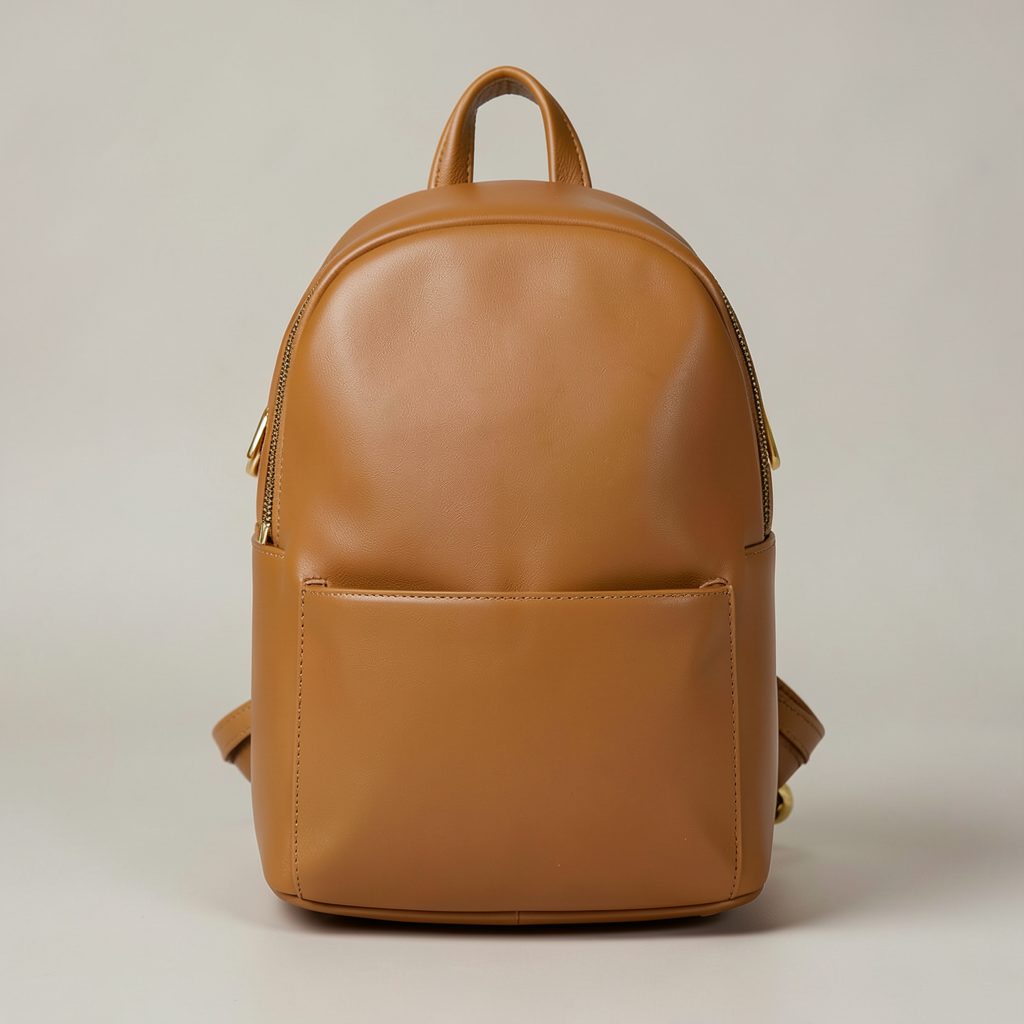
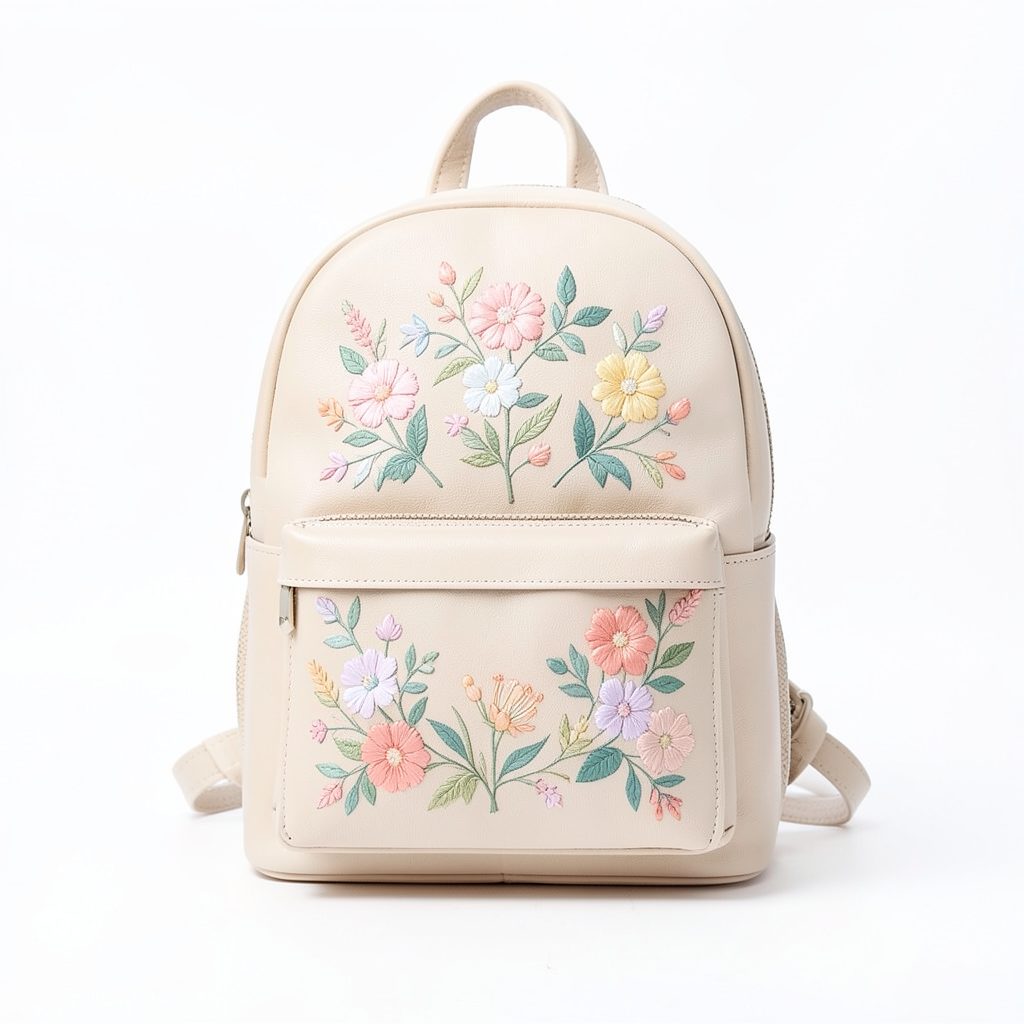
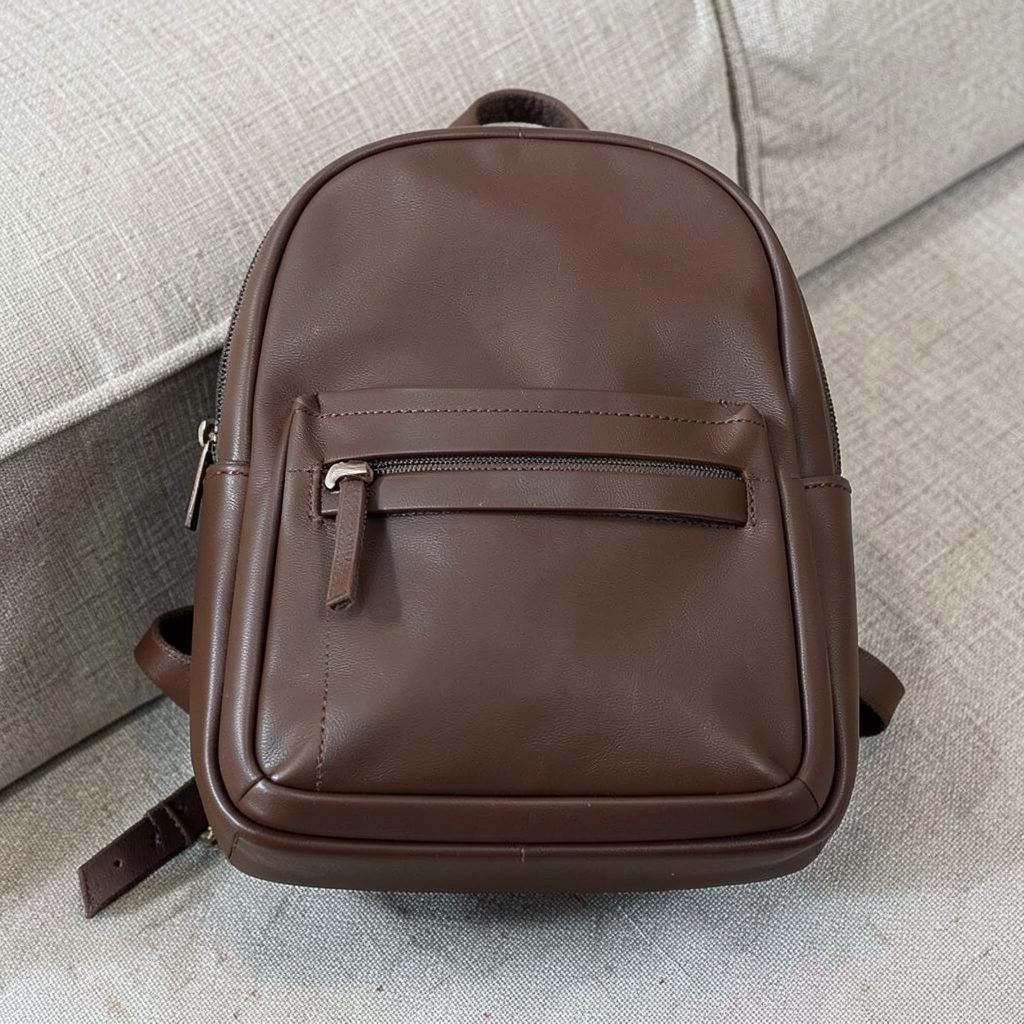
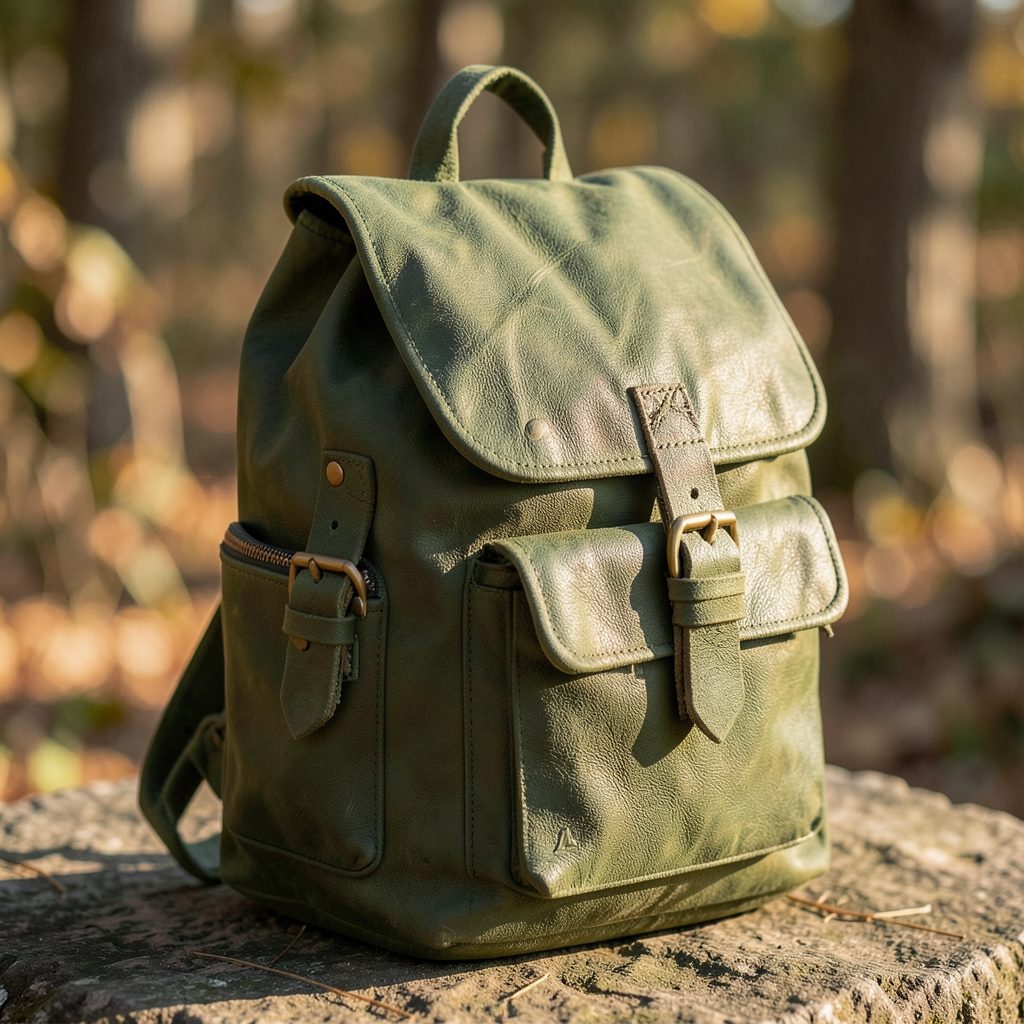
Our Backpack Styles
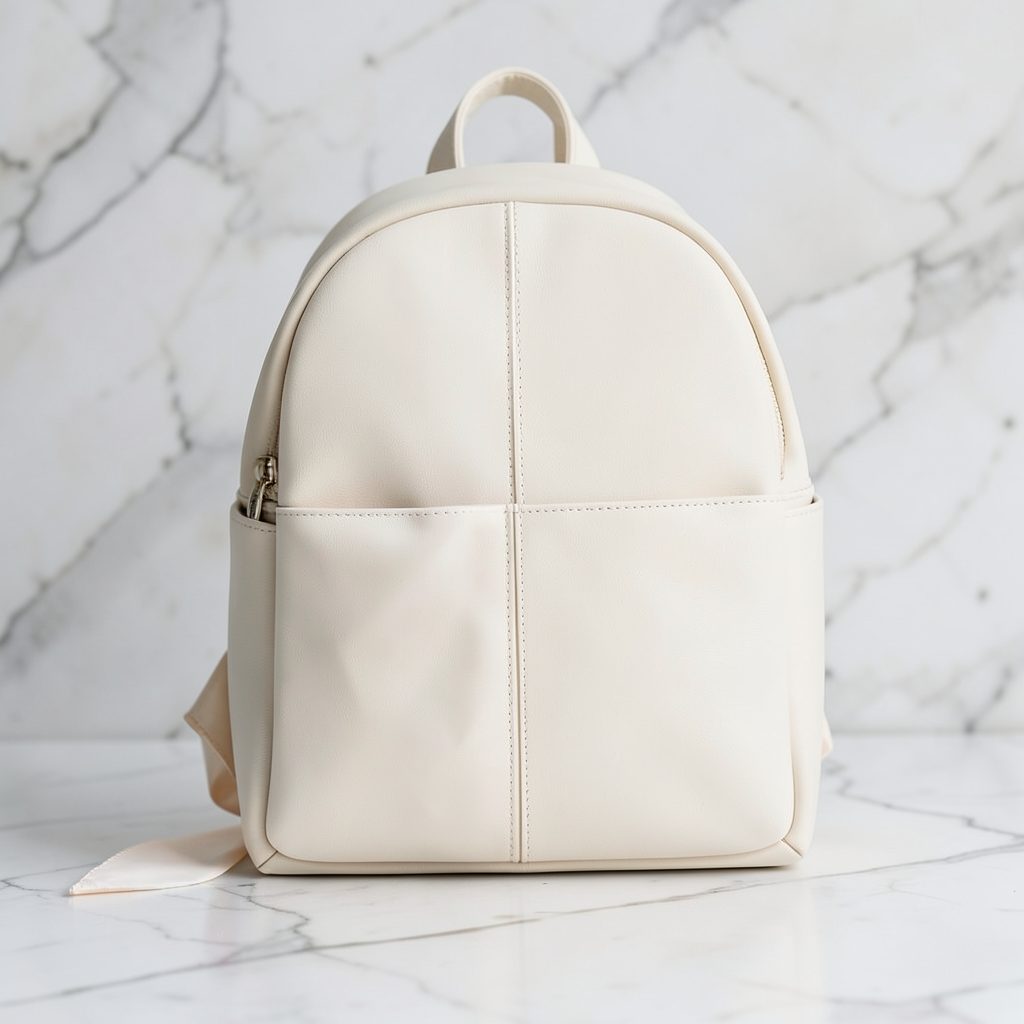
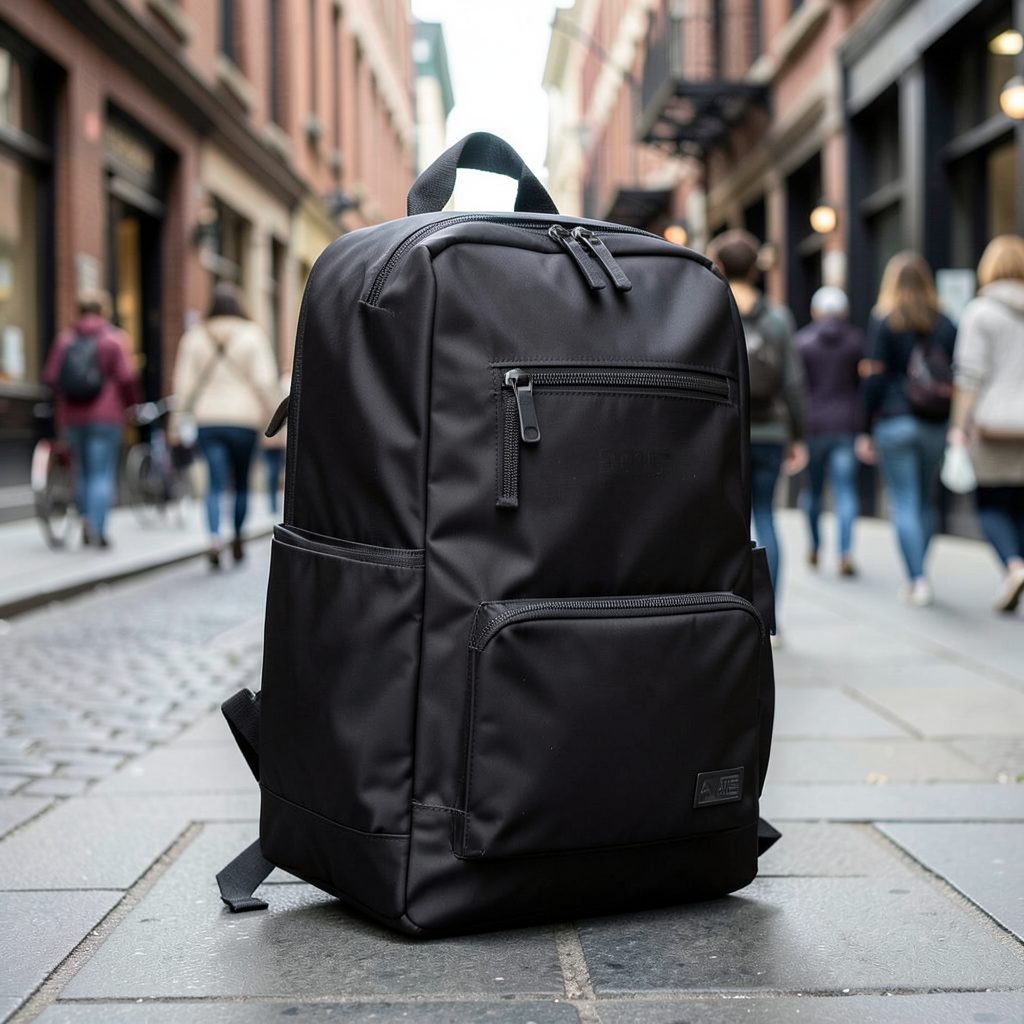
Every backpack is crafted from premium vegan leather with thoughtful details — multiple pockets, removable straps, and colors that work with any wardrobe. Browse the lineup below.