Vegan leather bag straps: a guide to comfort on long walks
Walking the coastal stretch between Bondi and Coogee with a bag that keeps digging into your shoulder can turn a gorgeous Sydney morning into a chore. Plenty of Aussie travellers have learned the hard way that the strap matters as much as the bag itself. When the fit is off, the whole walk feels heavier than it should.
Vegan leather has earned its place in Australian wardrobes because it handles humidity, sudden coastal showers, and long days out without the maintenance demands of older materials. The catch is that these straps behave a little differently from canvas or webbing. They have less give, they can slip on lighter clothing, and the buckles often sit in unfamiliar spots. Getting the adjustment right takes a bit of know-how.
For anyone who picks a bag from the crossbody bags range, the strap is essentially the foundation of the whole experience. A few centimetres here or there changes how the weight sits, how easily you can swing the bag forward to grab a Myki card, and whether you finish a four-hour city loop feeling fresh or nursing a red groove across your collarbone.
This guide walks through how to dial in your strap settings for walking comfort, with adjustments tailored to Australian conditions, common body shapes, and the way most people here carry their gear on foot.
Understanding vegan leather strap anatomy and materials
Most vegan leather straps use a microfibre or polyurethane composite bonded to a woven backing. That construction gives the strap a smooth outer face and a slightly grippier underside. The polished layer looks sleek against summer dresses and linen shirts, while the inner texture helps the strap stay planted on your shoulder rather than sliding off every few steps.
The hardware usually involves a slider, a fixed keeper, and sometimes D-rings. On a typical crossbody, the slider is the rectangular buckle that you pinch to lengthen or shorten the webbing. The keeper is the smaller loop that holds the tail of the strap out of the way once the length is set. D-rings appear where the strap meets the bag body, letting the strap pivot slightly with your movement.
Vegan leather stretches less than genuine leather, which sounds like a benefit but means the strap won't slowly mould to your shoulder the way soft calfskin might. Pressure concentrates in the area under the buckle and against the trapezius. A slightly wider strap, around four to five centimetres, spreads that load across a bigger surface. A stitched or pressed pattern on the underside adds micro-grip that stops the strap sliding across smooth fabrics like silk or polyester sportswear on a hot Brisbane arvo.
Finding the right strap length for your body frame
Strap length is personal, and the number printed on a product page rarely matches what feels right once the bag is on. The general rule is that a crossbody should sit roughly level with your hip bone when you're standing relaxed. Any higher and the bag bounces when you walk. Any lower and it swings into your hip with every step.
Shorter wearers, around 160 centimetres or under, generally want the strap closer to its shortest setting, with the bag dropping a few centimetres below the hip rather than perched near the ribs. A bag sitting too high pulls the strap diagonally across the upper back and tightens the neck muscles over a long walk. Taller wearers, around 180 centimetres and up, often find mid-length settings look right in the mirror but feel awkward in motion. Dropping the bag another five centimetres below the hip lets the strap hang more vertically and reduces sideways pull across the shoulder.
Adjustable straps also let you change where the buckle ends up. A buckle sitting at the top of the shoulder, where the strap meets the neck, digs in faster than one sitting further down the chest. Sliding the buckle down by even two centimetres can take pressure off a sensitive spot, particularly with a singlet or thin straps. Always try the bag on over the kind of outfit you actually wear walking, not a thick jumper that changes the geometry completely.
Adjusting crossbody bags for walking posture
Posture shifts more than people realise when they're out walking for hours. The first kilometre starts with shoulders back and a confident stride. By the third kilometre, especially after a stop for a flat white in Fitzroy, most people are slightly hunched over their phone or leaning forward to chat. A strap that felt fine at the start can start to feel like a yoke by the end.
A good adjustment starts with the bag hanging at the hip when standing straight. Then lean forward slightly, as if reaching for a wallet at an op-shop counter, and see whether the bag slides forward off your hip. If it does, shorten the strap by a centimetre or two until it stays put in that leaning posture as well. For longer walks along the Brisbane Riverwalk or around the Tan in Melbourne, a slightly higher setting can actually be more comfortable, trading a little shoulder pressure to avoid the constant micro-corrections of a bag swinging against the thigh.
Once the right length is found, pull the tail of the strap firmly through the slider so there's no bunching behind the buckle. A loose tail catches on jacket zips, seatbelt buckles in rideshares, and the edges of café tables, which adds up over a full day out. If you're pairing your crossbody with a particular outfit, the guide on matching capsule dresses covers visual considerations that affect strap placement, particularly with neckline drops and sleeve widths.
Distributing weight to prevent shoulder fatigue
A strap can feel fine with half a kilo in the bag and unbearable with two kilos. The bag itself is rarely the issue. It's the way the load pulls against one small area of the body for an extended period. Distributing that load is the difference between arriving at the Fremantle Markets feeling fresh and arriving needing a long sit-down.
The heaviest items should sit closest to your body and as low as possible inside the bag. A phone charger tucked into the bottom corner contributes less to shoulder strain than the same charger floating around at the top. Even a small reshuffle inside makes a noticeable difference over a four-hour walk. For days when you're carrying more than usual, layering a slim crossbody over a backpack spreads weight across both shoulders. The crossbody handles quick-access items like a phone, Myki, and sunglasses, while the backpack takes the bulk of the load.
This setup is popular among people exploring longer trails like the Great Ocean Walk, where you might be out from morning to arvo without a chance to drop the bag. Padded strap extenders are another option for anyone who regularly carries a heavier load, sliding onto the existing strap to add cushioning without changing the visual line of the bag. Switching the bag from one shoulder to the other every twenty minutes gives the trapezius a chance to recover, a small habit that makes a real difference on walks like the Bondi to Bronte extension.
Comparing strap styles by bag type
Sometimes the strap needs to change entirely based on what kind of bag you're carrying. A backpack strap behaves nothing like a tote handle, and a crossbody sits differently from a shoulder bag. Picking the right strap style for the day's activity is half the comfort battle.
A crossbody with a wide, adjustable strap works best for days built around walking and public transport, because the bag stays close to the body and the hands remain free. A backpack spreads load across both shoulders and handles heavier items, but can feel hot against the back in Queensland humidity. Tote handles are quick to grab but concentrate weight on one small section of the shoulder, making them better for short hops than long walks.
This breakdown gives a rough guide for matching strap geometry to carry style. Exact numbers depend on height and torso length, but the proportions hold up across most body types.
| Bag Type | Typical Strap Width | Best Adjustment Range | Ideal Carry Position |
|---|---|---|---|
| Crossbody | 3-4 cm | Hip to upper thigh | One shoulder, across the body |
| Backpack | 6-8 cm | Mid-back to upper back | Both shoulders, weight centred |
| Tote | 4-5 cm | Hip level | One shoulder or crook of arm |
| Mini shoulder bag | 2-3 cm | Underarm to hip | Single shoulder, short drop |
| Sling bag | 4-5 cm | Mid-back to hip | Diagonal across the back |
| Convertible day bag | 5-7 cm | Hip to lower back | Crossbody or twin-strap backpack |
Practical adjustments for Australian walking conditions
Australian walking conditions vary wildly, and the strap setup that works in Hobart's crisp winter air won't suit a humid Cairns morning. Heat makes any strap feel heavier because the body sweats and the bag's contents add to the perceived load. Lighter clothing helps, and so does a strap that allows some airflow.
Mesh-panel crossbody bags or straps with a slight gap between the vegan leather and the backing breathe better than solid, single-layer straps, which is worth considering for Queensland walks in the warmer half of the year. For uneven terrain like the stairs at South Bank or the rocky paths around Wilsons Promontory, a slightly tighter strap keeps the bag from swinging into your hip with every step and helps it track with your centre of gravity.
Coastal walks bring their own challenges. Salt air and sea spray can leave a slight residue on vegan leather that affects how it slides against clothing. A quick wipe with a damp cloth after a beach walk keeps the strap behaving as it should and prevents grit from working its way into the buckle mechanism. The list below brings together the most useful adjustments for Australian conditions.
- Slide the buckle away from the soft hollow at the base of your neck, even by a couple of centimetres, to reduce pressure on a sensitive area.
- Tuck the strap tail firmly into the keeper loop after every adjustment to stop it catching on zips and seatbelts.
- Keep a small piece of grippy tape in your bag for days when heat makes the strap slide on smooth clothing.
- Reorganise the bag before a long walk so heavier items sit low and close to your body.
- Switch shoulders every twenty minutes on longer walks to give each trapezius a break.
- Choose a slightly wider strap for heavier days, and consider a slim backpack over a crossbody for the longest outings.
- Wipe the strap with a soft cloth after coastal walks to remove salt residue.
Sometimes the strap needs a second layer of thought once you're actually mid-walk. The piece on organising your crossbody covers related ground, including how the strap's position affects how quickly you can reach for travel essentials without breaking stride.
Explore the full collection of vegan leather bags built for long days out, with adjustable straps designed for Australian walking conditions and free shipping on every order. The right fit makes every walk feel a little lighter, whether you're heading to the local café or setting out for a coastal trek.
Our Backpack Styles
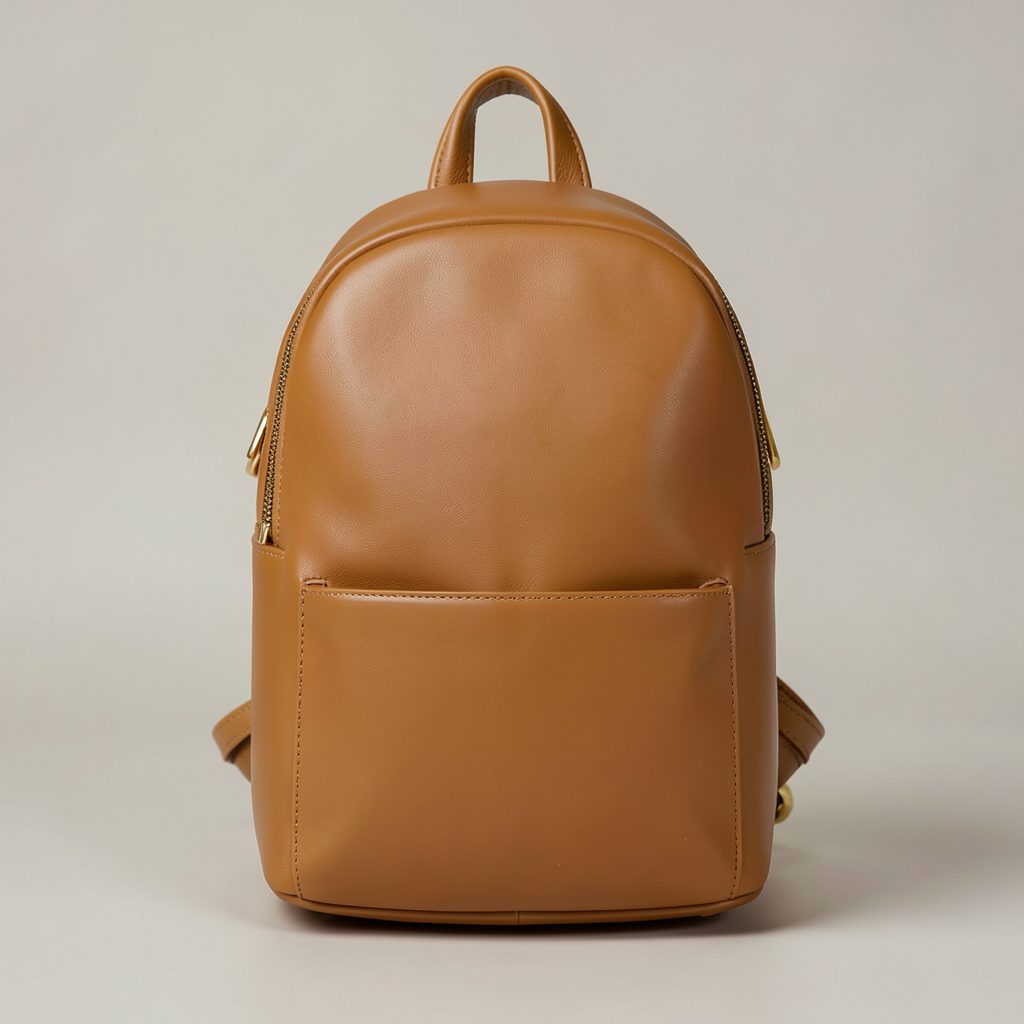
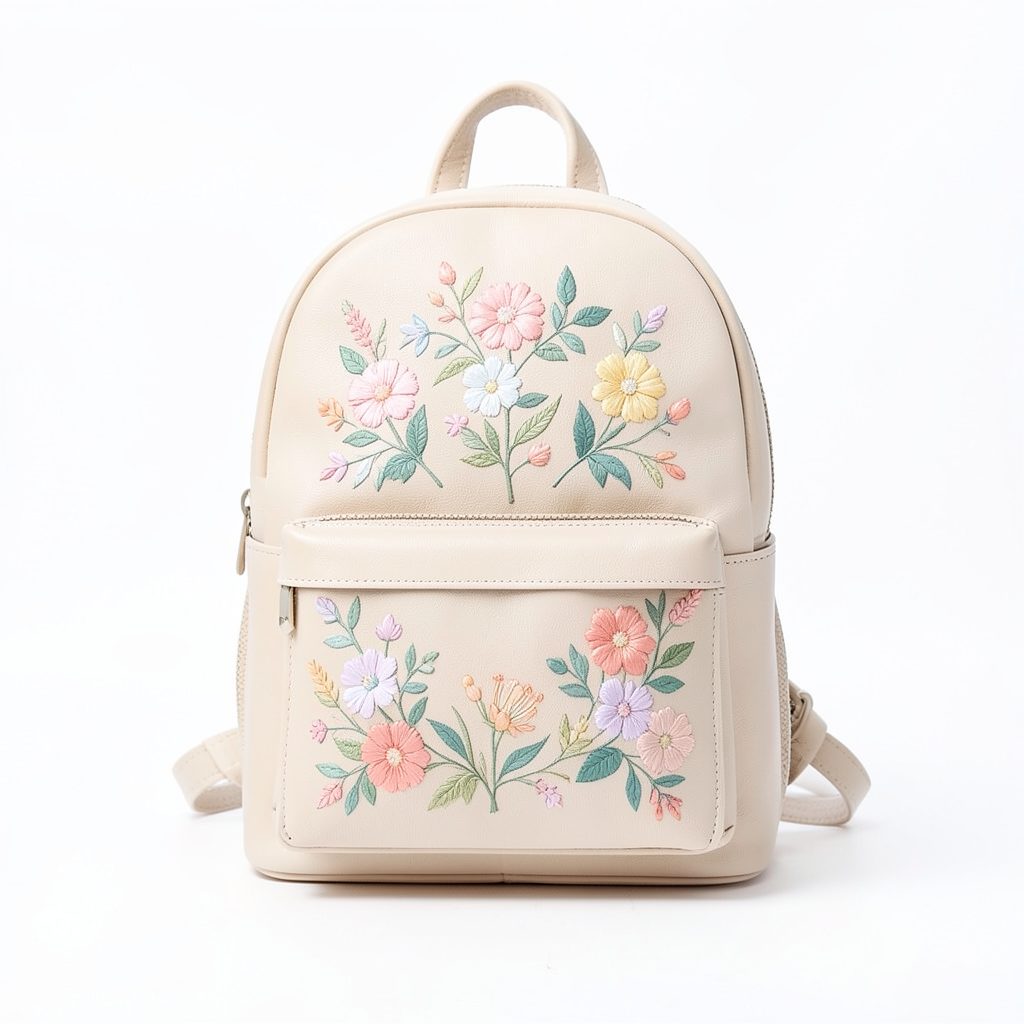
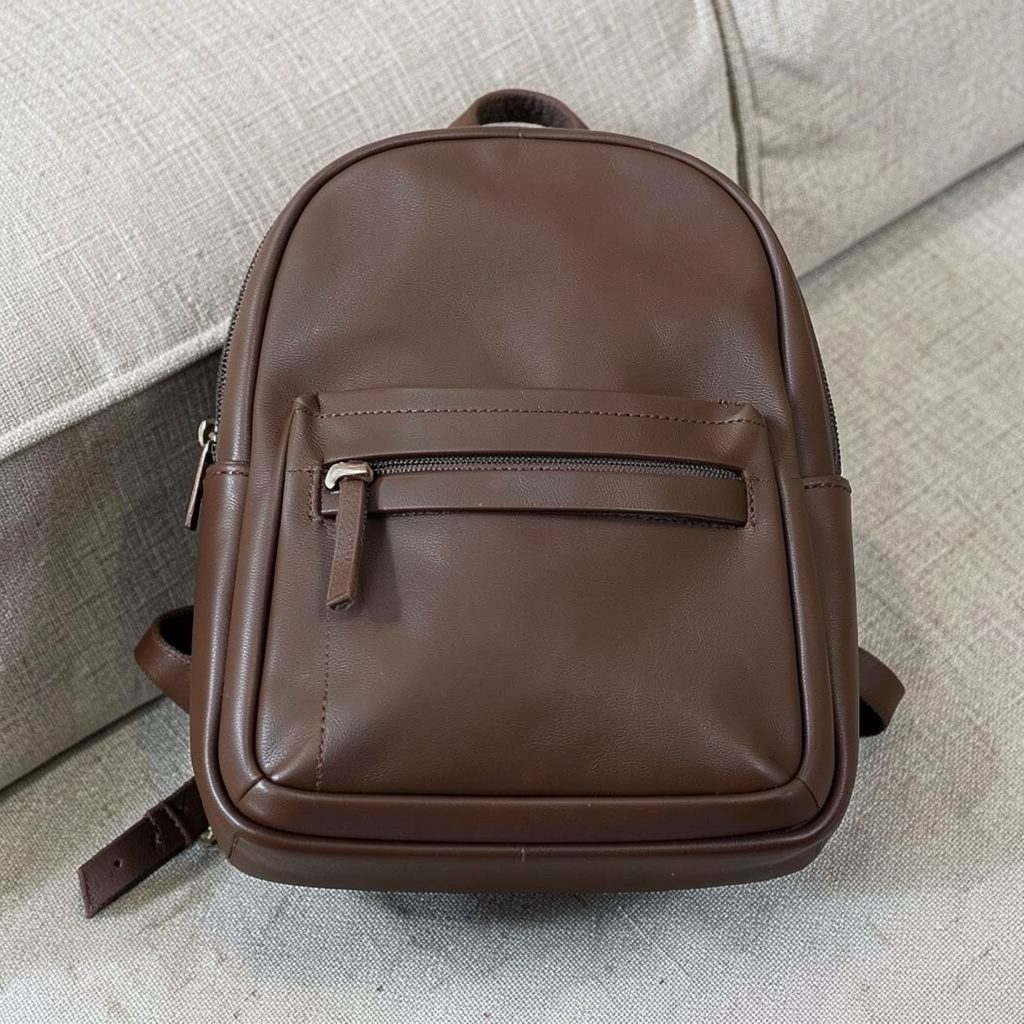
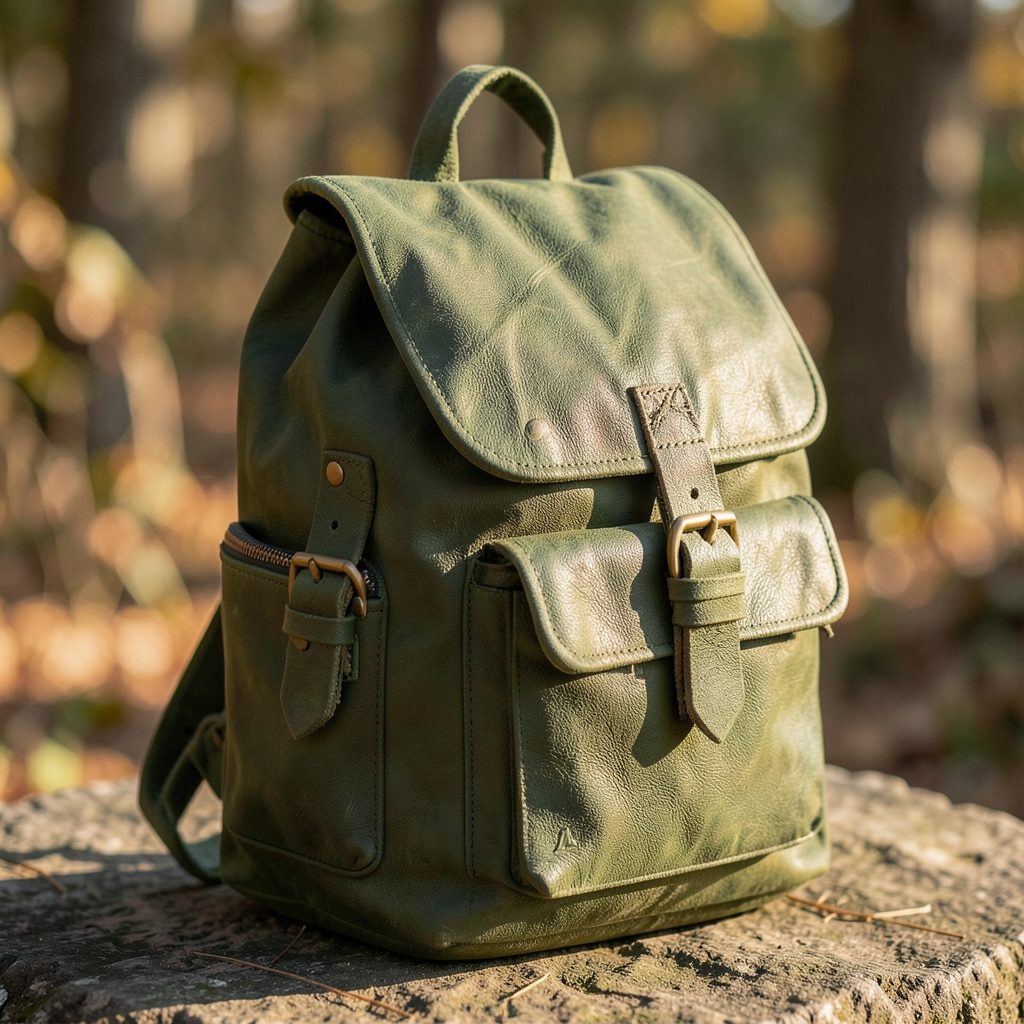
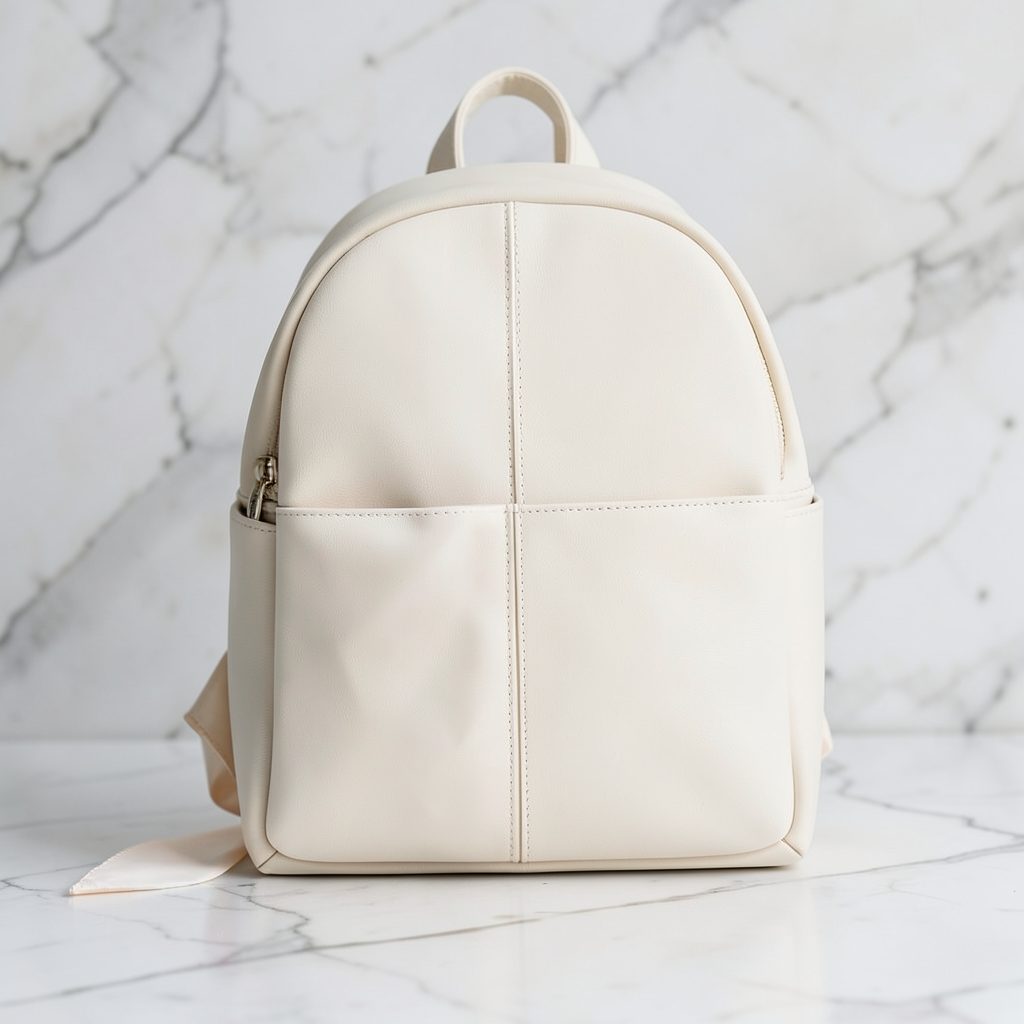
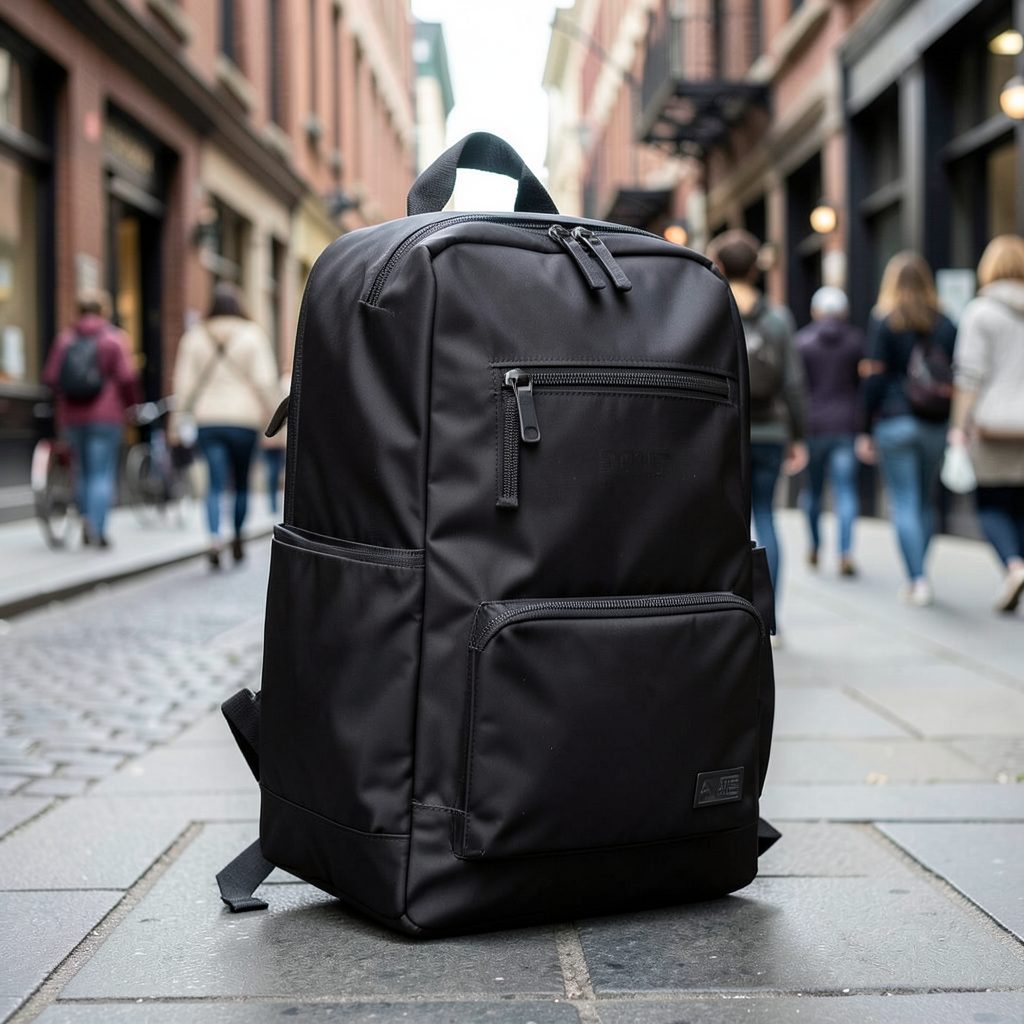
Every backpack is crafted from premium vegan leather with thoughtful details — multiple pockets, removable straps, and colors that work with any wardrobe. Browse the lineup below.