How to Organize Your Crossbody Bag for Quick Access to Passport and Phone
A well-organized crossbody bag can make airport queues, train platforms, city walks, and hotel check-ins much easier. When your passport and phone stay in predictable places, you spend less time searching through receipts, cables, sunglasses, and travel snacks.
The best setup balances quick access with security. Your phone should be easy to reach when you need directions or a boarding pass, while your passport should remain protected from accidental drops, spills, and unwanted attention. A few simple compartments and consistent habits can turn a small shoulder bag into an efficient travel system.
The same method works for daily errands. Whether you carry a vegan leather crossbody bag through a busy city or use it for a short weekend trip, organizing by frequency of use keeps the essentials visible without making the bag feel crowded.
Start With A Small, Practical Inventory
Before arranging anything, empty your bag completely. Remove old receipts, loose coins, expired tickets, and items you rarely use. A crossbody bag has limited capacity, so every object should earn its place. Reducing the contents is often more effective than buying extra organizers.
Create three groups: essentials, occasional-use items, and unnecessary items. Your passport, phone, payment card, keys, and travel documents belong in the first group. Hand cream, tissues, sunglasses, and medication may belong in the second. Duplicate cables, bulky packaging, and “just in case” objects can usually be left behind.
Think about the way you move through a travel day. If you frequently show your passport, place it in a secure pocket that opens smoothly. If you use your phone for navigation, tickets, translation, or contactless payments, keep it near the top of the bag or in an exterior pocket with a reliable closure.
Give Every Essential A Dedicated Place
A passport should have one permanent home. A flat internal sleeve is ideal because it keeps the document separate from keys, cosmetics, and other items that could bend or scratch it. If your crossbody bag does not include a passport compartment, use a slim document pouch rather than allowing the passport to sit loose at the bottom.
Your phone needs a separate location, too. Keeping it in the same pocket each day creates muscle memory, so you can retrieve it without looking. Choose a compartment that fits the device comfortably but does not allow it to slide beneath larger objects. A soft lining is helpful because it reduces contact with metal accessories and rough surfaces.
Place your wallet close to the passport only if the two items do not compete for space. Many travelers prefer to keep payment cards in a smaller cardholder so the main wallet does not become oversized. Keys should stay in a clipped pocket or key leash whenever possible. This prevents them from scratching your phone and makes them easier to locate when returning to accommodation.
Build A Fast-Access Layout
Think of your bag in layers. The outermost or highest-access pocket is for items you use repeatedly, such as your phone, transit card, hand sanitizer, or lip balm. The central compartment can hold your passport, wallet, sunglasses, and other essentials that need protection but are not required every minute.
Use vertical placement to your advantage. Put slim items upright rather than stacking them flat. A passport sleeve, cardholder, and phone can then be identified by touch. If the bag has two internal pockets, reserve the one closest to your body for important documents and use the other for items you may need during the day.
Color and texture can also improve visibility. A light-colored lining makes small objects easier to spot, while a contrasting passport cover or pouch creates a visual marker. Avoid filling every pocket simply because it exists. Empty space gives your fingers room to find what you need and makes it easier to return items to their proper locations.
| Item | Best location | Reason |
|---|---|---|
| Phone | Top section or secure outer pocket | Quick access for directions, tickets, and calls |
| Passport | Flat internal sleeve | Protects the document and prevents bending |
| Wallet or cardholder | Internal pocket near the passport | Keeps payment essentials together |
| Keys | Clipped pocket or key leash | Stops them from scratching electronics |
| Boarding pass | Phone pocket or slim document slot | Easy to retrieve during checks |
| Sunglasses | Structured compartment or soft case | Prevents crushing and scratches |
| Sanitizer and tissues | Outer pocket | Convenient during transit and sightseeing |
Keep Security In Mind
Quick access should never mean leaving valuables exposed. When walking through crowded stations, markets, and airport terminals, keep the crossbody bag positioned in front of your body. Adjust the strap so the bag rests close to your side rather than hanging loosely behind your hip.
Use the most secure interior compartment for your passport and spare payment card. A zippered section is preferable to an open slip pocket, particularly when you are moving through crowded areas. Your phone can remain accessible, but avoid placing it in a loose outer pocket if the bag will be worn behind you or set down frequently.
When sitting in a café or waiting area, keep the strap around your arm or across your body instead of placing the bag on the back of a chair. At security checkpoints, prepare a simple routine: remove liquids and electronics if required, keep your passport in your hand or a designated tray, and return every item to its normal pocket immediately afterward.
The material and construction of the bag matter as well. Durable vegan leather, strong stitching, dependable zippers, and an adjustable strap support everyday travel use while keeping the contents contained. A structured design can make document retrieval faster than a soft bag that collapses around its contents.
Pack According To Frequency Of Use
Organizing by frequency is more useful than organizing by category alone. Items used every few minutes belong in the quickest-access zone. Items used once or twice a day should sit in a protected interior compartment. Emergency items can occupy a less accessible section so they do not interfere with routine retrieval.
For example, your phone, transit card, and tissues may be handled constantly. Your passport may be needed at check-in, border control, or hotel reception, so it should be secure but easy to reach. A small first-aid item, spare charging cable, or backup cash can go deeper inside the bag in a labeled pouch.
Avoid carrying full-size versions of products when a travel-size option will do. A compact power bank, short charging cable, slim cardholder, and folding reusable bag can provide useful support without taking over the main compartment. If you need additional capacity for clothing or larger items, a separate tote can keep the crossbody bag focused on essentials; vegan leather tote bags can serve as a practical second carry option for longer travel days.
Keep liquids sealed in a small waterproof pouch. Even a well-closed bottle can leak under pressure, and passport pages are especially vulnerable to moisture. Separating liquids from documents and electronics protects the items that are hardest to replace.
Create A Routine For Travel Days
The fastest organization system is one you repeat. Before leaving your accommodation, check that your passport, phone, wallet, and keys are in their assigned pockets. This takes only a few seconds and prevents the stressful moment when you realize an important item is still on a bedside table.
At transport checkpoints, remove only what is necessary. Keep a small document pouch or passport sleeve ready so you can take out identification without emptying the bag. After showing your documents, put them back immediately rather than carrying them loosely while handling luggage or boarding materials.
At the end of the day, reset the bag. Throw away receipts, recharge your power bank, return loose coins to a wallet, and check that your phone and passport are present. A nightly reset prevents clutter from accumulating and means the bag is ready for the next morning.
For a more polished look, choose a compact design that works with your travel wardrobe and daily routine. A style with a secure zip, adjustable strap, and organized interior can move from sightseeing to dinner without requiring a complete repack. A decorative option such as a tassel bucket bag can add personality while still giving frequently used items a defined place.
Make Small Adjustments For Different Trips
A short city break may require only identification, payment cards, a phone, keys, and a few personal items. For international travel, you may also need a printed reservation, an additional card, medication, or a backup contact sheet. Adjust the contents without changing the location of the core essentials.
For warm-weather travel, sunglasses, sunscreen, and a compact fan may need quick access. In cooler weather, gloves and lip balm may move into the outer pocket. The layout can change with the destination, but the passport and phone should remain in familiar locations.
Consider the bag’s weight before leaving. A crossbody carried for many hours should feel balanced, with heavier items positioned close to your body. If the bag begins pulling on one shoulder, remove rarely used objects or move them into a larger carry bag. Comfort supports security because you are less likely to set down or mishandle a bag that feels easy to carry.
Use these habits as a simple daily checklist:
- Keep the phone in one dedicated, easy-to-reach pocket.
- Store the passport flat in a secure sleeve or zippered compartment.
- Clip keys in place and separate them from delicate electronics.
- Carry liquids in a sealed pouch away from documents.
- Reset the bag each evening and remove unnecessary clutter.
A thoughtfully arranged crossbody bag gives you a calmer way to move through airports, streets, and everyday errands. Choose a durable, animal-free design that suits your routine, assign a permanent place to every essential, and keep the layout consistent from one journey to the next. Explore Travel Starter Pack’s travel-ready bags and accessories, then prepare your crossbody for the next trip with secure storage, quick access, and a lighter daily load.
Our Backpack Styles
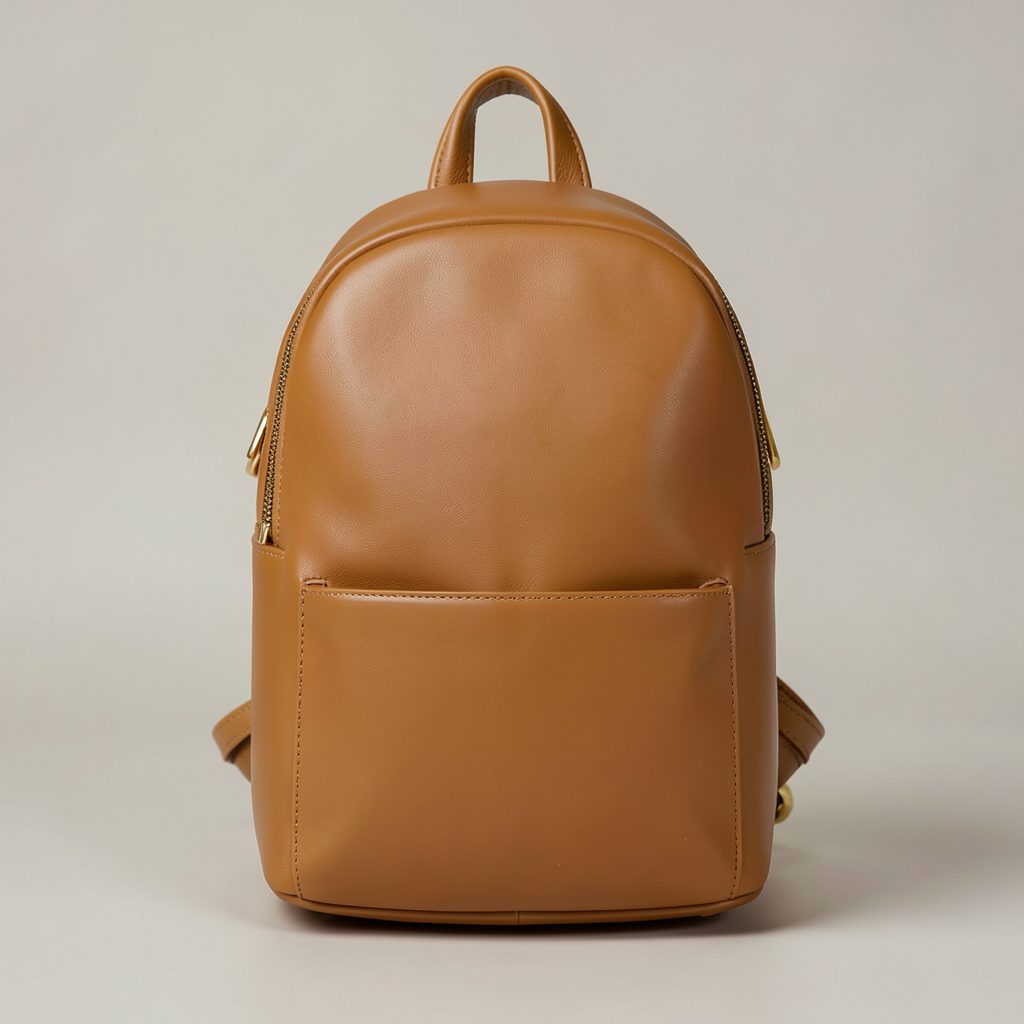
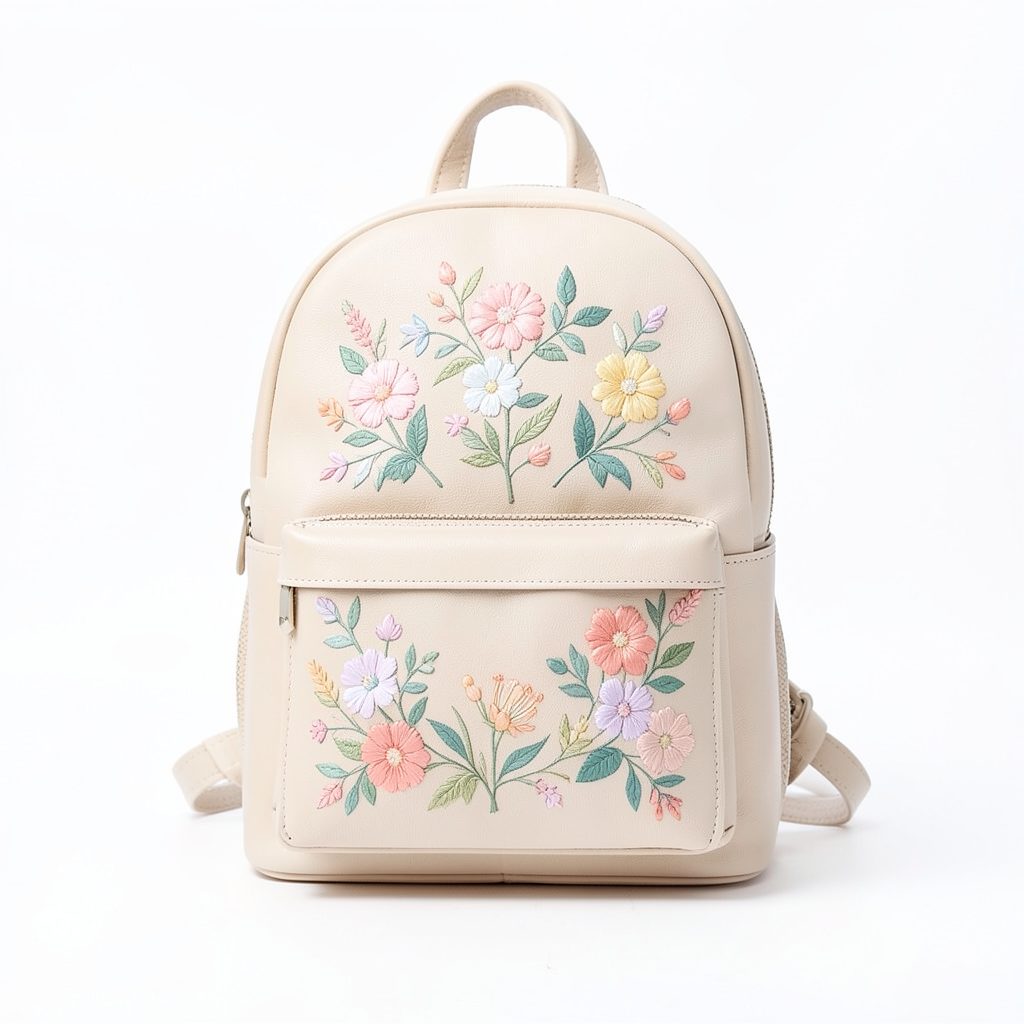
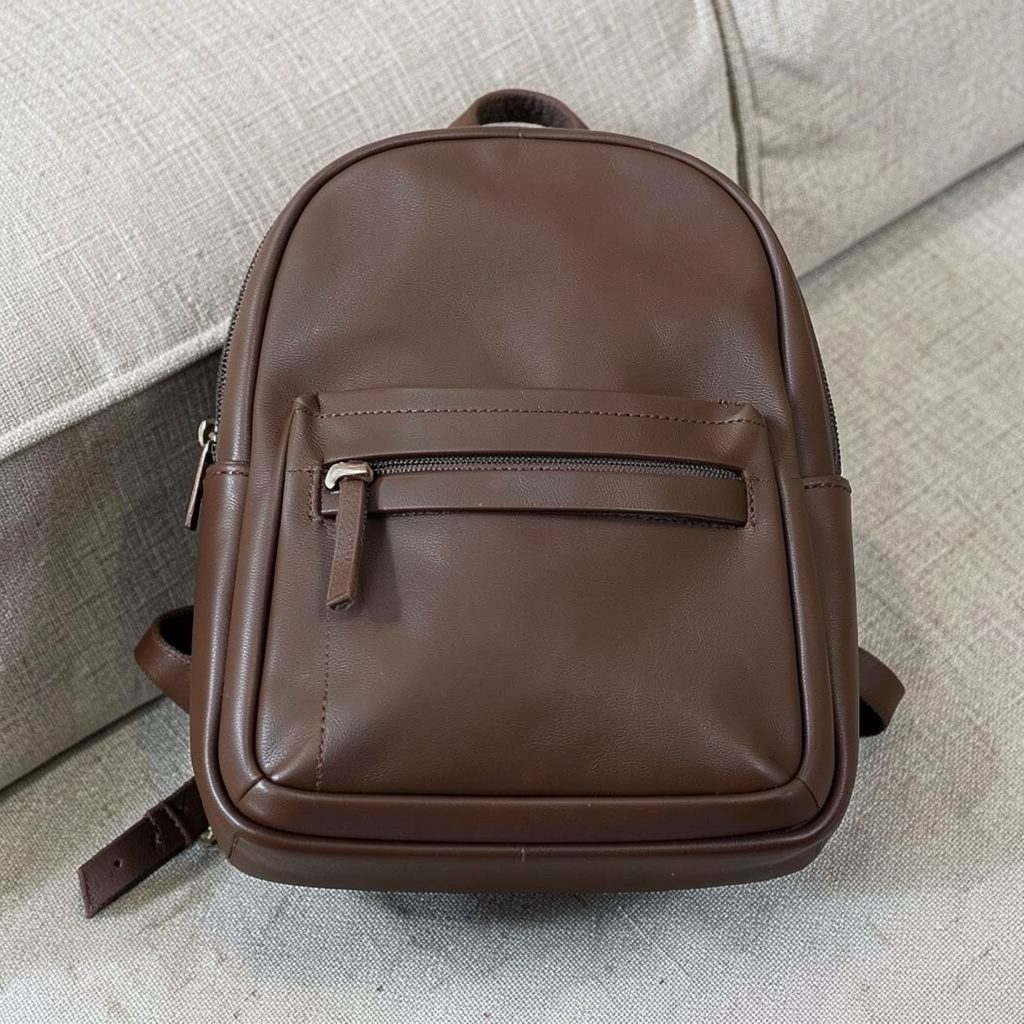
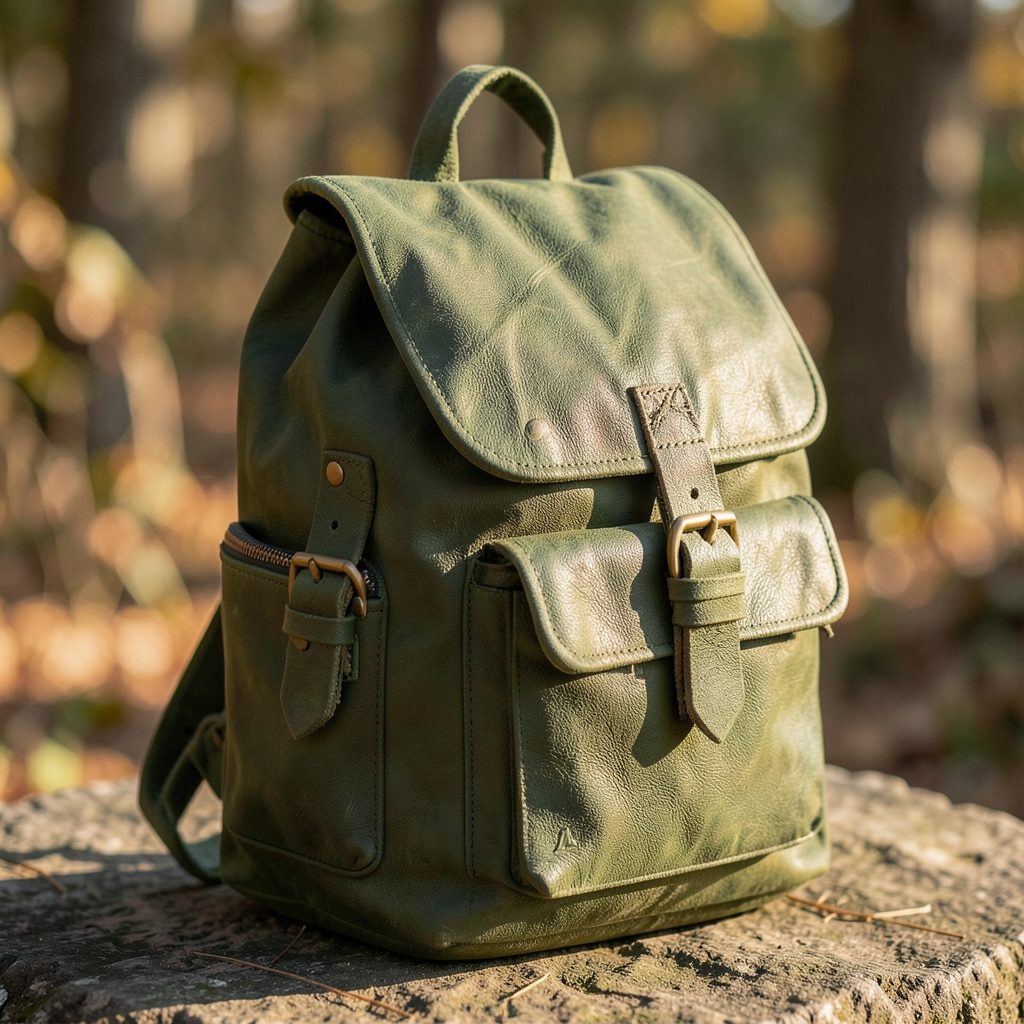
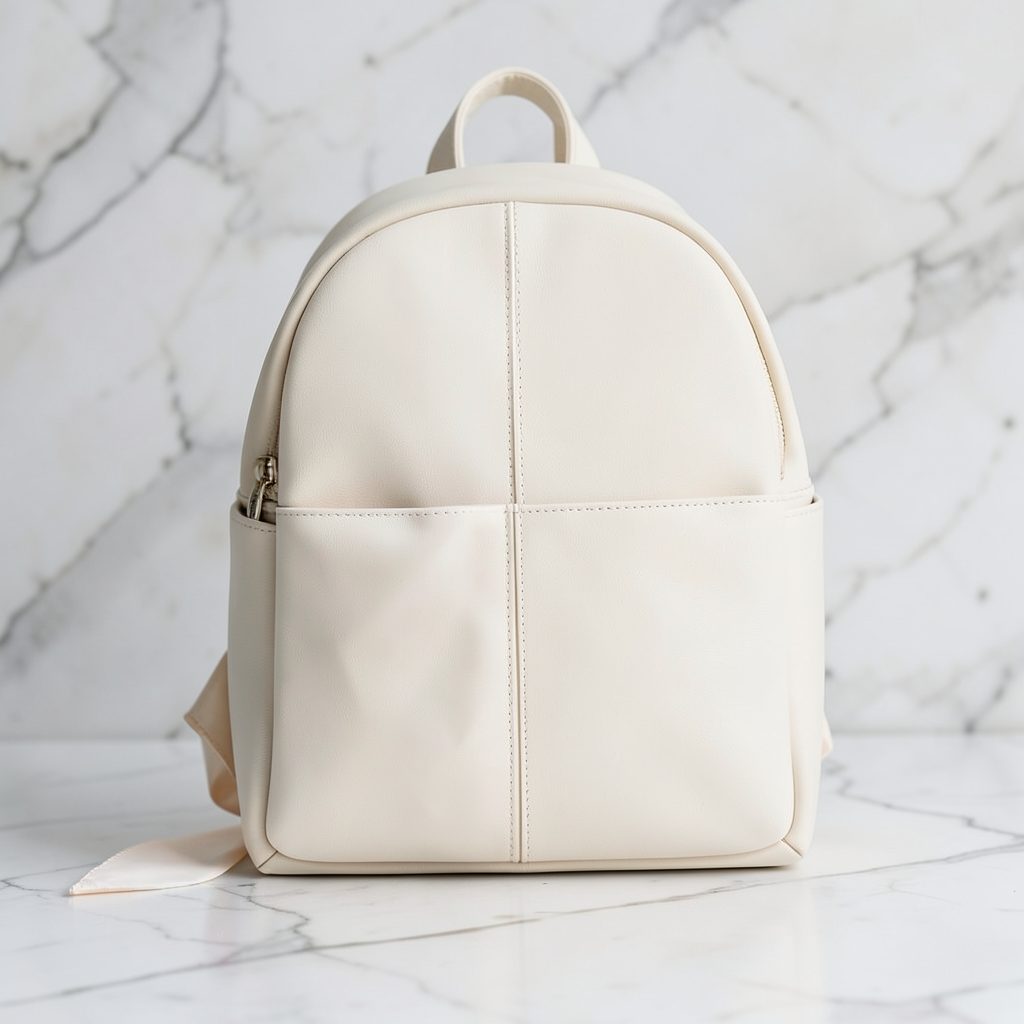
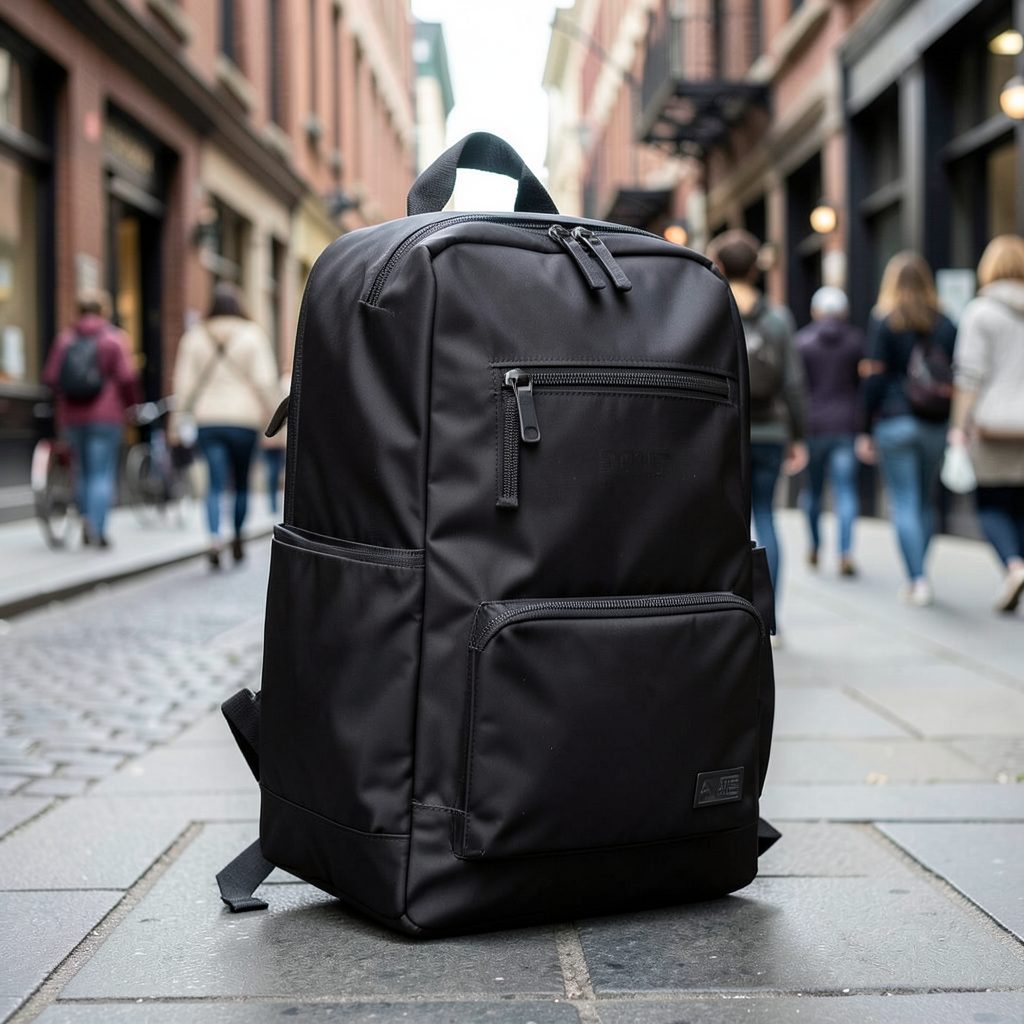
Every backpack is crafted from premium vegan leather with thoughtful details — multiple pockets, removable straps, and colors that work with any wardrobe. Browse the lineup below.