Vegan Leather Bag Size Guide For Camera And Snack
A mirrorless camera and a snack are a practical everyday combination: enough equipment for a walk, market visit, city break, or weekend drive without carrying a full camera backpack. The right vegan leather bag should protect the camera, leave room for food and personal items, and remain comfortable when you are moving between a tram stop, café, and coastal path.
Size labels can be misleading because a “medium” crossbody from one brand may hold less than a compact tote from another. The useful measurements are the internal length, height, depth, opening width, and the amount of structure around the base. This guide explains how to match those details with your camera kit and Australian routines.
Start With Your Actual Carry
Before choosing a bag, measure the camera with its most frequently used lens attached. A small mirrorless body with a pancake lens takes up far less room than a body fitted with a standard zoom. Include the grip, strap lugs, lens hood, and any protective pouch if you plan to keep them inside the bag.
A practical minimum for a camera-and-snack carry is usually around 24–28 cm wide, 17–21 cm high, and 10–13 cm deep. These dimensions give a compact camera enough breathing room while leaving space for a muesli bar, banana, small sandwich, or reusable water bottle. A bag that exactly matches the camera’s dimensions can become frustrating because the zip catches and the snack has nowhere to go.
Think about what “snack” means in your routine. A small packet of nuts needs little depth, while a container of cut fruit or a bakery roll needs a broader base. An Australian summer outing may also require sunglasses, sunscreen, and a light layer. In Brisbane humidity, Sydney heat, or a bright walk around Fremantle, the extra space can be more useful than a narrow, perfectly fitted camera compartment.
Make Room For Camera Protection
Vegan leather offers a polished surface and is easy to wipe clean, but the material itself is not a replacement for padding. A soft camera insert, wrapped lens pouch, or slim protective sleeve helps prevent knocks from keys, drink bottles, and packed food. Place the camera closest to the side of the bag rather than beneath heavier items.
A structured crossbody is often the easiest choice for quick access. The camera can sit upright, the lens can point towards the base, and the top zip keeps the kit secure while you are walking. If you are carrying a smaller body and a compact prime lens, a satchel-style bag may allow the camera, snack, wallet, and phone to share one organised compartment.
Photography equipment can also be used in less conventional settings. For example, a compact camera may be part of a home project involving rooftop solar monitoring, where easy access and protection from dust matter. Even for everyday travel, a removable insert gives you the flexibility to change the bag from camera carrier to ordinary day bag.
Avoid placing a loose camera at the very bottom of a tote. Totes are roomy, but their open interior can let the camera slide into contact with sunglasses cases, metal water bottles, or a packed lunch. If you prefer a tote for its generous capacity, choose one with a firm base, a secure closure, and enough internal organisation to keep equipment upright.
Match Bag Shape To Daily Movement
A crossbody normally provides the best balance for a mirrorless camera and snack. Its weight sits close to the body, both hands remain free, and the camera is easy to reach at a lookout or weekend market. Look for an adjustable strap with a comfortable width and hardware that feels secure rather than decorative.
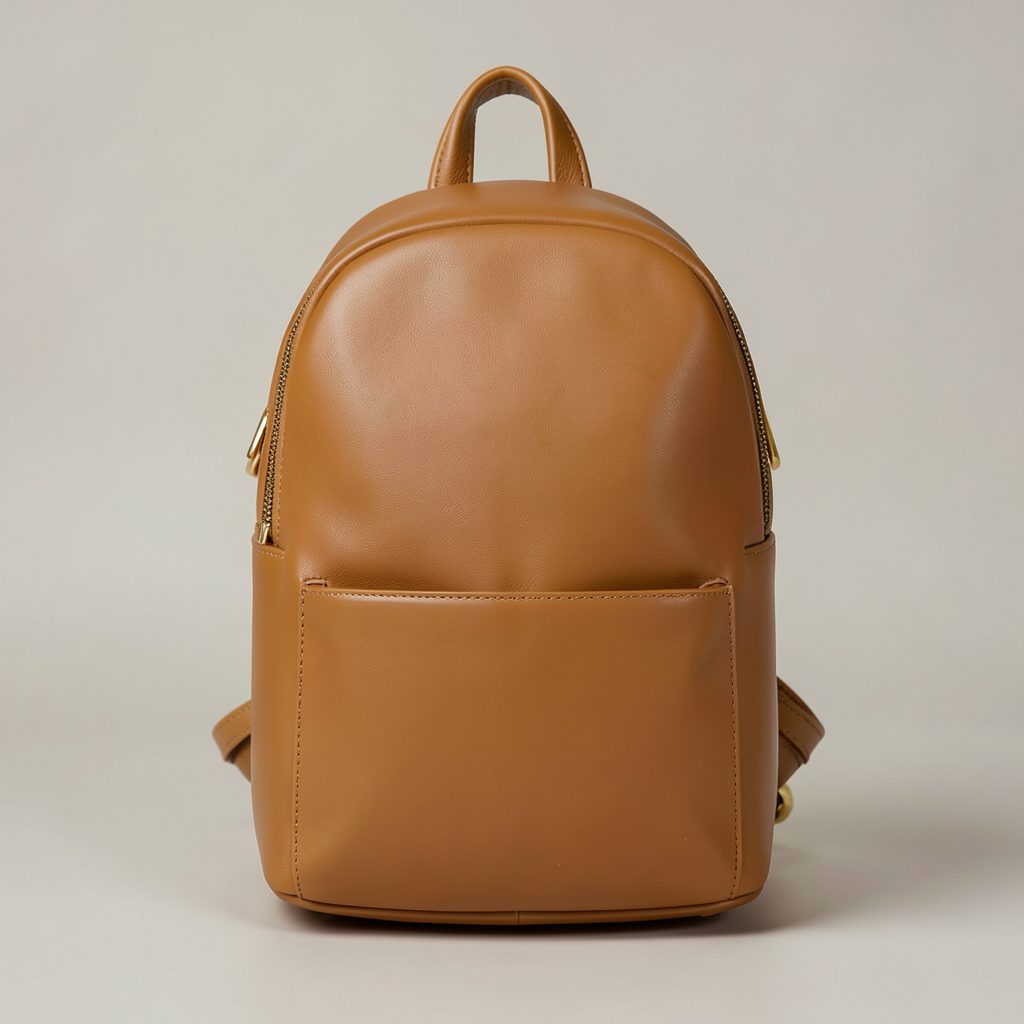
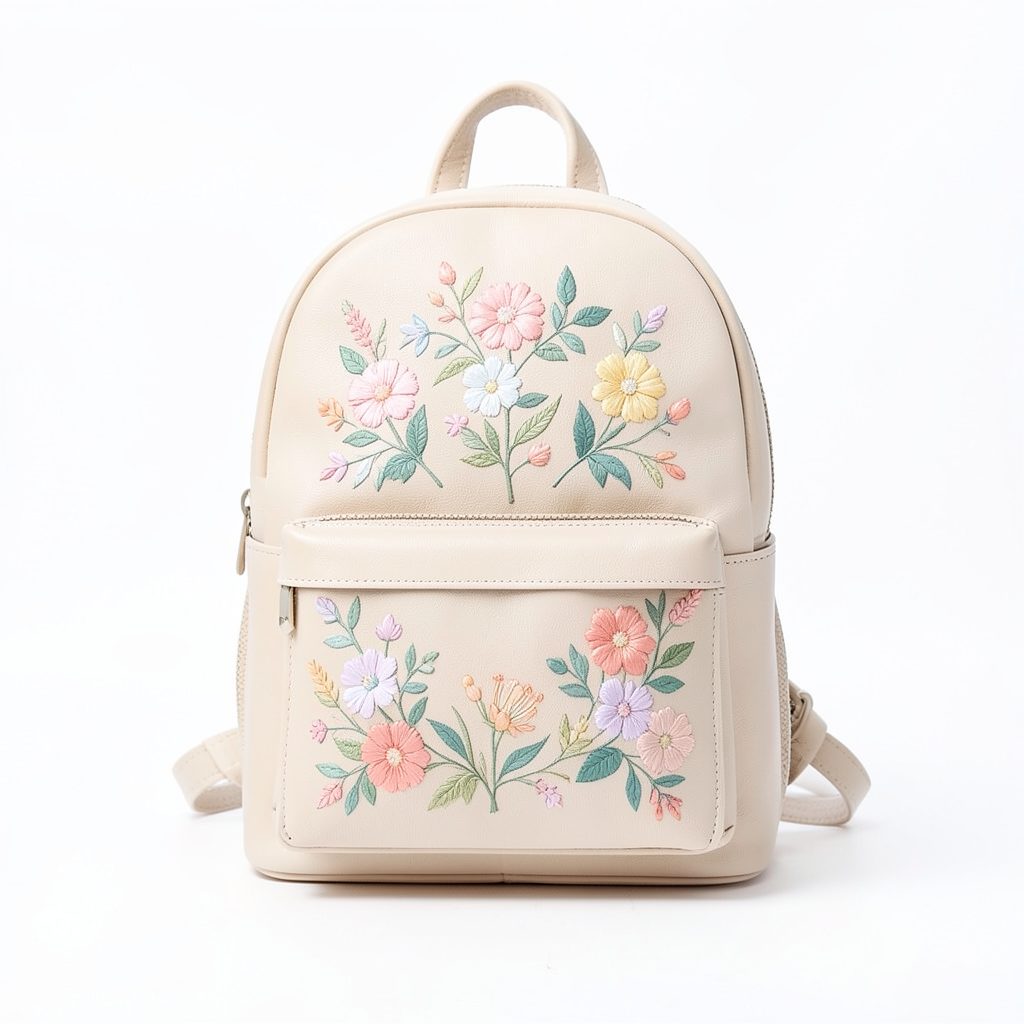
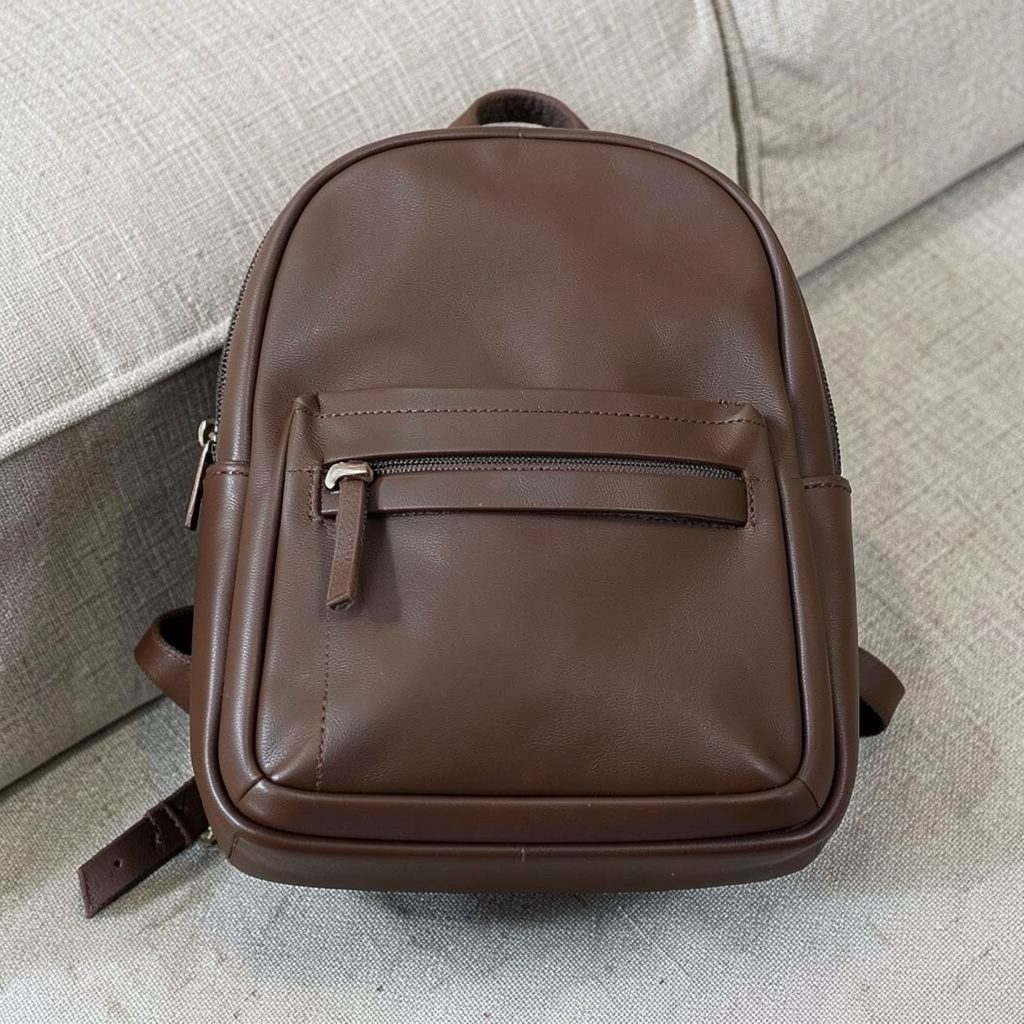
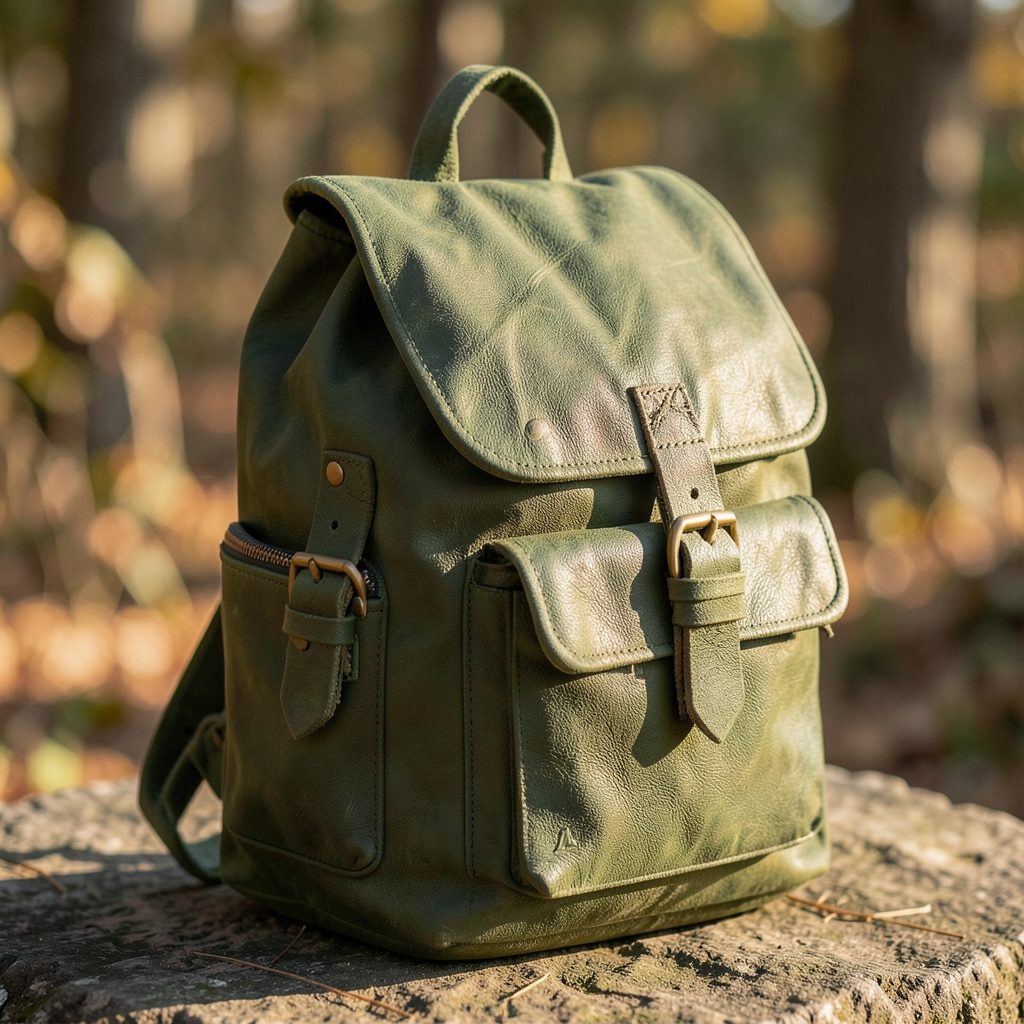
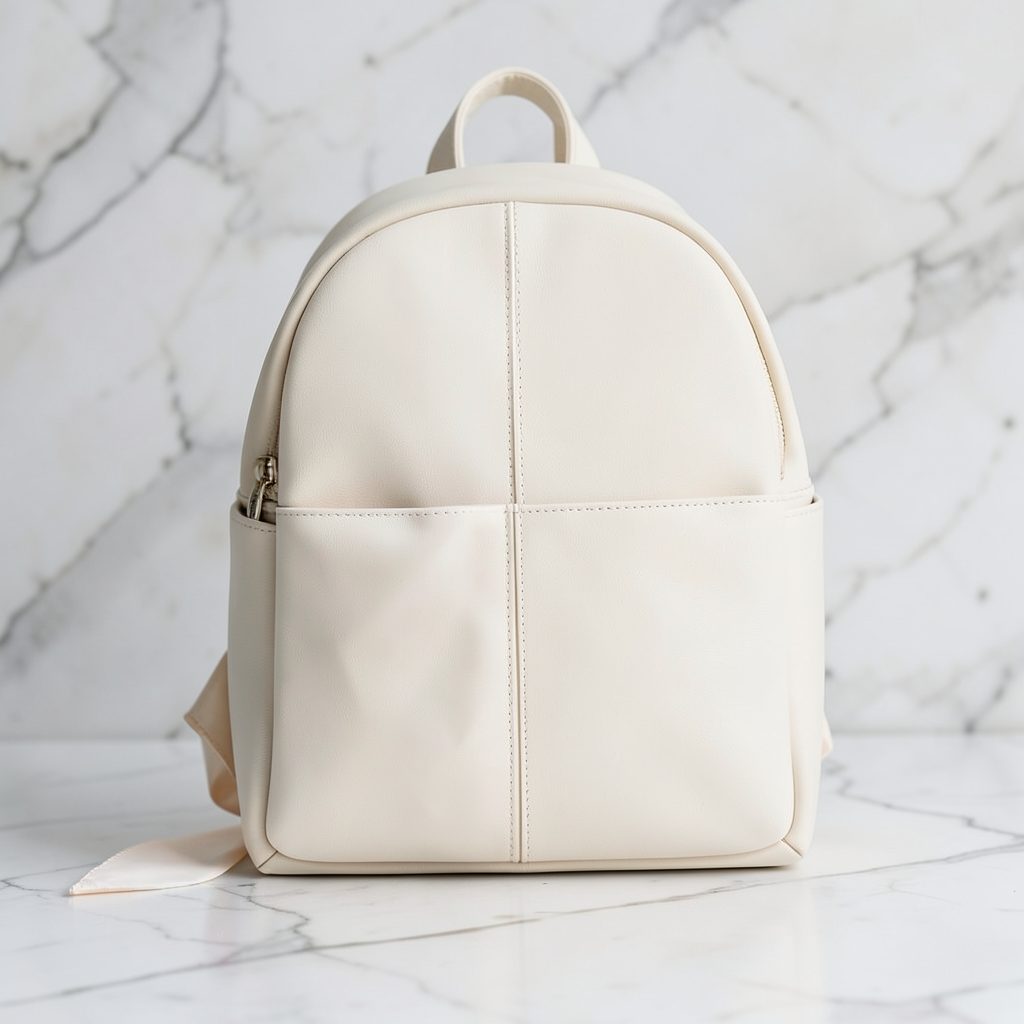
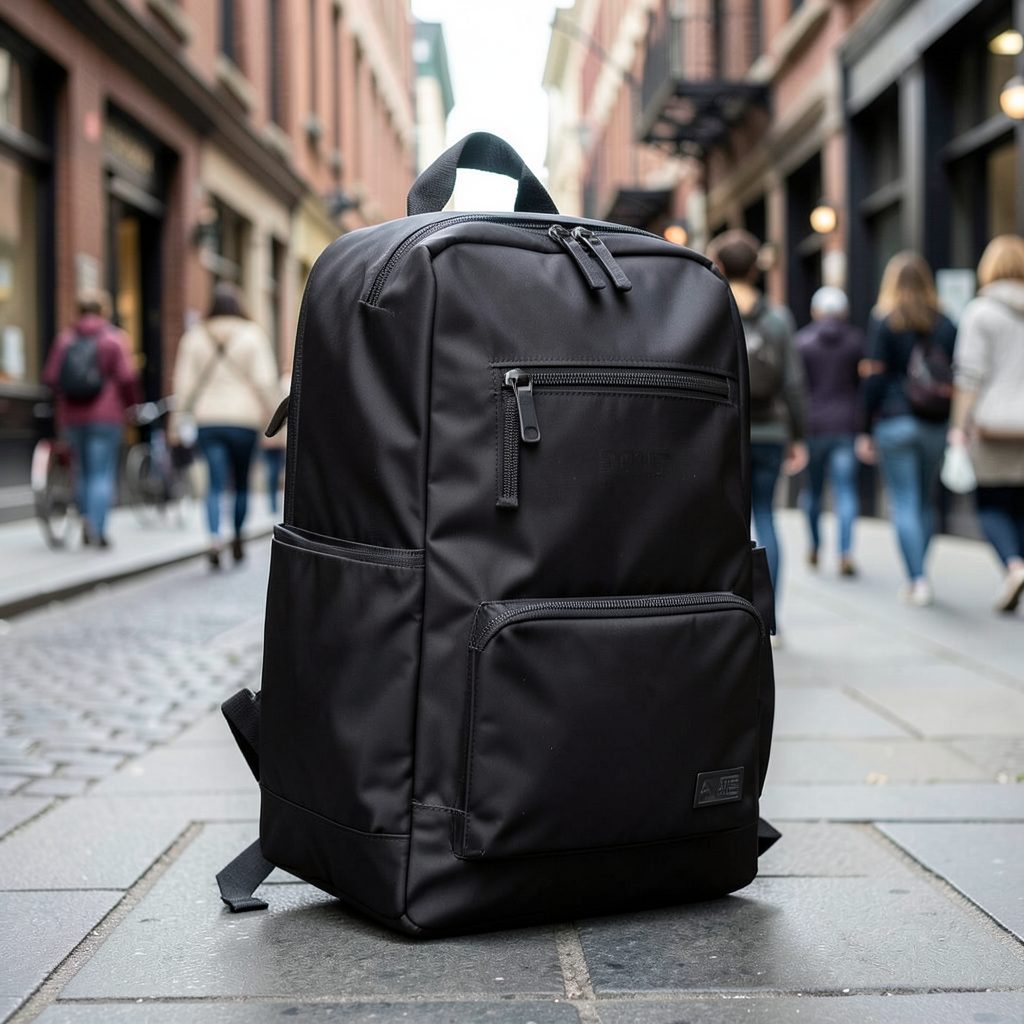
A small backpack works well when your route includes a longer walk, cycling, or public transport through a busy area. It spreads the load across both shoulders and can hold a camera insert, snack, water, cardigan, and compact umbrella. The trade-off is slower access, since you usually need to remove the backpack to reach the camera.
A tote suits café trips, office commutes, and shopping days when you want a more open, flexible interior. It can fit a camera pouch and larger food container, though a tote may swing against your hip and feel less secure in crowded places such as Melbourne’s Queen Victoria Market or Sydney’s Circular Quay. Choose a top zip when you expect to move through busy stations or tourist areas.
| Bag style | Useful internal capacity | Camera and snack suitability | Best for |
|---|---|---|---|
| Compact crossbody | 3–5 litres | Camera with compact lens, snack, phone, wallet | Short walks and sightseeing |
| Medium crossbody | 5–8 litres | Camera, spare battery, snack, sunglasses, small bottle | Full-day city exploring |
| Small backpack | 8–12 litres | Camera insert, food container, water, light layer | Longer walks and commuting |
| Structured tote | 10–16 litres | Camera pouch, lunch, notebook, shopping items | Workdays and flexible errands |
| Slim camera satchel | 4–7 litres | Camera with attached lens and one small accessory | Quick-access photography |
The table gives a starting point rather than a guarantee. A thick protective insert can reduce usable volume, and a wide lens may require more depth than the litre rating suggests. If you are buying online, compare the listed dimensions with your camera and leave at least a few centimetres for easy packing.
Consider Australian Weather And Transport
Australian conditions can change quickly between environments. A cool morning in Melbourne may become warm by midday, while a coastal walk near Adelaide or Perth can bring strong sun and wind. A bag with a full flap or zipped top helps protect the camera from light rain, dust, and accidental splashes, though vegan leather bags should not be treated as fully waterproof unless the product specifically says so.
For domestic flights, keep the bag compact enough to fit under the seat or within the airline’s cabin baggage rules. Weight limits and dimensions vary between carriers and fare types, so a roomy tote filled with camera gear can become heavier than expected. A medium crossbody or slim backpack is easier to manage when you are moving through an airport, boarding a regional flight, or changing trains after landing.
Public transport also affects the best design. A crossbody that sits close to your front is convenient on Sydney trains, Brisbane buses, or Melbourne trams. A backpack should have smooth straps and a secure zip so it does not catch on seats or other passengers. For an arvo walk, a quick-access outer pocket can hold public transport cards, but keep passports, cash, and camera batteries in zipped internal compartments.
Colour matters in this climate and lifestyle. Dark shades can look refined for work, while tan, cream, olive, and muted blue often suit relaxed weekend clothing. You can explore ideas for bag colours with sandals when building a capsule wardrobe that moves from beachside paths to casual dinners.
Pack The Essentials Without Overfilling
A good packing system protects the camera while keeping the snack separate from delicate equipment. Use the heaviest item closest to your back or body, and keep food sealed in a small reusable pouch. This arrangement reduces pressure on the camera and helps contain crumbs or condensation.
For a compact crossbody, prioritise the items below:
- Mirrorless camera with the everyday lens attached
- One wrapped snack and a slim reusable bottle
- Phone, keys, cardholder, and sunglasses
- Spare battery or memory card in a small case
For a medium crossbody or small backpack, you can add a little more comfort and flexibility:
- Padded camera insert or removable divider
- Compact sunscreen and a foldable shopping bag
- Light cardigan, rain shell, or packable hat
- Small notebook, charging cable, or travel adapter
The aim is to leave a little empty space. An overfilled bag is harder to zip, places pressure on the camera, and becomes uncomfortable during a long walk. It also makes it tempting to carry items you do not need, turning a simple photo outing into a heavy daily load.
A dedicated wallet can improve access at transport gates and airport screening. Features such as a clear boarding-pass slot, separate cards, and a zipped coin section can reduce rummaging; these airport wallet features are especially useful when your camera bag is already full.
Choose Materials And Features For Longevity
Vegan leather is a practical option for people who want an animal-free accessory with a smooth, consistent finish. Durability depends on the quality of the material, stitching, lining, zip, and strap attachments. Inspect product photographs for reinforced handles, neat edge finishing, and hardware that looks capable of handling regular use.
For a camera-and-snack bag, prioritise a wide opening, stable base, strong zip, and adjustable strap. Internal pockets should be large enough for a phone and wallet without taking over the main compartment. A pale lining can make small items easier to find, while a darker exterior is forgiving when the bag is used on dusty footpaths or packed under a café chair.
Care is simple but should be regular. Wipe the surface with a soft, slightly damp cloth, remove grit from the zip, and allow the bag to dry naturally away from direct heat. Do not use harsh solvents or soak the material. Keep food sealed, particularly if you are carrying fruit, takeaway snacks, or a coffee during a long day out.
Style still matters when a bag is used every day. Clean lines can work with office clothing, activewear, linen, or denim, giving one accessory a longer life across different settings. For broader fashion inspiration around practical travel pieces, browse everyday travel style before choosing a colour and silhouette that will earn regular use.
Find The Right Everyday Carry
The best size is the smallest bag that holds your camera safely, leaves room for a satisfying snack, and accommodates the few extras your day genuinely requires. For most mirrorless users, that means a medium crossbody of roughly 5–8 litres or a compact backpack when water and an extra layer are essential.
Travel Starter Pack offers vegan leather backpacks, crossbody bags, totes, wallets, and accessories in versatile colours and shapes. Look for a secure closure, comfortable strap, durable construction, and a size that matches your measurements rather than relying on a label such as small or large. Free worldwide shipping and order tracking make it easier to organise a new everyday bag for Australian trips, commutes, and weekend exploring.
Choose the piece that gives your camera protection, your snack a clean place to sit, and your day enough room to unfold comfortably.
Our Backpack Styles
Every backpack is crafted from premium vegan leather with thoughtful details — multiple pockets, removable straps, and colors that work with any wardrobe. Browse the lineup below.