Travel wallet features that save you time at airport security
Airport security is rarely difficult because of one complicated step. Delays usually come from small moments: searching for a passport, separating coins, opening a tightly packed bag, or realizing that a boarding pass is buried beneath receipts. A well-designed travel wallet reduces those interruptions by keeping essential documents and payment methods in predictable places.
The best airport wallet is compact, easy to open, and organized around the way travelers move through a terminal. It should give you quick access to identification before screening, keep loose items contained, and return everything to one secure place afterward. Materials, construction, and visibility matter just as much as pocket count.
A vegan leather wallet can provide the polished look and wipe-clean surface many travelers want without using animal-based materials. When the design is durable and slim, it becomes useful beyond the airport too, from daily commuting to weekend trips and international journeys.
Keep identification ready to reach
A dedicated passport compartment is one of the most useful features in a travel wallet. Instead of placing your passport in a general pocket with cards, receipts, and currency, you can slide it into a clearly defined section and find it immediately at check-in, immigration, and boarding. A snug fit prevents the document from drifting around while leaving enough room to remove it smoothly.
An exterior slot can be even faster when you need to show an ID or boarding pass repeatedly. It should be deep enough to hold the item securely but open enough for your fingers to grip the edge. Transparent windows are convenient for identification cards, although you should check that the material does not obscure important details or create glare when documents are inspected.
A wallet with a full-length boarding pass pocket also helps when staff need to scan a printed pass. For digital passes, use the wallet as a staging point for your physical ID and payment card while keeping the phone accessible in a separate pocket. This avoids the common shuffle between phone, passport, and wallet at the gate.
Reduce loose items before screening
Loose coins, keys, earbuds, and receipts can turn a simple tray into a search exercise. A zipped coin pocket keeps small metal objects together so you can remove them before reaching the conveyor belt. The same compartment can hold a spare SIM card, travel adapter tip, or folded receipt, provided it does not become an overflowing catch-all.
Card slots should hold the cards you actually need during transit rather than every membership card in your everyday wallet. A practical layout may include space for one primary payment card, a backup card, a transit card, and an identification card. Fewer items mean a slimmer profile and less time spent checking whether something was left in a tray.
A secure zipper or snap closure helps keep contents together when the wallet is placed inside a backpack or crossbody bag. Smooth hardware is especially valuable when you are moving quickly. If the closure catches on fabric or requires two hands to operate, it can erase the time saved by the internal organization.
Choose a layout that works with your carry-on
Airport efficiency depends on the relationship between your wallet and your personal item. A wallet that fits into an easy-access pocket in a backpack or tote can be removed without unpacking the rest of your belongings. Look for a slim shape that slides into a dedicated sleeve rather than a bulky design that occupies the main compartment.
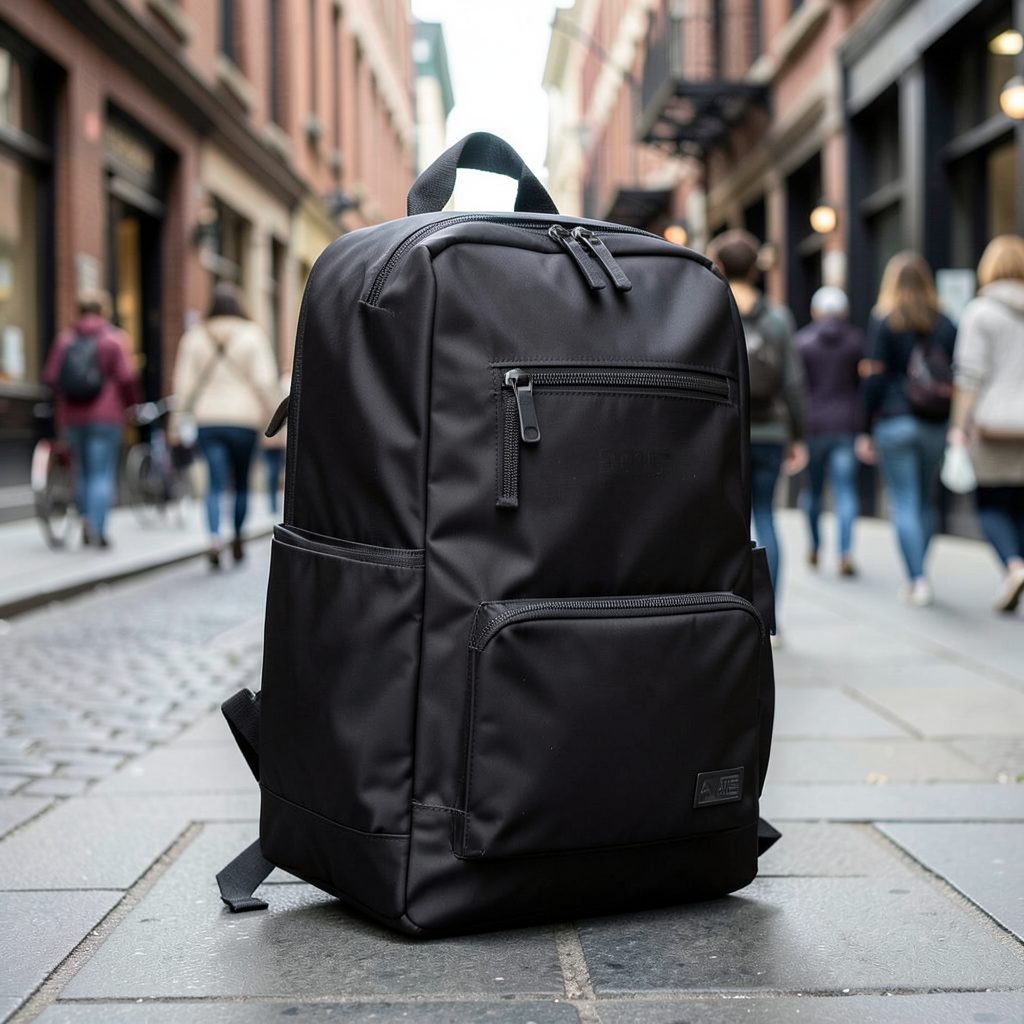
Travelers who carry electronics should keep cables, chargers, and documents separated. A wallet cannot solve every packing problem, but it can form a reliable document station inside your bag. Before choosing a connected backpack, consider whether a USB charging port adds genuine convenience for your routine; keeping the power bank and cable in an adjacent compartment can make phone access more orderly at the checkpoint.
A wristlet strap or detachable loop gives the wallet another useful role. You can hold it securely while presenting documents, then attach it inside your bag after boarding. This is helpful in crowded terminals, where a wallet placed on a seat or tray is easier to forget. The strap should be strong enough for the wallet’s full load without making the item cumbersome.
Compare features before choosing a style
Different wallet formats solve different travel problems. A passport wallet offers document capacity, while a compact cardholder takes up less room for short domestic trips. A zip-around design provides stronger containment for coins and receipts, whereas an open bifold or trifold may offer faster visual access. Consider how many border crossings, currencies, and cards you typically handle.
The table below highlights the practical trade-offs among common travel wallet styles. “Fast access” refers to how quickly you can present a document, while “containment” describes how well the design keeps small contents from escaping.
| Wallet style | Airport advantage | Possible limitation | Best suited to |
|---|---|---|---|
| Passport wallet | Keeps passport, boarding pass, and cards together | Can be too large for minimalist travelers | International trips and frequent border checks |
| Zip-around wallet | Contains coins, receipts, and cards securely | Requires opening the zipper fully | Travelers carrying several small items |
| Slim cardholder | Quick access and minimal bulk | Usually lacks room for a passport or coins | Short trips and digital-first travelers |
| Bifold wallet | Easy card visibility with a familiar shape | Open edges may expose loose notes | Everyday use combined with occasional travel |
| Wristlet wallet | Easy to hold while showing documents | Strap can feel unnecessary inside a packed bag | Busy terminals and hands-free movement |
A travel wallet should also complement the bags you already use. A crossbody bag may benefit from a flat wallet with a secure zipper, while a roomy tote can accommodate a passport organizer with multiple sections. Travelers aiming to reduce baggage can find useful guidance in packing light essentials, especially when deciding which accessories deserve space.
Color is practical as well as personal. A bright or distinctive wallet is easier to spot inside a dark backpack and less likely to be confused with another passenger’s belongings. Neutral shades may coordinate with more outfits, while a contrasting interior can make cards and documents easier to locate.
Look for security-minded details
RFID-blocking material can help reduce the risk of unauthorized scans of compatible contactless cards and passports. It does not replace sensible handling, and it does not make airport screening faster by itself. Its value is that it adds a passive privacy layer while documents are stored in your bag or carried through a crowded terminal.
A strong closure, reinforced stitching, and protected edges contribute more directly to everyday security. Check that card slots are tight enough to prevent cards from sliding out but not so tight that removing one requires excessive force. A high-quality zipper should move evenly, with no exposed gap that could catch on nearby items.
Material care matters during long trips. Vegan leather is generally easy to wipe clean after contact with a tray, café table, or damp surface. Look for a smooth, resilient finish and lining that does not shed fibers onto dark cards. A wallet that keeps its shape is easier to open with one hand and less likely to trap documents in collapsed corners.
Organize for the return journey
The period after screening deserves as much attention as the approach to it. Once you collect your belongings, place your passport, phone, and wallet into predetermined compartments before leaving the checkpoint area. A wallet with separate zones makes this routine easier because each item has a clear destination.
Use one section for documents, one for cards and currency, and one zipped pocket for receipts or coins. Avoid putting the phone in the same compartment as the passport if the phone is likely to be needed for navigation or messages. Keeping these items distinct reduces repeated opening and closing while you move through the terminal.
A travel wallet can also create a simple currency system. Place the currency of your destination in the main section and reserve a smaller pocket for leftover cash from the previous location. For multi-country travel, labeled or visibly separated sections prevent a hurried payment from becoming a search through folded notes.
Before boarding, do a brief inventory: passport, identification, payment card, phone, and any required travel document. This is faster when your wallet has an intentional layout and your bag has a matching access plan. The goal is a repeatable routine rather than a wallet filled with every item you might possibly need.
Match the wallet to your travel habits
Frequent international travelers may value a passport wallet with several card slots, a boarding pass compartment, RFID protection, and a zipped section for multiple currencies. Someone taking occasional domestic flights may prefer a small vegan leather cardholder that leaves room for a phone and keys in a compact crossbody bag.
Families and couples should consider whether one person will carry shared documents. A larger organizer can hold multiple passports and reservations, but it may become awkward at the security line if it is overfilled. Separate slim wallets often let each traveler manage their own identification while keeping shared papers in a dedicated folder.
A wallet used every day should feel comfortable outside the airport. Choose a color and shape that suit work, errands, and evening use so it does not become a single-purpose accessory. Travel Starter Pack’s sale collection can be useful for comparing styles and colors when you want practical organization at a lower price.
Before buying, check the measurements against your passport, cards, preferred currency, and the smallest bag you plan to carry. Product photos can make a wallet appear spacious, but dimensions reveal whether it will fit into a front pocket or force you to use the main compartment. Capacity should support your routine without encouraging overpacking.
Build a faster security routine
The right features help, but a few consistent habits turn them into real time savings. Keep identification in the same wallet section on every trip, remove metal objects before reaching the screening area, and avoid storing the wallet beneath clothing or a laptop. Follow the airport’s current instructions, since screening procedures can differ by location and may change.
Use this practical checklist when selecting and packing a travel wallet:
- Choose a visible passport or ID compartment that can be opened quickly.
- Select a zipped pocket for coins, keys, and other loose metal items.
- Keep the wallet slim enough for an accessible backpack, tote, or crossbody pocket.
- Prefer secure closures, reinforced seams, and a wipe-clean vegan leather surface.
- Leave unnecessary cards and old receipts at home before departure.
A wallet should support the airport routine rather than add another layer of handling. When every document and small item has a defined place, you can move from check-in to screening to boarding with fewer pauses and less repacking.
Browse Travel Starter Pack’s vegan leather travel accessories to find a wallet that fits your documents, bag, and daily habits. Choose a streamlined design with quick-access storage, secure compartments, and durable construction, then make it part of your airport routine from the moment you leave home.
Our Backpack Styles
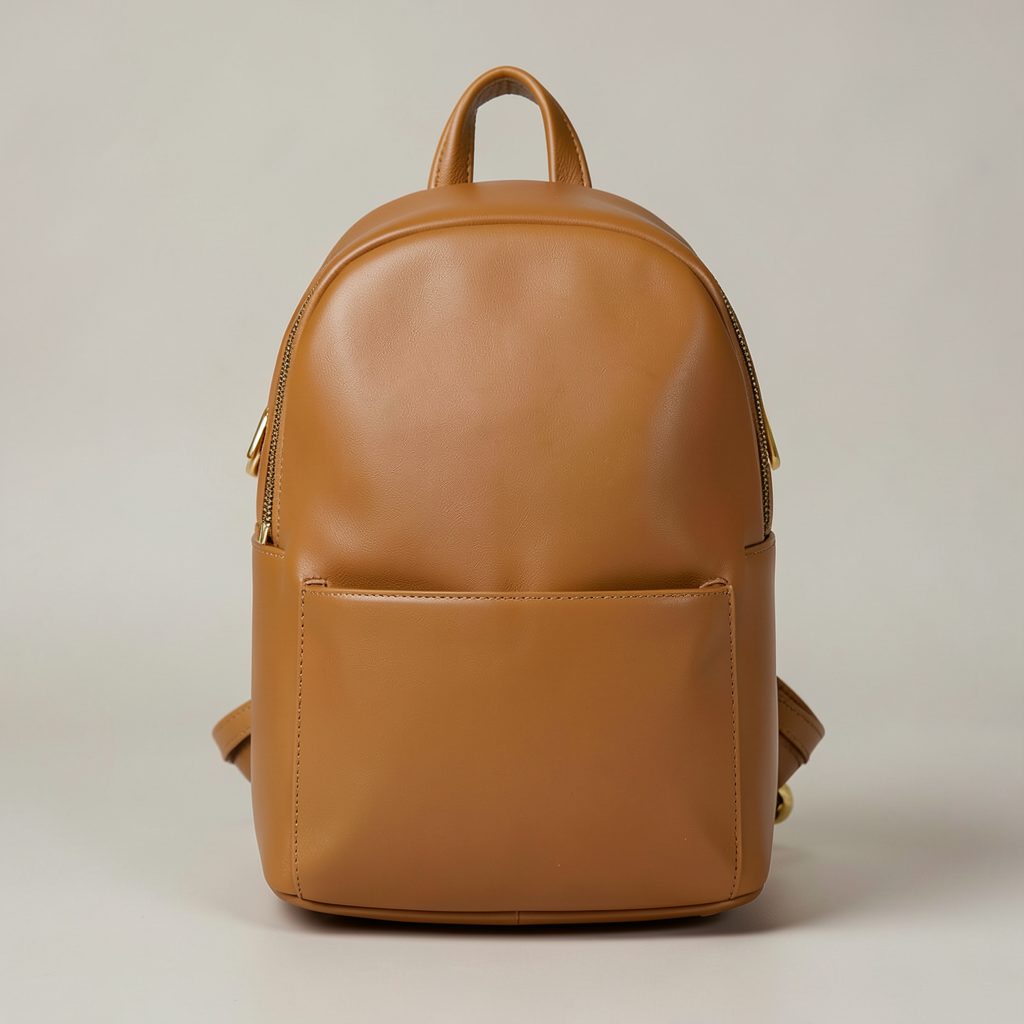
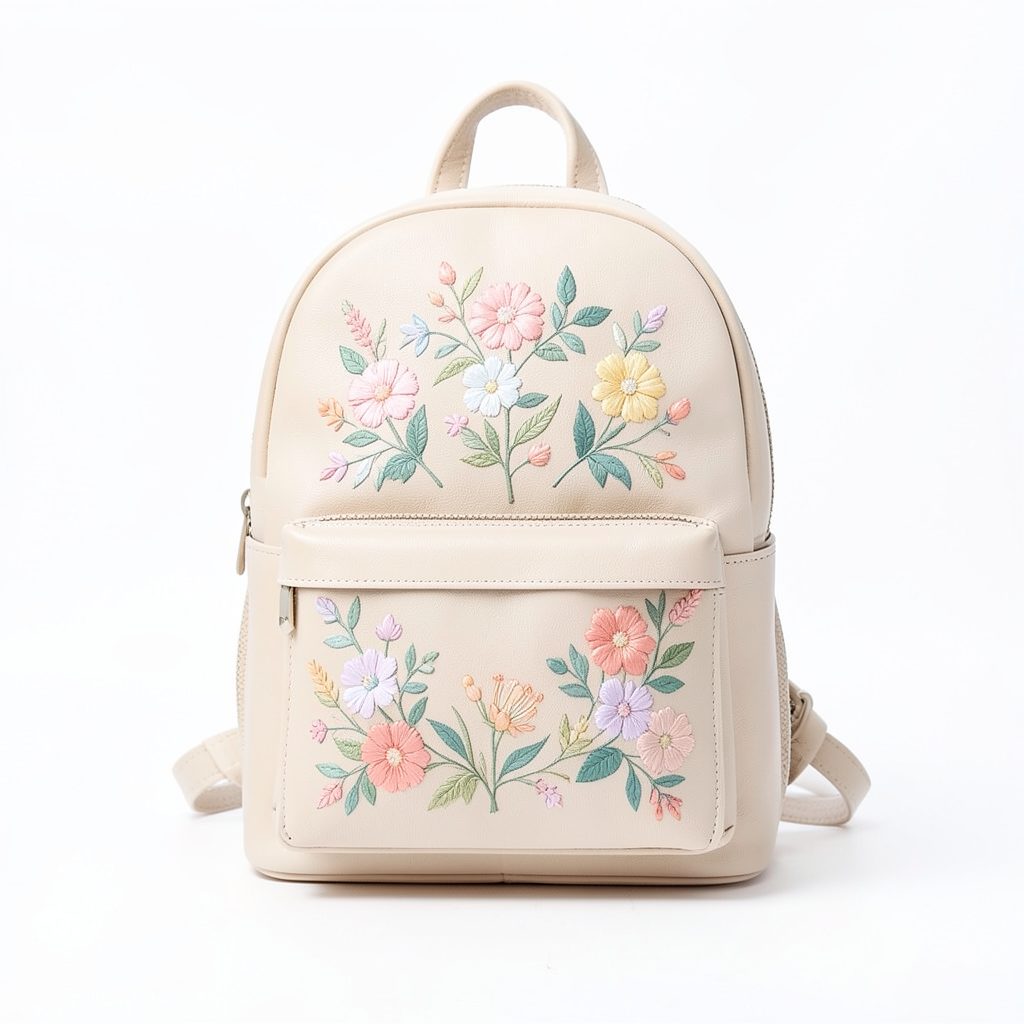
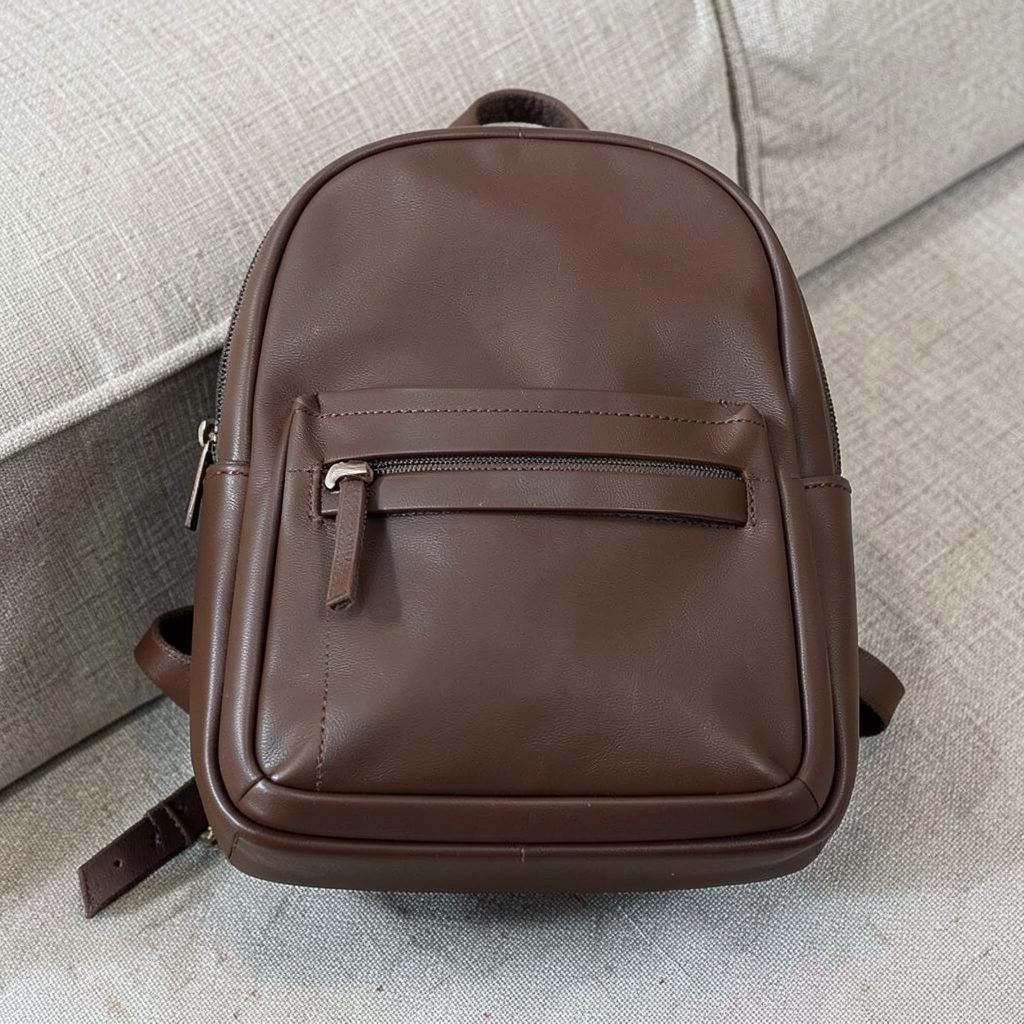
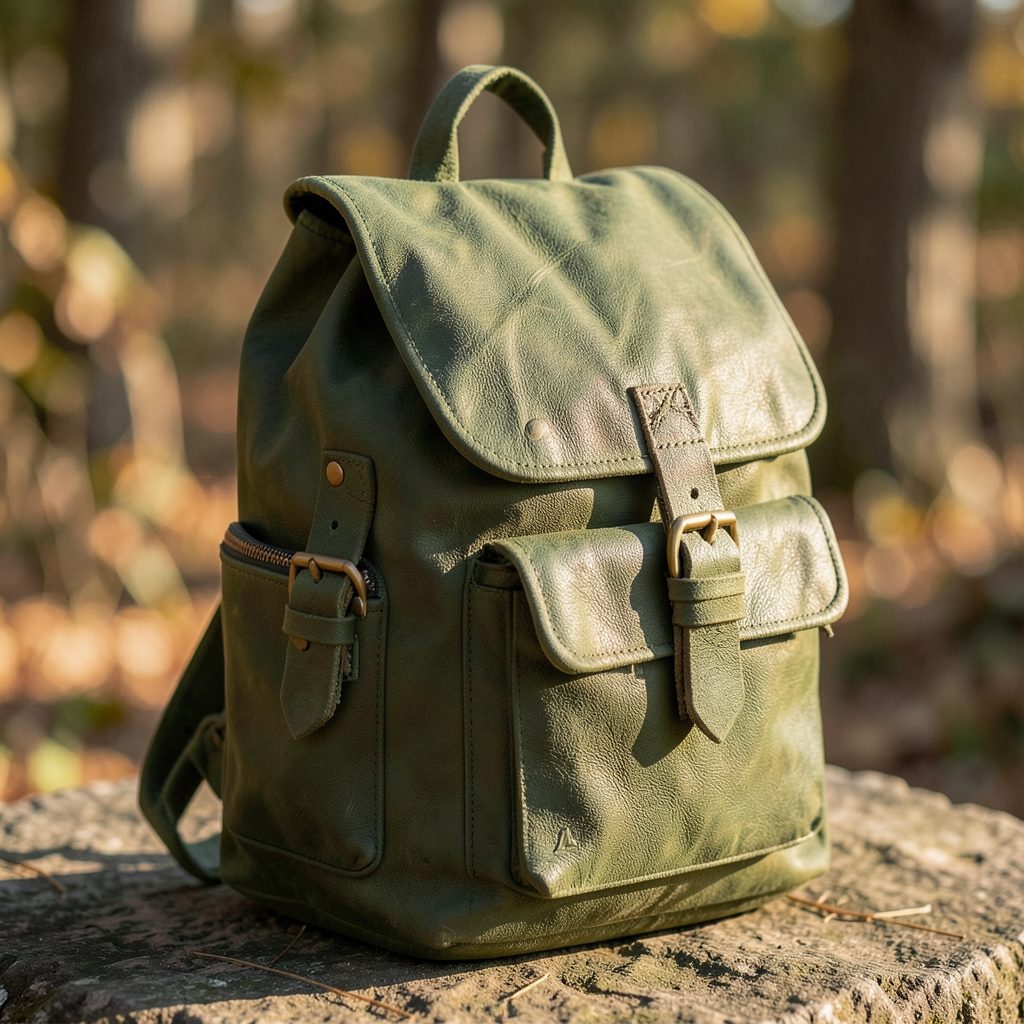
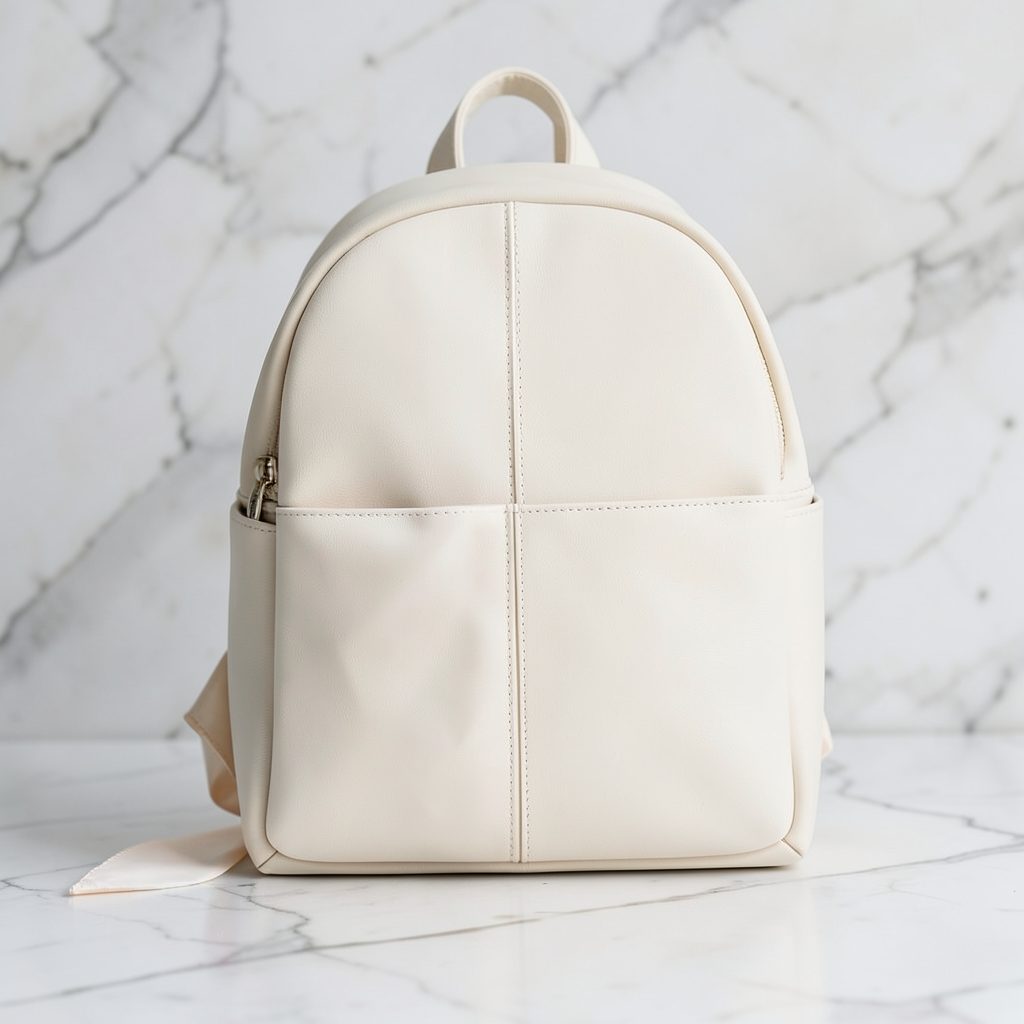
Every backpack is crafted from premium vegan leather with thoughtful details — multiple pockets, removable straps, and colors that work with any wardrobe. Browse the lineup below.