Packing Light For A One-Week European Adventure
A week in Europe can include cobbled streets, regional trains, museum afternoons, long café lunches, and an unexpectedly cool evening. The easiest way to stay comfortable through all of it is to keep your luggage compact enough to lift, store, and carry without slowing down. A thoughtful bag combination gives you room for essentials while preserving freedom to explore.
Packing light does not mean owning fewer travel essentials or wearing the same outfit every day. It means choosing versatile clothing, limiting duplicate items, and assigning each bag a clear purpose. A compact main bag can hold your clothing, while a smaller everyday style keeps your passport, phone, wallet, and water within easy reach.
The best setup also suits the way you travel. A train-heavy itinerary may favor a soft backpack, while city breaks with frequent restaurant visits can benefit from a structured crossbody bag. Vegan leather offers an animal-free alternative with a polished appearance, and durable designs can transition from airport days to everyday use after the trip.
Start with your route and daily rhythm
Your itinerary should determine your bag strategy before your packing list does. A single city with a central hotel allows you to leave most belongings in one place and carry a small day bag. A journey through several countries calls for luggage that is easy to lift onto trains, fit beneath seats, and move through busy stations.
Consider the practical details of each destination. Narrow streets and staircases make a compact load valuable, while cooler regions may require a light jacket and extra layers. If you plan to visit churches, galleries, or formal restaurants, reserve space for one refined outfit that can work in several settings.
Think about how often you will unpack. For a one-week route with two hotel stays, a backpack or small soft-sided case may be enough. For four or five stops, a large tote or rigid suitcase can become inconvenient. A streamlined personal-item setup is especially useful when budget airlines, local buses, or regional rail connections are part of the plan.
Build around one dependable main bag
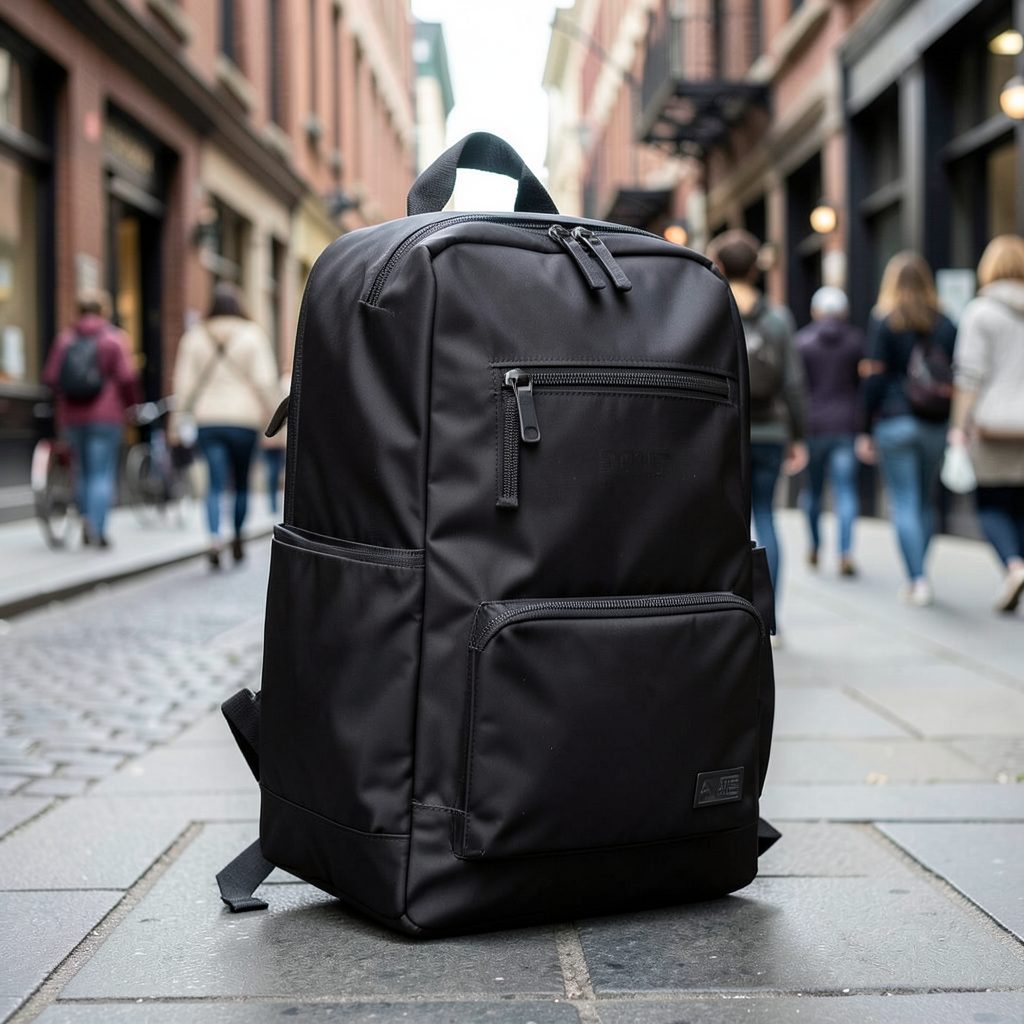
The main bag should carry your clothing, toiletries, chargers, sleepwear, and a few small comforts. A travel backpack distributes weight across both shoulders and leaves your hands free, which helps when navigating platforms or carrying coffee. Look for padded straps, a secure closure, a useful internal layout, and enough structure to protect delicate items.
A practical seven-day wardrobe might include five or six tops, three bottoms, a versatile layer, underwear, socks, sleepwear, and one pair of comfortable walking shoes worn during transit. Choose colors that coordinate so each top works with several bottoms. Rolling soft clothing can save space, while packing cubes keep clean garments separate from worn items.
Avoid filling every available pocket. A bag packed to its maximum capacity becomes harder to close and heavier to carry, and it leaves no room for small purchases. Aim to leave around 15 percent of the main compartment open. That margin is valuable when you add a scarf, snacks, or souvenirs during the week.
Choose a day bag that works from morning to night
Your everyday bag should be smaller than your main luggage but large enough for the items you will actually use. A crossbody style is convenient for maps, transit cards, sunglasses, and a compact camera, while a backpack can be better for a water bottle, light layer, and guidebook. A secure zip and an adjustable strap add comfort and peace of mind in busy areas.
A tote can be a smart middle ground when you want quick access and a little extra capacity. Browse practical tote bag styles for designs that can carry a sweater, reusable bottle, and market purchases without becoming your entire luggage system. Choose a size that remains comfortable when full, since an oversized tote can tempt you to carry unnecessary items.
For sightseeing, keep the daily load simple: phone, wallet, identification, sunglasses, a small power bank, tissues, medication, and a reusable bottle. Place valuable items in an internal zipped pocket and avoid storing everything in one compartment. Dividing essentials makes it easier to find what you need without displaying the full contents of your bag.
Use a smaller bag for evenings and hands-free movement
A compact crossbody or bucket bag can give you more flexibility than taking your daytime tote to dinner. It should fit your phone, cardholder, keys, lip balm, and perhaps a small foldable shopping bag. A longer strap allows comfortable hands-free movement, and a firm base helps the bag keep its shape when set beside a café chair.
Look for a design that can shift between casual and polished settings. Neutral black, tan, cream, or deep brown can complement multiple outfits, while a muted seasonal color adds interest without demanding a complete wardrobe change. The tassel bucket bag is an example of a compact accessory that can bring texture and personality to an evening travel wardrobe.
Keep your evening bag separate from your main daytime supplies. Moving only the essentials reduces clutter and makes spontaneous plans easier. If you are returning after dark, use a strap that sits securely across your body and choose a closure that can be operated without setting the bag down.
Compare capacity, comfort, and daily use
Every bag type solves a different packing problem. The right choice depends on how much you carry, how often you move, and whether you value quick access or balanced weight. A visually attractive bag may still be unsuitable if it lacks a secure closure or becomes uncomfortable after an hour of walking.
| Bag type | Best use | Typical contents | Key feature to prioritize |
|---|---|---|---|
| Travel backpack | Transit and multi-city routes | Clothing, toiletries, electronics | Padded straps and organized compartments |
| Tote bag | Flexible daytime carrying | Layer, bottle, guidebook, purchases | Comfortable handles and a secure top |
| Crossbody bag | City sightseeing | Phone, wallet, passport, small essentials | Adjustable strap and zipped closure |
| Bucket bag | Dinner and evening plans | Cardholder, phone, keys, cosmetics | Compact shape and easy access |
| Slim wallet | Daily transactions | Cards, cash, identification | Secure slots and a small footprint |
Weight matters as much as capacity. A lightweight bag leaves more of your carrying allowance available for useful items, while heavy hardware and thick lining can make a compact style surprisingly tiring. Check the bag’s empty weight before choosing it for a walking-focused itinerary.
Material and construction also affect the experience. Durable vegan leather can provide a polished finish that works for travel and daily use, while reinforced stitching, reliable zippers, and wipe-clean surfaces support repeated use. Look for designs that can handle light rain and regular contact with seats, counters, and station floors.
Organize essentials for quick access
An efficient packing system reduces the time spent searching through your belongings. Store travel documents in one dedicated compartment, keep charging cables together in a small pouch, and use a slim wallet for the cards and cash you need each day. A separate laundry bag prevents worn clothing from mixing with clean items.
Keep medication, identification, and important booking details in your personal bag rather than in checked or stowed luggage. Save offline copies of train tickets, hotel addresses, and emergency contacts on your phone. A small paper backup can help if your battery runs low or your phone is misplaced.
Security is part of organization. Do not place your passport in an exterior pocket, and avoid leaving your wallet in an open tote. In crowded transport hubs, wear a crossbody bag with the opening facing inward and keep one hand near the closure. These habits are simple, discreet, and easy to maintain throughout the day.
Pack for changing weather and spontaneous plans
European weather can shift between sunny afternoons, windy platforms, and cool evenings. A lightweight waterproof shell, compact umbrella, and thin sweater usually provide more value than several bulky garments. Layering lets you adapt without forcing a larger suitcase or backpack.
Shoes deserve special attention because they consume valuable space. Wear the heaviest comfortable pair while traveling and pack only one additional pair if necessary. A clean sneaker, simple flat, or low-profile walking shoe can often handle sightseeing and casual dinners when paired with adaptable clothing.
Accessories can extend a small wardrobe. A scarf adds warmth, color, and modesty when needed, while simple jewelry can make a daytime outfit feel ready for dinner. A foldable tote is useful for groceries or a market visit, but keep it lightweight so it does not become an excuse to collect excess belongings.
Create a simple carry system before departure
The most efficient travelers test their bags at home. Fill each one with the items you intend to bring, walk around for 20 minutes, and check whether the straps, handles, and closures feel comfortable. This small trial can reveal pressure points or awkward weight distribution before you reach the airport.
Give each item a home inside the bag and return it there after every use. The system should be easy enough to follow when tired, late, or moving between accommodations. A few minutes of organization each evening can prevent rushed repacking and misplaced documents the next morning.
Use this checklist to make your setup practical:
- Keep your main clothing and toiletries in one structured backpack or compact case.
- Reserve a crossbody or small bucket bag for documents, money, and daily essentials.
- Leave open capacity for weather changes, snacks, and modest purchases.
- Wear your bulkiest shoes and outer layer during transit.
- Choose animal-free materials, strong hardware, and surfaces that are easy to clean.
A coordinated collection can also simplify the transition from travel to everyday use. After the trip, a backpack may become a work or study bag, a tote can serve as a daily carryall, and a compact crossbody can remain useful for errands. Choosing versatile pieces gives your purchase a longer working life rather than limiting it to one holiday.
For durable vegan leather bags and travel accessories designed for movement, explore the wider Travel Starter Pack collection. Select a main bag, a practical day option, and one compact evening style, then build the rest of your packing list around the space they provide. With a lighter load and a clear organization system, you can spend more of your European week walking, discovering, and enjoying each destination.
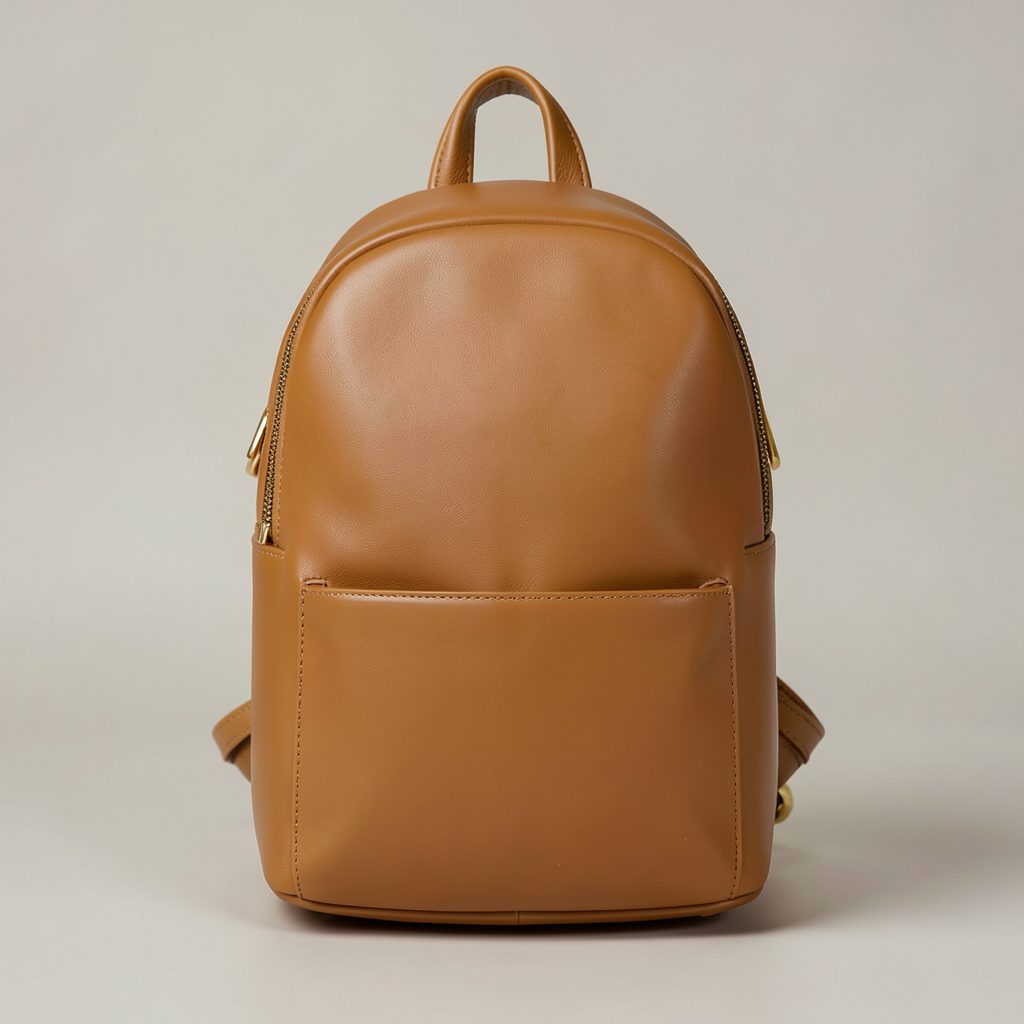
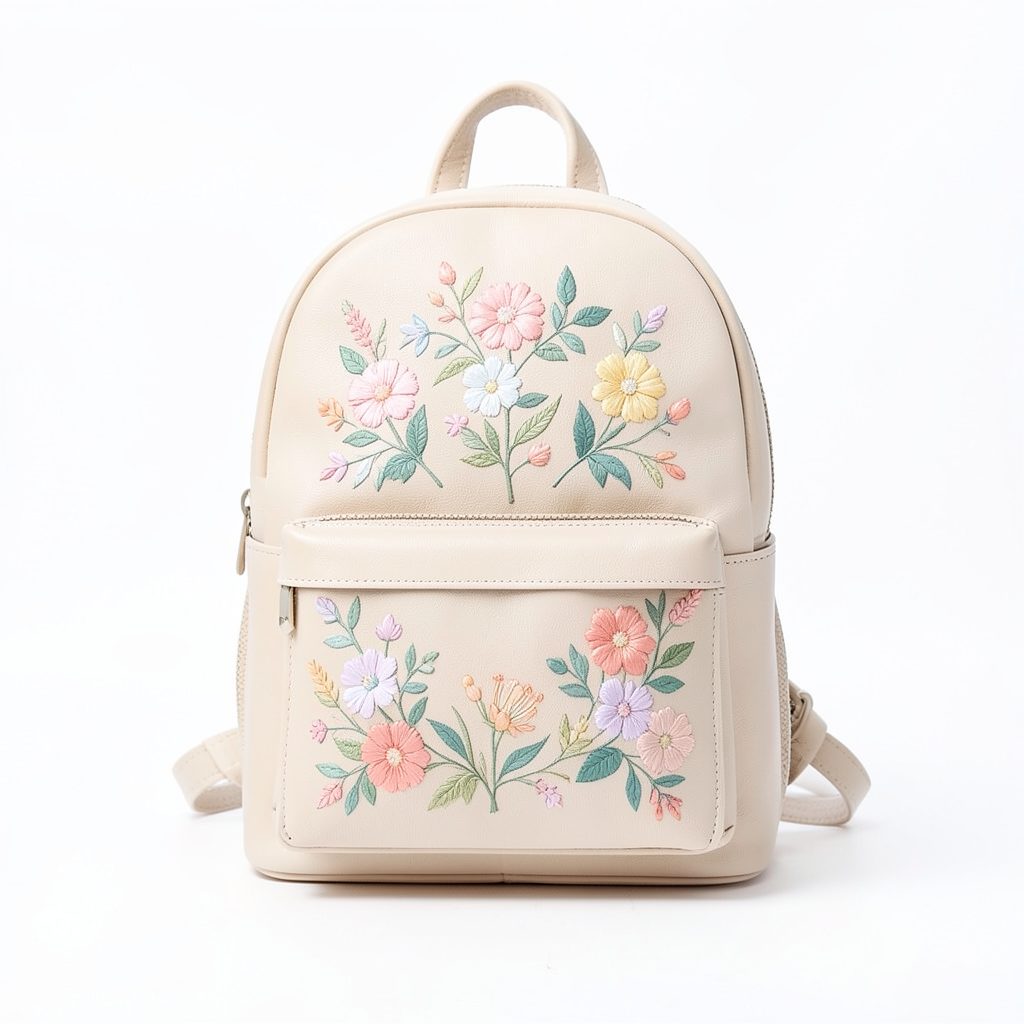
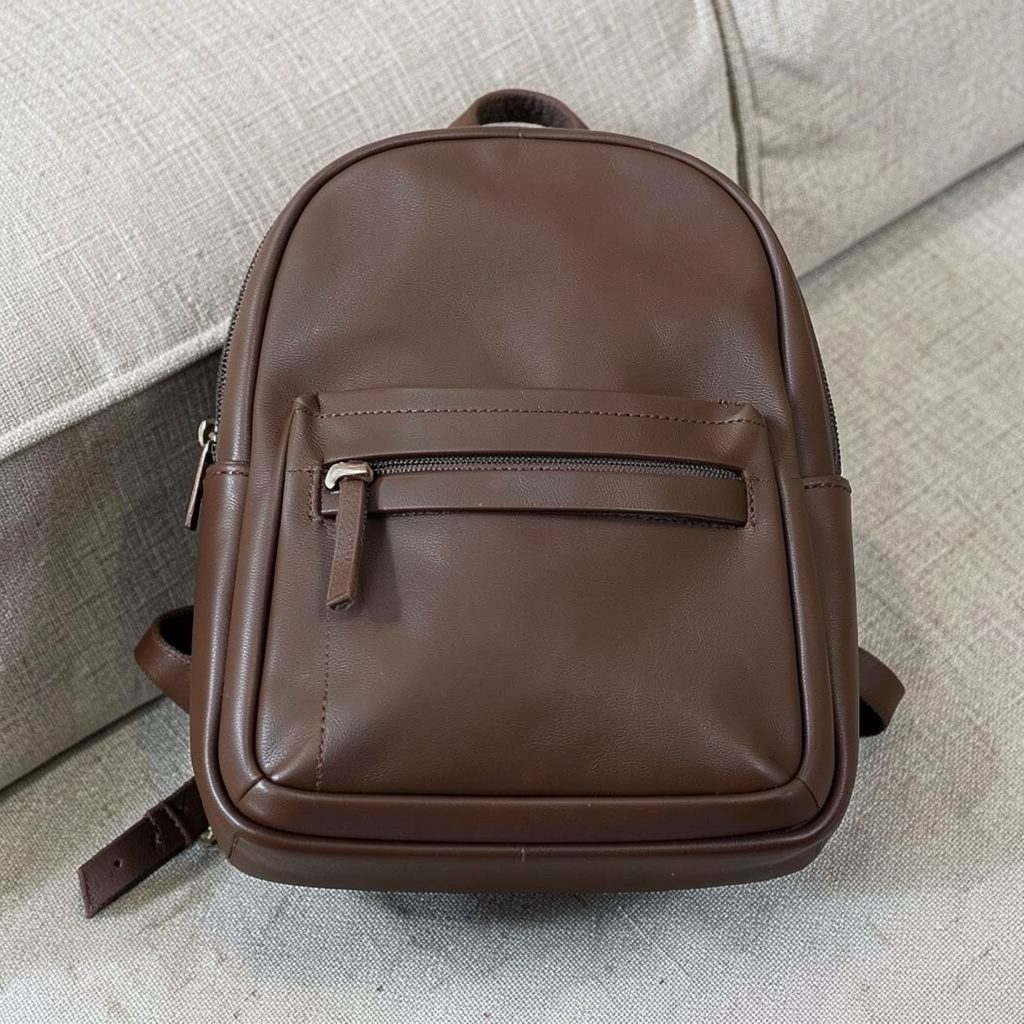
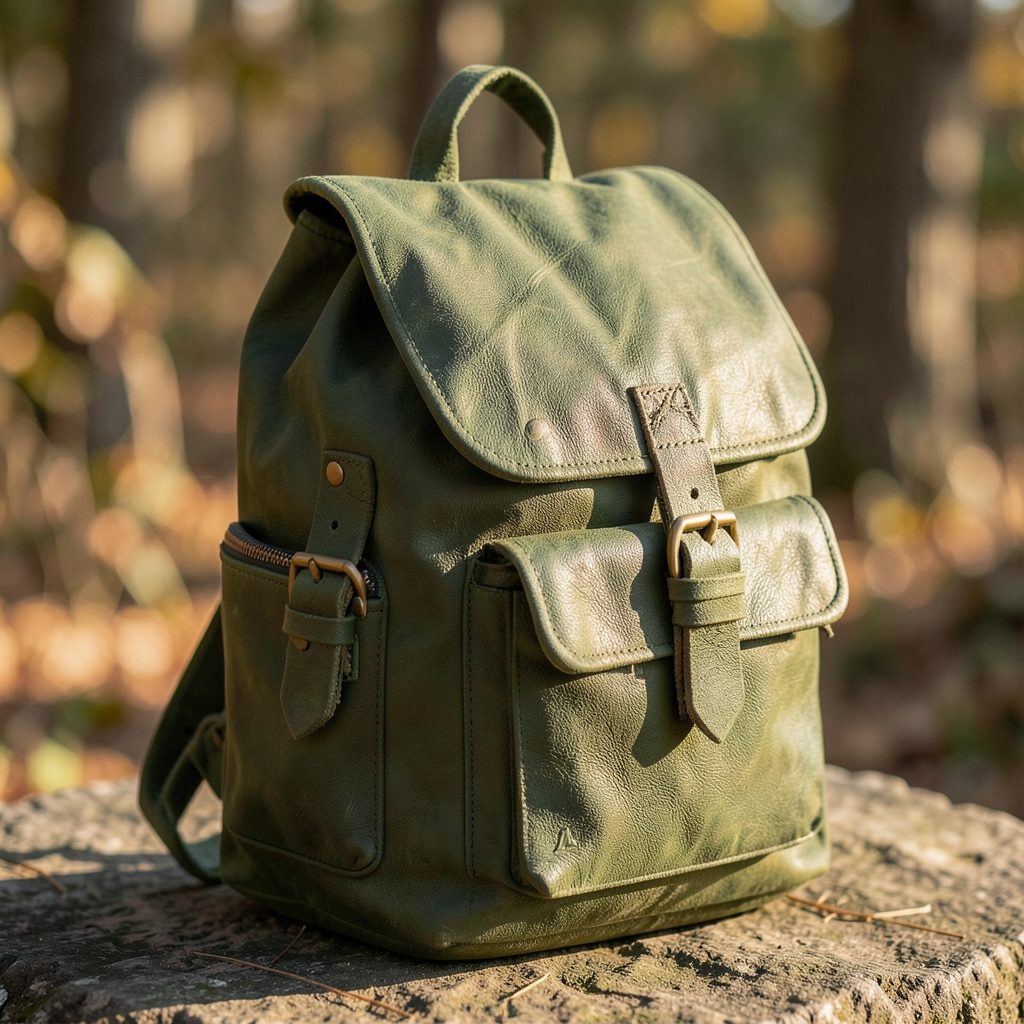
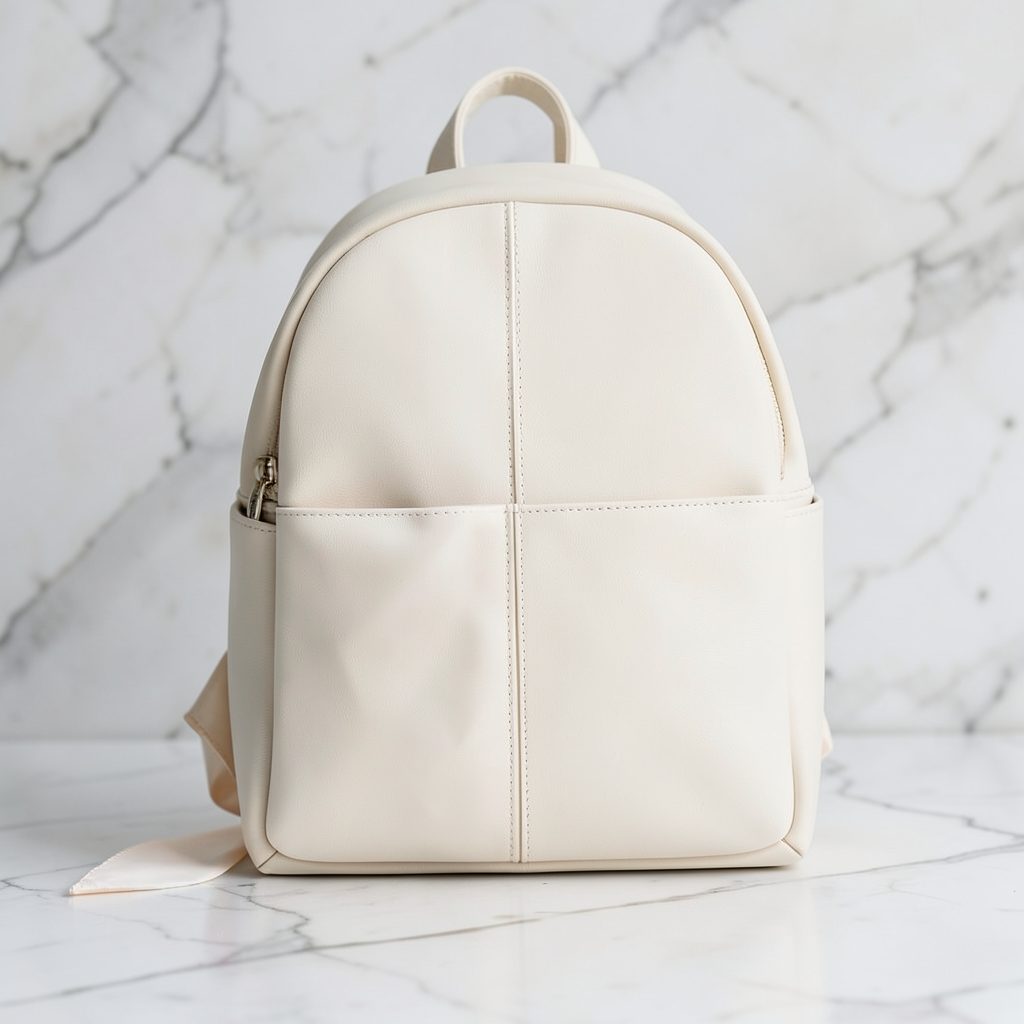
Our Backpack Styles
Every backpack is crafted from premium vegan leather with thoughtful details — multiple pockets, removable straps, and colors that work with any wardrobe. Browse the lineup below.