Traveling in Rainy Season With Vegan Leather Bags
Rainy-season travel puts every bag through a demanding routine. A sudden shower can soak a backpack while you are crossing a station platform, humidity can linger inside a crowded daypack, and wet ground can leave splashes on a crossbody bag before you reach your destination. For travelers who prefer animal-free materials, the key concern is whether vegan leather provides enough protection for real-world conditions.
The short answer is that many vegan leather bags are water-resistant enough for ordinary rain, but “vegan leather” does not automatically mean waterproof. Performance depends on the material, surface coating, stitching, zippers, lining, and overall construction. A well-made polyurethane bag can protect daily essentials during a commute or sightseeing trip, while prolonged heavy rain may still reach the interior through seams or openings.
Choosing the right style and using sensible care habits makes a significant difference. A rain-ready travel bag should combine a wipe-clean exterior with secure closures, organized compartments, and a shape that keeps water away from vulnerable openings. It should also be practical after the weather clears, since a bag that protects belongings but feels uncomfortable is not a good travel companion.
How Vegan Leather Handles Rain
Vegan leather is a broad category rather than a single fabric. Most bags use polyurethane, commonly called PU, or polyvinyl chloride, known as PVC, over a textile backing. The synthetic coating creates a relatively smooth surface that prevents water from soaking in quickly. This is why raindrops often bead on a vegan leather tote or backpack instead of immediately saturating it.
A coated surface offers useful everyday protection, but it is not the same as a fully sealed waterproof shell. Water can enter through needle holes, piping, zip tracks, flap edges, and areas where panels meet. If a bag remains exposed to heavy rain for an extended time, moisture may eventually travel through those points. The lining can also become damp if water runs inside while the bag is open.
Product descriptions may use terms such as water-resistant, splash-resistant, or waterproof. These labels should be interpreted carefully. Water-resistant usually indicates protection from light rain and accidental spills. Waterproof suggests a higher level of resistance, though the claim is most meaningful when supported by sealed seams, covered zippers, and tested construction. For everyday travel, water resistance is often sufficient, provided valuable items receive an additional layer of protection.
Water-Resistant Versus Waterproof Construction
The exterior finish is only one part of a bag’s weather performance. A water-resistant vegan leather backpack with an uncovered zipper may protect its panels well while allowing rain to enter at the top. A structured tote with an open interior can face the same issue. The areas that open and close are usually more important than the broad surface of the material.
Stitching deserves attention too. Tight, even seams reduce the paths available to moisture, while loose or exposed stitching can absorb water and carry it toward the lining. A flap that overlaps the zipper, a drawstring closure beneath a top flap, or a roll-top design can add practical protection. Still, no everyday fashion bag should be treated as a substitute for a dry bag when electronics or documents must remain completely protected.
The following comparison gives a realistic guide for common travel conditions:
| Bag Feature | Light Rain | Heavy Rain | Best Protection Practice |
|---|---|---|---|
| Smooth PU exterior | Usually handles brief exposure well | May allow moisture through seams over time | Wipe dry promptly and avoid prolonged soaking |
| PVC-coated surface | Often resists splashes effectively | Can remain protective, but openings are vulnerable | Keep zippers and flaps closed |
| Open tote design | Exterior may repel drops | Interior can be exposed quickly | Use a waterproof pouch for valuables |
| Covered zipper or flap | Helps block direct rainfall | Offers better protection during movement | Check that the closure is fully secured |
| Lined backpack with compartments | Good for daily commuting | Protection depends on seams and top opening | Place electronics in an inner sleeve |
| Crossbody with compact shape | Convenient for short showers | Small contents may still be exposed | Wear beneath a rain jacket or use a cover |
This distinction is especially useful when comparing fashion-focused bags with technical outdoor packs. Vegan leather can deliver a polished appearance, easy cleaning, and useful splash resistance, but its strengths may be balanced around urban travel rather than river crossings or multi-hour storms.
Choosing A Rain-Ready Travel Bag
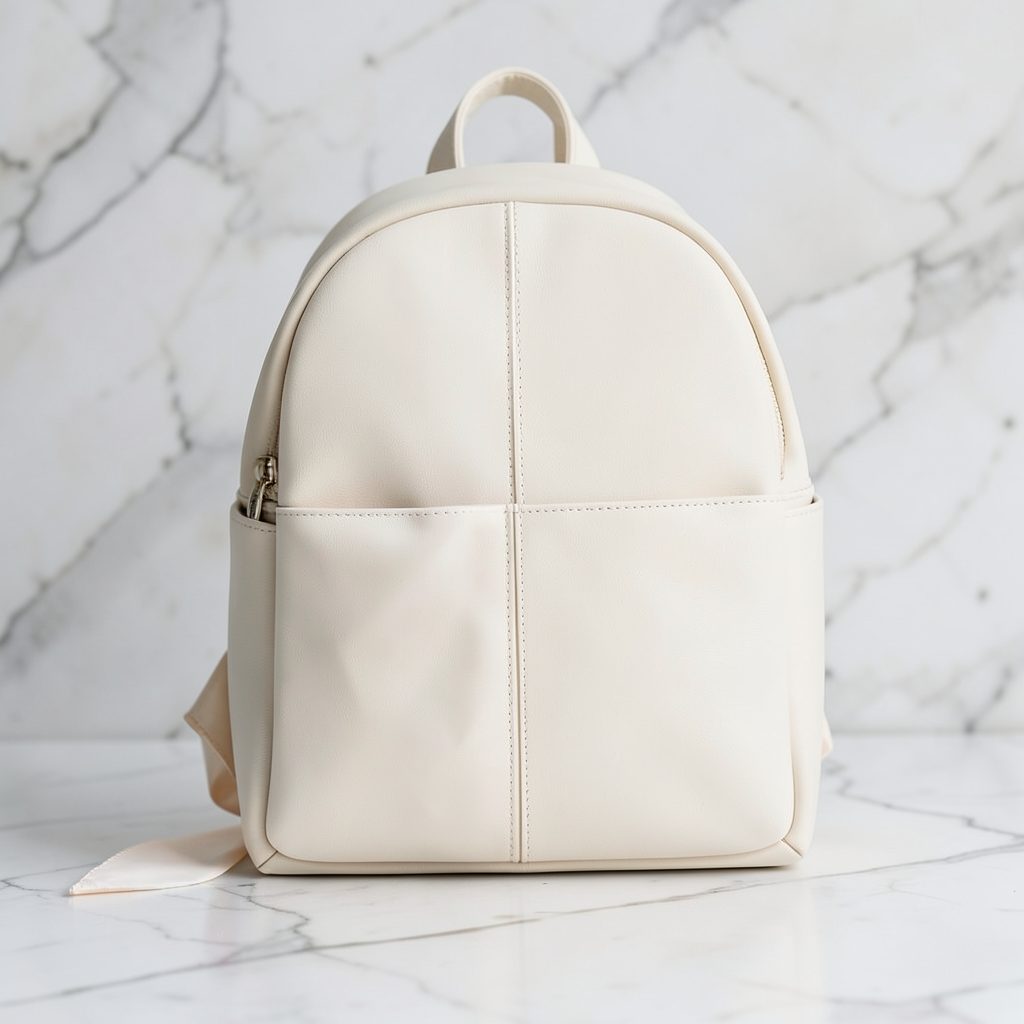
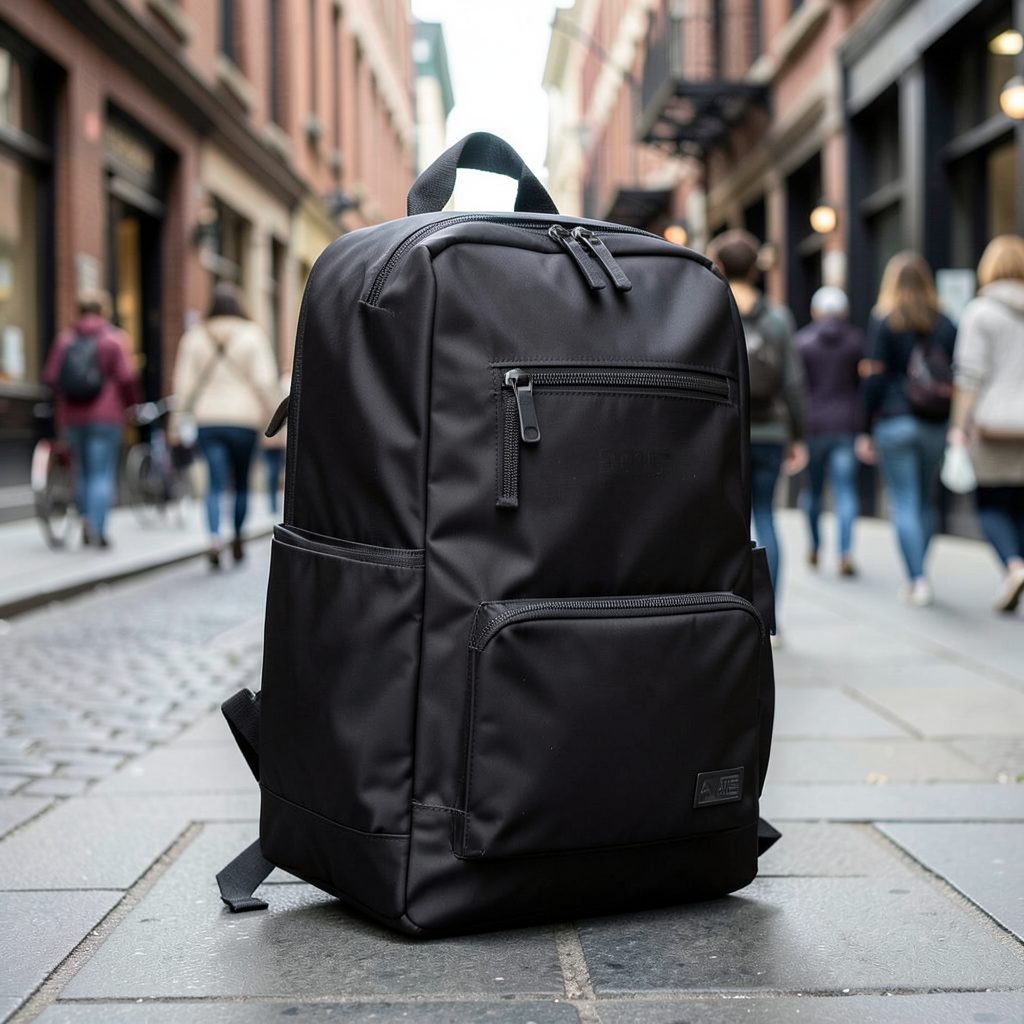
A backpack is often the most practical option for rainy travel because it keeps both hands free for an umbrella, ticket, or luggage handle. Look for adjustable straps with comfortable padding, a secure top closure, and compartments that keep a phone or passport away from the outer wall. A firm base is helpful because it reduces contact with wet floors and makes the bag less likely to tip over.
Crossbody bags work well for sightseeing, airport transfers, and short city walks. Their compact profile keeps belongings close to the body, and a flap or zip closure can provide a useful barrier against rainfall. A structured suede crossbody bag can suit a softer, textured style, but suede-like finishes generally need gentler care than smooth coated surfaces, especially when exposed to water.
Tote bags are convenient for shopping, beach visits, and carrying a light layer, although open-top versions are less suitable for sustained rain. If a tote is your preferred travel style, choose one with a zipper or magnetic closure reinforced by an interior pouch. A wallet, passport holder, and phone case placed inside separate water-resistant sleeves can keep small essentials safe even if the bag’s opening receives a splash.
Material color can affect the appearance of weather marks as well. Dark shades may hide small droplets, while pale surfaces can show water spots or dirt more clearly. That does not necessarily mean one color performs better, but travelers who expect frequent rain may prefer a finish that is easy to wipe clean and less likely to show temporary marks.
Protecting Essentials Inside Your Bag
Even a dependable rain-resistant exterior deserves a backup system. Phones, cameras, medication, tickets, and travel documents are especially vulnerable because a small amount of moisture can cause inconvenience or permanent damage. Reusable waterproof pouches, zippered plastic sleeves, and compact dry bags add protection without taking much space.
Keep moisture-sensitive belongings away from the bottom and outer edges of the bag. A padded laptop sleeve or internal zip pocket creates distance from wet surfaces, while a separate pouch for an umbrella prevents water from spreading across the lining. Before storing a wet umbrella, close it securely and place it in a sleeve designed to contain drips rather than relying on the bag’s lining.
Travel wallets are useful for more than organization. A model with separate slots for identification, cards, boarding passes, and currency reduces the time the bag remains open in a crowded or rainy setting. These wallet features can make airport security and transit changes smoother while keeping important documents grouped in one place.
Avoid overloading the bag. Excess weight can strain seams, stretch closures, and distort the shape of a flap, creating wider gaps where rain can enter. A balanced load also helps the bag sit correctly against your back or side, which can reduce exposure to direct rainfall and improve comfort during long walks.
Caring For Vegan Leather After Wet Weather
The best response to rain is simple: empty the bag, wipe away surface moisture with a soft cloth, and let it dry naturally in a well-ventilated room. Keep it away from radiators, hair dryers, heated towel rails, and strong direct sunlight. Rapid heat can make synthetic coatings brittle, cause warping, or affect adhesives used in the bag’s construction.
If the lining is damp, leave compartments open until the interior is fully dry. Stuffing the bag with clean paper can help it retain its shape, although printed newspaper may transfer ink onto light linings. Do not store the bag in a sealed plastic container while any moisture remains inside, since trapped humidity can create unpleasant odors and encourage material deterioration.
For routine cleaning, follow the care instructions supplied with the bag. A small amount of mild soap diluted in water may be suitable for some smooth finishes, but test any cleaning solution on a hidden area first. Abrasive sponges, alcohol-based products, bleach, and aggressive leather conditioners can damage vegan leather because synthetic coatings do not respond like animal hide.
Textured and suede-like vegan materials need special attention. Brushing, blotting, and using products specifically made for synthetic suede may be safer than rubbing the surface with a wet cloth. Regular care prevents dirt from becoming embedded and helps a travel bag maintain its appearance through changing weather and frequent handling.
Details That Improve Rainy-Season Comfort
Small design choices can determine whether a bag feels dependable during a wet journey. Wide straps distribute weight, while a smooth back panel is easier to wipe clean after contact with damp clothing. A stable base keeps the bag upright in cafés, stations, and airport washrooms, reducing the chance that it will rest in a puddle.
Hardware also affects both function and style. Smooth zippers are easier to operate with cold or wet hands, and strong clips are less likely to open when the bag swings against a coat. Travelers who want to coordinate a bag with other accessories can use this guide to choose hardware finishes, selecting gold or silver details that match their existing travel essentials.
Consider visibility and access when carrying the bag in crowded weather. A crossbody worn close to the front is easy to monitor beneath a raincoat, while a backpack may need to be removed before opening. Exterior slip pockets are convenient for transit cards, but they should have a zip or flap if they are exposed to rain. Internal organization reduces the need to search through the bag with wet hands.
A removable rain cover can add another layer of security for a backpack, though it may not fit neatly over structured vegan leather designs. An umbrella remains useful for protecting the person carrying the bag, but it cannot replace a secure closure. The strongest setup combines a suitable bag design with sensible packing and quick drying after use.
Simple Packing Rules For Wet Destinations
Rainy weather becomes easier to manage when the contents of a bag are arranged around access, protection, and weight. Keep frequently used items in secure outer compartments, while fragile or moisture-sensitive belongings stay in inner pouches. Pack a small cloth for wiping handles, sunglasses, or the bag’s surface after a shower.
Useful habits include:
- Store passports, electronics, and medication in separate waterproof pouches.
- Carry a compact umbrella sleeve or sealed bag for wet rain gear.
- Keep the bag closed whenever you are outside, even during light drizzle.
- Avoid placing vegan leather directly on wet pavement, benches, or floors.
- Dry the exterior and lining before storing the bag after each rainy day.
A little preparation also protects the bag itself. Do not leave it compressed under heavy luggage, and avoid hanging it from a wet hook for long periods. At the end of a trip, clean away road dust and salt residue before storage, then keep the bag in a breathable fabric dust bag rather than an airtight container.
Making The Right Choice For Your Journey
Vegan leather bags can be reliable companions in the rainy season when their capabilities match the trip. For city breaks, commuting, airport transfers, and ordinary showers, a coated vegan leather exterior with a secure closure can provide ample protection. For tropical downpours, boat travel, hiking, or equipment that cannot tolerate moisture, add waterproof pouches or choose a technical dry bag for the most sensitive items.
Travel Starter Pack offers backpacks, crossbody bags, totes, wallets, and accessories designed for practical daily use with animal-free materials. Focus on the features that matter to your itinerary: a closed top, organized interior, comfortable carry, durable hardware, and a surface that can be cleaned easily. Checking product details before ordering helps you select a style that fits both your wardrobe and expected weather.
A rain-ready bag does not need to be bulky or purely athletic. With the right construction and a few protective habits, vegan leather can combine polished design with useful resistance to drizzle, splashes, and everyday travel mishaps. Browse the collection at Travel Starter Pack, choose a bag suited to your route, and prepare it with protective pouches before the next wet-weather journey.
Our Backpack Styles
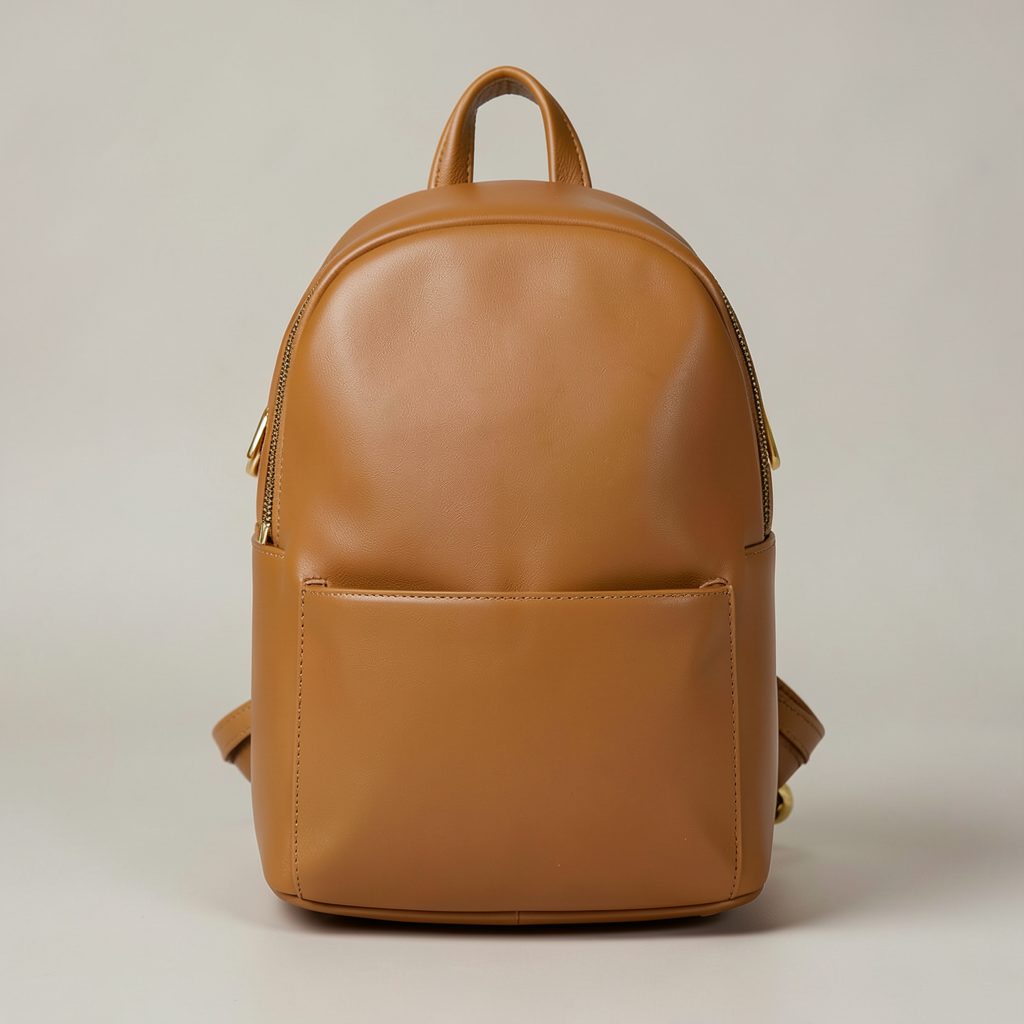
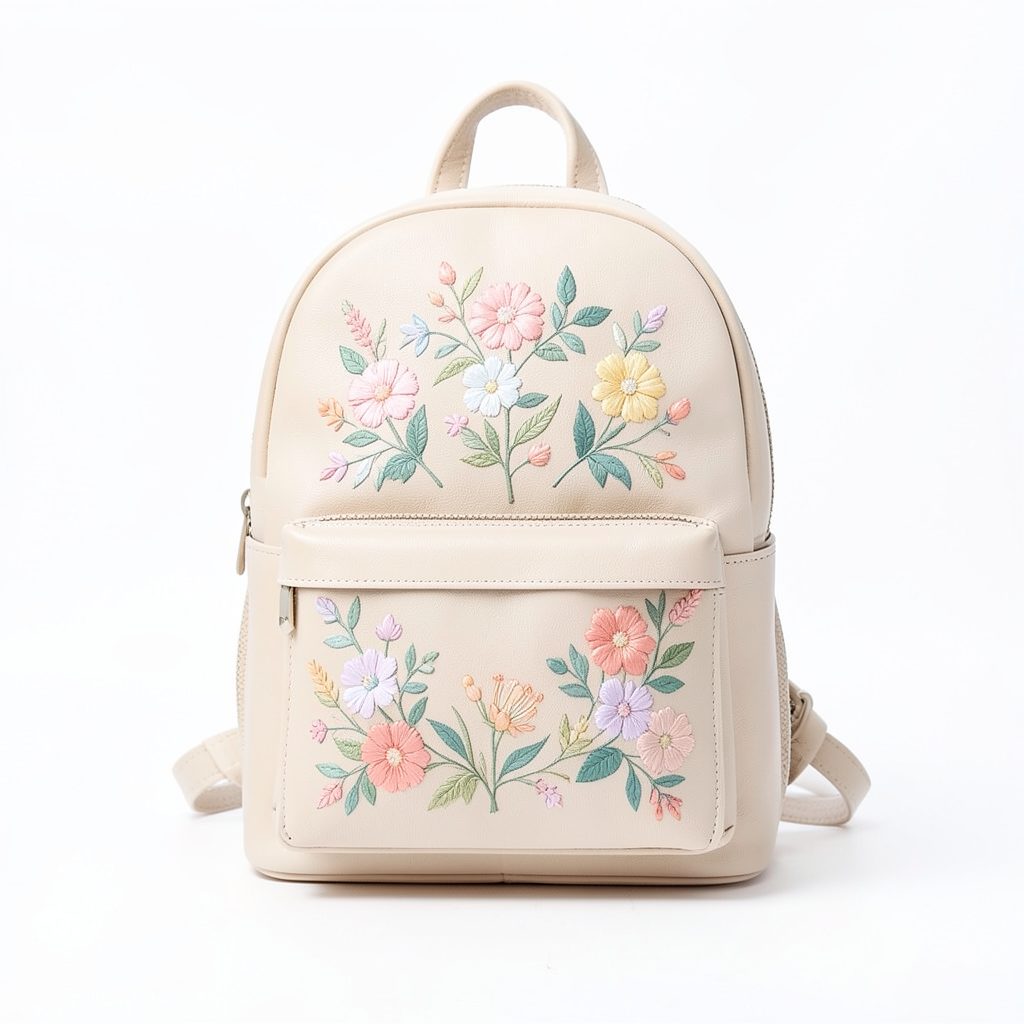
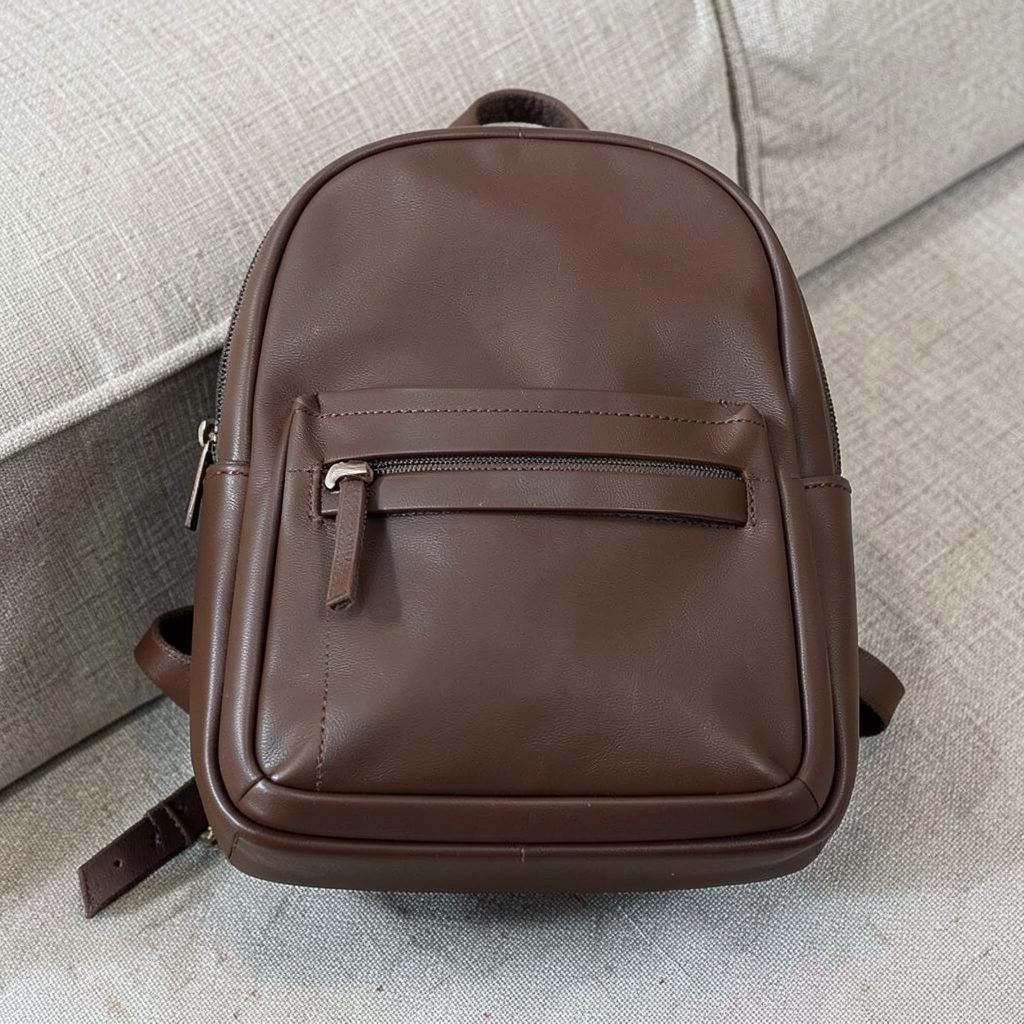
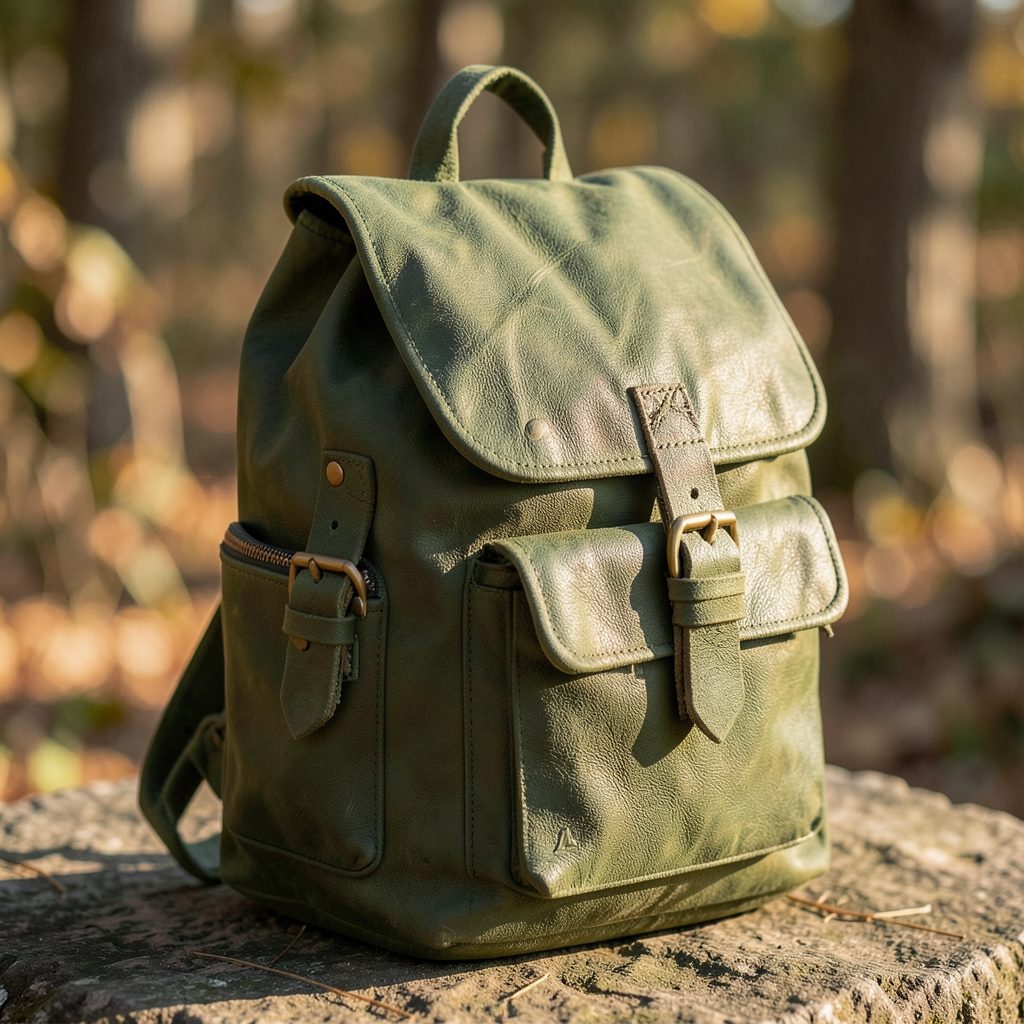
Every backpack is crafted from premium vegan leather with thoughtful details — multiple pockets, removable straps, and colors that work with any wardrobe. Browse the lineup below.