The Best Vegan Leather Bags for Road Trips and Car Travel
Road trips call for bags that can handle movement, changing plans, and the limited space of a car. A good travel bag keeps essentials close without taking over the passenger seat, while durable materials help it stay presentable through fuel stops, hotel check-ins, roadside lunches, and weekend detours. Vegan leather is especially useful for this style of travel because it offers a polished appearance with a smooth surface that is generally easy to wipe clean.
The right bag depends on how you travel. A driver may prefer a compact crossbody that keeps a phone and wallet accessible, while a passenger may want a roomy tote for snacks, chargers, reading material, and a light layer. A backpack can be the most practical choice when a road trip includes short hikes, city walks, or carrying belongings between the car and accommodation.
Travel Starter Pack offers animal-free bags and accessories in several shapes, colors, and everyday styles. Looking at capacity, organization, comfort, and care requirements together makes it easier to choose a travel companion that fits both the vehicle and the itinerary.
Start with the way you travel
The best road trip bag is rarely the largest one available. Oversized luggage can be awkward in a crowded car, and a deep compartment may turn small essentials into a search project. Instead, consider what you need during the journey itself: identification, payment cards, sunglasses, medication, a phone, portable battery, tissues, and perhaps a small notebook.
For solo driving, a crossbody bag with a secure closure can sit beside the center console or in the passenger footwell. It keeps important items together when you stop for fuel and can be worn quickly when leaving the vehicle. Travelers who share driving duties may appreciate a small backpack because it can move from the front seat to the back without spilling its contents.
Passengers often benefit from a tote or larger shoulder bag. This format gives quick access to snacks, headphones, a tablet, and a water bottle, though it should still have internal pockets or pouches. If your route includes outdoor activities, a backpack with adjustable straps may offer better balance and leave both hands free when carrying maps, groceries, or a camera.
Match the bag to the car
Vehicle layout makes a meaningful difference. In a compact car, a slim crossbody or structured mini bag is easier to store than a wide tote with stiff handles. In an SUV or van, there may be room for a larger carryall, but organization remains important because extra space can encourage overpacking.
Think about where the bag will travel when it is not being worn. A flat design can rest on a seat without blocking visibility, while a compact backpack may fit neatly behind the front seat. Bags with a stable base are useful in cars because they are less likely to tip when the vehicle turns or stops suddenly.
The table below compares common vegan leather styles for different road travel needs.
| Bag style | Best use in the car | Main strengths | Points to consider |
|---|---|---|---|
| Crossbody bag | Driving stops and short outings | Hands-free, compact, quick access | Limited room for bulky items |
| Tote bag | Passenger-seat essentials | Spacious opening and easy packing | Can shift around without a firm base |
| Backpack | Active itineraries and overnight travel | Balanced weight and hands-free comfort | May be larger than needed for simple drives |
| Wallet | Cards, cash, and identification | Minimal bulk and tidy organization | Does not carry phones or travel accessories |
| Small accessory pouch | Cables, cosmetics, or medications | Prevents loose items from spreading | Works best alongside a larger bag |
A useful combination is a primary bag plus a small organizer. For example, a medium backpack can hold a jacket and snacks, while a wallet or zip pouch keeps cards and small valuables easy to find. This approach reduces the need to empty an entire bag at every stop.
Choose features that support long drives
Road travel involves frequent handling, so sturdy construction matters. Look for reinforced handles, reliable stitching, smooth zippers, and hardware that feels secure. A structured silhouette can protect contents and maintain its shape, while a softer bag may be easier to fit between seats or under a luggage cover.
Adjustable straps are particularly valuable. A crossbody strap should be long enough to wear over a coat without feeling restrictive, and backpack straps should sit comfortably on the shoulders. If you plan to carry the bag through airports, museums, cafés, and shopping areas during the same trip, versatility is more useful than a highly specialized design.
Interior organization also affects daily convenience. Separate compartments help divide technology from snacks, cosmetics from documents, and coins from cards. An external pocket can keep frequently used items nearby, but valuables should remain in a zipped section when the bag is placed in a vehicle.
Security deserves attention at every stop. A closed top, discreet profile, and bag that can stay close to the body are sensible choices in busy service areas or tourist districts. For payment cards, consider pairing your travel bag with RFID-blocking wallets, especially when your itinerary includes crowded attractions and public transportation.
Select the right capacity
Capacity should reflect the duration and pace of the trip. A small crossbody may be enough for a scenic drive with planned stops, while a larger tote suits passengers who want personal items within reach. For a multi-day route, a backpack can work as a flexible personal item alongside a suitcase or duffel.
Small bags are useful when you want to avoid carrying unnecessary weight. They encourage a focused packing list: phone, wallet, keys, sunglasses, lip balm, and travel documents. This is a sensible setup for drivers because it limits distractions and leaves plenty of room around the seat and controls.
Medium-size bags offer the best balance for many travelers. They can hold a tablet, charger, compact camera, snacks, and a light cardigan without becoming difficult to carry. A medium tote is especially practical for passengers, while a compact backpack can serve both as an in-car organizer and a day bag at the destination.
Large bags have their place, but they should be reserved for items you will genuinely use. A spacious tote can become uncomfortable if filled with water bottles, books, electronics, and miscellaneous purchases. Packing heavier objects at the bottom and using smaller pouches for loose items will make a large bag easier to lift and keep stable.
Make vegan leather work for every stop
Vegan leather is a practical option for travelers who want an animal-free material with a refined finish. Its smooth exterior can help resist everyday marks, but it still benefits from careful use. Avoid placing the bag on wet ground, dragging it against rough surfaces, or leaving it for long periods in direct sunlight inside a hot car.
Temperature is especially important during summer travel. A parked vehicle can become much hotter than the outside air, which may affect the finish, shape, or adhesive components of a bag. Whenever possible, take your bag with you or store it in a shaded, temperature-controlled area rather than leaving it on the dashboard or in direct sunlight.
Regular light cleaning is preferable to aggressive treatment. Use a soft, slightly damp cloth to remove dust and small spills, then allow the surface to dry naturally. Strong solvents, abrasive sponges, and excessive water may damage the finish. For a more detailed routine, this bag care guide explains ways to preserve the appearance of a travel bag between journeys.
Storage matters after the trip as well. Empty every pocket, remove crumbs, and let the bag air out before putting it away. Keep it upright or lightly stuffed with clean paper so it retains its form, and avoid compressing it beneath heavy luggage.
Build a flexible travel collection
One bag may cover most road trips, but a small collection of complementary pieces can make packing easier. A roomy tote can stay in the car for shared supplies, while a compact crossbody handles walks, restaurants, and sightseeing. A wallet or cardholder can move between bags without forcing you to repack every compartment.
Color and material finish can help establish a simple travel system. Neutral shades pair with different outfits and are less likely to show minor marks, while brighter colors make a smaller bag easier to spot inside a packed vehicle. Smooth finishes often create a streamlined look, whereas woven details add visual texture and a relaxed feel.
A woven design can be especially appealing for warm-weather routes and coastal destinations. The woven crossbody bag offers a compact format that works for sightseeing, casual meals, and quick stops when you need your essentials close without carrying a full-size day bag.
Travel accessories should also support efficient packing. Keep charging cables in one pouch, documents in another, and personal care items in a separate compartment. This prevents the interior of a tote or backpack from becoming cluttered and allows you to transfer only what you need when leaving the car.
Practical picks for different itineraries
A weekend road trip with frequent town stops calls for a medium crossbody or small backpack. Choose one with a secure zip closure, an adjustable strap, and enough room for a phone, wallet, sunglasses, power bank, and a few personal items. This format is easy to carry from cafés to markets without feeling bulky.
For a long scenic drive, a passenger may prefer a tote with a wide opening and several internal sections. It can hold reading material, snacks, a tablet, and a light layer while remaining accessible on the seat or floor. A zip-top design is preferable when the bag will move between the car, hotel, and restaurants.
An active route with walking trails, outdoor attractions, or multiple accommodation changes is better suited to a backpack. Select a size that can carry daily necessities without encouraging excessive weight. Padded or comfortably shaped straps make a noticeable difference when the bag stays on your shoulders for several hours.
For minimalists, a small crossbody paired with a dedicated wallet is enough for many day drives. It provides a clean, lightweight setup and reduces the number of items left loose in the cabin. If you are buying a bag as a gift, versatile colors, adjustable straps, and practical internal pockets are safer choices than highly seasonal details.
A simple packing checklist
Use these recommendations when preparing a vegan leather bag for a car journey:
- Keep identification, payment cards, keys, and medication in a zipped compartment.
- Store charging cables, earbuds, and adapters in a small pouch instead of loose pockets.
- Choose a crossbody for quick stops and a backpack when walking or carrying heavier items.
- Place the bag away from direct sunlight and extreme heat whenever the car is parked.
- Empty and gently clean the bag after each trip before storing it.
The most useful travel bag is the one that fits your habits, vehicle, and planned activities. Browse Travel Starter Pack’s vegan leather backpacks, crossbody bags, totes, wallets, and accessories to create a practical setup for upcoming drives. With durable animal-free materials, free worldwide shipping, and order tracking, it is easy to choose a dependable companion and keep tabs on your order from purchase to delivery.
Our Backpack Styles
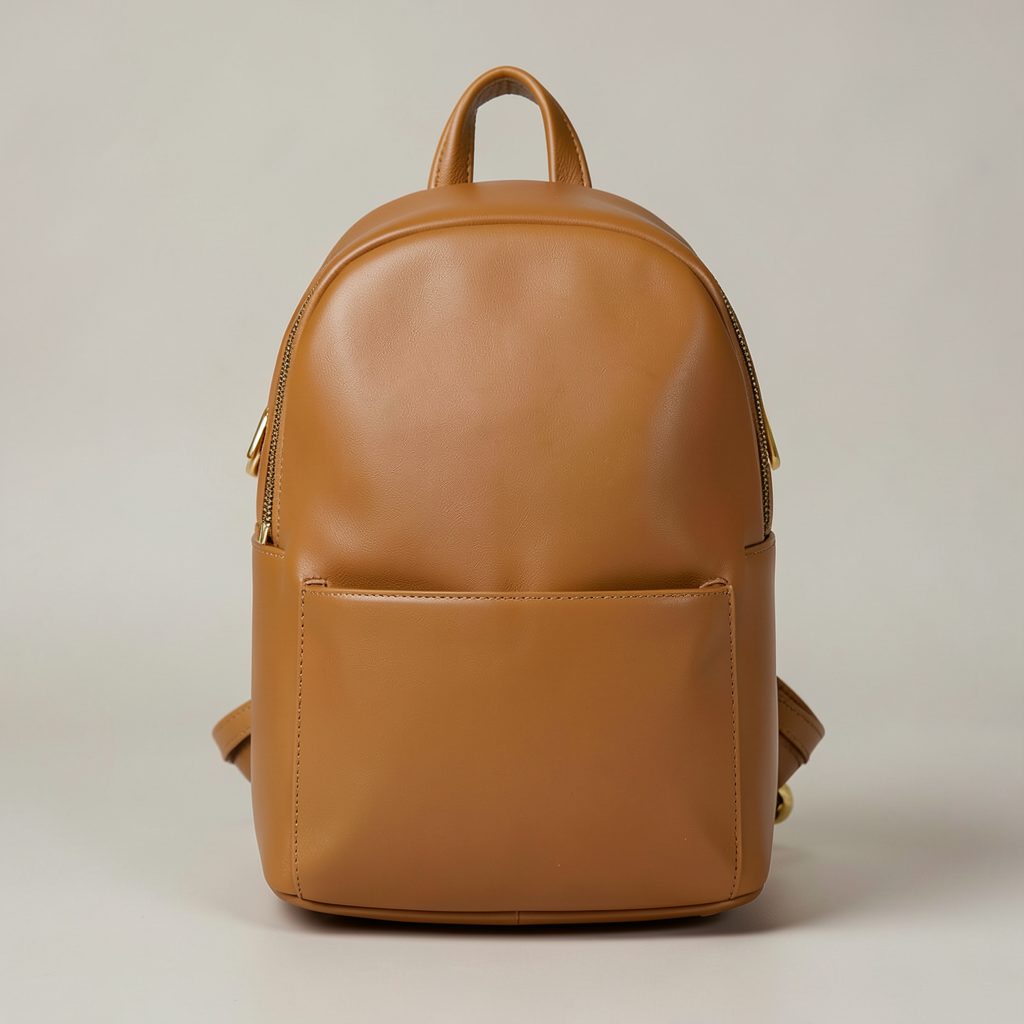
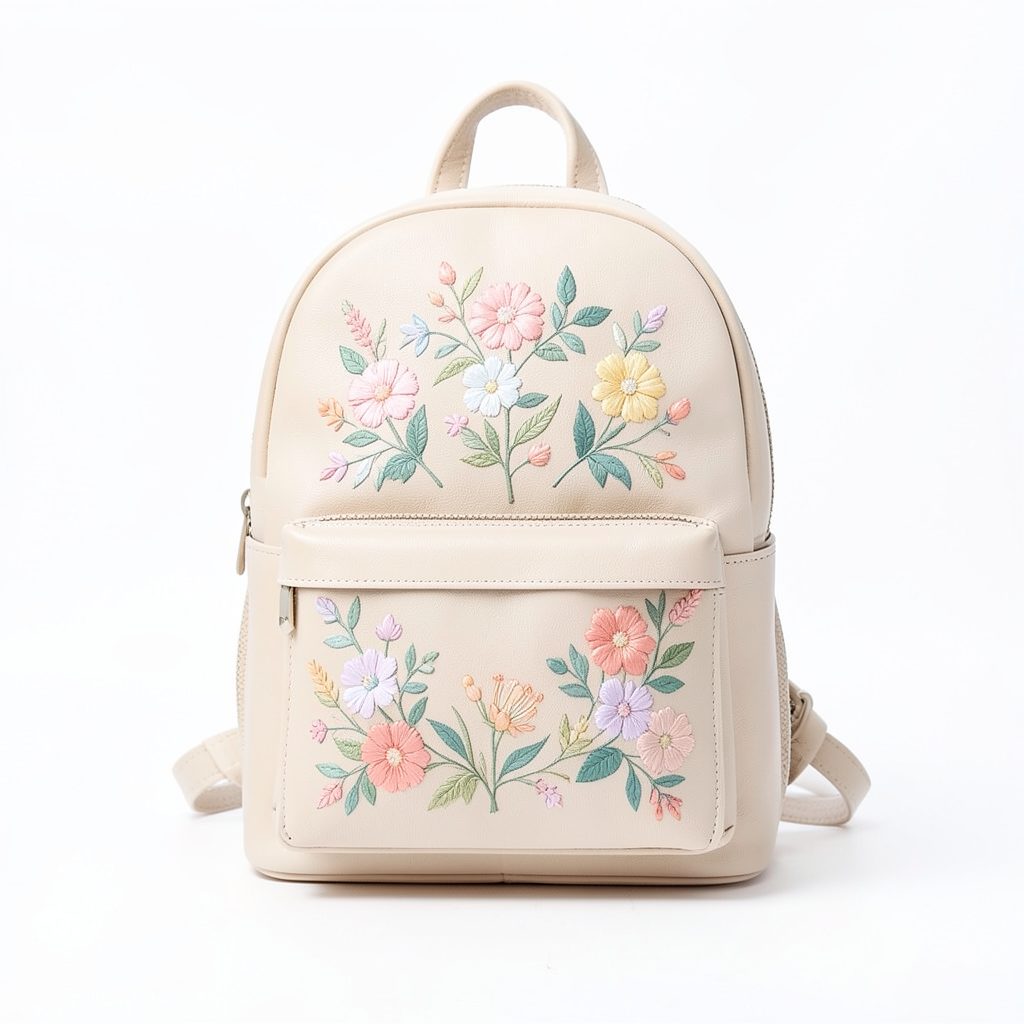
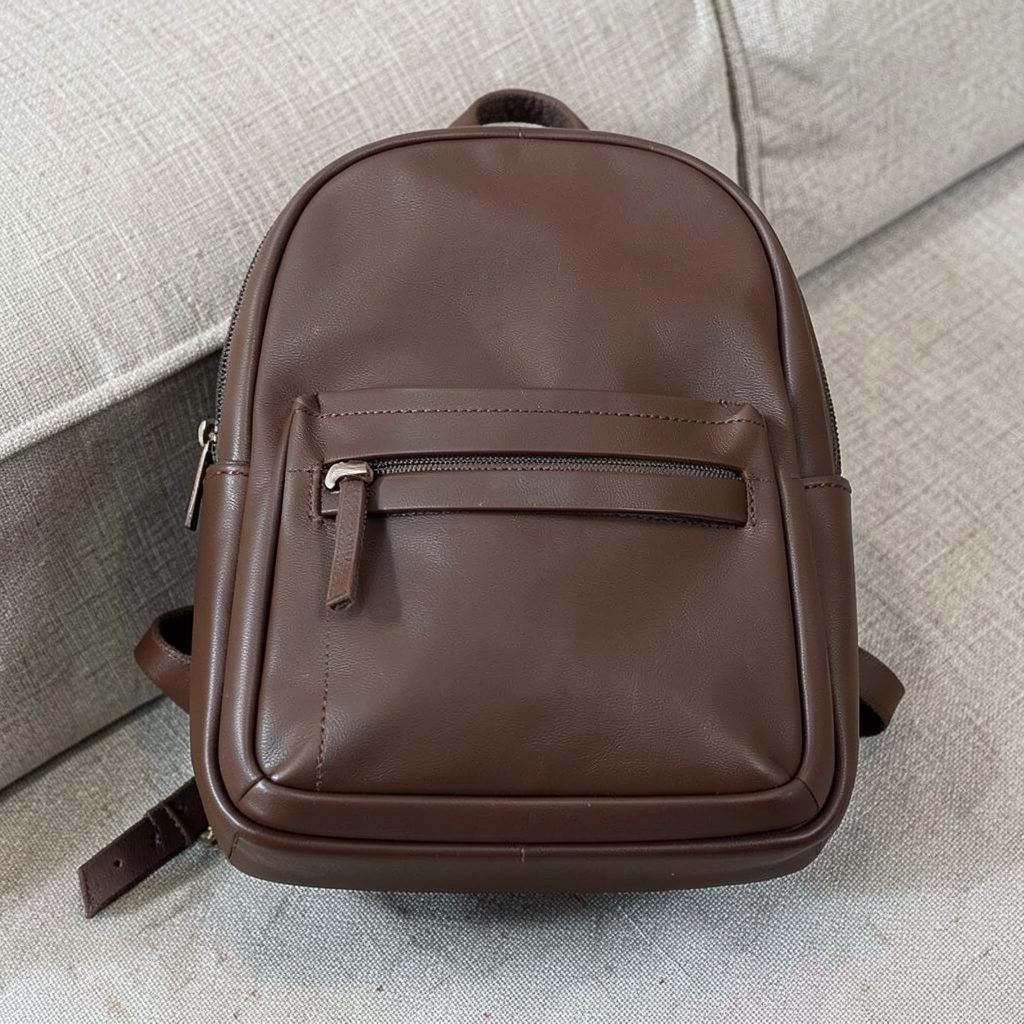
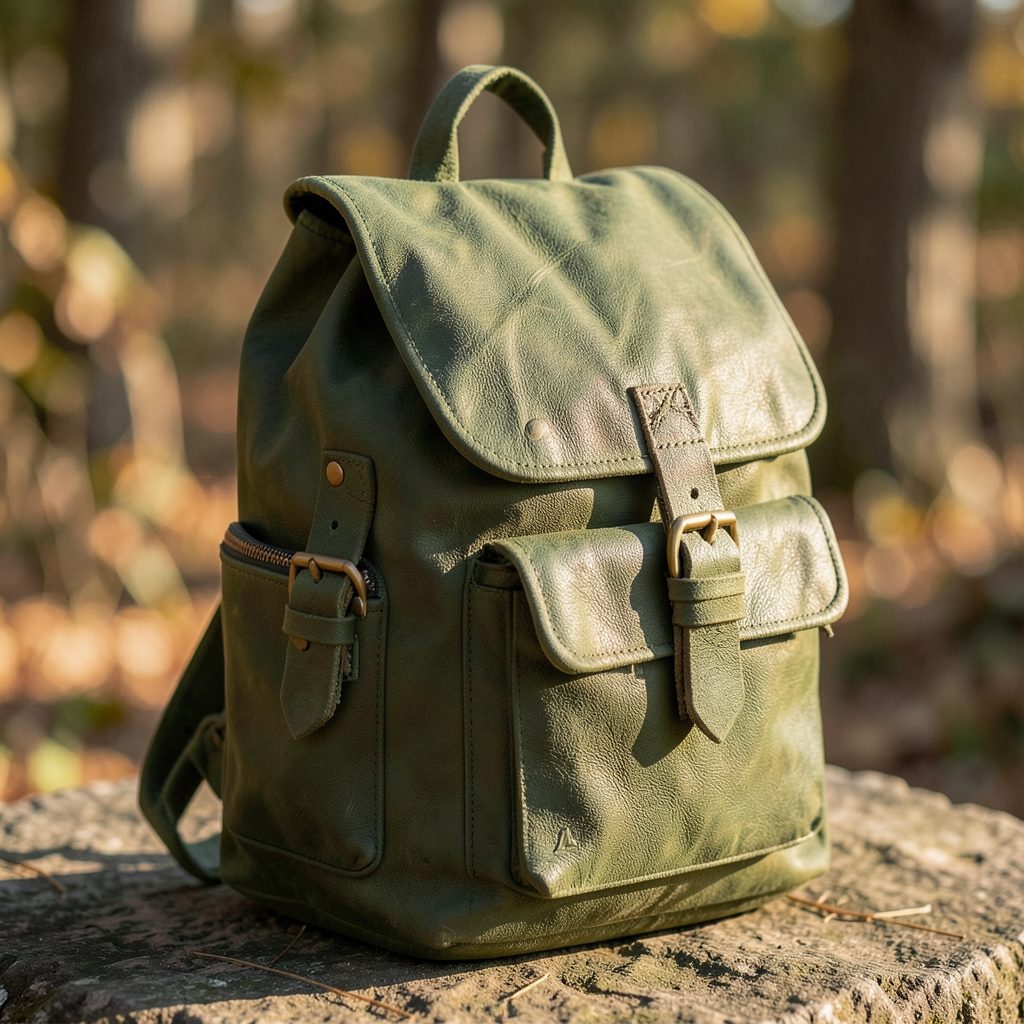
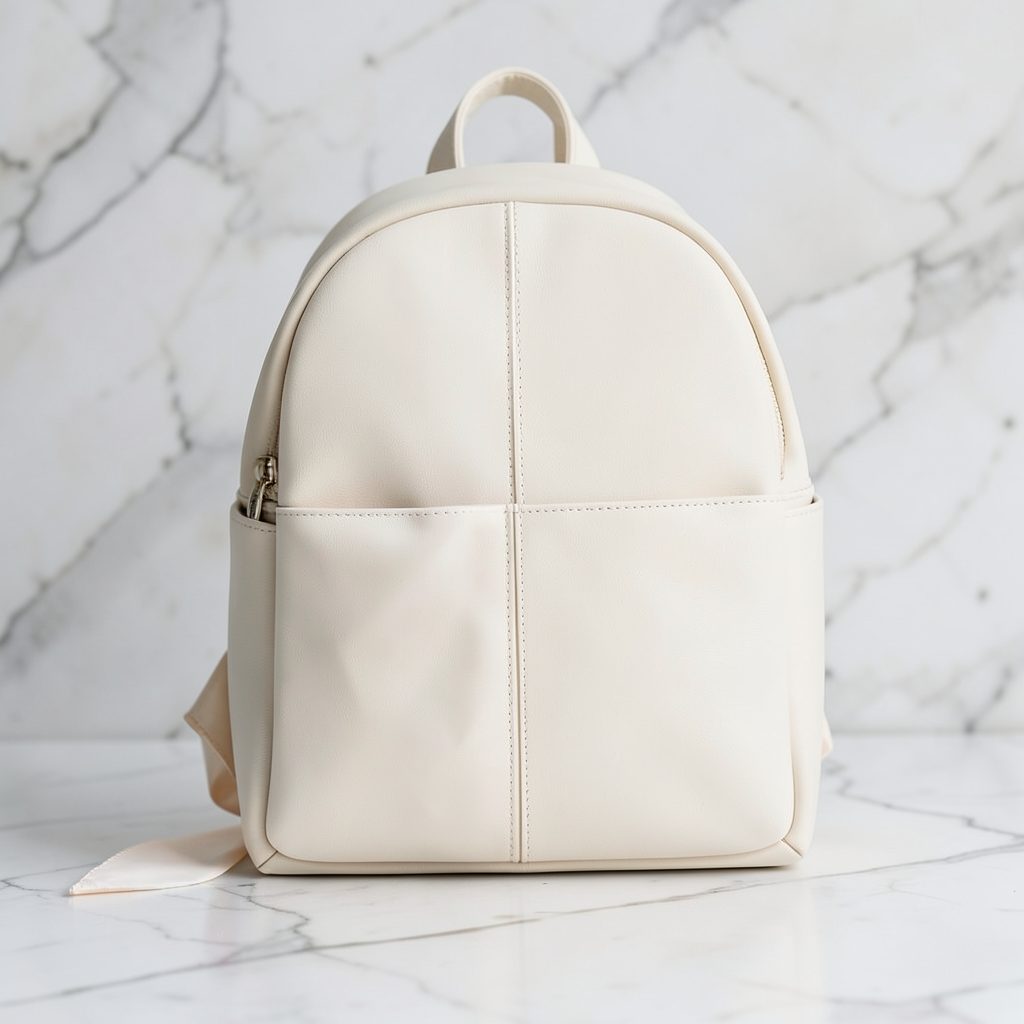
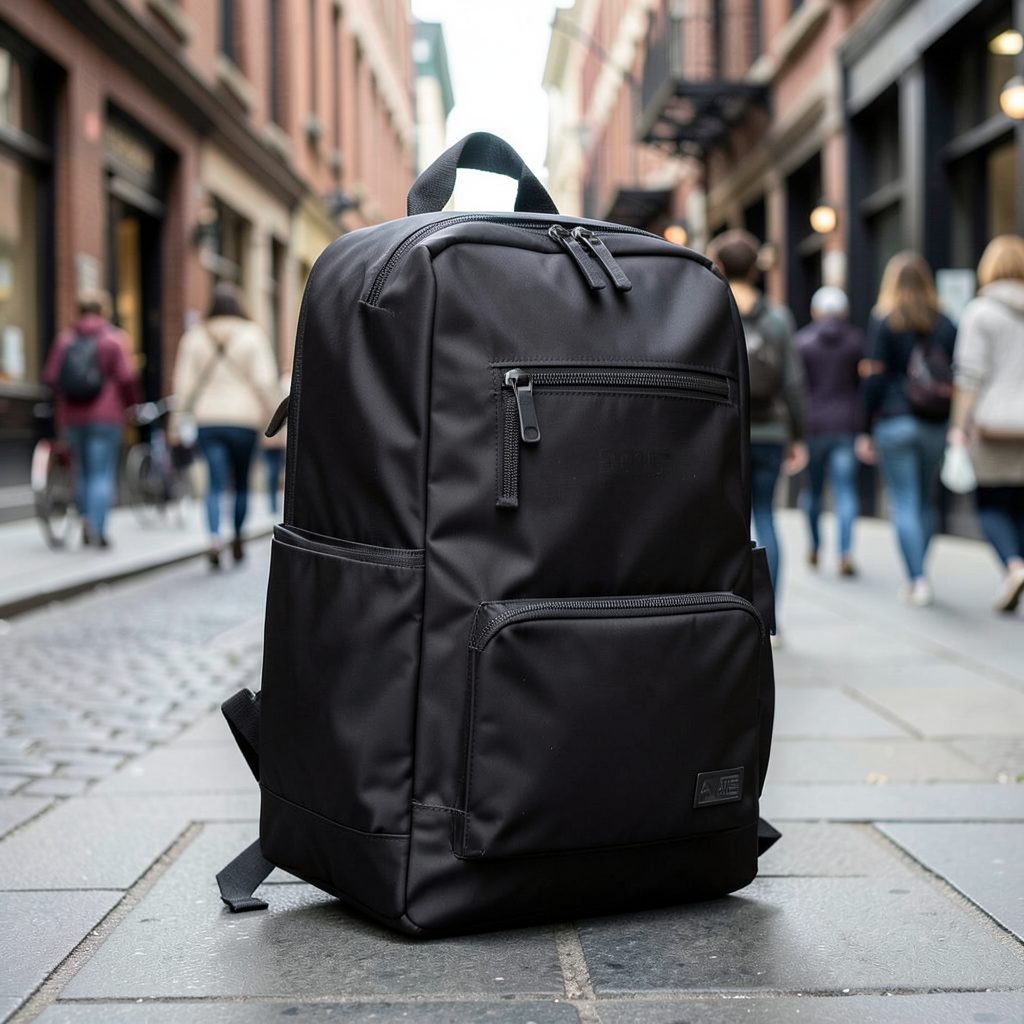
Every backpack is crafted from premium vegan leather with thoughtful details — multiple pockets, removable straps, and colors that work with any wardrobe. Browse the lineup below.