How to Keep Your Vegan Leather Bag Looking New After Many Trips
A well-made vegan leather bag can travel through airports, train stations, cafés, and busy city streets while retaining its polished appearance. Like any frequently used accessory, however, it needs a little care to prevent dirt, scuffs, creases, and moisture marks from becoming permanent.
Vegan leather is generally made from coated synthetic materials such as polyurethane or PVC, with newer options sometimes using plant-based components. These materials are practical and animal-free, but they still respond to friction, heat, humidity, and unsuitable cleaning products. A simple maintenance routine can help preserve the color, texture, and structure of a backpack, tote, wallet, or crossbody bag for many journeys.
The best approach is consistent rather than complicated. Clean small marks quickly, carry the bag thoughtfully, store it correctly between trips, and check the manufacturer’s care instructions before applying any product. These habits help your travel accessory look fresh without exposing it to unnecessary treatments.
Why Vegan Leather Needs A Travel Routine
Every trip exposes a bag to conditions that are easy to overlook. Handles touch hands carrying sunscreen, food, and hand cream. The base may rest on floors, benches, or luggage conveyors. A crossbody bag can rub against clothing, while a backpack may press against walls, seatbacks, and vehicle interiors. Over time, this repeated contact creates a dull film and small areas of wear.
Vegan leather has a protective surface coating, so it usually does not need the same conditioning products used for full-grain leather. In fact, oils, waxes, and heavy leather balms can leave a sticky residue or interfere with the finish. A soft cloth, mild diluted soap, and careful drying are safer choices for most smooth vegan leather designs.
Your bag’s shape also affects how new it looks. Overloading can stretch seams, distort panels, and place extra pressure on zippers. Before packing, consider whether every item is necessary and distribute heavier belongings evenly. A structured tote or travel backpack will retain its form longer when it is filled sensibly rather than forced to carry more than its design allows.
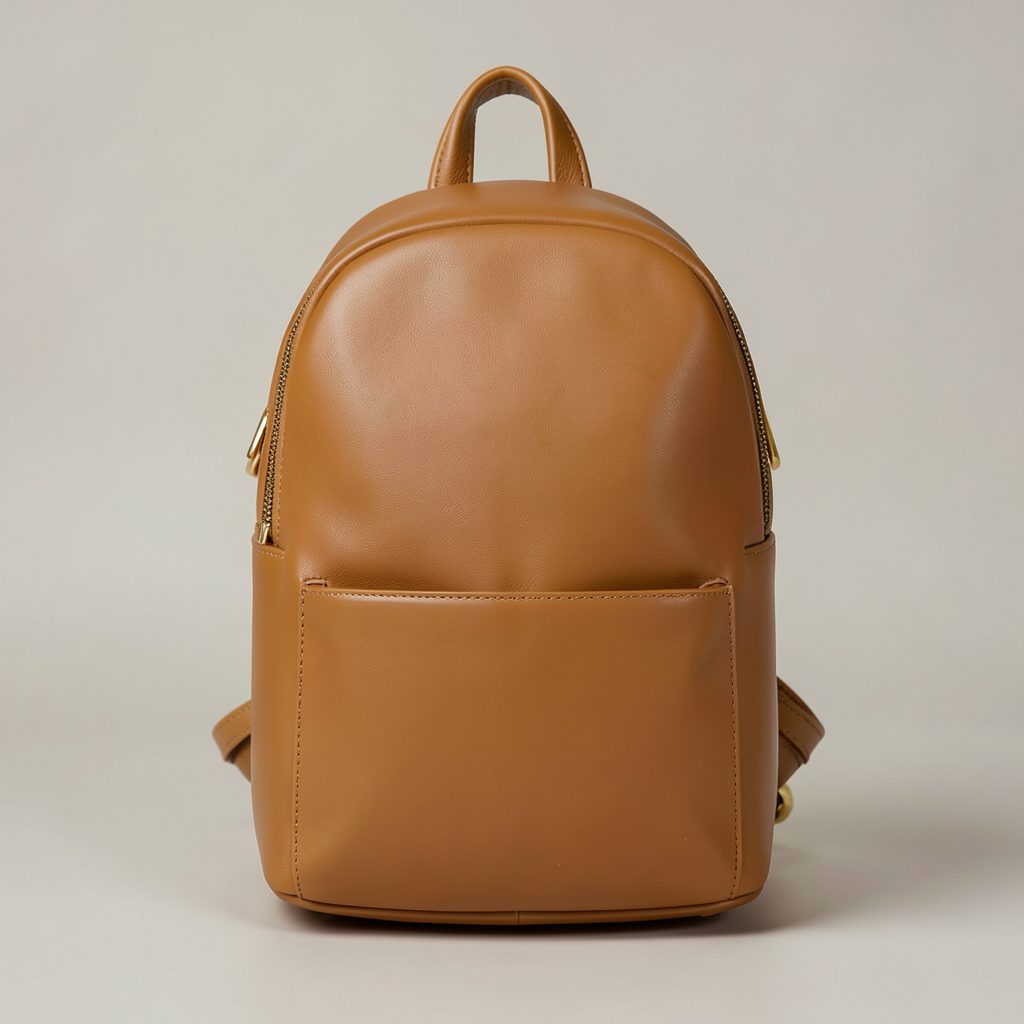
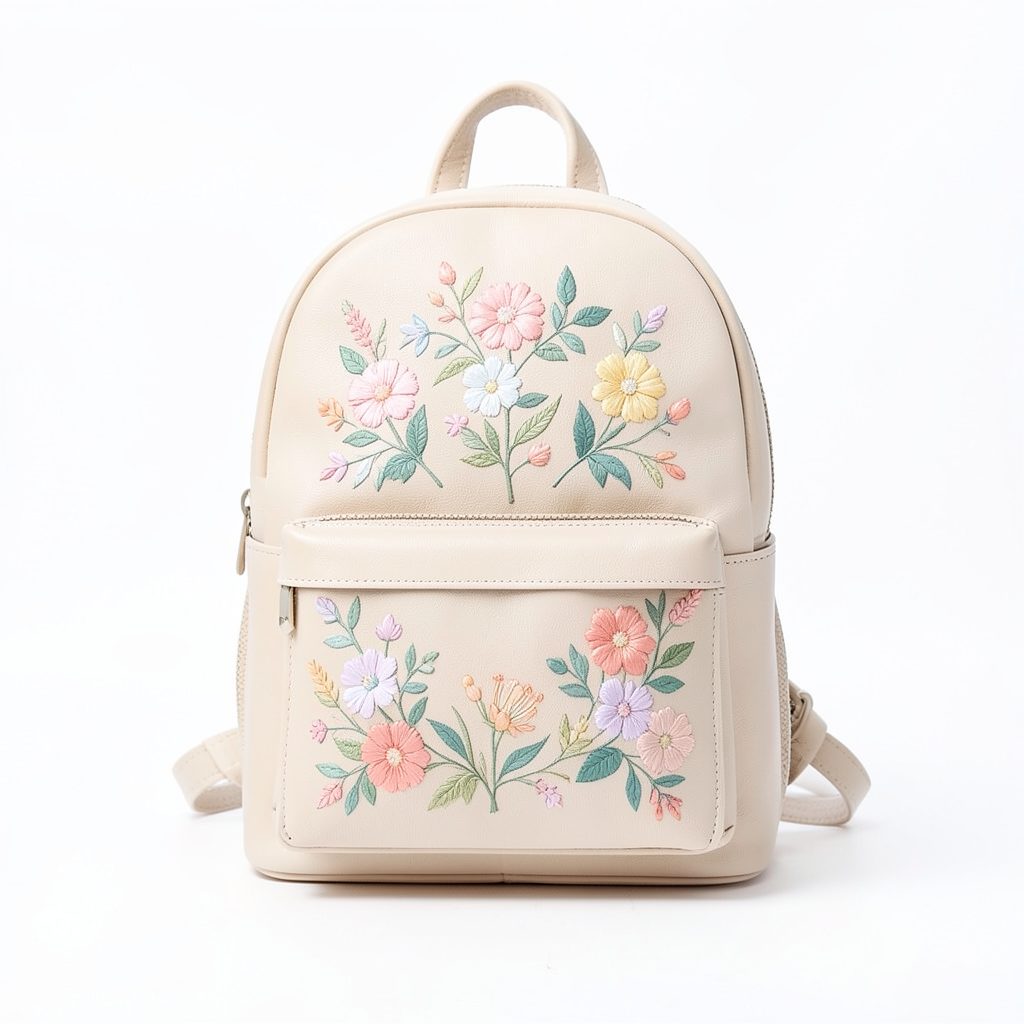
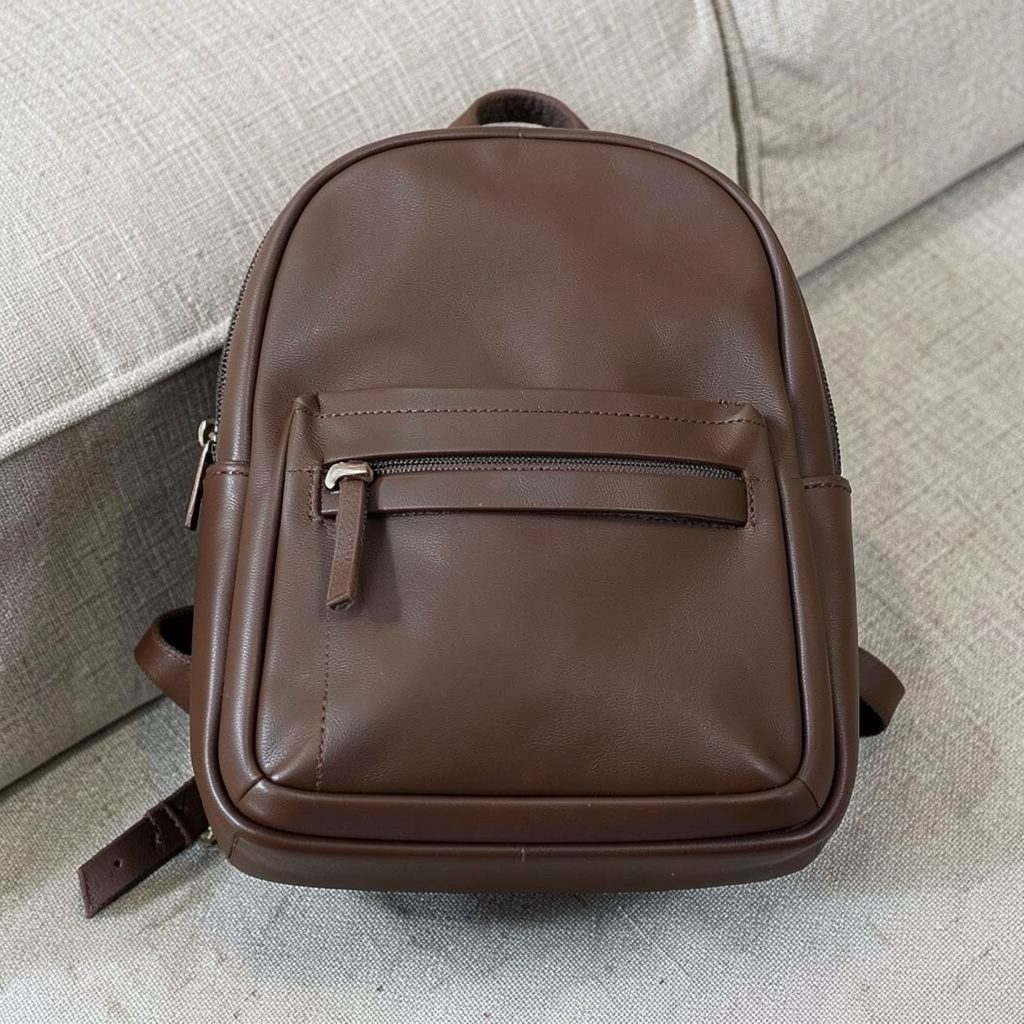
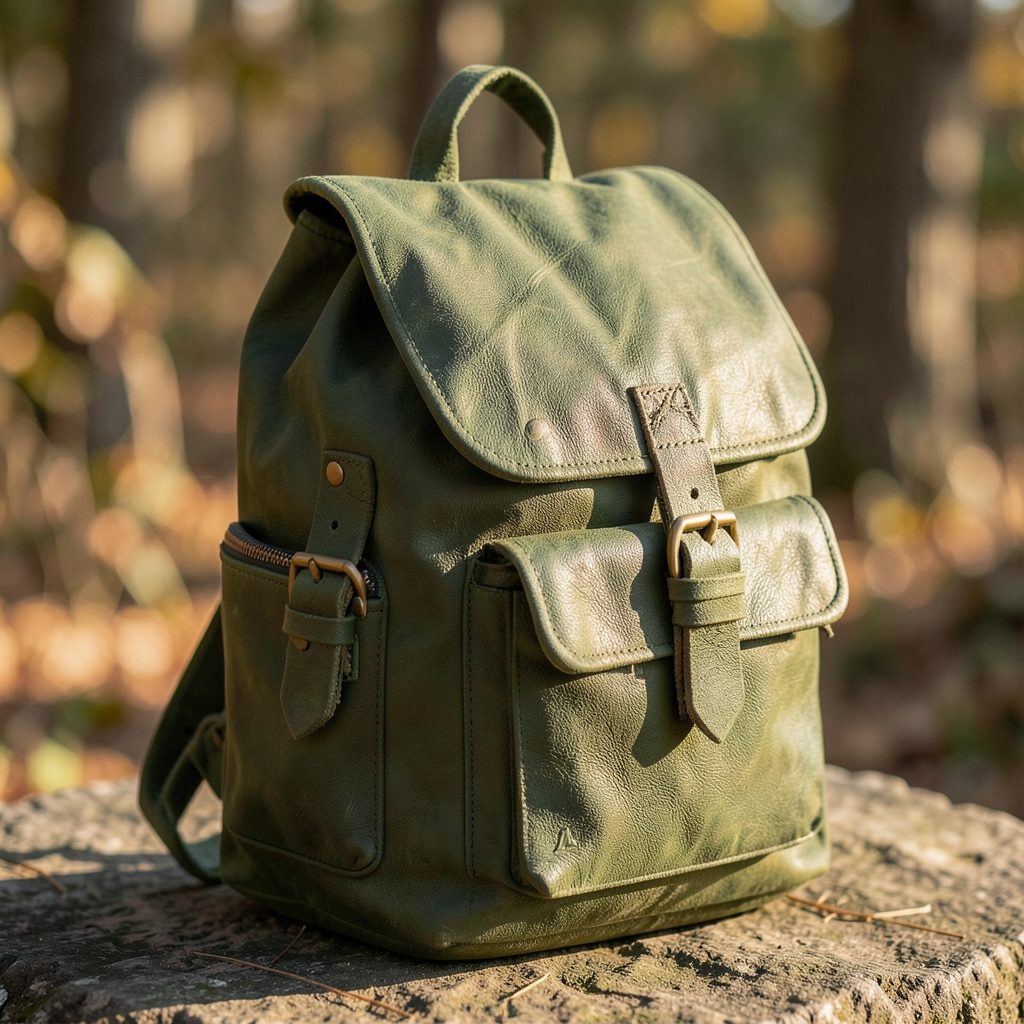
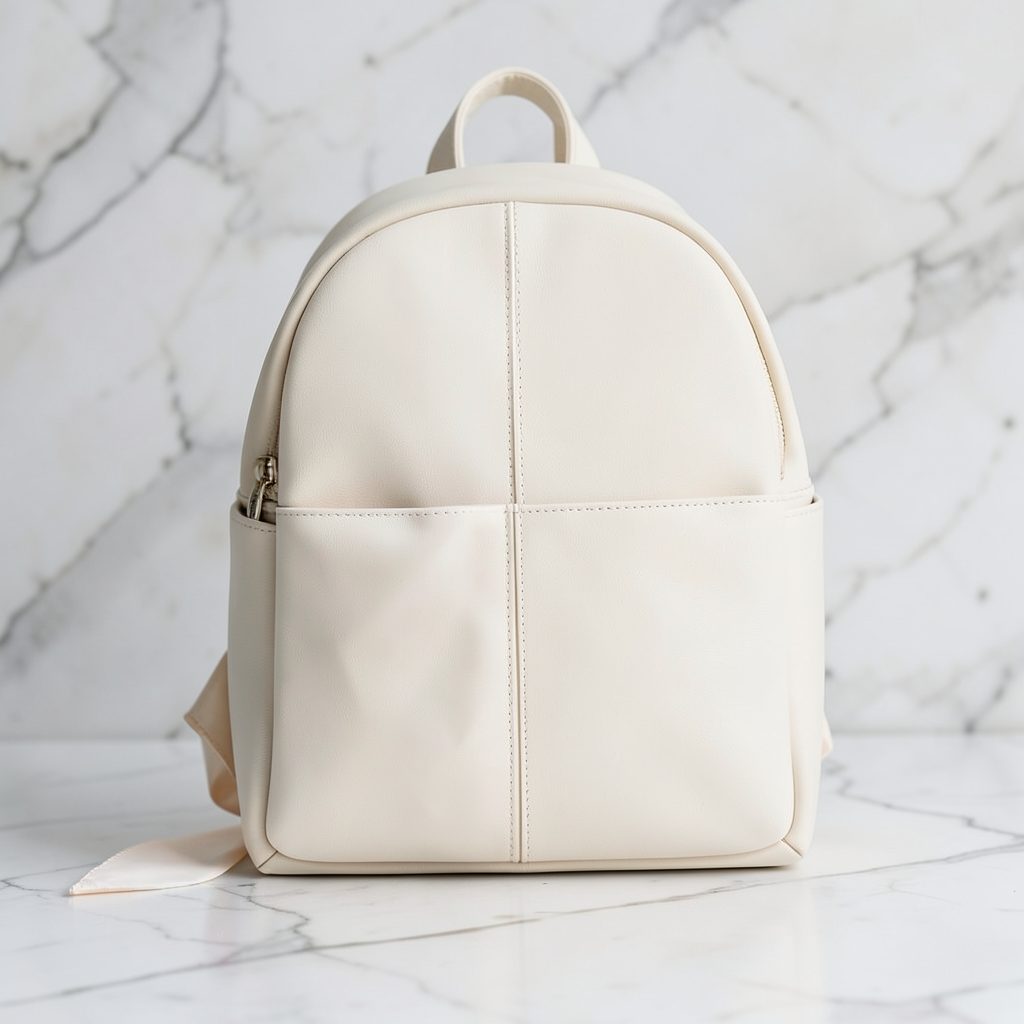
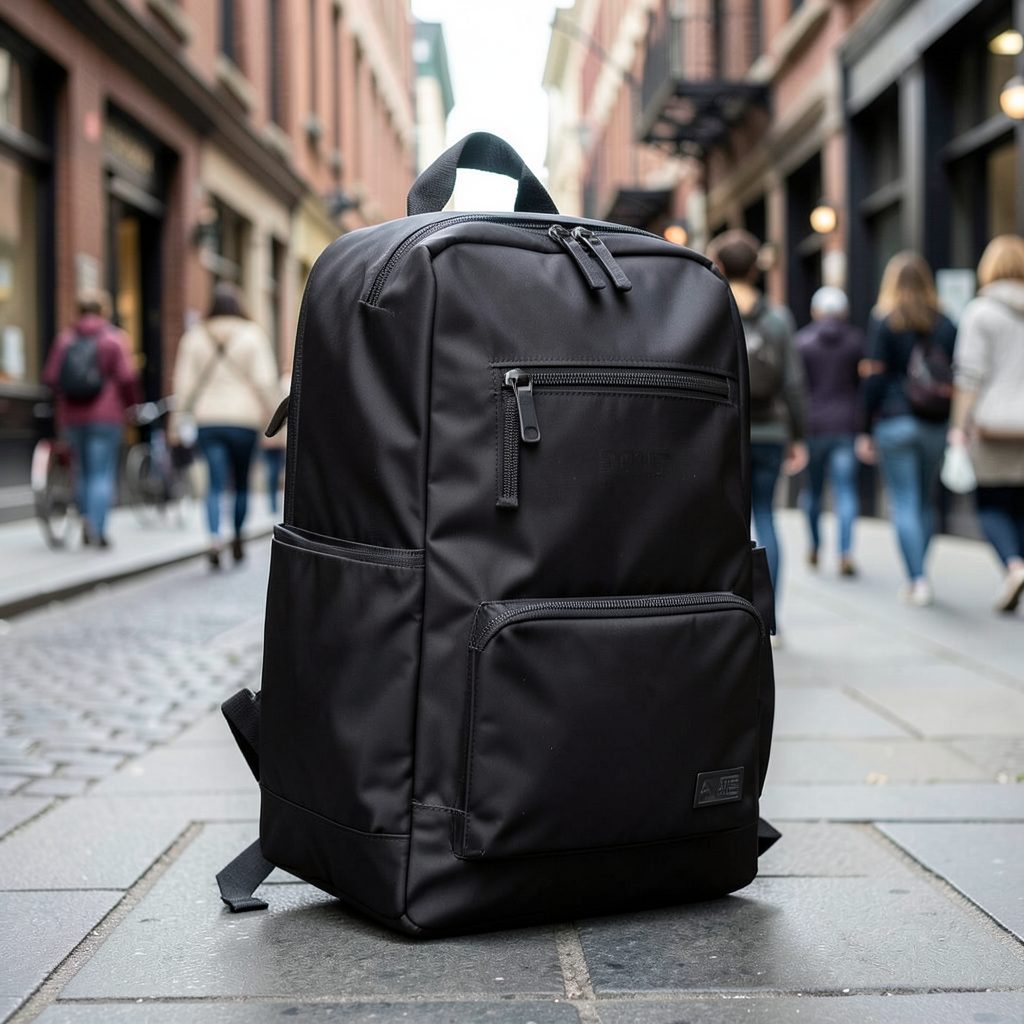
For travelers who need organized storage for a laptop, documents, and daily essentials, vegan leather backpacks can offer a practical balance between structure and comfort. Choosing a suitable size from the beginning reduces strain on the material and helps prevent the bag from being overpacked.
Clean The Surface Without Damaging It
Start with a dry, soft microfiber cloth to remove loose dust and grit. This matters because rubbing particles across the coating can create fine scratches. Wipe in gentle strokes, paying attention to seams, corners, the area beneath the flap, and the underside of handles where dirt often gathers.
For ordinary marks, mix a small amount of mild, fragrance-free soap with lukewarm water. Dampen a cloth rather than soaking it, then wring it out thoroughly. Wipe a small hidden section first to check for color transfer or changes in sheen. If the finish remains unchanged, clean the rest of the bag with light pressure.
Avoid saturating the material. Water can enter through seams, zipper tracks, unfinished edges, or lining openings, where it may contribute to staining, odor, or shape distortion. Use a second cloth lightly dampened with clean water to remove soap residue, then pat the surface dry with a towel.
Strong household cleaners are unsuitable for most vegan leather accessories. Bleach, acetone, alcohol-heavy sprays, abrasive powders, disinfectant wipes, and window cleaner may strip the finish or leave pale patches. Even products marketed for genuine leather can be too aggressive for a synthetic coating, so read the care label before using any specialist formula.
Deal With Spills And Marks Quickly
Fresh spills are easier to remove than dried stains. Blot coffee, juice, sauce, or rainwater with an absorbent cloth as soon as possible. Do not scrub vigorously, since friction can spread the mark and create a visibly dull area. Work from the outside of the spill toward the center if you need to wipe it.
Greasy marks may require two or three gentle passes with diluted mild soap. Allow the surface to dry between attempts rather than applying increasing amounts of product. If a stain remains, stop before the coating begins to look different. Persistent discoloration may need professional cleaning, and aggressive home remedies can cause more damage than the original mark.
Ink, dye transfer from dark clothing, and makeup are particularly difficult. A small amount of rubbing alcohol is sometimes recommended for certain synthetic finishes, but it can also remove color or gloss. Only consider it if the brand’s care guidance specifically permits it, and always perform a hidden-area test first.
After cleaning, let the bag dry naturally in a well-ventilated room. Keep it away from radiators, hair dryers, heated car interiors, and direct sunlight. Rapid heat can cause cracking, bubbling, warping, or changes in color, especially when the bag is damp.
Match Your Care To The Material
The label can reveal whether your bag has a smooth polyurethane finish, a textured surface, a fabric combination, or plant-based leather alternatives. Different constructions may require different treatment, particularly around woven panels, suede-like sections, metallic details, and decorative hardware.
A material that feels soft and flexible should still be handled gently. Flexibility does not mean the coating is immune to creasing. Foldable bags should be stored without sharp bends, while structured designs should be supported from the inside when they are not in use.
| Bag area or material | Safe routine | Avoid |
|---|---|---|
| Smooth vegan leather | Wipe with a dry microfiber cloth, then use mild diluted soap for marks | Abrasive sponges, solvent-based cleaners, heavy oils |
| Textured or embossed panels | Clean lightly along the pattern with a barely damp cloth | Scrubbing against the grain or using stiff brushes |
| Fabric sections | Check the care label and spot-clean carefully | Soaking the entire bag without guidance |
| Metal hardware | Buff with a dry soft cloth | Spraying cleaner directly onto clasps or zippers |
| Lining | Empty crumbs and dust, then dab small marks | Turning a lined bag inside out if it strains seams |
| Handles and straps | Wipe regularly to remove skin oils and lotion | Hanging a heavily loaded bag for long periods |
Hardware deserves separate attention because moisture and cleaning residue can collect around clasps, rings, and zipper pulls. Apply any liquid to the cloth, never directly to the bag. Once the surface is clean, use a dry cloth around metal components and moving parts.
If the bag combines vegan leather with cotton canvas, nylon, microfiber, or another textile, treat each area according to its own instructions. A method that is safe for the coated panels may leave a watermark on fabric. Keeping cleaning localized is usually safer than attempting a full wet wash.
Protect The Bag During Transit
Good packing habits prevent many types of damage before they happen. Keep pens, cosmetics, snacks, and liquids inside separate pouches. Use leakproof containers for toiletries and place them in a sealed bag before putting them inside your main compartment. A spill inside the lining can create odors and may transfer moisture to the outer material.
Sharp objects should have covers, and metal water bottles should be secured so they do not repeatedly strike the interior. Avoid placing keys, loose chargers, or tools in the same pocket as delicate surfaces. Small organizers reduce movement and make it easier to find essentials without repeatedly pulling everything from the bag.
When placing a bag under an airplane seat or in a train luggage area, position the cleanest and least exposed side upward. Avoid allowing the base to rest in puddles or against rough surfaces. If the bag must be placed on the floor, use a clean scarf, foldable mat, or spare garment as a barrier.
Straps and handles also need thoughtful use. Lift the bag by a reinforced handle when one is provided instead of pulling on a detachable strap. Do not hang a full bag from a narrow hook for hours, since concentrated weight can stretch attachment points. Rotate between carry options when possible to limit repeated stress on one area.
Refresh The Shape And Finish Between Trips
At the end of a journey, empty every compartment and shake out crumbs or dust. Check beneath the lining, inside zippered pockets, and around magnetic closures. Leaving small particles in place can create odors and make the next cleaning session more difficult.
Allow the bag to air in a shaded, dry place before storing it. If it has absorbed travel odors, place a small open container of baking soda nearby rather than sprinkling powder directly into the bag. Activated charcoal sachets can also help with odor control, provided they are kept inside a breathable pouch.
To preserve its shape, fill the interior loosely with clean tissue paper, plain packing paper, or a soft cotton item. Avoid newspaper because ink may transfer, and do not use dense materials that force the panels outward. Store the bag upright when possible, with straps arranged so they do not press sharply into the surface.
A breathable fabric dust bag is preferable to a sealed plastic bag. Plastic can trap humidity and contribute to a stale smell or surface problems. Keep the accessory in a cool cupboard away from radiators, windows, and damp bathrooms. Do not stack heavy luggage on top of it.
For city travel, a compact crossbody receives frequent contact with clothing, seats, and public surfaces. Choosing a design with durable hardware and wiping high-contact areas regularly can make a major difference. These city-ready crossbody bags are especially useful for keeping daily essentials close while reducing the need to handle the bag by its panels.
Build A Practical Care Schedule
A few seconds of attention after each trip can prevent a long cleaning session later. Wipe visible dust from the exterior, remove objects from the pockets, and inspect the base for marks. If the bag became wet, let it dry fully before placing it in storage.
Once every few weeks during frequent use, clean the handles, strap, corners, and bottom panel more carefully. These areas collect the most oils and grime. Check zippers for trapped lint and make sure hardware is still firmly attached. Early repairs are usually simpler than addressing a detached strap or split seam after the damage has spread.
Use this short routine to keep maintenance manageable:
- Empty the bag after every journey and remove crumbs, receipts, and loose debris.
- Wipe high-contact areas with a soft dry cloth several times a week.
- Treat spills promptly with a barely damp cloth and mild diluted soap.
- Let the bag air-dry naturally before storing it in a breathable cover.
- Inspect seams, handles, corners, and hardware at the start of each trip.
If the finish begins to crack, peel, bubble, or change texture, stop applying home treatments. These signs can indicate wear to the coating rather than surface dirt. Keep the bag dry, avoid bending the affected area, and contact the manufacturer or a repair specialist for appropriate advice.
A vegan leather bag is designed for practical use, so small signs of travel do not mean it has failed. The aim is to remove avoidable grime, reduce unnecessary stress, and preserve the character of the design. With gentle cleaning, sensible packing, and proper storage, an animal-free travel accessory can remain polished through many seasons and destinations.
Choose a vegan leather bag that fits the way you travel, then give it a simple care routine from the first outing. Browse durable backpacks, totes, crossbody styles, wallets, and accessories at Travel Starter Pack, and prepare your next journey with a dependable piece that is made to move with you.
Our Backpack Styles
Every backpack is crafted from premium vegan leather with thoughtful details — multiple pockets, removable straps, and colors that work with any wardrobe. Browse the lineup below.