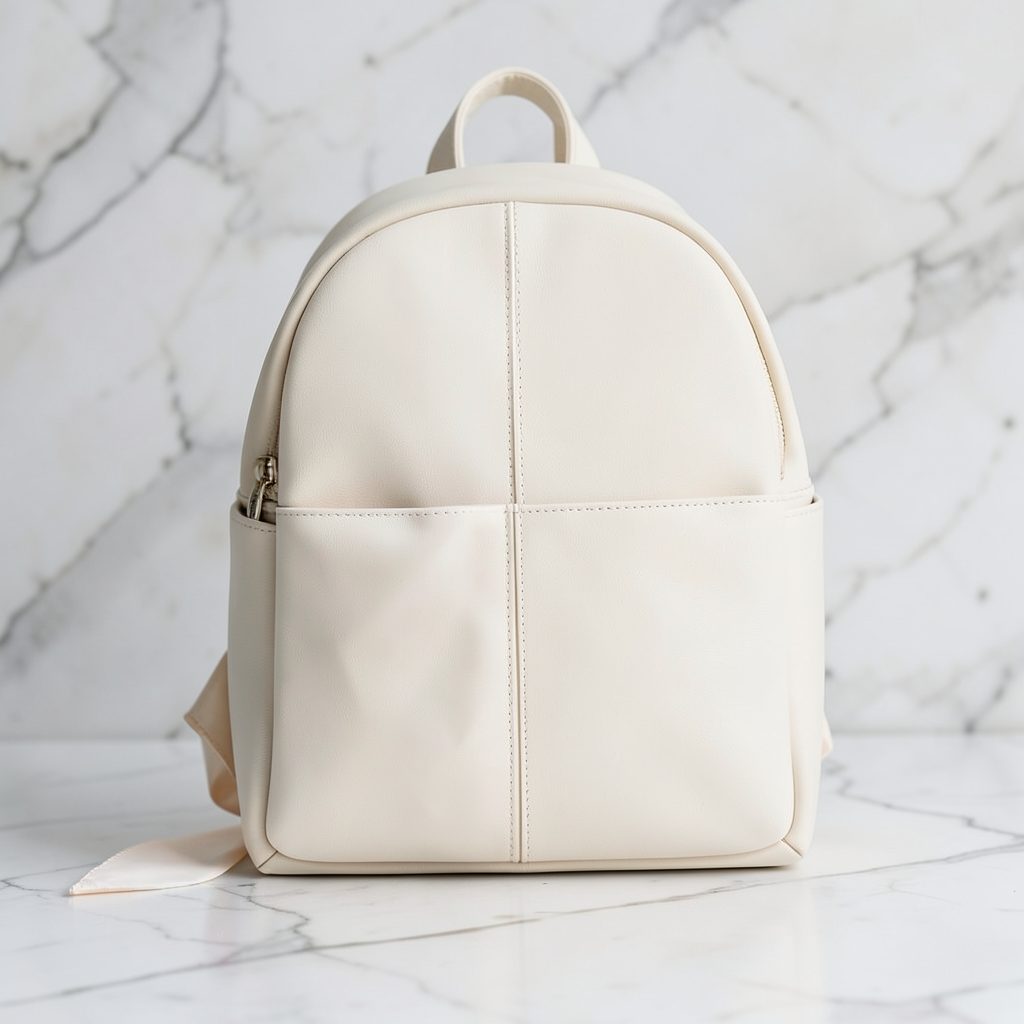
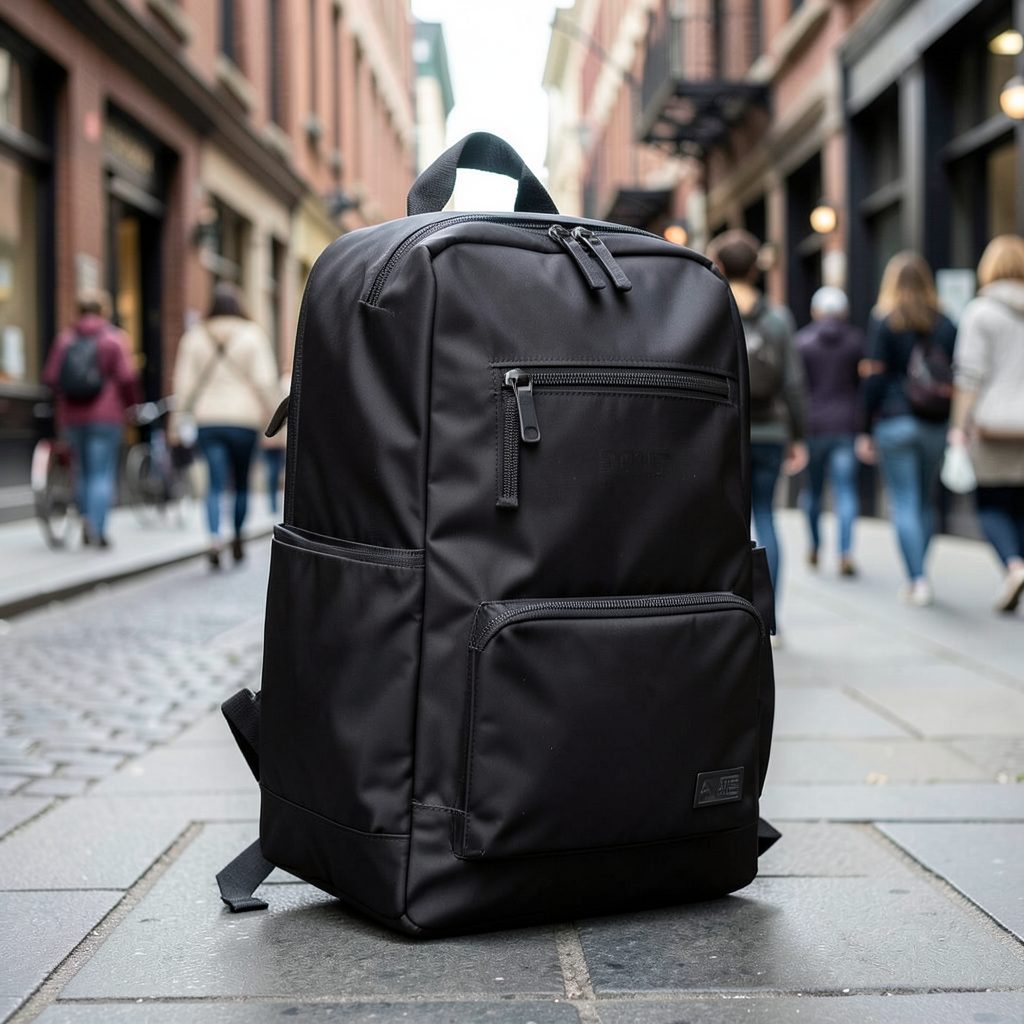
The Best Vegan Leather Bag for a Museum Crawl With Anti-Theft Features
A slow afternoon drifting between galleries is one of life's quiet luxuries, and the bag you carry shapes the whole experience. The right piece disappears on your shoulder, holds everything you need for hours of browsing, and refuses to give up your wallet to a passing stranger. As more travellers move away from animal-derived materials, vegan leather has stepped up to match the look, feel, and lifespan of traditional hide, and today's designs are purpose-built for crowded, curious days out.
Australia's gallery scene is a gift for anyone who likes art on a budget. The National Gallery of Victoria in Melbourne, the Art Gallery of New South Wales, and the Museum of Contemporary Art by Circular Quay all keep their permanent collections free to enter, which means a museum crawl can stretch across an entire arvo without anyone pulling out a credit card. Weekend openings, late-night programs, and Saturday markets in the surrounding precincts turn a single visit into a full day. That kind of generous, unhurried culture demands a bag that can keep up, one that doesn't weigh you down on the tram, doesn't flash your valuables in a packed foyer, and survives the walk back to the station in a sudden summer downpour.
Security matters more than most people admit. Crowded lift queues, packed gift shops, and the polite jostle around a popular installation are exactly the conditions opportunistic thieves look for. Anti-theft bags answer this with slash-resistant straps, locking zippers, hidden pockets, and RFID-blocking sleeves. Layer those features over a vegan leather shell and you get something practical, ethical, and quietly stylish, the kind of companion that earns its place on a long gallery day.
Why Vegan Leather Works for a Gallery Day
Modern vegan leather has come a long way from the stiff, plastic-looking bags of the early 2000s. Today's versions use polyurethane, recycled polyester, cactus fibres, and even mushroom-derived mycelium to mimic the grain and drape of real leather. For a museum visit, that matters: a bag that looks considered reads as part of the outfit rather than an afterthought, and the material wipes clean after an accidental brush against a wet coat rack or a sticky-fingered kid in the foyer.
Australian shoppers have driven much of this shift. The country's strong animal-welfare ethos, combined with a thriving maker culture in Fitzroy, Surry Hills, and Fortitude Valley, has made cruelty-free fashion almost a default expectation rather than a niche choice. Brands now compete on how convincingly their vegan leather ages, how it handles the harsh Australian sun, and whether it can take a beating on a long-haul flight without peeling at the seams. The best options strike a balance between supple hand-feel and structural strength, so the bag holds its shape even when it is not full.
Weight is another quiet advantage. Genuine leather is heavy, and a full-grain satchel can easily tip the scales at over a kilo before you add a wallet and a water bottle. Vegan alternatives often come in noticeably lighter, which is a real mercy on a day that begins at the Powerhouse Ultimo and ends somewhere in Chippendale with aching shoulders. The material also tolerates temperature swings better, so a hot arvo in Brisbane will not leave the surface sticky the way some bonded leathers can.
Anti-Theft Features Worth Looking For
Not every bag marketed as secure actually delivers, and the difference between clever design and clever marketing is worth understanding before you buy. The most useful anti-theft features fall into a few reliable categories, and a serious museum bag should tick at least three of them.
Slash-resistant body panels and straps are the foundation. Woven steel or high-tenacity fibres sit beneath the vegan leather, making it almost impossible for a thief to slice open the bag or cut the shoulder strap with a Stanley knife. Locking zippers, particularly those that tuck under a flap or clip together at the base, stop the casual grab-and-go. RFID-blocking card sleeves inside the main compartment protect your debit card and Opal card from skimming, a real concern in busy transit hubs. Concealed back pockets, hidden zippers along the bottom, and passport-sized internal pouches round out the kit.
Australian travel conditions make these features especially relevant. Crowded trams along Collins Street, peak-hour crowds at Town Hall station, and the bustle of the Rocks markets all create the kind of distractions a pickpocket relies on. A bag that requires a deliberate motion to open, or one that sits flat against your body under a loose layer, gives you a real edge. The best designs do not look like armour either; the security is built into the silhouette rather than advertised with chunky clips and visible cables.
Bag Styles Suited to a Museum Crawl
The shape of the bag matters as much as the security features. A crossbody sits high on the torso, easy to keep in your line of sight, and leaves both hands free for reading wall texts, taking photos, or holding a flat white in the courtyard. Look for an adjustable strap with a wide, padded section so it does not dig in over a long day. Slim crossbodies are best for short crawls where you only need a phone, a cardholder, and a folded programme.
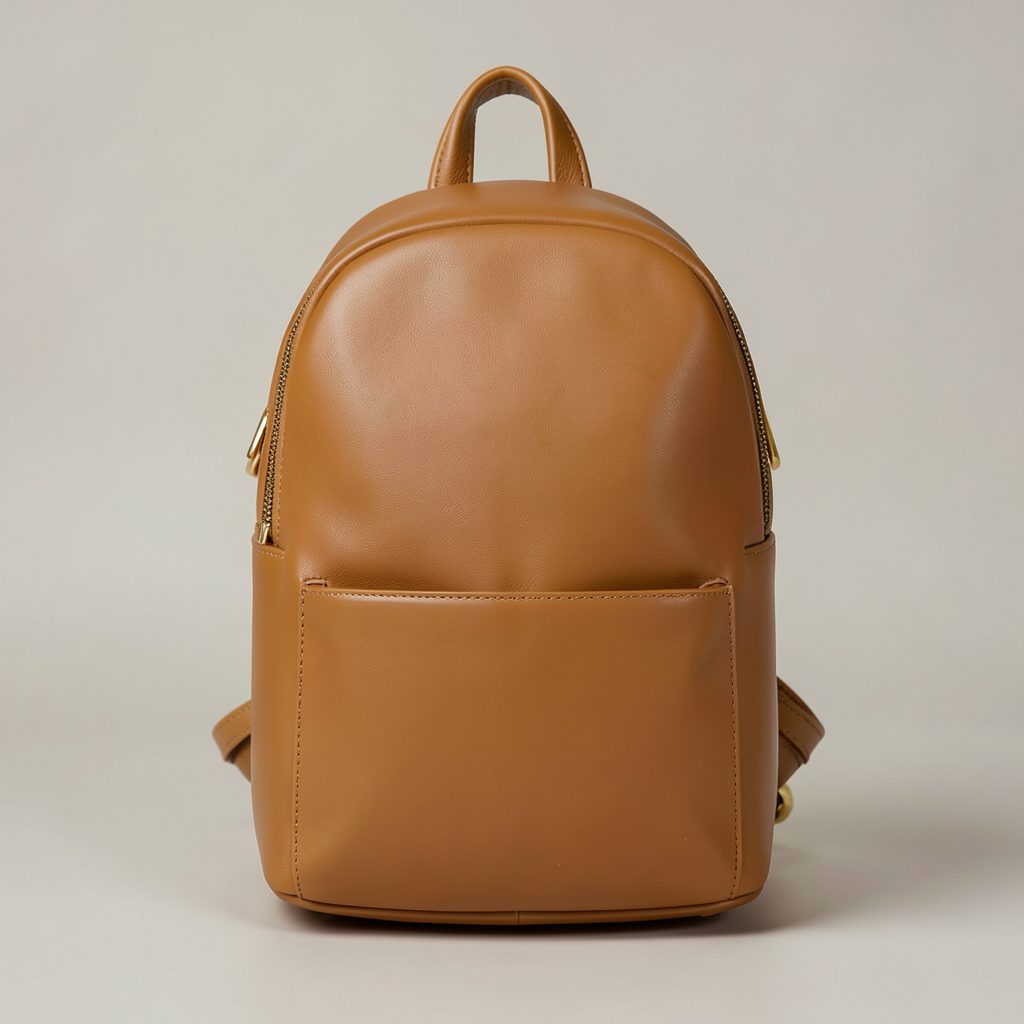
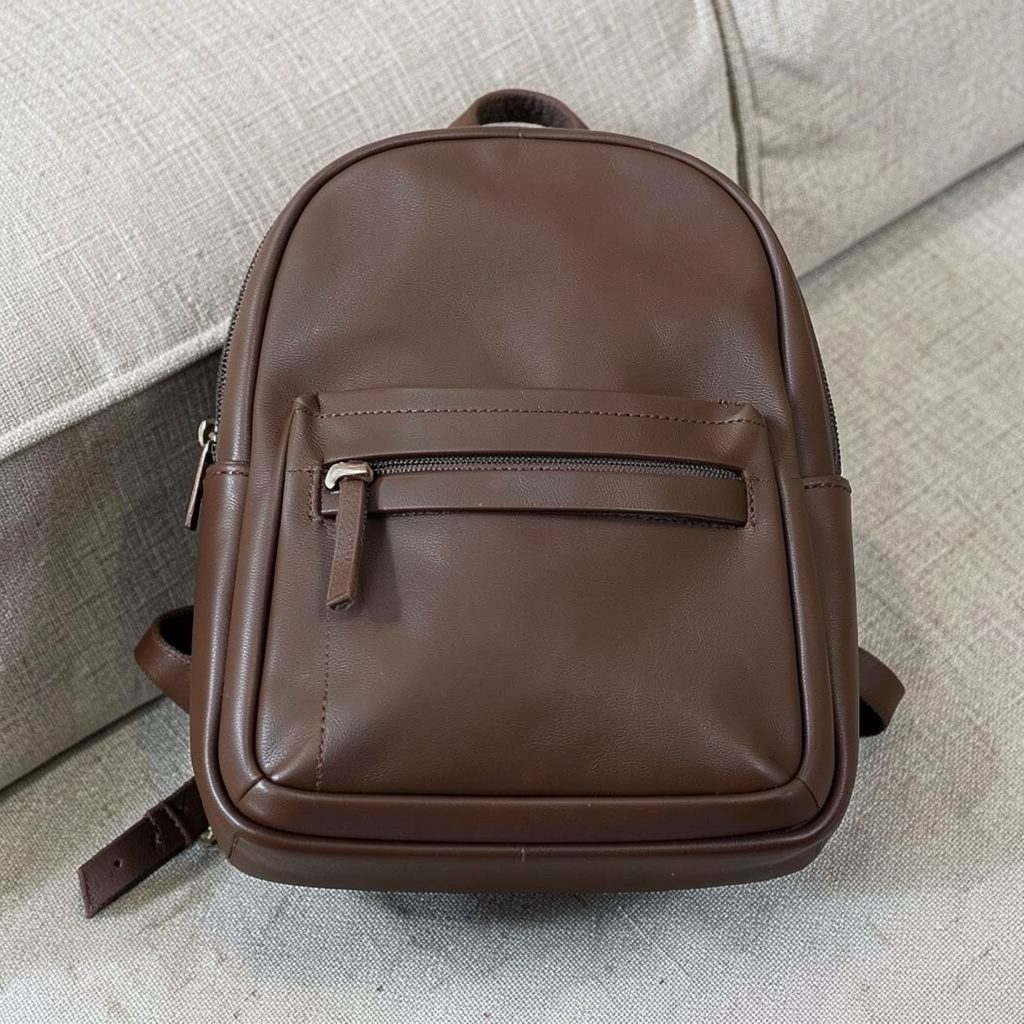
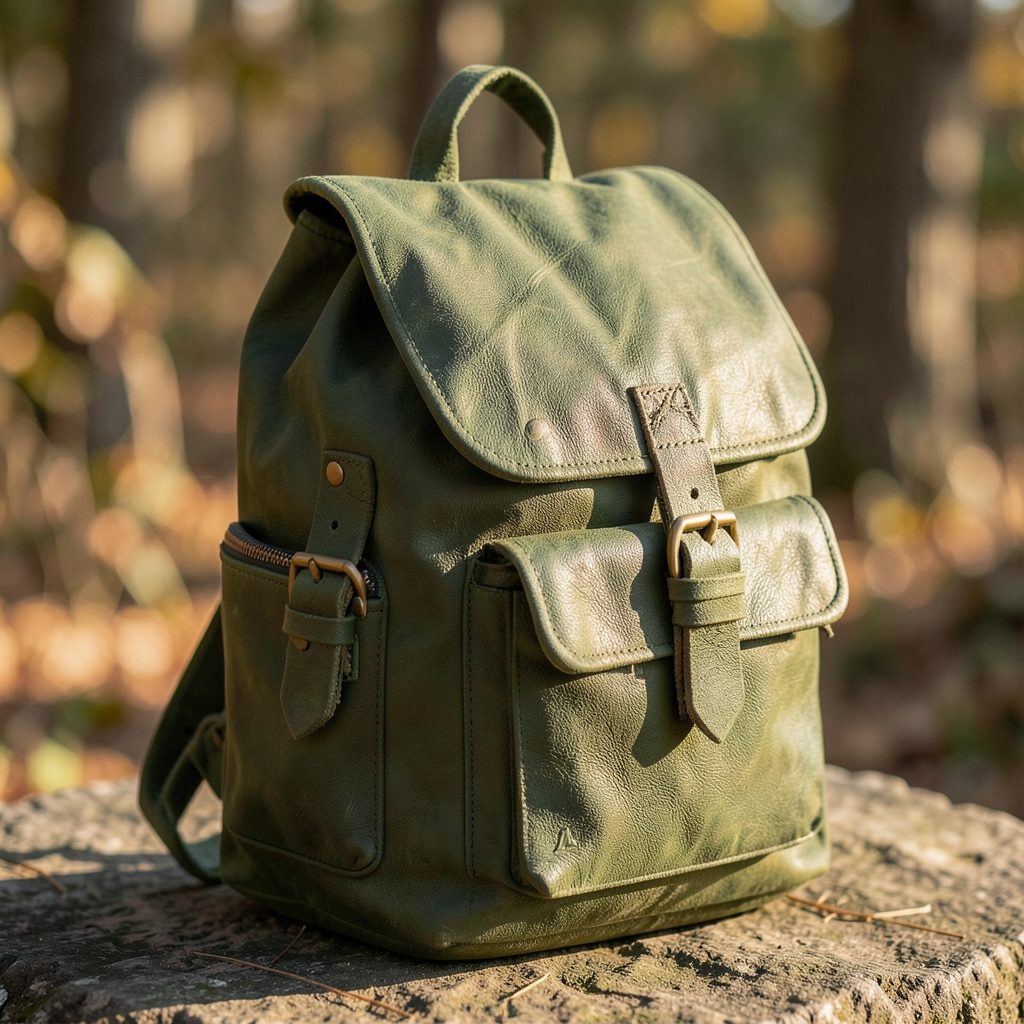
Backpacks earn their place on the longest days. A well-designed anti-theft backpack distributes weight across both shoulders, which matters once you have been standing for hours, and the rear-facing zippers keep everything away from passing hands. Choose one with a luggage strap if you are combining a museum visit with travel days, and make sure the straps tuck away cleanly so the bag does not snag in crowded lifts. For a multi-stop crawl that includes a long lunch, a backpack is hard to beat.
Tote bags and shoulder bags still have a role, especially for art lovers who carry a notebook, a small sketchbook, or a paperback. The key is to pick one with a zip closure, a crossbody strap option, and an internal organiser panel. Convertible designs, those that shift from tote to backpack with a quick pull of the straps, are increasingly common in vegan leather and suit anyone who wants flexibility across the day. A slouchy tote is tempting for its relaxed Australian aesthetic, but a structured silhouette protects your belongings better in a busy crowd.
Sizing, Organisation, and Comfort
Capacity is a balancing act. Too small and you are constantly fishing in your pockets; too large and the bag becomes a target in itself. For a single museum visit, a bag that holds a 500ml water bottle, a compact umbrella, a phone, a wallet, a passport, and a small guide booklet is plenty. For a full-day crawl that includes a train ride and a stop for lunch, add room for a folded jacket and a snack. Anything bigger starts to feel like a daypack and crosses into travel-bag territory.
Internal organisation is what separates a pleasant bag from a frustrating one. A dedicated phone pocket, a key clip, a pen slot, and separate sleeves for cards and cash keep everything where you can find it without unpacking the whole bag. Mesh pockets for headphones and a small zip pouch for valuables are worth their weight in gold. External pockets are useful for things you reach for often, like a Myki or Opal card, but should be positioned where they sit flat against the body, ideally on the back panel, so they do not bulge.
Comfort comes down to strap design, weight distribution, and how the bag sits on your frame. A padded back panel prevents books and bottles from pressing into your spine, and breathable mesh keeps things cooler in the Australian humidity. Look for straps that adjust through a wide range, so the bag can be worn high on the back for security or low on one hip for quick access. A bag that fits well when empty is a bag that will still fit well after five hours of walking, and that is the only test that really matters.
Care, Longevity, and Where to Shop
Vegan leather is easier to care for than most people expect, but it does benefit from a small amount of attention. A quick wipe with a damp microfibre cloth after a sweaty day removes body oils and sunscreen residue, which are the two biggest culprits in surface breakdown. Avoid harsh solvents and alcohol-based cleaners, which can lift the PU coating and leave patchy marks. Storing the bag stuffed with tissue paper helps it keep its shape, especially in the off-season, and a cool, dry wardrobe is kinder to the material than a sunny hallway.
For more detailed guidance, the how to care for the interior lining of your vegan leather bag when traveling guide covers everything from mould prevention to stain removal on the inside of the bag, which is the part most people forget to look after. Pair that habit with a leather-free conditioner every few months and a vegan leather bag will easily outlast several real-leather equivalents.
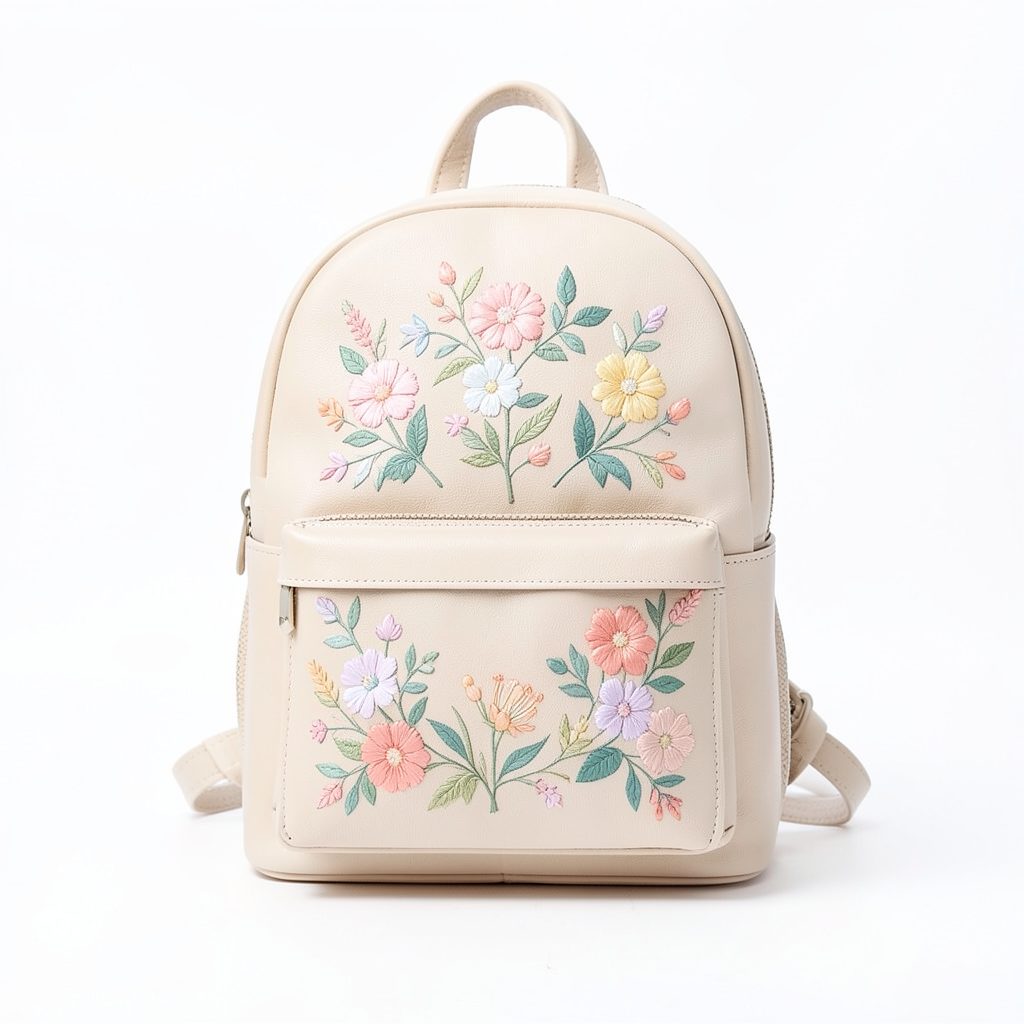
Australian shoppers can find solid options through local labels and global names stocked locally. Big retailers carry mid-range anti-theft backpacks, while specialty stores in Melbourne's CBD and Sydney's Paddington tend to focus on the boutique, design-led end of the market. If you are after something with a softer, more romantic feel, the floral embroidery backpack range from Travel Starter Pack offers a decorative take that still works as a secure day bag. For a different aesthetic altogether, La Ruina Gráfica leans into minimalist lines and rich colour palettes that pair well with a gallery outfit. Comparing a few styles side by side makes the final choice much easier.
| Feature | Crossbody Anti-Theft Bag | Anti-Theft Backpack | Vegan Leather Tote |
|---|---|---|---|
| Best For | Short crawls, 2–3 galleries | Full-day visits, travel days | Notebook carriers, lunch stops |
| Strap Style | Adjustable, padded crossbody | Padded dual straps, tuck-away | Top handles plus detachable crossbody |
| Key Security | Locking zipper, slash-resistant strap | Rear-facing zippers, hidden pocket | Zip closure, concealed back pocket |
| Capacity | Small (phone, cardholder, keys) | Medium (water bottle, jacket, book) | Medium-large (sketchbook, tablet) |
| Weight When Empty | 250–400 g | 600–900 g | 500–800 g |
| Vibe | Sleek, minimal, urban | Sporty, practical, technical | Polished, gallery-ready, soft |
| Approx. AUD Price Range | $90–$180 | $140–$260 | $110–$220 |
Picking a vegan leather bag for a museum crawl is a small but satisfying decision. The best option keeps your hands free, your valuables out of sight, and your conscience clear, all while looking quietly considered against a backdrop of contemporary art. Choose a silhouette that suits the length of your visit, prioritise real security features over buzzwords, and treat the material with a little care, and the bag will repay the investment over years of slow, satisfying gallery days. Head to Travel Starter Pack and find an anti-theft vegan leather bag built for the long, easy arvo you actually want.
Our Backpack Styles
Every backpack is crafted from premium vegan leather with thoughtful details — multiple pockets, removable straps, and colors that work with any wardrobe. Browse the lineup below.