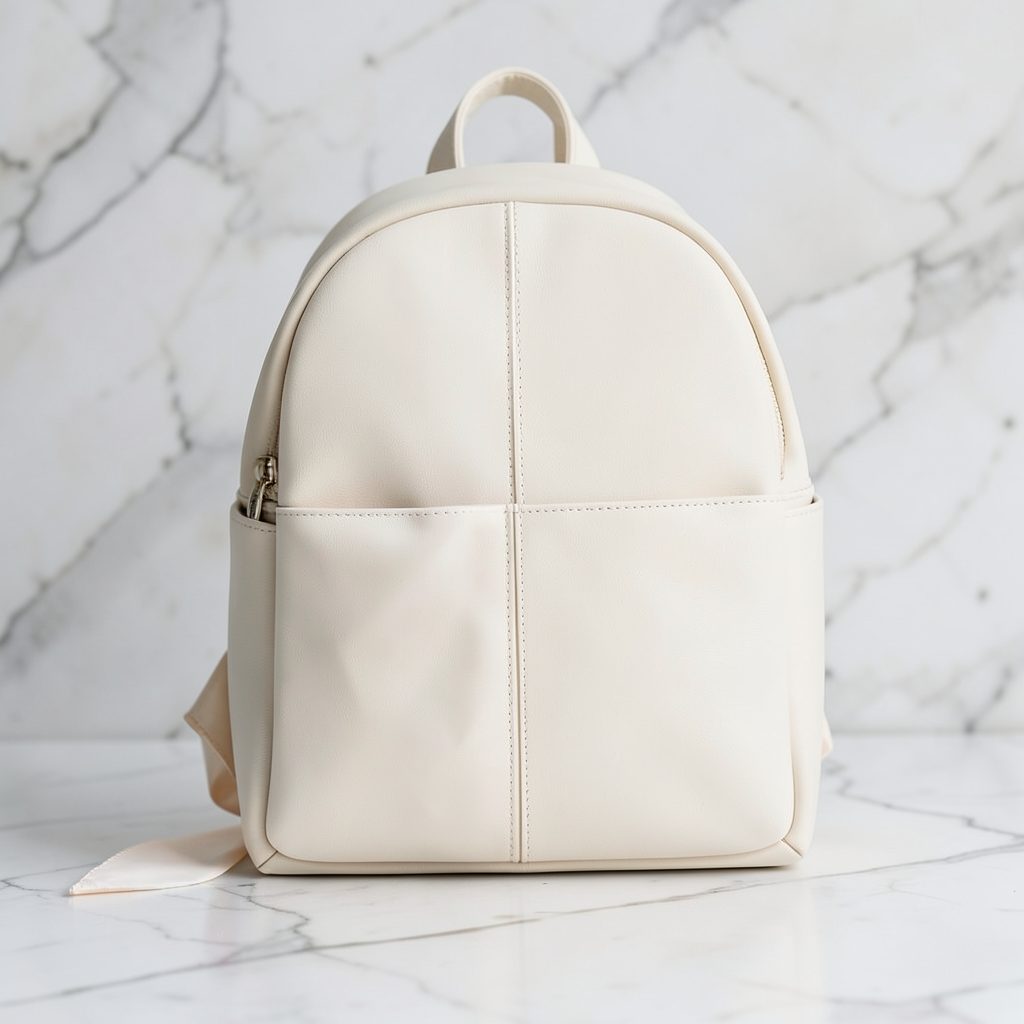
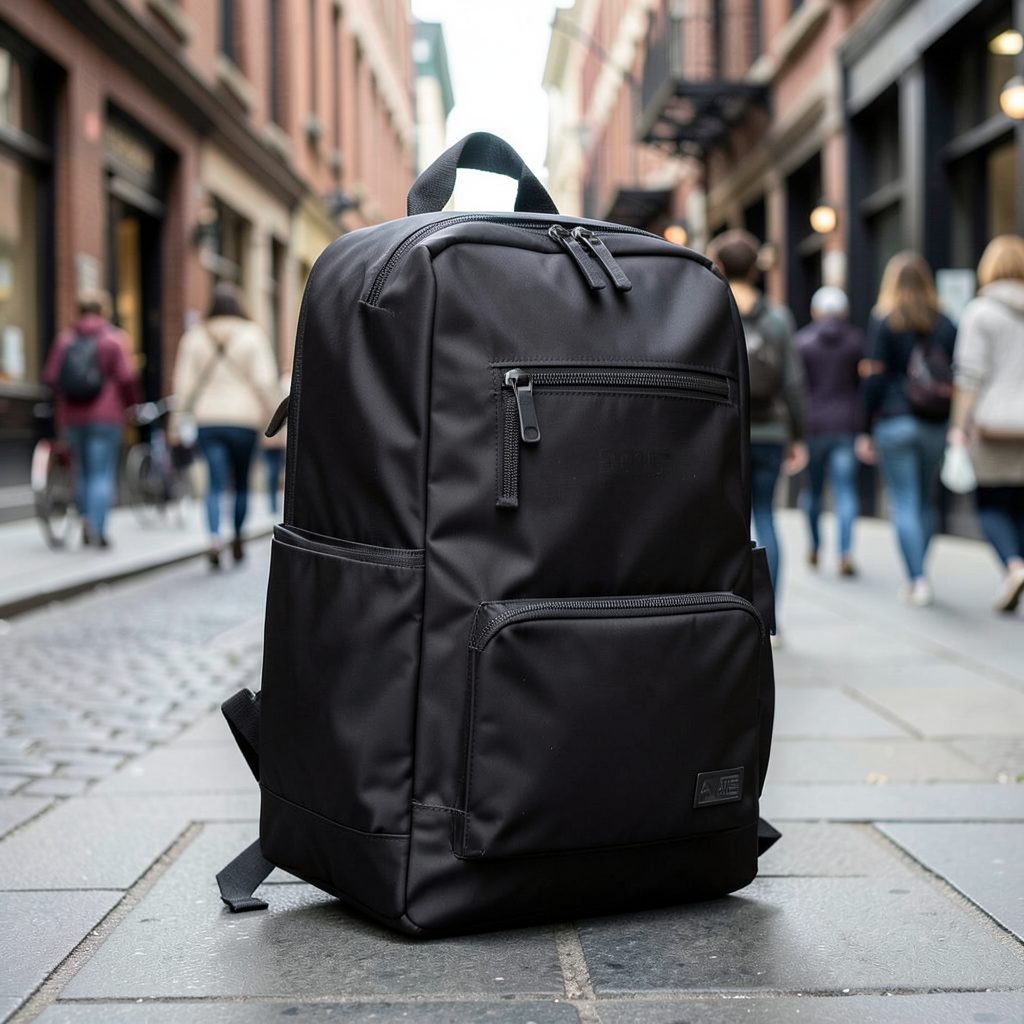
Caring For Your Vegan Leather Bag Interior While Travelling
A vegan leather bag can look polished through airport transfers, city walks and everyday errands, but its inside often works harder than its exterior. Sunglasses, chargers, snacks, receipts, sunscreen and water bottles can leave behind dust, oil, crumbs and moisture. A little regular care helps protect the lining and keeps the bag pleasant to use.
Interior maintenance matters even more when travelling around Australia. A bag carried through a humid Queensland afternoon may collect different moisture from one used on a cool Melbourne tram, while sand from Bondi or the Gold Coast can settle into seams and pockets. The right cleaning routine prevents small marks from becoming stubborn stains.
The lining may be made from fabric, polyester, cotton-blend material or another textile, depending on the design. Vegan leather itself can usually be wiped with a soft, lightly damp cloth, but the interior often needs gentler treatment. Treating every lining as washable or waterproof can cause dye transfer, shrinking, mould or water marks.
The best approach is simple: empty the bag often, remove dry debris before using moisture, test any cleaner in an unseen area and allow the lining to dry completely. These habits suit a backpack used on a long-haul flight, a crossbody worn through Sydney’s CBD or a tote packed for a weekend away.
Empty And Inspect The Bag Before Cleaning
Start by taking everything out of every compartment, including zipped pockets and narrow sleeves. Small items such as coins, lip balm caps and ticket stubs can hide in corners and create pressure marks. Turn the bag upside down over a clean towel and give it a few gentle shakes to loosen crumbs, sand and grit.
Use a soft brush, clean makeup brush or handheld vacuum on its lowest setting to lift dry dirt. Avoid forcing a vacuum nozzle into the lining because strong suction can pull at loose threads. A soft brush is especially useful for backpacks with deep compartments where snack crumbs and beach sand tend to collect.
Once the loose debris is gone, inspect the lining under good light. Look for damp patches, makeup marks, pen ink, oily areas and fraying around the seams. If the lining feels wet after being exposed to a leaking bottle or sudden rain, deal with the moisture first rather than rubbing the mark deeper into the fabric.
Remove detachable organisers, pouches and key clips if the design allows it. Cleaning these separately makes it easier to reach the base of the bag. Keep track of small parts while travelling; placing them in a labelled zip pouch can prevent a useful key strap or luggage tag from being left behind in a hotel room.
Match The Cleaning Method To The Lining
For routine dust and light marks, use a barely damp microfibre cloth with lukewarm water. Wring the cloth thoroughly so it feels damp rather than wet, then dab or wipe gently from the outside of the mark towards the centre. This limits spreading and reduces the amount of moisture absorbed by the fabric.
A tiny amount of mild, fragrance-free soap can help with a greasy mark, but dilute it well. Apply the solution to the cloth, never pour it directly into the bag, and test it on a hidden section first. Harsh detergents, bleach, alcohol-based sprays and strong stain removers can fade coloured lining or weaken printed patterns.
Ink and cosmetics need extra restraint. Blot fresh liquid with a clean white cloth instead of scrubbing. Rubbing can spread pigment through the fibres and may create a pale, worn patch. If a mark does not lift with gentle dabbing, it is safer to stop than to keep adding products that could permanently change the lining.
Avoid soaking the bag or putting it in a washing machine unless the care instructions specifically permit it. Water can travel between the lining and vegan leather panels, leaving an unpleasant smell or causing the structure to lose its shape. The same caution applies to hairdryers, clothes dryers and direct heaters, which can dry materials unevenly.
Dry The Interior Without Damaging Its Shape
After spot cleaning, open all zips and compartments so air can circulate. Stand the bag upright or place it on a clean towel in a shaded, well-ventilated room. In Australia’s warmer regions, it may be tempting to leave the bag in direct sun, but strong heat can fade the lining and make vegan leather feel stiff.
Gently press a dry towel against damp areas to absorb excess moisture. Do not twist, wring or sharply fold the bag. If the base has softened, fill the interior loosely with white tissue paper or clean, colourfast towels to help it hold its shape while drying. Avoid newspaper, as ink can transfer to pale fabric.
Humidity deserves attention after coastal trips or tropical travel. A bag stored while even slightly damp can develop a musty odour, especially inside a closed wardrobe or suitcase. Let it air fully before packing it away, and never seal it in a plastic bag while moisture remains.
For a stale smell, ventilation is the first step. Once the lining is dry, a small breathable pouch of bicarbonate of soda can be placed inside overnight, provided it cannot spill. Do not sprinkle powder directly into the bag, as fine particles may settle into seams and become difficult to remove.
Prevent Spills During Australian Travel
Prevention is easier than stain removal, particularly when a bag is used on long days out. Keep sunscreen, hand sanitiser, cosmetics and snacks in separate washable pouches. A reusable bottle should stand upright in a secure sleeve, and its lid should be checked after filling. This is useful when moving between Sydney Airport, a train platform and a hotel without time to inspect the contents.
Australian travel can involve sudden changes in conditions. A morning in Melbourne may begin cool, then turn warm during a long walk between cafés and galleries. A tropical downpour in Cairns or Darwin can arrive quickly. Keep the bag under a rain cover or inside a larger protective tote when needed, and dry it as soon as you arrive indoors.
Sand is another everyday source of interior wear. After a beach visit near Perth, Byron Bay or the Sunshine Coast, empty the bag outside and brush it before bringing it into the car or accommodation. Fine grains can work into seams and act like abrasive dust when items move around inside the compartments.
A bag used for commuting should also be reset before a holiday. The guide on switching from commute to holiday offers useful ideas for changing what you carry, which also reduces the clutter and spill risks that affect the lining.
Organise Contents To Reduce Interior Wear
An organised interior protects the lining from sharp edges, leaking containers and constant friction. Use soft pouches for cables, medication, cosmetics and small personal items. Place pens in a capped case rather than loose in a pocket, and keep keys attached to an internal clip if the bag has one.
Do not overfill every compartment. Excessive weight stretches seams and makes the lining rub against zips, buckles and the corners of packed objects. It can also make cleaning harder because the lining stays compressed and cannot air properly. A little room between items helps the bag keep its form.
Choose pouches in light or neutral colours when possible, especially inside a pale-lined bag. Dark fabrics can transfer colour when damp or exposed to heat. Soft organisers are generally preferable to rigid plastic cases, which may press against the lining during travel.
A crossbody bag can be particularly useful when navigating crowded terminals because it keeps essentials close and leaves both hands available. For practical airport packing ideas, see this guide to hands-free airport navigation. Keeping the contents compact also makes it easier to spot and remove debris each evening.
Travel-Day Cleaning Kit
A compact care kit lets you handle small spills without carrying a full set of household products. Pack only clean, travel-sized essentials, and keep them in a sealed pouch so they cannot leak into the bag they are meant to protect.
Useful items for a simple interior-care kit:
- A white microfibre cloth for blotting and gentle wiping
- A small soft brush for crumbs and beach sand
- A few unscented tissues or absorbent paper towels
- A leak-resistant pouch for toiletries and cleaning items
Some products are too aggressive for delicate linings or vegan leather surfaces. Avoid experimenting in a hotel room with a product that has not been tested, particularly when the bag has a dark exterior and a light interior.
Keep these products away from the lining:
- Bleach, acetone and concentrated disinfectants
- Rough sponges, stiff brushes and abrasive powders
- Perfume or essential oils applied directly to fabric
- Excess water, steam and high heat
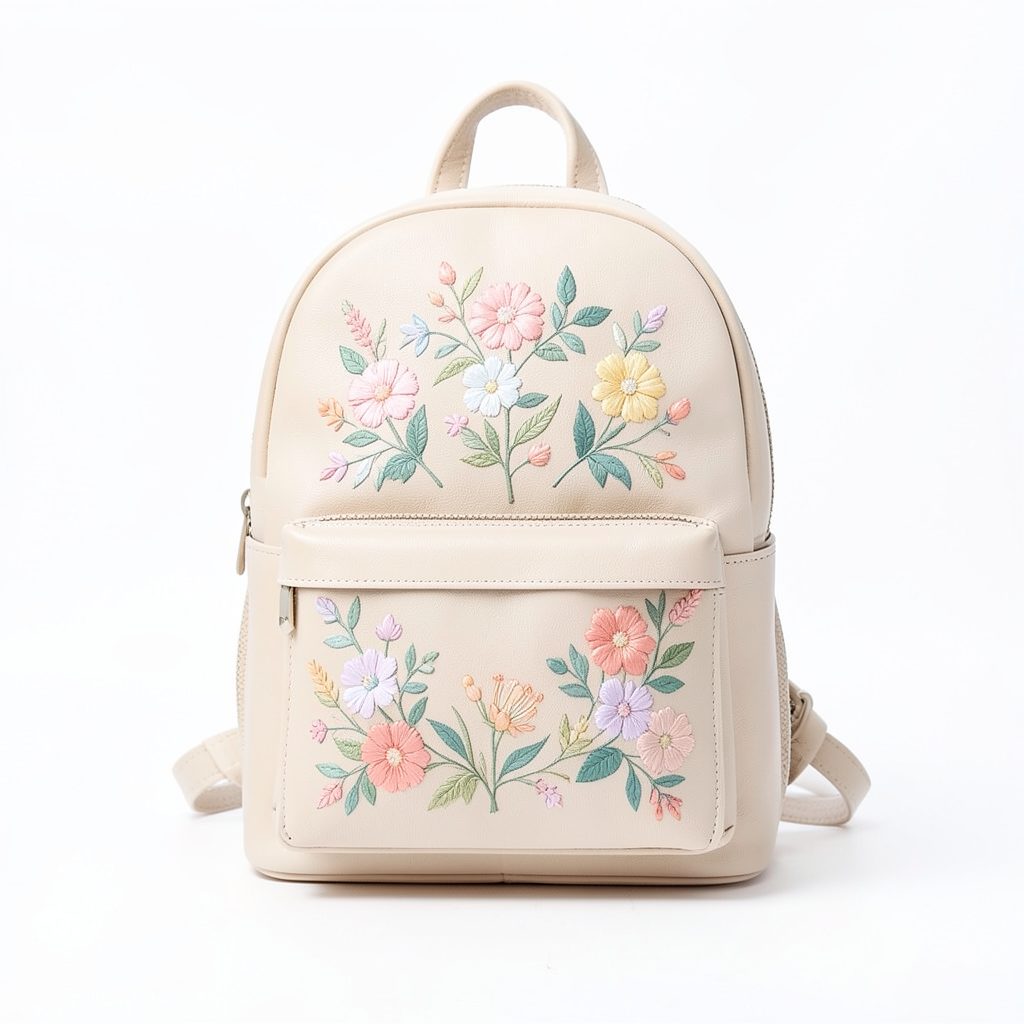
For a distinctive design that needs thoughtful day-to-day protection, a floral embroidery backpack can be paired with small internal pouches to prevent pens, cosmetics and metal objects from catching on decorative details. Check embroidered areas separately and avoid pulling loose threads while brushing out dust.
Store The Bag Clean And Ready
Before storing a vegan leather bag between trips, empty it completely and perform a quick interior inspection. Remove receipts, food wrappers and used tissues, then wipe away any visible marks. Even a small crumb can attract insects or develop an odour when left in a warm cupboard.
Store the bag upright or supported in its natural shape, away from direct sunlight and damp walls. If it has a detachable strap, leave it attached loosely or store it beside the bag rather than bending it sharply. Avoid stacking heavy luggage on top, as pressure can flatten the structure and crease the lining.
A breathable fabric dust bag is preferable to an airtight plastic cover. Give the bag space around its sides, particularly in humid homes or coastal areas. Open it occasionally during long storage periods so stale air does not remain trapped inside.
Make interior care part of your travel rhythm: empty the bag after returning from the airport, brush out sand after a beach day and deal with spills before they dry. With gentle products, sensible organisation and complete drying, the lining can stay fresh through regular commuting, domestic flights and longer overseas journeys. Browse Travel Starter Pack’s animal-free bags and accessories, then choose a design suited to your next Australian adventure and care for it from the first kilometre.
Our Backpack Styles
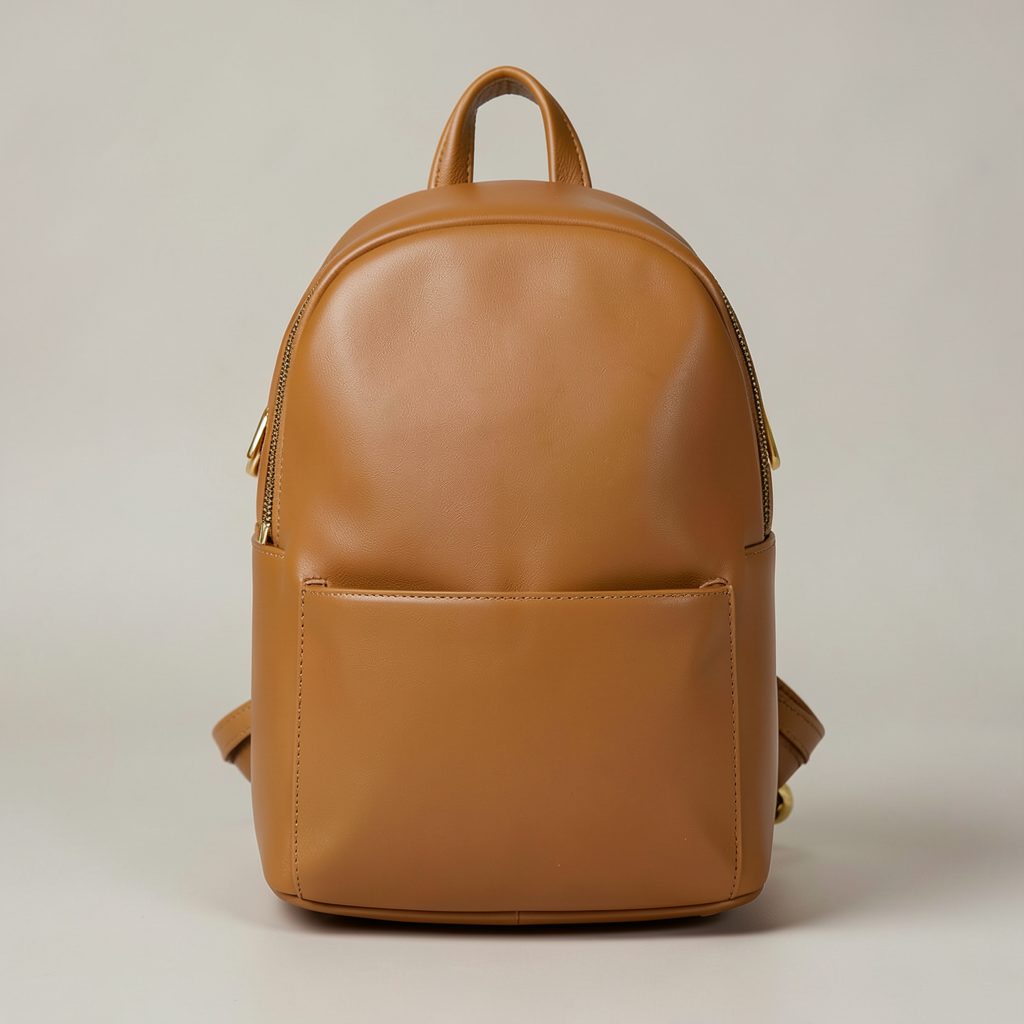
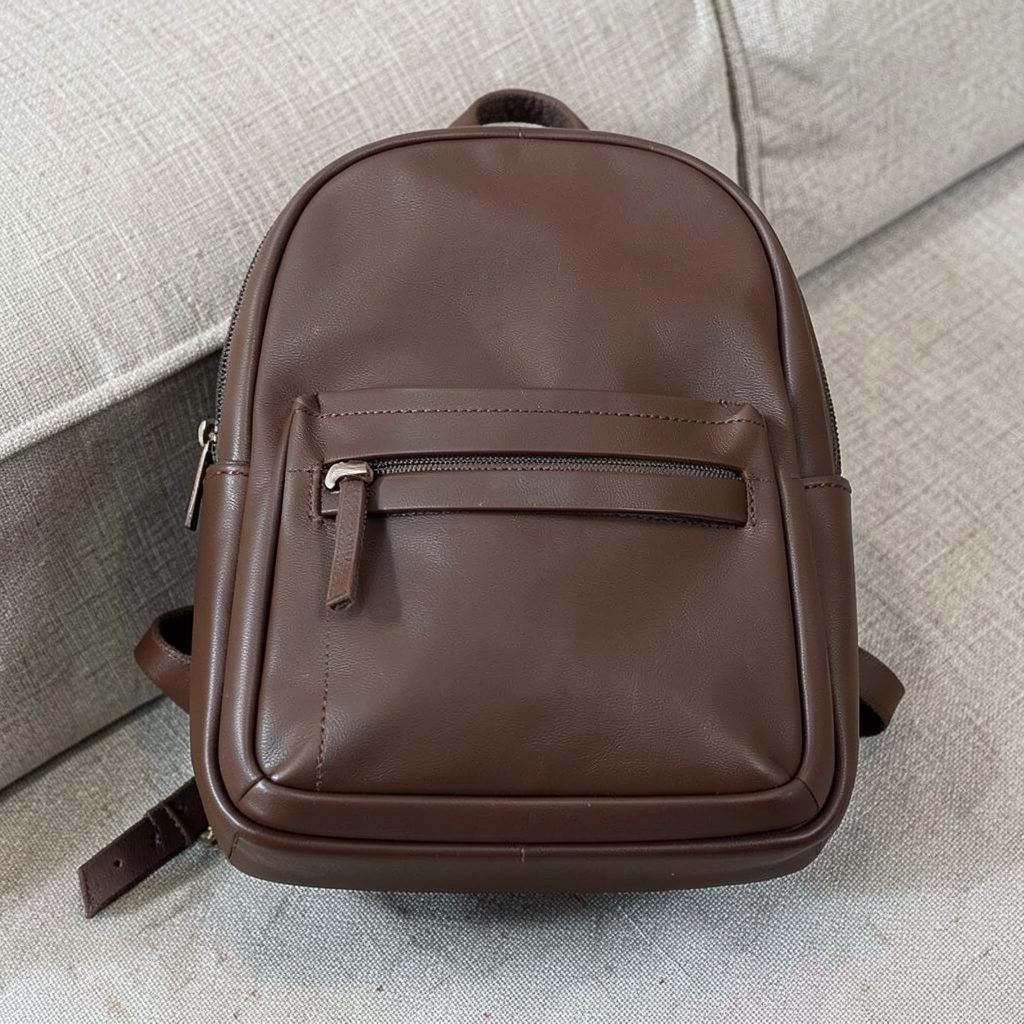
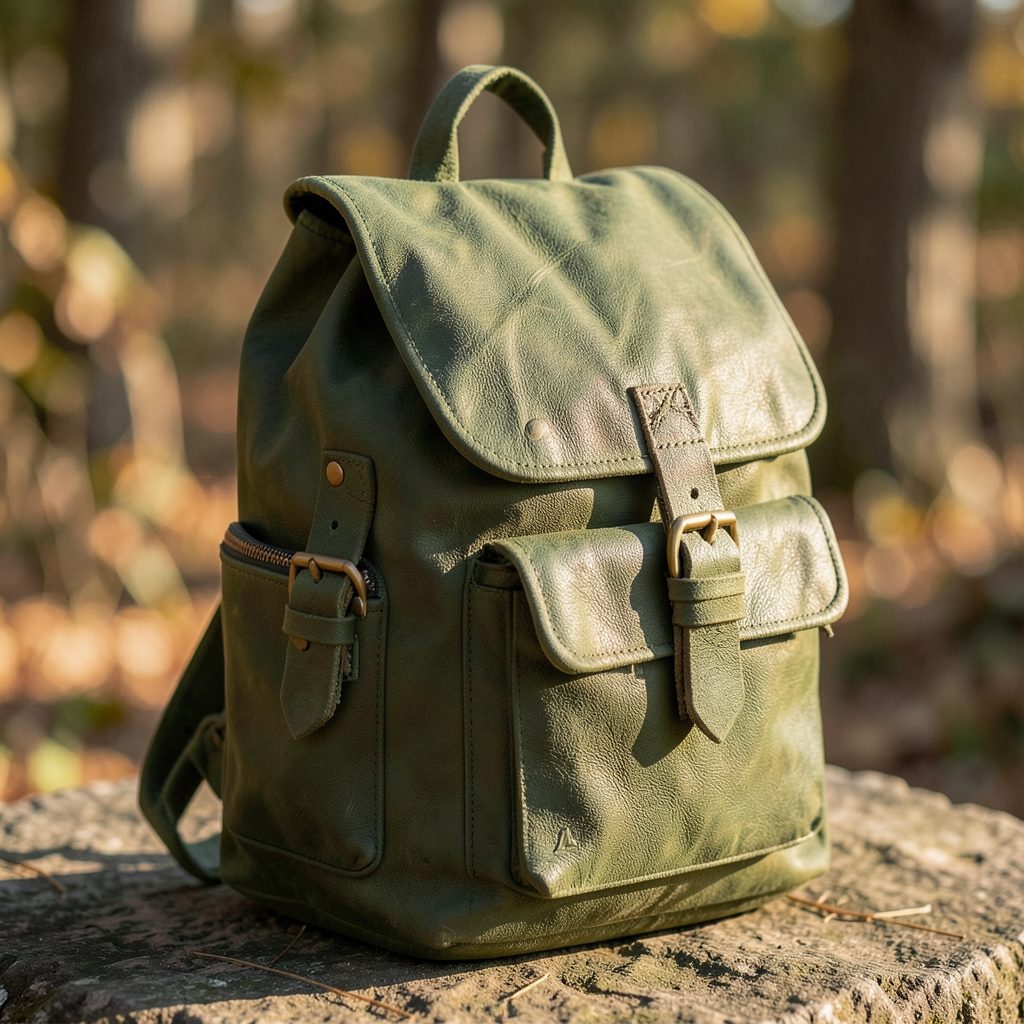
Every backpack is crafted from premium vegan leather with thoughtful details — multiple pockets, removable straps, and colors that work with any wardrobe. Browse the lineup below.