The best vegan leather bag for a cooking class abroad
A hands-on cooking class asks more of a bag than a sightseeing day. You may need to carry a phone, transit card, wallet, water bottle, tissues, sunscreen and a few personal items while keeping your hands free for chopping, stirring and tasting. Your bag should also survive crowded markets, café tables and unfamiliar kitchen benches.
Travel Starter Pack sells vegan leather backpacks, crossbody bags, totes, wallets and accessories designed for travel and everyday use. Its animal-free materials, durable construction, free worldwide shipping and order tracking suit Australian travellers heading overseas for a culinary experience.
Finding the best vegan leather bag for a cooking class abroad comes down to three qualities: easy cleaning, comfortable hands-free carrying and enough security for your valuables. The most photogenic option may not be the most practical one, so consider where the class happens before choosing your bag.
Start with the demands of the cooking class
Begin by imagining the room where you will learn. Some classes take place in a professional kitchen with hooks, shelves and limited bench space. Others meet at a market stall, in a family kitchen or around a communal table. A compact bag that can sit beside your chair will work better than a large tote that occupies an entire workstation.
Your essentials should be lightweight and divided into small groups. Keep your phone and passport in a zipped compartment, place transit money in an inner pocket, and carry a reusable bottle in an external holder if the design allows it. A small pouch for a damp cloth or wet wipes is useful, but protect the main lining from leaks.
Comfort becomes especially important when a class includes a market tour before cooking. You might spend several hours standing, walking and carrying ingredients. Look for a bag that sits close to the body, distributes weight evenly and does not pull sideways when your shoulders move. Also check whether the strap can be adjusted while wearing bulky clothing.
Match the shape to your movement
A crossbody bag is usually the strongest all-round choice for a cooking class abroad. Its diagonal strap leaves both hands available, while the compact body keeps it from swinging into hot pans or knocking over utensils. Choose a wide, well-padded strap if you will carry the bag for long periods. This wide-strap comfort guide explains how strap width can reduce pressure during extended sightseeing.
The crossbody should still feel secure in a busy place. A zip that opens towards your back, a flap that fully covers the main compartment and adjustable hardware that will not slip give you useful protection. A slightly structured shape also prevents the bag from collapsing when you reach into it for your phone.
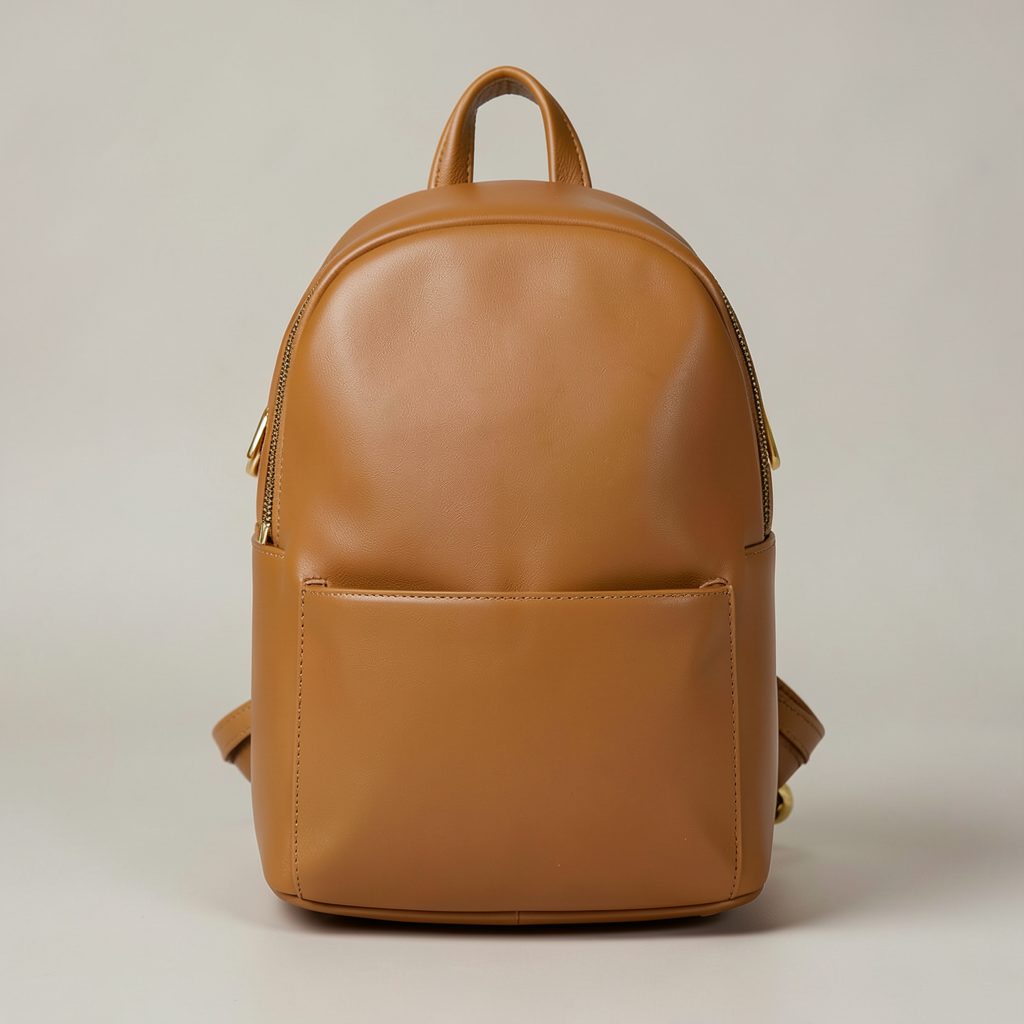
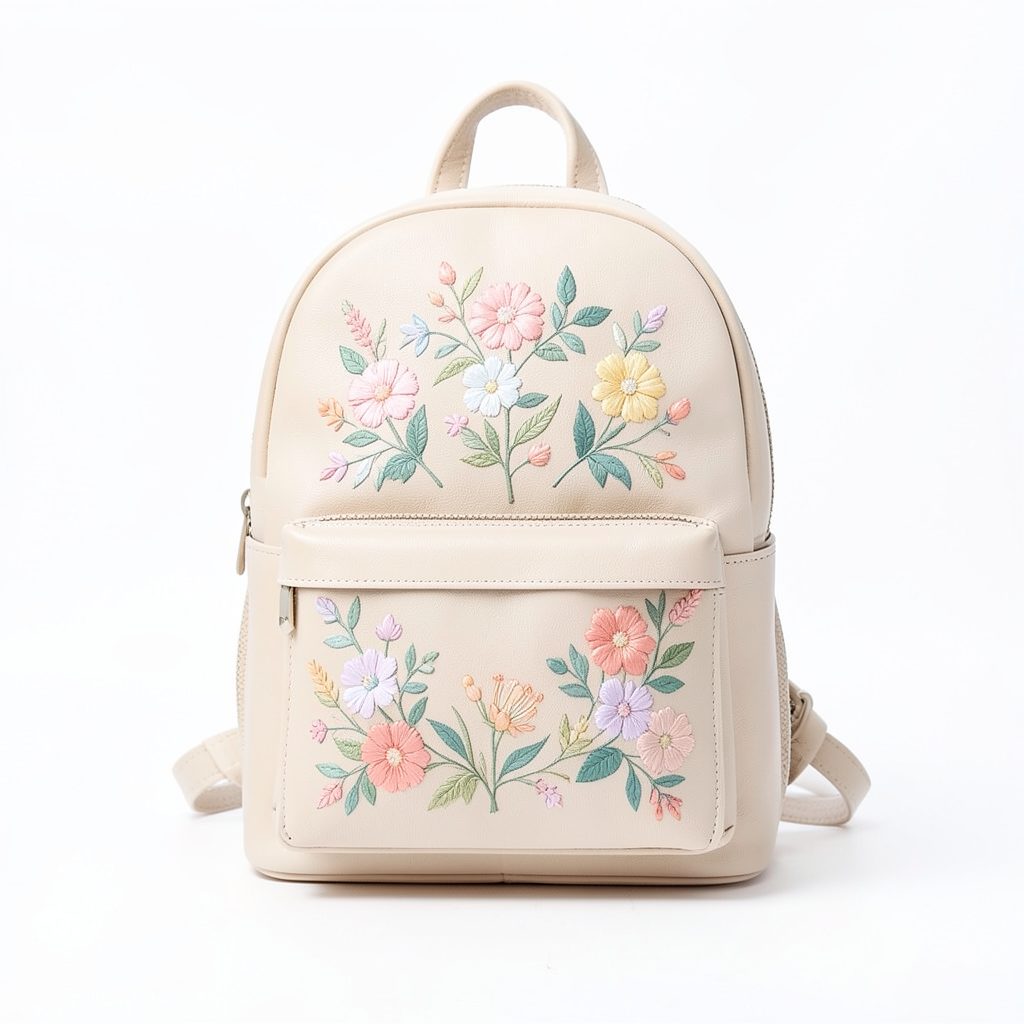
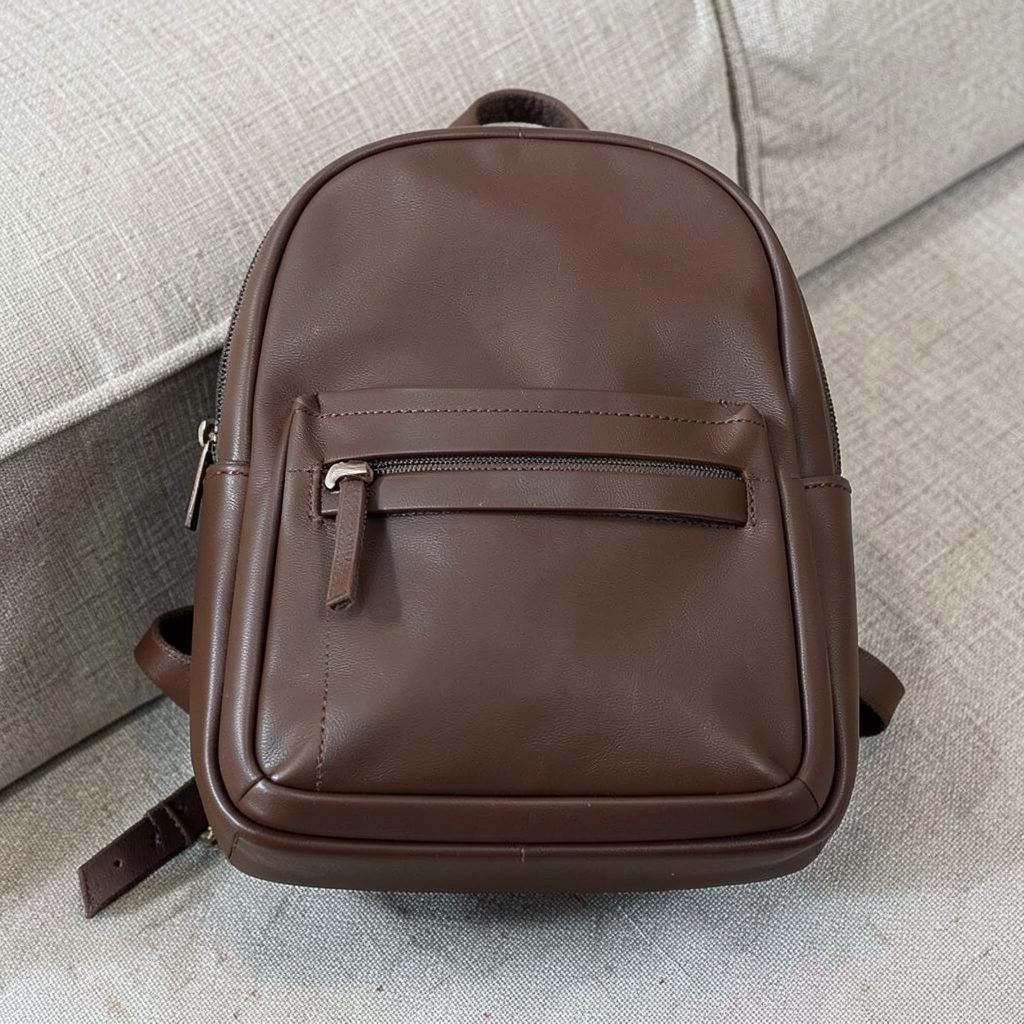
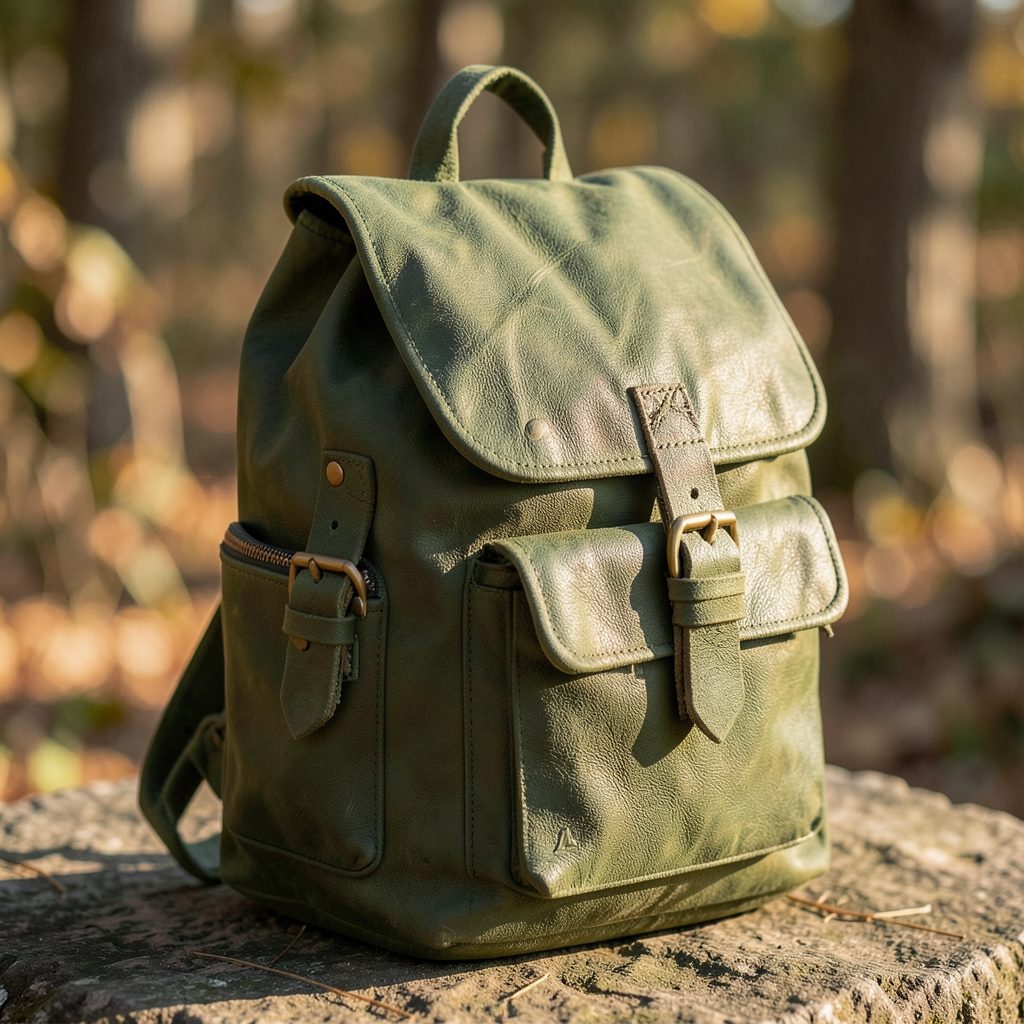
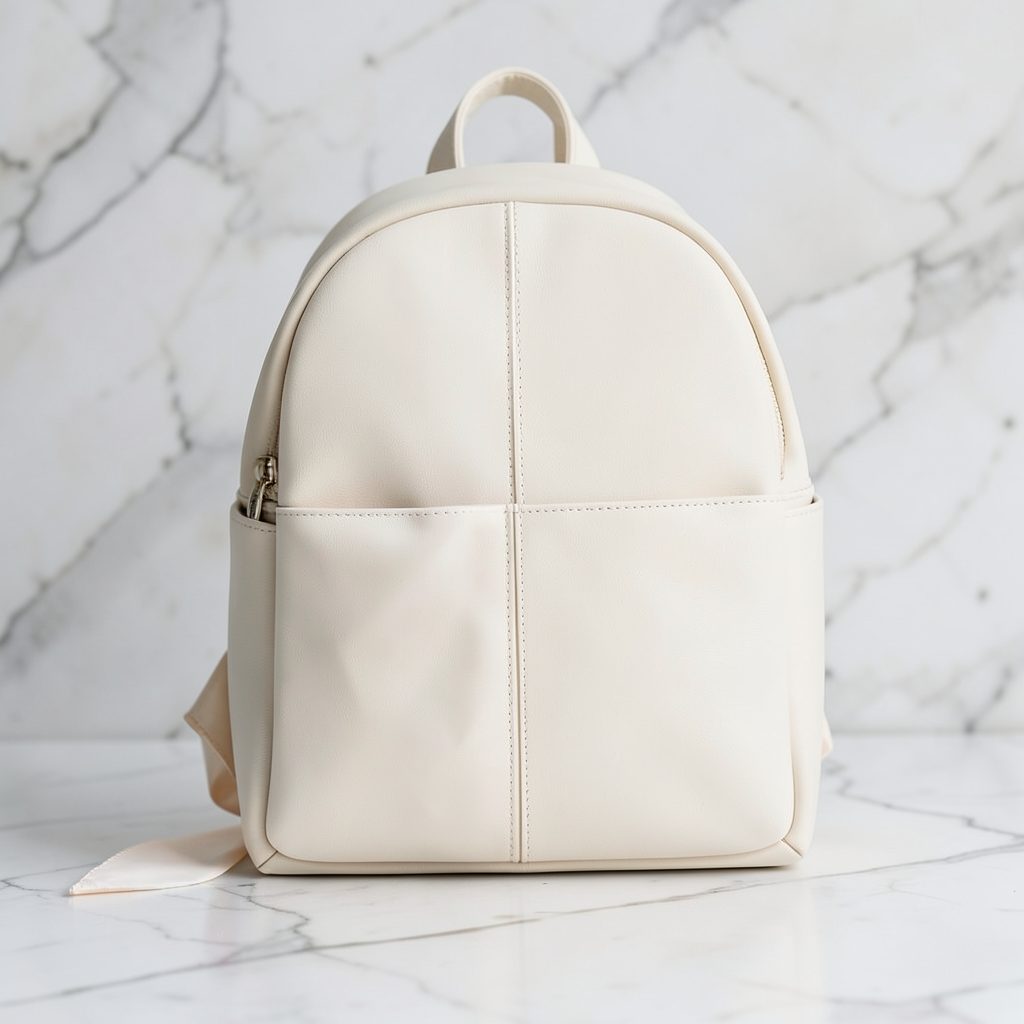
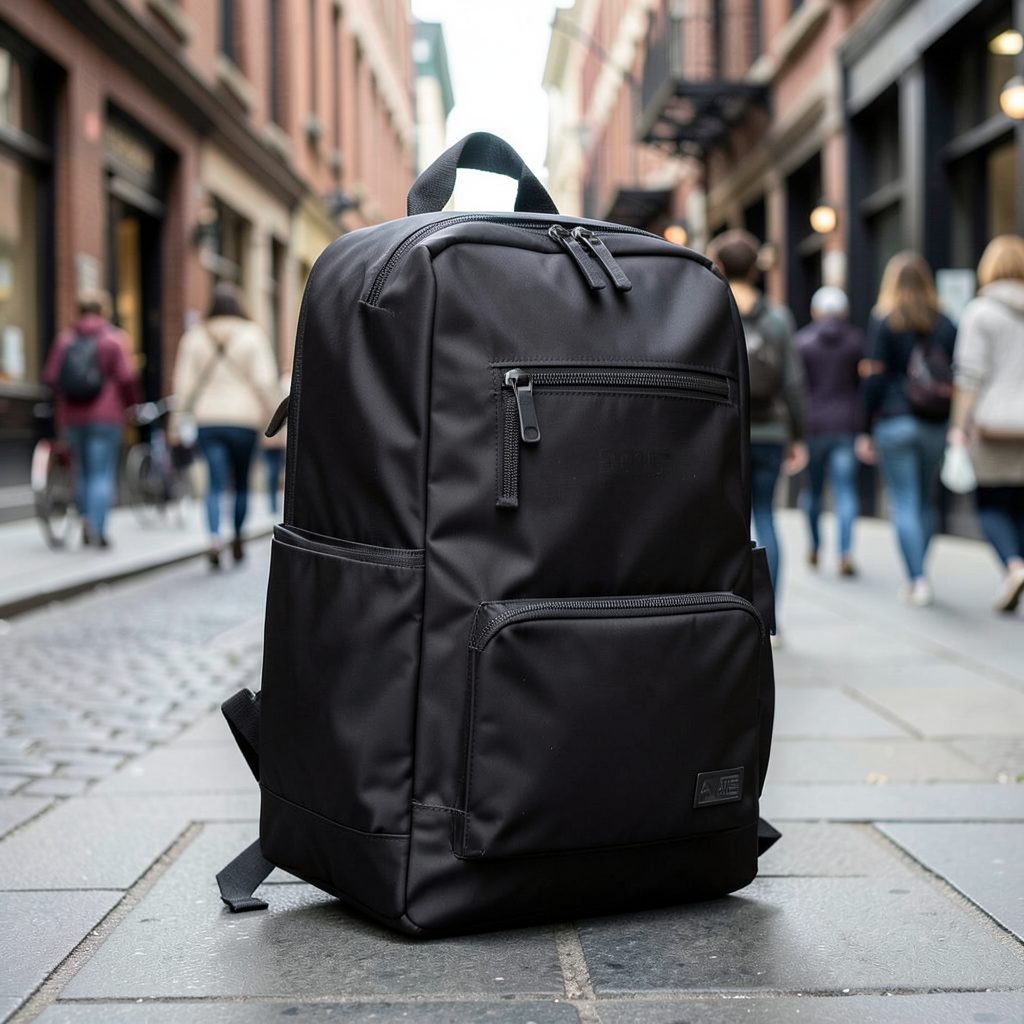
A compact backpack offers another good balance of capacity and security. It is harder to steal from than an open tote, and many models include several organised pockets. The trade-off is bulk: wear it on both shoulders, place it on the floor beneath your chair rather than hanging it from a kitchen hook, and remove valuables before taking photos. It is better suited to longer classes or itineraries that combine cooking with several days of travel.
Tote bags are comfortable for short walks but offer less protection for passports and wallets. They can also slide off a café chair or press against your leg while sitting at a workbench. If you prefer a tote, select one with a full-width zip, a shorter handle and a detachable crossbody strap. This gives you flexibility without committing to a single carrying method.
Choose materials that handle heat, spills and scratches
Vegan leather is not one uniform material. Some products use polyurethane, PVC or another synthetic coating, often over a fabric or recycled-plastic backing. Animal-free does not automatically mean environmentally superior, so read the product description for information about recycled content, coatings, lining materials and expected lifespan.
For a cooking class, a smooth or lightly textured exterior is easier to wipe than a deeply porous one. Check that seams are sealed and that zips can close fully. A pale bag can show cooking stains quickly, while a darker shade is forgiving if a splash reaches the surface. Colour is less important than cleanability, although a versatile design also suits the rest of your trip.
Fine scratches are common on travel bags, particularly around corners and strap anchors. Do not apply an ordinary leather conditioner without checking the care instructions, as the wrong product may leave a sticky residue. This scratch care guide provides practical ways to inspect and treat minor damage.
Odour and moisture deserve attention too. Synthetic leather can trap smells after a flight or a busy market, while spilled water may reach the lining. Empty the bag at the end of each day, wipe the exterior with a damp cloth, air it away from direct heat and never place it on a warm radiator. Use a waterproof pouch for liquids, and allow damp items to dry before closing the bag.
Plan around familiar Australian routines before leaving
Australian kitchens and travel habits can shape what you pack. Recipes at home often use Celsius temperatures and metric measurements, while overseas classes may specify Fahrenheit, cups or grams. Download the ingredient list before departure and clarify whether the school provides equipment, ingredients, aprons and printed recipes. A lightweight laptop can be handy for organising notes; this portable 2K setup offers one way to review class information with a clear screen.
Local places can also provide useful inspiration for your itinerary. Melbourne’s Queen Victoria Market, South Melbourne Market and the city’s renowned dining culture attract travellers who want to learn from specialists. Sydney offers classes around the Royal Botanic Garden, Circular Quay and respected neighbourhood restaurants. Choose a class with a market component, but plan to leave passports, excess cash and jewellery at your accommodation.
Getting around Australian cities may feel familiar if your class is overseas. Sydney travellers use Opal cards or contactless payments, while Melbourne relies on Myki cards and its extensive tram network. Australian roads keep to the left, so check walking directions carefully when visiting a market. Bring a reusable water bottle, secure it inside your bag and use a slim section for sunscreen during the often intense Australian summer.
Shopping and pricing follow familiar conventions too. Australian retail prices generally include 10% GST, and online promotions often advertise the final payable amount. Before buying a bag, compare its AUD price with the seller’s currency, card conversion fee, delivery charge and return policy. Low-cost flights can make an impulse purchase seem worthwhile, yet a durable bag that survives several trips may offer better value.
Australian speech is usually easy for overseas travellers to understand, although local shorthand adds character. “Arvo” means afternoon, “brekkie” means breakfast and “no worries” signals a relaxed response. In a kitchen, polite requests work well: ask where to place your bag, whether ingredients need washing beforehand and how long the recipe should rest. A small notebook or phone note can preserve those answers after the class.
Compare the most useful bag styles
The right choice depends on your itinerary as well as the lesson. A short class in one city may need little more than a crossbody, while a food-focused trip involving markets and regional travel benefits from a compact backpack. Consider the length of your walks, the climate and whether you will carry anything fragile.
Use this comparison to narrow the options:
| Bag style | Best use | Carrying comfort | Food-class strengths | Main limitation |
|---|---|---|---|---|
| Compact crossbody | Classes, markets and short sightseeing | Hands-free with a wide adjustable strap | Easy to place beside a chair, keeps essentials organised | Less capacity for bulky clothing or bottles |
| Small backpack | Multi-day trips and longer classes | Balanced when worn on both shoulders | High security, useful inner compartments, hands-free access | Takes up space and must be kept off the floor |
| Structured tote | Casual cafés and short urban walks | Comfortable with a short handle | Good for a notebook, jacket and market purchases | Open tops and swinging handles reduce security |
| Convertible bag | Mixed city and outdoor travel | Adaptable as a crossbody or shoulder bag | Fits different outfits and carrying preferences | Adjustable parts need regular checking |
| Slim wallet or accessory pouch | Ingredients, transit cards and small tools | Light and unobtrusive | Useful for separating wet or sharp items | Not suitable as the main travel bag |
Make a choice built for the class and journey
Choose based on the longest part of your day rather than the shortest. If most of your time is spent standing in a kitchen, select a compact crossbody or small backpack with a wipeable exterior, secure zips and a comfortable strap. Keep one empty inner pocket available for a folded shopping list or damp cloth.
Travel Starter Pack provides vegan leather bags and accessories in styles suited to backpacks, crossbody use, everyday carrying and organised storage. Compare the dimensions against the items you already own, read the care guidance and check the colour against your travel wardrobe. Sale pieces, new arrivals and newsletter updates can help you monitor changes to the collection without rushing into the wrong size.
Once your bag arrives, test it with your actual packing list. Wear it for an hour around the house, adjust the strap and check access to every pocket. Add the contact details for your accommodation and class, place a small towel in a waterproof pouch and remove anything that could leak, stain or bump against the work area. Then browse the available vegan leather collection, choose the bag suited to your cooking class, and travel ready to learn, taste and explore.
Our Backpack Styles
Every backpack is crafted from premium vegan leather with thoughtful details — multiple pockets, removable straps, and colors that work with any wardrobe. Browse the lineup below.