How to Care for Scratched Vegan Leather Bags
A scratch on a favorite bag can be frustrating, especially when the surface is designed to look smooth and polished. The good news is that many marks on vegan leather are superficial scuffs rather than permanent damage. With a calm response, gentle cleaning, and the right repair method, you can often make the surface look much better without damaging the finish.
Vegan leather is usually made from a fabric base covered with a synthetic coating such as polyurethane or PVC. This animal-free material is practical, lightweight, and available in many textures and colors, but its outer layer still needs careful handling. Harsh products, rough scrubbing, and excessive heat can turn a small scratch into peeling, discoloration, or cracking.
The best approach is to identify the type of mark before treating it. A faint white line, a transfer from another object, a deep cut, and a patch of flaking material may all look similar at first, yet they require very different care. The steps below help protect the bag while giving minor surface damage the best chance of improving.
Understand the type of surface damage
A light scuff usually affects the appearance of the coating without breaking through it. It may look like a gray, pale, or shiny line and can sometimes be reduced with a soft cloth. Color transfer from denim, dark packaging, or another bag may sit on top of the finish and respond to gentle cleaning rather than repair.
A scratch that catches on your fingernail is more significant. If the mark reveals a lighter layer beneath the surface, the coating has been cut or worn away. Cleaning may remove surrounding dirt, but it cannot rebuild missing material. Deep cuts, punctures, and areas that are beginning to peel need a different strategy.
Material quality and finish also influence the result. Matte vegan leather can show rubbing more clearly than a textured surface, while glossy finishes may develop visible streaks from over-polishing. Before starting, check the care information supplied with the bag. A structured tote used for travel, such as one featured in this vegan leather packing guide, may experience contact with seats, luggage racks, and overhead compartments, so early treatment is especially useful.
Start with gentle cleaning
Empty the bag and remove dust with a clean, dry microfiber cloth. Use light strokes instead of rubbing back and forth with pressure. Grit trapped between the cloth and the coating can create additional abrasions, so shaking out the bag and checking seams, pockets, and corners first is worthwhile.
For a small surface mark, dampen a separate microfiber cloth with lukewarm water and wring it out thoroughly. The cloth should feel barely damp, never wet. Wipe the affected area with short, gentle movements, then remove moisture with a dry cloth. A clean white cloth is preferable because colored fabric can transfer dye to pale vegan leather.
If water alone does not lift the mark, add a tiny amount of mild, fragrance-free soap to the water. Avoid applying soap directly to the bag. Work on a small section, then wipe away any residue with another barely damp cloth. Allow the bag to dry naturally at room temperature, away from radiators, hair dryers, heated car interiors, and direct sunlight.
The tassel bucket bag is an example of a style with decorative details and shaped construction that benefits from this controlled approach. Keep moisture away from tassels, lining, hardware, and drawstring areas whenever possible, and do not saturate the material in an effort to remove one stubborn mark.
Match the remedy to the scratch
Once the bag is clean and dry, inspect the mark under good natural light. Do not begin with a strong product simply because the scratch is visible. Start with the least aggressive option and stop as soon as the appearance improves. Repeated treatment can create a larger dull patch around the original damage.
| What you see | Likely problem | Safest first step | Avoid |
|---|---|---|---|
| Pale line that does not catch | Surface scuff or rubbed finish | Buff lightly with a dry microfiber cloth | Vigorous polishing |
| Dark or colored smear | Transfer from another material | Use diluted mild soap and lukewarm water | Bleach or alcohol |
| Mark that catches on a nail | Cut or gouge in the coating | Clean, dry, and assess its depth | Scraping the edges |
| Small area of lost color | Exposed underlayer | Consider a compatible color repair product | Permanent marker |
| Bubbling, cracking, or peeling | Coating failure | Stop rubbing and protect the area | Heat, oils, and adhesive tape |
A dry cloth may be enough for a superficial scuff because gentle buffing can redistribute a small amount of surface residue. Keep the pressure light and limit the number of passes. If the finish becomes shinier than the surrounding material, stop; an uneven sheen can be more noticeable than the original mark.
For a colored scratch, a specialist vinyl or faux-leather repair cream may help, but compatibility matters. Test the product on an inconspicuous area first, such as beneath a flap or inside a strap attachment. Follow the product instructions and use a cotton swab or fine applicator rather than spreading a large amount over the whole panel.
Avoid products that cause more harm
Household cleaning products are often too aggressive for synthetic coatings. Nail polish remover, acetone, bleach, disinfectant, glass cleaner, and concentrated alcohol can dissolve or dull the outer layer. Even products marketed as universal cleaners may contain solvents that leave a sticky, cloudy, or faded patch.
Oil-based treatments require equal caution. Coconut oil, olive oil, petroleum jelly, and furniture polish may temporarily make a scratch look less obvious by adding shine, but they can attract dust and alter the texture. On some vegan leather finishes, oils cause darkening, tackiness, or long-term breakdown.
Melamine sponges and abrasive pads should also stay away from the bag. Their fine abrasive action may remove the scratch and the surrounding finish at the same time. Toothbrushes, rough towels, and stiff shoe brushes can create lines that are harder to repair than the original blemish.
Do not use a household iron, hair dryer, or heat gun to soften or reshape scratched vegan leather. Heat can warp synthetic material, loosen adhesives, and accelerate cracking. If the bag has become misshapen, fill it loosely with clean tissue paper and let it rest at room temperature rather than trying to force the coating back into place.
Handle deep scratches and peeling carefully
A deep scratch should be cleaned gently, then left alone while you decide whether a cosmetic repair is worthwhile. Do not pull at loose edges or trim away peeling sections with scissors unless you are experienced with bag repair. Removing a small flap can make the damage spread and may expose the fabric base to moisture.
Color-matching repair kits made for vinyl or synthetic leather can work on small gouges, particularly on smooth, solid-colored bags. They usually involve cleaning the area, applying a thin filler or compound, allowing it to dry, and adding compatible color in several light layers. The goal is to blend the mark, not create a thick raised patch.
Professional repair may be the better choice when the bag is valuable, the damage is on a prominent panel, or the coating is cracking in several places. A specialist can sometimes replace a panel, recolor the surface, reinforce a torn edge, or repair stitching at the same time. Ask what material the repairer uses and whether the finish will remain flexible after treatment.
Peeling over a large area often indicates that the coating is aging or separating from its backing rather than suffering from one isolated scratch. A cream or conditioner cannot reverse that process. In this situation, careful use and professional assessment are more realistic than repeated home treatments that may hide the damage briefly while weakening the surface further.
Build a simple care routine
Regular maintenance reduces the amount of dirt and friction that can make small scratches more visible. Keep the bag away from rough concrete, unfinished wood, sharp luggage hardware, and abrasive clothing accessories. When placing it under an airplane seat or in a car, position smooth panels away from zippers, buckles, and textured surfaces.
A practical routine can be simple:
- Wipe away dust with a dry microfiber cloth every few uses.
- Treat spills promptly with a barely damp cloth and mild soap when needed.
- Store the bag upright or supported with clean tissue paper so it does not crease.
- Keep pens, keys, chargers, and other sharp objects in separate pouches.
- Apply any specialized conditioner or repair product only after checking material compatibility.
Travel conditions deserve extra attention. Sand can act like fine grit, salt water can leave a drying residue, and sunscreen may create oily stains. After a beach trip, let the bag dry naturally and remove particles before wiping it. This beach-day cleaning guide offers a useful routine for dealing with sand, moisture, and residue without aggressive scrubbing.
Storage is just as important as cleaning. Place the bag in a breathable dust bag or clean pillowcase, rather than an airtight plastic container. Avoid damp closets, hot attics, and windowsills with strong sunlight. Do not stack heavy items on top of it, since prolonged pressure can create creases that later split when the material is flexed.
Protect the finish during everyday travel
A bag is most likely to get scratched when it is carried through crowded spaces or placed on shared surfaces. Use a luggage strap carefully, checking that its edge does not press against the same section of the bag throughout a journey. If the bag has a removable strap, inspect the clips and rings because rough or damaged hardware can rub against the body.
Inside the bag, organization prevents accidental punctures and pressure marks. Store keys in a zipped pocket, keep pens capped, and use a small pouch for electronics with hard corners. Avoid overfilling, since stretched panels place tension on seams and make the coating more vulnerable to creasing.
When setting the bag down, choose a clean, smooth surface and keep it away from wet floors. If a spill occurs, blot rather than wipe aggressively. Rubbing spreads the liquid and creates friction at the same time. Once the immediate moisture is removed, allow the bag to air-dry before applying any product.
Vegan leather can provide durable everyday service when its surface is treated thoughtfully. A minor scratch does not automatically mean the bag has reached the end of its life. Gentle cleaning, early inspection, sensible storage, and careful packing can preserve its appearance while supporting the long-term use of an animal-free travel accessory.
If a scratch has appeared, begin today with a dry microfiber cloth, a hidden-area test, and the mildest suitable treatment. For cuts, peeling, or repeated coating failure, stop experimenting and arrange a professional assessment. Consistent care will help your Travel Starter Pack bag stay practical, polished, and ready for its next journey.
Our Backpack Styles
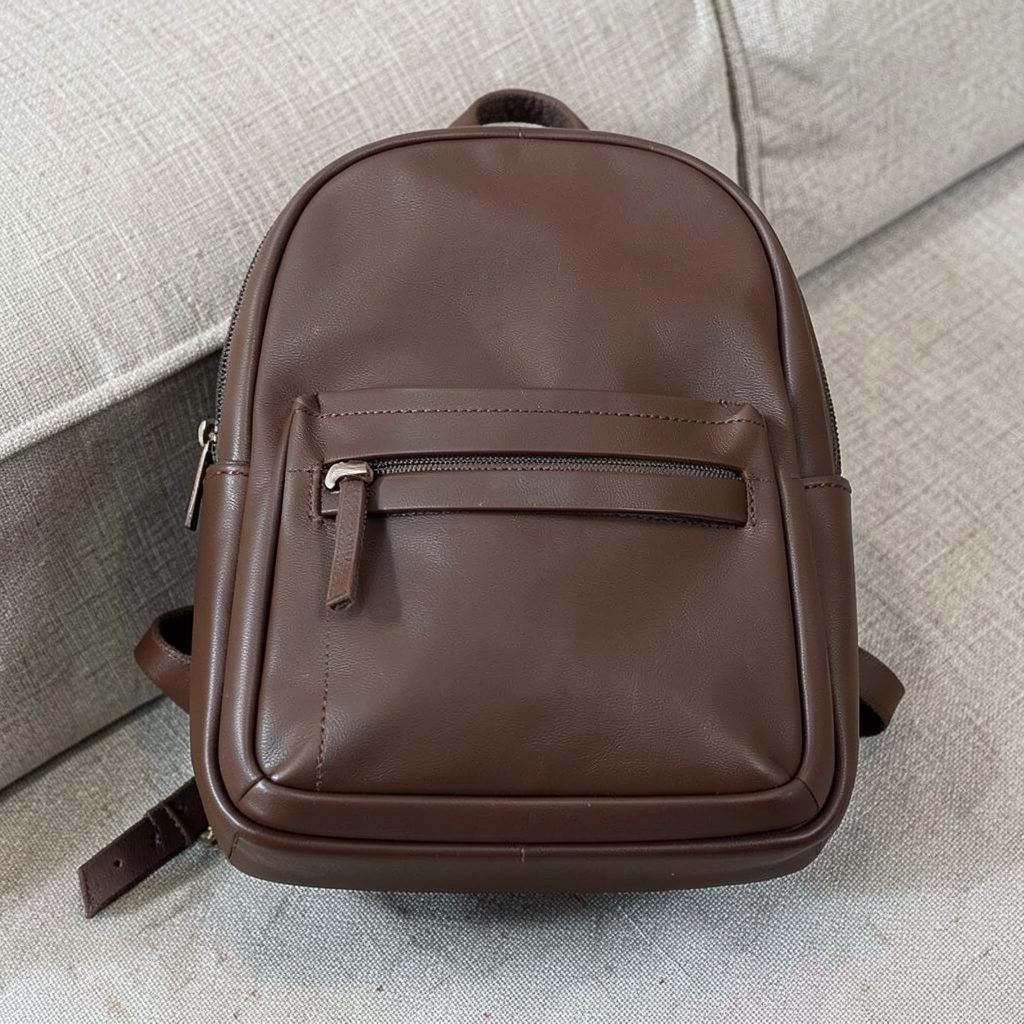
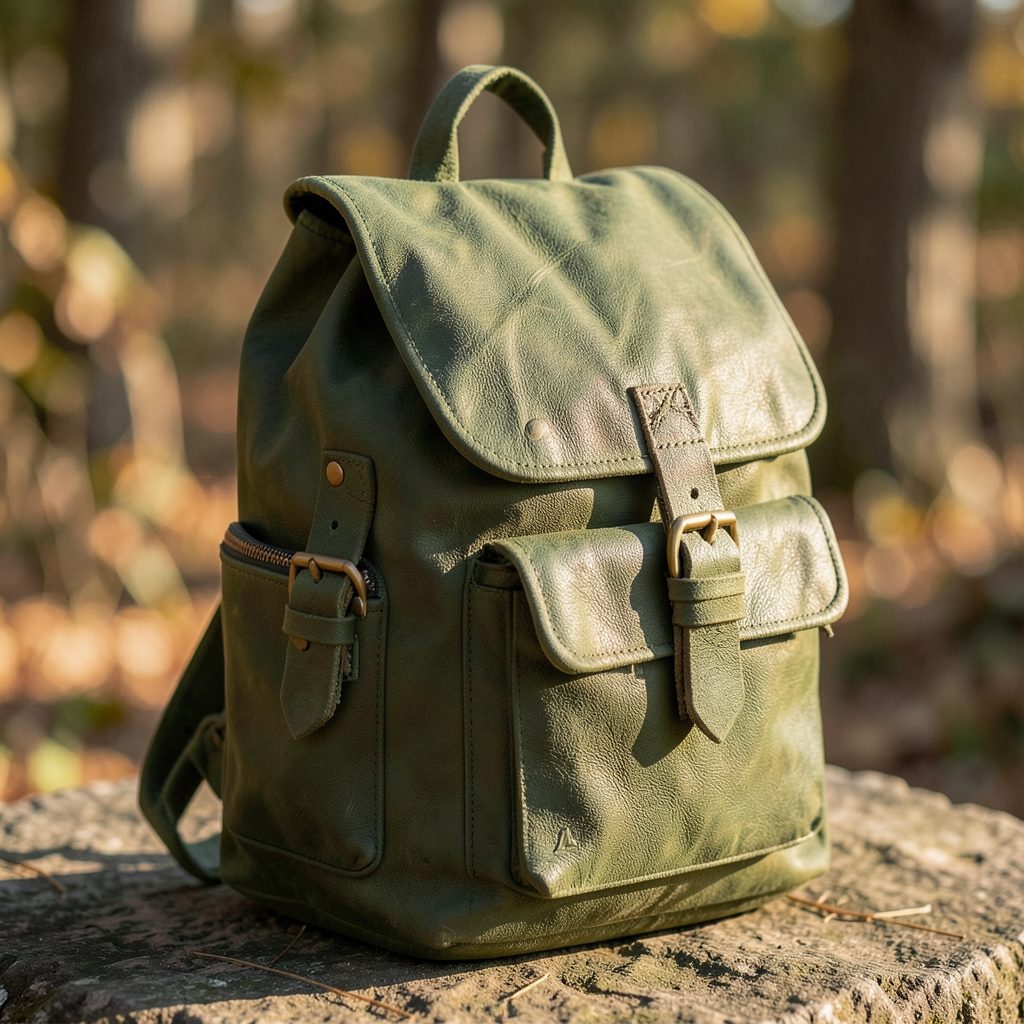
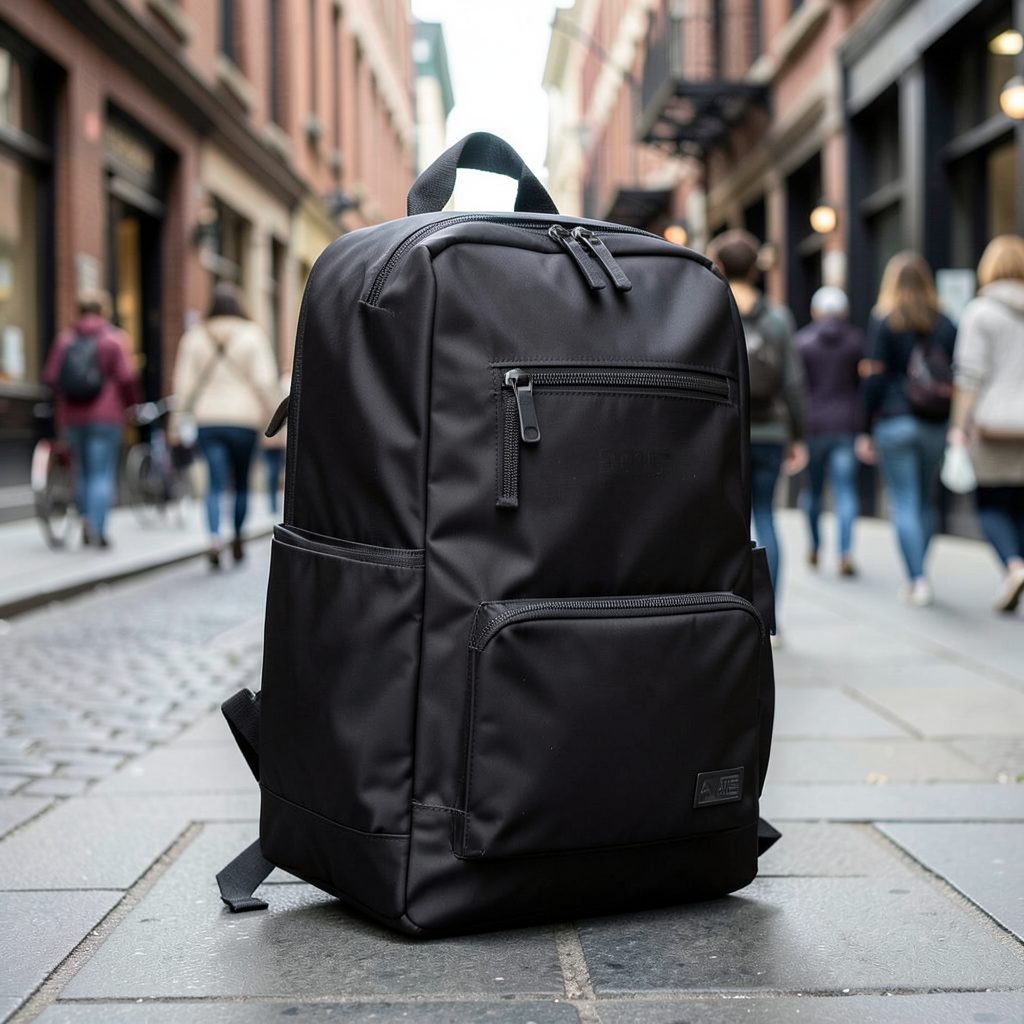
Every backpack is crafted from premium vegan leather with thoughtful details — multiple pockets, removable straps, and colors that work with any wardrobe. Browse the lineup below.