Store a Vegan Leather Bag in a Hotel Room Without Losing Its Shape
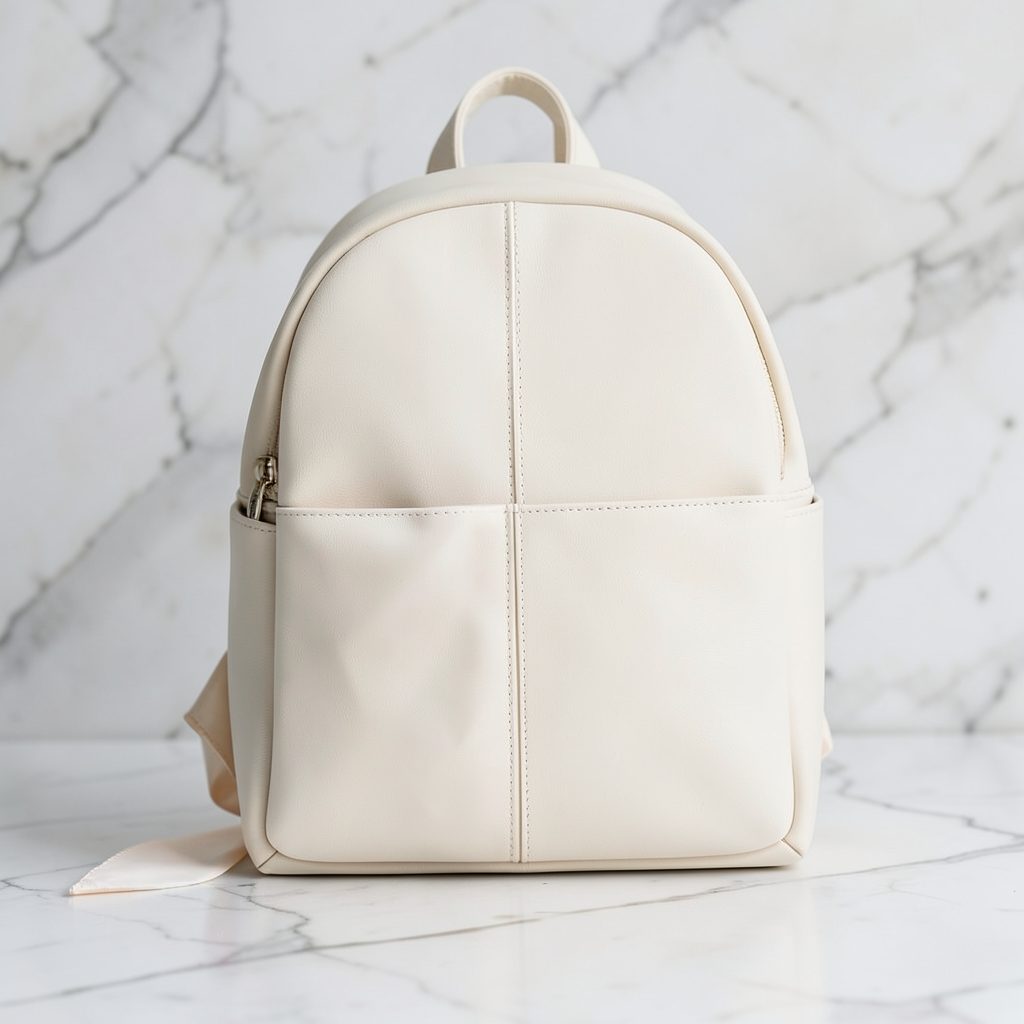
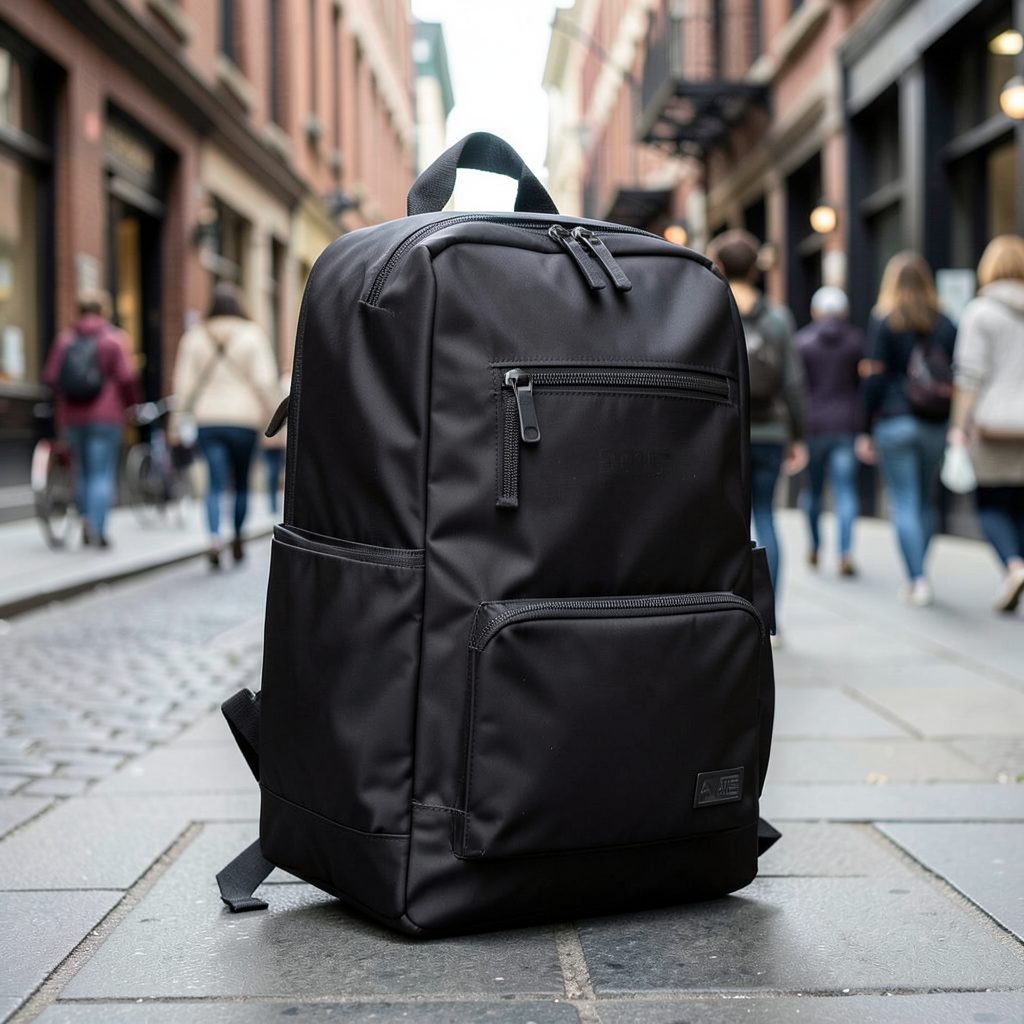
Learning how to store a vegan leather bag in a hotel room without it losing shape is largely a matter of controlling pressure, moisture and heat. A backpack may appear relaxed after a long flight because its straps and base have been compressed. A tote can develop deep creases when its handles are packed inward. Either bag can recover when it is dried, lightly supported and given a suitable place to rest.
Shape loss is usually gradual. Straps twist, corners become flat and the outer panels bow outward when the original contents no longer support them. Leaving an empty bag crushed inside luggage adds another layer of compression. Hotel storage becomes problematic when a narrow wardrobe, a hard-sided safe or a slatted luggage rack becomes the bag’s only available resting place.
Material matters because vegan leather may be made from polyurethane, PVC or a bio-based composite rather than one uniform sheet. PU often accepts gentle surface cleaning, while PVC and plant-based alternatives may react differently to heat, solvents and prolonged sunlight. Australian shoppers will encounter these material descriptions across the local market, so the care label and manufacturer’s instructions deserve attention before using any treatment.
Many travellers pass through compact rooms in Sydney, Melbourne and other Australian cities, where luggage racks, wardrobes and wall safes are often smaller than the bags they must accommodate. Keep purchase receipts accessible if a bag was bought overseas, particularly when Australian Border Force declaration duties or travel insurance questions require proof of ownership. Correct storage cannot prevent every customs query, but organised documents make the bag easier to manage throughout the trip.
| Hotel situation | Why the shape changes | Better storage response |
|---|---|---|
| Empty bag pressed inside luggage | Panels crease and corners flatten | Empty it, smooth the seams and add light internal support |
| Wet bag placed in a wardrobe | Moisture becomes trapped and finishes can warp | Dry it fully before packing or supporting it |
| Handles folded tightly | Creases form around the grip and attachments | Lay handles flat and pad them loosely with tissue |
| Bag forced into a wall safe | Sides buckle against the safe walls | Use a wider shelf for structured bags |
| Bag left in direct air-conditioning | Heat or airflow can dry the finish excessively | Choose a stable area away from vents and sunlight |
Check the construction before storing
Begin with the maker’s care instructions and examine the bag while it is empty. Check whether the body is structured, lightly padded or completely soft. Structured bags need support around their side panels and base, while unstructured designs benefit from gentle reshaping rather than firm packing. Damaged seams, loose threads or peeling edges should be dealt with before compression makes the damage harder to see.
Stand the empty bag on its base for a few minutes, then turn it out and reshape it with your hands. Align the corners, straighten the gussets and smooth any obvious folds with clean fingers. Close the main zip or fasten the handles so the opening does not spread during the night. Do not pull harder than necessary, as synthetic leather can retain stretch marks around handles and attachment points.
If the body panels need firmer support, consult a specialist resource such as bag shaping guidance before inserting an improvised object. Cardboard rolls, tightly rolled clothing and hotel slippers can create sharp edges or unwanted pressure. A clean, smooth form may help, but it should support the bag’s natural dimensions without forcing the sides into a new shape.
Clean and dry before settling in
Always deal with spills, sunscreen marks or sticky residue before the bag reaches its overnight resting place. Lift loose dirt with a dry soft cloth, then test any damp cleaning method on a concealed area. Avoid alcohol, household sprays, baby wipes and conventional leather polish because they can strip the coating, leave a greasy patch or make the surface vulnerable to peeling.
For a fresh mark, Travel Starter Pack’s spill and stain care provides useful material-conscious steps. Blot from the edge towards the centre rather than scrubbing across the finish. Let the moisture leave the surface naturally, and do not assume that a stronger cleaner will remove a stain more effectively.
Once cleaned, press a clean cloth against the bag to absorb excess liquid and place it where air can circulate at room temperature. A fan on a cool setting can speed drying without exposing the material to heat. Check seams, pockets and the underside before considering the bag dry, since moisture often remains where the body meets the base or where a strap is stitched in place.
Control heat, humidity and airflow
Hotel rooms can change temperature quickly, especially during Brisbane’s humid summer. Air-conditioning removes moisture efficiently, yet a bag directly beneath a vent may become excessively dry around its edges and handles. The same conditioned air can conceal humidity that has entered a wet seam, creating a cycle of dampness, stiffness and surface damage.
Keep the bag away from windows, radiators and direct air-conditioning airflow. Choose a shelf with stable temperature rather than placing it on a sunlit ledge or beside warm equipment. Several hours of strong sunlight through a hotel window may fade the colour or soften an adhesive finish, while artificial heat from a hairdryer can shrink or distort synthetic material.
The bathroom is usually too humid for overnight bag storage, particularly after a shower. A dry bag can still absorb moisture inside a wardrobe, so leave it loosely covered and ensure its seams are completely dry before closing it. Do not seal damp leather in a plastic bag; trapped vapour can produce an odour, encourage mildew and make creasing more permanent.
Choose a place that avoids pressure
A broad wardrobe shelf is generally the safest choice for a backpack, tote or crossbody bag. Lay it in its natural position, with the base flat and the straps arranged rather than compressed. If the wardrobe has a hanging rail, lower hooks and hangers may still pull the bag downward, so a shelf is preferable for anything heavy enough to stretch its handles.
A wall safe offers darkness and protection, but its dimensions may encourage a soft bag to be folded. Keep wallets and genuinely small accessories inside one, while allowing structured bags to rest in a wider location. Do not force a backpack into a safe until its sides touch the metal walls, as continuous pressure can leave the body permanently bowed.
A slatted luggage rack can also create pressure points across straps or seams. Once the bag is dry, place it on a clean folded dust bag or smooth layer of tissue so the slats do not imprint the finish. Avoid storage beneath the bed, where cleaning chemicals, dust and unstable furniture may damage it. Keep heavier bags on a lower shelf where they do not need to be lifted or held in place.
Support the parts that carry the load
Light internal filling can help the bag remember its original form. Use plain, acid-free tissue to fill the body of a tote, or support the sides and base of a backpack with a loosely packed tissue pouch. The filling should stop the panels from collapsing without forcing them outward. Overpacking an empty bag recreates the pressure that caused the shape to disappear in the first place.
Pad handles with loosely rolled tissue and wrap them in their natural resting curve. Avoid tight coils, sharp folds and knots, especially around stitched attachments. Long crossbody or backpack straps can be laid in a relaxed S-shape, with tissue placed beneath them if the bag must sit under its own weight. This protects the edges and prevents a narrow crease from becoming permanent.
Keep zips closed after checking that no tissue is caught in the teeth. A breathable dust bag protects against dust and colour transfer, but loose plastic can trap condensation. Store dark bags separately from damp or light-coloured clothing for the night. Wallets need less internal support, yet they should still lie flat, remain dry and avoid being bent around luggage handles.
Leave with the shape you protected
Before leaving the hotel, allow the bag to return to room temperature and inspect the areas that were under pressure. Smooth the base, straighten the gussets and reshape handles only after the material is fully dry. A quick photograph of the bag’s condition can be useful for insurance records, particularly after an airport connection, coastal travel or several days inside crowded luggage.
For a longer stay or repeated hotel use, refresh the tissue supports every day and check for dampness before closing the bag. Avoid leaving it inside a packed suitcase overnight unless the suitcase has enough room to preserve its silhouette. When returning to the room after rain or swimming, keep the bag open and ventilated until every concealed seam has dried.
Travel Starter Pack’s vegan leather collection includes backpacks, crossbody bags, totes, wallets and related accessories made with animal-free materials and durable designs. The store offers worldwide shipping and order tracking, while newsletter updates highlight new arrivals, product features, sale items and offers. Choose a bag suited to your trips, protect its structure from the moment you unpack, and carry it forward ready for the next destination.
Our Backpack Styles
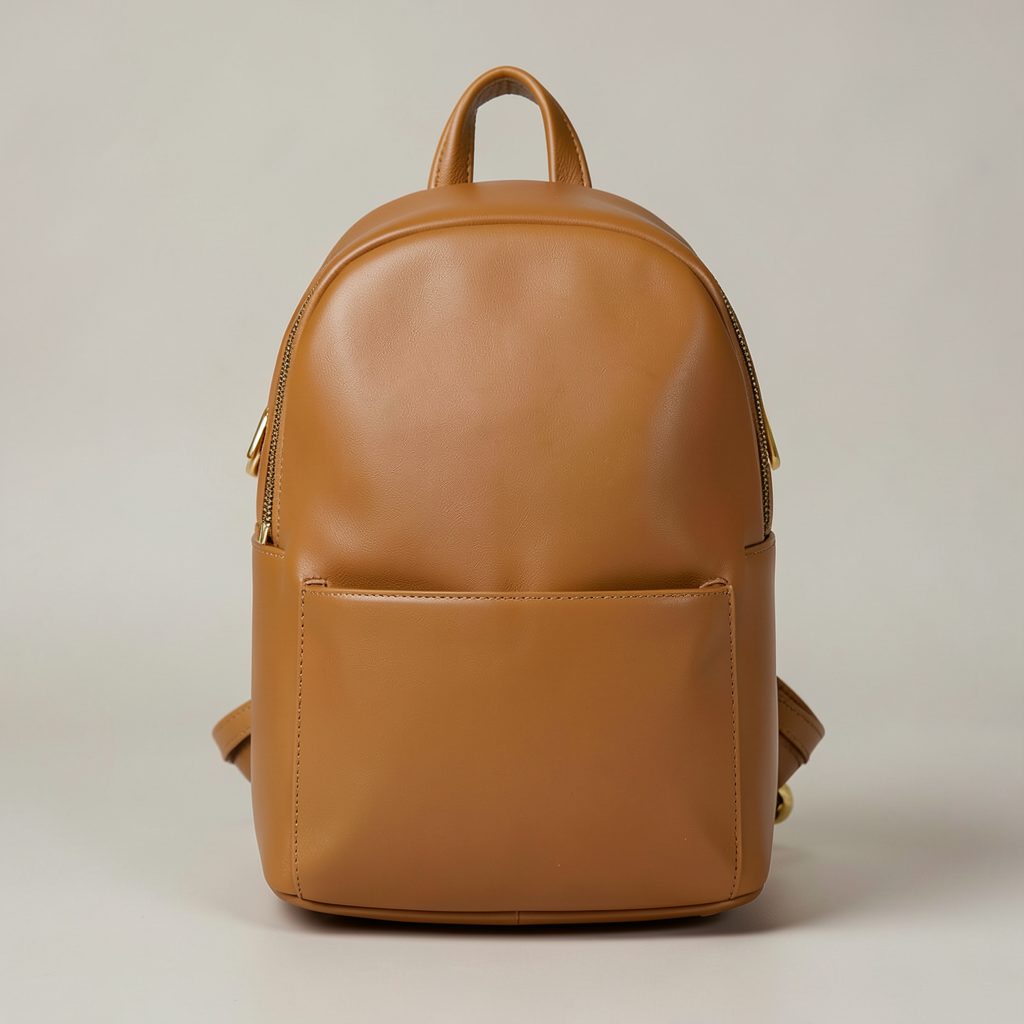
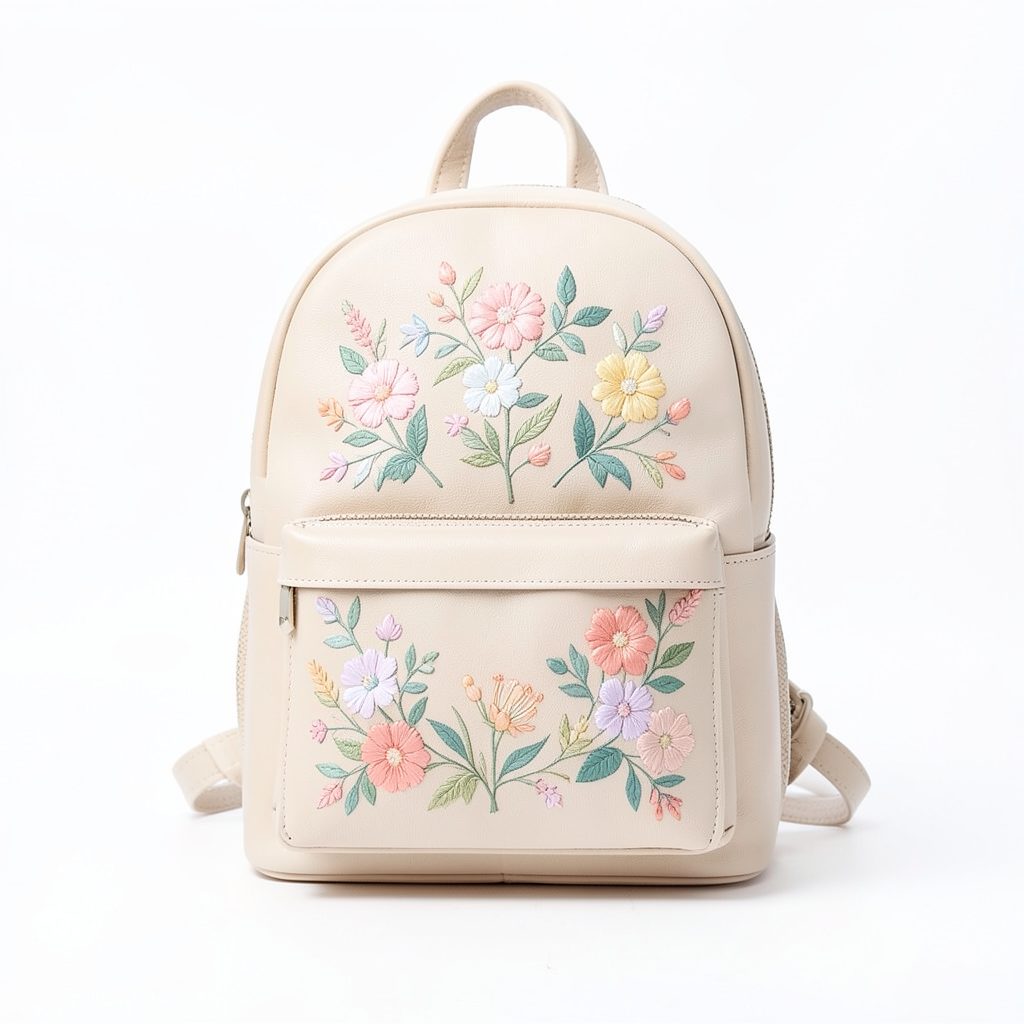
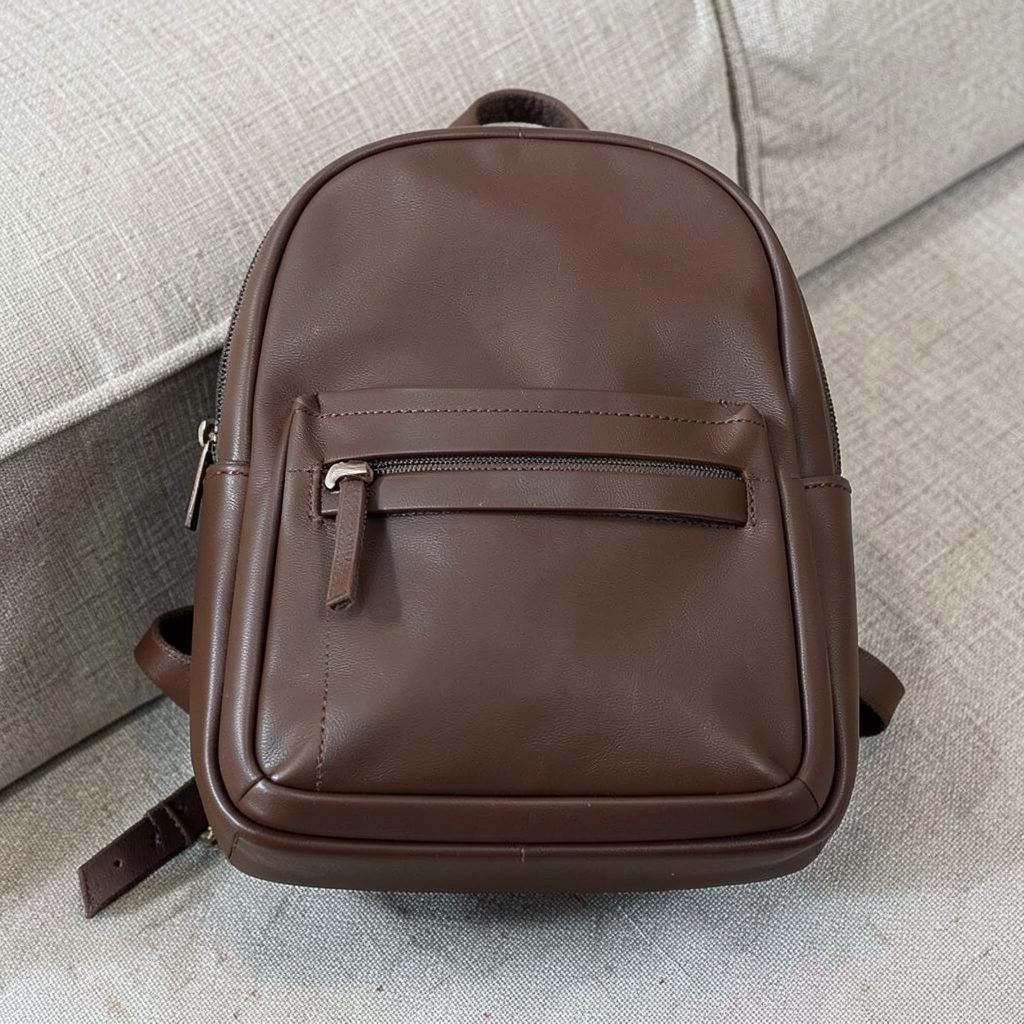
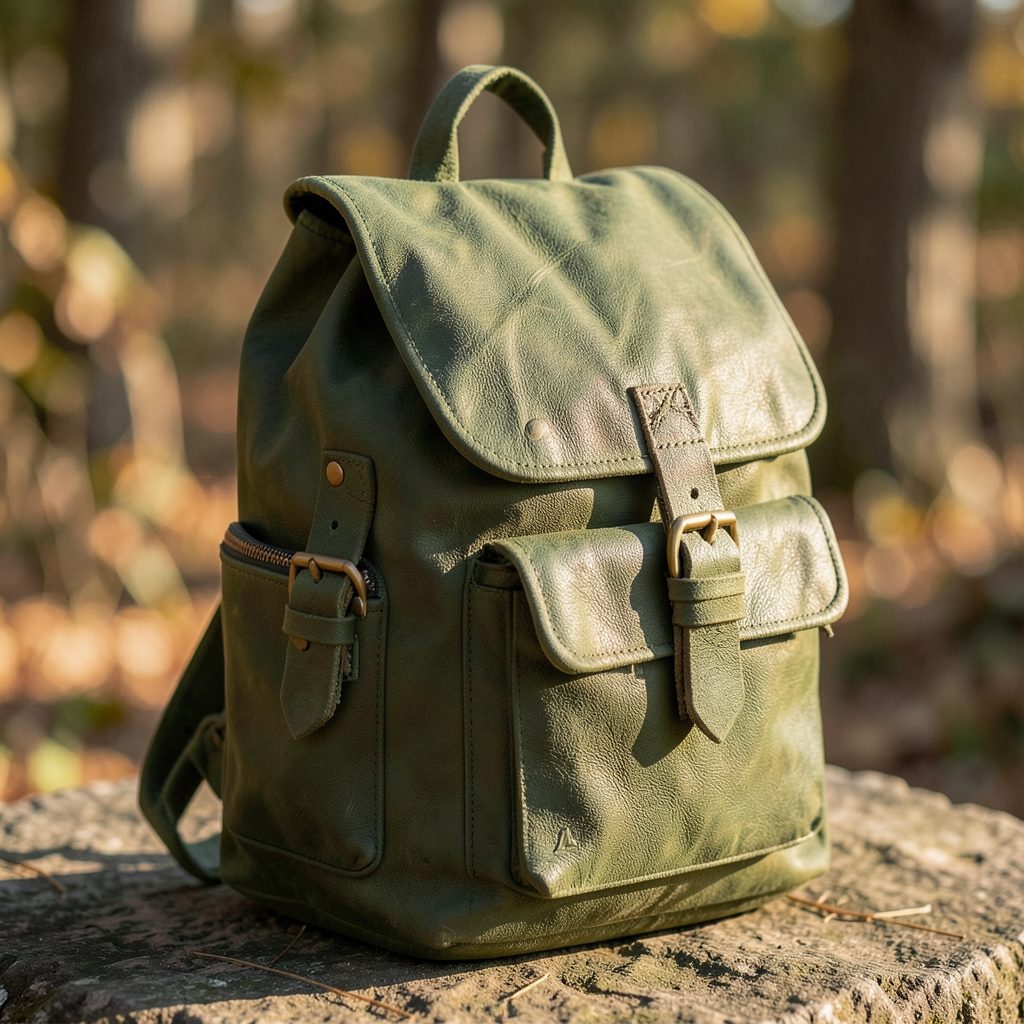
Every backpack is crafted from premium vegan leather with thoughtful details — multiple pockets, removable straps, and colors that work with any wardrobe. Browse the lineup below.