How to Spot High-Quality Vegan Leather for Travel
A travel bag has a demanding job. It may be pushed under an airplane seat, carried through rain, placed on station floors, and opened dozens of times during a trip. A material that looks attractive in a product photograph still needs to handle abrasion, changing weather, packed interiors, and repeated handling. That is why learning how to spot high-quality vegan leather for travel durability is useful before choosing a backpack, tote, wallet, or crossbody bag.
Vegan leather is a broad category rather than one single material. Most options use a textile backing covered with a synthetic coating, while newer alternatives may include plant-based components. The quality of the finished product depends on the backing, coating, construction, hardware, and finishing process. A stylish surface alone does not tell you how long a bag will last.
For travelers, the best choice balances appearance with resilience and practical care. Look for a supple but stable hand feel, clean construction, reliable closures, and a design that matches the way you carry essentials. Material information, close-up photographs, and realistic product details can reveal much more than a simple label.
Understand What Vegan Leather Contains
Traditional vegan leather is commonly made with polyurethane, usually called PU, or polyvinyl chloride, known as PVC. Both are animal-free coatings applied to a fabric or synthetic backing. PU is often lighter and more flexible, which makes it suitable for soft handbags, crossbody bags, and foldable travel accessories. PVC can offer a firm, water-resistant surface, although it may feel less natural and become brittle when exposed to unsuitable conditions over time.
Some products combine synthetic polymers with recycled fibers or plant-derived content. Terms such as “apple leather,” “cactus leather,” or “mushroom leather” can describe a material with a bio-based portion, but the exact composition varies. A plant-derived coating may still use synthetic binders, so responsible shopping means checking the full material description rather than assuming that a botanical name means the entire bag is compostable.
Microfiber vegan leather is another option worth recognizing. It uses very fine synthetic fibers beneath a coating and can provide a smooth, leather-like feel with good strength and flexibility. For a travel bag, a well-made microfiber or high-grade PU construction may perform better than a low-quality material marketed with a more fashionable sustainability term.
Examine The Surface And Hand Feel
When you can inspect a bag in person, gently press and bend an inconspicuous area. Quality vegan leather should flex without producing sharp creases, cracking sounds, or a dry, plastic-like stiffness. It should recover its shape after light pressure. A surface that feels excessively thin or papery may have a weak coating or insufficient backing, both of which can shorten its usable life.
Grain patterns should look intentional and consistent without appearing like a repetitive stamped grid. Small variations are normal, but uneven bubbling, visible coating ridges, peeling corners, and patchy color are warning signs. Run a clean finger across the surface to assess whether the finish feels firmly bonded to the backing. A powdery residue, sticky coating, or strong chemical odor deserves caution.
Water resistance is helpful during everyday travel, but it is not the same as waterproofing. A coated exterior can repel light rain and accidental spills while seams, zippers, and untreated lining still allow moisture inside. Look for practical care instructions and avoid soaking the bag, leaving it in a hot car, or storing it while damp. Simple care often protects the finish as much as the original material quality.
Check The Construction Beyond The Coating
The most convincing vegan leather can fail if the bag is poorly assembled. Inspect areas that carry stress, including strap attachments, top handles, corners, zipper ends, and the base. Reinforced stitching, securely anchored loops, and tidy seam allowances indicate that the maker has considered how the bag will be lifted and loaded. Loose threads, uneven stitches, or straps attached only to a thin outer panel suggest limited durability.
Hardware also deserves close attention. Zippers should move smoothly without catching, while magnetic snaps should close firmly and remain aligned. D-rings, buckles, and clips should feel substantial rather than flimsy. Metal color is a matter of style, but the finish should be even and firmly attached. For frequent travel, a dependable zipper and reinforced strap connection can matter more than a decorative surface detail.
Examine the interior as carefully as the exterior. A durable lining helps protect the contents and reduces stress on the outer shell. Pockets should be sewn securely, and the bag should maintain its shape without collapsing around the seams. A structured base is especially useful for luggage organization because it helps the bag stand upright and prevents concentrated pressure on corners.
Compare Materials For Travel Use
Material selection should reflect the kind of trips you take. A soft PU crossbody may be ideal for sightseeing because it is lightweight and easy to wear close to the body. A structured microfiber tote may suit work trips that require a laptop and documents. A firm coated backpack can be useful for commuting, provided its shoulder straps and back panel distribute weight comfortably.
For a compact personal item, dimensions and organization can be just as important as the material itself. Before buying, review this guide on choosing an under-seat bag to understand how exterior measurements, flexibility, and packing habits affect airline compatibility. Even a strong bag becomes inconvenient if it is too bulky for the space you need to use.
| Material or Feature | Strengths For Travel | Points To Check | Best Use |
|---|---|---|---|
| High-grade PU | Flexible, lightweight, often soft to the touch | Coating thickness, crease recovery, odor, seam quality | Crossbody bags, totes, wallets |
| PVC-coated material | Firm shape and useful surface water resistance | Brittleness, stiffness, heat sensitivity, environmental profile | Structured accessories and occasional-use bags |
| Microfiber vegan leather | Strong backing, smooth feel, good flexibility | Fiber density, finish consistency, care instructions | Daily backpacks and frequent-use bags |
| Bio-based composite | May reduce reliance on entirely fossil-derived inputs | Percentage of bio-based content and synthetic binders | Buyers prioritizing material innovation |
| Reinforced construction | Improves performance regardless of coating type | Bar tacks, corner stitching, strap anchors, lining | Frequent travel and heavier loads |
The material category provides a starting point, not a guarantee. Two PU bags can have very different performance because one uses a dense backing and careful stitching while the other uses a thin coating over weak fabric. Think of the bag as a complete system: exterior, interior, hardware, handles, and load-bearing points all contribute to its service life.
Match The Bag To Your Packing Habits
Durability also depends on how much weight a bag carries. A small crossbody designed for a phone, passport, wallet, and sunglasses should not be expected to hold a water bottle, camera, tablet, and travel documents every day. Overloading strains the strap anchors, distorts the seams, and creates deep folds in the material.
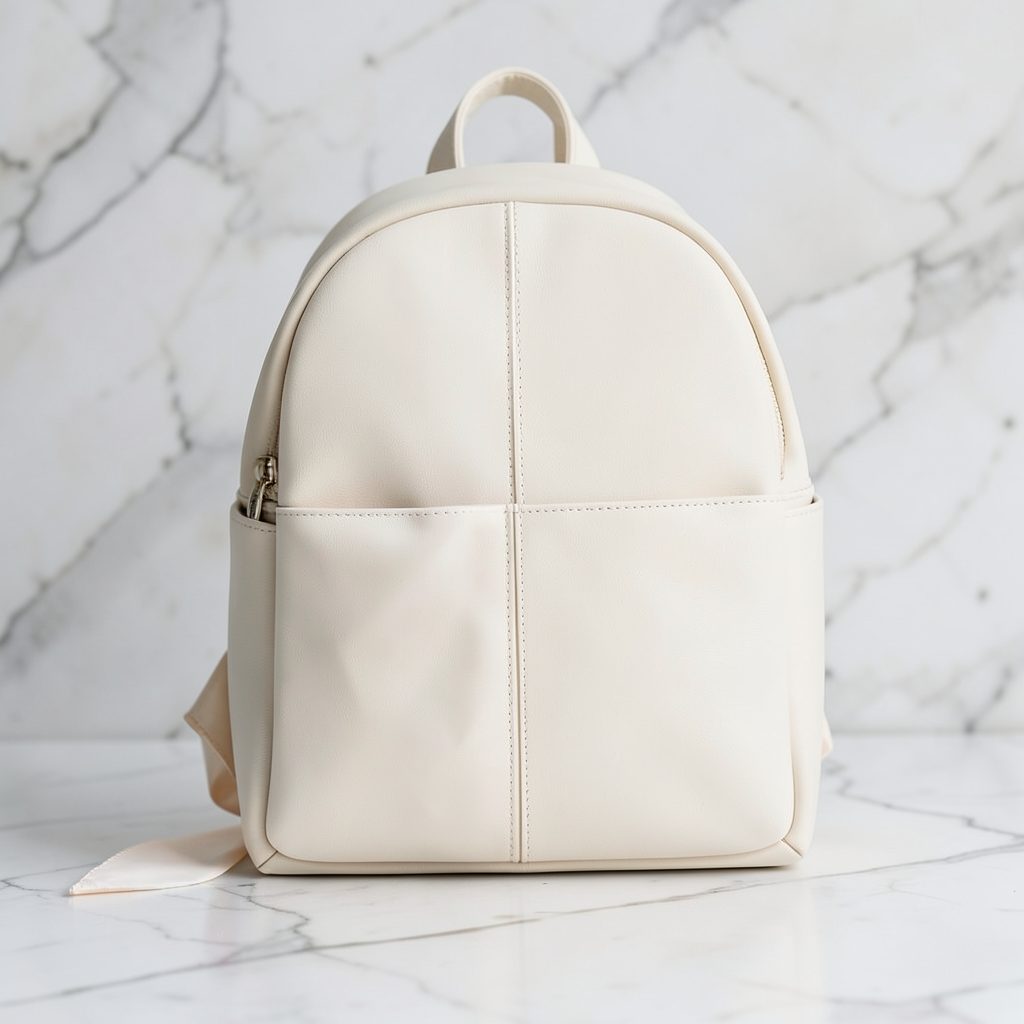
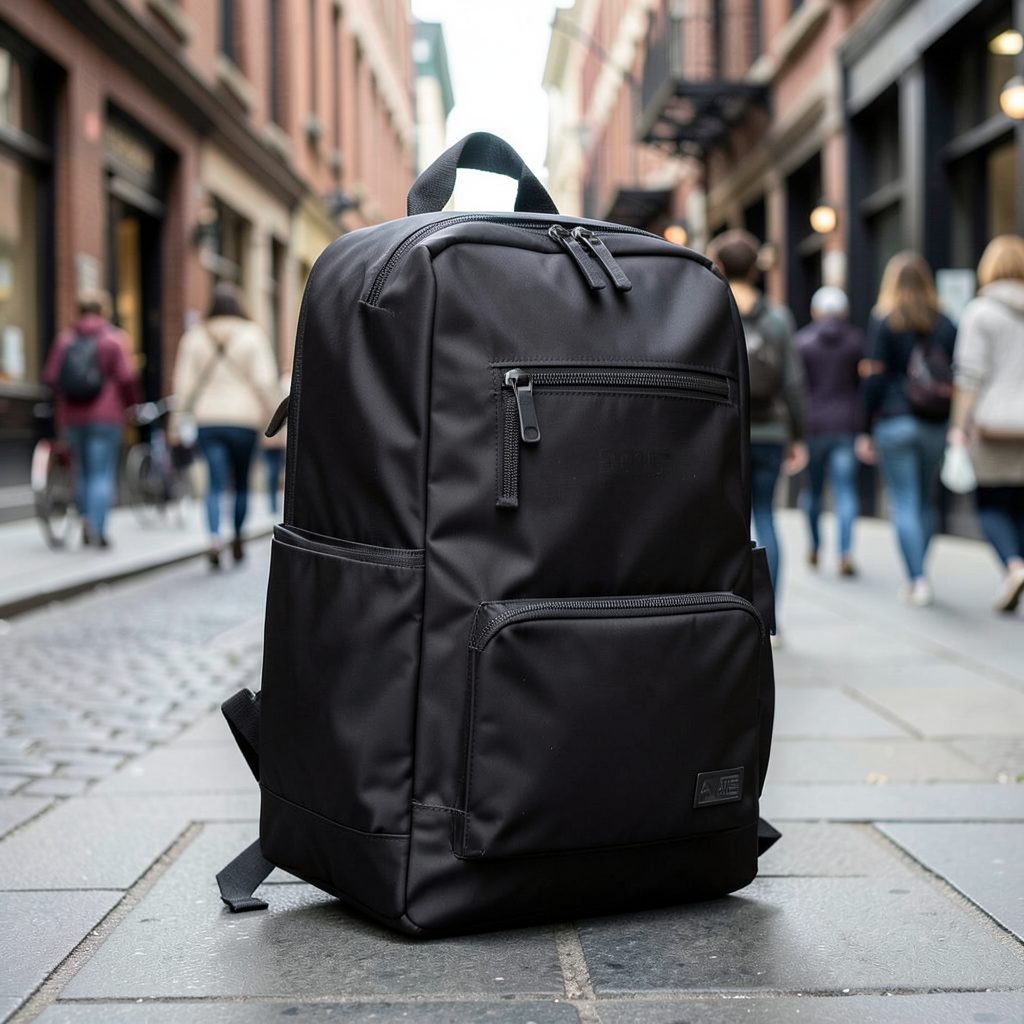
For longer days, distribute weight across several compartments instead of creating one heavy pocket. A backpack can be a better choice when you carry electronics, a change of clothing, or guidebooks. Browse the range of vegan backpacks for designs that combine shoulder support with storage, then check dimensions and capacity against your typical load.
A woven or textured finish can be attractive and may disguise minor scuffs, but inspect how the weave is formed. The pattern should be secure rather than loose, especially around corners and strap attachments. For a compact option suited to city travel, a woven crossbody bag can provide visual texture while keeping essentials accessible, as long as its closure and attachment points are firmly constructed.
Read Product Details With A Critical Eye
Online shopping requires a different inspection method. Study photographs of the seams, base, interior, hardware, and strap connections rather than relying only on a front-facing image. Product descriptions should identify the outer material, lining, dimensions, closure type, and care instructions. Specific information is more useful than vague claims such as “luxury feel” or “premium quality.”
Pay attention to practical measurements. A bag that appears roomy may have a narrow opening, while a compact design may fit more efficiently with internal pockets. Compare the listed dimensions with the items you usually carry. For air travel, also consider whether the bag can slide beneath a seat, whether the structure is flexible enough to fit, and whether exterior pockets add bulk.
Reviews can reveal how a finish behaves after regular use, but interpret them carefully. Look for comments about peeling, strap comfort, zipper performance, stains, and shape retention over several months. A review that mentions a bag surviving airport transfers and daily commuting offers more useful evidence than a brief comment about its attractive color.
Care Practices That Extend Service Life
Even high-quality vegan leather benefits from gentle maintenance. Wipe dust and small spills with a soft, slightly damp cloth, then dry the surface naturally. Avoid abrasive sponges, alcohol-heavy cleaners, bleach, and unapproved leather conditioners, since these may damage synthetic coatings or alter the finish. Always follow the care guidance supplied with the product.
Store the bag in a cool, dry place away from direct sunlight and heaters. Prolonged heat can accelerate stiffness, discoloration, and surface breakdown. Do not fold a structured bag sharply for long periods, and use light tissue or a soft cloth to support its shape when it is not in use. Keep metal hardware from rubbing against rough surfaces during storage.
A few habits make a noticeable difference during trips:
- Keep sharp objects away from exposed pockets and thin interior sections.
- Avoid carrying more weight than the handles, straps, and closure are designed to support.
- Wipe away rain, salt, sunscreen, and food residue soon after exposure.
- Place the bag on a clean surface when possible, especially in crowded transit areas.
- Inspect stitching and strap attachments periodically so small problems do not become larger tears.
Choose a vegan leather bag by evaluating its complete construction, not simply its finish or sustainability language. A resilient backing, flexible coating, reinforced seams, dependable hardware, and sensible proportions create a more reliable travel companion. With careful use and storage, the right design can move comfortably from airport journeys to daily errands.
Explore Travel Starter Pack’s animal-free bags and accessories to find a style suited to your route, packing needs, and everyday routine. Review the material details, dimensions, and organization features before ordering, then use the available tracking and worldwide shipping options to make your next travel purchase easier.
Our Backpack Styles
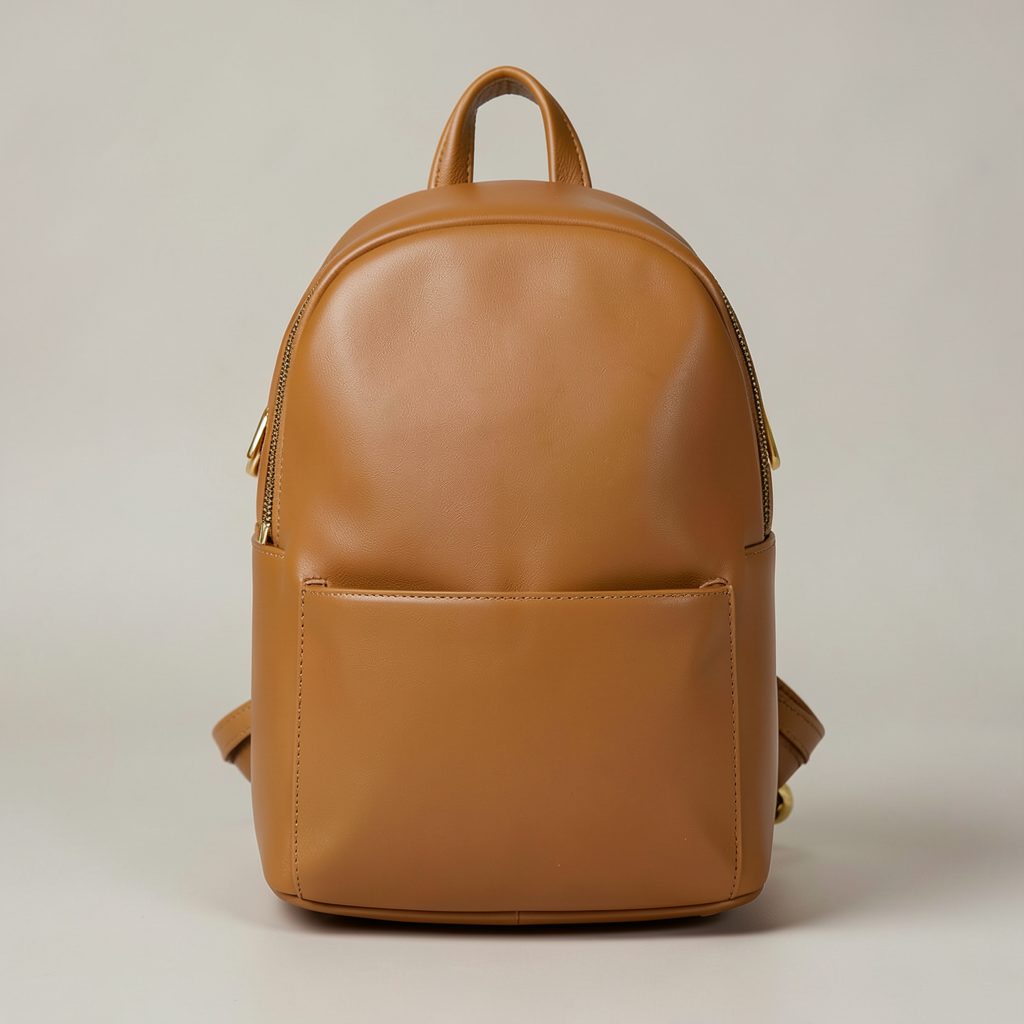
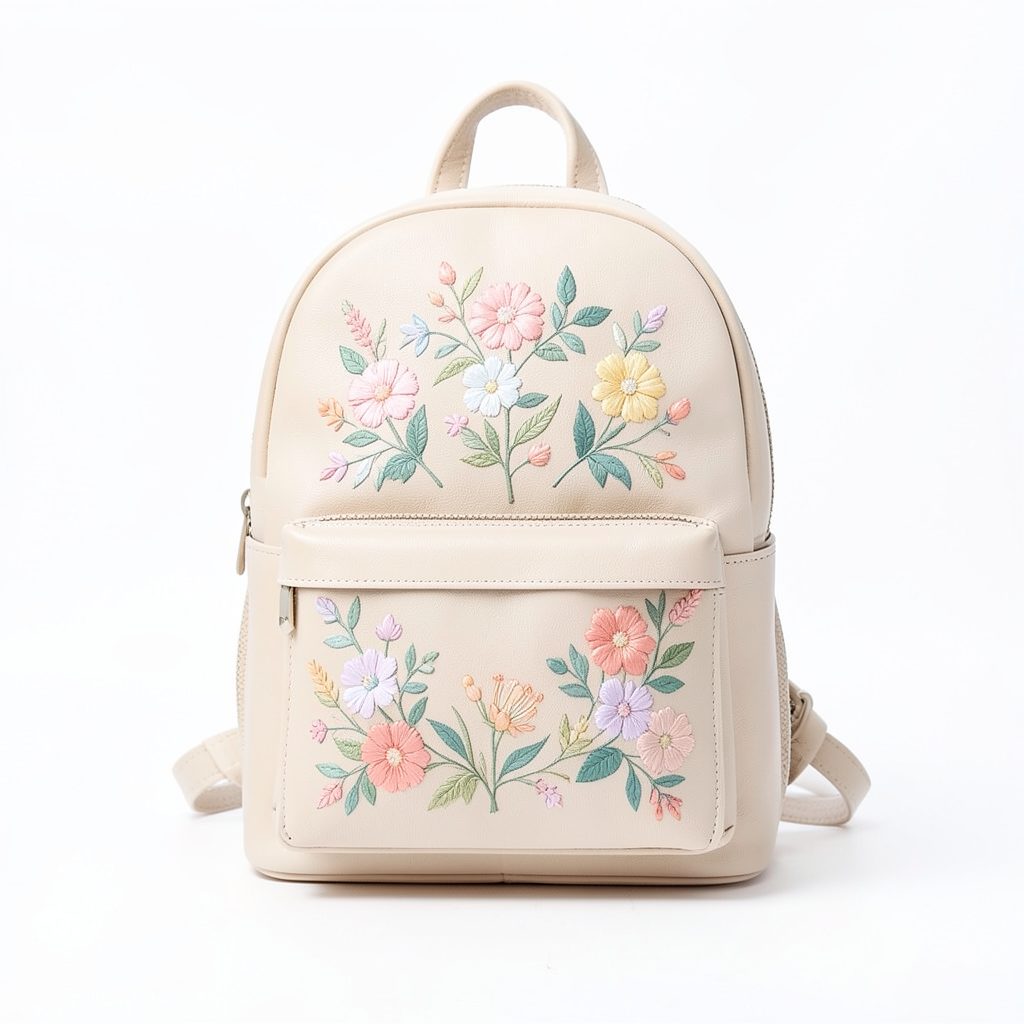
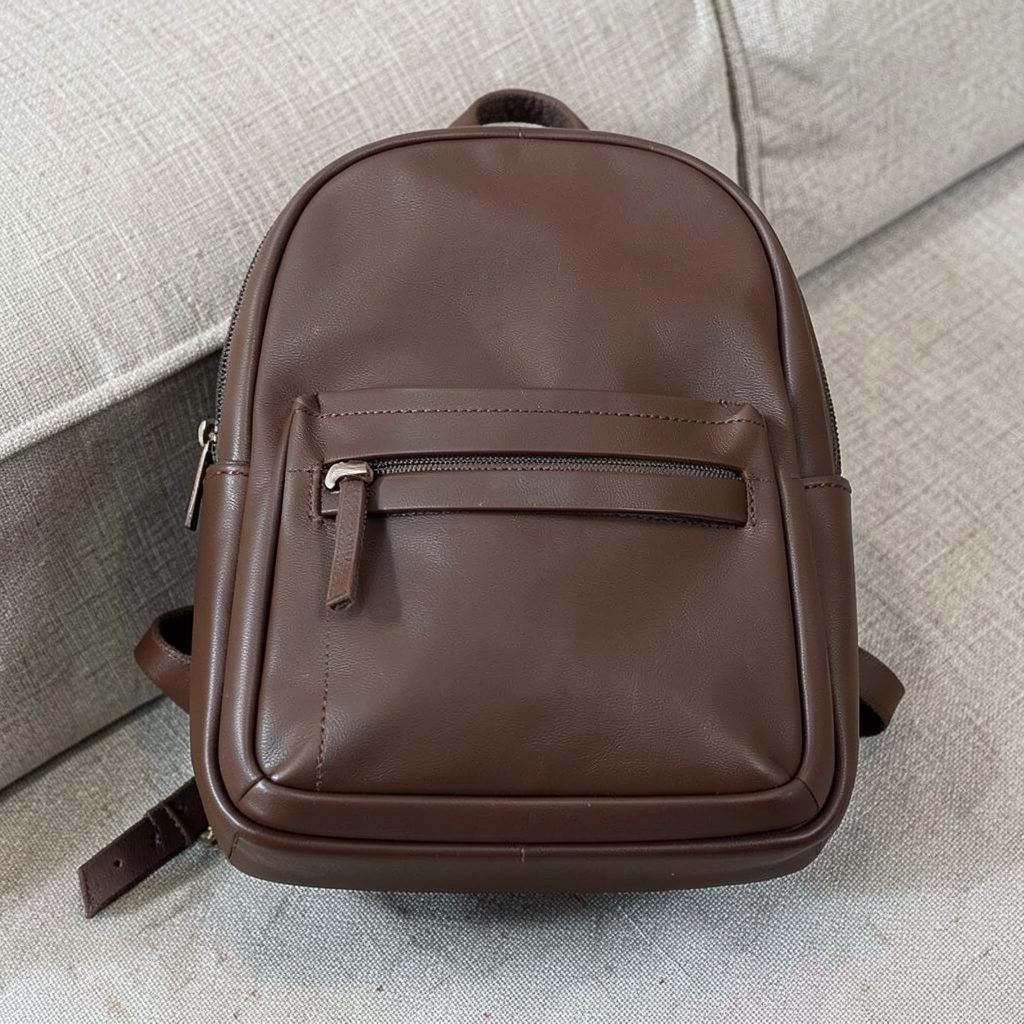
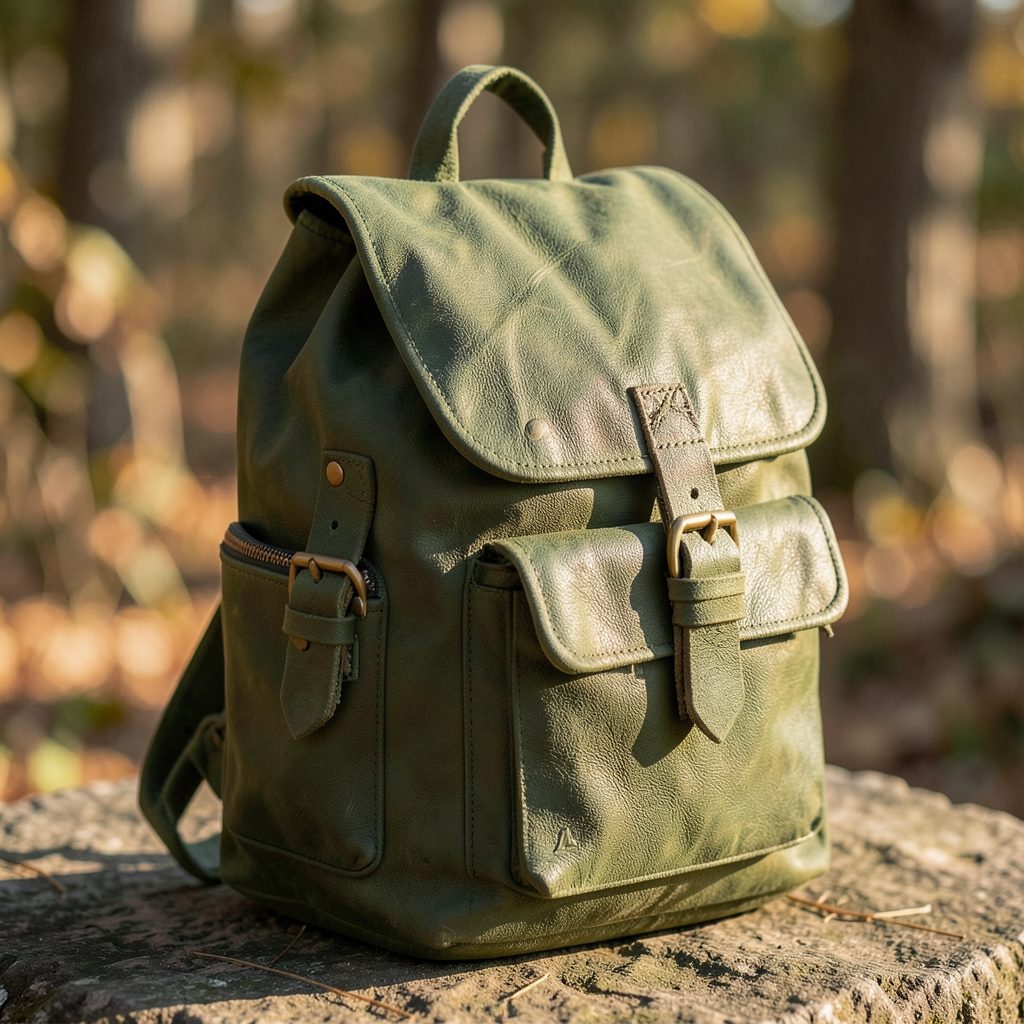
Every backpack is crafted from premium vegan leather with thoughtful details — multiple pockets, removable straps, and colors that work with any wardrobe. Browse the lineup below.