How to Choose a Bag That Fits Under the Airline Seat
The right under-seat bag can make a flight calmer, especially when you want to avoid checked-baggage fees or reaching for the overhead compartment. A compact personal item should slide beneath the seat in front of you, protect your essentials, and remain comfortable to carry through terminals, city streets, and public transport.
Airline policies vary by carrier, aircraft, cabin, and route, so the ideal size is not universal. A bag that fits easily on one flight may be too tall, too rigid, or too full for another. Checking the current personal-item allowance before shopping is the safest starting point.
The most useful choice balances external dimensions, flexible construction, smart organization, and practical capacity. Vegan leather can provide a polished appearance and wipe-clean surface, while thoughtful design keeps a small travel bag from becoming awkward or overloaded.
Understand Personal Item Rules
Airlines usually distinguish between a personal item and a cabin bag. A personal item is commonly expected to fit beneath the seat, while a larger carry-on typically belongs in the overhead bin. Handbags, small backpacks, laptop bags, and compact totes may qualify, but the permitted measurements differ significantly between airlines.
Look for the carrier’s exact maximum dimensions in its baggage policy rather than relying on a general travel standard. Some airlines measure every side, including handles, wheels, exterior pockets, and decorative hardware. Others provide a flexible guideline based on whether the item can be placed under the seat without blocking foot space.
Low-cost airlines may enforce personal-item dimensions particularly closely, and basic fares may exclude a larger cabin bag. If you are flying with multiple carriers, use the strictest allowance on your itinerary as your target. This approach reduces the chance of repacking at the gate or paying an unexpected fee.
Measure the Exterior Before Capacity
Measure the bag from its widest, tallest, and deepest points when it is packed for travel. Include the base, side pockets, front compartments, straps, handles, and any protruding clasp or zipper pull. A soft bag can compress slightly, but it should not depend on being crushed to meet the airline’s limit.
Depth deserves special attention because a bag may have acceptable height and width yet still prevent the seat in front from moving backward. A slim profile is easier to place under a narrow seat and leaves more room for your feet. Bags with a structured base can be useful, but an overly rigid frame may be difficult to maneuver into a confined space.
Before departure, place the filled bag beneath a household chair or desk with a similar clearance. Try sliding it in with the pockets loaded and straps tucked away. This simple test reveals whether the bag’s shape, contents, and hardware work together in a real under-seat setting.
Select a Shape That Uses Space Well
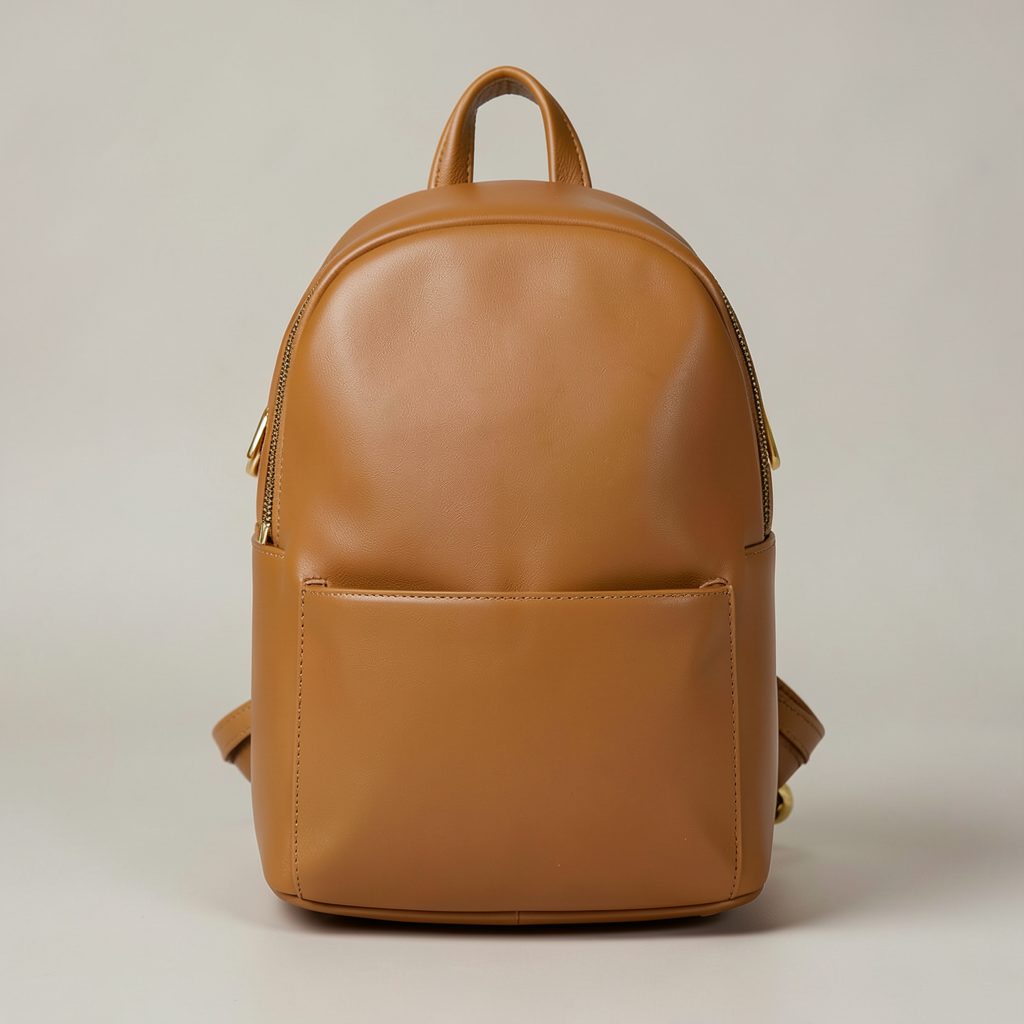
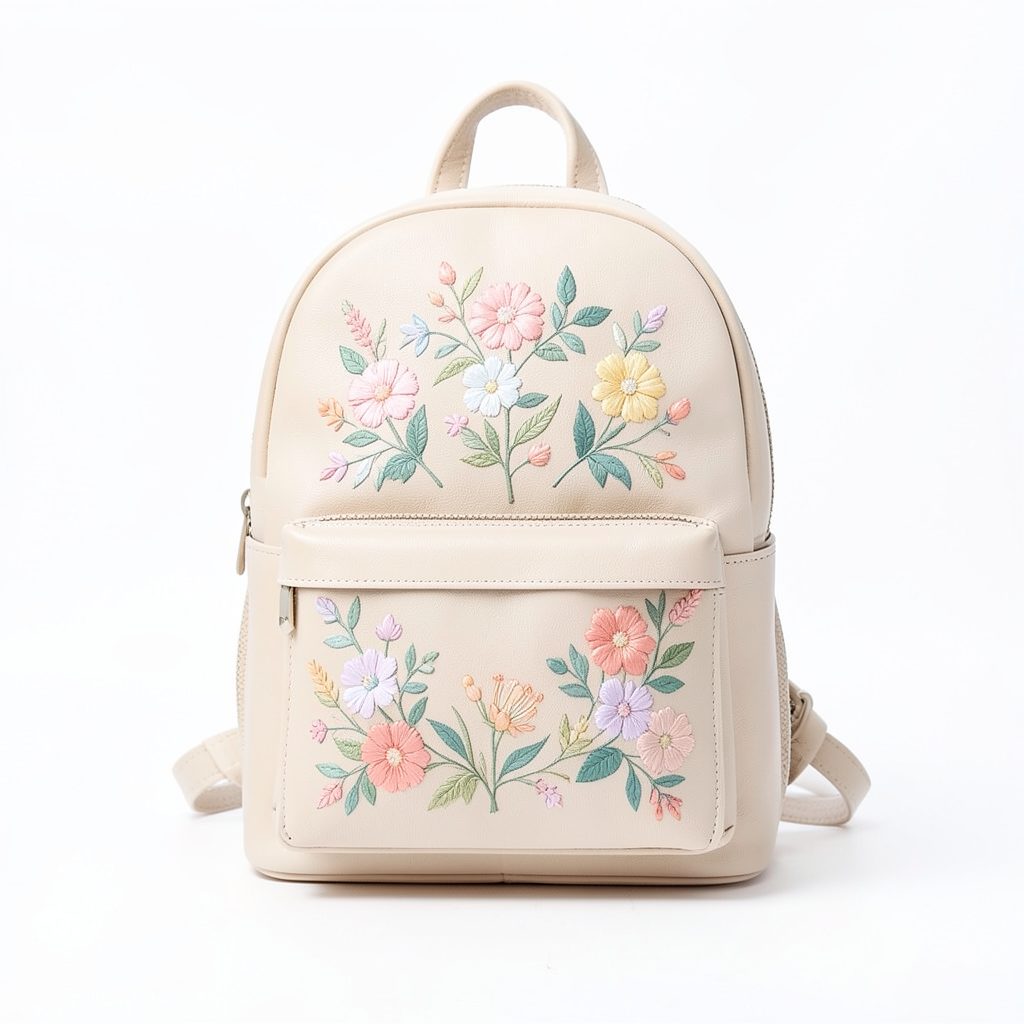
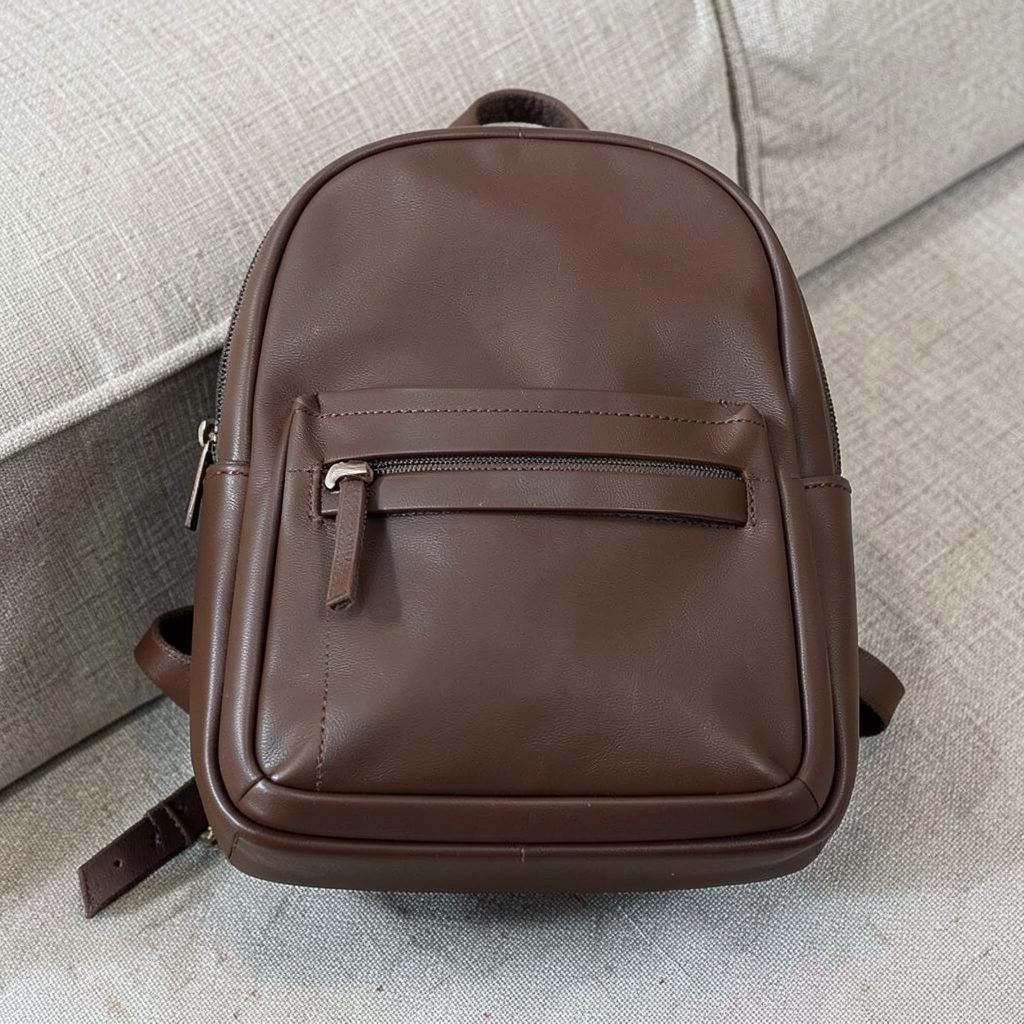
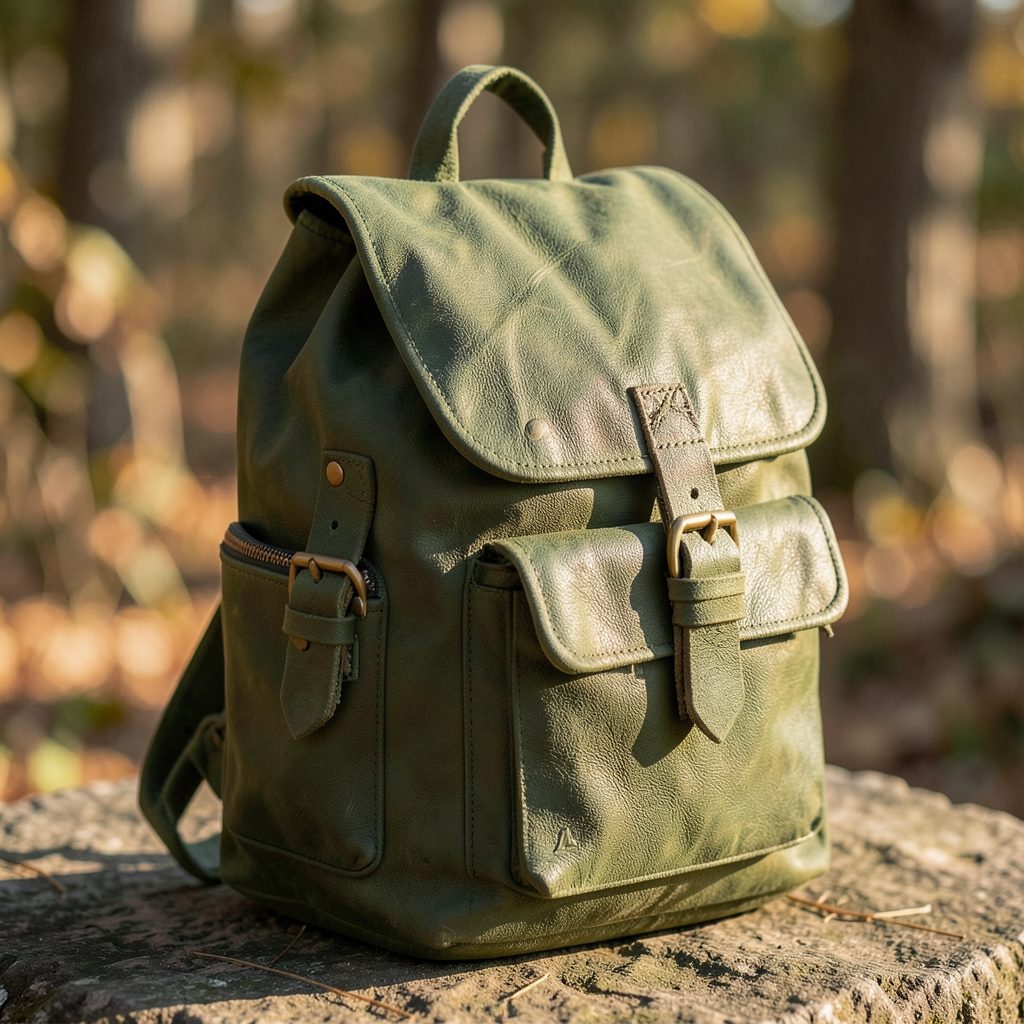
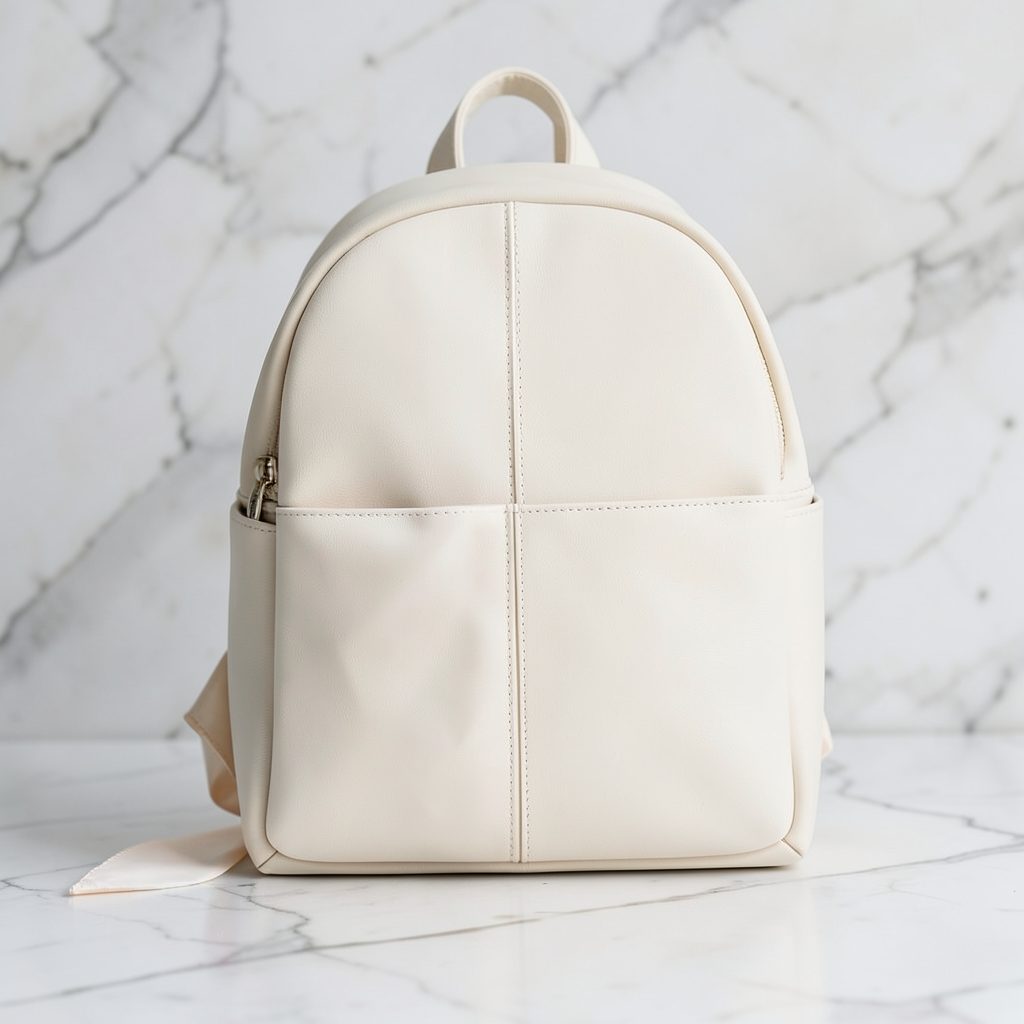
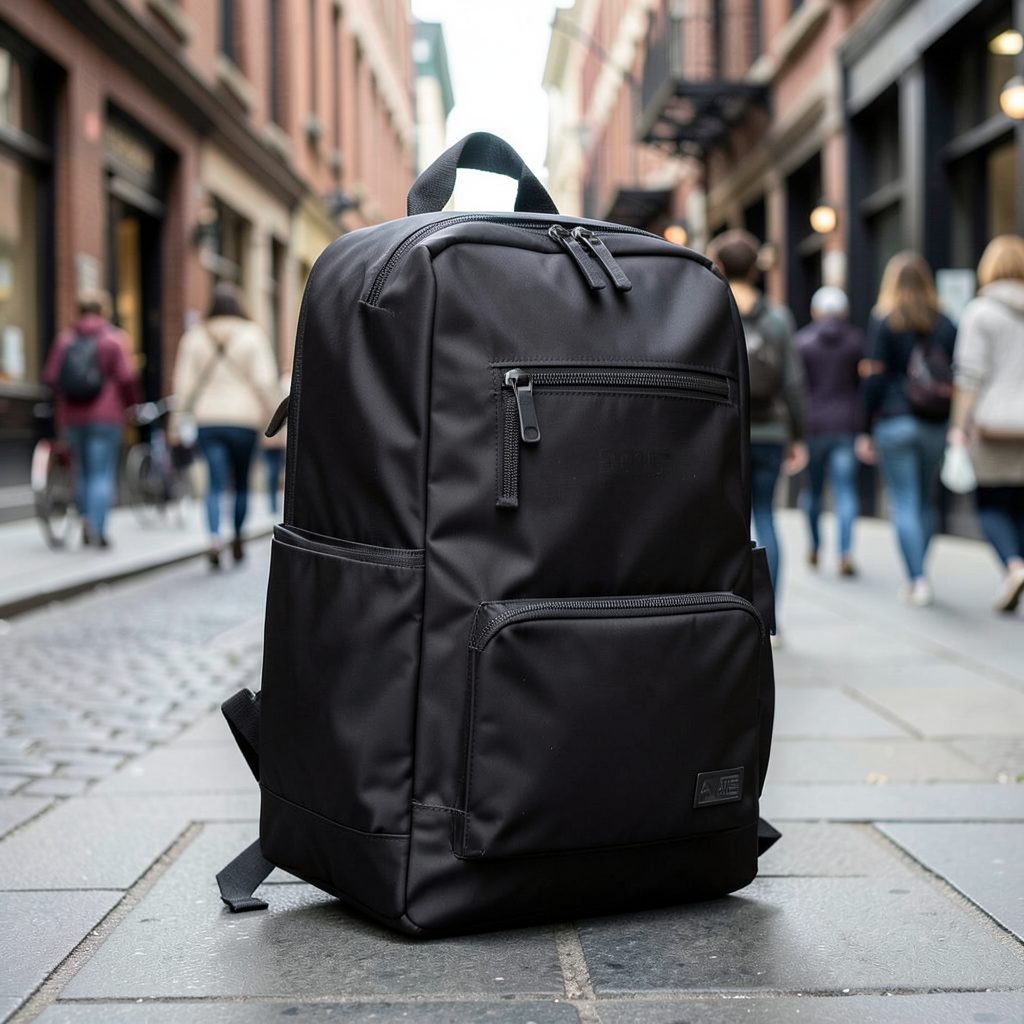
A compact travel backpack is often efficient because its vertical design uses height without spreading across your legs. It can hold clothing, electronics, documents, and personal items while leaving your hands free in the airport. Choose a model with a slim back panel and straps that can be secured or tucked away during boarding.
A crossbody bag works well for travelers who want rapid access to passports, phones, cards, and chargers. Its narrow shape can fit beside a larger cabin case, though an overfilled crossbody may become uncomfortable and fail to slide beneath the seat. Look for an adjustable strap, a stable base, and enough depth for essentials without excessive bulk.
A tote is convenient for flexible packing and quick access, particularly on short flights. However, an unstructured tote can collapse in a way that hides its contents, while a very open top may allow items to fall out when the bag is moved. A zippered vegan leather tote with interior sections offers a more controlled alternative.
| Bag style | Useful for | Watch for | Best packing approach |
|---|---|---|---|
| Compact backpack | Longer flights, laptops, hands-free movement | Thick padding and bulky front pockets | Place flat items against the back panel |
| Crossbody bag | Documents, valuables, short trips | Limited capacity and strap bulk | Keep frequently used items in front compartments |
| Slim tote | Flexible clothing and easy access | Wide base or open top | Use pouches to keep small items organized |
| Under-seat weekender | Overnight trips and generous capacity | Heavy construction and excessive depth | Pack soft items around a firm central layer |
| Convertible bag | Changing between backpack and shoulder carry | Extra hardware and loose straps | Secure unused straps before boarding |
Match Capacity to Your Trip
The best under-seat bag is sized for your actual travel habits rather than an imagined emergency wardrobe. For a short business trip, capacity for a tablet or laptop, charger, notebook, water bottle, compact toiletry kit, and one change of clothing may be enough. A weekend journey requires more planning and lighter, compressible garments.
Separate items by use. Keep travel documents, medication, headphones, and a phone charger in quick-access pockets. Place clothing in a slim packing cube or soft pouch, and use a small wallet for cards and identification. This prevents the common problem of filling every corner while still being unable to find the one item needed during boarding.
Avoid treating every empty space as an invitation to pack more. A bag that is technically within the limit can still become difficult to lift, uncomfortable against your legs, or impossible to close. Leave a small amount of room for purchases and expansion, particularly if the bag has a flexible body.
Consider Materials and Everyday Durability
Material affects weight, maintenance, appearance, and how a bag behaves when squeezed under a seat. Vegan leather can offer a smooth, refined finish that suits both travel and everyday use. It is also simple to wipe clean after contact with airport floors, café tables, or unexpected spills. For a closer look at the environmental considerations behind this material choice, explore this vegan leather guide.
Inspect the details that receive the most stress: zipper tracks, strap attachments, stitching, lining, and the base. Smooth zippers are important when the bag is packed tightly, while reinforced handles help when you lift it repeatedly. A durable lining makes it easier to organize cables, cosmetics, and small accessories without damaging the interior.
Weight matters because airlines may impose personal-item weight limits, and every extra gram reduces what you can carry. A bag with heavy metal fittings or thick padding may look substantial but offer less usable capacity. Seek a balance between protective construction and a lightweight design that remains comfortable over a full day of travel.
Prioritize Features That Reduce Airport Stress
Organization is more useful than a large empty compartment when space is restricted. A padded laptop sleeve can protect a device while creating a flat internal surface, and a separate pocket for a passport prevents documents from disappearing under clothing. Exterior pockets are convenient, but they should sit flush rather than adding several centimeters to the bag’s depth.
Think about how the bag will move through a complete journey, from leaving home to reaching your accommodation. A luggage sleeve can secure a tote or backpack to a rolling suitcase, while a detachable strap makes a bag easier to carry after landing. If you prefer a crossbody style, confirm that the strap adjusts enough to sit securely over a coat.
Useful features to prioritize include:
- A secure top zipper that keeps belongings contained when the bag is tipped
- A padded device compartment sized for your actual laptop or tablet
- A trolley sleeve for attaching the bag to rolling luggage
- Interior pockets for passports, chargers, medication, and keys
- A flat or lightly structured base that slides under the seat smoothly
Choose features according to your routine rather than selecting the longest list of extras. Someone traveling without electronics may prefer an open main section, while a remote worker may need cable organization and device padding. Product details and customer photographs can help show whether compartments remain practical when the bag is full.
Plan the Packing Order
Pack the items you may need during the flight near the top or in a front pocket. This might include a passport, boarding pass, earbuds, reading material, medication, a snack, a charging cable, and a thin layer. Once the bag is beneath the seat, retrieving these essentials should not require pulling it completely into the aisle.
Put dense items low and close to the bag’s back panel. This improves balance when carrying a backpack or crossbody and stops hard objects from pressing against your legs. Roll soft clothing or fold it flat, then fill narrow spaces with socks, cables, or a compact pouch instead of allowing small pieces to move freely.
Keep liquids in a sealed, accessible bag and follow the airport’s security requirements. Electronics may need to be removed at screening, depending on the airport and equipment in use. A well-organized personal item speeds up security and makes it easier to repack without exceeding its original shape.
Think Beyond the Flight
An under-seat bag should remain useful after boarding. Consider whether its color, proportions, and material suit the destinations on your itinerary. A clean-lined neutral backpack may move comfortably from an airport to a business meeting, while a bright crossbody can be easier to identify and more expressive on a city break. These bag styling tips can help you coordinate a practical design with different travel settings.
For everyday use, check whether the bag holds the objects you carry when you are not traveling. A useful personal item may become a work bag, shopping tote, or day bag once you arrive. Browse the Travel Starter Pack collection with both purposes in mind, comparing backpacks, crossbody bags, totes, wallets, and accessories by dimensions and layout.
A versatile bag should also suit your carrying preferences. Test whether the straps sit comfortably, whether the opening is easy to reach, and whether the bag remains stable when placed on the floor. The right choice feels natural in daily use rather than becoming a single-purpose item that stays in the closet between flights.
Check the airline’s current personal-item measurements, measure the fully packed bag, and confirm its weight before leaving home. Select a slim silhouette with secure organization, flexible but durable materials, and enough capacity for the essentials you will genuinely use. Once those details are right, shop for a travel bag that fits the rules and supports your whole journey, then pack it for your next departure with confidence.
Our Backpack Styles
Every backpack is crafted from premium vegan leather with thoughtful details — multiple pockets, removable straps, and colors that work with any wardrobe. Browse the lineup below.