How to pack fragile souvenirs in a vegan leather tote without stress
Bringing home a delicate memento from a trip should feel joyful, not nerve-wracking. Whether you have spotted a hand-painted ceramic from a weekend in Melbourne's laneways, a small piece of opal jewellery from a Queensland road trip, or a fragile glass ornament picked up in a Sydney gift shop, the right approach can mean the difference between a treasured keepsake and a heartbreaking pile of shards. A spacious vegan leather tote offers a soft, structured home for these treasures, and with a little planning you can keep them safe from the moment you buy them to the day you set them on your shelf. Learn more about Karten Von Gärten Und Parks Grünflächen In Städten.
Australian travellers often piece together multi-stop journeys, hopping between cities, regional towns, and sometimes overseas connections from Perth or Brisbane. Each leg introduces a new kind of jostling, from taxi rides over uneven footpaths to overhead locker turbulence. That is why a bag designed for everyday carry, with clean lines and a wide opening, makes such a sensible companion for breakable finds. The walkthrough below covers selecting the right tote, wrapping techniques that protect without adding bulk, customs considerations specific to Australia, and how to look after both your souvenirs and your bag once you are home.
Choosing a vegan leather tote that travels well
Start with the bag itself. A vegan leather tote with a reinforced base and a stable shape will do most of the protective work for you, because it stops fragile items from sliding into corners. Look for totes with internal pockets or removable pouches, which let you separate breakables from clothing and shoes. If you are still weighing up styles, the practical walkthrough on how to choose a bag that fits under the airline seat covers dimensions and compartments that work for carry-on use.
Colour and finish matter more than aesthetics alone. A darker vegan leather will forgive scuffs from conveyor belts and hotel floors, while a wipe-clean surface is easy to spot-clean if a souvenir leaks a little powder or polish. Many Australian travellers prefer a fully lined interior so crumbs, sand, and souvenir dust stay contained and can be shaken out at the end of the trip. Magnetic or zip closures are also worth prioritising, because an open tote can spill its contents the moment the plane hits a pocket of turbulence.
Think about capacity in practical terms rather than abstract litres. A tote that comfortably holds a folded jumper, a paperback, a water bottle, and a small wrapped gift will swallow almost any souvenir without strain. Avoid bags with sharp internal seams or exposed zippers that can scratch ceramics, and choose one with flat internal panels rather than curved bucket shapes, which tend to roll breakables toward the centre and pile them on top of each other.
Wrapping and cushioning techniques for fragile finds
Once you have the right tote, the wrapping stage is where most of the safety happens. Layering is the secret, and the goal is to create a snug little nest inside the bag so nothing moves during transit. Soft items from your suitcase, like a cotton tee or a scarf, become free padding, and you can supplement them with simple materials that travel well in a carry-on.
Practical cushioning materials worth keeping on hand include:
- Soft cotton clothing, such as t-shirts, scarves, or thin jumpers, which mould around odd shapes
- Bubble wrap or foam sheets cut into small squares, tucked into corners and around each breakable item
- Small resealable plastic bags to isolate anything that could leak, dust, or stain other items
- Rolled socks or underwear that fill awkward gaps and act as soft spacers between glass and ceramic pieces
- A folded microfibre towel, which doubles as a buffer and a quick cleanup cloth at your hotel
- Cardboard cut from a gift box or magazine insert, slipped between flat items to stop them grinding together
Wrap each item individually, even if you are short on space, and tape the wrapping gently rather than tightly so the item still has a little give. Place the heaviest, sturdiest piece at the bottom of the tote against the reinforced base, then build upwards with lighter, more delicate items. Fill any remaining voids with rolled clothing so nothing shifts when you tilt the bag. If you buy a particularly awkward shape, ask the shop for any extra paper or foam before you leave; most Australian souvenir stores are happy to wrap purchases, especially around the Christmas holiday rush when staff expect tourists to need a hand.
Getting through Australian customs without drama
Australian border protection takes a keen interest in what travellers bring into the country, and the rules apply whether you are flying home from Cairns after a reef trip or returning to Adelaide from an overseas holiday. The Department of Agriculture, Fisheries and Forestry screens all incoming goods for biosecurity risks, which means organic materials, wood, seeds, and untreated plant products can be seized at the checkpoint. Souvenirs like raw seed jewellery, untreated wooden carvings, or coral pieces need careful thought before they ever reach your tote.
If you are buying ceramics, glass, or metal objects from within Australia, customs is rarely an issue. The bigger concern is proving provenance when something looks unusual. Keep your receipt in a separate pocket of your tote rather than buried with the gift wrap, so an officer can glance at it quickly if asked. Photographing the item in the shop before you wrap it also helps, particularly for opals, didgeridoo-style pieces, or anything made from native materials that could be mistaken for protected goods.
Declare anything you are unsure about. The declaration system exists because penalties for undeclared items can be heavy, and a small ceramic bowl is far cheaper to declare than to lose. If you are travelling with a tote full of wrapped souvenirs, allow a little extra time at the baggage inspection point and keep your bag easy to open so officers can quickly check the contents. Smooth, well-organised packing actually speeds up the process, because there is less digging and fewer surprises.
Loading order and weight distribution inside the tote
The order in which you load your tote matters as much as the wrapping. Place a flat, soft layer at the bottom, such as a folded jumper, then set your wrapped breakables in the centre where they are surrounded by cushioning on every side. Heavier items should sit low and close to your body when you carry the tote, because this keeps the centre of gravity stable and reduces the chance of the bag swinging into a seat back or a fellow traveller.
Avoid stacking breakables in tall columns, which can topple when the bag is set down abruptly. Laying items in a single, snug layer and filling the spaces around them is much safer than creating a tower. If you have multiple delicate pieces, group them in their own small wrapped bundles, then place those bundles together in the tote so they share cushioning. A glass ornament wrapped with two socks can comfortably sit beside a ceramic figurine wrapped in a scarf, with a t-shirt acting as a buffer between them.
Keep frequently needed items, such as your passport, phone, or a snack, in an outer pocket so you do not have to dig through the wrapped souvenirs every time you reach into the bag. This protects the fragile layer and saves you from disturbing carefully arranged padding during a long flight from Sydney. If you are catching a train from Central Station or hopping a tram in Melbourne, the same principle applies: anything you need quickly should live where you can grab it without rummaging. For broader trip ideas between souvenir stops, the travel inspiration hubs gather weekend routes, city guides, and quiet escapes worth folding into a longer Australian holiday.
Post-trip care for souvenirs and your tote
Once you are home, resist the urge to unwrap everything in a rush. Unpack your tote on a flat, soft surface, such as a bed or a folded towel, and unwrap each item one at a time so you can inspect for cracks, chips, or loose parts. If something has shifted, you can often repair a small chip on a ceramic with clear epoxy, but prevention during the trip is always easier than restoration afterwards.
Wipe your vegan leather tote down with a soft, slightly damp cloth and let it air dry away from direct sunlight. Australian sun is particularly unforgiving on synthetic materials, and a tote left on a ute seat or a sunny verandah can fade quickly. Condition the surface with a product designed for vegan leather, which keeps the finish supple and helps the bag resist scuffs from future travels. Empty pockets, shake out any sand or lint, and store the tote with a sheet of tissue paper inside so it holds its shape.
For souvenirs you plan to display, choose a spot away from high humidity, such as a bathroom-free shelf in the living room, and secure top-heavy items with a small dab of museum putty. Fragile holiday pieces tend to last for years when they are out of direct sun, away from busy walkways, and kept in stable temperatures through the changing seasons. If you are sketching out your next domestic escape and want somewhere calm to wander between shopping stops, the city green space maps highlight parks and gardens worth pausing in.
Pack a fresh vegan leather tote from the Travel Starter Pack sale page before your next trip, where seasonal discounts are running on bags that suit the way you actually travel. A little preparation now means every fragile piece you bring home from a coastal market, a country town, or an overseas city arrives ready to be enjoyed for years to come.
Our Backpack Styles
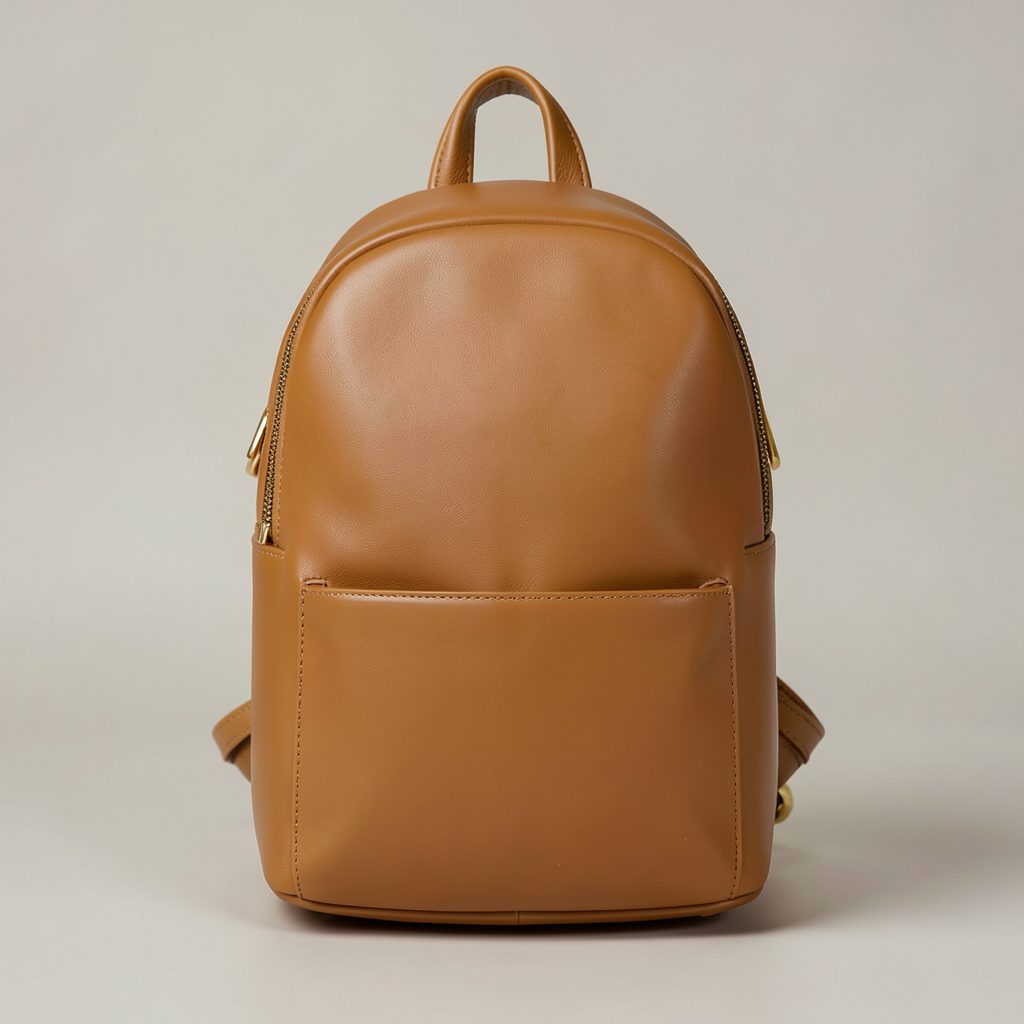
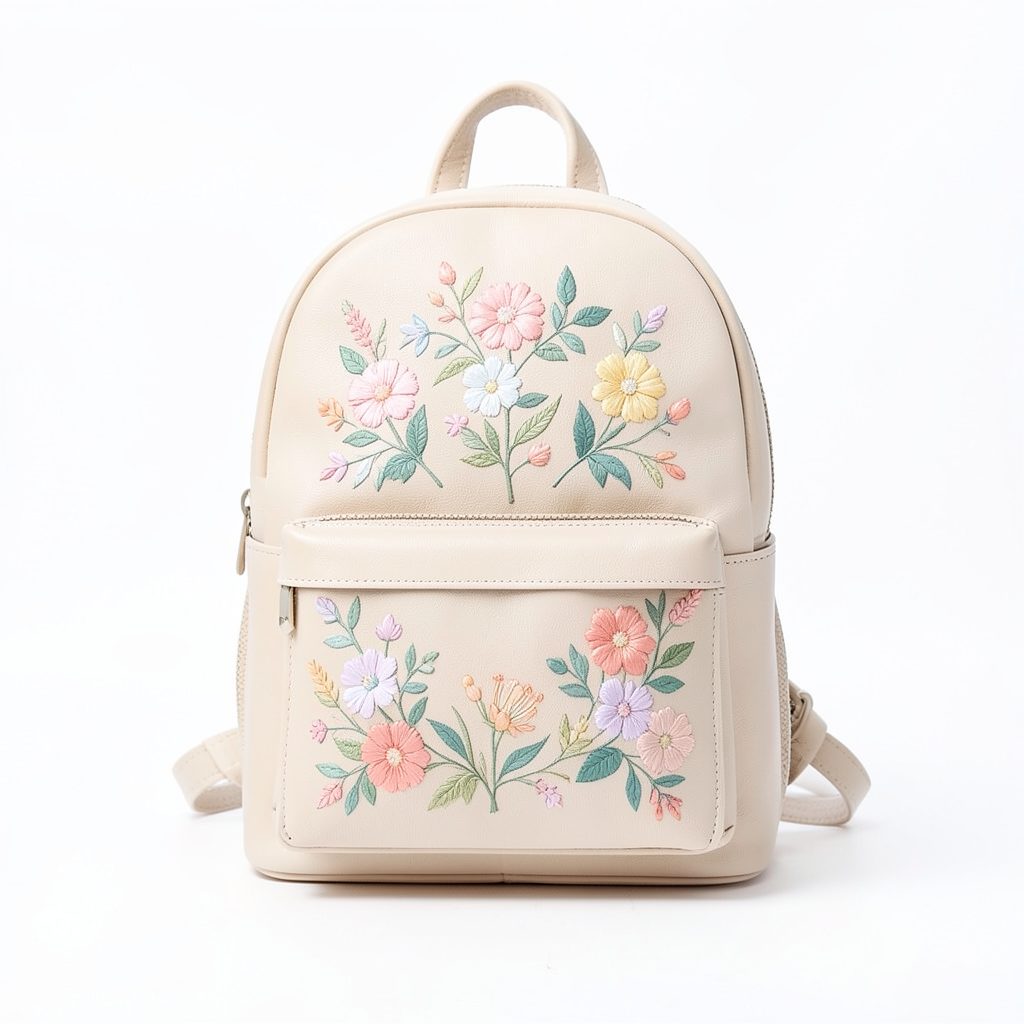
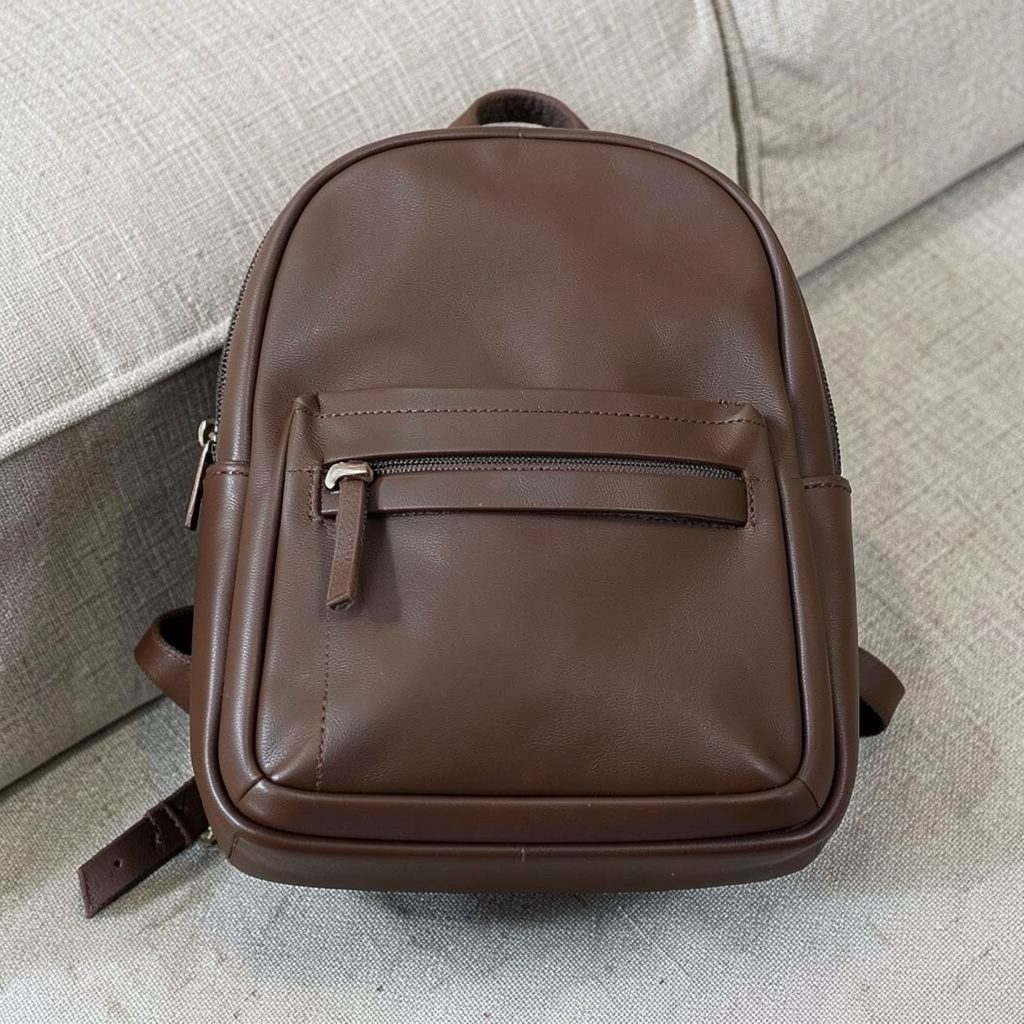
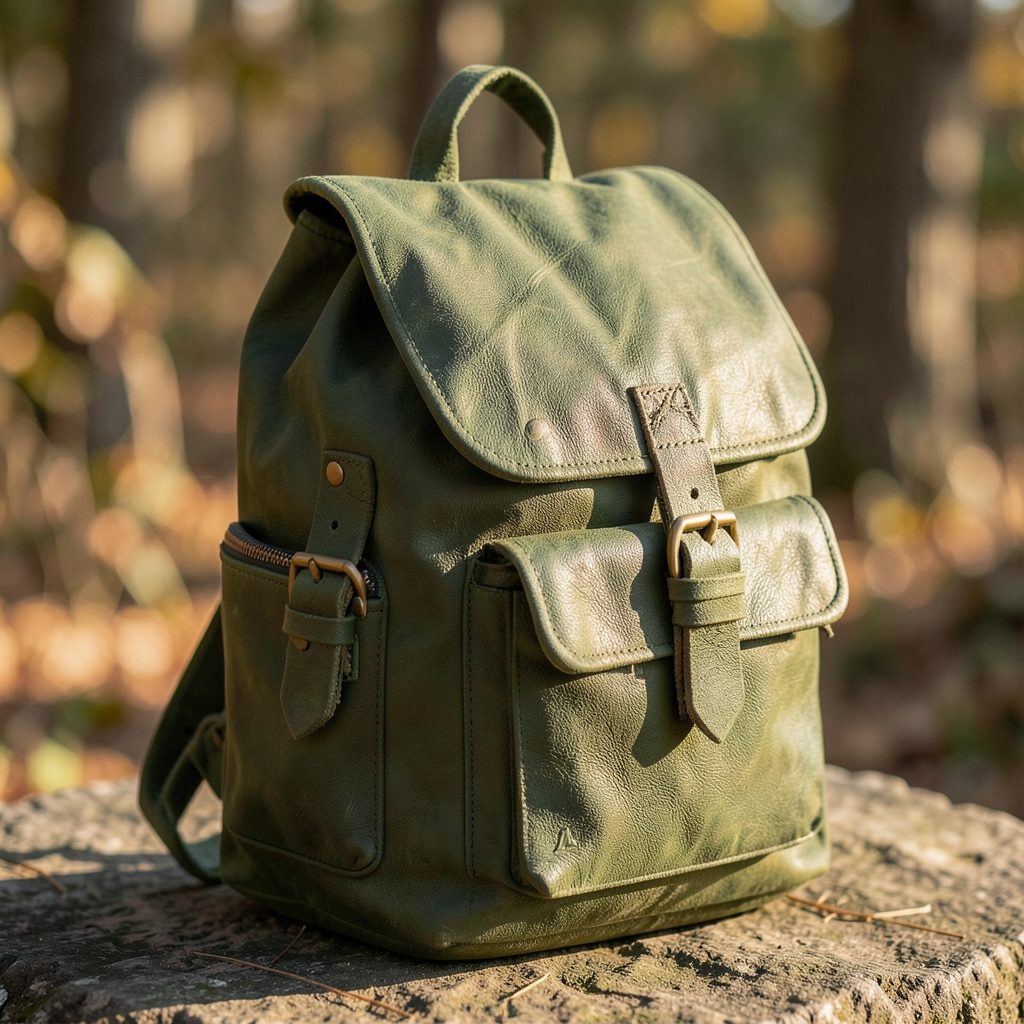
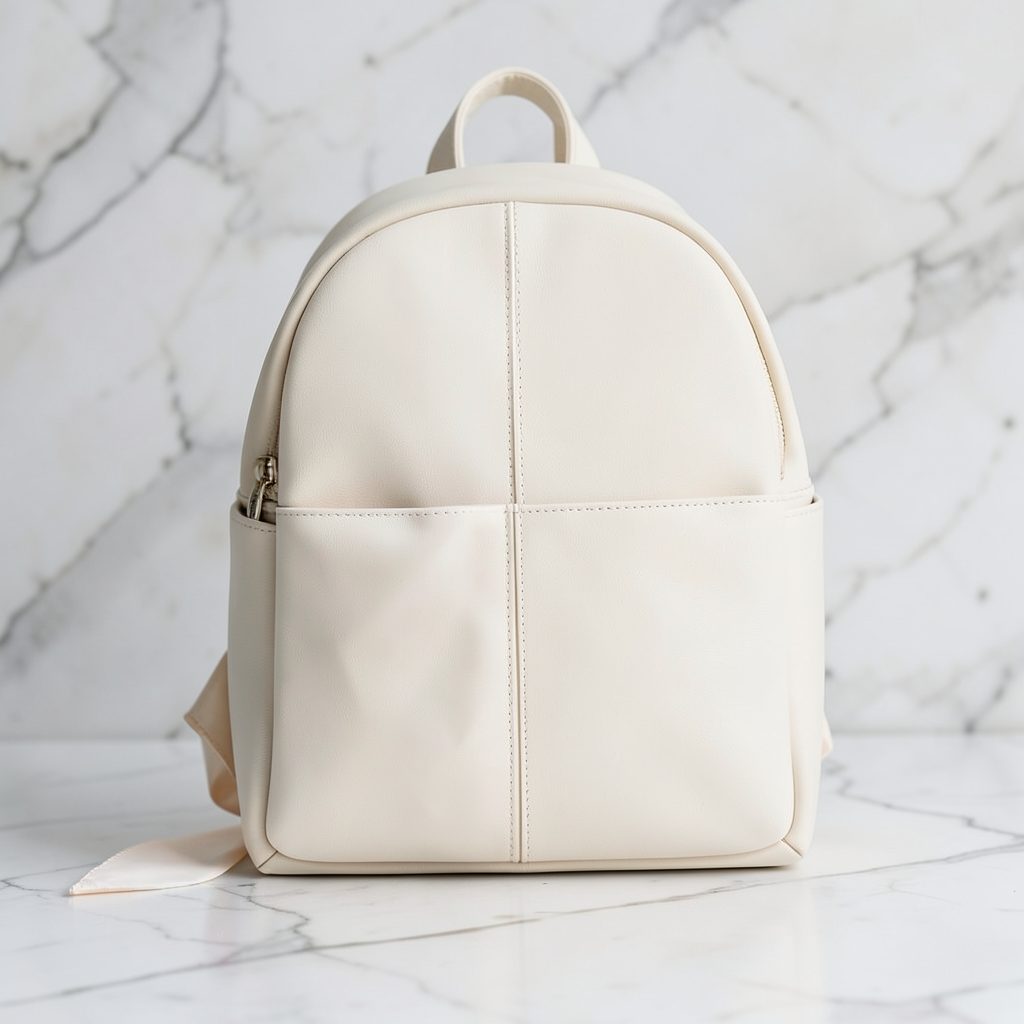
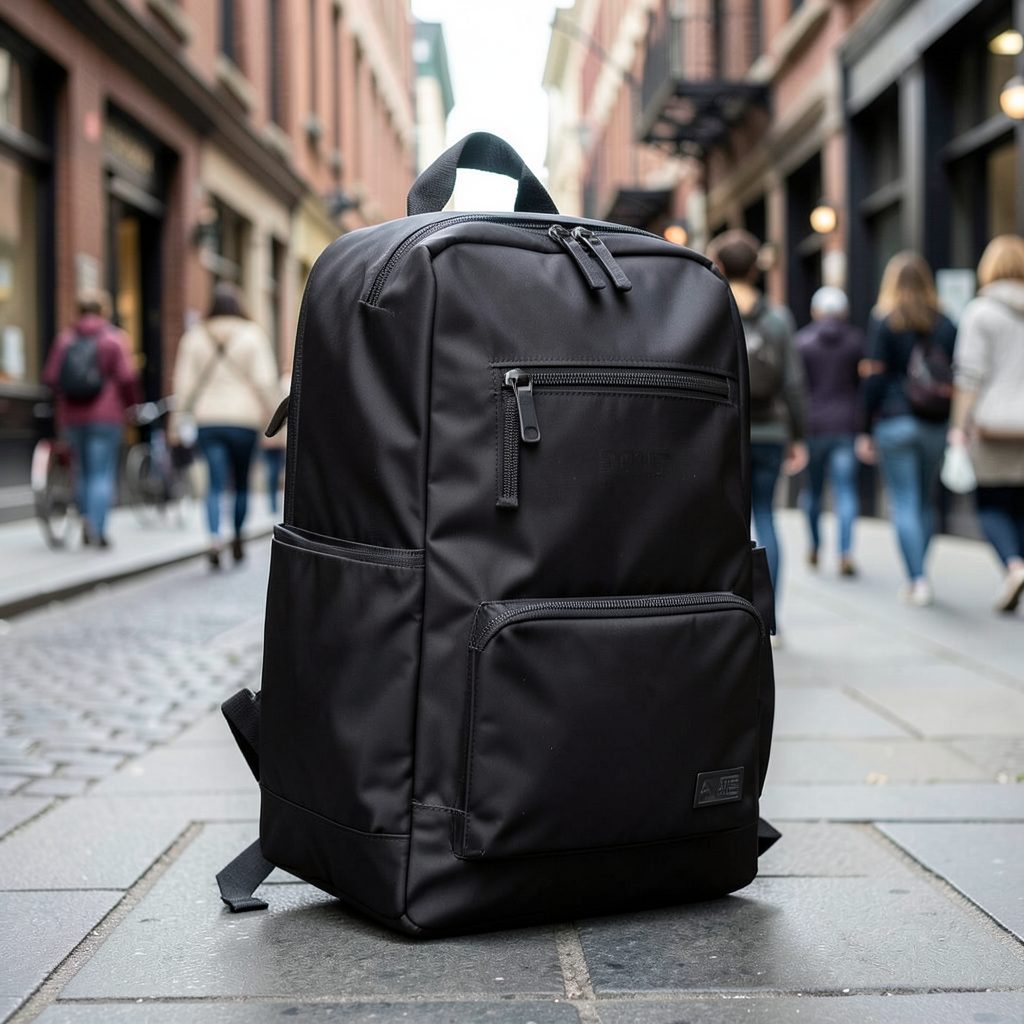
Every backpack is crafted from premium vegan leather with thoughtful details — multiple pockets, removable straps, and colors that work with any wardrobe. Browse the lineup below.