How to Pack a Vegan Leather Backpack as Your Personal Item
A well-packed backpack can replace a checked suitcase for a short trip, but success depends on more than simply fitting everything inside. The bag must slide beneath the seat, keep essential items accessible, and protect clothing, electronics, and travel documents throughout the journey.
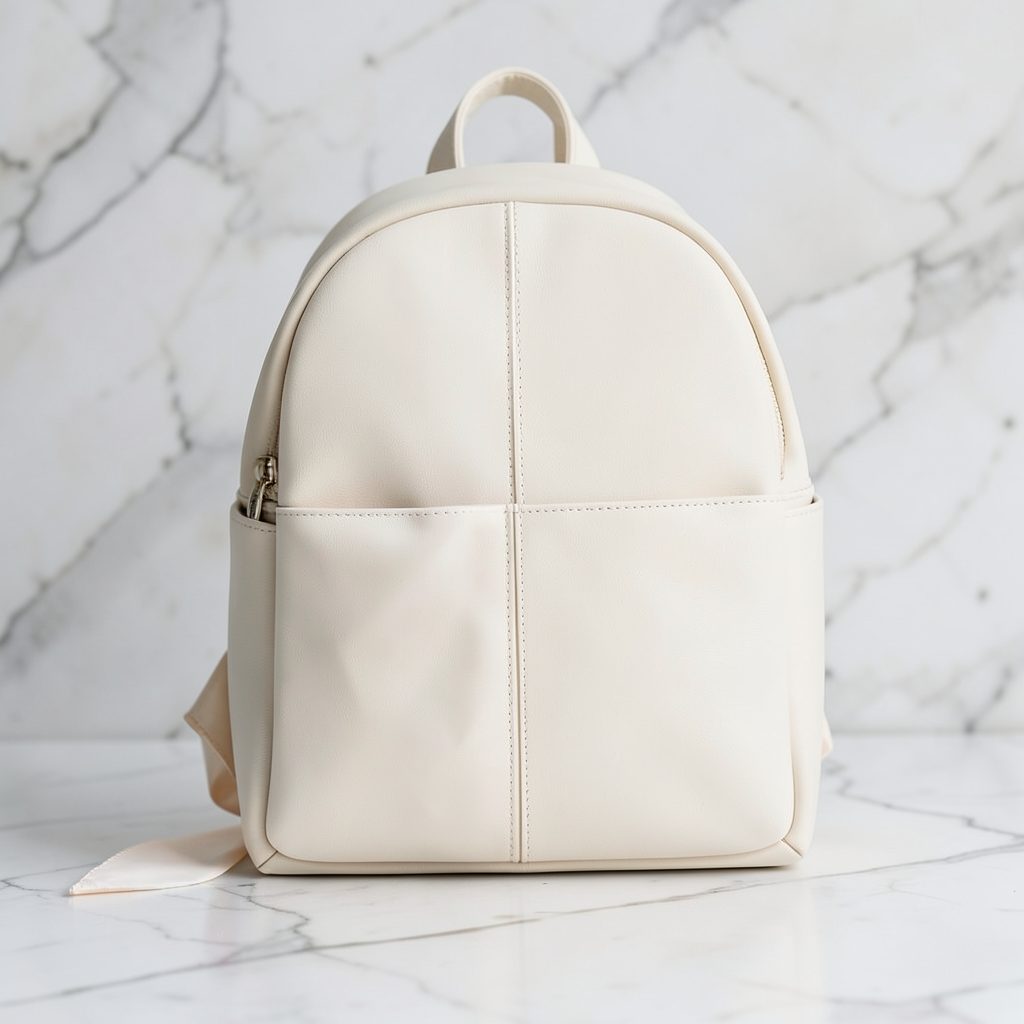
A vegan leather backpack is especially useful for this purpose because it combines the flexible shape of a soft travel bag with a polished appearance suitable for airports, cafés, and city walks. With the right packing order, it can carry a surprising amount without looking overfilled or becoming uncomfortable.
Airlines often use different personal-item measurements, and some enforce them more strictly than others. Check your carrier’s current size and weight rules before packing, then use those limits to guide your choices. The goal is a compact personal item that works as both an in-flight organizer and a day bag at your destination.
Choose a backpack that fits personal-item rules
Start with the backpack itself. A personal item needs to fit completely beneath the seat in front of you, so a streamlined profile is usually more useful than a tall, rigid design. Look for a bag with enough structure to protect contents but enough flexibility to compress slightly when required.
Measure the backpack when it is empty and again when it is packed. Exterior pockets, handles, decorative details, and side compartments can affect the final dimensions. A bag that technically matches an airline’s published limits may still be difficult to place under a narrow seat if it is packed tightly or has a bulky front panel.
Capacity matters as well. Around 16 to 24 liters is often practical for a personal item on a weekend trip, although the ideal size depends on your clothing, weather, and access to laundry. If you are unsure which shape will suit your plans, this weekend backpack guide can help you compare proportions, compartments, and everyday usability.
Choose wide, comfortable shoulder straps and a padded back panel if you expect to carry the bag through airports or public transport. A top handle is convenient for security lines, while a luggage sleeve can help secure the backpack to a rolling suitcase if you use one for longer journeys.
Create a compact packing system
The most efficient packing method begins with a short list rather than an open-ended pile of belongings. Choose a color-coordinated travel wardrobe so that every top works with multiple bottoms. For a two- or three-day trip, two bottoms, three tops, underwear, sleepwear, and one lightweight outer layer may be enough.
Roll soft garments or fold them into slim packing cubes. Rolling can reduce wrinkles in casual fabrics, while cubes prevent small clothing items from spreading into empty spaces. Avoid thick organizers that consume more room than they save. A lightweight pouch for underwear and a separate one for laundry usually provides all the organization needed.
Wear the bulkiest shoes, jacket, and heavier trousers during transit. Pack only one additional pair of shoes if the itinerary requires it, and place them in a thin shoe bag near the bottom of the backpack. Socks can fit inside the shoes, making use of space that would otherwise remain empty.
Toiletries should be reduced to travel sizes and placed in a transparent, leak-resistant pouch. Choose solid shampoo, a small moisturizer, or multipurpose products where appropriate. Liquids stored near the top are easier to remove at security, and a sealed pouch protects the rest of the bag if a container opens.
Pack according to access and weight
Think of the backpack in layers. Items you will not need until arrival belong closest to the back panel or at the bottom. This includes folded clothing, sleepwear, and spare shoes. The middle layer can hold a tablet, book, light scarf, or compact toiletry pouch.
The top section should contain the things you may need during the flight: headphones, charging cable, hand sanitizer, tissues, medication, snacks, and an empty water bottle. Keep these items in a dedicated compartment or small pouch so you do not have to unpack the entire bag beneath the seat.
Travel documents and valuables deserve a separate, secure location. Place your passport, wallet, boarding pass, and identification in a zipped interior pocket or a discreet crossbody worn under a jacket. If you prefer keeping small essentials outside the backpack, a woven crossbody bag can provide quick access while leaving the main compartment organized.
Distribute weight close to the back panel rather than allowing heavy objects to sit at the front. A laptop, e-reader, or camera should be protected by padding and positioned vertically if the compartment allows. Lighter clothing can fill the outer areas, while fragile items should not be pressed against hard corners, buckles, or zippers.
Match contents to your travel style
The best personal-item packing list changes with the destination. A warm-weather city break may require only breathable clothing, sandals, sunscreen, and a thin layer for air-conditioned spaces. A cooler destination calls for careful layering rather than one oversized coat that takes up most of the backpack.
For business travel, prioritize a laptop, compact charger, notebook, and one polished outfit. Fold a shirt around a slim packing cube or use tissue paper to reduce creasing. Keep cables together in a small pouch and leave nonessential office equipment at home unless you know you will use it.
For sightseeing, reserve space for a foldable tote, sunglasses, a reusable bottle, and a light rain shell. These items can serve you after arrival without turning the backpack into a second suitcase. A foldable tote is particularly useful for groceries or souvenirs and takes up very little room when not in use.
For multi-city travel, avoid packing for every possible situation. Rewearing versatile pieces is easier when you select neutral colors and fabrics that dry quickly. You can also extend the life of your bag by following these tips to rotate your bags during a longer itinerary rather than carrying the same load every day.
| Travel need | Pack inside the backpack | Wear or carry separately |
|---|---|---|
| Flight essentials | Documents, medication, headphones, charger, snacks | Jacket or scarf |
| Two-day city break | Two bottoms, three tops, underwear, sleepwear | Comfortable shoes and outer layer |
| Business trip | Laptop, notebook, compact toiletries, one change of clothes | Smart jacket and travel shoes |
| Warm-weather escape | Lightweight clothing, swimwear, sandals, sun protection | Bulkiest walking shoes |
| Rainy or cool destination | Thin layers, compact umbrella, waterproof pouch | Heavier coat or boots |
Protect vegan leather and packed belongings
Vegan leather is easy to maintain, but it benefits from thoughtful handling during travel. Do not force an overstuffed backpack closed, since excessive pressure can strain seams, distort the shape, and place stress on the zipper. Leave a small amount of space so the material can retain its structure.
Keep the backpack away from sharp objects, rough luggage frames, and abrasive surfaces. A laptop sleeve or soft clothing layer can protect the interior from chargers, toiletry bottles, and camera equipment. Store pens, cosmetics, and liquids in closed pouches to avoid marks or leaks.
Moisture should be dealt with quickly. If the bag becomes wet, wipe it gently with a soft cloth and let it air-dry at room temperature. Avoid placing it directly against a heater or using high heat, which can affect the finish. When you arrive, empty the backpack and allow the interior to air out before storing it.
A small maintenance kit can be useful on longer trips. Pack a microfiber cloth, a few tissues, and a reusable zip pouch for unexpected spills. Regularly checking the straps, zipper pulls, and bottom corners also helps you notice wear before it becomes a serious problem.
Use a final packing routine
A repeatable routine makes it easier to pack light without forgetting essentials. Lay everything out first, remove duplicates, and check the weather forecast. Then test the packed backpack in the same way you will use it: lift it by the top handle, wear it on both shoulders, and place it beneath a chair or desk to imitate an aircraft seat.
Use these practical rules before leaving home:
- Confirm the airline’s personal-item dimensions and any weight restrictions.
- Wear the heaviest clothing and shoes instead of packing them.
- Keep medication, documents, electronics, and liquids easy to reach.
- Fill empty spaces with soft items, but avoid compressing the bag until it bulges.
- Leave room for a small purchase or folded tote on the return journey.
After the first test, remove anything that has a replacement at your destination or that you are carrying “just in case.” A compact personal item is easier to manage when every object has a clear purpose. It should also remain light enough to carry comfortably through a terminal, onto public transport, and around your destination.
Keep a digital copy of reservations and travel documents so you do not need to carry unnecessary paper. Download entertainment before departure, and use a universal charging cable when possible. Small reductions in duplicate accessories can create enough space for a complete extra outfit.
Make your backpack work beyond the flight
A thoughtfully packed vegan leather backpack should transition easily from aircraft cabin to daily sightseeing. Once you arrive, remove the travel-only items, place laundry in its pouch, and reorganize the main compartment for the day. Your passport and backup documents can move to a secure interior pocket while a water bottle, sunglasses, and map become more accessible.
The backpack can also serve as a personal-item solution on the return journey, provided you resist filling every spare inch. Keep delicate purchases wrapped in clothing and place heavier souvenirs close to the back panel. If the bag begins to feel crowded or uncomfortable, use a foldable tote for lightweight overflow rather than overloading the shoulder straps.
Select a durable, animal-free design that suits your travel habits, pack it by access and weight, and check its dimensions before every flight. Explore Travel Starter Pack’s vegan leather travel bags and accessories to find a practical companion for your next short trip, then set aside a few minutes before departure to pack with purpose.
Our Backpack Styles
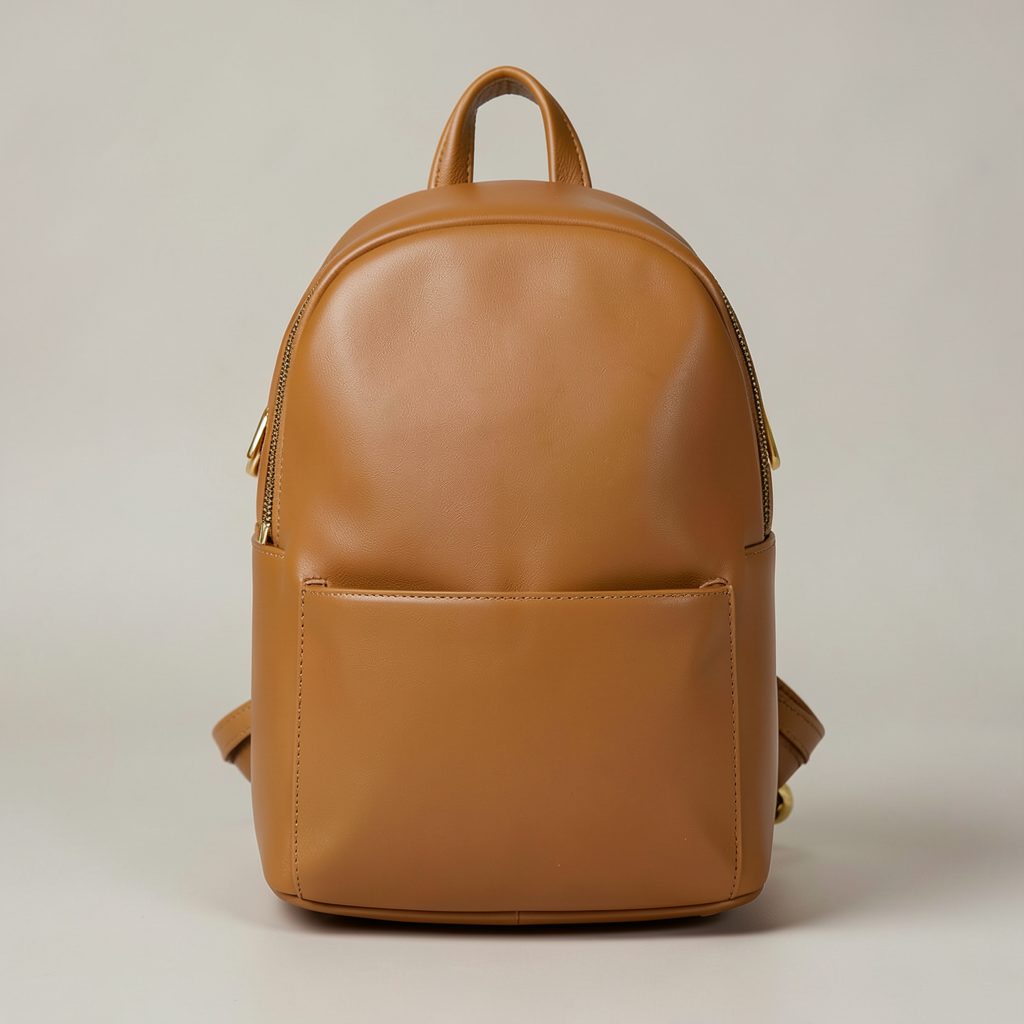
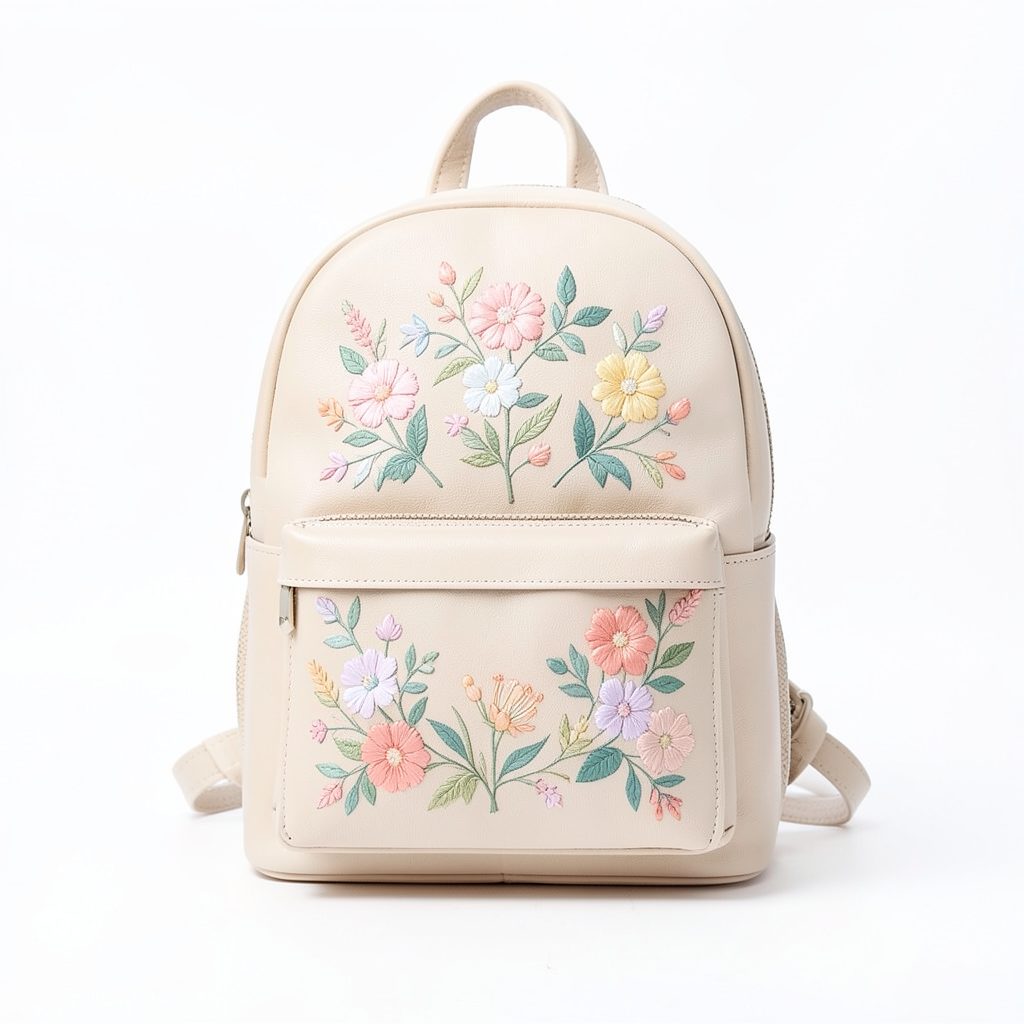
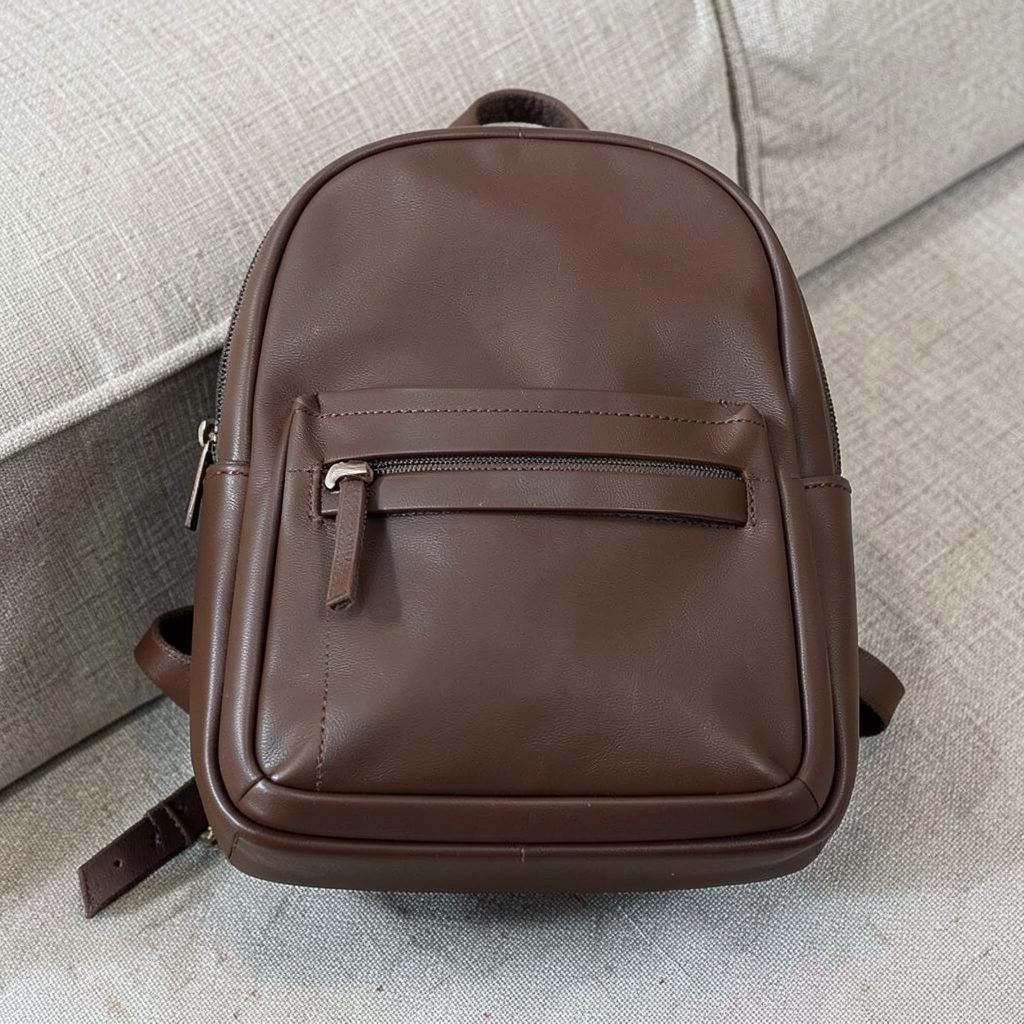
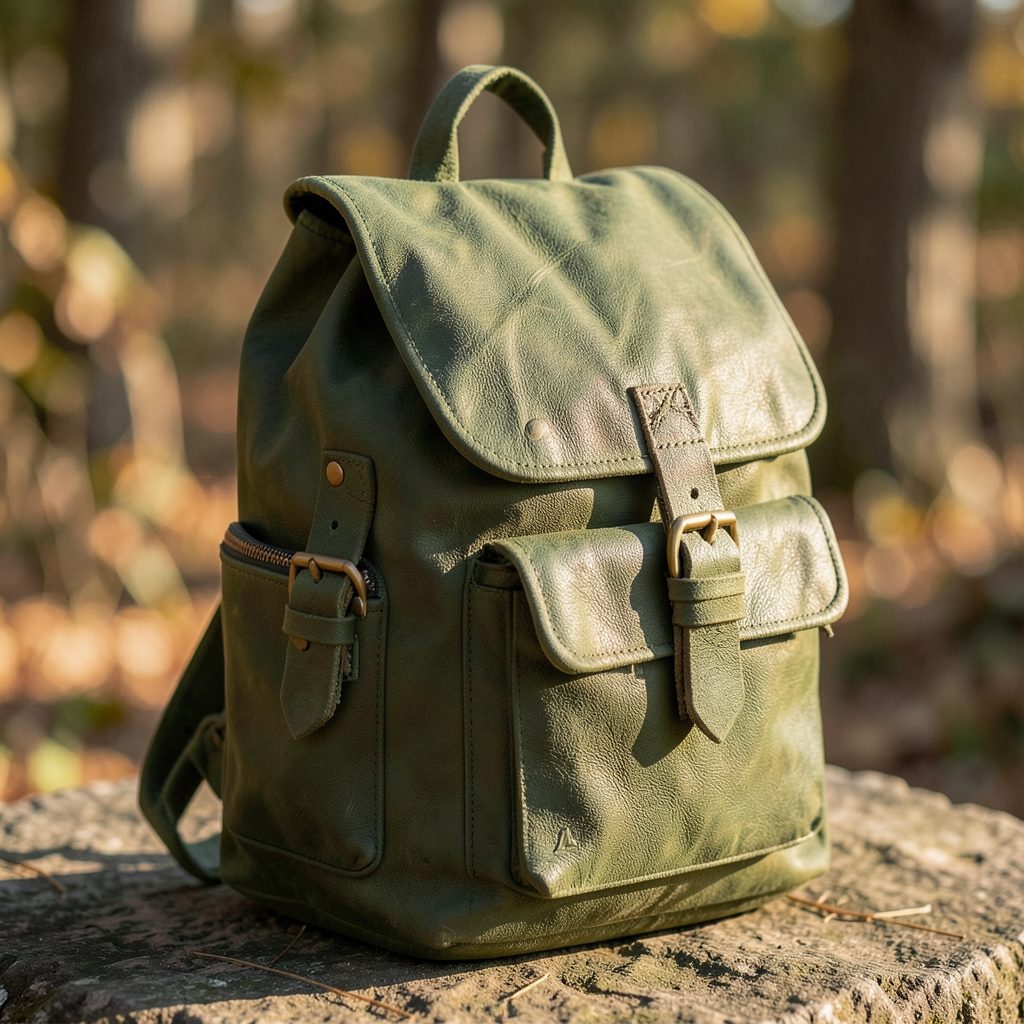
Every backpack is crafted from premium vegan leather with thoughtful details — multiple pockets, removable straps, and colors that work with any wardrobe. Browse the lineup below.