How to rotate your bags on a multi-city trip to avoid wear
A multi-city trip puts unusual pressure on your travel gear. A bag may be opened at airport security, carried through several train stations, placed beneath a café table, squeezed into an overhead compartment, and used again before the day is over. Repeating that routine for a week or longer can leave one favorite bag scratched, misshapen, or overloaded.
Rotating your bags gives each piece time to recover while helping you match its shape and capacity to the day ahead. A compact crossbody can handle a museum visit, a backpack can carry layers for a long transfer, and a tote can serve as a flexible daytime or shopping bag without forcing one style to do everything.
The key is to plan around movement, weather, access, and the items you actually need. With a small selection of durable vegan leather bags and a simple packing system, you can reduce friction, protect high-wear areas, and keep every city day comfortable.
Why rotation protects your bags
Frequent use creates wear in predictable places. Shoulder straps rub against clothing, corners meet floors and walls, zippers are pulled repeatedly, and the base of a bag absorbs pressure whenever it is set down. Overloading adds further stress to handles, seams, closures, and attachment points.
A rotation schedule spreads these demands across several bags. Instead of carrying the same tote through every transfer, you might use a backpack on a travel day, a crossbody for sightseeing, and a lighter shoulder bag for dinner. Each item gets a break before the same points are stressed again.
Rotation also protects the bag’s shape. A structured style can recover after carrying heavier objects, while a softer design can be stored without being compressed under shoes or outerwear. Emptying each bag at the end of the day gives the material and lining time to air out, particularly after use in warm or humid conditions.
Match each bag to the day
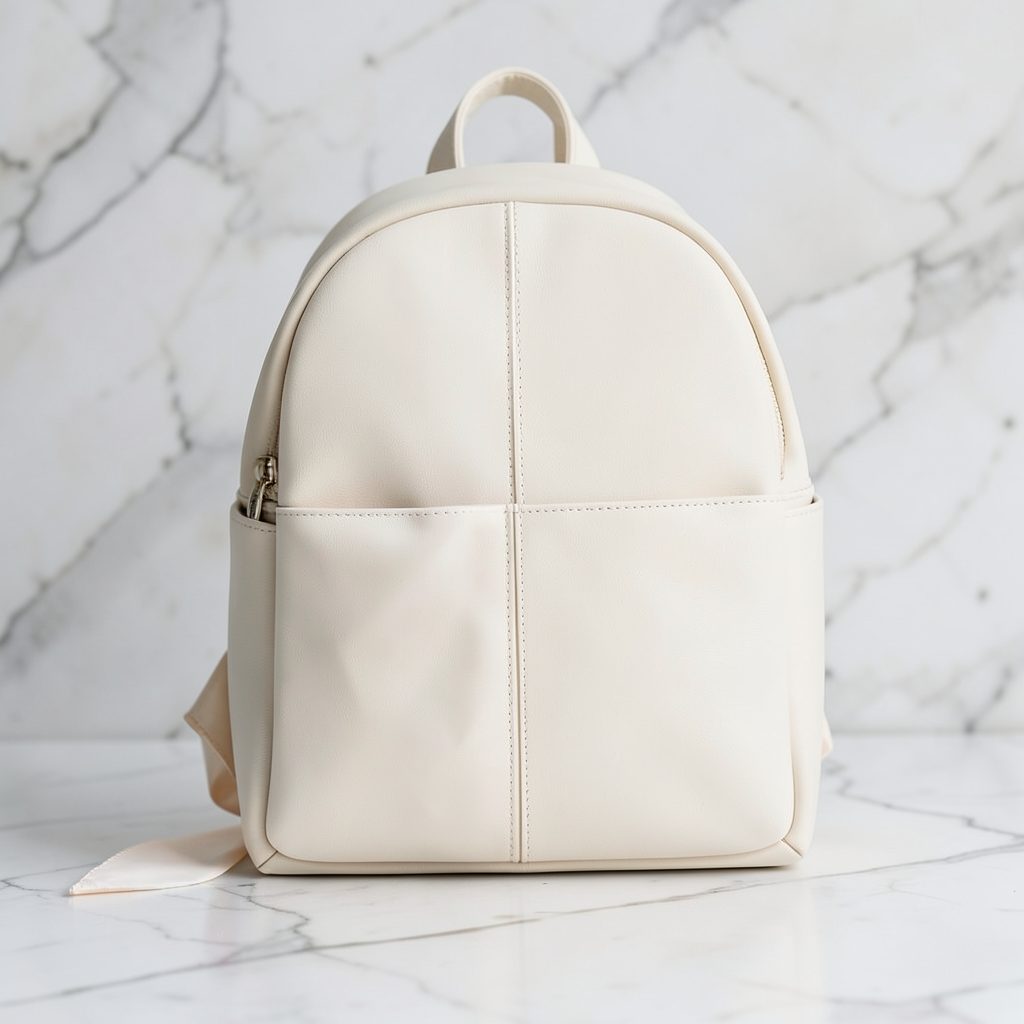
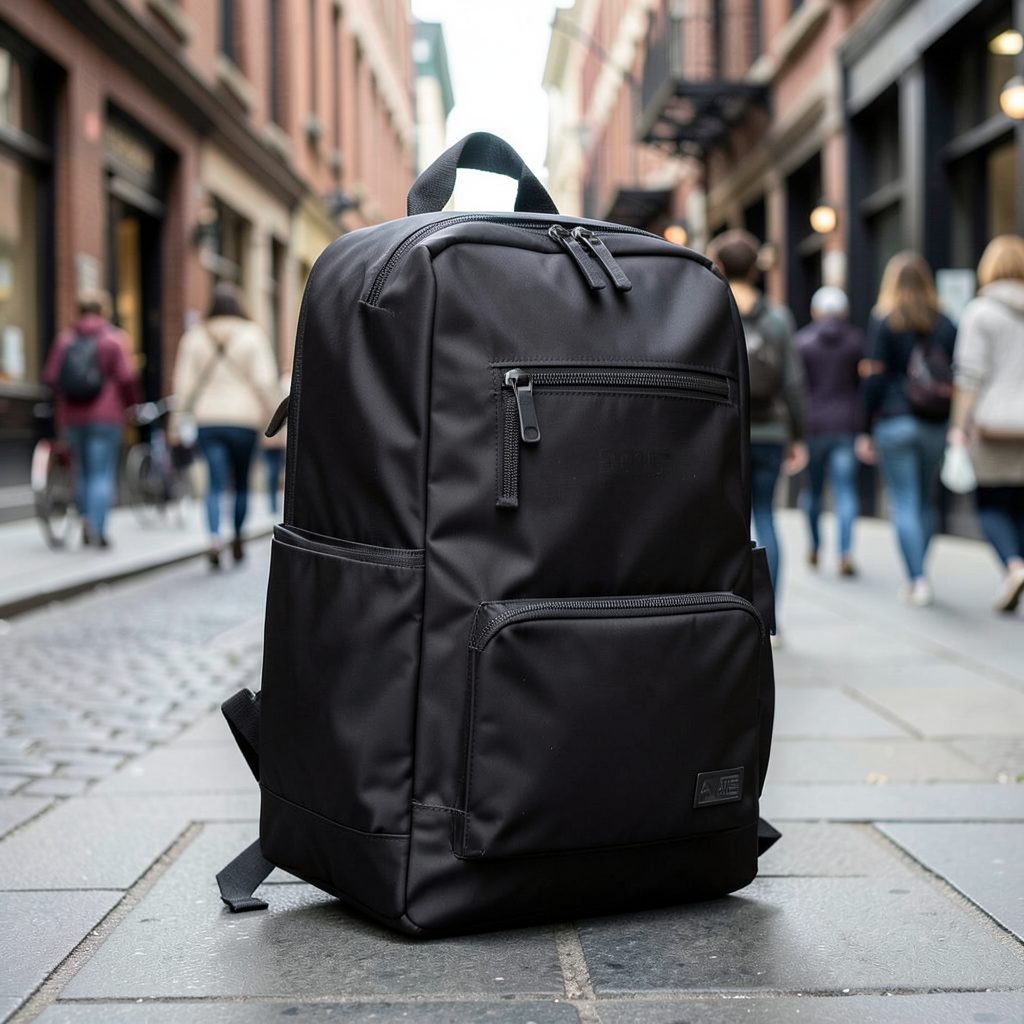
Start by assigning each bag a role rather than choosing one based only on appearance. A backpack is usually the most practical option for long walking days or intercity travel because its weight is distributed across both shoulders. It can hold a water bottle, light jacket, charger, travel documents, and other essentials without pulling heavily to one side.
A crossbody works well when you need fast access and a close-fitting silhouette. It is useful for city walks, public transport, and crowded attractions because the bag stays within your visual field. Keep the contents light, placing your phone, wallet, keys, tickets, and a small power bank in the main compartment rather than treating it as a portable suitcase.
A tote offers quick access and extra flexibility, making it useful for a relaxed city day, a market visit, or carrying items purchased during the trip. However, a tote should not automatically become the overflow bag for every other piece. Use an organizer or slim pouch inside it so contents stay upright and the handles do not bear unnecessary weight.
A wallet or small accessory can also support the rotation. Moving cards, coins, and identification into one compact wallet prevents loose objects from rubbing against the lining or scratching other items. Keep a separate pouch for cables, cosmetics, or medication so the main compartments stay orderly and easier to inspect.
Build a practical rotation schedule
Before leaving, map your itinerary by activity rather than by city name alone. A flight, a full sightseeing day, an evening meal, and a shopping afternoon place different demands on your carry gear. Mark days when you will walk extensively, use public transport, or need to keep both hands free.
Pack at least two primary bags if space allows, with a third compact option for lighter outings. The goal is not to bring a different bag for every outfit. It is to create enough variety that one bag is not exposed to continuous load, weather, friction, and handling from morning until night.
A simple schedule could look like this:
| Trip situation | Best bag choice | Why it works | Rotation note |
|---|---|---|---|
| Airport or train transfer | Backpack | Holds layers, documents, and electronics while distributing weight | Let it rest during the first sightseeing day |
| Long walking itinerary | Crossbody or light backpack | Keeps essentials accessible without excessive bulk | Avoid filling every pocket |
| Museum, café, or dinner | Compact crossbody | Offers a neat profile and easy access | Store it empty overnight |
| Market or shopping afternoon | Tote | Provides flexible space for light purchases | Keep heavier items close to the center |
| Rainy or damp day | Easy-to-clean structured bag | Helps protect contents and simplify wiping | Air it out fully before storage |
| Minimal sightseeing day | Small shoulder or crossbody bag | Carries only the essentials | Use it to give larger bags a break |
A useful rhythm is to avoid using the same bag for more than two demanding days in a row. After a heavy travel day, switch to a smaller option even if the larger bag still appears fine. Preventive rotation is easier than trying to correct stretched straps or distorted panels after the trip.
Pack and carry with less strain
The way you load a bag can matter as much as the bag you select. Put dense items such as chargers, cameras, or water bottles close to the center of the bag and near your body. Keep soft layers around them to prevent hard edges from pressing into the exterior. A balanced load reduces pulling at seams and makes the bag more comfortable to carry.
Avoid filling every available compartment simply because it exists. Extra capacity often encourages unnecessary items, while a crowded interior increases pressure on the zipper and lining. Before leaving your accommodation, remove receipts, packaging, empty bottles, and anything you no longer need for that day.
Adjust straps when changing from a light outfit to a coat or sweater. A strap that is too tight creates concentrated friction, while one that is too loose allows the bag to swing against surfaces. If you prefer a waist bag or belt bag for hands-free movement, this waist bag styling guide can help you position it comfortably and keep its contents accessible.
During transfers, treat your bag as a personal item rather than a piece of luggage whenever possible. Do not drag it across the ground, place it beneath a heavy suitcase, or hang it from unstable fixtures. When setting it down, choose a clean, dry surface and rest the base evenly instead of leaning the bag onto one corner.
Clean, store, and inspect between cities
A short reset at the end of each day prevents small problems from becoming permanent marks. Empty the bag completely, shake out crumbs, and wipe the exterior with a soft, slightly damp cloth if the material allows it. Avoid harsh solvents, abrasive sponges, and excessive water, since these may affect the finish or color of vegan leather.
Pay attention to areas that collect grime first: the bottom panel, corners, strap edges, zipper pulls, and the section that touches your clothing. If a spill occurs, blot it promptly instead of rubbing it deeper into the surface. Follow the care instructions supplied with the individual product, since finishes and linings can vary.
Give a used bag several hours to rest before packing it tightly inside another item. Leave the main compartment open in a ventilated room, away from direct heat and strong sunlight. Heat can affect synthetic materials, while prolonged sunlight may alter darker or brighter colors.
Inspect the bag before putting it back into rotation. Check whether the strap attachments feel secure, whether the zipper moves smoothly, and whether the corners show unusual creasing. Early attention to a loose thread or strained handle is more practical than discovering the issue at the next airport.
Choose features that support repeated use
A travel bag intended for rotation should be easy to carry, simple to organize, and versatile enough to serve several settings. Look for secure closures, reinforced handles or strap points, a stable base, and compartments that match your routine. These details reduce the temptation to overload a single bag because it happens to be the easiest one to access.
Material choice matters as well. Vegan leather can provide a smooth, polished appearance while avoiding animal-derived materials, and a durable finish is well suited to everyday travel when it receives sensible care. Select colors based on your itinerary: a darker shade may be forgiving during transport, while a lighter shade can work beautifully for lower-risk outings where you carry less.
Size should follow the contents rather than the destination. A large bag is not automatically better for a long trip if half of its interior remains unused. Smaller bags often encourage efficient packing and reduce the weight placed on handles and straps. When you need more capacity, add a lightweight pouch or foldable tote rather than filling a compact bag beyond its comfortable limit.
If a crossbody is likely to be your main sightseeing option, review the crossbody travel collection for silhouettes, colors, and capacities that suit different parts of an itinerary. A versatile design can move from daytime exploration to an evening meal, allowing you to rotate without carrying several bulky options.
Keep your travel rotation simple
A system only works when it is easy to follow in a small hotel room or busy station. Give every item a clear purpose and keep small essentials grouped together. A dedicated wallet, cable pouch, and document sleeve allow you to transfer what you need between bags in seconds instead of scattering loose items across the bed.
Use the following habits throughout the trip:
- Assign each bag a primary role before departure, such as transfer, sightseeing, dining, or shopping.
- Transfer a prepared essentials pouch instead of moving individual items one by one.
- Limit heavy objects in crossbody and shoulder bags to reduce uneven strain.
- Rest, empty, and air out each bag before returning it to active use.
- Keep a lightweight backup option available for days when weather or plans change.
At night, store bags upright or in their natural shape rather than folding them beneath clothing. Keep straps untangled and avoid placing metal accessories directly against the exterior. If a bag came with a dust bag, use it during longer storage periods, but do not seal a damp or recently cleaned item before it is completely dry.
A rotation also helps with outfit planning. Choose a neutral everyday style, a compact option for minimal days, and a roomier design for transfers or purchases. Coordinating colors across your travel wardrobe means you can change bags for practical reasons without making the rest of your packing more complicated.
Make every city day easier on your gear
Thoughtful rotation turns a collection of bags into a flexible travel system. Instead of asking one item to handle every airport, pavement, restaurant, and rain shower, you distribute the work according to each bag’s strengths. The result is less strain on materials, a more balanced load on your body, and easier access to the things you need.
Travel Starter Pack offers vegan leather backpacks, crossbody bags, totes, wallets, and accessories for trips that continue beyond one destination. Choose the styles that fit your route, use free worldwide shipping and order tracking to prepare with confidence, and begin your next journey with a rotation that keeps both your bags and your travel days in better shape.
Our Backpack Styles
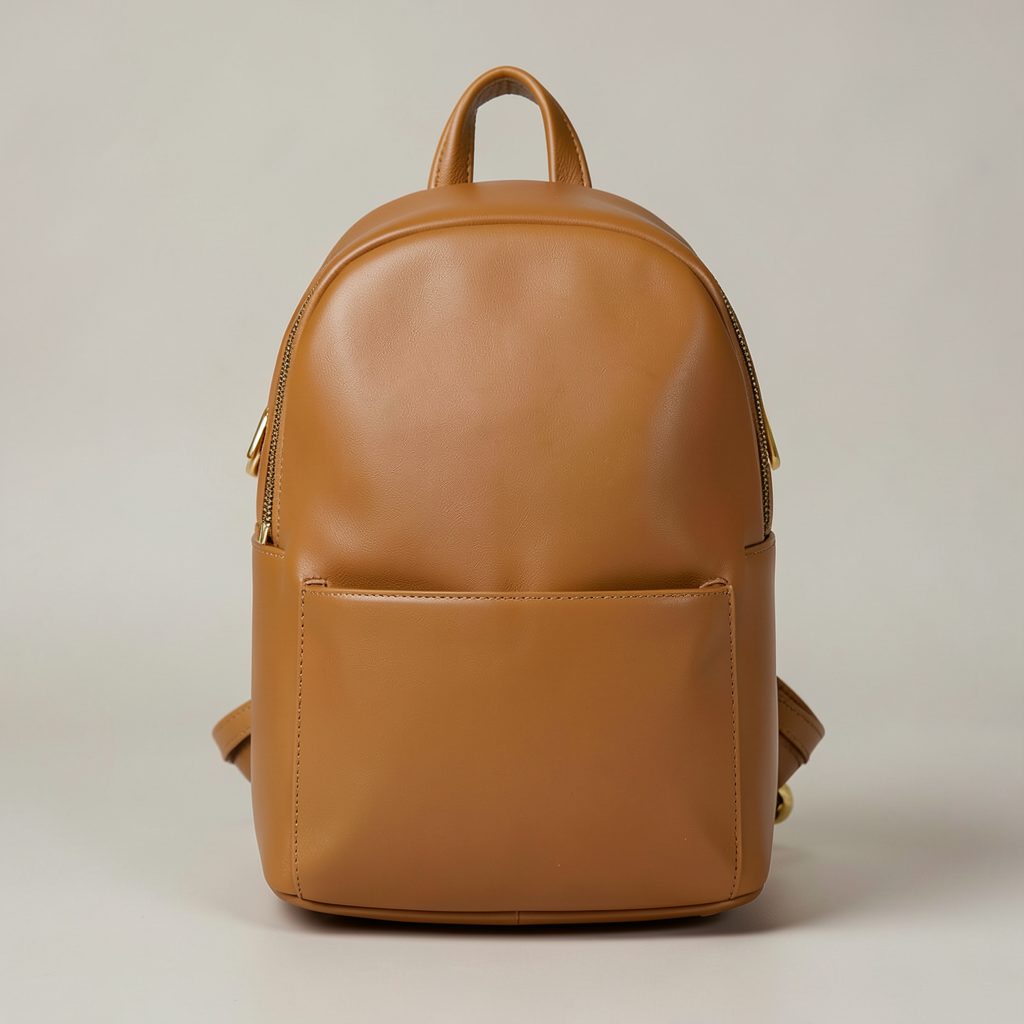
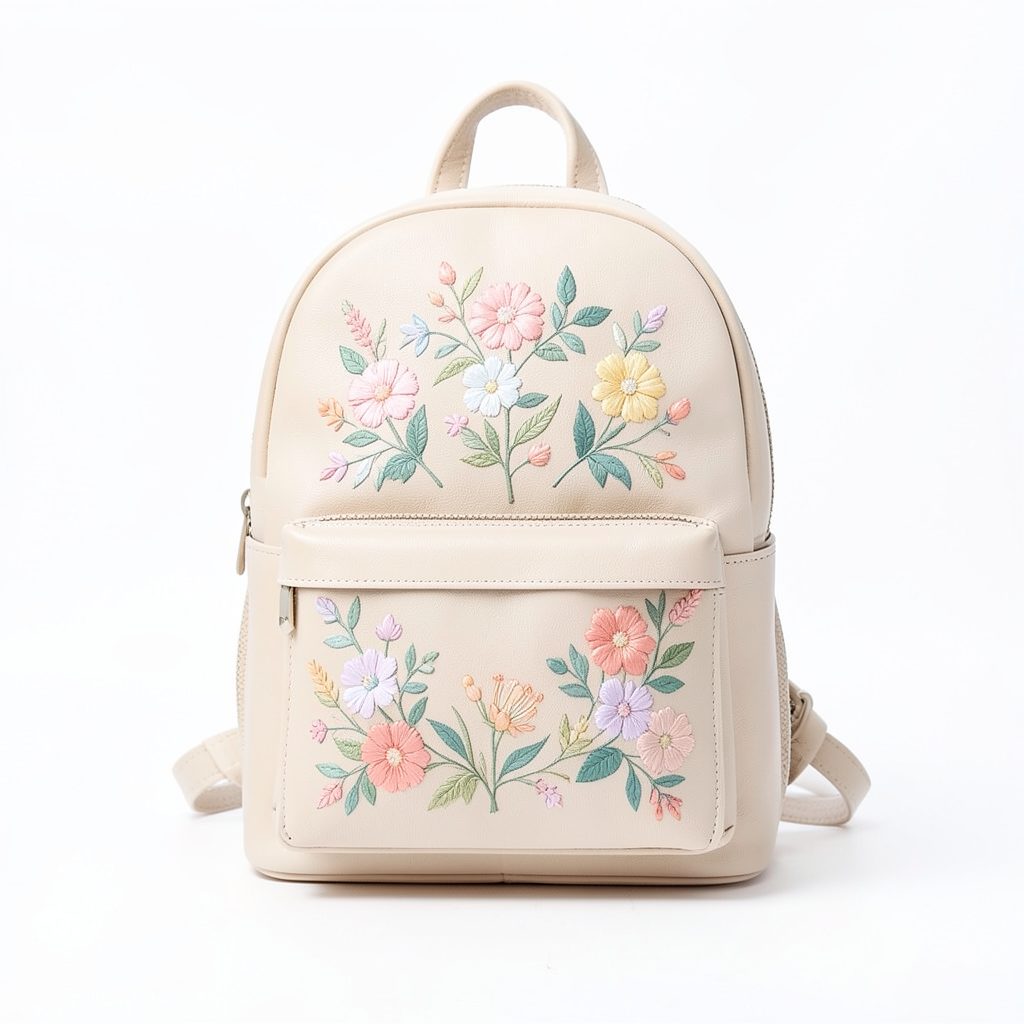
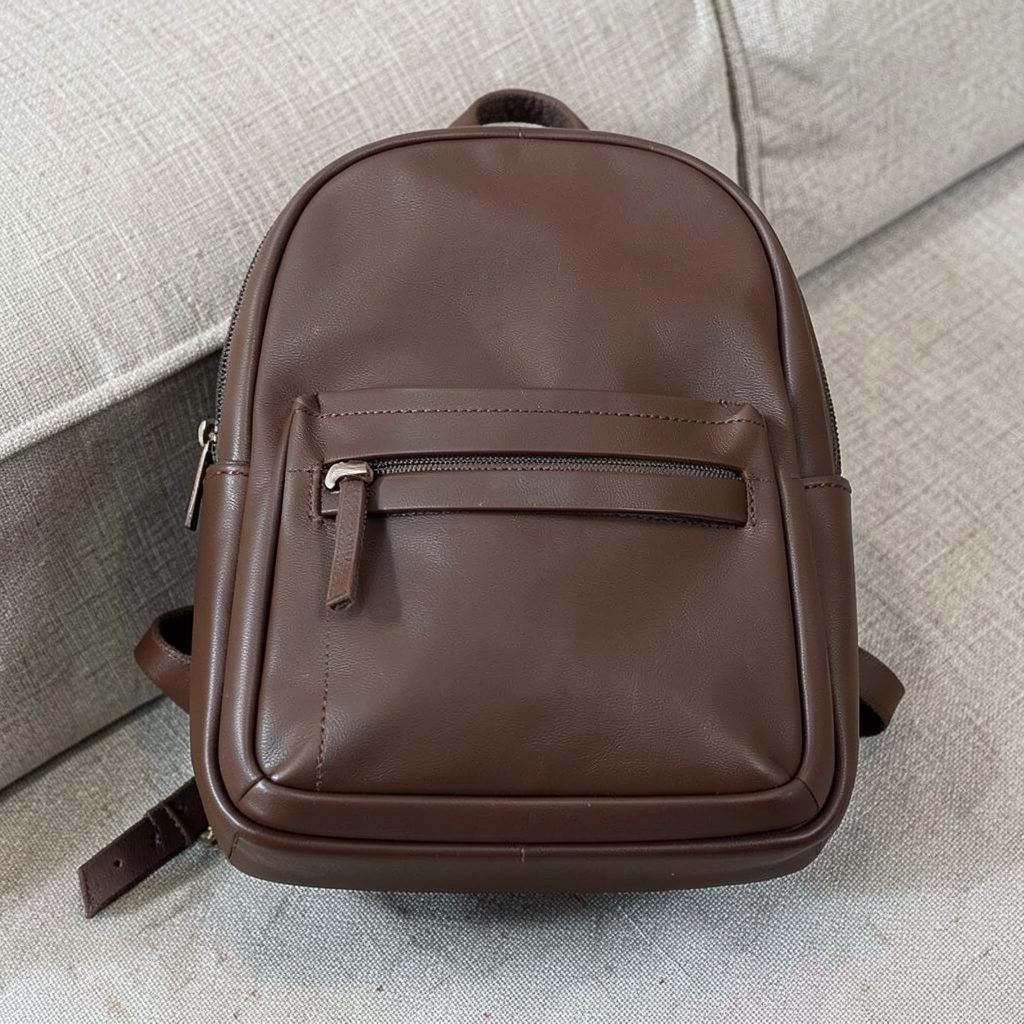
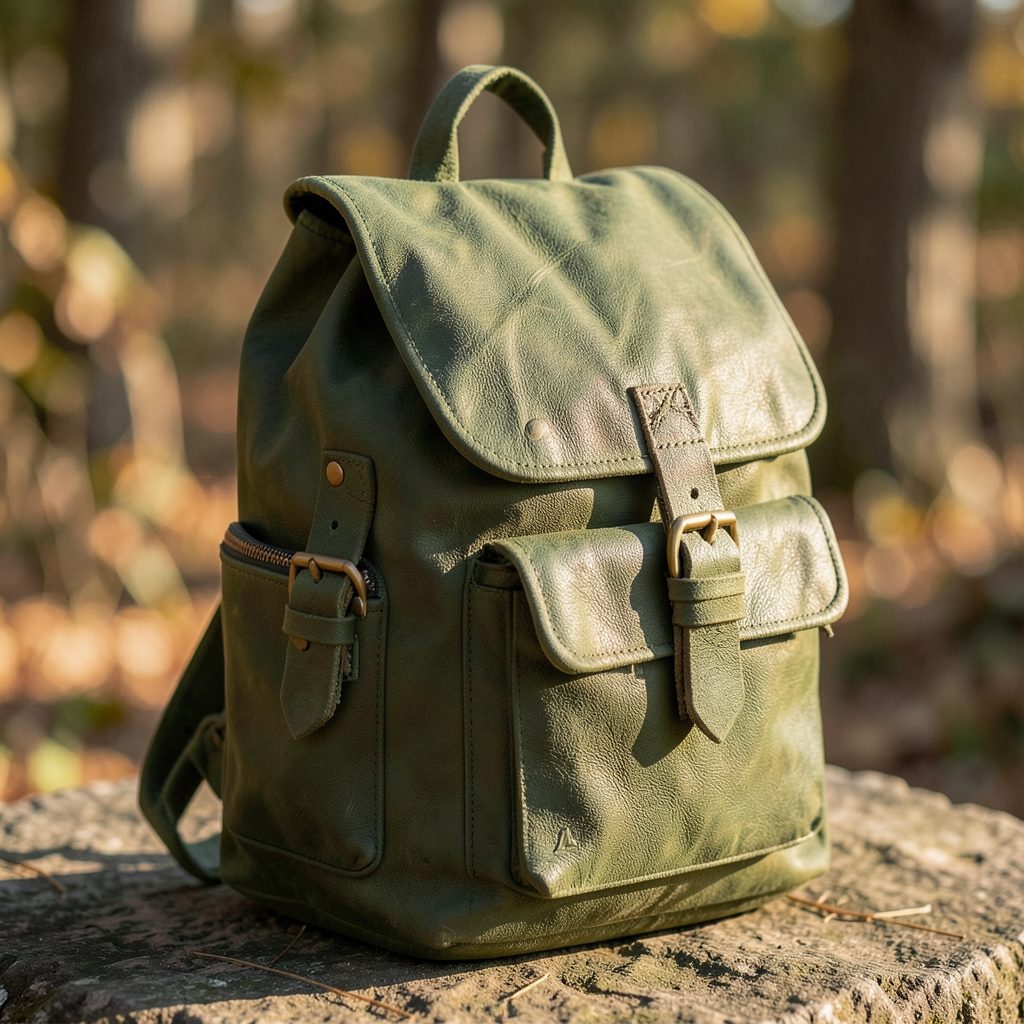
Every backpack is crafted from premium vegan leather with thoughtful details — multiple pockets, removable straps, and colors that work with any wardrobe. Browse the lineup below.