How to organize your tote with vegan leather pouches for a two-week trip
A two-week journey needs more than a spacious bag. It needs a packing system that keeps passports separate from receipts, medication away from cosmetics, and small essentials easy to reach when you are moving through airports, train stations, hotels, and city streets. A large tote can hold everything, but without internal organization, it can quickly become a deep, disordered compartment.
Vegan leather pouches provide a simple way to divide that space. They protect delicate belongings, make packing more efficient, and allow you to transfer essentials from a tote to a day bag without unpacking your entire luggage. Choosing a few pouches in different sizes gives every category a place while preserving the flexible shape and polished appearance of your travel tote.
The most effective setup combines one roomy tote, several zippered organizers, and a small number of carefully selected travel accessories. The goal is not to carry every possible item. It is to create a portable system that supports your itinerary, weather, personal routines, and access needs throughout fourteen days.
Choose the right tote as your base
Start with a tote that is large enough for your daily essentials but comfortable enough to carry for several hours. A structured vegan leather tote can protect electronics and documents, while a softer design may be easier to compress beneath an airplane seat. Look for sturdy handles, a secure top closure, a stable base, and interior or exterior pockets for items you need immediately.
Capacity matters, but an oversized tote can encourage overpacking. Your bag should accommodate a water bottle, compact umbrella, e-reader or tablet, travel documents, headphones, a light layer, and the pouches that hold smaller belongings. If you are comparing shapes and sizes, browsing vegan leather tote bags can help you identify a design that fits both your travel wardrobe and your usual daily routine.
Consider how the tote will work with your main luggage. A rolling suitcase with a telescoping handle is easier to manage when the tote has a sleeve or a stable shape that can rest securely on top. If your itinerary includes long walks, check the strap length and weight distribution before departure. A beautiful tote is less useful when its handles dig into your shoulder or its contents shift constantly.
Build a pouch system by category
Organize by activity rather than by object type. For example, keeping a charging cable in one place and a power adapter in another may seem logical at home, but a technology pouch should contain everything required to charge your phone, camera, tablet, and other devices. That way, you can remove one pouch at a hotel desk or place it in another bag for a day trip.
Use a larger pouch for technology, a medium pouch for personal care, and a compact zip wallet or organizer for documents and money. A slim pouch can hold medication, tissues, lip balm, or small wellness items. The number of organizers should remain manageable; too many small containers can take up more room than the belongings they are meant to organize.
Color coding can make the system faster to use. A dark pouch may be ideal for chargers and cables, while a lighter or brighter color can identify first-aid items or toiletries. If all your pouches are neutral, add a small luggage tag or fabric loop to each one. Clear labels are especially helpful when you are tired, traveling in low light, or sharing a room with others.
Match pouch sizes to the contents
Every pouch should have a defined capacity. A flexible vegan leather organizer is useful because it protects contents without adding excessive bulk, but it should not be stuffed until the zipper strains. Leave a little space for items you collect during the journey, such as receipts, transit cards, or a small souvenir.
Use a flat pouch for papers and thin objects. It can hold printed reservations, backup identification copies, a pen, and a compact notebook without creating a bulky section in the tote. A boxier organizer works well for cables, plugs, and adapters because it prevents cords from becoming tangled with other belongings.
A small pouch should be reserved for high-use essentials. Place hand sanitizer, tissues, lip balm, sunglasses, and pain relief where you can reach them without opening every compartment. For anything valuable or sensitive, choose a pouch with a dependable zipper and keep it in the interior of the tote rather than in an exposed outer pocket.
| Tote zone | Recommended pouch | Contents | Access frequency |
|---|---|---|---|
| Interior center | Medium technology pouch | Charging cables, plugs, power bank, earbuds | Several times daily |
| Interior side | Document wallet or flat pouch | Passport, cards, tickets, reservations, pen | During transit |
| Easy-access pocket | Small essentials pouch | Tissues, sanitizer, lip balm, medication | Frequent |
| Bottom or rear section | Personal-care pouch | Toothbrush, travel-size products, hair ties | Morning and evening |
| Top layer | Flexible spare pouch | Receipts, snacks, sunglasses, small purchases | As needed |
Pack for transit before packing for sightseeing
Your airport or station setup should be ready before you leave home. Put your passport, wallet, phone, boarding details, and required medication in the most accessible section of the tote. Keep liquids and electronics arranged so they can be removed quickly if security procedures require it. A separate pouch reduces loose objects in the security tray and helps you repack without forgetting anything.
A crossbody bag can complement the tote during transit. Use it for your passport, phone, payment card, and other essentials that should remain close to your body while the tote carries larger items. For additional ideas about moving comfortably through terminals, this guide to hands-free airport navigation explains how a compact crossbody can support a more practical airport routine.
Keep one small pouch dedicated to the first few hours after arrival. It might contain a charging cable, refreshing wipes, a toothbrush, deodorant, pain relief, and a change of socks or underwear if you have room. This kit is useful after a long flight, especially when your checked luggage is delayed or your accommodation is not ready for check-in.
Prepare a two-week rotation without overpacking
A tote should support your daily life during the trip, not carry your complete wardrobe. Select versatile clothing and limit duplicate accessories. Your pouch system can help you maintain that limit because each category has a visible boundary. If the clothing-care pouch is full, you know it is time to remove something rather than add another item.
For personal care, choose solid toiletries or small refillable containers where practical. Keep liquids sealed inside a washable pouch or a separate leak-resistant bag before placing them in a vegan leather organizer. Skincare, cosmetics, and hair accessories can share a medium pouch if you separate wet products from dry items and avoid carrying full-size packaging.
Think in terms of weekly needs. A two-week trip does not necessarily require fourteen separate outfits or two weeks of toiletries in your tote. Plan laundry access, repeat comfortable basics, and pack a few accessories that change the appearance of simple clothing. The tote can then carry a compact refresh kit, while your suitcase handles the majority of clothing and shoes.
Your daily carry may change by destination. A beach day requires sunscreen and a cover-up, while a museum day may call for a notebook, portable charger, and compact umbrella. Store occasional-use items in a pouch that can be lifted out when unnecessary. This keeps the tote adaptable without making you reorganize every compartment each morning.
Balance comfort, security, and weight
Organization has to support your body as well as your schedule. Place heavier items close to the center of the tote and near your body when the bag is carried over the shoulder. A power bank, camera, water bottle, and book can become uncomfortable when they gather on one side. Arrange them between softer pouches so the load remains stable.
Aim to leave some unused capacity. A tote packed to its maximum volume is harder to close, more tiring to carry, and more vulnerable to stretched handles. Empty space also gives you room for a cardigan, a snack, or purchases made during the day. Your pouches should make the available space usable rather than fill every inch.
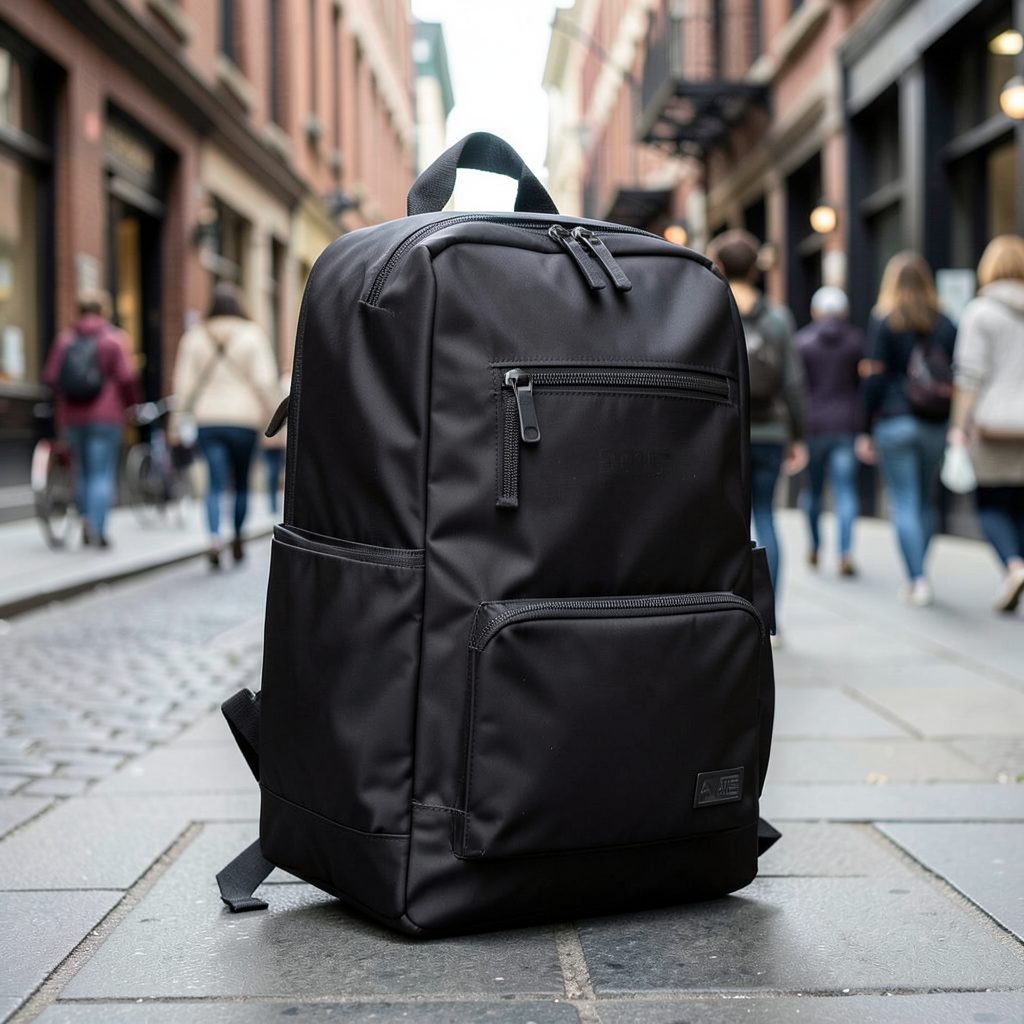
If you are deciding whether a tote should be your primary travel bag or a secondary carryall, compare it with a backpack and assess how each distributes weight. This backpack comfort guide covers fit, load testing, and pressure points, which can help you choose the right companion for longer walking days.
Check security as well as comfort. Keep your passport and payment cards in a zipped interior pouch, avoid leaving valuables in open pockets, and use a tote with a secure closure in crowded locations. Vegan leather is easy to wipe clean, but it still benefits from protection against spills, sharp objects, and overfilled compartments.
Use a simple reset routine each evening
An evening reset takes only a few minutes and prevents clutter from accumulating. Remove receipts, food wrappers, used tissues, and items that belong in your suitcase or hotel room. Return chargers to the technology pouch, documents to the travel wallet, and personal-care items to their assigned organizer.
Review the next day’s plans before repacking. If you are taking a train, move your ticket and headphones to the accessible section. If you are spending the day outdoors, add sunscreen, sunglasses, and a refillable water bottle. If you are dining somewhere formal, remove bulky items that you will not need.
A small laundry or storage pouch can help separate worn accessories from clean items during the trip. Likewise, a foldable reusable bag provides extra carrying capacity without turning the tote into a permanent storage unit. Keep these occasional-use pieces at the bottom, where they will not interfere with items needed throughout the day.
The most useful setup is the one you can maintain when you are busy. If a pouch requires a complicated arrangement, simplify it. Your goal is a repeatable travel routine: open the tote, find the correct organizer, use what you need, and return it to the same place.
Pack with purpose and keep moving
- Assign one clear category to each vegan leather pouch.
- Keep documents, medication, and daily essentials in easy-access locations.
- Place heavy items near the tote’s center to improve balance.
- Leave room for a light layer, snacks, and small purchases.
- Reset the bag each evening according to the next day’s plans.
A well-organized tote can become one of the most useful pieces of your travel kit. Pouches protect your belongings, reduce visual clutter, and make a two-week itinerary feel easier to manage from the first airport transfer to the final walk home. Choose durable animal-free materials, practical sizes, and a design that suits your everyday style so the bag remains useful long after the trip ends.
Explore a vegan leather tote and matching accessories for your next journey, then build a pouch arrangement that gives every essential a dependable place. With a little preparation, your tote can stay polished, comfortable, and ready for wherever the next fourteen days take you.
Our Backpack Styles
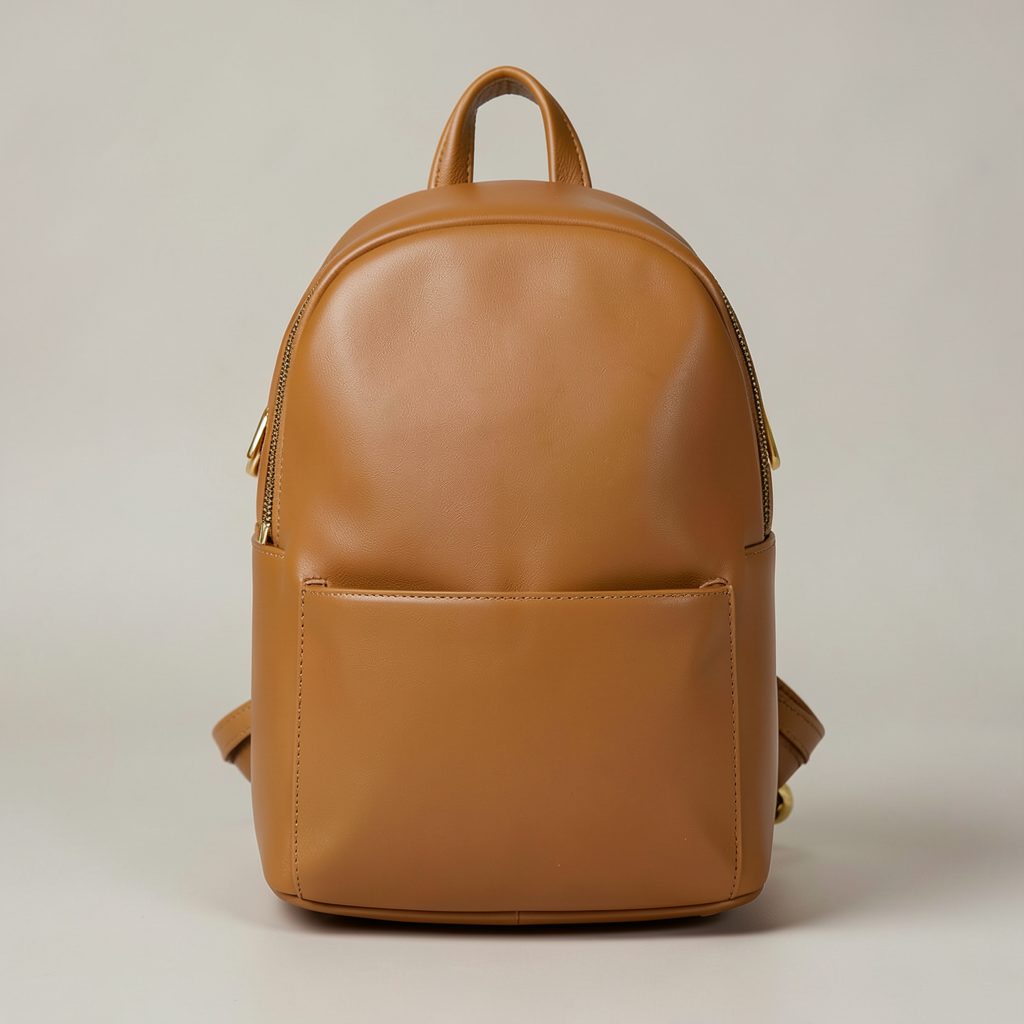
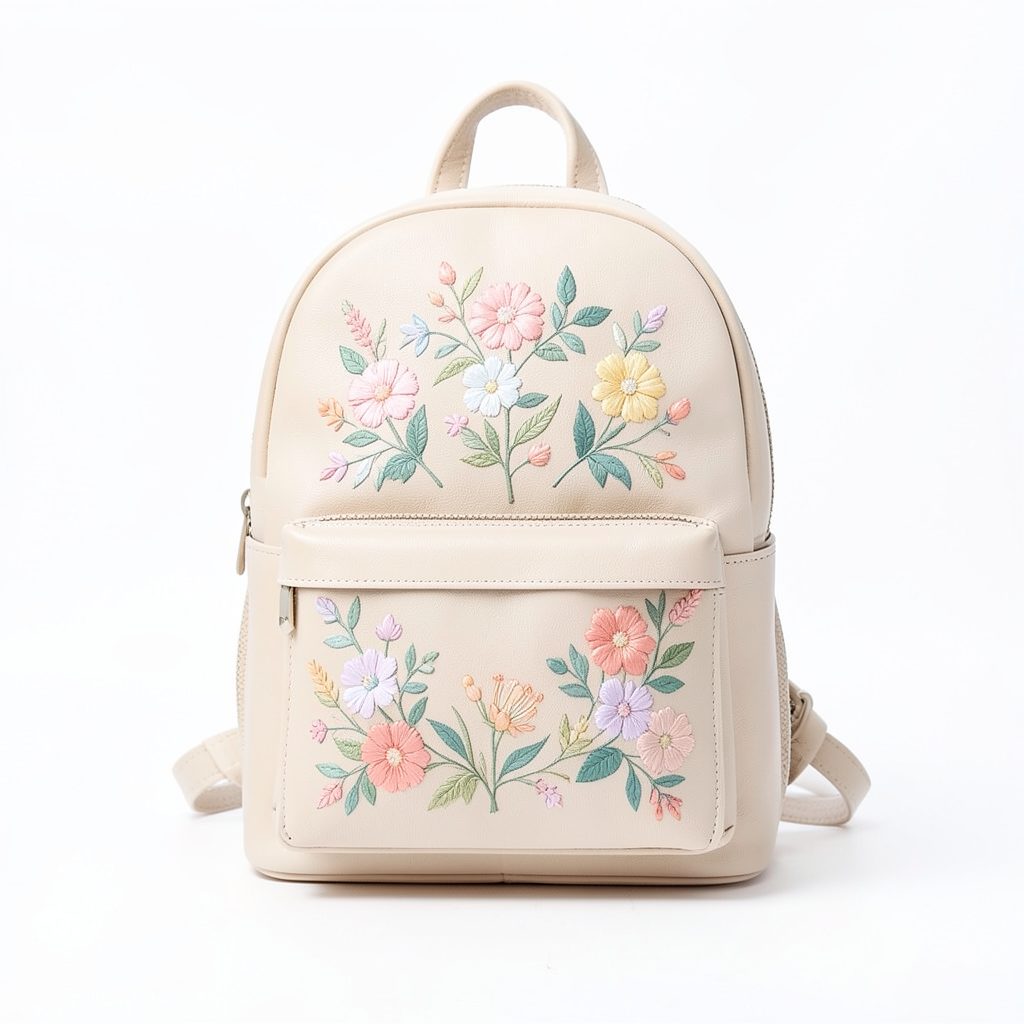
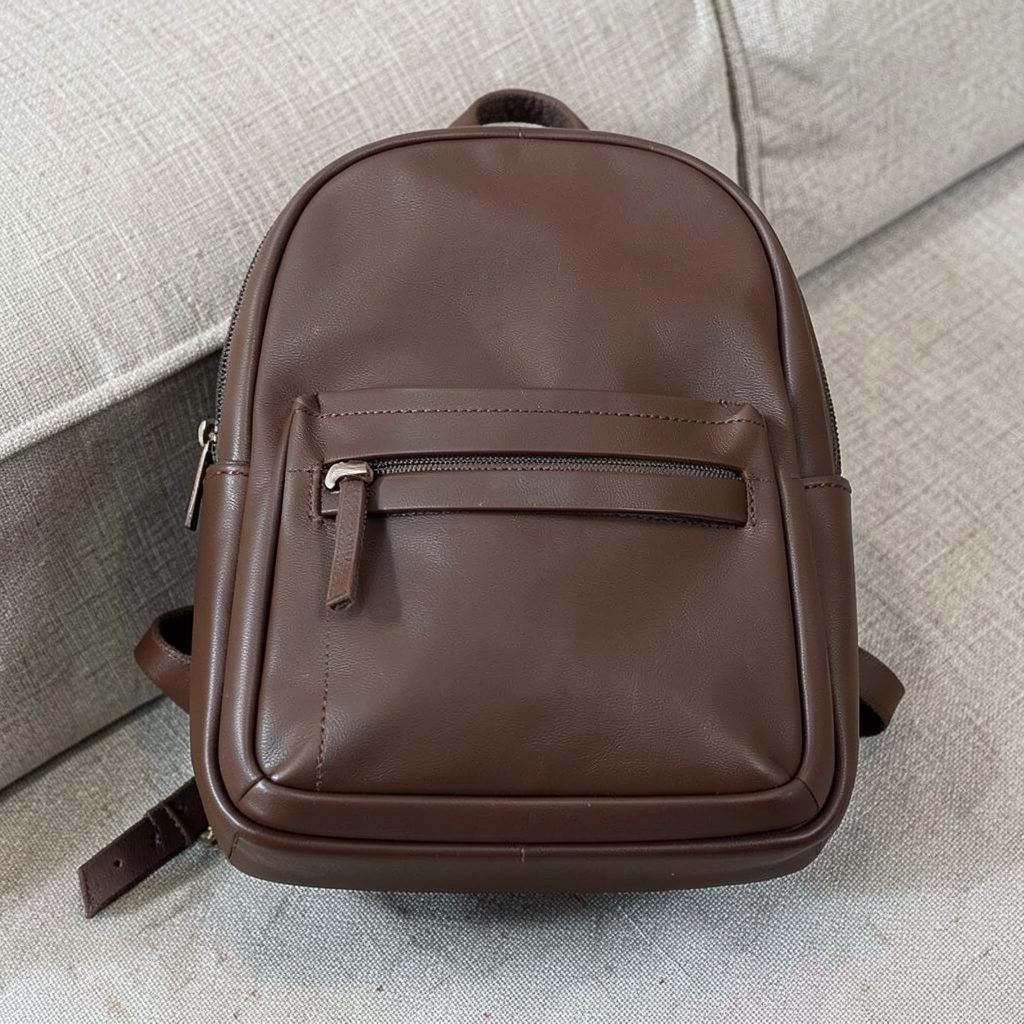
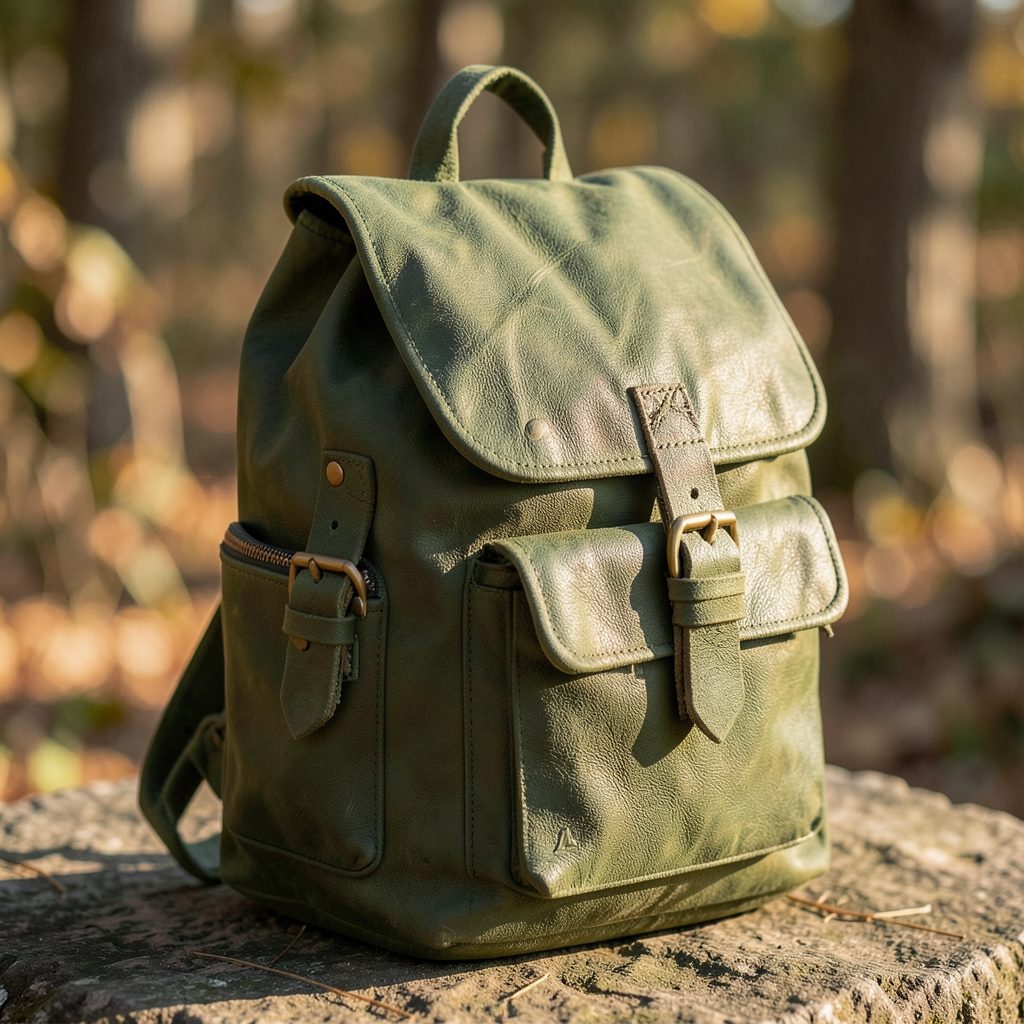
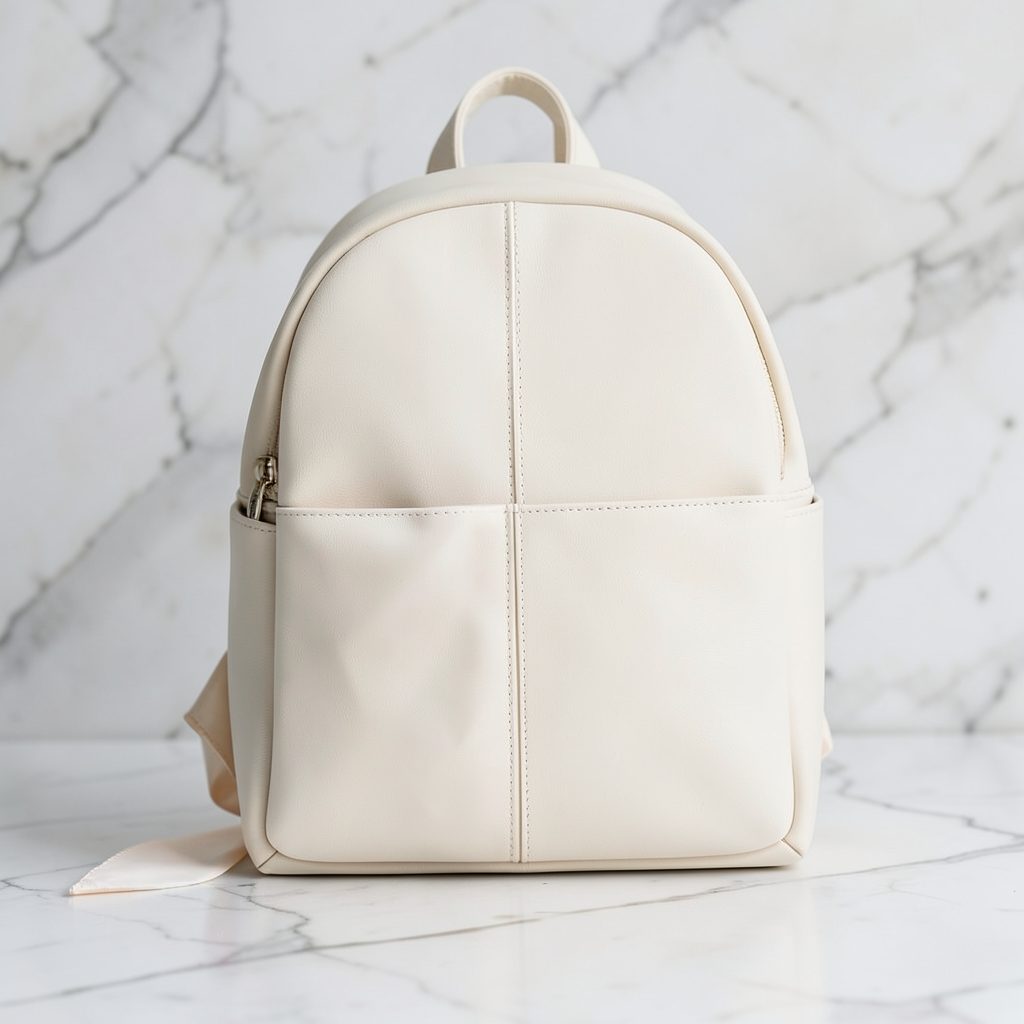
Every backpack is crafted from premium vegan leather with thoughtful details — multiple pockets, removable straps, and colors that work with any wardrobe. Browse the lineup below.