Why Structured Vegan Leather Bags Hold Their Shape Better on Flights
Air travel puts unusual pressure on a bag. It may be placed beneath a seat, squeezed into an overhead compartment, pressed against a suitcase, or handled repeatedly while moving through airports. A soft bag can lose its shape during that process, leaving contents harder to organize and the exterior looking creased or collapsed.
Structured vegan leather bags are designed to resist that problem. Their firm panels, reinforced seams, stable bases, and shaped construction help them maintain a defined silhouette from departure to arrival. This makes them useful for travelers who want a polished accessory that still performs well during a busy journey.
The material itself is only part of the explanation. Construction, lining, hardware, capacity, and packing habits all affect how a bag responds to pressure. Understanding those details makes it easier to choose a backpack, crossbody bag, tote, or personal-item style that remains dependable in transit.
Why Cabin Travel Tests Bag Structure
A flight exposes luggage to repeated compression rather than one single impact. When a bag is pushed under an airplane seat, its sides can be forced inward. In an overhead bin, it may sit beneath another item or be wedged into a narrow space. A flexible silhouette changes shape easily because its panels have little resistance against that pressure.
Temperature changes and friction can add to the stress. A bag may move from a warm car to a cool terminal, then into a climate-controlled cabin. It can also rub against luggage wheels, metal seat frames, and rough conveyor surfaces. These conditions do not automatically damage a well-made accessory, but they can make flimsy materials appear tired more quickly.
Shape retention is especially valuable when the bag carries items with different forms. A passport wallet, sunglasses case, charger, water bottle, and small cosmetics pouch are easier to find when the bag has an open, stable interior. A collapsed bag allows everything to bunch together, which can turn a simple security check or boarding process into an inconvenient search.
How Vegan Leather Helps Maintain Form
Vegan leather is a broad category of animal-free materials, and its performance varies by composition and finish. Many travel bags use a coated synthetic surface supported by fabric, foam, or another internal layer. That backing gives the exterior greater stability than a thin, unlined material would provide.
A structured vegan leather design usually relies on several layers working together. The outer surface supplies a smooth, protective finish, while an internal stabilizer supports the panels. A lining can reduce abrasion from daily use and help the bag keep its proportions. When these layers are bonded or stitched carefully, they create a shell that flexes under pressure but returns closer to its original form.
This balance is important. A completely rigid bag can be awkward to store and uncomfortable to carry, while an excessively soft bag may slump when placed down. The most practical construction offers controlled flexibility: it bends enough to fit into a personal-item space but remains firm enough to protect the shape and contents.
The finish also contributes to the visual effect. A smooth surface reflects light consistently across a panel, making wrinkles and dents more noticeable when they occur. A structured vegan leather bag with clean seams and reinforced edges can therefore maintain a neat appearance even after frequent airport handling.
Construction Details That Matter in Transit
The outline of a bag does not come from material alone. A flat base is one of the most useful features for travelers because it lets the bag stand upright when packed. Base panels, protective feet, or reinforced lower corners can reduce direct contact with floors and help prevent the bottom from bowing outward.
Stitching and edge finishing deserve equal attention. Tight, even seams keep panels aligned, while binding around exposed edges reduces the likelihood of fraying or distortion. Handles attached with reinforced stitching are also important because a full travel bag can place significant stress on a small attachment area.
Closures influence structure as well. A full zipper across the top helps hold the opening in a consistent shape and keeps loose contents contained. Magnetic snaps can be convenient for quick access, but a zipper is often preferable when the bag will be tilted, compressed, or placed in an overhead compartment. Internal pockets add organization and may help distribute weight across the body of the bag.
Dimensions should match the way the bag will be used. A tall tote may hold a laptop and travel documents but can become unstable if it is packed with heavy objects at the bottom. A compact crossbody has less interior volume and therefore tends to keep its silhouette more easily. Backpacks distribute weight across two shoulders, although padded panels and a reinforced base are helpful when they are placed under a seat.
| Bag feature | Effect during flights | Useful for |
|---|---|---|
| Reinforced base | Helps prevent sagging and protects the bottom | Totes, work bags, carry-on accessories |
| Firm side panels | Resists compression in bins and under-seat spaces | Structured totes and handbags |
| Full top zipper | Keeps contents secure and supports the opening | Personal items and airport essentials |
| Internal pockets | Spreads small items across the interior | Passports, chargers, wallets, and cosmetics |
| Reinforced handles | Reduces strain at attachment points | Heavier totes and daily travel bags |
| Adjustable shoulder strap | Makes carrying easier when hands are full | Crossbody bags and convertible styles |
| Protective hardware or feet | Limits contact with dirty or abrasive surfaces | Bags placed on airport floors |
A well-designed bag does not need to be heavy to be stable. Thoughtful reinforcement can provide shape retention without adding unnecessary bulk. This matters on flights because every extra ounce competes with clothing, electronics, and other essentials within a carry-on allowance.
Matching the Silhouette to Your Travel Routine
A structured tote is useful when the journey involves a laptop, notebook, water bottle, and items that need quick access. Its broad opening makes packing straightforward, while firm sides help it remain upright beside a seat. Look for comfortable handles and a secure closure if the tote will serve as a personal item.
A crossbody bag is often better for movement through terminals. Its compact profile stays close to the body, and an adjustable strap leaves both hands available for a passport, coffee, or rolling suitcase. A lightly structured crossbody can preserve its shape while remaining comfortable during long walks between gates.
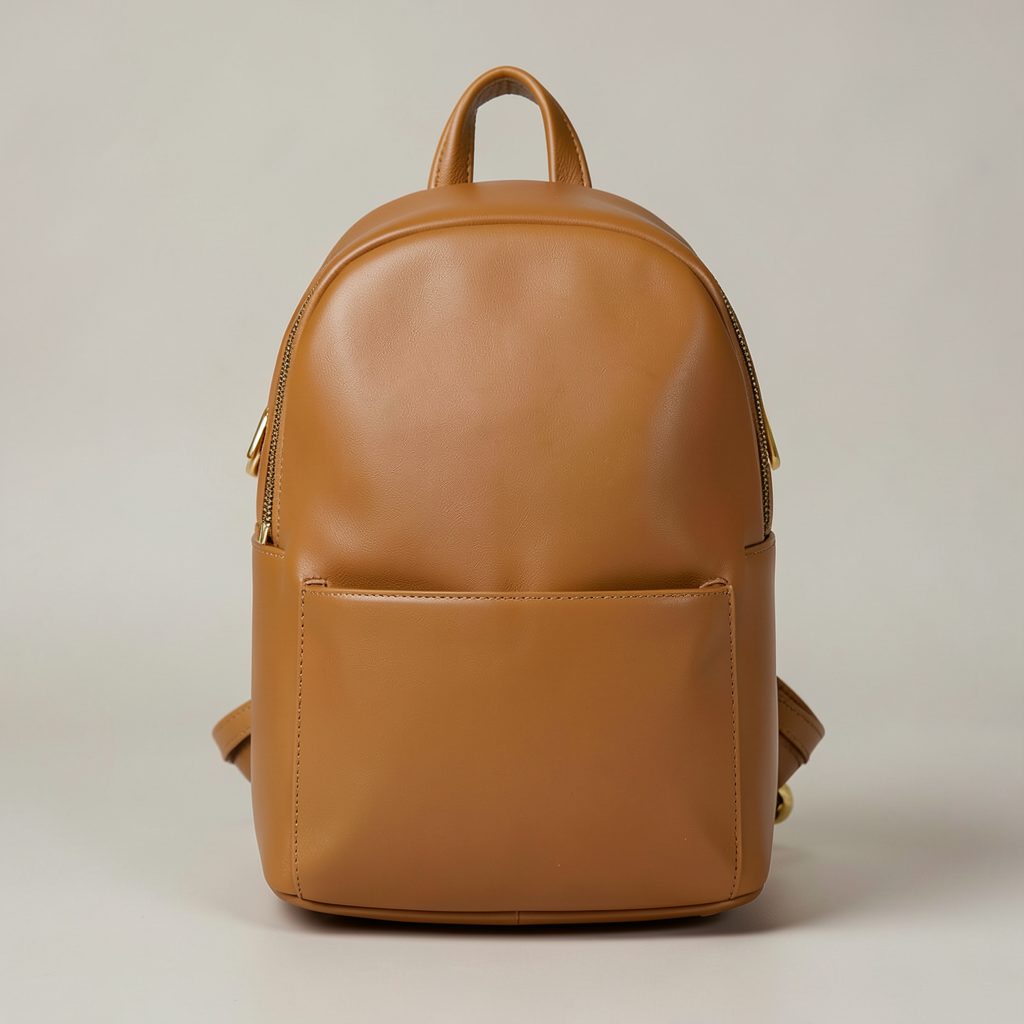
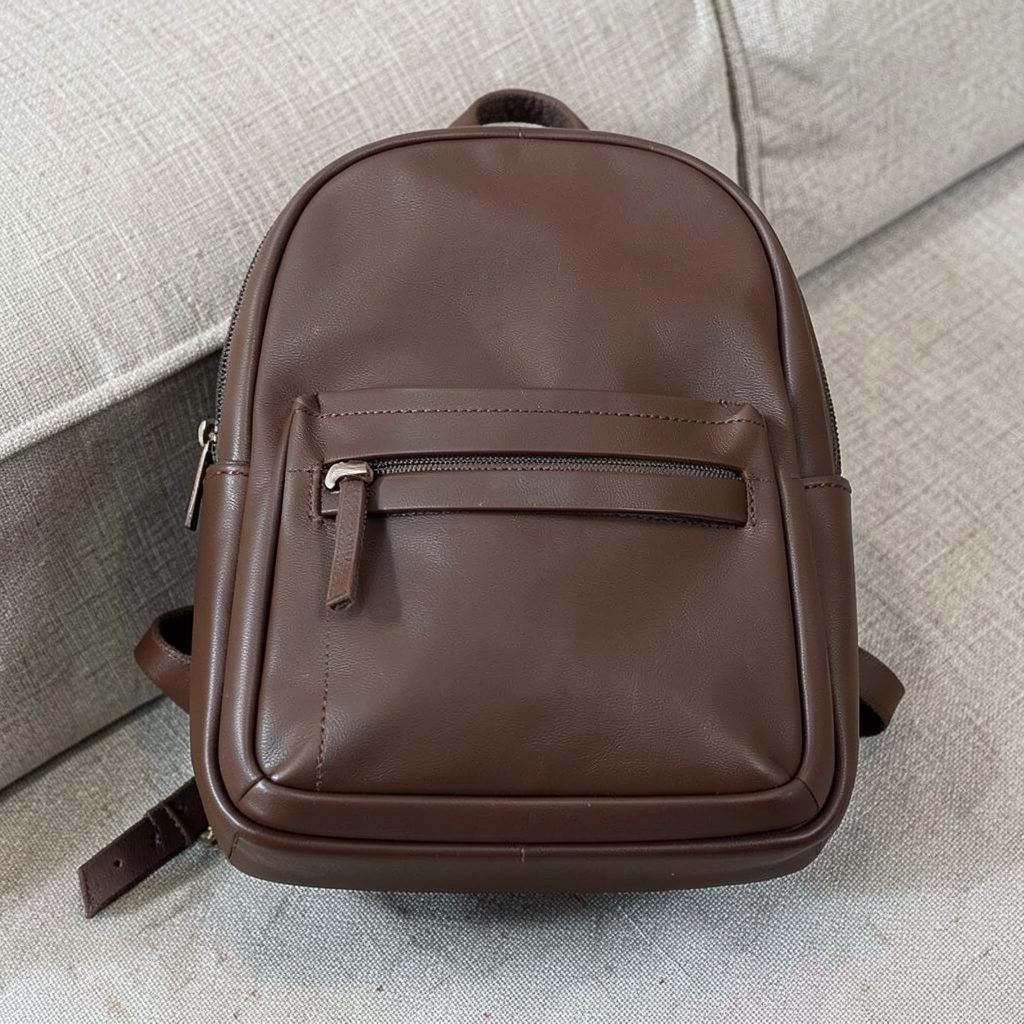
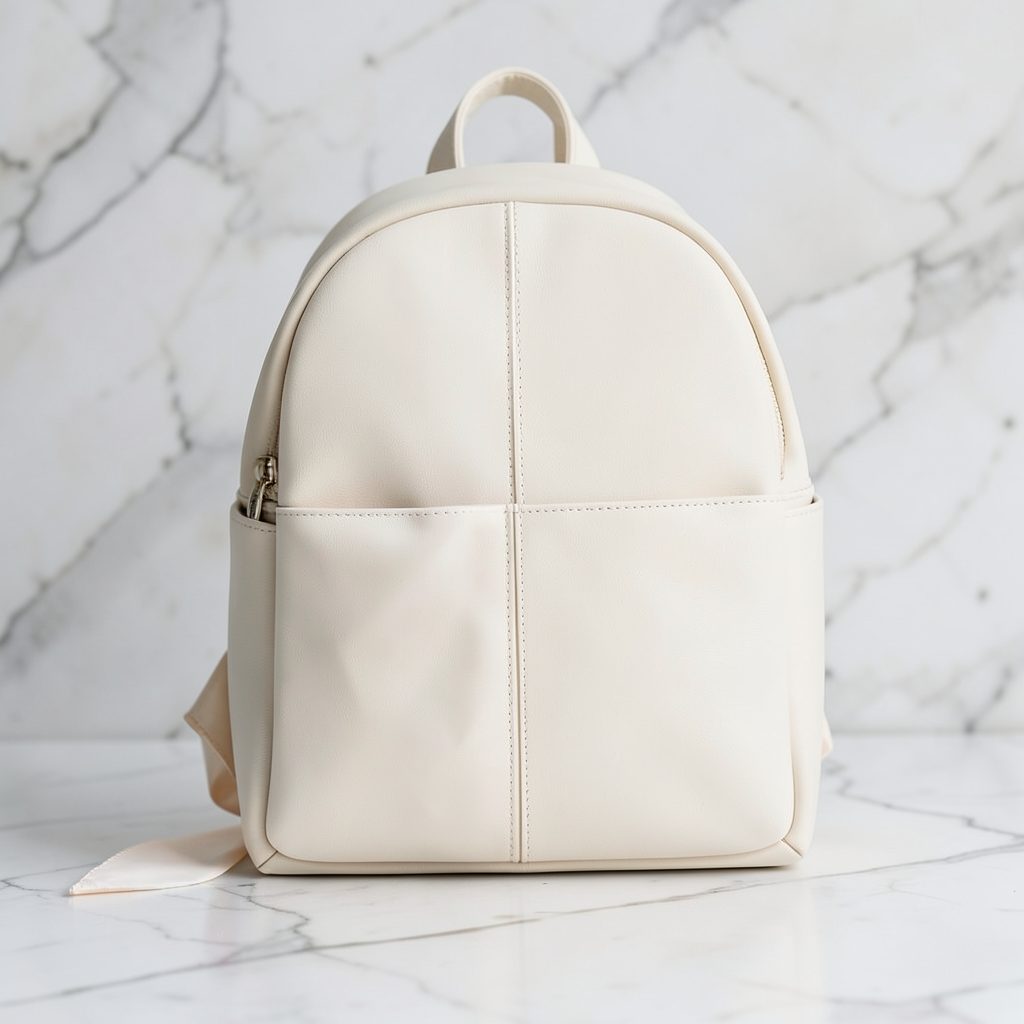
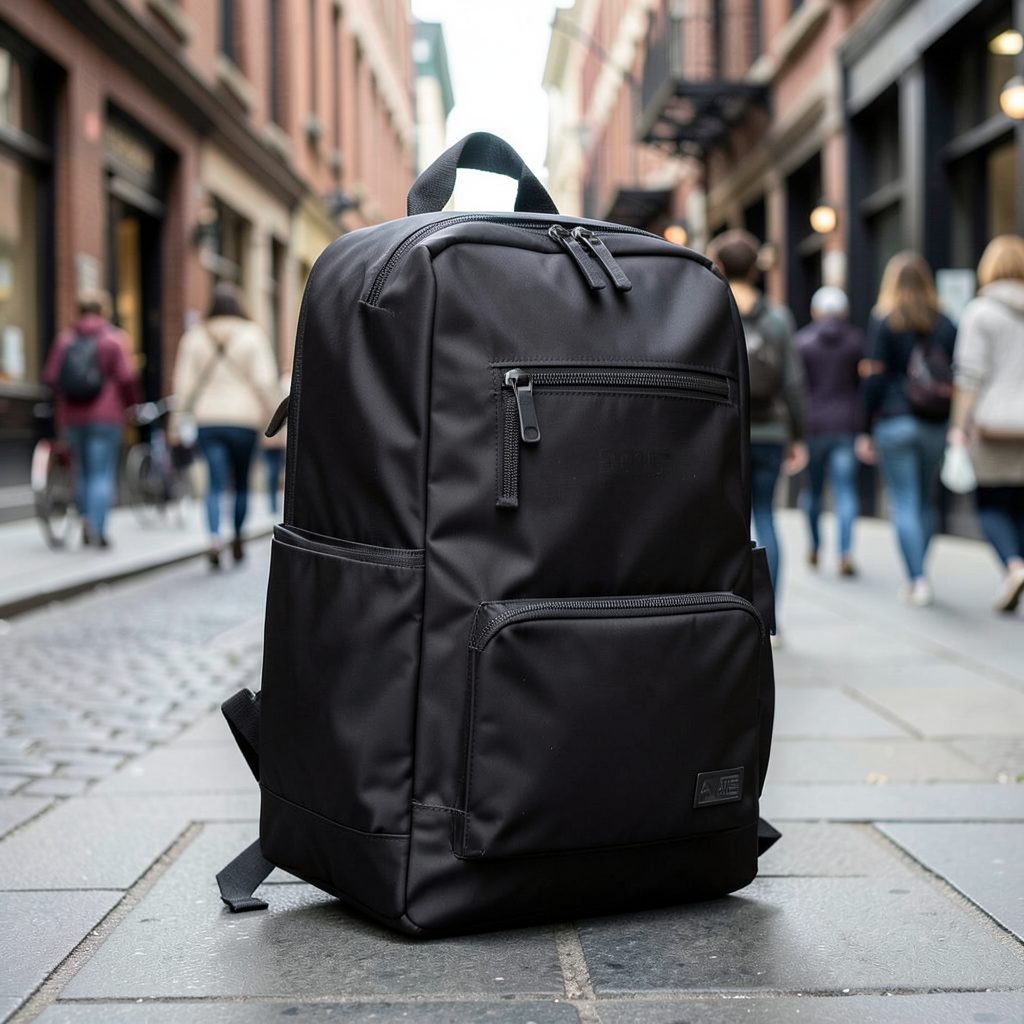
Backpacks offer practical weight distribution and can protect contents with padded compartments. A structured vegan leather backpack may be especially useful for business trips or short city breaks, where the same bag needs to move from an airplane cabin to a meeting or café. A stable front pocket also makes boarding essentials easier to reach.
A wallet or smaller accessory can support organization without affecting the main bag’s shape. Separating cards, travel documents, and coins prevents loose items from collecting in corners. Coordinated accessories can also make it easier to identify what belongs in a personal item and what should remain in checked luggage.
When comparing silhouettes, consider how the bag will be stored after landing. A design that looks elegant in an airport may be less practical if it cannot fit beneath a desk, into a hotel safe, or on a crowded restaurant chair. The strongest choice is one whose structure supports the entire trip rather than just the flight.
Packing Habits That Protect Shape
Even a firm bag can lose its appearance when it is overloaded. Packing to the point that the zipper strains or the sides bulge puts constant pressure on seams and panels. Leave a little space at the top so the opening can close naturally and the bag can fit into a confined storage area without force.
Use soft items to fill gaps and cushion harder objects. A scarf, lightweight pouch, or folded shirt can stop a charger block or sunglasses case from pressing directly against the exterior. Keep sharp-edged items inside protective sleeves, especially when the bag has a smooth finish that may show marks.
Weight distribution is just as important as total capacity. Place heavier items close to the base and toward the center, then arrange lighter objects around them. In a tote, this prevents the bag from tipping or developing an uneven bulge. In a backpack, balanced packing makes the bag more comfortable and reduces stress on one side.
Avoid forcing a structured bag into spaces that are clearly too small. If it must be compressed aggressively to fit beneath a seat, its corners and handles may experience unnecessary strain. Measuring the bag against the airline’s personal-item guidelines before departure helps avoid that situation.
At the end of a trip, empty the bag fully and wipe its surface with a soft, slightly damp cloth if the care instructions permit. Store it upright or loosely filled with clean paper so the panels retain their intended profile. Avoid placing heavy luggage on top of it for long periods, since prolonged pressure can create dents even in a durable construction.
Selecting Materials for Frequent Journeys
Travelers who fly often should examine how a bag feels when held empty and when lightly packed. The panels should feel supportive rather than papery, and the base should resist folding immediately. Handles should remain attached without visible pulling around the seams. These simple checks reveal much about everyday durability.
Color and finish are practical considerations too. Darker shades can make minor marks less visible, while a textured finish may disguise small signs of handling better than a highly glossy surface. Lighter colors can still work well for travel when the bag has a wipeable exterior and is stored carefully.
Animal-free materials give shoppers an option that aligns with vegan values without requiring a compromise in everyday function. At Travel Starter Pack, travelers can browse vegan leather bags and accessories designed for daily use, airport routines, and varied personal styles. A durable surface, useful compartments, and a silhouette suited to the journey are more meaningful than appearance alone.
Budget can also shape the decision. Sale collections may make it easier to choose a structured bag with practical features while staying within a planned travel budget. The latest bag deals can be worth reviewing when preparing for a trip, especially if a current accessory no longer offers enough organization or support.
Practical Features Worth Prioritizing
Before choosing a travel bag, focus on features that will make repeated handling easier rather than details that only look attractive in product photos. A useful checklist includes:
- A reinforced or flat base that allows the bag to stand securely
- Firm panels with enough flexibility for personal-item storage
- A reliable zipper or closure that keeps contents contained
- Comfortable handles or an adjustable strap for terminal transfers
- Interior compartments that separate documents, electronics, and small essentials
Check the measurements against the airline you expect to use, since personal-item limits can differ. Also consider whether the bag will need to carry a laptop, tablet, camera, or other fragile equipment. In that case, dedicated padding and a stable interior are more valuable than a large unstructured compartment.
Think about the transition between travel and everyday use. A bag that holds its shape in an aircraft cabin can also look polished at work, remain upright in a café, and protect essentials during a commute. Choosing a versatile design reduces the need to own separate bags for every part of a trip.
Structured vegan leather bags hold their shape better on flights because their materials and construction work together against compression, shifting weight, and repeated handling. Firm panels, reinforced bases, dependable closures, and thoughtful packing all contribute to a bag that arrives looking organized rather than flattened.
Choose a silhouette that matches your airline requirements and daily routine, then pack it with balanced weight and enough room to close without strain. With the right design, your travel bag can provide reliable organization from the first airport connection through the final destination while supporting an animal-free approach to everyday style.
Our Backpack Styles
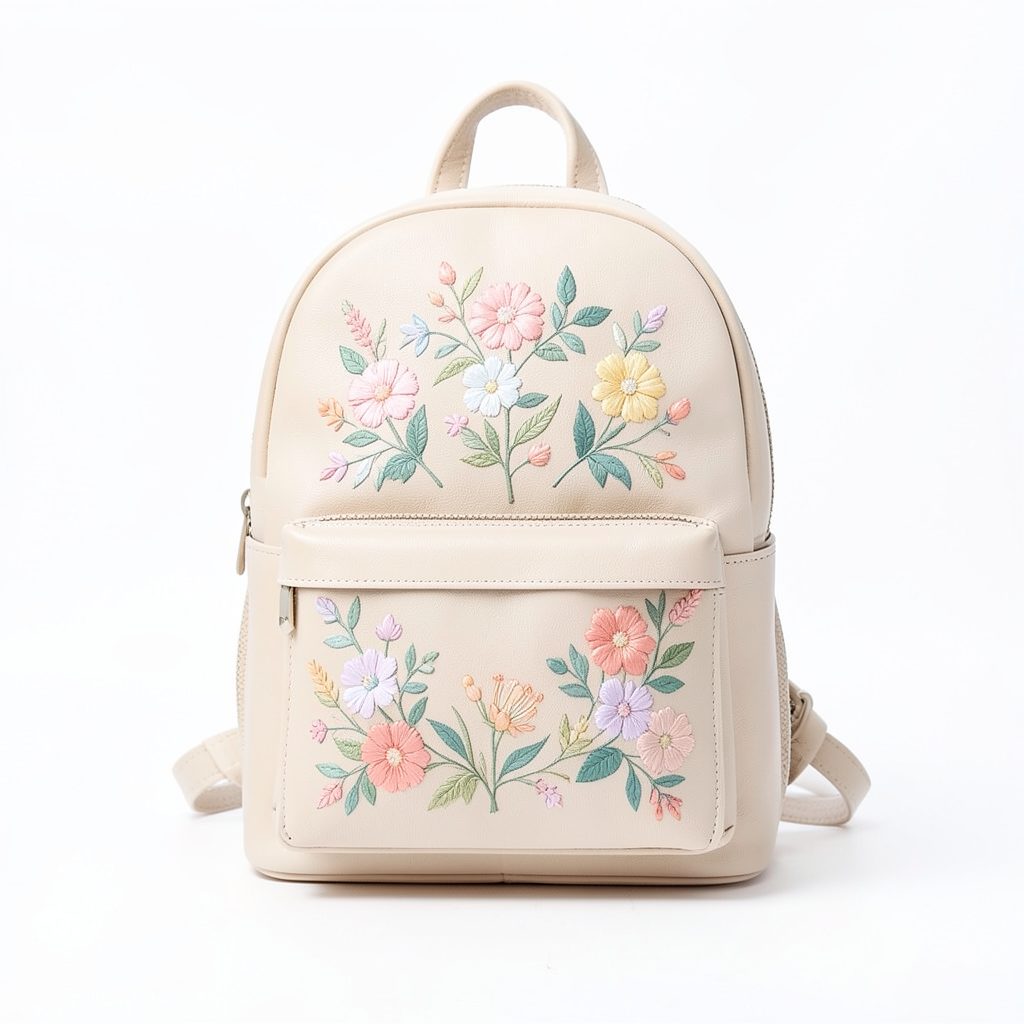
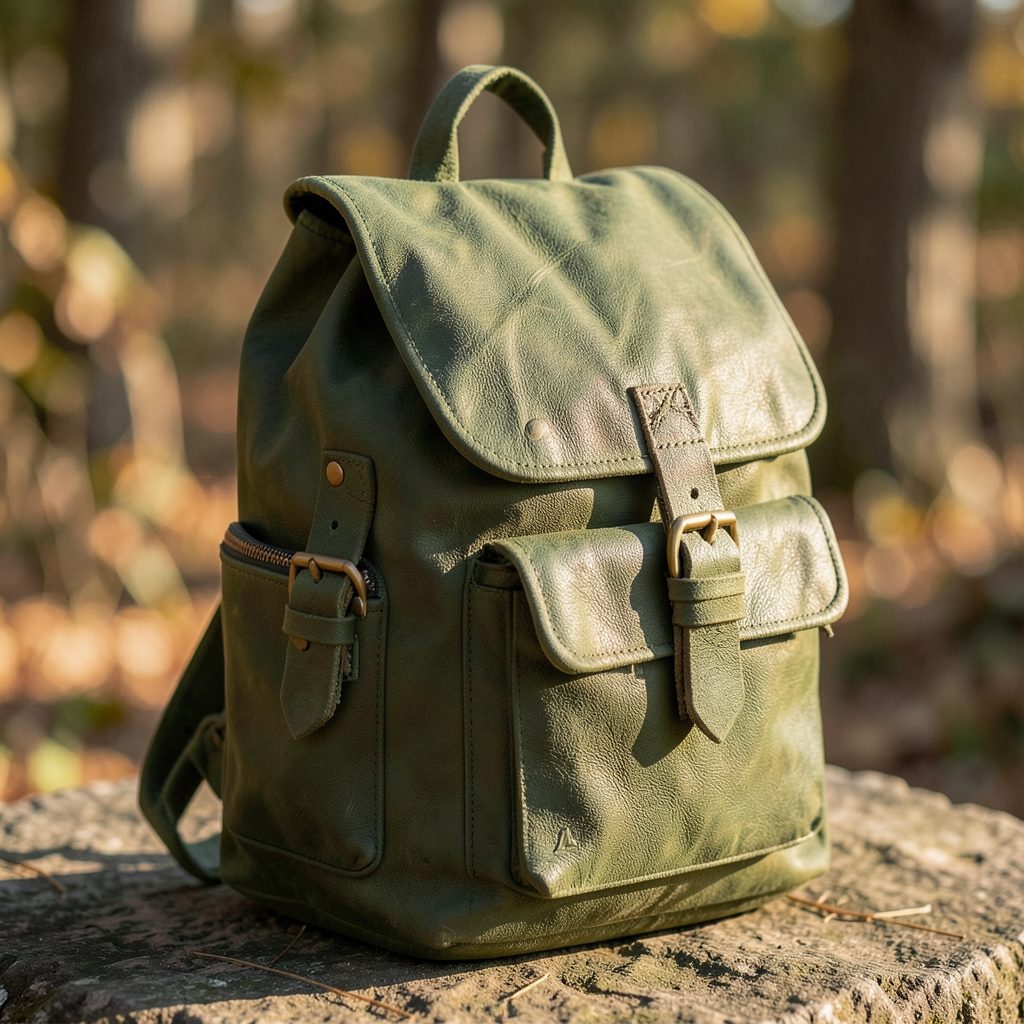
Every backpack is crafted from premium vegan leather with thoughtful details — multiple pockets, removable straps, and colors that work with any wardrobe. Browse the lineup below.