Why a Structured Mini Backpack Is Perfect for Day Hikes in the City
City hiking combines the freedom of a trail walk with the practical demands of urban life. A route may lead from a riverside path to a busy café, a public garden, or a museum district, so your bag needs to carry essentials without feeling bulky or overly outdoorsy. The right daypack should support movement while still looking at home on public transport and city streets.
A structured mini backpack offers that balance. Its compact shape keeps belongings organized, its hands-free design makes walking easier, and its durable construction can handle the repeated transitions of everyday travel. Unlike a soft pouch or an oversized hiking pack, it gives you enough room for useful layers, hydration, and personal items while maintaining a neat silhouette.
The best choice also reflects how you travel. Vegan leather, dependable hardware, adjustable straps, and easy-care surfaces can make a small backpack suitable for weekend exploration, daily commuting, and spontaneous walks through unfamiliar neighborhoods. With thoughtful packing, a mini backpack becomes a reliable companion rather than an accessory that simply looks good.
City Trails Demand Flexible Carrying
Urban hikes are rarely predictable. You might begin with a paved waterfront promenade, continue through a park, and finish on cobblestone streets lined with shops. These changing surroundings call for a bag that can stay secure while you climb steps, cross intersections, or pause to check a map.
A mini backpack distributes weight across both shoulders, which is especially useful when a walk lasts several hours. The balanced fit can feel more comfortable than carrying a tote on one side or repeatedly adjusting a crossbody strap. It also leaves both hands available for taking photographs, holding a coffee, using a transit card, or steadying yourself on a crowded train.
Structure matters because it prevents the bag from collapsing against your back or allowing small items to collect at the bottom. A firm base and defined compartments make the contents easier to reach, even when you are moving between destinations. That organization is a small convenience that becomes increasingly valuable during a long day outdoors.
Organization Without Excess Bulk
The ideal urban daypack is compact, but compact does not have to mean impractical. A structured mini backpack can hold a phone, wallet, keys, sunglasses, tissues, a small water bottle, portable charger, sunscreen, and a light snack. If the interior includes separate pockets, these essentials remain visible instead of disappearing into one crowded compartment.
A secure front or rear pocket is helpful for items that need quick access, such as transit passes or earbuds. Interior slip pockets can protect a phone from scratches, while a zipped section gives greater peace of mind when you are walking through a crowded market. These details make packing more deliberate and reduce the temptation to carry unnecessary extras.
The shape also encourages efficient decisions. Rather than filling a large bag simply because there is room, you can select what genuinely supports the day. A compact load feels lighter, moves more naturally, and keeps your attention on the neighborhood, park, or architecture around you.
Comparing Compact Day-Carrying Options
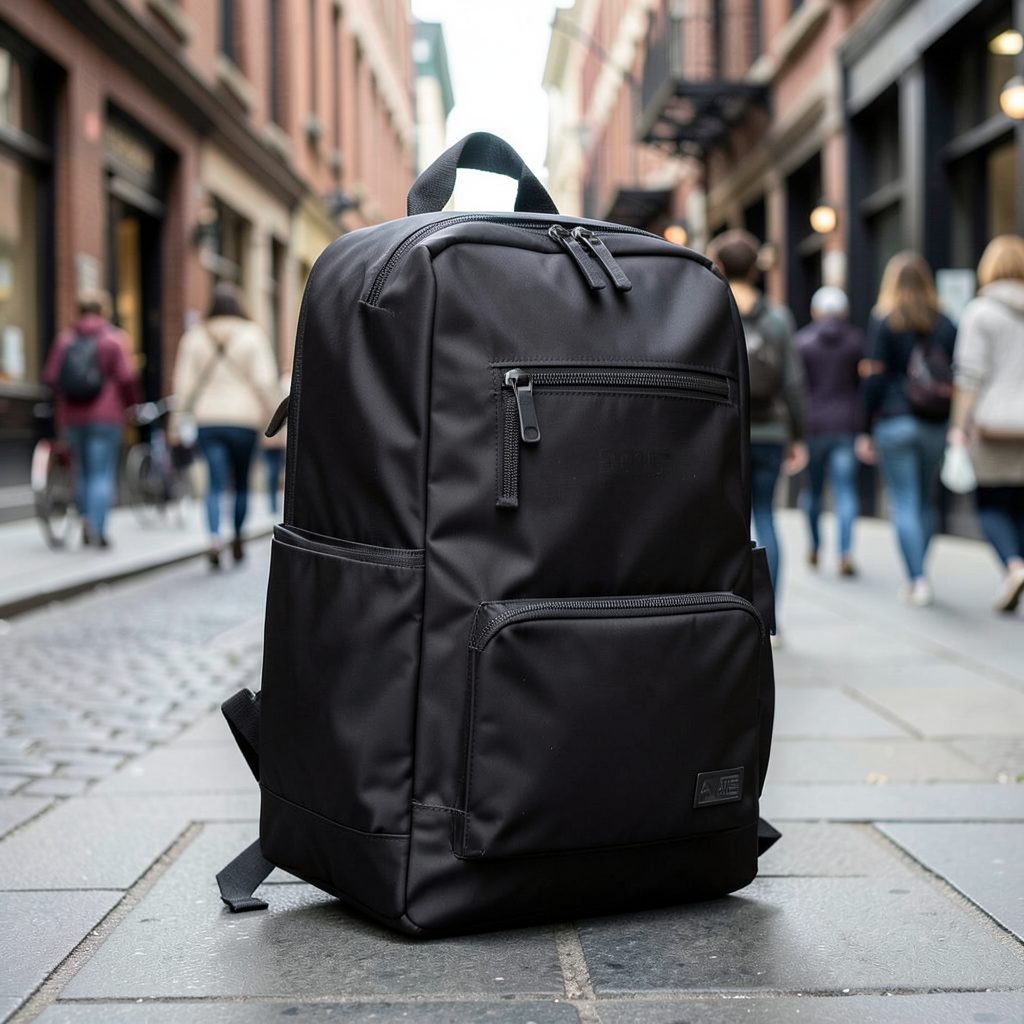
Different bag styles suit different walking habits. A tote may be convenient for quick errands, but it can become awkward when the contents grow heavier. A crossbody keeps belongings close to the body and offers quick access, though its single-shoulder design may feel less balanced during a longer route. A traditional hiking pack provides capacity and technical features, but it may look too sporty for a mixed city itinerary.
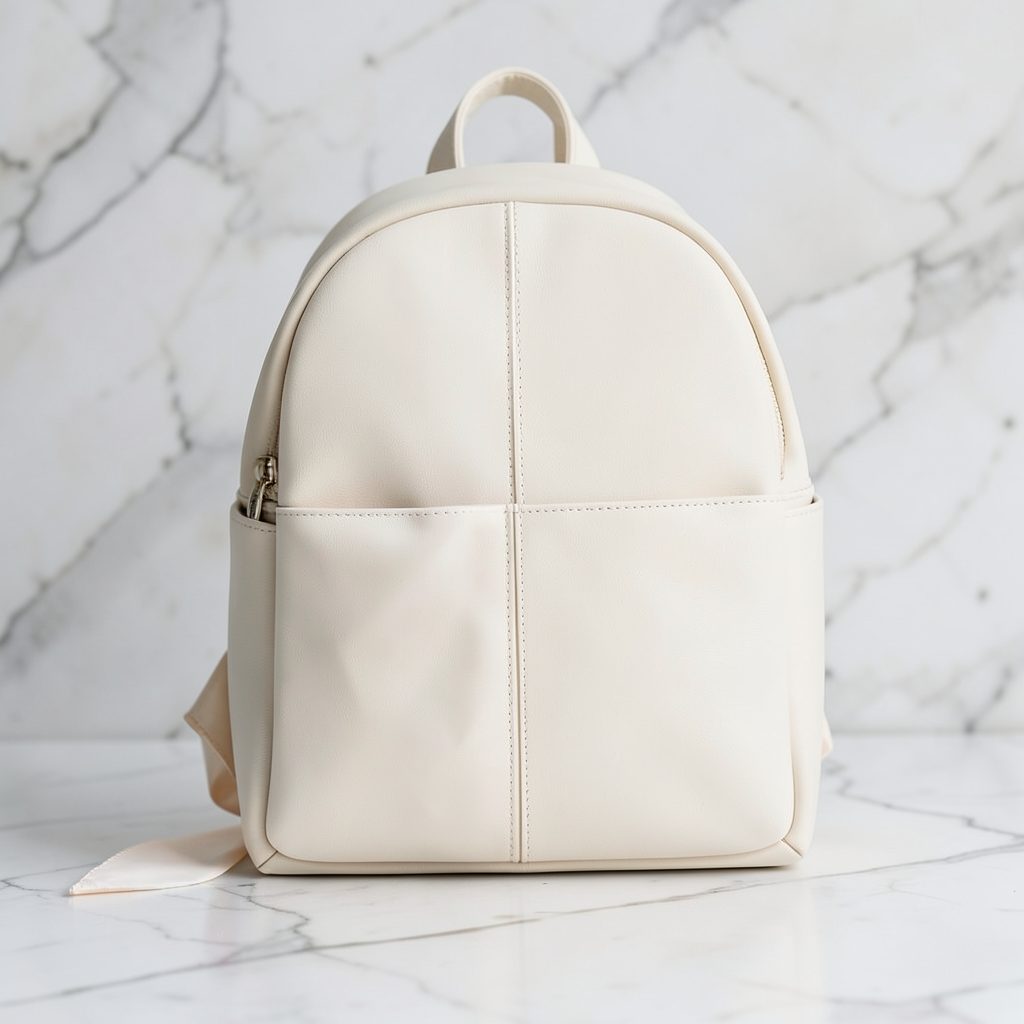
A structured mini backpack occupies the useful middle ground. It provides the stability of a backpack, the organization of a daily handbag, and a polished appearance that works beyond the trail. For travelers who want one compact accessory to move between sightseeing and casual plans, that versatility can be more valuable than maximum capacity.
| Bag style | Best for | Main advantage | Potential limitation |
|---|---|---|---|
| Structured mini backpack | City hikes and sightseeing | Balanced weight and organized storage | Smaller capacity than a full daypack |
| Tote bag | Shopping and short outings | Easy top access | Can strain one shoulder when loaded |
| Crossbody bag | Light walking and quick errands | Secure, convenient access | Weight rests mainly on one side |
| Full-size hiking pack | Long routes and substantial gear | High capacity and technical support | May feel bulky in urban settings |
A smaller shoulder bag can still be useful for minimalist walks, and a soft suede crossbody bag may suit an afternoon when you only need a few essentials. For longer city routes, however, the structured mini backpack usually provides a more balanced carrying experience.
Comfort Comes From The Details
A good fit begins with adjustable shoulder straps. They should allow the backpack to sit close to your upper back without pulling at your shoulders or swinging when you walk. If the straps are too loose, the bag may bounce and create pressure; if they are too tight, movement can feel restricted. Adjust them while wearing the layers you expect to use outdoors.
A padded or softly finished back panel can improve comfort, especially during warmer months. Breathable construction is useful when a walk includes hills or extended periods in direct sunlight. The goal is not to create a technical mountaineering pack, but to make the bag comfortable enough for several hours of continuous use.
Weight distribution is just as important as strap design. Place heavier items low and close to your back, then use smaller pockets for lightweight accessories. A water bottle should sit securely rather than shifting from side to side. When the contents remain stable, the backpack feels more natural and puts less strain on your posture.
Vegan Leather For Everyday Durability
Material choice affects how a bag performs across seasons and routines. Quality vegan leather can provide a smooth, refined finish while avoiding animal-derived materials. It is a practical option for shoppers who want their travel accessories to align with animal-free values without giving up a polished appearance.
For city hikes, the material should be easy to wipe clean and resilient enough for frequent handling. The backpack may rest on a café chair, brush against a park bench, or encounter light rain during an unexpected weather change. Durable exterior panels, strong stitching, and dependable zippers help it retain its shape through these ordinary situations.
Hardware also deserves attention. Smooth zip pulls are easier to operate while walking, and reinforced strap attachments help support the repeated movement of daily use. A firm structure protects fragile items from being crushed and helps the bag maintain a tidy appearance when it is set down.
Care remains simple when you follow the manufacturer’s guidance. Wipe away surface marks with a soft, slightly damp cloth, avoid harsh cleaning products, and store the backpack in a dry place away from direct heat. Good habits preserve both the finish and the shape, allowing one compact bag to serve across many journeys.
A Style That Moves Beyond The Trail
A city hike often becomes part of a broader day. After walking through a greenway, you may meet friends for lunch, browse an independent bookstore, or visit a gallery. A structured mini backpack makes these transitions easy because its clean shape feels intentional in casual and semi-polished settings.
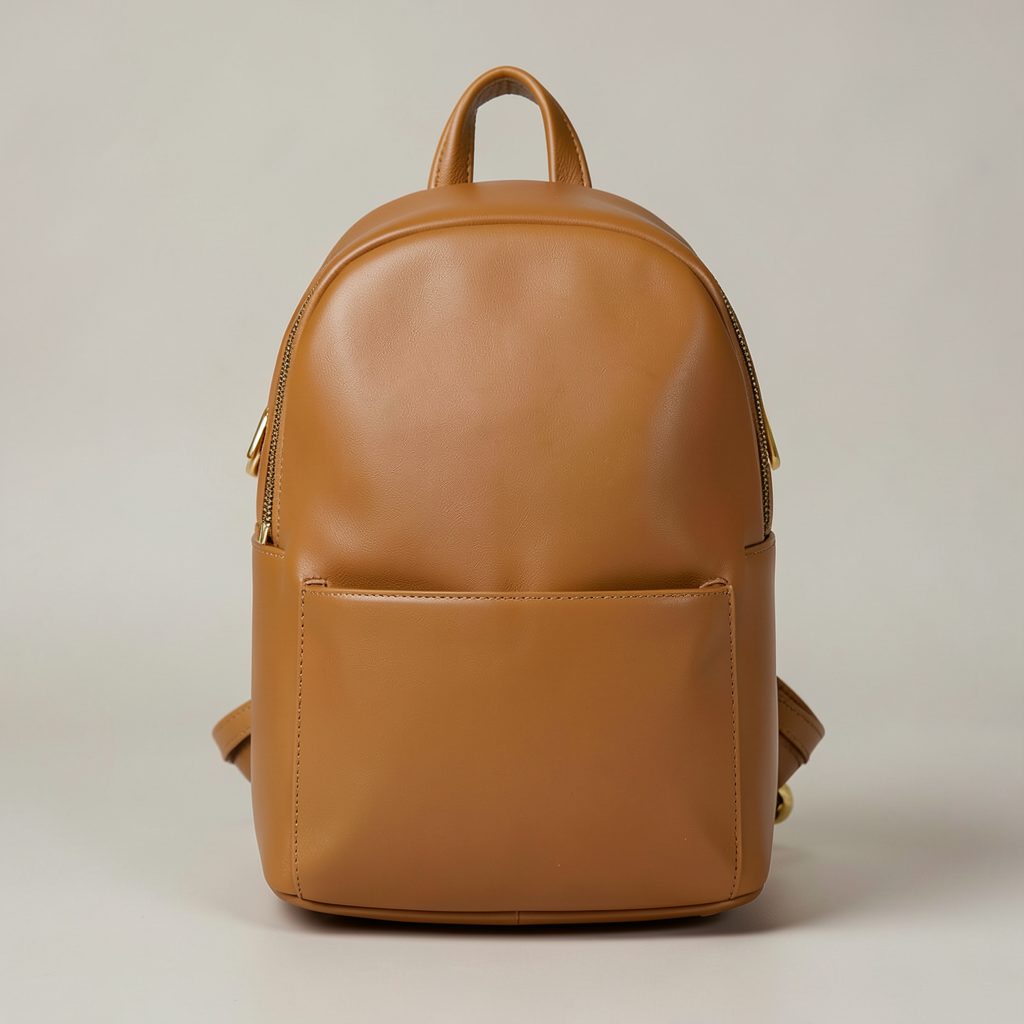
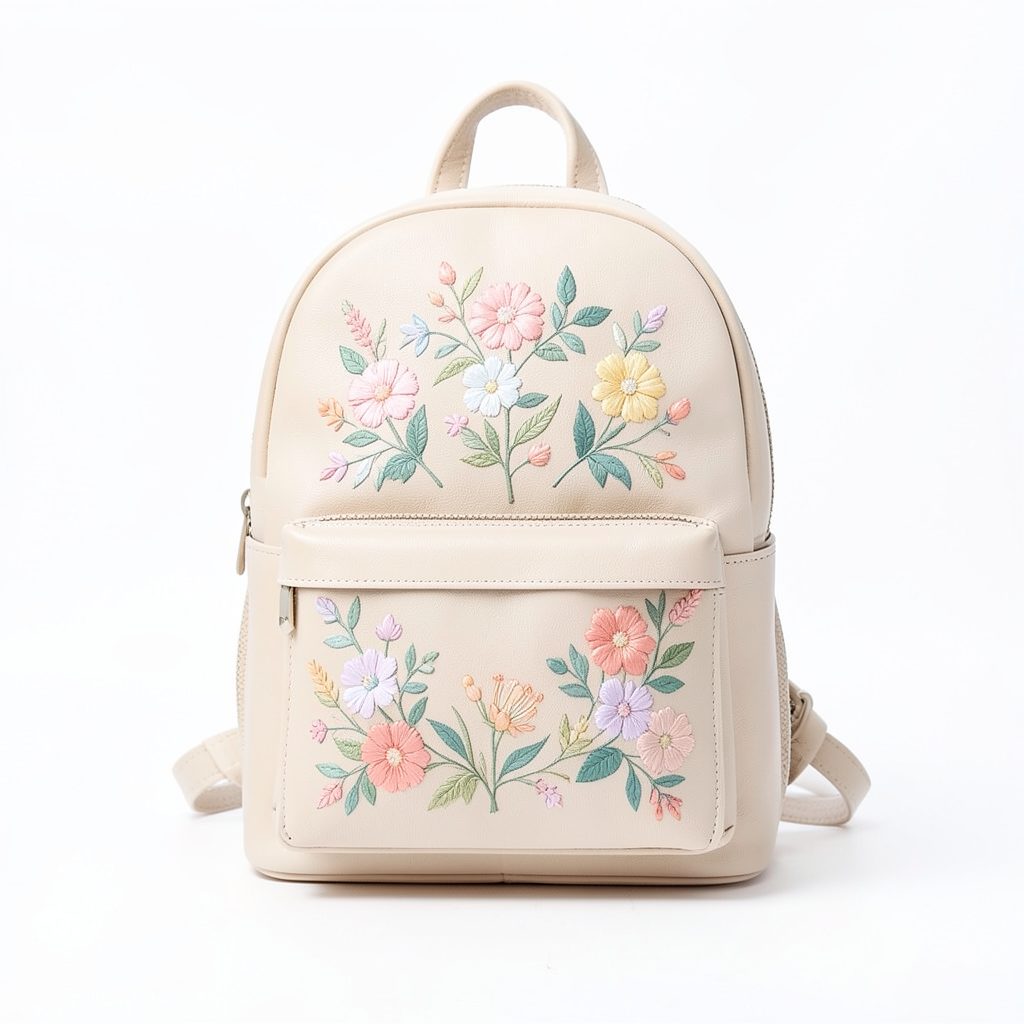
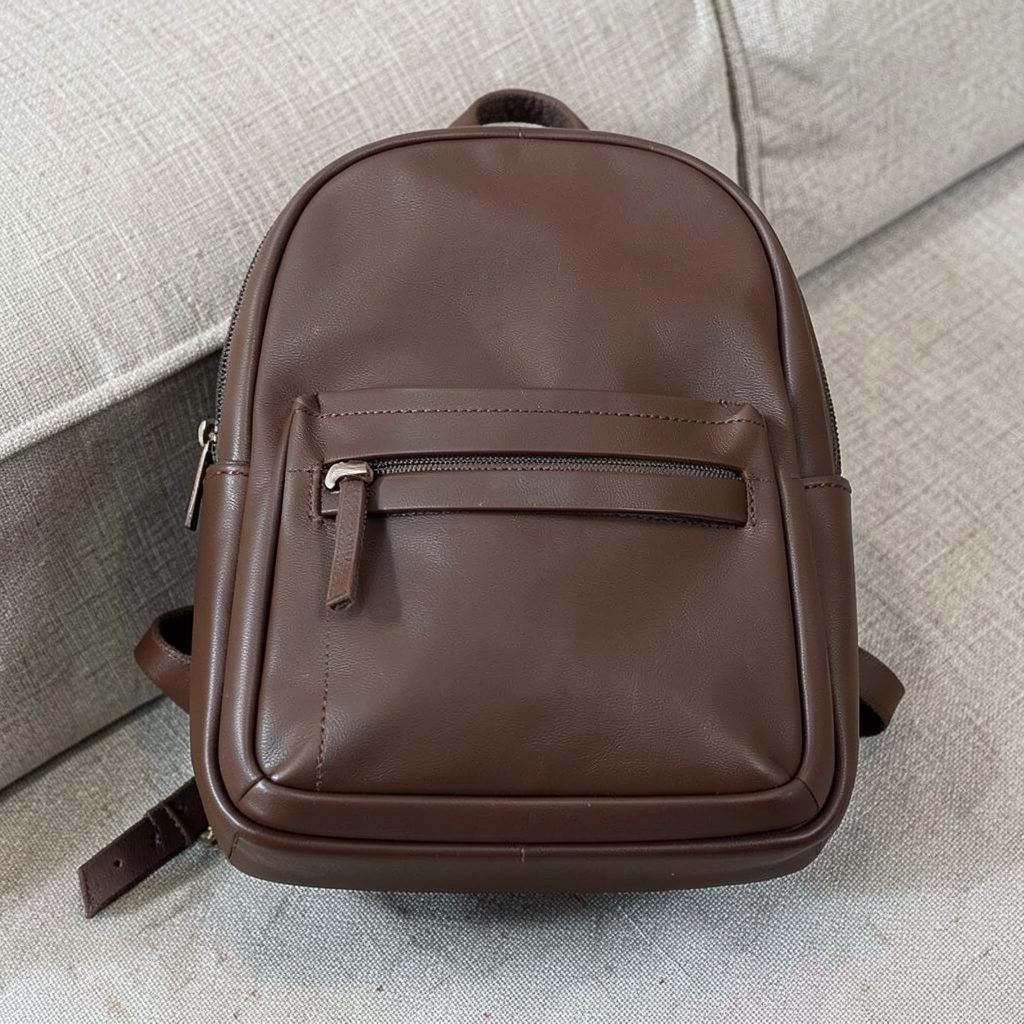
Color can further extend its versatility. Neutral shades such as black, tan, cream, gray, and deep brown coordinate with activewear, denim, tailored trousers, and light summer clothing. If you are choosing a shade that will work across multiple trips, these travel bag colors offer a useful starting point for building a flexible accessory collection.
Details should support your wardrobe rather than overpower it. Minimal branding, simple lines, and restrained metal accents can make a backpack feel current for longer. A compact design in a dependable color may become more useful than a trend-led style that only suits a narrow range of outfits.
That versatility also improves packing efficiency. When one bag works for sightseeing, commuting, and everyday errands, you do not need to switch accessories every time your plans change. The result is a simpler routine and a more consistent travel setup.
Packing For A Comfortable Urban Walk
Packing lightly does not mean leaving practical items behind. A few carefully chosen essentials can make a major difference when you are away from home for several hours. Keep the most frequently used items in accessible pockets and reserve the main compartment for things you will need less often.
A compact refillable bottle, sunglasses, sunscreen, a light scarf, and a portable charger are useful across changing conditions. If rain is possible, add a foldable poncho or a small reusable bag for damp items. A snack can help maintain energy on routes where cafés and shops are not immediately available.
Use small pouches to group cables, personal care products, or medication. This keeps the interior tidy and prevents loose objects from pressing against your phone or sunglasses. It also makes it easier to move the same essentials between a backpack and another travel bag.
Before leaving, check the weight and remove duplicates. Two heavy power banks, excess cosmetics, or a large notebook can quickly make a mini backpack uncomfortable. A quick review ensures that every item earns its place.
Simple Ways To Choose The Right Backpack
Consider the route first. A short, flat walk through a shopping district requires less capacity than a full day following parks, viewpoints, and public transport connections. Choosing according to your actual routine prevents you from carrying extra bulk or selecting a bag that feels too limited.
Examine how the backpack opens and where its pockets are positioned. A wide opening can make packing easier, while a secure zip closure helps protect belongings in crowded places. Try to imagine reaching for your phone or transit card without removing the bag entirely.
Before selecting a structured mini backpack, keep these practical priorities in mind:
- Choose adjustable straps that let the bag sit securely without restricting your shoulders.
- Look for a firm base and organized compartments to protect and separate everyday essentials.
- Select vegan leather and hardware designed for frequent use and simple maintenance.
- Pick a neutral or adaptable color if you want the backpack to coordinate with several outfits.
- Confirm that the capacity suits your route, especially if you plan to carry water or an extra layer.
A dependable store should also make the buying process straightforward. Clear product details, order tracking, and reliable delivery help you prepare for an upcoming trip with fewer uncertainties. You can browse Travel Starter Pack for vegan leather bags and accessories designed for travel, daily use, and flexible styling.
Make Every City Walk Easier
The best urban accessories work quietly in the background. A structured mini backpack keeps your essentials close, balances weight across your shoulders, and adapts to the changing rhythm of a city day. It is small enough to avoid unnecessary bulk yet capable of carrying the items that make a long walk more comfortable.
Choose a design with practical organization, supportive straps, durable animal-free materials, and a color that fits your existing wardrobe. Then pack only what you need, adjust the fit before setting out, and let the backpack support the journey from the first footpath to the final stop. Explore Travel Starter Pack’s collection to find a compact companion for your next city adventure.
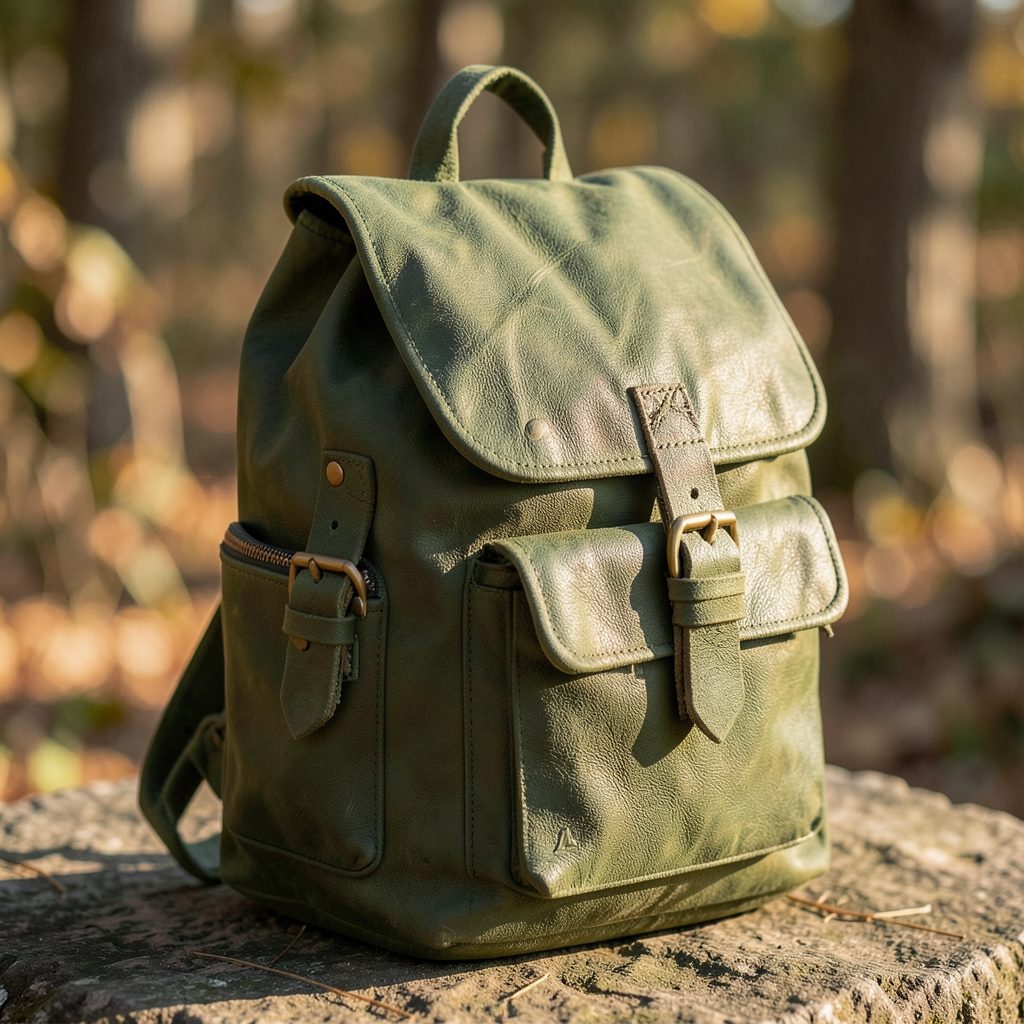
Our Backpack Styles
Every backpack is crafted from premium vegan leather with thoughtful details — multiple pockets, removable straps, and colors that work with any wardrobe. Browse the lineup below.