Which vegan leather bags make airport security easier
The best airport bag is rarely the one with the most pockets or the most impressive shape. It is the bag that lets you reach your passport, remove electronics, separate liquids, and place everything in a security tray without unpacking your entire travel setup.
Vegan leather can work especially well for this purpose because it offers a polished appearance, a wipe-clean surface, and enough structure to keep essentials from collapsing into one another. The material itself does not guarantee a faster screening experience, however. The design, hardware, opening, and way you pack it matter much more.
Whether you prefer a backpack, tote, or compact shoulder bag, look for a lightweight carry-on companion with clear organization and quick access. The following guide explains which features make airport security less stressful and how to choose a vegan leather style for your travel routine.
What actually slows you down at security
Airport screening procedures vary by country, terminal, and security lane. In many airports, you may need to remove your coat, belt, laptop, liquids bag, and sometimes shoes before placing them in a tray. Some newer lanes allow electronics and liquids to remain inside luggage, while traditional checkpoints still require them to be removed.
Your vegan leather bag will usually need to go through the X-ray machine separately, even if it is small enough to wear comfortably. A crossbody bag may need to be taken off, while a backpack or tote will almost always be placed on the conveyor belt. The material is not usually the deciding factor; security staff are looking for a clear image of the bag’s contents.
The biggest source of delay is poor accessibility. A bag filled with tangled charging cables, loose coins, cosmetic bottles, and snacks can take time to empty if an officer asks for a closer inspection. A simple interior layout helps you respond quickly without exposing every personal item you packed.
Features that create a faster checkpoint routine
A wide zip opening is one of the most useful features in an airport-friendly bag. It allows you to see the interior at a glance and makes it easier to remove a tablet, camera, or liquids pouch. A narrow opening may look sleek, but it can force you to dig through the main compartment when the line is moving quickly.
Separate sections are helpful when they have a clear purpose. Look for one secure pocket for a passport and cards, one open or padded section for electronics, and enough space for a transparent liquids bag. Too many small compartments can have the opposite effect, making it difficult to remember where each item is stored.
Hardware deserves attention as well. Large buckles, decorative chains, thick metal rings, and multiple zipper pulls can add weight and create visual clutter during screening. They are unlikely to cause a problem by themselves, but a streamlined bag with modest hardware is easier to place in a tray and retrieve afterward.
A comfortable handle or adjustable strap also matters. You want to remove the bag in one quick motion rather than wrestle with a strap caught around a coat, suitcase handle, or neighboring passenger’s luggage. Smooth zippers and reinforced seams are practical details that become especially valuable when you are moving through a busy terminal.
Choosing between a backpack, tote, and crossbody
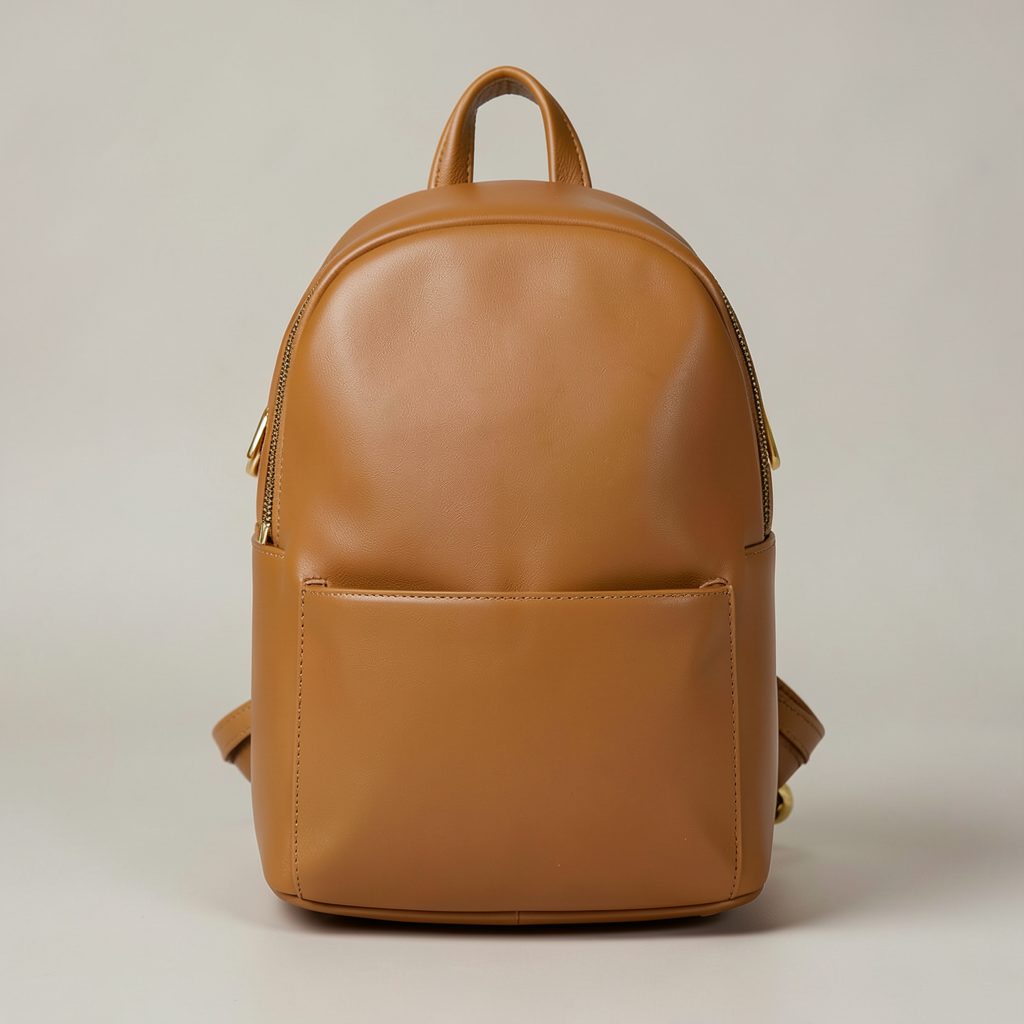
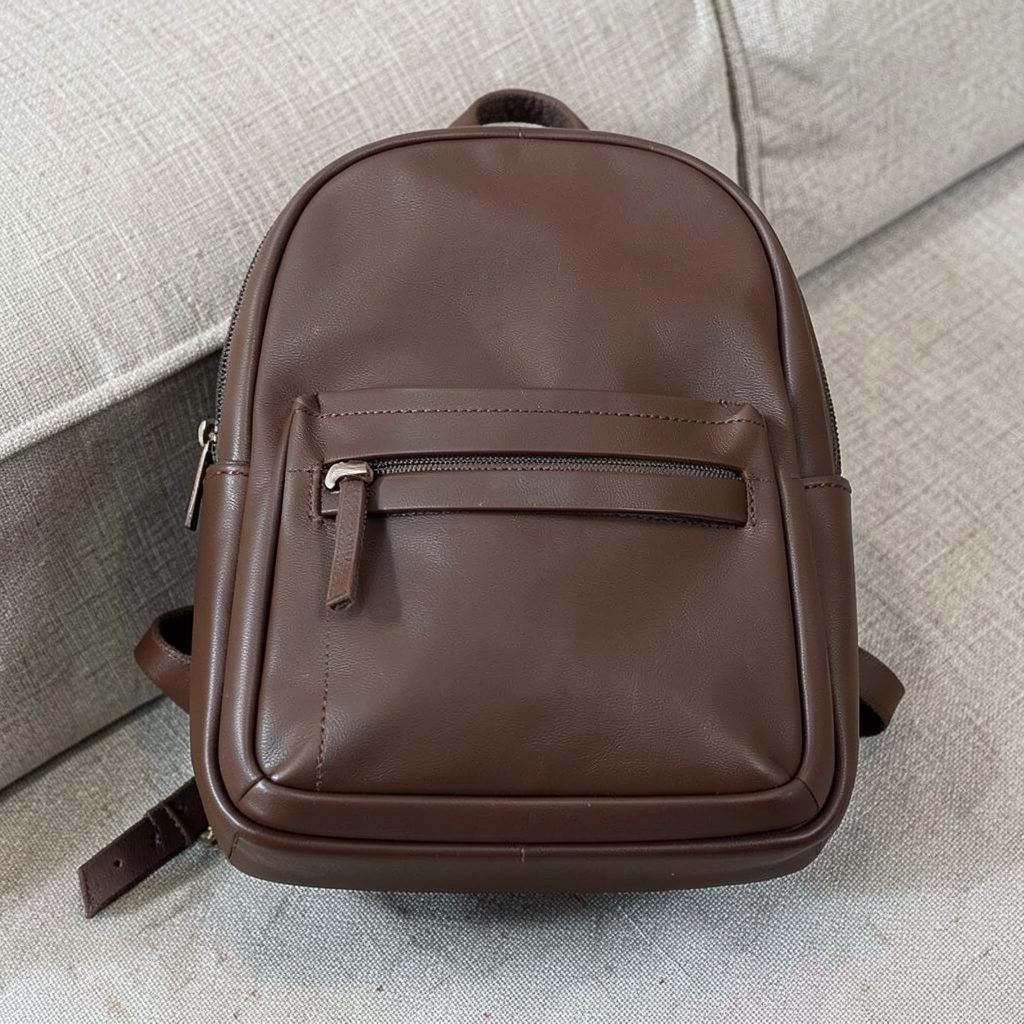
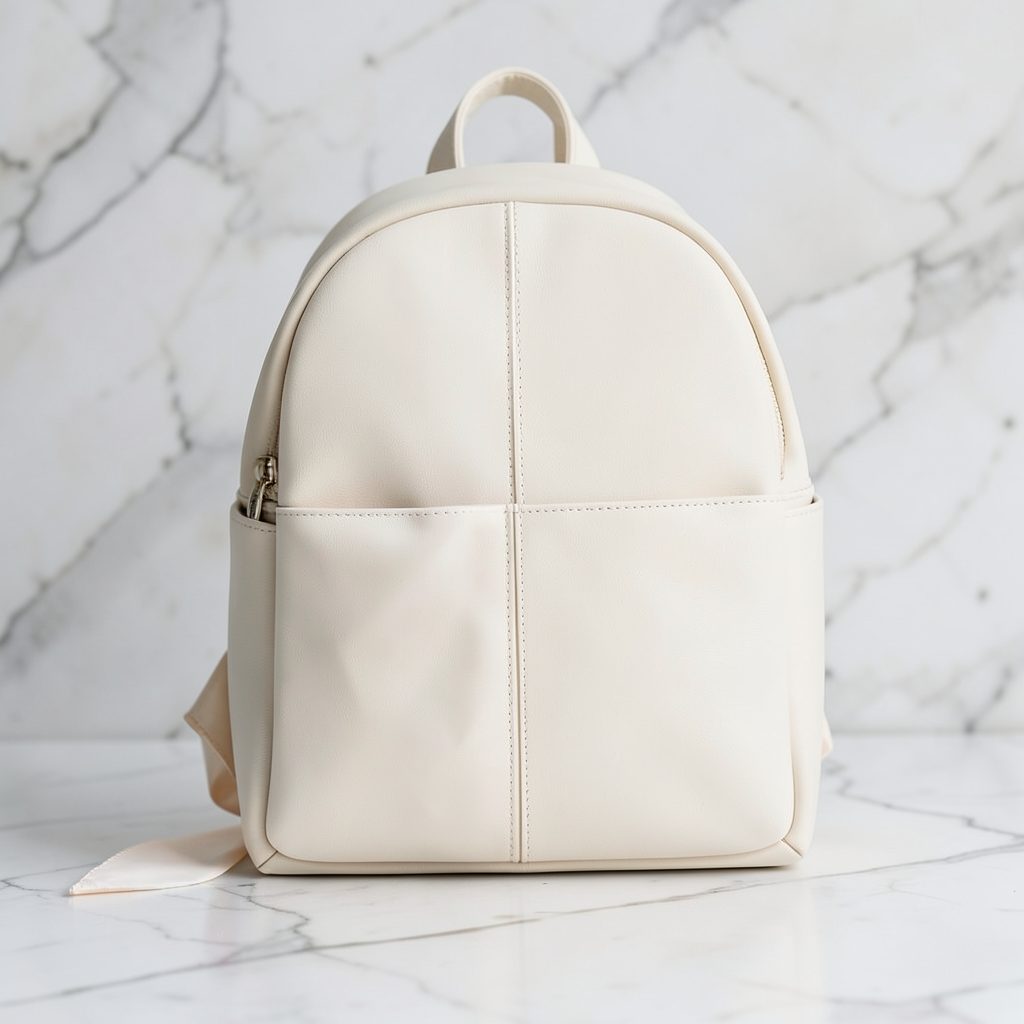
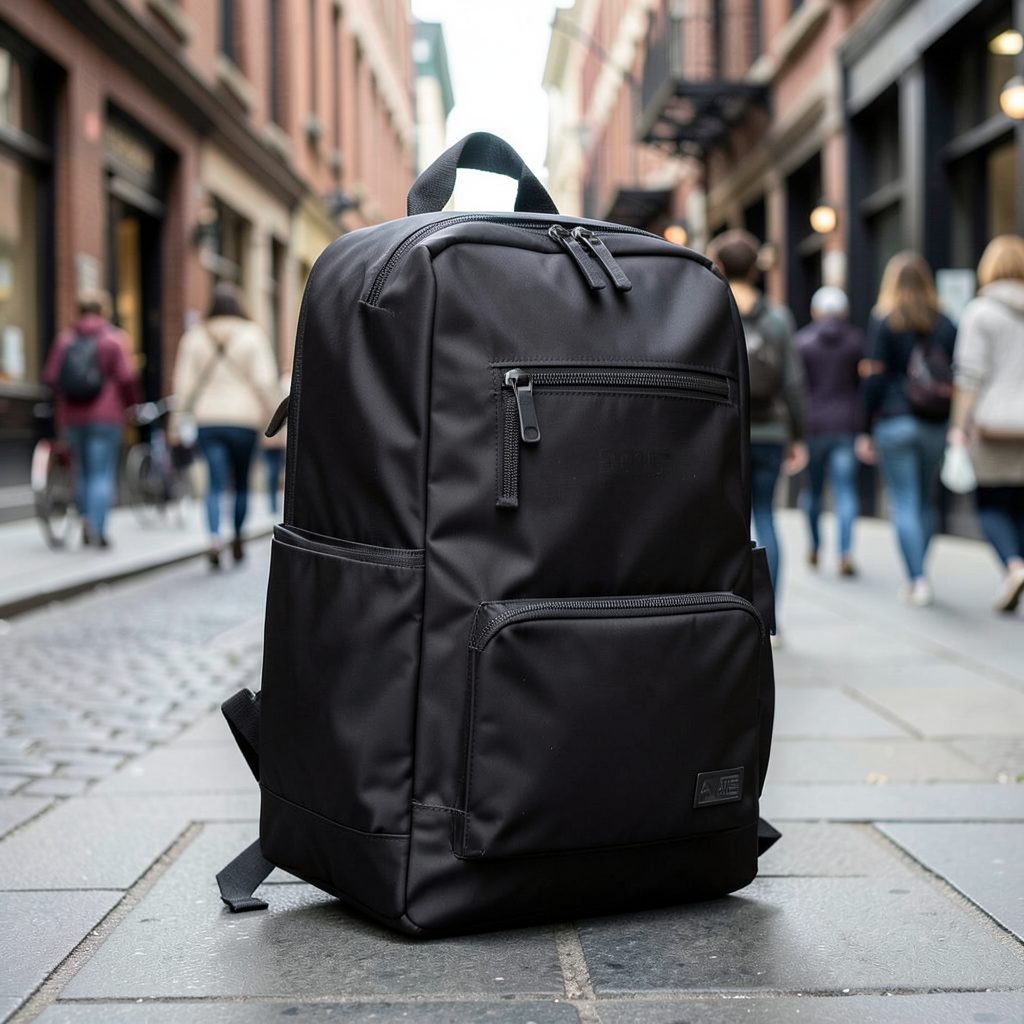
A vegan leather backpack is a strong choice for travelers carrying a laptop, tablet, headphones, and a few personal items. Weight is distributed across both shoulders, and a dedicated laptop sleeve can keep electronics easy to locate. Choose a compact profile rather than an oversized commuter design, since a bulky backpack may be awkward in a crowded security queue.
The main drawback is that backpacks often have several deep compartments. If the interior is overfilled, a small item can disappear at the bottom. A front pocket with a wide opening and a separate tech section solves much of this problem. Before reaching the checkpoint, move your laptop and liquids pouch to positions where they can be removed immediately.
A tote bag offers a broad opening and fast visual access, making it convenient for short trips or travelers who prefer to keep essentials within reach. It can hold a scarf, book, water bottle, and travel documents without feeling restrictive. Choose a tote with a secure zip closure and a firm base so that it does not tip over while you are unloading it.
A crossbody bag is useful when you want your hands free for a passport, boarding pass, or rolling suitcase. It works particularly well as a personal item for light packers, although it may need to be removed at the checkpoint. Browse these travel-ready crossbody bags for compact styles that can keep daily essentials close without the bulk of a full-size carry-on.
Comparing bag styles for airport use
The right choice depends on how much you carry and whether you prefer quick access or maximum capacity. A bag that works perfectly for a short domestic flight may feel too small for a long-haul journey with multiple devices and comfort items.
| Bag style | Security-friendly strengths | Possible drawbacks | Best for |
|---|---|---|---|
| Compact backpack | Holds electronics, documents, and personal items while distributing weight | Deep compartments can hide small items | Travelers carrying a laptop or tablet |
| Structured tote | Wide opening and clear visibility of contents | Can become heavy when overpacked | Short trips and flexible personal-item packing |
| Crossbody bag | Hands-free access and compact organization | Usually must be removed for screening | Light packers and essential items |
| Travel wallet | Keeps passport, cards, and boarding documents together | Limited capacity for larger objects | Fast document checks and gate transfers |
| Small pouch or organizer | Groups cables, medication, or liquids in one place | Adds an extra item to manage | Travelers who prefer modular packing |
A wallet or small pouch can complement any of these primary bag styles. Keeping boarding documents and payment cards in one place reduces the number of times you open the main compartment. A slim organizer also prevents loose accessories from spreading across the security tray.
When comparing vegan leather bags, consider weight before adding features. Vegan leather constructions can vary significantly depending on the backing, coating, lining, and reinforcement. A heavy bag may feel luxurious in a shop but become uncomfortable after several hours of walking between terminals, especially when filled with technology.
Packing your bag for the screening lane
Pack according to the order in which you will need items. Place your passport and boarding pass in an exterior or top-access pocket, then keep your liquids pouch and electronics near the main opening. Less frequently used items, such as a change of clothes or reading material, can go underneath.
Use small organizers rather than loose packing wherever possible. A cable pouch keeps chargers together, while a slim wallet prevents coins and cards from collecting at the bottom. If you carry medication, keep it in an identifiable case and follow the airport’s rules for prescriptions and liquid medicines.
Before joining the line, empty water bottles and move jewelry, keys, and loose change into a zipped pocket. Remove smartwatches or other items if the local screening instructions require it. Doing this before you reach the conveyor keeps the process calm and reduces the chance of leaving something behind in a tray.
Avoid filling every available space. An overstuffed bag is harder to close, harder to inspect, and more likely to spill when placed on its side. Leave a little room around electronics so they can be removed smoothly without pulling out clothing or toiletries with them.
Details that matter beyond the checkpoint
A security-friendly bag should remain useful once you reach the gate. Look for secure zippers, sturdy stitching, and a lining that can be wiped clean after contact with airport floors or tray surfaces. Water resistance is also helpful when you move between terminals in rain, though it should not be confused with full waterproof protection.
Comfort is a practical consideration, especially when delays turn a short airport visit into several hours of walking and standing. Padded backpack straps, an adjustable crossbody strap, and handles that sit comfortably on the shoulder can make a noticeable difference. A lightweight design helps you stay within airline personal-item limits without sacrificing space for essentials.
Color and finish can influence everyday usability too. Black, brown, navy, and other darker shades tend to disguise scuffs, while a lighter bag may make the contents easier to identify inside a tray. A smooth finish is usually quicker to wipe down than a deeply textured surface with many seams.
Think about sustainability in specific terms rather than relying on a vague material label. Vegan leather commonly refers to animal-free alternatives made from different synthetic or plant-based compositions, and durability varies by product. A well-made bag that is used frequently for years can be a more practical choice than a fragile style that needs replacing after a few trips.
A practical airport checklist
The easiest way to test a bag is to imitate the security process at home. Pack it with the items you normally travel with, then time how long it takes to remove your laptop, liquids, passport, and wallet. If you need to empty the whole bag to reach one object, the layout may not suit your routine.
Use these recommendations when narrowing down your options:
- Choose a wide zip opening that lets you see the main compartment immediately.
- Keep electronics and liquids in separate, easy-access sections near the top.
- Select modest hardware and a lightweight build to reduce unnecessary bulk.
- Use a dedicated passport pocket or travel wallet for documents and cards.
- Leave enough empty space to remove items without disturbing the rest of the bag.
After packing, practice placing the bag in a tray and rebuilding it on the other side. The best arrangement is one you can repeat while tired, distracted, or carrying a coat. Consistent placement also makes it easier to notice if a phone, wallet, or passport has been left behind.
Check current airline and airport requirements before departure because screening rules can change. A bag that supports fast organization is valuable, but it cannot replace the instructions given by local security staff. Follow the lane’s directions even when they differ from what you experienced on a previous journey.
Finding a style that fits your travel habits
Frequent flyers who carry a computer may prefer a slim vegan leather backpack with a protected tech compartment and a front pocket for documents. Travelers who pack lightly may find a crossbody sufficient, especially when their main suitcase holds clothing and larger toiletries. A structured tote can bridge the gap for anyone who wants more capacity without wearing a backpack.
Your normal movement through the airport should guide the decision. If you spend time on trains, in lounges, or walking between distant gates, balanced weight and hands-free carrying become priorities. If you move quickly through short trips with only a few essentials, a compact bag with a secure closure may be more convenient than a larger design.
A bag should also suit life beyond the terminal. A polished tote can move from airport to office, a crossbody can work for sightseeing, and a compact backpack can serve as an everyday commuter bag. Choosing a versatile style increases the chance that you will use it regularly rather than reserve it for occasional flights.
Start by selecting the capacity and carrying style you use most, then check the opening, pocket layout, weight, and hardware. Pack it for a trial security routine before your next departure, and choose a vegan leather bag that keeps your essentials visible, secure, and ready to move. A few thoughtful design choices can turn the checkpoint from a scramble into a predictable part of the journey.
Our Backpack Styles
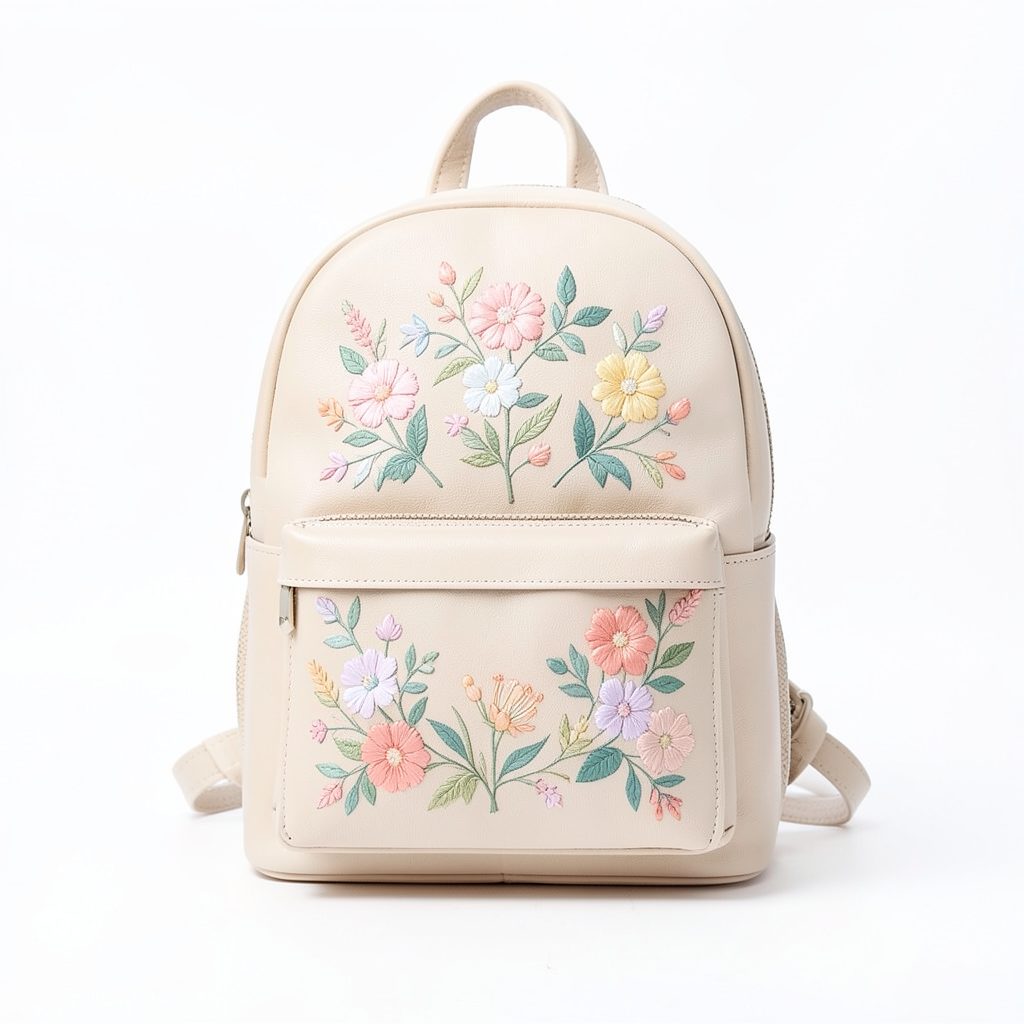
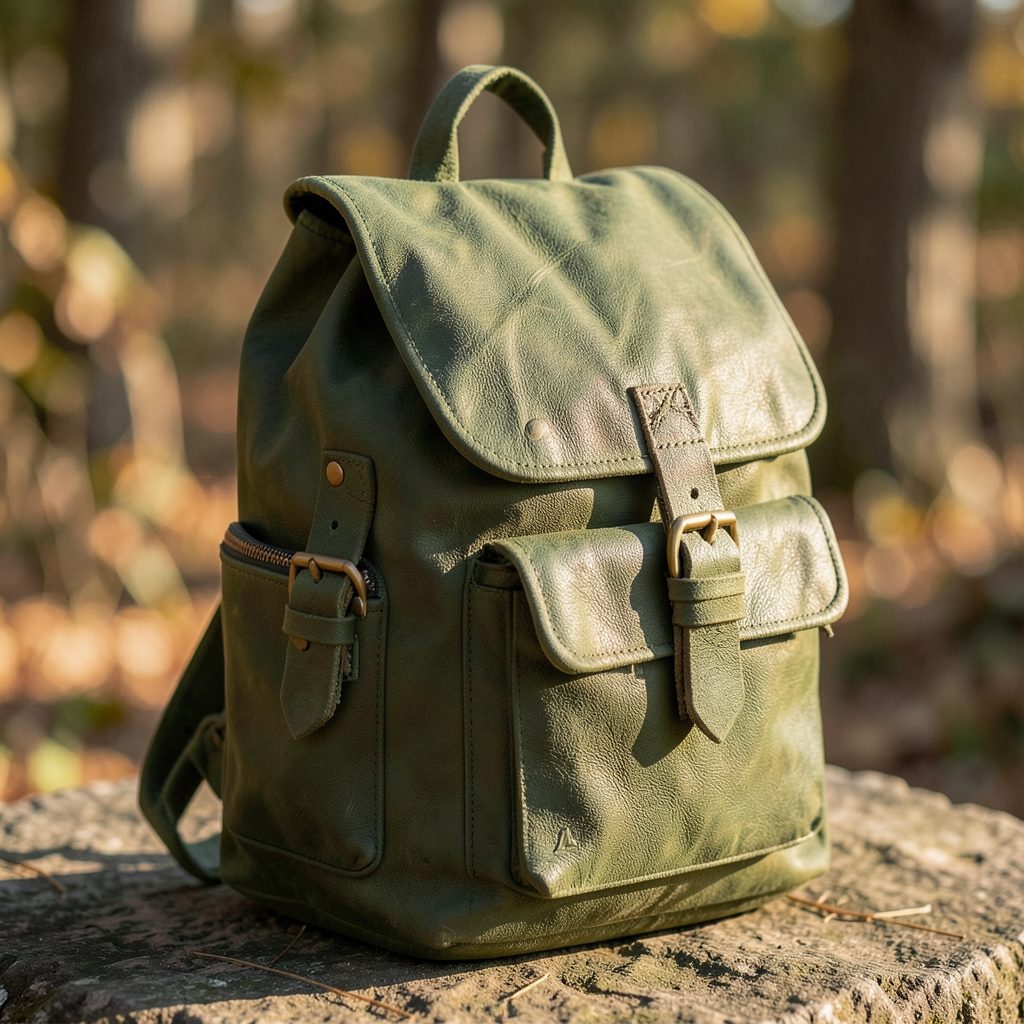
Every backpack is crafted from premium vegan leather with thoughtful details — multiple pockets, removable straps, and colors that work with any wardrobe. Browse the lineup below.