What Travel Insurance Should Cover for Your Vegan Leather Bag in Transit
A vegan leather bag can be a practical travel companion, whether it carries a laptop on the Sydney train, documents through Melbourne Airport, or essentials during a weekend in Brisbane. Its animal-free material does not make it immune to damage, theft, or loss while it is moving between homes, stations, airports, hotels, and transport hubs.
Travel insurance can help, but cover depends on the policy wording, the type of journey, and how you handle the bag. Some policies classify a backpack or tote as personal baggage, while others apply different limits to valuables, electronics, business equipment, or items left unattended.
Before buying cover, check the Product Disclosure Statement (PDS), excess, claim limits, and exclusions. A low premium may look attractive until a carrier delay, unattended-bag rule, or proof-of-purchase requirement prevents you from receiving the amount you expected.
How insurers classify a vegan leather bag
Most travel insurers treat a vegan leather backpack, crossbody bag, tote, or wallet as personal baggage rather than as a special material category. The policy is generally concerned with what happened to the item, where it was stored, and its value. Whether the exterior is made from polyurethane, recycled synthetic fibres, or another animal-free material usually has little effect on eligibility.
The important distinction is between the bag itself and the contents inside it. A $120 bag may be covered under the general baggage limit, while a laptop, camera, medication, passport, or jewellery inside it may have separate sub-limits. Some insurers also require valuables to stay with you or in a locked storage area.
Keep a receipt, order confirmation, product page, or bank statement showing the purchase price. If the bag was a gift, save photographs and any available evidence of its retail value. Product details such as size, colour, material, and model name can help an assessor identify the item when a claim is made.
Cover for loss, theft, and accidental damage
A useful policy should address several different transit problems: the bag being stolen, permanently lost by a transport provider, damaged in handling, or temporarily delayed. These events are often covered under baggage and personal effects, but the conditions can vary considerably.
For theft, insurers commonly expect reasonable care. Leaving a crossbody bag on a café chair in Melbourne or placing a backpack beside an unattended airport seat may create an avoidable-care issue. A locked car boot can also be subject to special rules, particularly when the vehicle is parked overnight or the item is visible from outside.
Accidental damage needs close attention. A cracked buckle, torn strap, crushed frame, or water-damaged lining may qualify if caused by a covered incident, but ordinary wear, manufacturing faults, and gradual deterioration usually do not. Vegan leather can react differently to heat, abrasion, and moisture than animal leather, so check whether the policy excludes cosmetic damage or material deterioration.
If an airline or coach company accepts responsibility for the damage, report it immediately and obtain written evidence. Ask for a baggage irregularity report, damage reference number, or carrier response. Travel insurance may pay only after another responsible party has been approached, depending on the policy’s contribution and recovery provisions.
What transit delay and carrier cover should include
Baggage delay is different from baggage loss. If your bag is temporarily missing on arrival, the policy may reimburse necessary replacement items such as basic clothing and toiletries after a waiting period. This benefit is often designed for essentials, not for buying a replacement designer-style bag or upgrading to a premium accessory.
Permanent loss should provide a benefit for the bag’s reasonable value, subject to depreciation, limits, and excess. A policy with “new for old” replacement may be more suitable for recently purchased accessories, while an indemnity policy may pay the current value after wear and age are considered. Ask how the insurer values a vegan leather product when the original retailer no longer stocks the same colour.
Australian travellers should also check whether domestic and international transport are treated differently. A bag lost on a Qantas or Virgin Australia flight, on a Jetstar connection, or during a rail journey may be handled under different carrier procedures. On Sydney’s airport train, Melbourne’s SkyBus, or a regional coach, obtain a report from the operator if your belongings disappear.
A policy may also cover reasonable delivery or emergency expenses when baggage is delayed. Read the time threshold carefully: some benefits begin after a set number of hours, while others apply only after an overnight delay. The PDS should explain whether the clock starts when you report the missing item or when the carrier confirms the delay.
Choosing limits for bags and their contents
Estimate the combined value of your baggage rather than looking only at the price of the bag. A vegan leather tote holding a tablet, headphones, prescription glasses, chargers, and work documents can represent a much larger claim than the accessory itself. General baggage limits may be shared across all items, and valuable-item sub-limits can be surprisingly low.
Check the per-item limit, total baggage limit, and excess. If the bag costs $180 but the excess is $200, making a claim for the bag alone may have little financial benefit. A higher overall limit may still be worthwhile if the contents include electronics or other essentials, but those items could require separate declarations or optional cover.
Business use deserves special care. A commuter carrying a work laptop from Canberra to Sydney may find that standard personal baggage cover excludes equipment used to earn income. Some policies offer business travel extensions, while others exclude commercial samples, stock, or professional tools altogether.
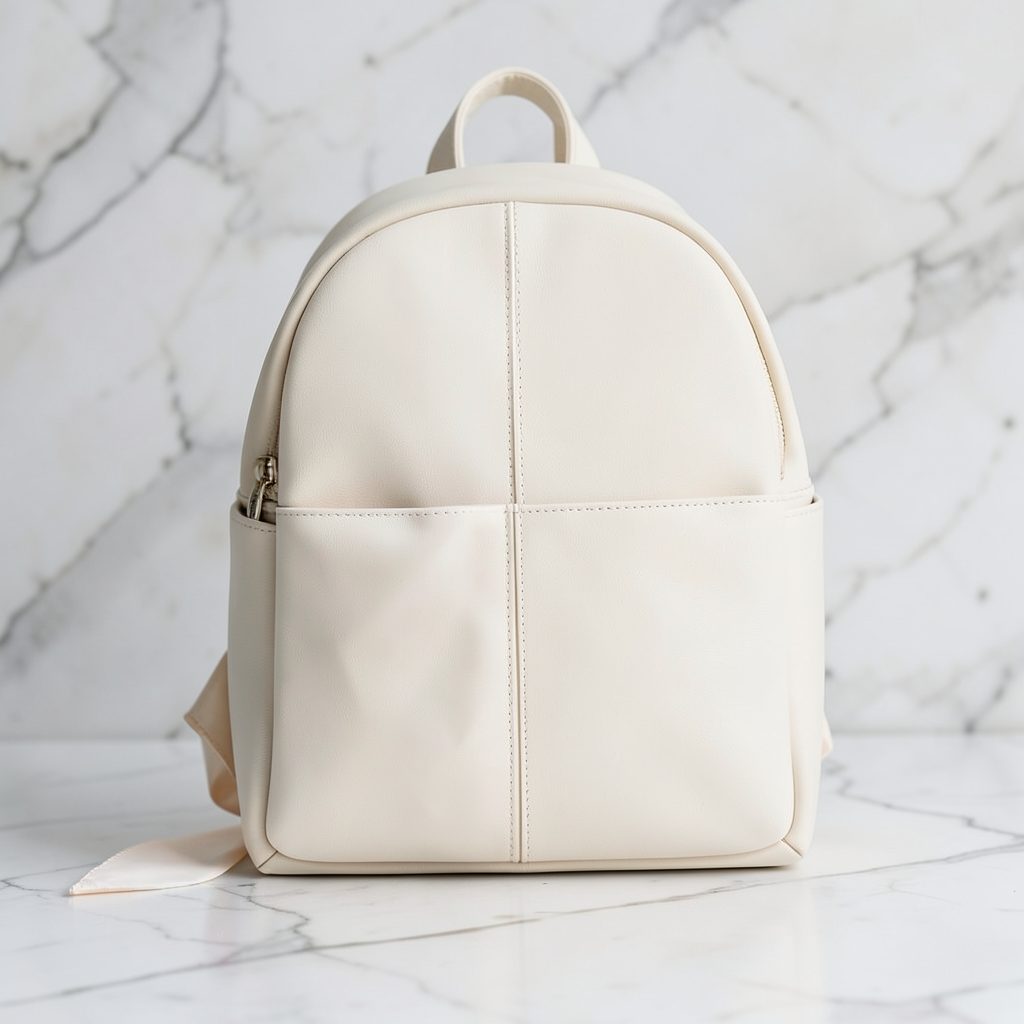
Travel Starter Pack’s range includes different silhouettes and colours, so save the purchase record for the exact item you carry. A functional train-ready vegan bag may be ideal for commuting, but its practical design does not remove the need to check the insurer’s item limits and unattended-baggage conditions.
Exclusions that can affect a claim
An insurer may reject a claim when a bag is left unattended, stored in an unlocked place, handed to an unauthorised person, or packed in checked baggage contrary to the policy terms. Passports, cash, cards, laptops, and some electronics are frequently subject to heightened security requirements.
Moisture and heat exclusions also deserve attention in Australia. A bag left in a hot vehicle during a summer stop in Adelaide or Perth could develop damage that looks sudden but is treated as gradual deterioration. A storm in Cairns or a wet platform in Brisbane may support a claim if the damage resulted from a covered event, yet the policy may still require reasonable steps to protect the item.
Alcohol, illegal activity, and reckless conduct can affect cover. If a trip includes casino entertainment, review whether any incident connected with gambling is excluded; a responsible online strategy is separate from insurance and cannot replace compliance with the policy’s conduct rules. Read exclusions for intoxication, unattended possessions, and participation in prohibited activities before departure.
Pre-existing damage is another common problem. Photograph the bag before leaving, including the straps, corners, fasteners, and lining. These images create a time-stamped record and can distinguish transit damage from marks that were already present.
Australian rules and practical claim steps
In Australia, travel insurance is a financial product, and the PDS sets out the actual cover, exclusions, limits, and claim process. The Insurance Contracts Act 1984 governs insurance contracts, while the Australian Securities and Investments Commission (ASIC) regulates financial services. If a dispute is not resolved through the insurer’s internal process, the Australian Financial Complaints Authority (AFCA) may be relevant.
The Australian Consumer Law can also matter when a retailer or transport provider has supplied goods or services that fail to meet consumer guarantees. Those rights are separate from an insurance claim. For example, a faulty bag may be a retailer issue, while a bag crushed by baggage handling may involve the carrier and insurer.
At the airport, report missing or damaged baggage before leaving the arrivals area whenever possible. Keep baggage tags, boarding passes, receipts for emergency purchases, photographs, police reports for theft, and all emails with the carrier. For a train or rideshare incident, note the service, date, approximate time, location, and reference number.
Claim promptly and describe the facts plainly. Do not discard the damaged bag until the insurer has inspected it or confirmed that disposal is acceptable. If the insurer asks for proof of ownership, a retailer receipt, online order record, bank transaction, and clear pre-trip photographs can work together.
Matching cover to your travel routine
Frequent domestic travellers may value a policy that covers repeated journeys throughout the year, especially when commuting between Sydney, Melbourne, Brisbane, and other major cities. Occasional travellers may prefer single-trip cover, but should still compare baggage benefits rather than choosing solely on medical coverage or price.
A small crossbody bag can be easier to supervise on public transport, while a structured tote or backpack may carry more equipment but require greater care. A compact crossbody travel option can suit sightseeing and airport transfers, provided it is secured under a jacket or kept in front of the body in crowded areas.
Free worldwide shipping and order tracking can make it easier to retain evidence of an online purchase, but shipping records are not the same as insurance documents. Download the order confirmation, note the price paid in Australian dollars, and save the product description before travelling. If a replacement is needed overseas, currency conversion and local availability may affect the settlement.
Use the following checks when comparing policies:
- Baggage cover for loss, theft, delay, and accidental damage
- Per-item and total limits for the bag and its contents
- Rules for unattended items, checked baggage, and locked vehicles
- Excess, depreciation, replacement basis, and claim deadlines
Keep these records accessible in cloud storage and offline:
- Purchase receipt, order confirmation, and product photographs
- Boarding passes, baggage tags, and carrier incident reports
- Police report or transport reference for theft or loss
- Receipts for emergency clothing, toiletries, or replacement items
| Policy feature | Why it matters for your bag | What to verify |
|---|---|---|
| Loss and theft cover | Pays for a bag that disappears during a covered journey | Security rules, police reports, and unattended-item exclusions |
| Accidental damage | May address crushed panels, broken straps, or damaged fittings | Whether cosmetic damage, wear, and material deterioration are excluded |
| Baggage delay | Helps with essential purchases while the bag is temporarily missing | Waiting period, daily limit, and eligible expenses |
| Per-item limit | Controls the maximum paid for one bag or valuable item | Whether the bag and electronics have separate sub-limits |
| Replacement basis | Affects whether payment reflects new replacement cost or depreciated value | New-for-old terms, age limits, and proof of current retail price |
| Excess | Reduces the amount received from a successful claim | Whether the excess applies per person, item, or event |
| Carrier responsibility | May require you to claim from an airline, coach, or rail operator first | Reporting deadlines and required carrier documentation |
Choose cover before the trip, not after a bag has been packed and checked in. Compare the PDS, save your purchase evidence, and travel with the bag where you can supervise it. With the right limits and careful documentation, a vegan leather bag can remain a reliable part of your journey from the daily commute to an international departure.
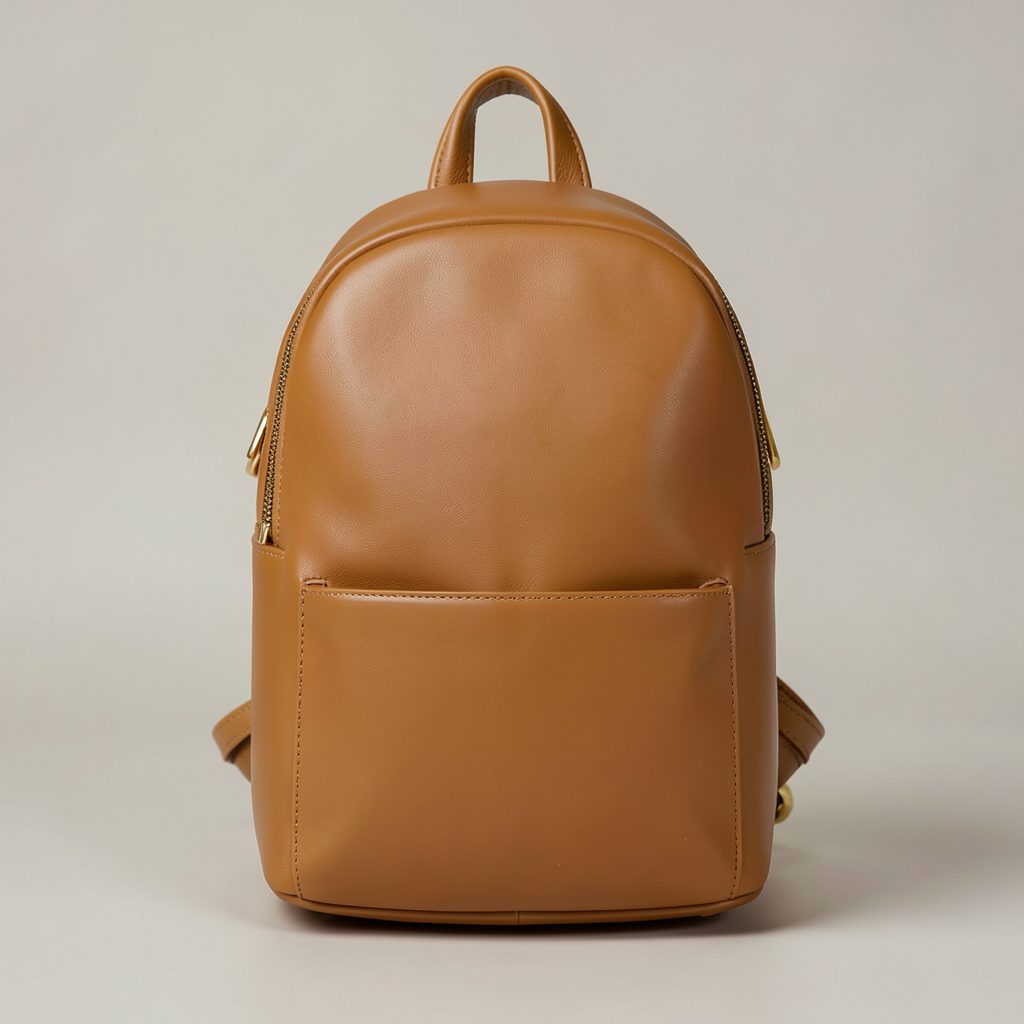
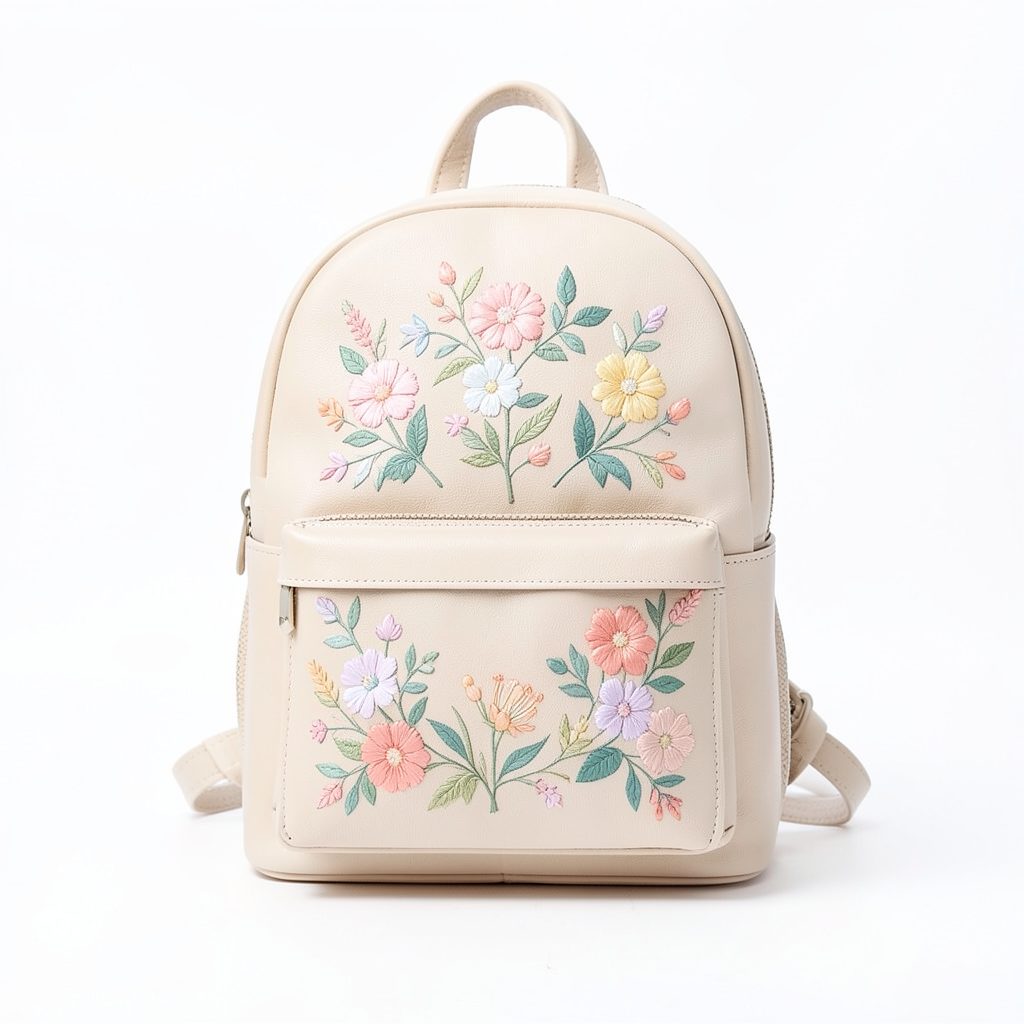
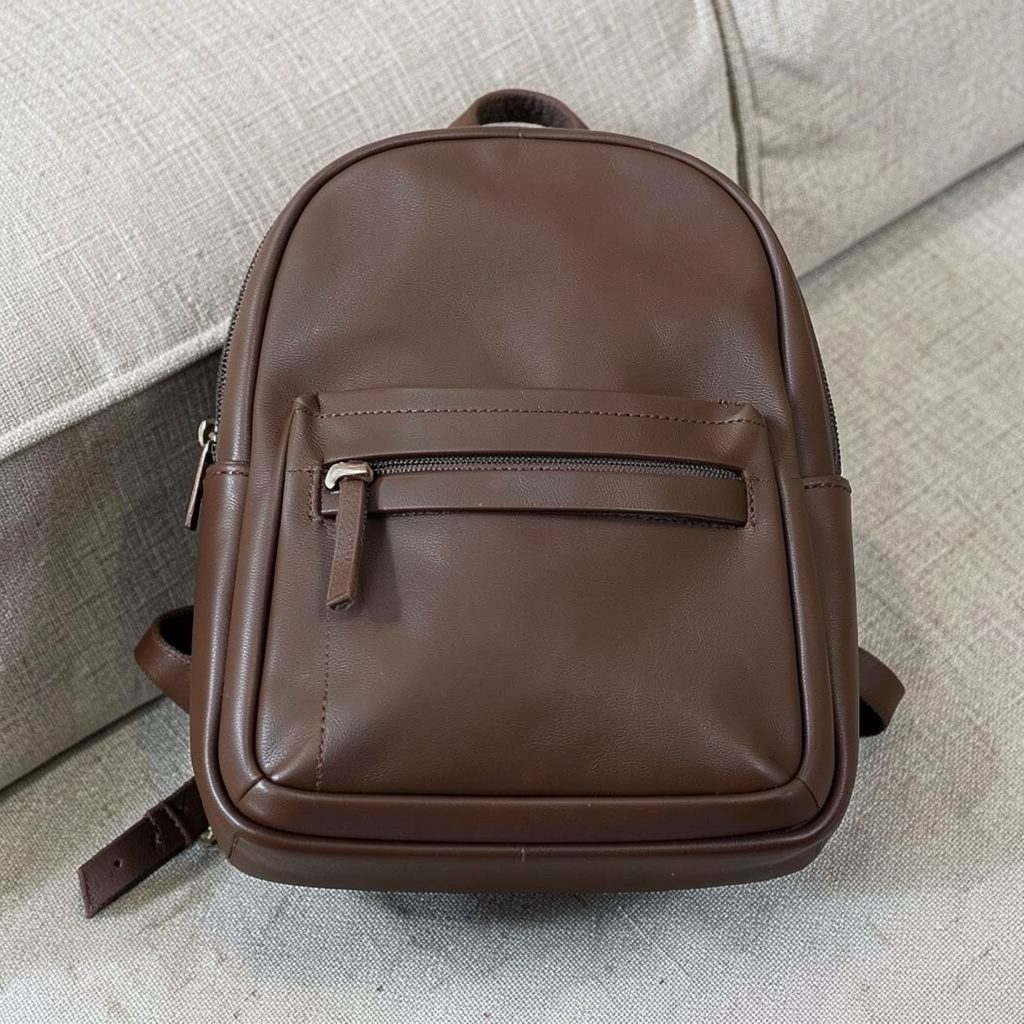
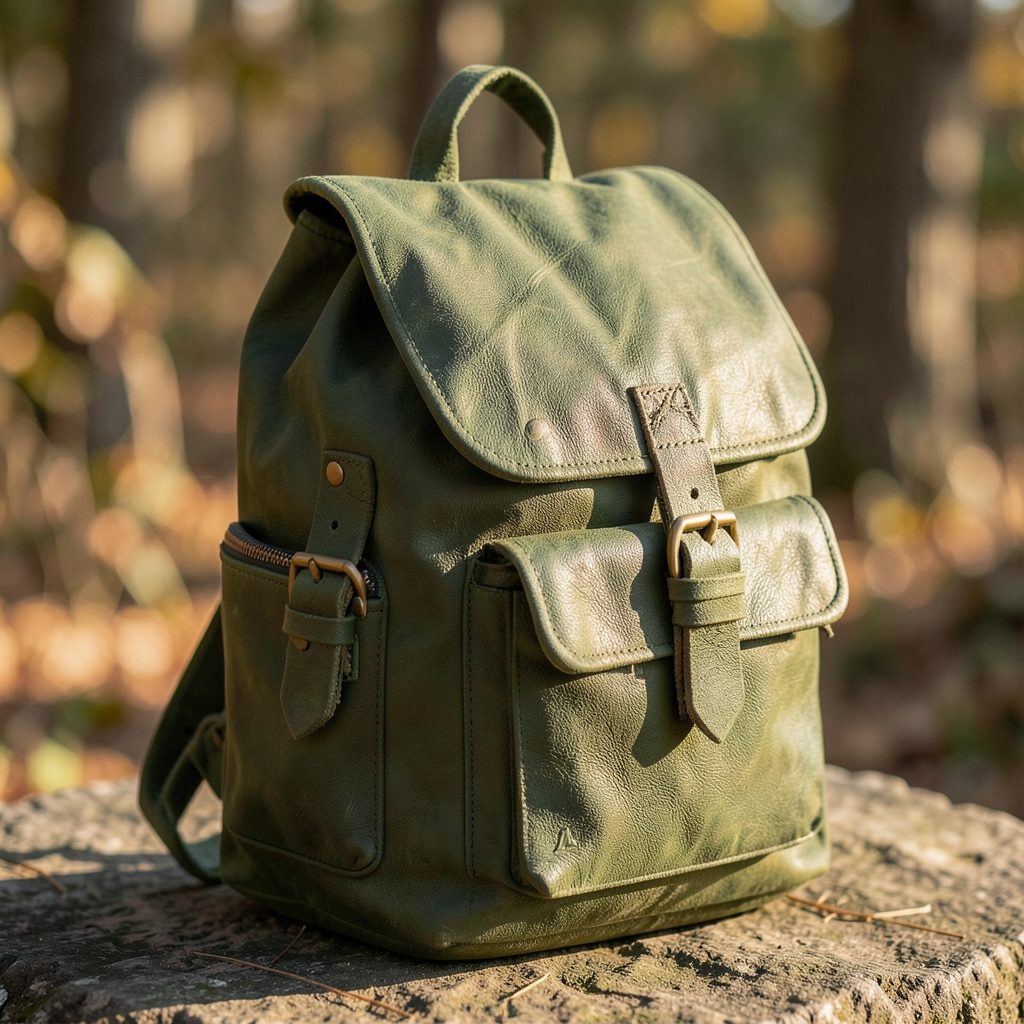
Our Backpack Styles
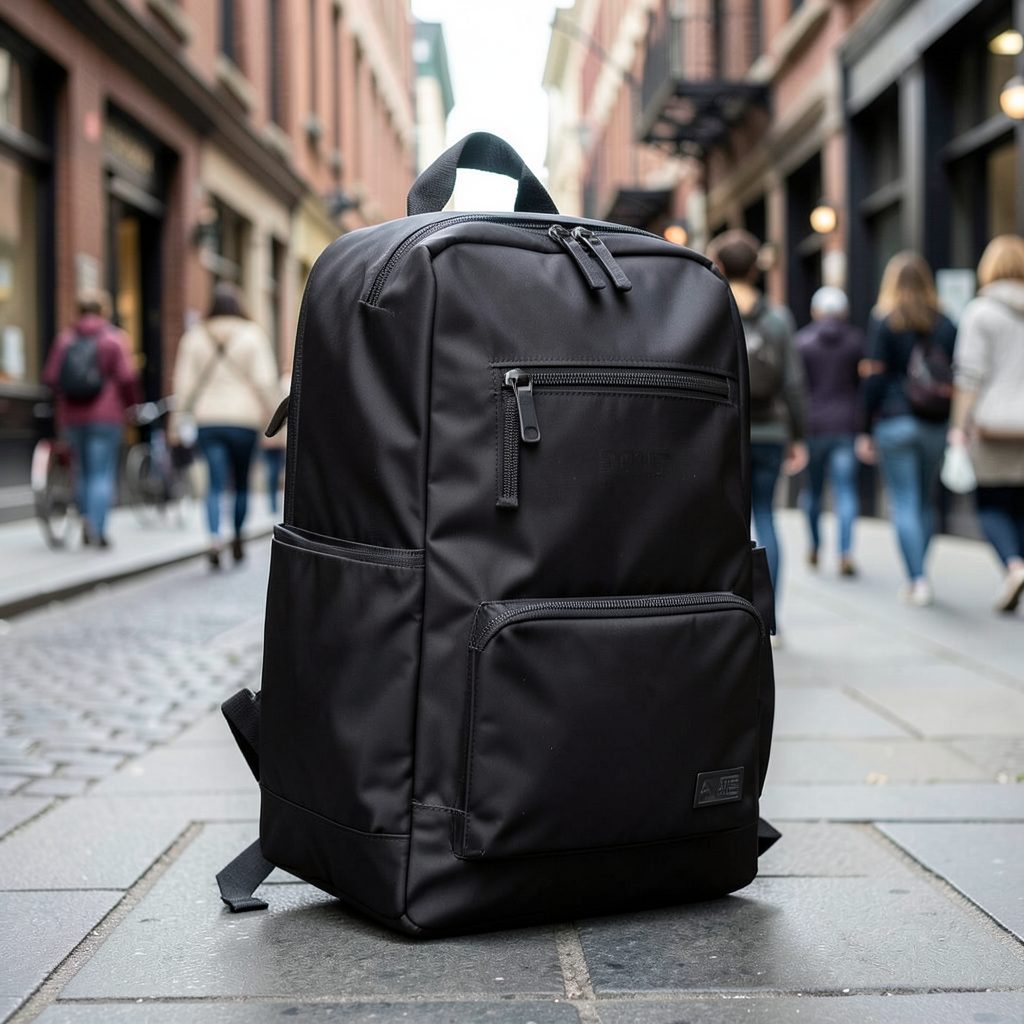
Every backpack is crafted from premium vegan leather with thoughtful details — multiple pockets, removable straps, and colors that work with any wardrobe. Browse the lineup below.