Vegan leather bag weight: what to look for on long walking days
A bag can look manageable on a product page and feel burdensome after a full day on foot. Vegan leather bag weight matters, yet the empty shell is only the first number to consider. A shopper carrying a phone, wallet, keys, water and camera may end up with several kilograms on their shoulders, even when the bag itself is described as lightweight.
Separate three figures: empty weight, expected contents and the way that load sits. A 450 g tote holding a 1.3 kg laptop, a 600 ml bottle and a notebook creates a 2.5 kg package; changing the shell to 380 g barely changes what rests on one shoulder. Capacity also predicts packing discipline, so a large bag can quietly become a heavier one. Wearing it on one side can also create asymmetry, particularly when the contents shift as you walk.
“Vegan leather” is a broad category rather than one fixed material. Products may use polyurethane, PVC, apple-peel composite, pineapple-leaf fibre, mushroom-based material or another animal-free substitute. Each has a different density, drape and response to abrasion. A plant-based label does not reveal weight by itself, and animal-free does not automatically mean lower environmental impact. Composition, care requirements and expected lifespan therefore deserve attention alongside the number in grams.
Australian travel adds useful context. A short trip across Melbourne’s laneways differs from a hilly Sydney route, a humid Brisbane afternoon or a bright Perth summer. Coastal tracks around Bondi, longer urban walks and days combining trains with sightseeing can easily reach 10,000 steps. In warm weather, a bag’s ventilation, heat retention and comfort may influence the experience more than a small difference in empty weight.
Why empty weight is only part of the story
Start with the empty weight published for the exact model, then check whether the figure includes feet, lining, zips and detachable straps. Product pages sometimes list only the outer shell or use different methods of measurement. Comparing a 520 g backpack with a 480 g tote can be misleading because their shapes, capacities and intended loads are completely different.
Estimate the loaded weight next. A litre of water weighs about one kilogram, a compact camera and lens can add several hundred grams, and headphones, chargers and lunch accumulate quickly. Use a kitchen scale for your normal load, then add that result to the advertised bag weight. That total gives a more realistic view of a long walking day than a laboratory-style empty-bag figure. It also makes comparisons between different formats much more meaningful.
Small accessories deserve their own calculation because they often sit in a separate compartment or pocket. Comparing wallet and accessory picks can help shoppers identify slim cardholders and organisers that reduce bulk, although the best choice is the smallest one that holds the cards and cash needed for the trip.
Materials, grams and total load
Material construction affects both grams and feel. Thin polyurethane-coated cloth can create a light shell, while denser PVC and composites containing pulps or plant fibres may feel substantial. Woven textures, embossed surfaces and sealed edges can change the finished weight. The same colour and shape may also exist in several materials, so check the specification rather than judging from a photograph.
Look for the base weight, dimensions, volume and material breakdown together. A padded laptop sleeve, waterproof lining, reinforced base, metal clips and multiple zips all add mass. Rigid hardware may improve shape and closure, but it can also press against the body. If a seller provides total and empty weights, the difference can reveal how much of the construction is functional rather than decorative.
Remote-work travel raises the value of a fitted laptop compartment, yet adding that protection can increase total weight. This guide to top vegan leather totes offers useful comparisons for shoppers balancing work gear with walking comfort. A 14-inch computer may weigh around 1 to 1.5 kg depending on the model, so its sleeve and placement deserve close attention.
Bag shapes and weight distribution
Shape determines where pressure lands. A tote places the full load on one shoulder and can work well when carried in the hand or over the forearm. A crossbody keeps the load close to the body and can share it between the shoulder and torso, while a two-strap backpack distributes it across both shoulders and usually sits better when the load is heavy. The best format is the one that holds the essentials securely without creating a concentrated pressure point.
One option to inspect is the woven crossbody style, where a compact body and adjustable strap can suit short city walks or travel days. Check its dimensions against the items you must carry. A crossbody that leaves a phone, keys and wallet hanging outside is convenient, whereas a close-fitting design is less likely to bounce or swing while you move.
Fit matters more than a generic strap measurement. Wider webbing can spread pressure, yet extra width adds a small amount of weight and may rub under a summer shirt. Adjust the strap while wearing the bag, not simply while looking at it on a table, and walk with the bag loaded. Check whether it rides upward, twists under a full compartment or presses the shoulder where you naturally carry a phone.
Heat, rain and Australian walking conditions
Local conditions can reverse the priorities on a product page. Melbourne’s relatively flat central routes make a light shoulder bag practical, while Sydney’s hills and coastal paths reward balanced support. Brisbane can bring humidity and sudden rain; Adelaide and Perth often deliver intense sun and heat. UV exposure, sweat and a light shower call for different care routines from a cool, dry commute.
Heat makes a rigid or thick shell less pleasant against bare skin, and trapped sweat can affect both comfort and the finish. Dark colours may absorb more solar heat, while textured or lighter materials can show scuffs differently. Ask about water resistance rather than assuming any leather provides a weather seal, and keep a small protective pouch for phones and documents during an unexpected downpour.
For a second design perspective, browse vegan bag specialists and compare styling, strap construction and stated specifications. Australian shoppers are also accustomed to prices displayed in AUD with GST included, tracked parcel updates and clear delivery estimates. Travel Starter Pack highlights free worldwide shipping and order tracking, which can remove some friction when planning a trip or buying from overseas.
A practical shortlist and buying checklist
A useful shortlist begins with three separate loads. For a daily essentials bag, include only a phone, cardholder, keys and headphones. For a work bag, add the computer, charger and documents. For a walking or airport day, include water, sunscreen, a hat and other climate-appropriate items. Calculate each version because the lightest option for a short trip may be unsuitable for a full day out.
Before buying, read the weight, external dimensions, internal volume and laptop range together. Confirm strap length, closure type, pocket access, lining, base reinforcement and return terms. A bag can be compact yet hold a large phone, or offer many compartments with little usable space. Images show style; specifications reveal whether the design can carry a realistic load without looking overfilled.
Where possible, test the filled bag for at least twenty minutes and include stairs in the trial. Note any pressure on the shoulder, hip or opposite side of the neck, and check whether the bag shifts when you bend or turn. If shopping online, compare two or three candidates using the same load list, then make sure the final choice suits both the route and the weather.
Sale prices and visual styling should be considered after the practical checks. Product highlights, customer photographs and detailed dimensions can help confirm the real size, but a discount does not change the weight of the materials, hardware or lining. Checking new-arrival updates can also reveal lighter models when an existing favourite becomes unavailable or a more suitable design enters the range.
The most comfortable long-day bag is rarely the one with the smallest printed weight. It is the bag whose material feels appropriate, whose capacity discourages unnecessary items, and whose straps keep a realistic load balanced and secure. Lightweight travel is more useful when the design still protects the contents and survives repeated use.
Compare the specifications, calculate your usual loaded weight and walk with the chosen bag before checkout. Review the lightweight styles and product details from Travel Starter Pack, select the format that suits your Australian route, and order with confidence for your next long walking day.
Our Backpack Styles
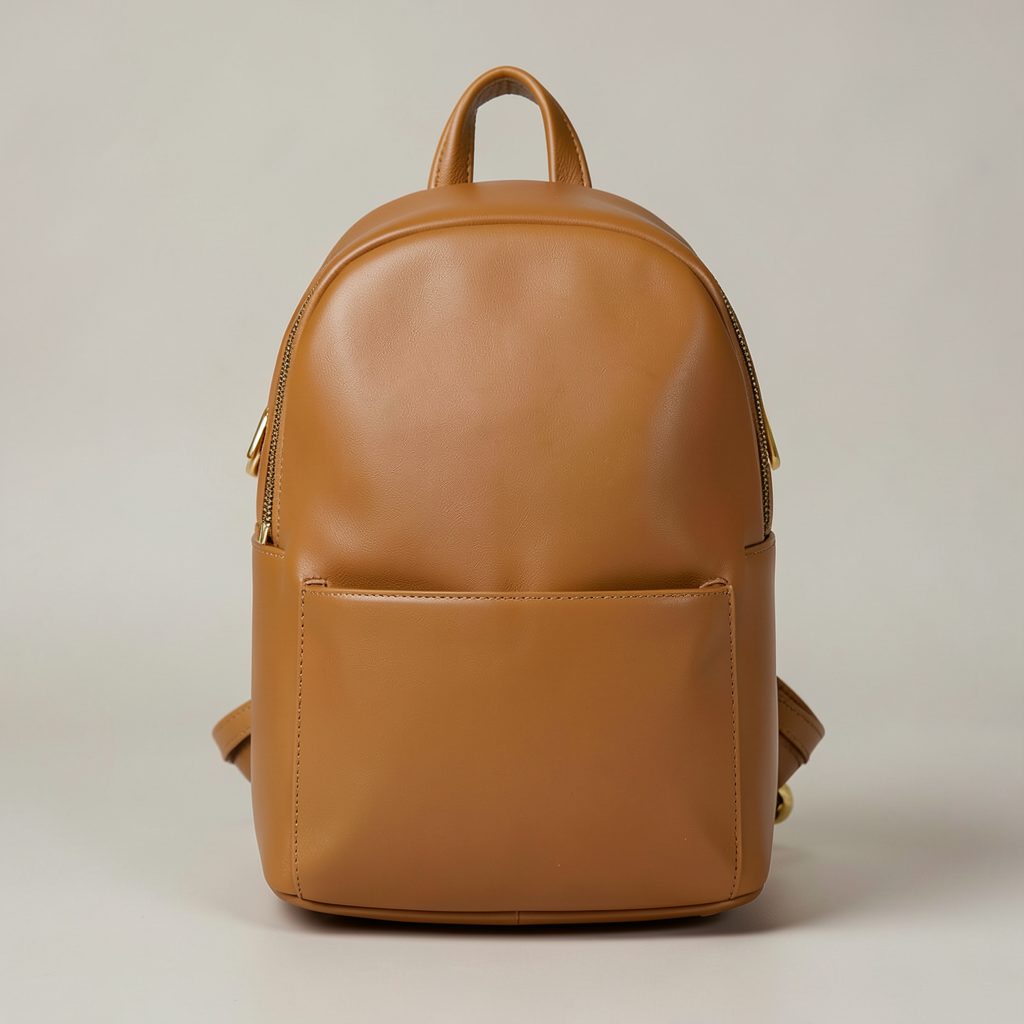
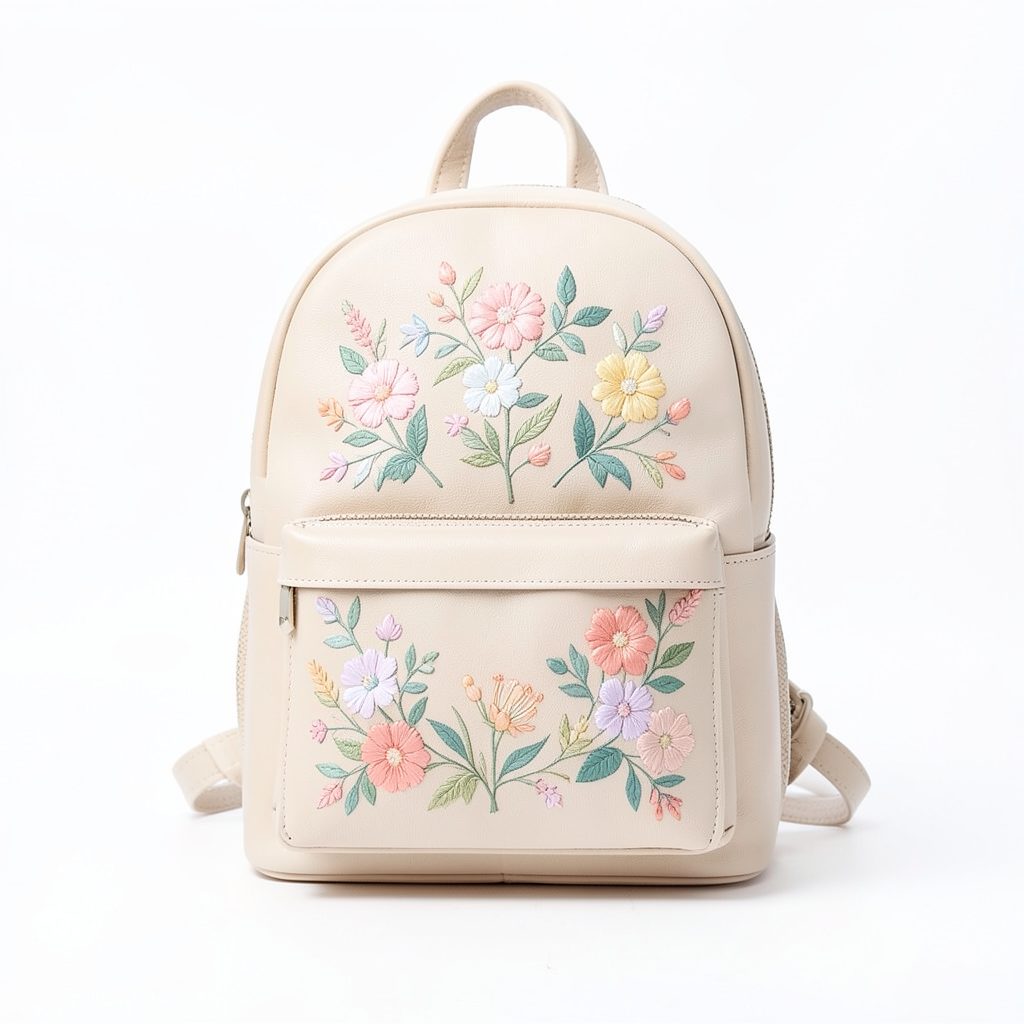
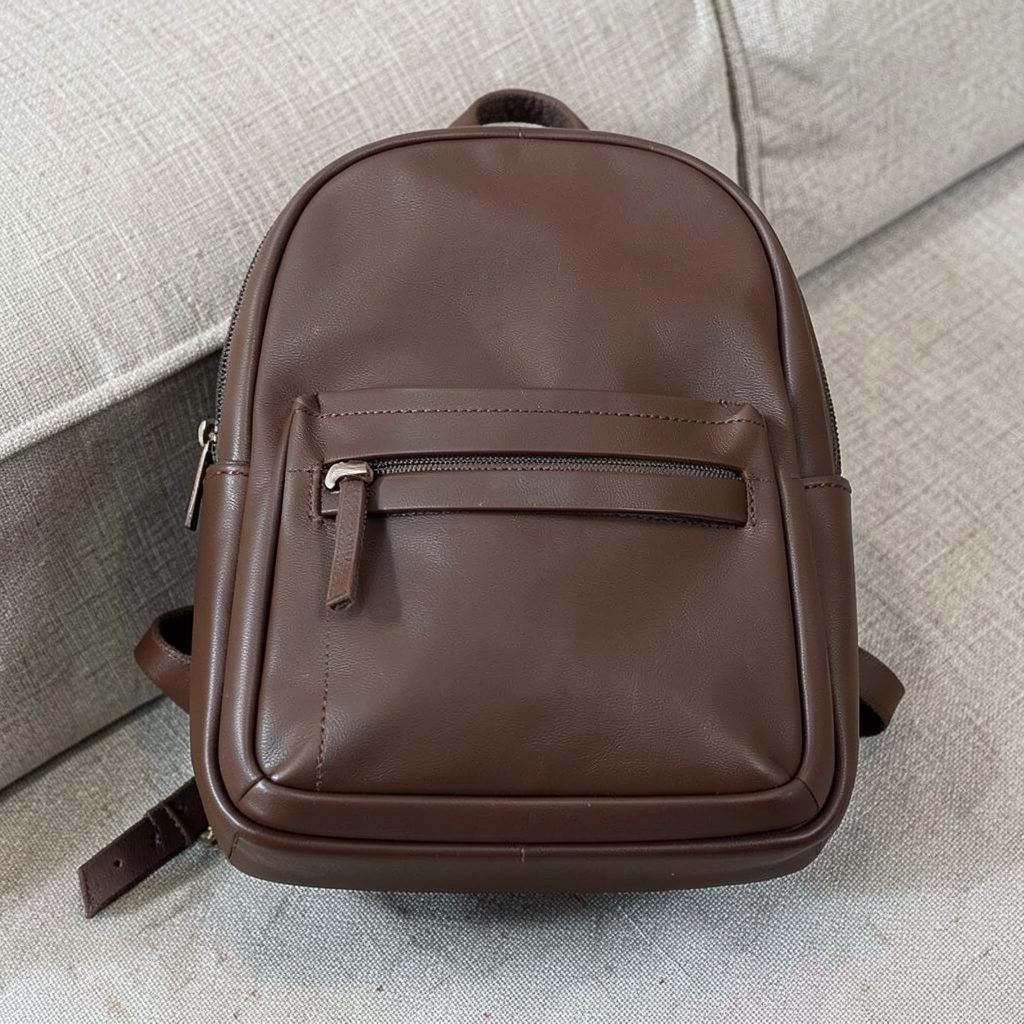
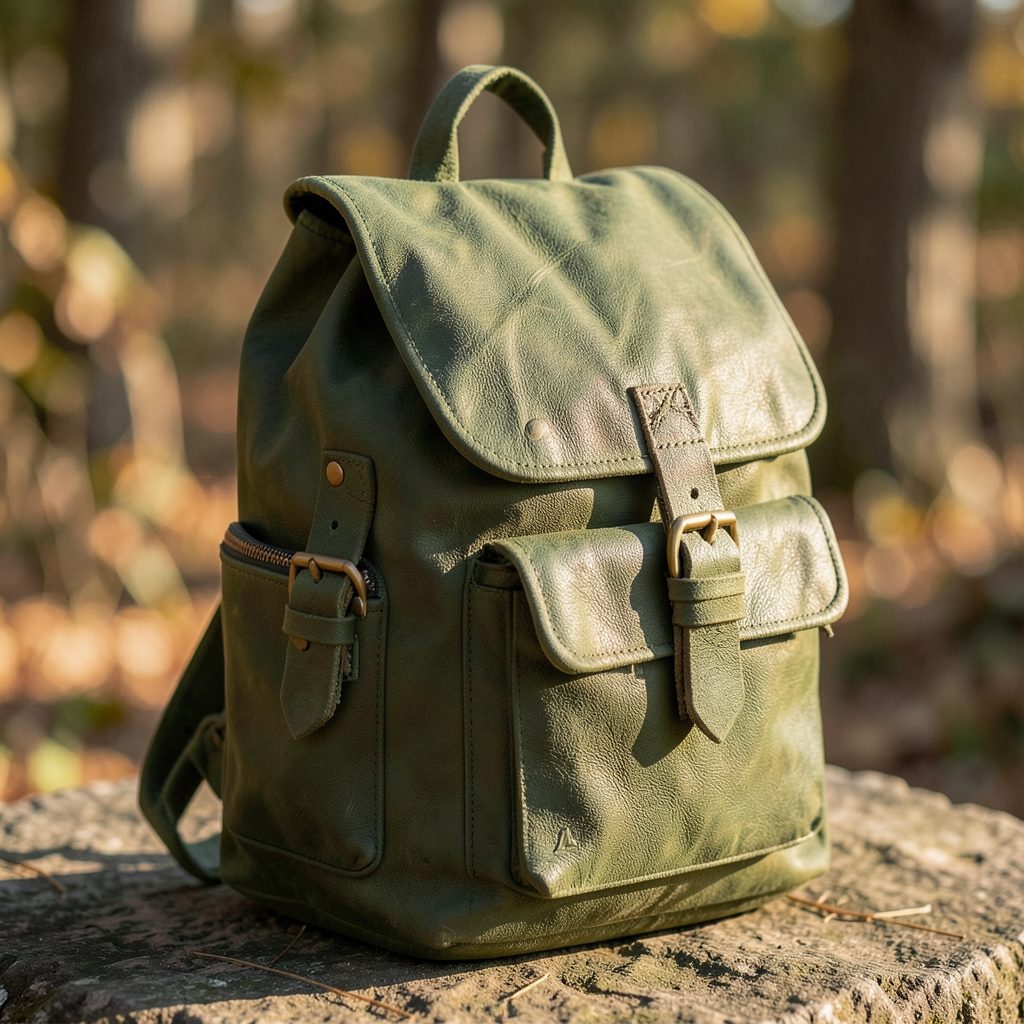
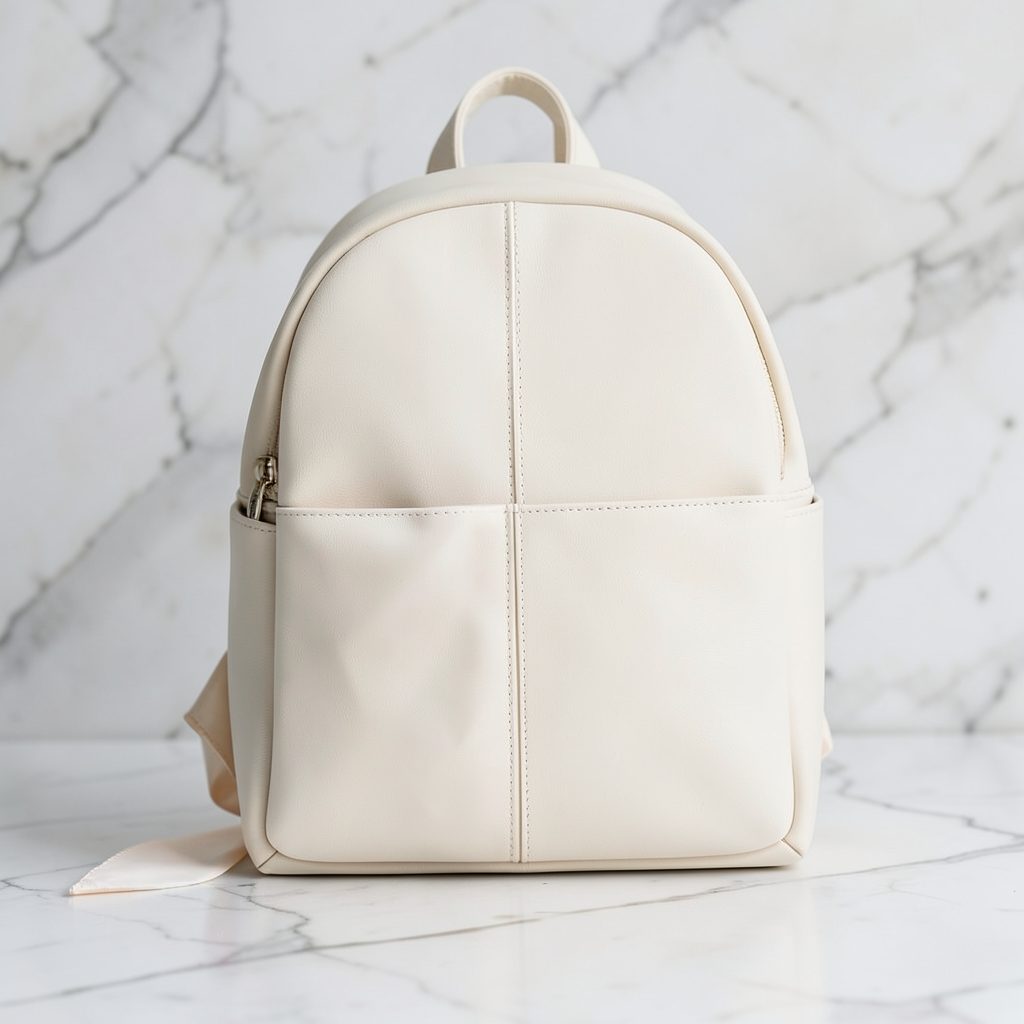
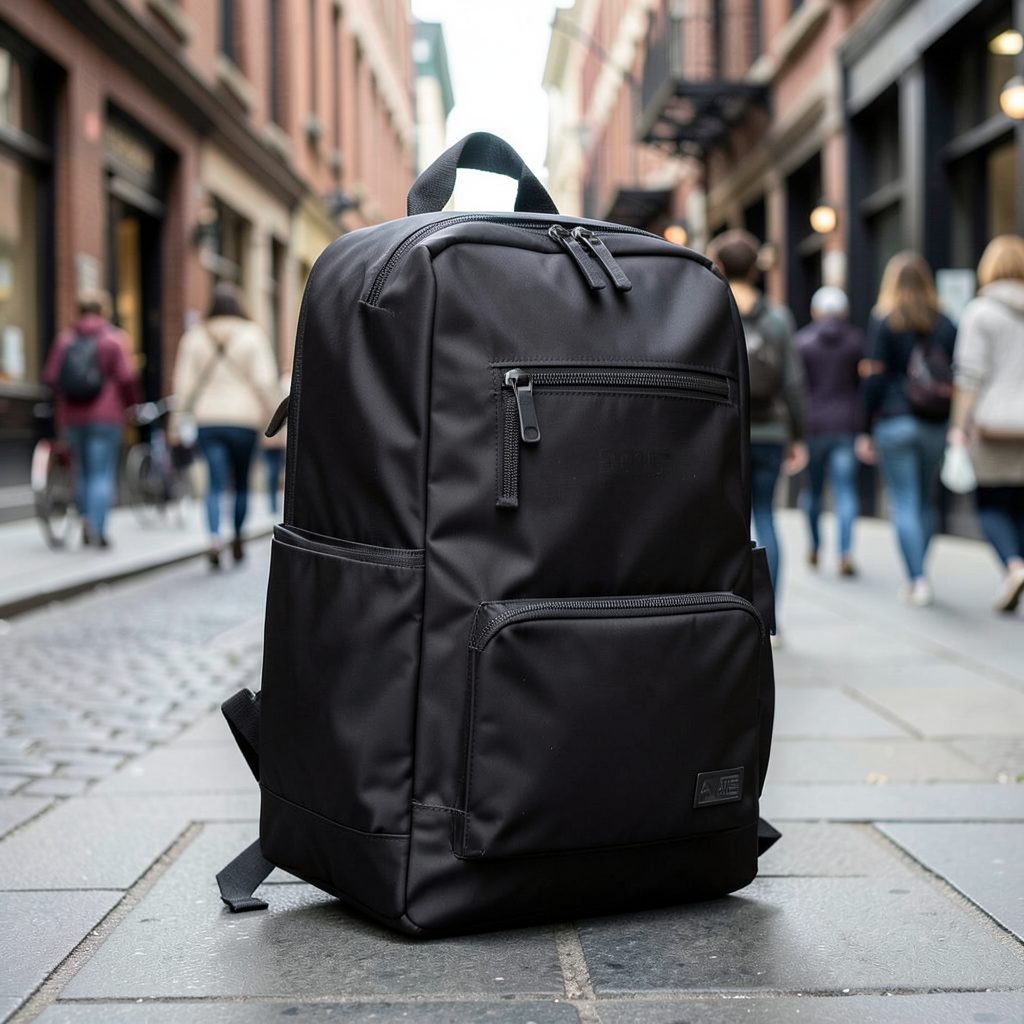
Every backpack is crafted from premium vegan leather with thoughtful details — multiple pockets, removable straps, and colors that work with any wardrobe. Browse the lineup below.