Vegan Leather Bag Lining: What Material Lasts on Travel Adventures
A bag can look beautiful on the outside and still disappoint after a few trips if its lining tears, stains easily or separates from the seams. For travellers, the interior fabric has a demanding job: it protects belongings from the rough contents of a backpack, handles repeated packing and unpacking, and copes with changes in weather, temperature and humidity.
Australian travel adds a few practical tests of its own. A bag may move from a cool Melbourne morning to a warm afternoon, spend hours beside a sandy beach near Perth, or be packed tightly for a long drive along the Great Ocean Road. The best lining material is therefore one that balances abrasion resistance, easy cleaning, light weight and reliable construction.
Why The Inner Fabric Matters
The lining is the working layer between your belongings and the bag’s outer shell. Keys, water bottles, sunglasses cases, chargers and toiletry containers can rub against it every day. Over time, a weak textile may develop thin patches at the base and corners, while a loose lining can catch on zips or make it difficult to find smaller items.
A durable interior also helps a bag keep its shape. When the lining is firmly attached to the outer material, it supports the panels and reduces sagging. This matters when a carry-on backpack is placed under an aircraft seat, or when a tote is loaded with a laptop, reusable coffee cup and extra layer for an unpredictable Sydney commute.
Moisture is another concern. A leaking sunscreen tube, damp swimmers or a takeaway iced coffee can quickly turn an attractive interior into a stained one. Look for a lining with a close weave and a smooth surface that can be wiped rather than one with a loose, absorbent texture. Travel notes and practical packing ideas, such as those found in these coastal travel notes, often highlight the same reality: the small messes of a trip can be harder on a bag than a single dramatic adventure.
Materials That Handle Daily Wear
Recycled polyester is one of the most common choices for vegan bag linings. It is lightweight, reasonably abrasion resistant and less prone to absorbing water than untreated natural fibres. A tightly woven recycled polyester lining can handle daily commuting, airport handling and regular cleaning while supporting a lower-impact material story. Its performance depends on the weave and thickness, so “recycled” alone does not guarantee durability.
Nylon is another strong option, particularly when the bag is intended for active travel. Ripstop nylon includes a reinforced grid that helps stop a small tear from spreading. It is light, flexible and well suited to backpacks, crossbody bags and packable totes. A quality nylon lining may feel slightly crisp or smooth, but it should not feel paper-thin or make loud crackling noises when handled.
Polyester and nylon can both be finished with a water-resistant coating. This may help with spills, although it does not make a bag fully waterproof. Coatings can wear down through friction, harsh cleaners and heat, so they should be treated as an extra layer of protection rather than the main defence against rain. A durable zipper, covered seams and a well-designed outer body are equally important.
Cotton canvas has a substantial, natural feel and can suit structured totes or casual everyday bags. It is generally more absorbent than synthetic lining, so it may retain marks and take longer to dry. Microfibre can offer a soft, refined finish, though its long-term performance depends on density and how it is sewn into the bag. For frequent flights, road trips and outdoor use, a tightly woven synthetic lining is usually the safer choice.
Construction Makes A Bigger Difference
The best lining fabric can still fail if the construction is careless. Check whether the inner layer is stitched securely into the bag rather than held mainly by adhesive. Stitched seams are easier to trust around high-stress points, especially where handles, shoulder straps and pockets meet the main compartment.
Pay close attention to the base and corners. These areas receive the most friction when a bag is placed on a floor or dragged against a car seat. A reinforced bottom, bound seam or second layer of material can significantly extend the useful life of the lining. Internal pockets should also be anchored at several points, since a pocket full of a phone, passport or power bank can pull heavily on its top edge.
The zipper needs to work with the lining, not against it. A poorly fitted inner fabric may catch in the teeth, while a rough zipper end can create a small hole that expands with use. Run the zip several times and inspect the area around it. Smooth operation, neat stitching and a little clearance between the fabric and teeth are reassuring signs.
It is also worth checking how the bag opens. A wide opening makes it easier to pack without forcing the lining against the zip. This is especially useful for a weekend backpack, where shoes, toiletries and folded clothes can create pressure from several directions. Guidance on choosing a travel backpack can help match the bag’s capacity and structure to the way you actually travel.
Choosing A Lining For Each Bag Style
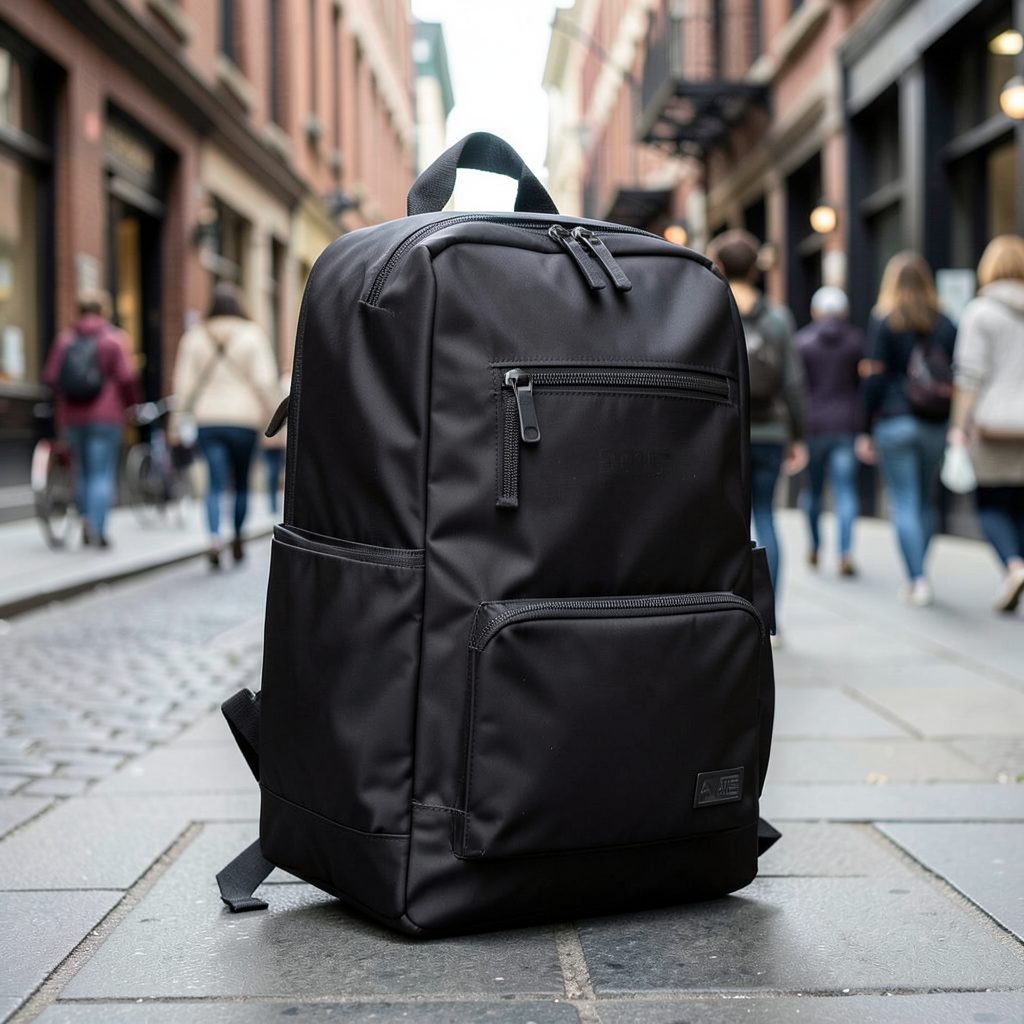
A vegan leather backpack benefits from a robust, lightweight lining because it usually carries the heaviest load. Recycled polyester or ripstop nylon works well for a commuter or travel backpack, particularly when paired with padded laptop protection and reinforced base panels. Multiple compartments are helpful, but every extra divider creates another seam that should be firmly finished.
Crossbody bags tend to experience constant movement. They swing against clothing, brush against café chairs and may be placed on floors during a quick arvo stop. A smooth polyester or nylon interior is practical because it slides easily around a wallet, phone and sunglasses without adding much bulk. For compact designs, a lighter lining also keeps the bag comfortable when worn for several hours. A carefully made range of crossbody bags can be useful for comparing pocket layouts, strap placement and everyday proportions.
Tote bags need a lining that can cope with broad, open compartments and uneven loads. A medium-weight woven fabric helps the tote retain its form without becoming needlessly heavy. If the bag is likely to carry groceries, a water bottle or work equipment, choose one with a reinforced base and a lining that can be wiped clean. An inner zip pocket is particularly valuable for separating keys and small essentials from larger items.
Wallets and small accessories face a different type of wear. Their lining is repeatedly flexed, pressed into pockets and exposed to coins, cards and other hard edges. A thin but tightly woven textile may perform better than a thick fabric with a loose surface. Neat edge finishing is crucial because fraying around card slots can make the accessory look tired long before the outer vegan leather shows serious wear.
Care And Testing Before Travel
Before buying, examine the lining in good light. Look for even stitching, clean corners and fabric that lies flat rather than bunching at the base. Press gently around the bottom and side panels to see whether the lining feels securely attached. If the interior pulls away from the outer wall, it may become troublesome once the bag is loaded.
Think about the conditions the bag will meet. Someone travelling between Brisbane, Cairns and the coast may value a quick-drying synthetic interior, while a work bag used mostly indoors may prioritise a soft finish and protective laptop sleeve. Long distances between Australian cities also mean a bag can spend many hours in cars, coaches and airport terminals, where compact organisation and easy cleaning are more useful than delicate decoration.
Look for practical details when comparing product photographs and descriptions:
- A tightly woven polyester, nylon or ripstop lining with no obvious gaps
- Reinforced stitching at corners, handles, straps and pocket openings
- A wipe-clean surface that does not feel excessively thin or brittle
- A structured base that reduces rubbing when the bag is set down
- Zippers and seams that operate smoothly without catching the inner fabric
Material descriptions should be specific rather than relying only on broad phrases such as “premium interior”. Sustainability matters too, but durability is part of responsible purchasing: a bag that remains useful for years avoids the waste of frequent replacement. Some shoppers also browse broader design ideas to compare colour, shape and styling, but the lining, hardware and construction deserve just as much attention as the visible finish.
Cleaning habits will influence the lining’s lifespan. Empty the bag regularly, shake out grit and wipe small spills promptly with a soft, lightly damp cloth. Avoid soaking the interior unless the care instructions allow it, since trapped moisture can affect adhesives, coatings and hardware. Let the bag dry fully away from direct, intense heat before storing it.
A good travel bag should make ordinary routines easier rather than demand delicate treatment. For a vegan leather design, the most dependable combination is usually a tightly woven synthetic lining, reinforced stress points, smooth hardware and a shape suited to the load. Check those details before packing your next weekend escape, daily commute or interstate flight, then choose a bag from Travel Starter Pack that gives your belongings dependable protection wherever the journey leads.
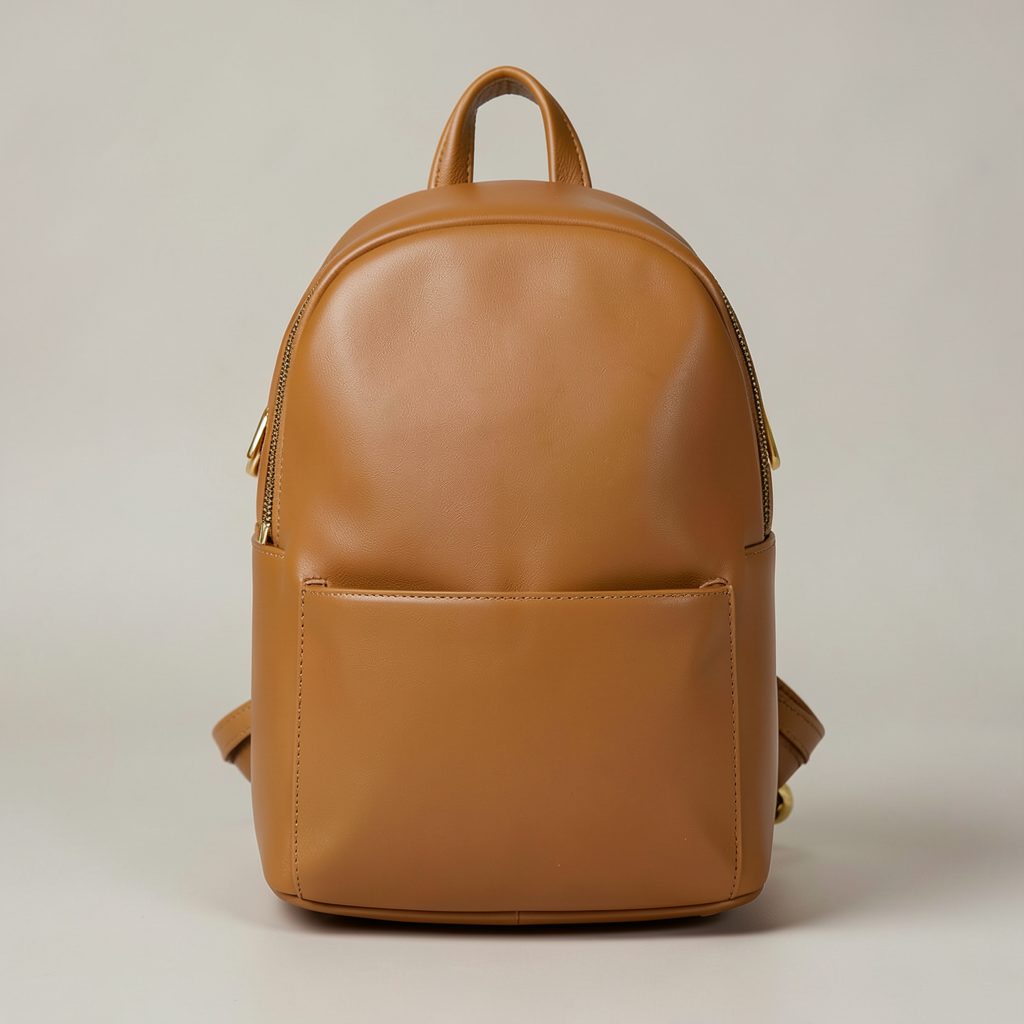
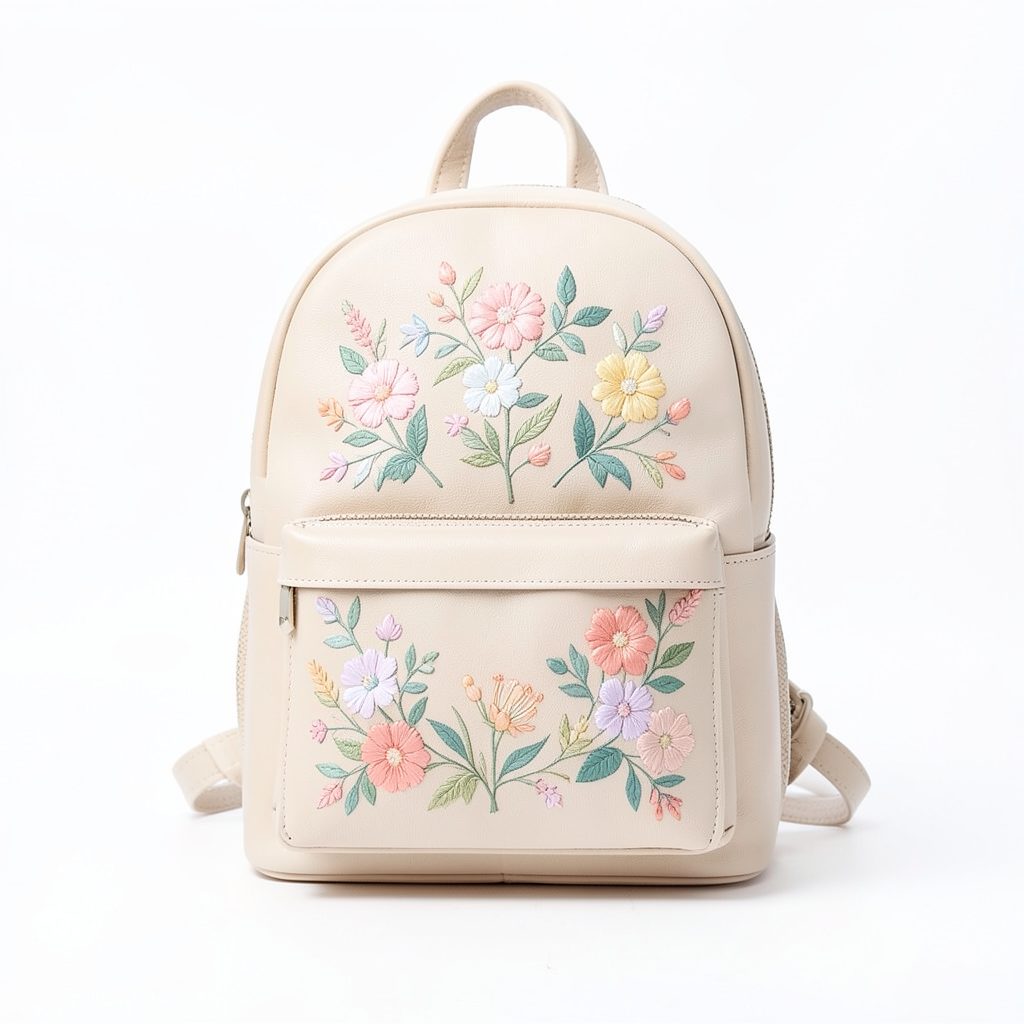
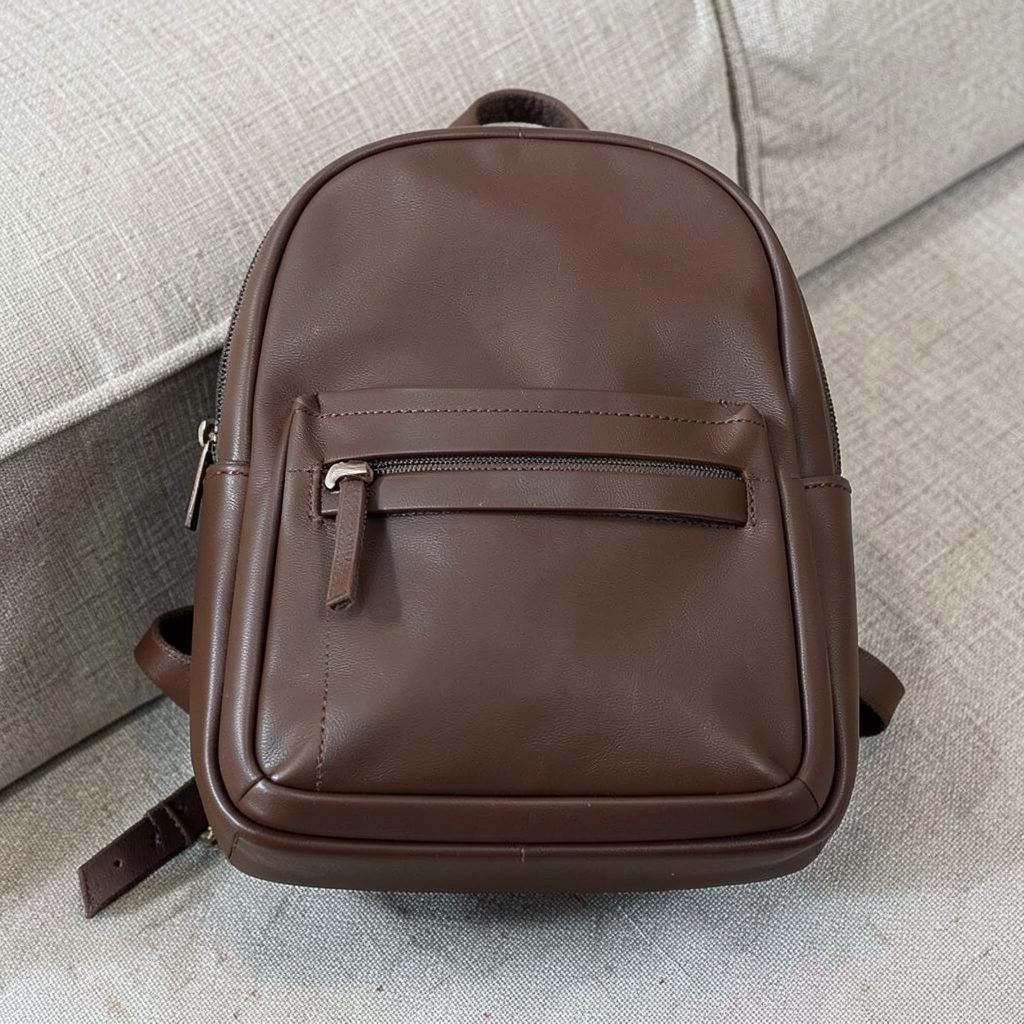
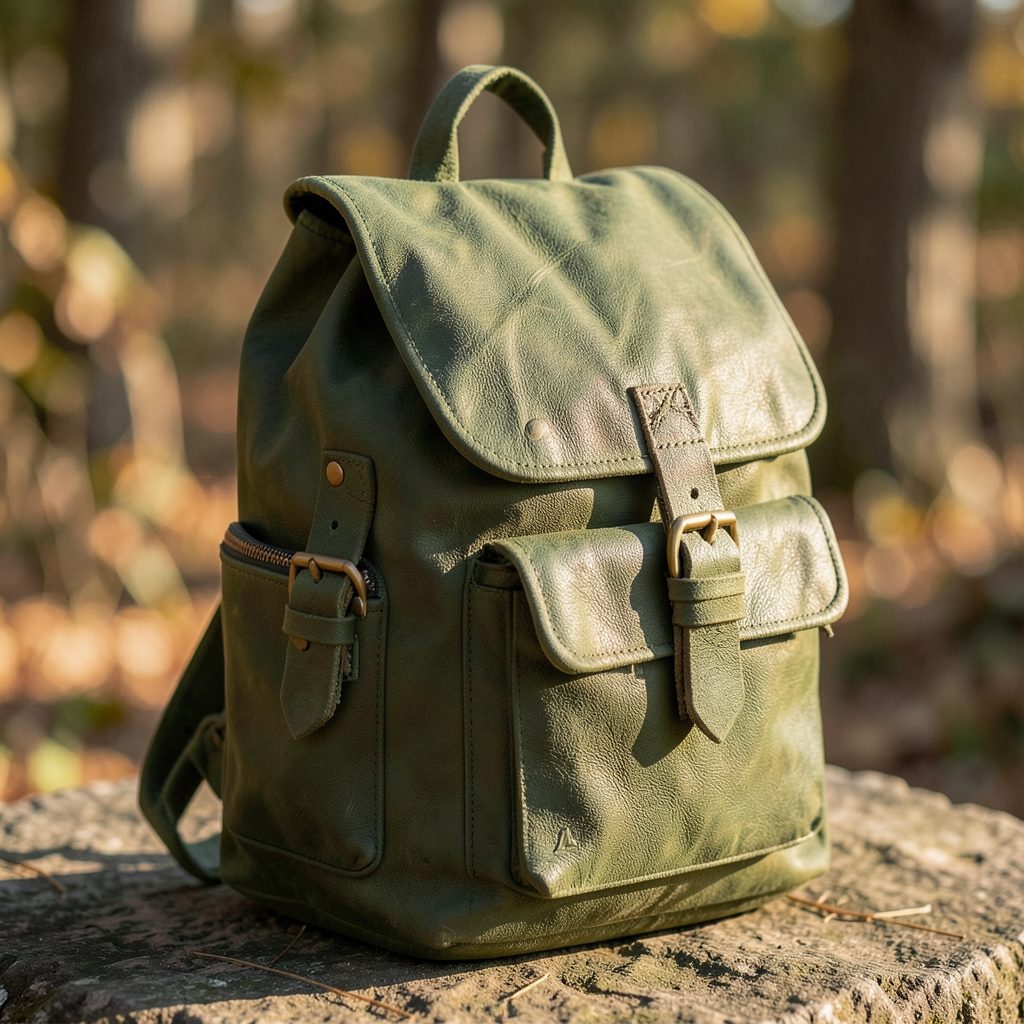
Our Backpack Styles
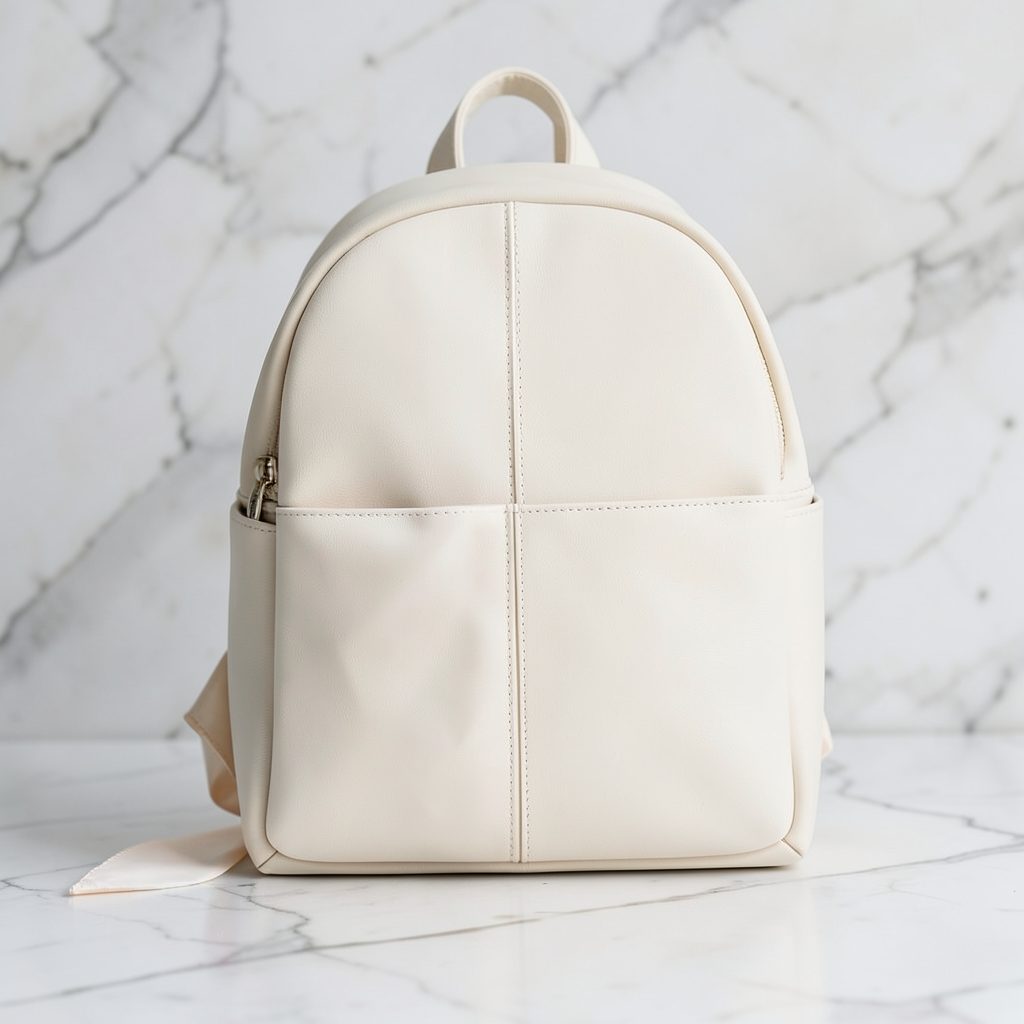
Every backpack is crafted from premium vegan leather with thoughtful details — multiple pockets, removable straps, and colors that work with any wardrobe. Browse the lineup below.