Vegan leather bag hardware: which zippers survive airport security
Airport security does not approve a particular zipper, so “survive” has two meanings: passing the checkpoint without extra hassle and still working after the bag has been opened, squeezed into a locker or handled several times. Conventional nylon coil and metal-tooth zippers are normally fine. Bulky locks, dangling chains, oversized pulls and dense stacks of metal are more likely to slow the process.
Australian travellers routinely pass through major hubs such as Sydney, Melbourne and Brisbane, where screening can involve a conveyor, an X-ray image and a request to open the bag. Even when luggage is gate-checked or inspected by hand, its fastener is rarely the reason for rejection. The closure simply needs to open easily, expose the interior and close securely without catching loose lining.
Good travel hardware also has to survive daily use beyond the airport: crowded trains, beach sand and sudden downpours. Vegan leather can provide a lightweight, animal-free shell, but its zip slider, teeth, stitching and pull tab determine how dependable the whole bag feels. Weight, repairability and ease of cleaning matter just as much as a security-friendly appearance.
Airport screening and zipper choice
Australian screening is shaped by Commonwealth aviation-security rules, airport procedures and the carrier’s baggage conditions. There is no general list of approved zipper types. The usual domestic cabin allowance at many Australian airlines is about 7 kg, often with dimensions near 55 × 35 × 20 cm, although Jetstar, Qantas and Virgin Australia can vary by fare and route. When choosing travel backpacks, check those limits first, then inspect the zip rather than assuming every model has the same usable space.
| Fastener or feature | Likely screening treatment | Durability in daily use | Sensible choice |
|---|---|---|---|
| Nylon or polyester coil zipper | No special screening category; compact and easy to identify | Flexible, light and resistant to snagging | Frequent opening and lightweight travel bags |
| Conventional metal-tooth zipper | No special category by itself; heavy stacking can make an image harder to read | Strong, but exposed teeth can collect grit or bend | Durable everyday carry and heavier loads |
| Moulded-plastic zipper | No special screening category; age and heat can weaken the teeth | Light, although older plastic may crack | Lightweight bags where low weight matters |
| Oversized pull, studs or decorative chain | May prompt closer inspection or manual opening; not automatically prohibited | More likely to bend, snag or pull at the seam | Fashion-led bags with a tested backup closure |
| Combination lock or chunky clip | May need to be opened without damage during screening | Adds weight and another potential snag point | Secure bags with a reliable, accessible mechanism |
Electronics can be as important as the bag during screening. At major Australian airports, passengers may be asked to present laptops and tablets separately, while spare lithium batteries and power banks generally need to remain in cabin baggage. Keeping those items in a dedicated, clearly accessible sleeve lets the bag open without unpacking its main compartment, reducing the chance that a zip will be forced or left half-closed.
If manual inspection is requested, empty the bag, unzip it fully and place the contents in separate piles. Do not yank a slider caught in the lining, because the teeth or stop can break before security sees a problem. A bag that opens wide and lays flat is easier to inspect, allowing an officer to confirm its contents without wrestling with unusual hardware.
Choosing hardware that lasts
Coil and metal zippers fail in different ways. A nylon or polyester coil is flexible, light and unlikely to snag fabric, making it a good choice for crossbody bags and backpacks opened many times a day. Metal-tooth zippers feel more robust and suit heavier loads, but exposed teeth can collect grit, and a bent tooth may disturb the closure. A reinforced coil zip can offer the best balance when its tape is wide and the stitching is secure.
The pull tab deserves as much attention as the teeth. A short, flat slider that lies against the bag is less likely to catch a seatbelt or security tray. Long tabs, rings, lobster clips and metal charms create more points for snagging and may encourage an officer to inspect the item more closely. A small lockable slider is useful, provided it can be opened without damage during screening.
Quality is easier to judge before departure than at the gate. Run the slider along the full opening, check that both sides meet cleanly and pull gently at the stitched zipper stops. Australian Consumer Law prohibits misleading durability or sustainability claims, so a promise of a “lifetime” zip should be supported by construction details, testing or a clear warranty rather than marketing language alone.
Designing a security-friendly travel bag
Security-friendly bag design starts with access. A wide U-shaped or clamshell zip exposes the lining more fully than two narrow pockets, while an uncluttered interior makes permitted items easier to identify on the X-ray monitor. Keep dense objects such as tools, cable reels and hard cases from being tightly layered, so the operator can interpret the scan without a second look.
A woven crossbody bag can work well when the weave is tight and the zipper is reinforced at both ends. Coarse strands can work into a coil, while a rigid metal slider may scrape the surface as the bag flexes. Look for protective zipper tape, a covered pull and a stop that cannot slide through the seam. Avoid decorative hardware fixed directly over the teeth.
For a crossbody worn in public, keep the strap clip compact and attach keys to an internal loop rather than a dangling external ring. On crowded public transport or during a busy trip through a major station, a loose clip can catch on another passenger and damage the zip’s corner. A bag that lies close to the body also makes the pull tab easier to control when opening quickly at a checkpoint.
Australian heat, humidity and wear
Australian conditions can shorten the life of even a good fastener. High humidity around Brisbane and parts of northern Australia encourages mildew and allows salts to cling to hardware, while summer heat in Sydney, Melbourne and inland areas can soften glue, harden some plastics or distort a bag left in a parked car. Ultraviolet exposure also fades colour and weakens materials, so ventilation and shade are part of proper zipper care.
Vegan suede needs particular attention because its short, suede-like pile can trap grit and, depending on the finish, feel stiff when damp. On a suede crossbody bag, brush the surface gently, blot rather than rub spills and confirm that the zipper tape has not been glued close to the nap. Check whether the product is polyurethane-based or uses another animal-free finish, then use only a cleaner approved for that material.
After a beach day, remove salt and sand with a soft, damp cloth before moving the zip; grit is abrasive and can lodge under the slider. Wipe the teeth with mild soapy water, dry fully and use a small amount of suitable zip lubricant if the closure feels rough. Avoid flooding vegan leather with conditioner, which can migrate to the coil, attract dust or stain the surrounding shell.
Packing light for faster inspection
A lighter, uncluttered bag is easier to handle during screening and less likely to be overpacked on the trip home. Staying below the common 7 kg domestic cabin limit leaves room for a jacket and purchases, but the scale at the check-in counter is not the only concern. A tightly compressed bag may bulge against its zipper, reducing the clearance needed for the slider and causing the seam to strain.
Many Australian travellers combine flights with visits to growers’ markets and community garden sales. Seasonal growing ideas from Growing Vegetables Down Under fit that local-market context, and the practical packing lesson is to bring a foldable market bag, keep any sharp produce knife out of cabin baggage and use a cleanable crossbody for essentials.
Pack frequent-access items near the top, but keep liquids sealed under current airport rules and heavy objects close to the centre of the bag. Remove bulky carabiners and tighten excess strap before reaching security. If the bag contains a laptop, tablet or power bank, follow the separate screening instructions for that airport and carry the required items without burying them beneath clothing. Organisation protects the closure because nothing shifts into the zip path.
A practical hardware checklist
A dependable setup combines a normal, low-profile fastener with the right operating routine. Before a trip, open and close the main zip several times, test the pull in different directions and make sure the lining cannot catch in the teeth. These choices provide the best balance of screening convenience and long-term reliability.
- Choose a low-profile nylon coil for frequent opening, or a conventional metal-tooth zip for heavier loads.
- Keep pull tabs short and remove dangling rings, chains and charms that can snag or prompt extra inspection.
- Reinforce both zipper stops, choose wide tape and confirm that the slider cannot pull through the seam.
- Keep electronics and required battery items accessible, and stay within the current airline’s cabin weight and size limits.
- Clean grit from the teeth, inspect the stitching and repair a loose stop before the closure fails on the road.
Travel Starter Pack’s vegan leather backpacks, crossbody bags, totes, wallets and accessories are designed around sustainable, animal-free materials and durable hardware, with free worldwide shipping and order tracking. Match the construction to the journey: a flexible coil for daily use, a stronger tooth for heavier carrying and a wipe-clean finish for Australian weather. Product descriptions should still be checked for dimensions, weight and care instructions.
Choose the bag, test the closure and pack it ready for a real security queue. Browse the Travel Starter Pack collection, select the hardware that suits your route, and travel with a bag that opens easily, closes securely and keeps working after landing.
Our Backpack Styles
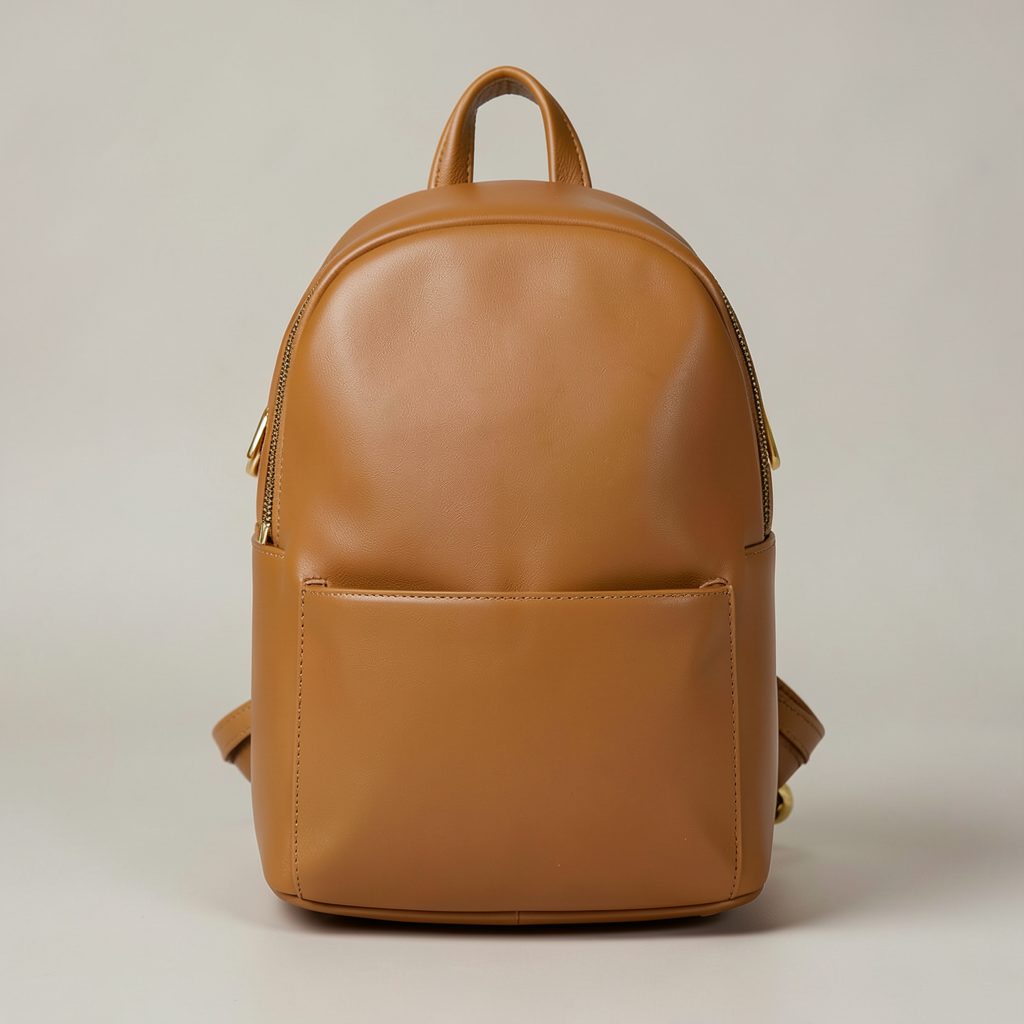
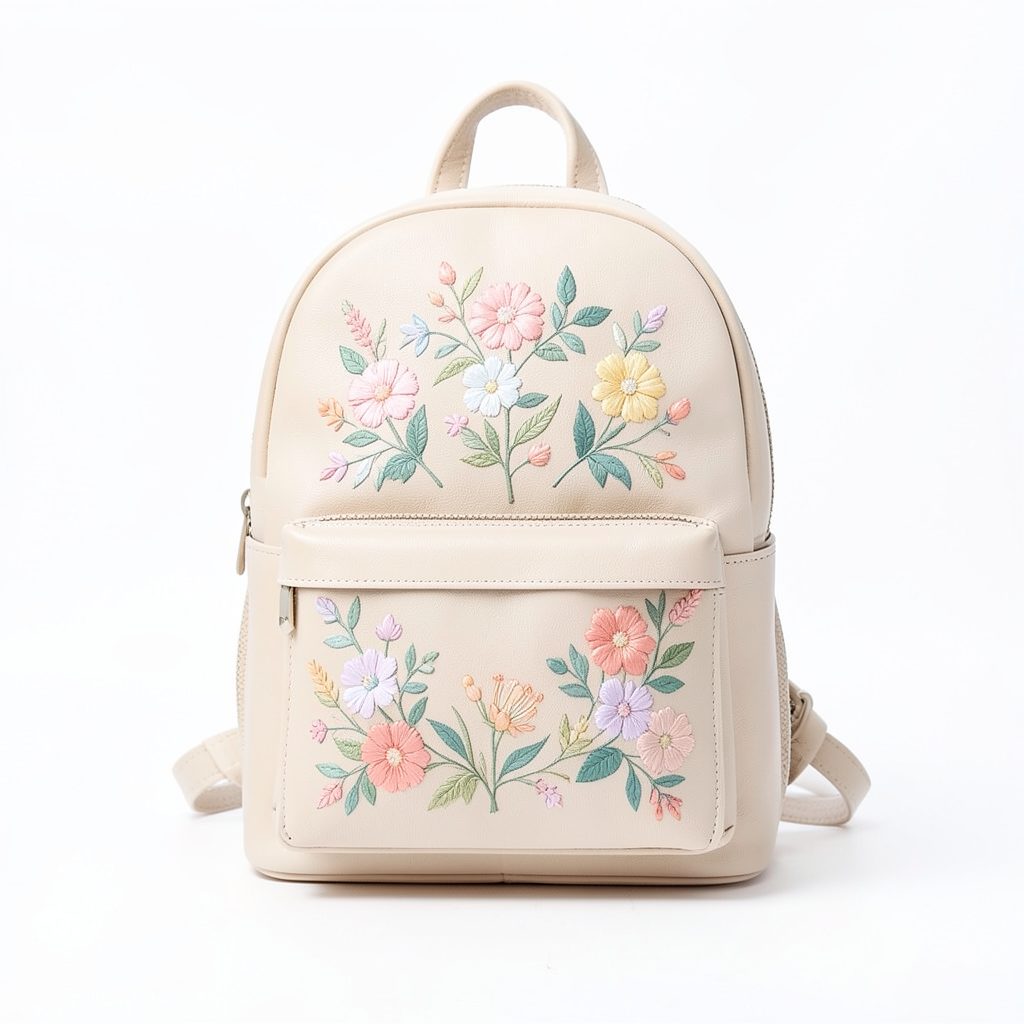
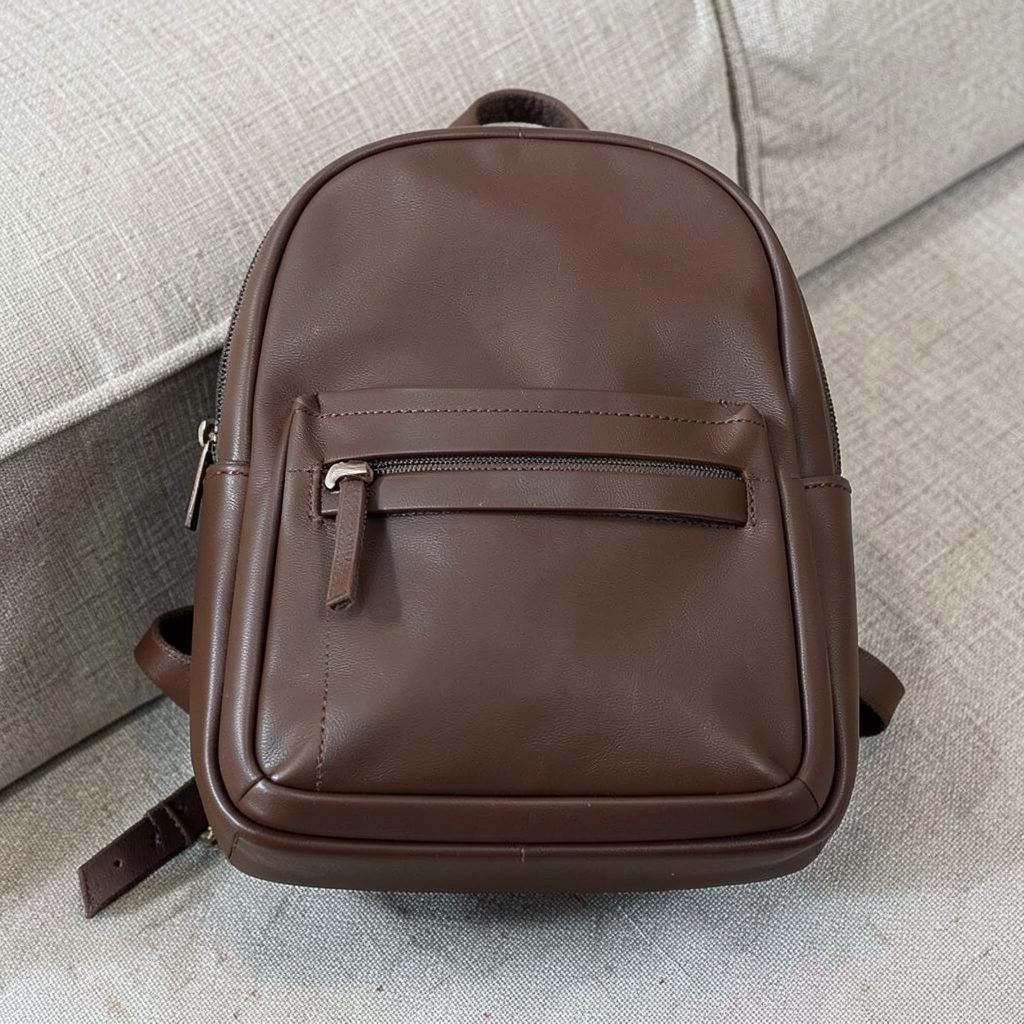
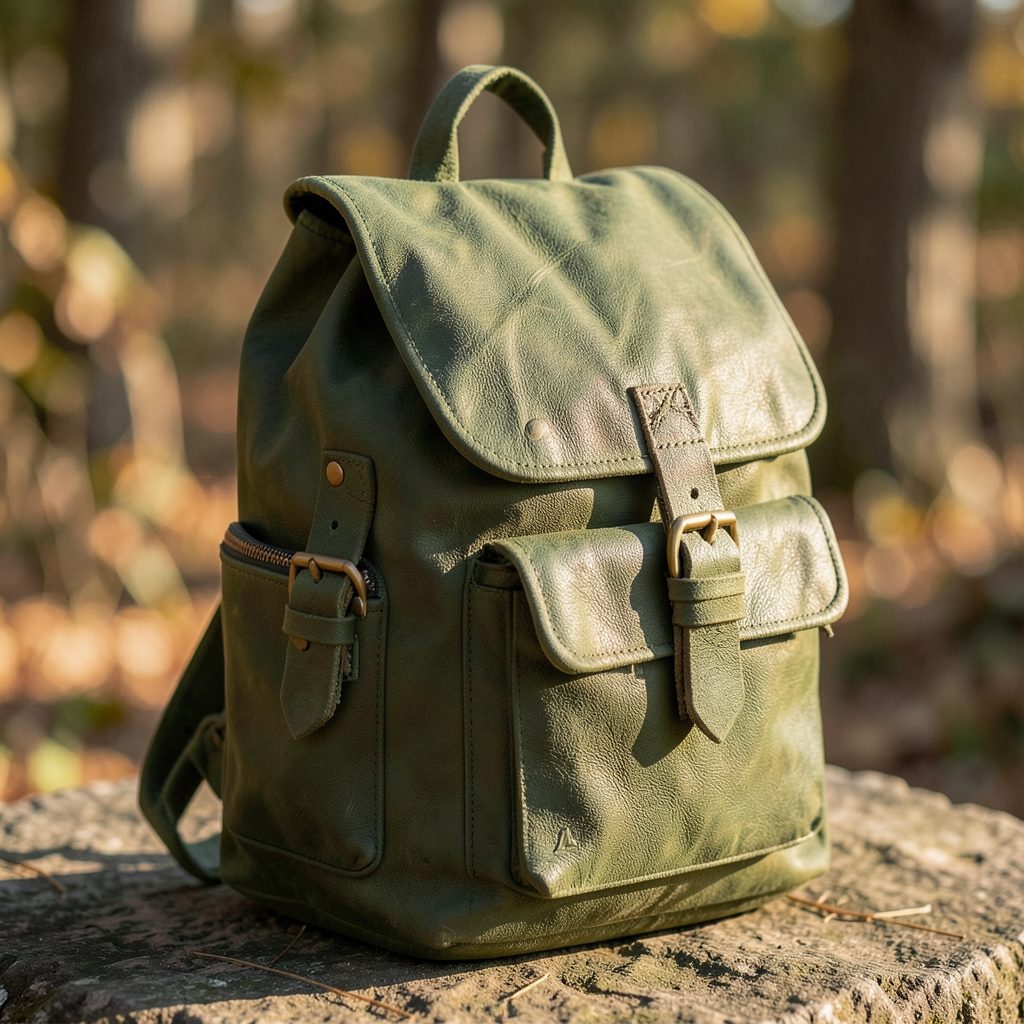
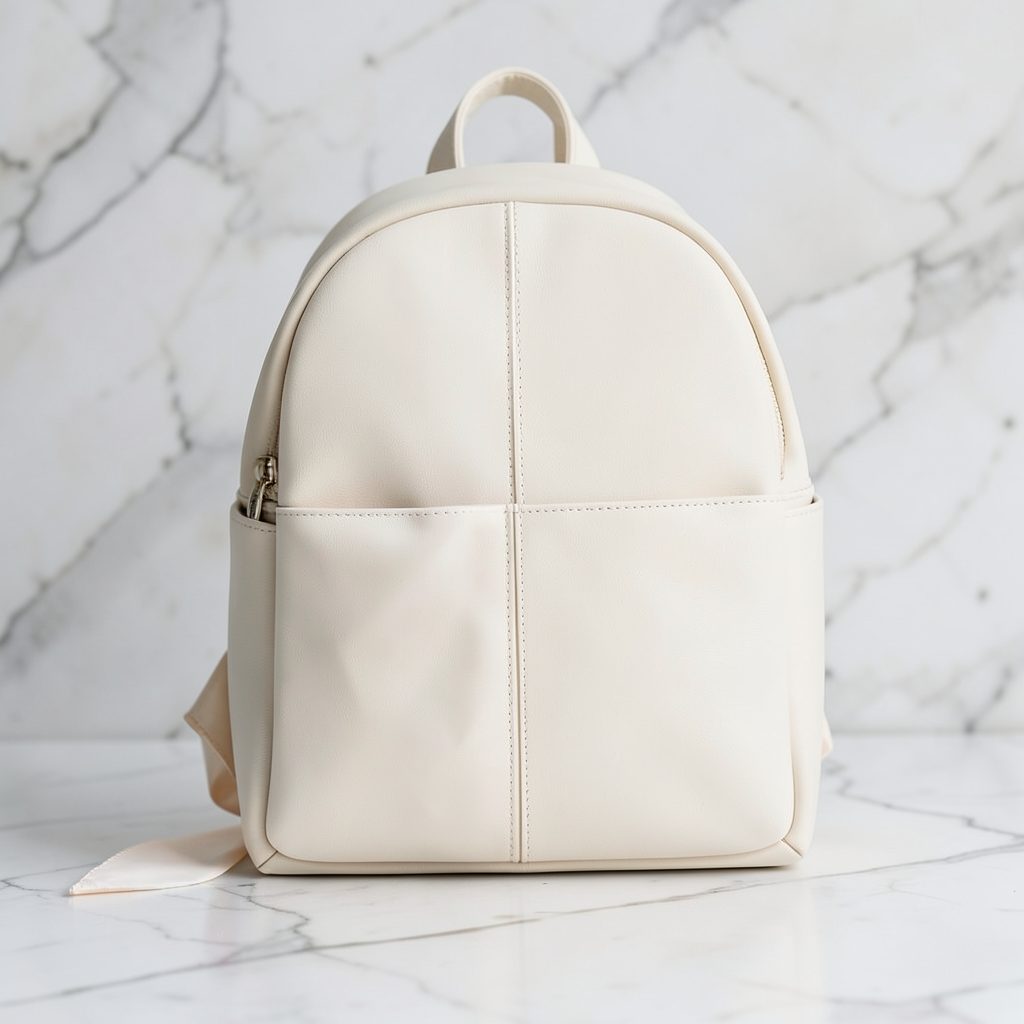
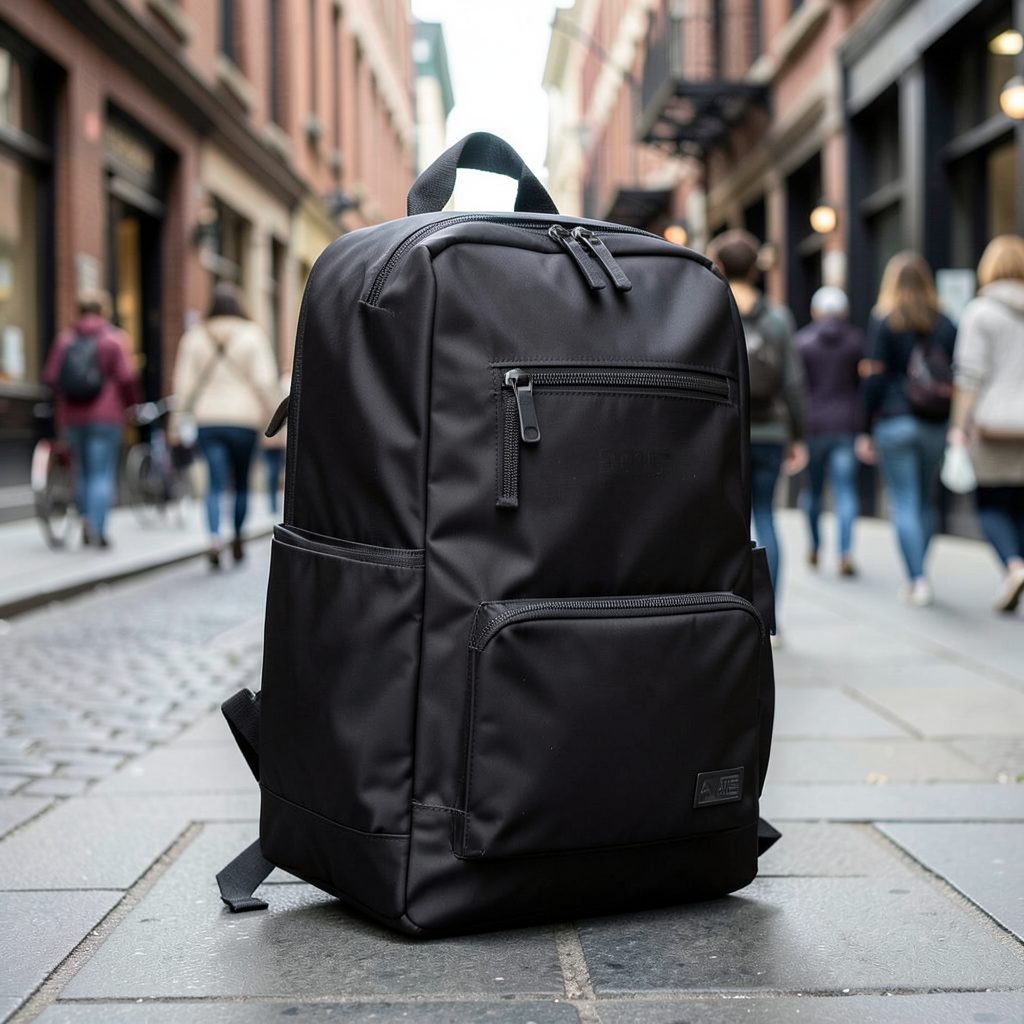
Every backpack is crafted from premium vegan leather with thoughtful details — multiple pockets, removable straps, and colors that work with any wardrobe. Browse the lineup below.