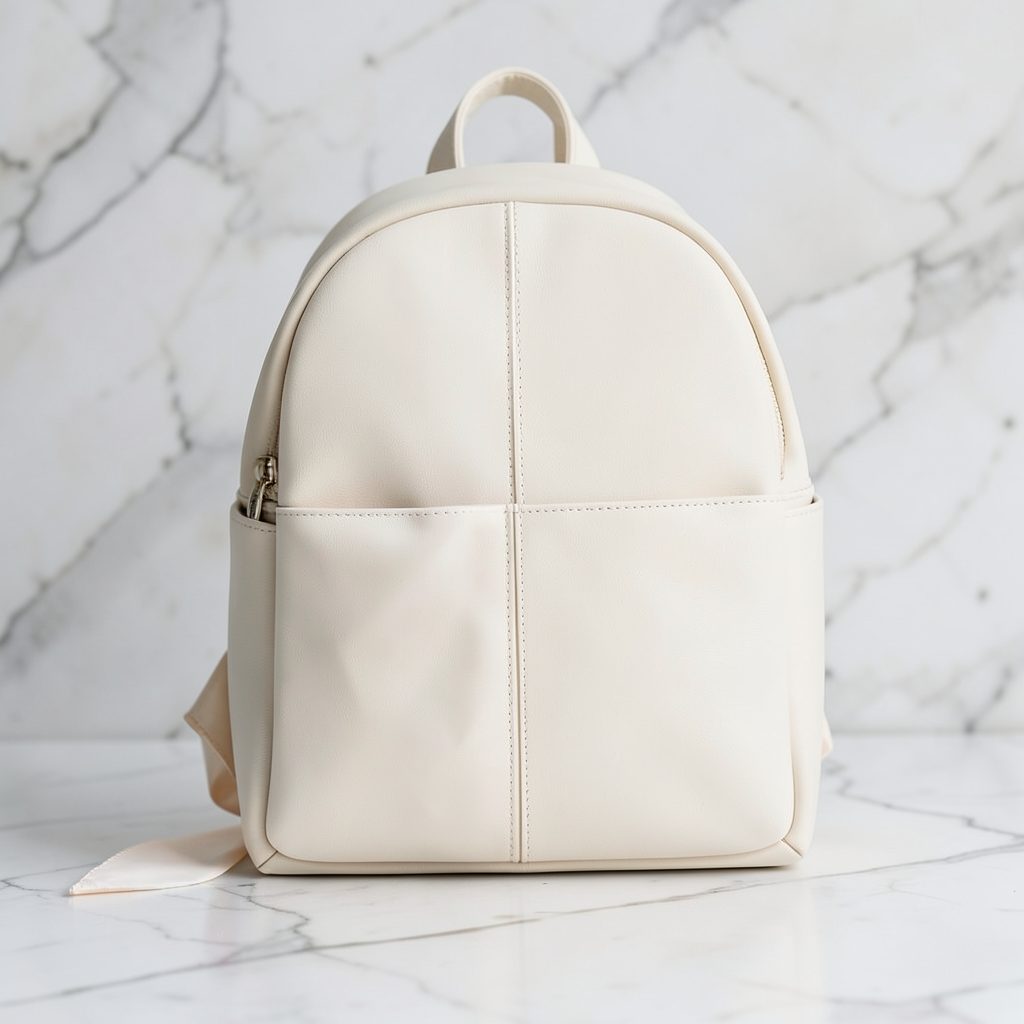
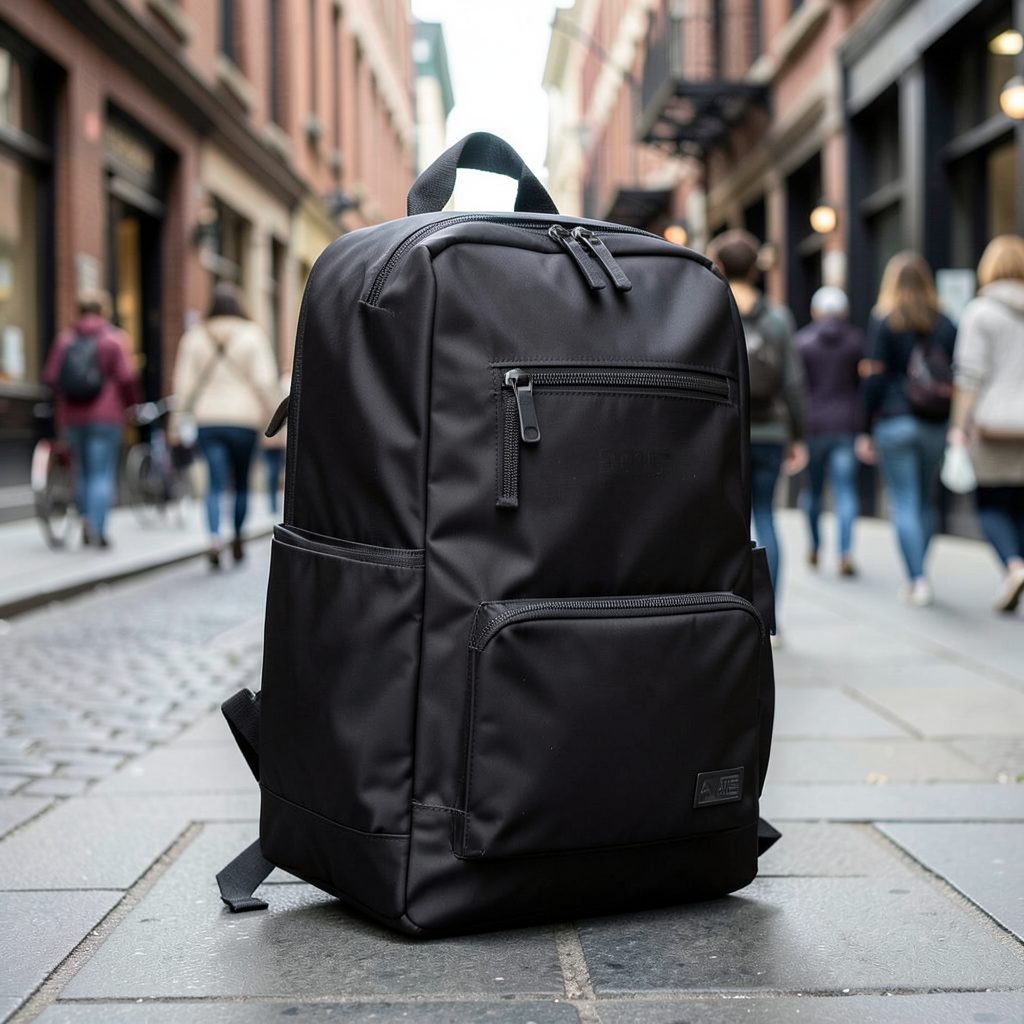
Vegan Leather Bag for a Road Trip: What Size Keeps You Organized
A long weekend on the road can turn a generous bag into a swinging weight or a crowded carry-on. The most useful choice is usually the smallest one that holds your routine without forcing constant unpacking. For many solo travellers in Australia, a medium backpack around 20–25 litres offers that balance: enough for layers, toiletries and daily essentials while remaining easy to keep in a boot or under a seat.
Organization depends more on access and compartments than litres alone. A wide zip opening, internal dividers and a separate valuables pocket can make a smaller bag easier to manage than an open tote. Weight should sit close to your back, while frequently used items remain reachable without emptying everything.
Australian conditions sharpen those priorities. Drivers keep left, major routes can stretch for hundreds of kilometres between services, and summer heat can be intense. Planning for Sydney, Melbourne, Brisbane or regional towns means balancing security in busy places, comfort in the car and enough flexibility for an unplanned beach or market stop.
Match Capacity to Your Route
| Bag type and approximate capacity | Best fit | Useful contents | Main limitation |
|---|---|---|---|
| Compact crossbody, 5–10 litres | Day trips and city stops | Phone, wallet, keys, passport, charger | Unsuited to overnight clothing |
| Medium backpack, 18–25 litres | One- to three-day road trips | Layers, toiletries, food, electronics | Can feel bulky when overfilled |
| Large backpack, 28–40 litres | Longer trips or equipment | Clothing, shoes, camera gear, outdoor items | Heavier and less suitable as cabin luggage |
| Roomy tote, 20–35 litres | Markets, picnics and overflow | Produce, beach gear, an extra layer | Open top and uneven weight distribution |
These sizes are guides rather than fixed product measurements. Check the dimensions, empty weight and internal layout of each bag, especially if you also need to meet airline cabin limits.
For most solo road trippers, a medium backpack is the practical sweet spot. It can carry two or three days of clothing, a light jacket, basic toiletries, a reusable bottle and electronics without becoming cumbersome. A large backpack makes sense for longer routes, outdoor equipment, frequent temperature changes or travelling with family, but it offers little benefit when simply filled with items you could leave behind.
Build a System That Works
Treat the inside of the bag as a set of zones. Place heavier, less frequently used items near the bottom and closest to your back. Keep clothing in one section, electronics and toiletries in another, and reserve the upper area for items needed during the drive. This arrangement reduces shifting when the bag is moved into a boot or carried through a station.
Small pouches make a medium-sized bag function like a larger one. A waterproof pouch can separate damp swimwear or wet-weather clothing, while a slim organiser keeps chargers, cables and medication together. Use the front or top compartment for a phone, wallet and sunglasses, and carry your passport in a secure zipped section rather than an open pocket.
Documents and regulated items deserve particular care. Australian road rules and camping requirements can differ between states and territories, while medicines should remain in their original labelled packaging. Anyone extending the journey into Canada should also review Canadian cannabis rules before packing, as possession and import conditions vary by location and never override local law.
Use a Crossbody for City Stops
A crossbody is useful when a road trip pauses in a city. It keeps your hands available for a coffee, public transport ticket or camera, while reducing the need to search through a large backpack. The city crossbody picks provide a helpful style comparison, but security and access should influence the final choice.
Choose a model with a secure zip, adjustable strap and compartments that keep a phone away from the outer edge. In crowded areas, wear it across the front of the body and keep valuables zipped. Sydney’s busy transport hubs and Melbourne’s tram-filled streets call for greater awareness, and items should never be left unattended on a café table or beside a parked car.
A crossbody can also serve as the personal-item bag when a larger backpack is checked. Keep only essentials inside it: travel documents, a charger, medication, sunglasses and a light layer. This creates a simple separation between valuable items and clothing, making inspections and quick breaks easier without unpacking your entire luggage.
Account for Australian Road Realities
Australia’s left-hand traffic, long rural highways and changing road surfaces shape packing decisions. Learn the local road rules before leaving a city, allow time for rest breaks, and avoid driving through wildlife-active areas at dawn or dusk. On remote routes, check fuel and water supplies before leaving the last town, download maps and tell someone your intended route.
Summer temperatures can make a vehicle interior harsh on both passengers and luggage. Keep water accessible, use the air conditioning and park in shade where possible. Bags should not be left on a dashboard, bonnet or boot floor during the hottest part of the day. Even in winter, central Australia can produce sharp daytime temperatures and cold nights, so a light insulating layer is worthwhile.
Road trips often combine driving with food stops, coastal walks and local markets. Australian farmers’ markets are particularly useful for fresh produce, and self-catering travellers can consult Australian vegetable growing for seasonal ideas. Carry a reusable bag, confirm that produce is permitted at the destination, and avoid packing items that will spoil or leak into the main luggage.
Protect the Bag from Weather and Heat
Vegan leather can be made from polyurethane, PVA or another synthetic material, so care instructions matter more than the name alone. Check whether the bag is water-resistant or waterproof, and do not assume its seams and zips provide complete protection. Wipe the surface with a damp cloth, let it dry naturally and avoid direct heat from a hair dryer or heater.
A parked car can become dangerously hot in even a short Australian summer. Store the bag in the shaded passenger area or take it with you, especially if it contains electronics or items that can warp in heat. Sun exposure may fade colour or weaken adhesives, so keep the bag covered when it is not being used and avoid leaving it beneath a glass roof during long stops.
Rain, coastal spray and sandy beaches call for a separate waterproof liner or pouch. Salt residue can damage zips and fittings, so wipe the bag after a coastal stop and clean the hardware gently. For swim gear, towels, market purchases or a picnic, a lightweight tote bag options collection offers useful extra capacity without forcing damp items into your main backpack.
A Balanced Packing Checklist
The right size becomes clear when every item has a practical destination and the bag can be packed without forcing its zip closed.
- Choose a medium 18–25 litre backpack for a short trip, then add a compact crossbody for valuables and quick-access items.
- Pack clothing in lightweight, repeatable layers and use a waterproof pouch to separate damp or dirty garments.
- Keep the heaviest items low and close to your back, with shoes positioned where they will not crush everything above them.
- Carry one refillable bottle, a compact first-aid kit, sunscreen and any medication in an easily reachable section.
- Put travel documents, a backup payment method and a phone charger in a secure compartment rather than an exterior pocket.
- Compare each bag’s empty weight, measurements, pocket layout and care instructions before making the final selection.
Online shopping makes it convenient to compare styles, colours and sale items before a trip. Travel Starter Pack also highlights new arrivals and offers free worldwide shipping with order tracking, allowing customers to review their options and monitor the delivery from home.
Before paying, check the exact material, dimensions, empty weight, warranty and care guidance. Under Australian Consumer Law, consumer goods must be of acceptable quality and fit any disclosed purpose. Environmental claims also deserve attention: animal-free does not automatically mean biodegradable, so specific material details are more useful than a vague “green” description.
Pack for the Route Ahead
Start with the shortest realistic packing list for your route, then add capacity for the most likely weather change or activity. A medium backpack paired with a small crossbody covers many Australian road trips, while a larger pack or separate tote is more suitable for extended travel, outdoor equipment or family supplies.
When you are ready, browse the backpack collection, compare the medium and large formats, and choose the one whose compartments match your itinerary. Your road trip starts with one well-fitted bag, a clear packing plan and everything in its place.
Our Backpack Styles
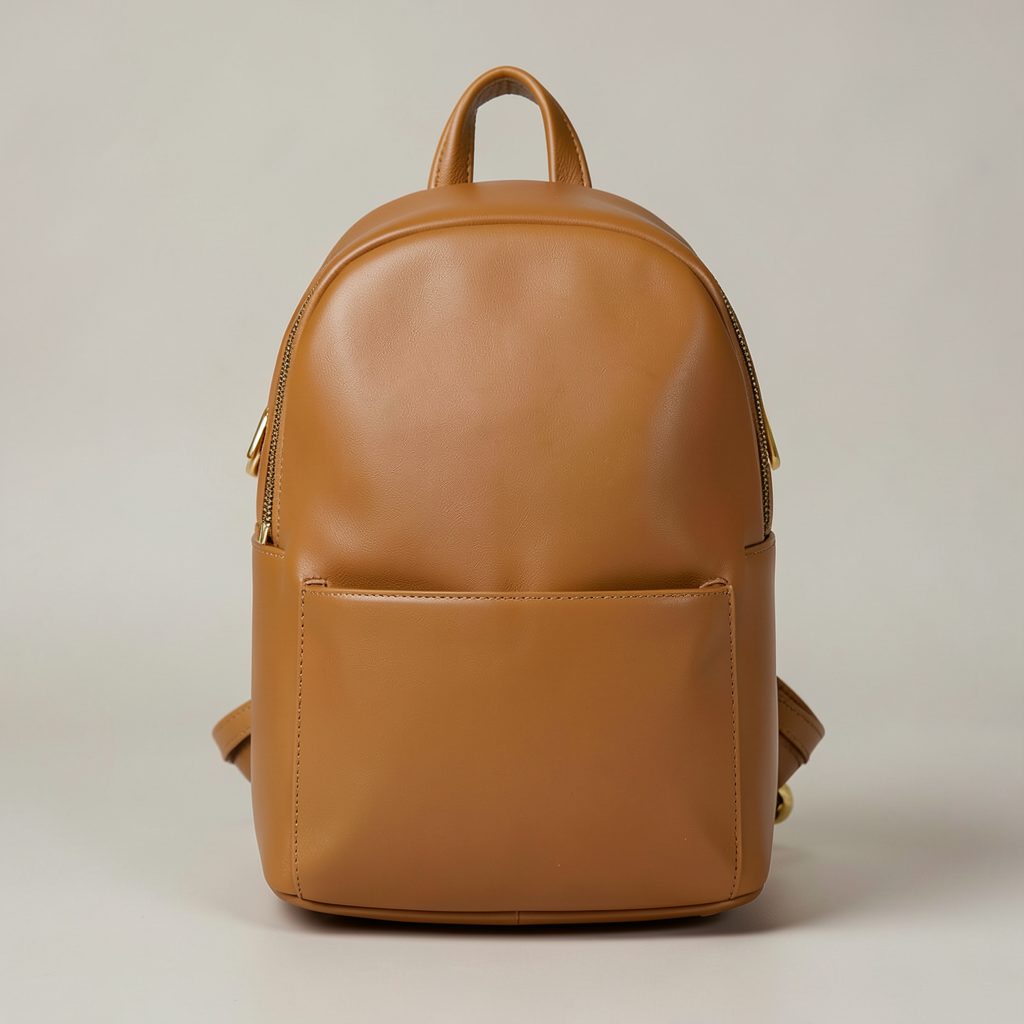
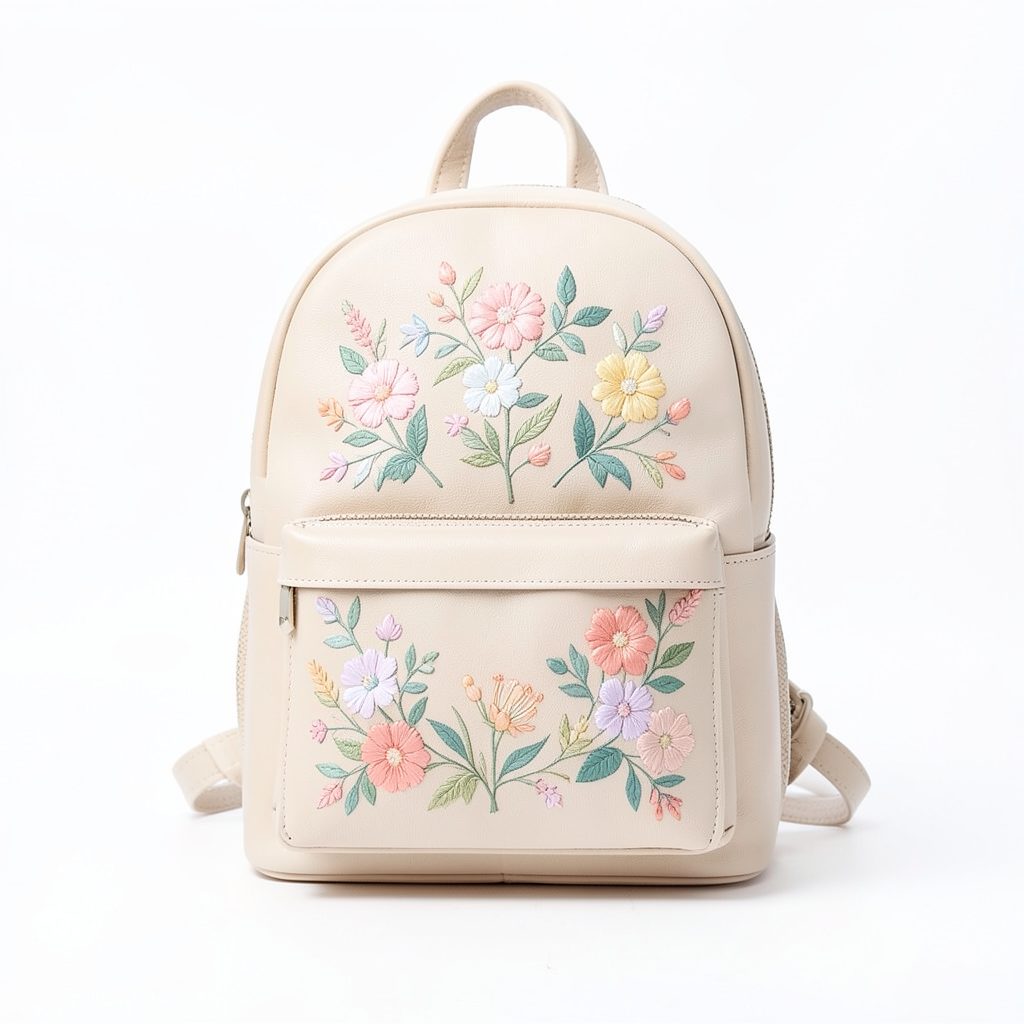
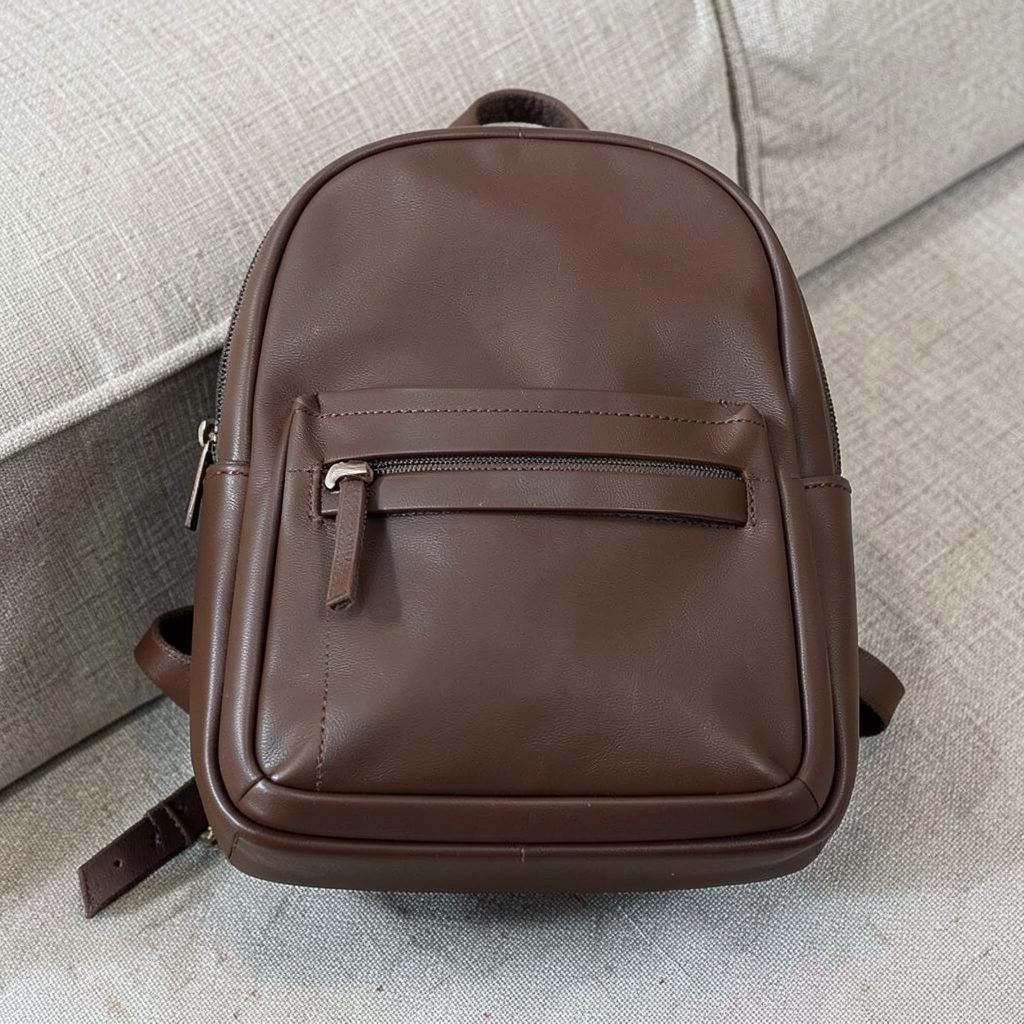
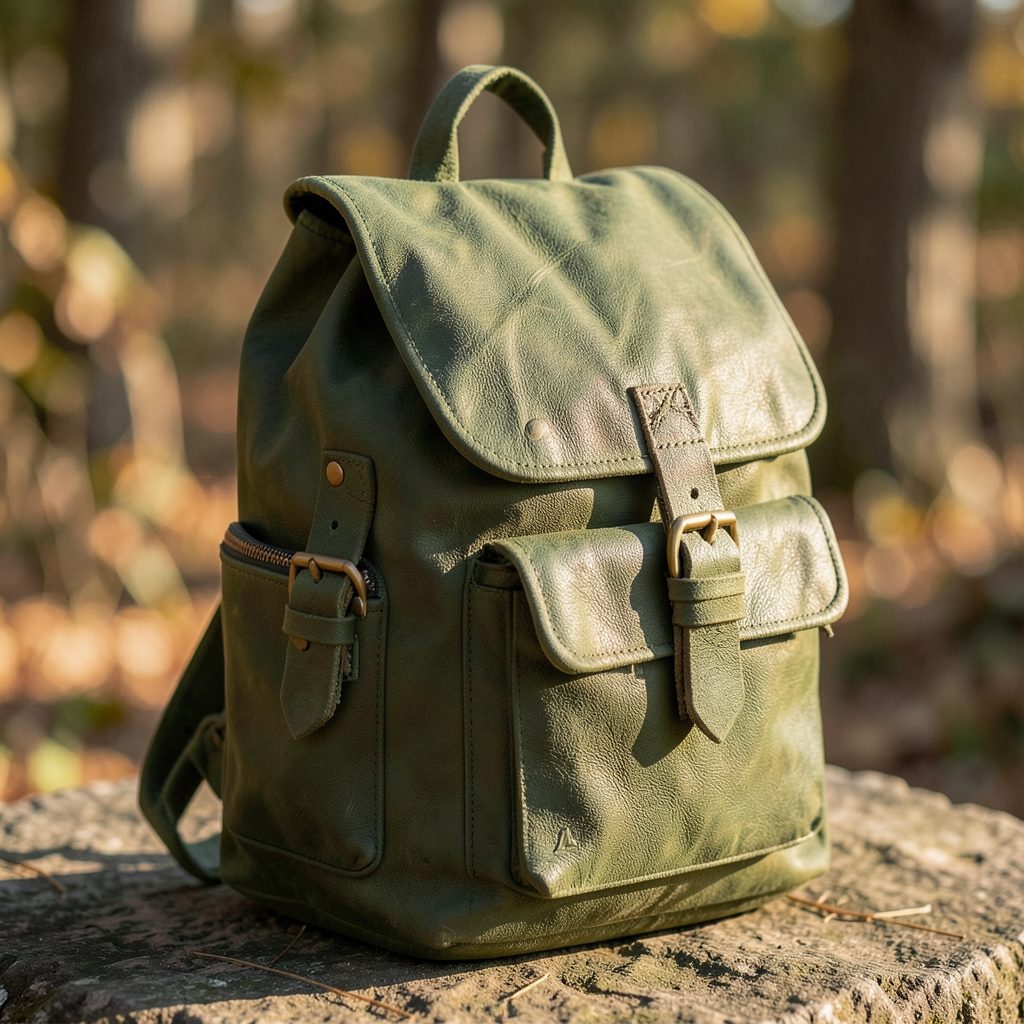
Every backpack is crafted from premium vegan leather with thoughtful details — multiple pockets, removable straps, and colors that work with any wardrobe. Browse the lineup below.