The vegan leather bag care kit every traveller can pack
A well-chosen bag can move from the airport lounge to a city café, a work meeting, or a weekend road trip without looking tired. Vegan leather is especially practical for travel because its smooth surface is generally easy to wipe clean, while structured designs help protect your daily essentials. Still, regular care matters if you want a backpack, tote, wallet, or crossbody bag to keep its shape and finish.
The best kit is compact rather than elaborate. A soft cloth, mild cleaning solution, stain-removal tools, and a few protective accessories can handle most mishaps on the road. For Australian travellers, the kit also needs to cope with strong sun, beach salt, sudden rain, red dust, and the warm conditions often found in a parked car or checked suitcase.
Build a compact care kit
Start with two lint-free microfibre cloths. One should stay dry for dusting and buffing, while the other can be slightly dampened for cleaning. Microfibre is a safer choice than paper towel, rough cotton, or tissues that may leave fibres behind or create fine scratches on a glossy finish.
Pack a small bottle of gentle, pH-neutral soap or a cleaner specifically labelled as suitable for synthetic leather. A travel-sized spray bottle is convenient, but avoid filling it with an unknown household product. Bleach, alcohol-heavy sprays, acetone, antibacterial wipes, essential oils, and strong detergents can strip colour or make the surface sticky. A little mild soap diluted in water is often enough for routine marks.
A soft-bristled toothbrush is useful for zips, seams, and textured panels. Add cotton buds for narrow corners, a pencil case-sized pouch to keep the kit together, and a few resealable bags. The bags can hold a damp cloth after use or isolate a leaking toiletry from the rest of your luggage.
A small stain card can also be worthwhile. Write down the material type, colour, and the manufacturer’s care advice before your trip. This prevents guesswork when you are dealing with sunscreen, coffee, makeup, or airport grime in a hotel room. If your bag came with a care leaflet, keep a photo of it on your phone.
Clean the surface without overdoing it
Before applying any liquid, empty the bag and gently shake out sand, crumbs, and dust. Use the dry cloth or soft brush first. Rubbing a wet cloth over loose grit can drag particles across the finish and leave dull marks, especially on dark vegan leather.
For ordinary cleaning, dampen the cloth rather than soaking it. Wipe in small sections using light pressure, then follow with a clean, dry cloth. Pay attention to handles, shoulder straps, and the lower corners, as these areas collect body oils and contact public surfaces most often. Let the bag air-dry naturally with its compartments open.
Test every new product on an unseen area, such as beneath a flap or inside the base. Wait until the patch is fully dry before deciding whether the product is safe. Colours can react differently: black may show cloudy residue, while pale beige or white materials can reveal dye transfer from clothing.
If a spill occurs, blot quickly instead of scrubbing. Coffee, fruit juice, and soft drinks can leave a sticky film if they dry in place. Use a clean damp cloth to lift the residue gradually. For an ink mark, do not reach immediately for nail-polish remover; it can dissolve the coating. Persistent stains are better handled by a professional cleaner familiar with synthetic materials.
Vegan leather usually does not need the conditioners made for traditional animal leather. Oils and waxes can block the surface, alter its sheen, or create a tacky feel. Your regular routine should focus on gentle wiping, drying, and sensible storage rather than heavy treatments.
Prepare for Australian weather and terrain
Australia’s climate makes travel-bag care especially practical. A Melbourne morning can be cool and wet before a bright afternoon, while a summer day in Sydney may expose a bag to intense UV while you sit outdoors. In Cairns and other tropical areas, humidity can make stored belongings feel damp. Give your bag plenty of airflow after use, and never seal it in a plastic cover while it is still moist.
Beach trips bring a different set of problems. Saltwater and sunscreen can leave a film on straps and panels, while fine sand can work into zip teeth. After a day near Bondi, the Gold Coast, or a campsite on the Queensland coast, brush off dry sand before wiping the bag. If saltwater splashes the surface, use a barely damp cloth followed by a dry one. Keep metal hardware dry to reduce the chance of tarnishing.
Red dust from the Northern Territory, Western Australia, or an outback road trip should be treated as a dry-particle problem first. Do not immediately add water and rub. Shake the bag outside, use a soft brush around seams, and then wipe the remaining haze gently. A spare pillowcase or fabric dust bag can keep red dust away from clothing inside your suitcase.
Heat is another concern. Avoid leaving vegan leather on a dashboard, beside a camp stove, or in a closed car during an Australian summer. Excessive heat can soften adhesives, distort panels, and change the texture. If the bag becomes hot, move it into shade and allow it to cool naturally. Do not speed up the process with a hairdryer or place it against an air conditioner.
Protect the shape and hardware
A care kit should include something that supports the bag when it is not in use. For a backpack or tote, a lightweight cotton shirt, scarf, or packing cube can fill the main compartment without adding much weight. This helps prevent deep folds and keeps the base from collapsing under other luggage.
Avoid overloading a vegan leather bag, even when the handles feel sturdy. A laptop, water bottle, camera, power bank, and travel documents can add up quickly. Heavy contents place stress on stitching and straps, while sharp objects can press marks into the outer panels. Use a separate pouch for chargers, pens, and keys so they do not scratch the lining or push into the exterior.
Zips deserve gentle handling. If one catches, empty the nearby compartment and check for fabric or grit rather than forcing the pull. A dry soft brush can remove particles from the teeth. Do not apply cooking oil or oily household lubricant, as it can transfer onto the material. A bag with smooth-running hardware is less likely to be damaged during a rushed airport transfer.
When packing, keep the bag away from denim, dark knitwear, and brightly dyed garments if it is light-coloured. Dye transfer can happen through friction and moisture, and it may be difficult to remove once it sets. Put the bag in a cloth cover or pillowcase inside your suitcase, leaving enough room that it is not crushed by shoes or toiletry bottles.
If you carry camera equipment, separate it from the bag’s outer panels with a padded insert. Travellers who document road trips or city walks can use this camera focus guide while setting up their equipment, then store the camera and accessories in a dedicated compartment rather than loose beside keys and cables.
Choose useful accessories for the journey
The best care accessory is often a bag design that reduces everyday strain. A convertible style can shift from shoulder carry to backpack mode when you need both hands free for a train connection, a market visit, or a rocky walking track. This overview of a convertible travel bag explains why adaptable carrying options can make transfers easier.
For work trips and city holidays, a slim organiser keeps passports, receipts, cables, hand sanitiser, and pens from spreading through the main compartment. A detachable pouch also makes it easier to move essential items between a backpack and a tote. Choose soft-edged organisers so they do not rub against the lining or create pressure points.
A foldable shopping bag is handy in Australia, where reusable bags are common and single-use plastic bag rules vary between states and territories. It can carry groceries, souvenirs, or a damp towel instead of forcing your main handbag to hold everything. A luggage strap or compact carabiner can secure a smaller pouch, but do not hang too much weight from a single attachment point.
For days when you need more room, browse vegan tote bags with a practical handle drop and a reinforced base. A tote is useful for a Qantas or Virgin Australia cabin journey, a laptop commute, or a relaxed arvo at a local market. Choose a size that fits under a seat or in an overhead compartment without needing to be overfilled.
Remember to pack according to the type of trip. A crossbody bag may be best for crowded transport in Melbourne or Sydney, while a backpack distributes weight during a long walk around Hobart or Canberra. A lightweight tote works well as a secondary carryall, but it should not become a substitute for careful packing.
Store it well between trips
At the end of a journey, empty every compartment and check the base for sand, receipts, crumbs, and forgotten snacks. Wipe high-contact areas, then leave the bag open until it is completely dry. This is particularly important after travel in humid Queensland or after a wet winter weekend in Tasmania.
Store the bag upright or flat according to its shape, with light stuffing inside. Keep it in a breathable fabric cover, not a sealed plastic bag. A wardrobe shelf away from direct sunlight is preferable to a windowsill, garage, or hot boot. Sunlight can gradually fade colour, while fluctuating heat may affect synthetic coatings and adhesives.
Do not stack heavy luggage on top of it. Long-term pressure can flatten handles and create permanent creases. If the bag has a detachable strap, remove it only if doing so prevents tangling; otherwise, store it loosely rather than folding it sharply.
Inspect the bag before your next departure. Look at the stitching, strap attachments, lining, zip pulls, and corners. Early repairs are usually easier than dealing with a broken strap halfway through a regional trip. Keep order details and tracking information accessible when buying a replacement or arranging support, particularly when your travel schedule depends on a delivery arriving before departure.
A well-maintained vegan leather bag can serve through commutes, holidays, flights, and spontaneous weekend drives. Pack a small cleaning pouch, protect the material from Australian extremes, and choose durable designs that suit the way you actually travel. Explore Travel Starter Pack’s animal-free bags and accessories, then select a reliable everyday companion with free worldwide shipping and order tracking for your next journey.
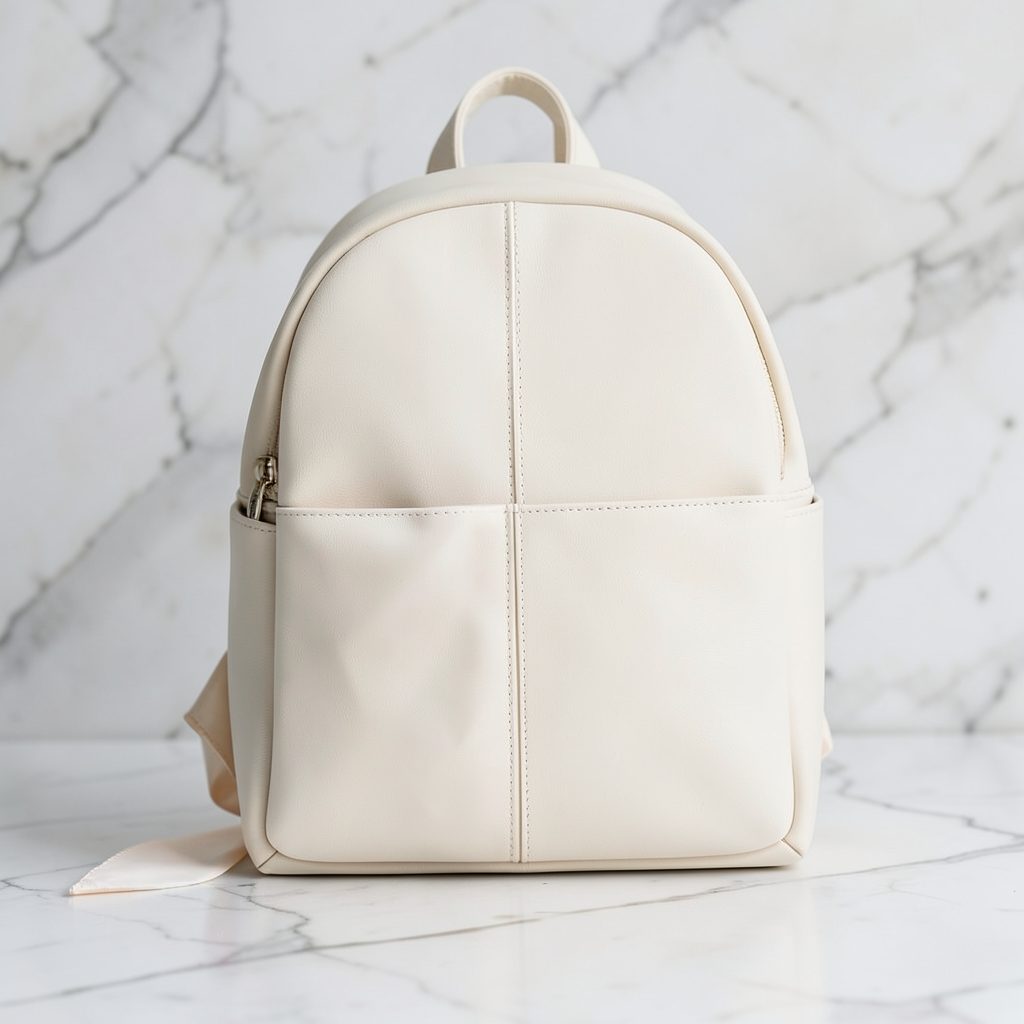
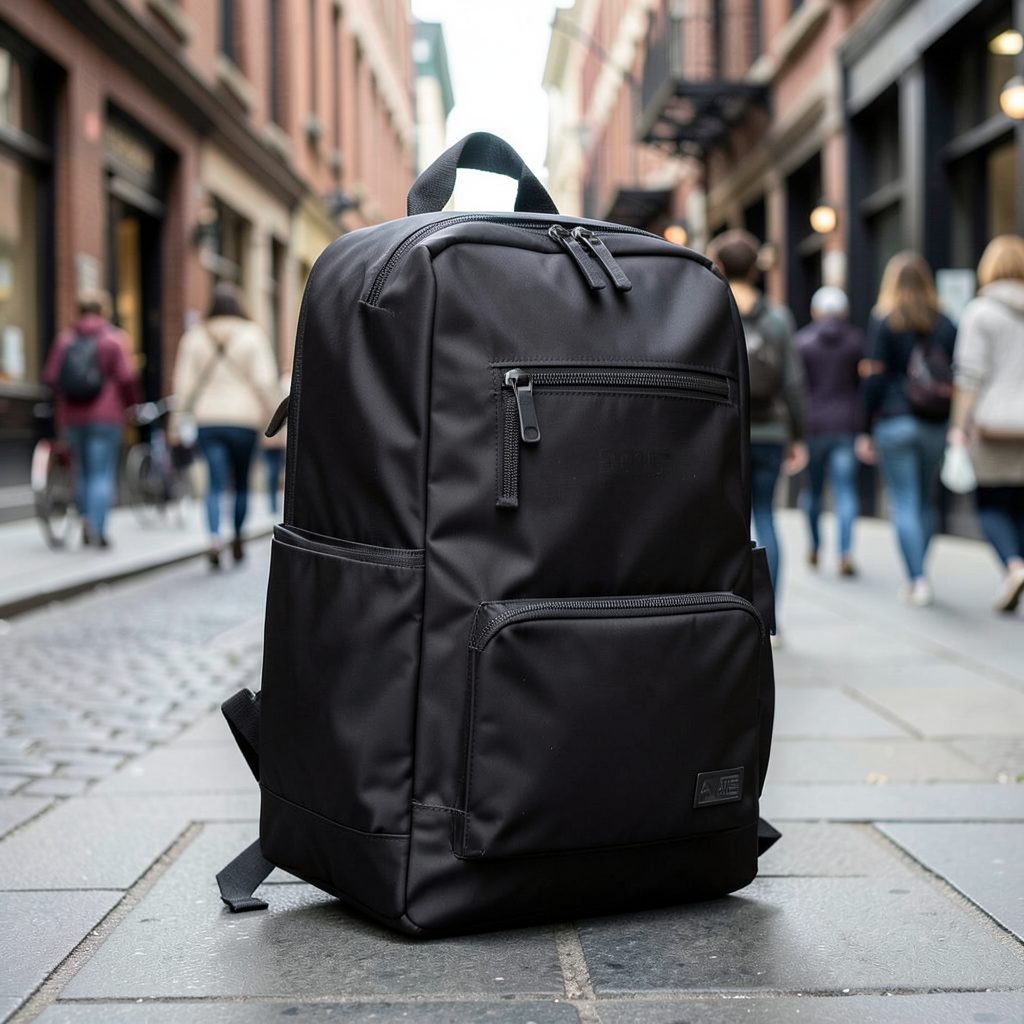
Our Backpack Styles
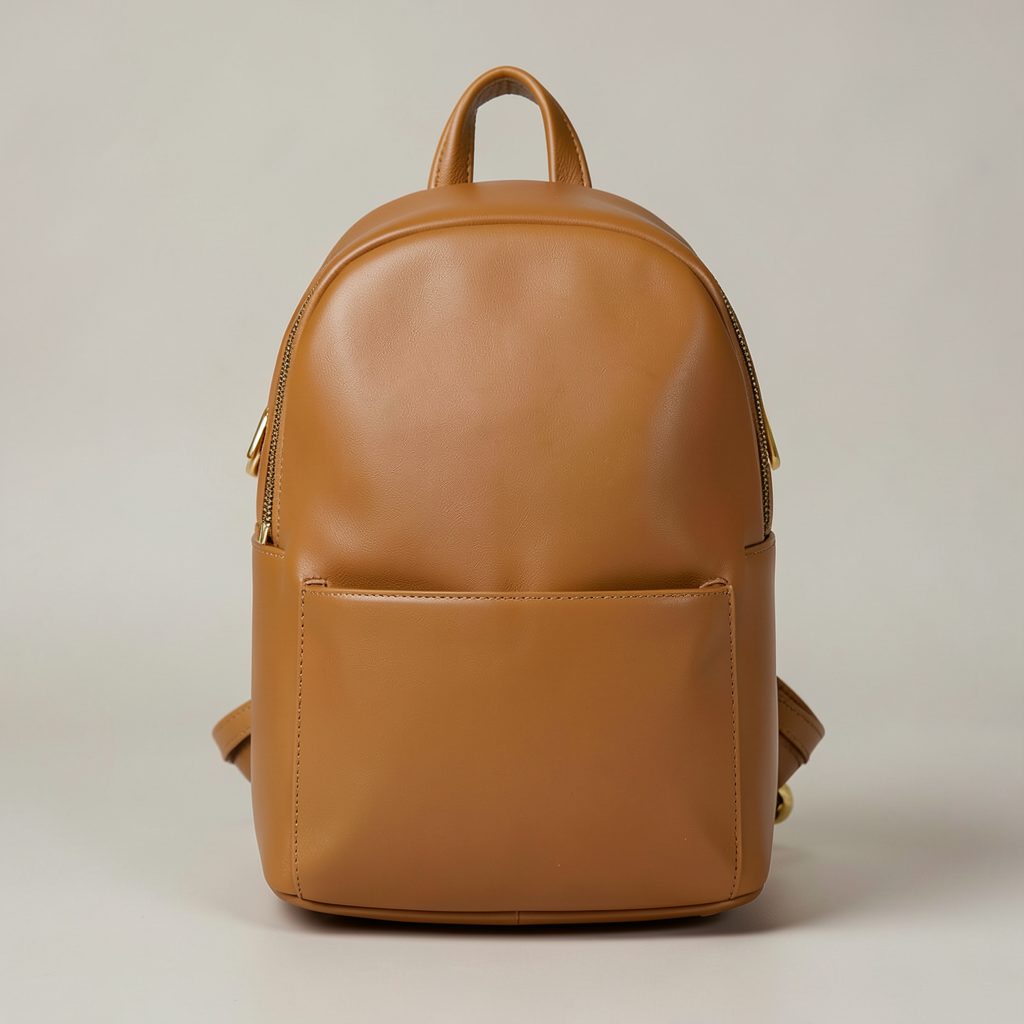
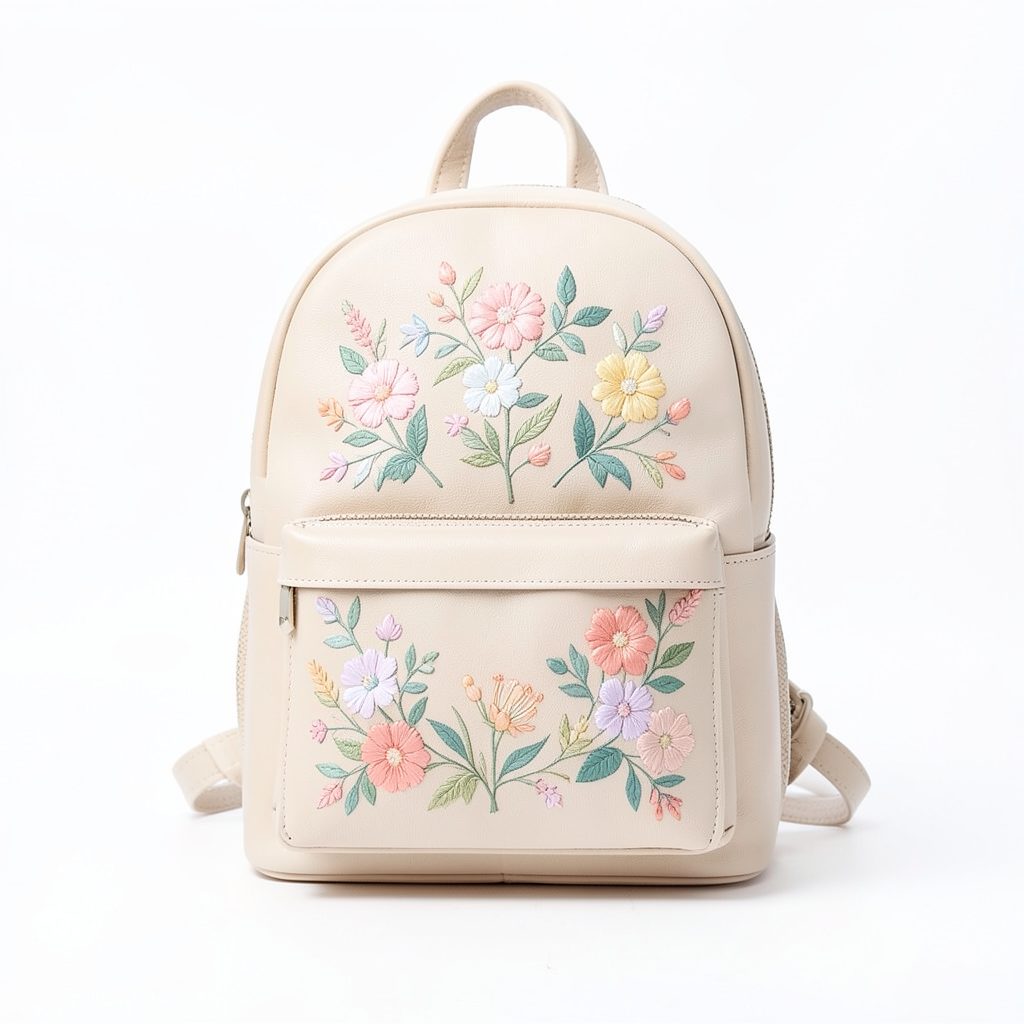
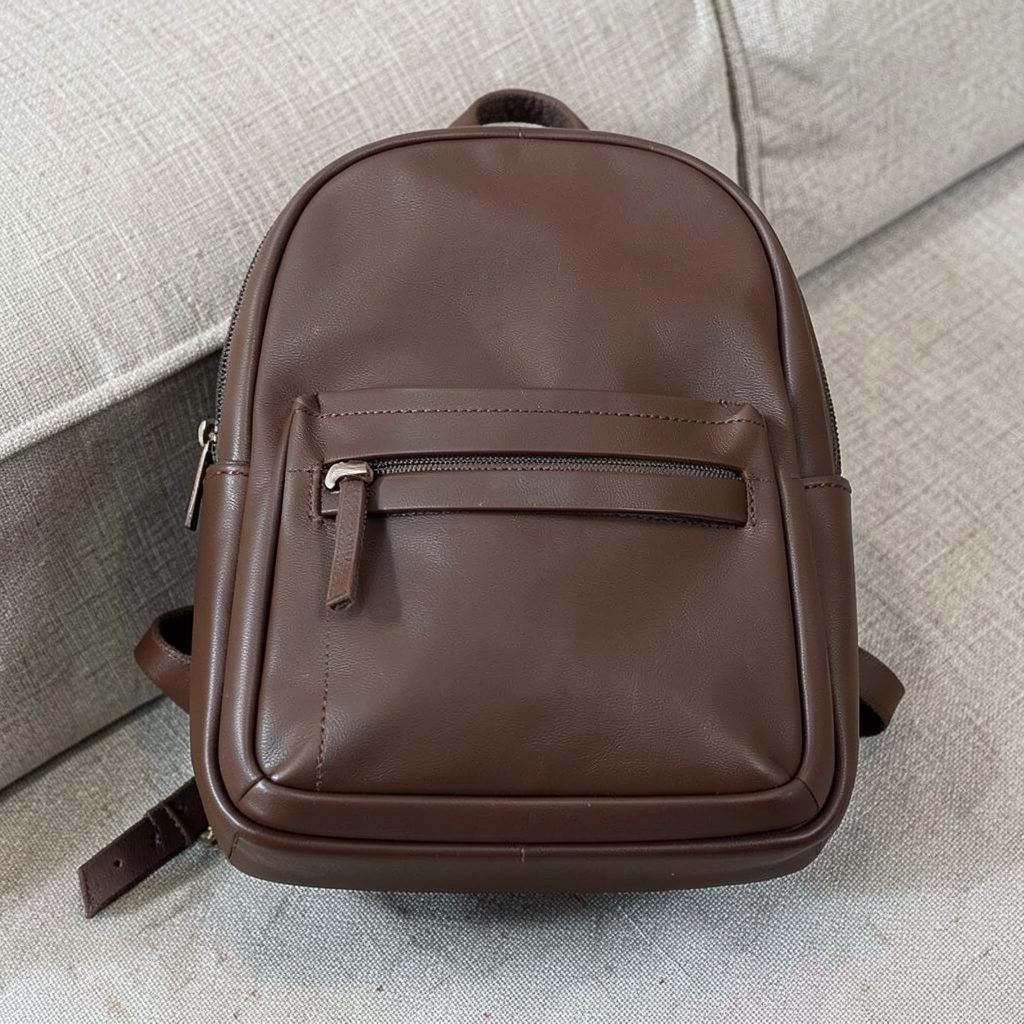
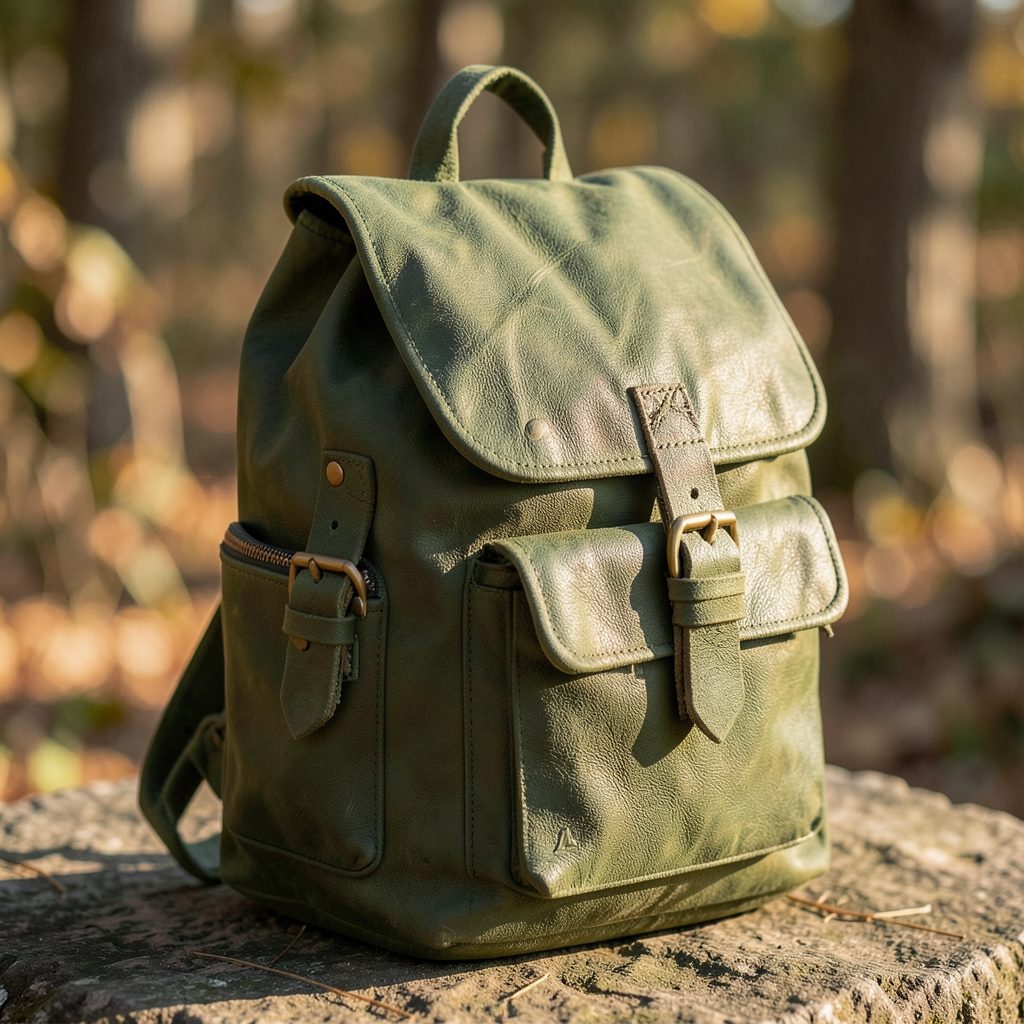
Every backpack is crafted from premium vegan leather with thoughtful details — multiple pockets, removable straps, and colors that work with any wardrobe. Browse the lineup below.