Traveling With a Camera: Quick-Access Bags That Work
A camera can turn an ordinary trip into a collection of meaningful images, yet carrying it comfortably requires more thought than simply choosing the largest bag. You need protection for delicate equipment, enough room for daily essentials, and a way to reach your camera before a fleeting scene disappears. The right travel bag balances security with speed.
Quick-access pockets are especially valuable in airports, city streets, museums, and outdoor markets. Instead of opening the main compartment and unpacking cables, clothing, or snacks, you can reach a camera, spare battery, memory card, or phone from a dedicated exterior section. This arrangement keeps your kit organized while helping you stay aware of your surroundings.
Vegan leather backpacks, crossbody bags, belt bags, and roomy totes can all work for camera travel when their layout matches your equipment. Travel Starter Pack focuses on animal-free materials, durable everyday designs, and practical accessories, giving travelers several ways to build a polished carry system without relying on traditional leather.
What Makes A Camera Bag Travel-Ready
The best camera bag begins with a sensible division between quick-access storage and protected storage. An outer zip pocket is useful for a phone, transit card, lens cloth, or passport, while the main compartment should hold the camera and lenses in a padded insert or protective cube. A bag with several unstructured compartments may look spacious, but loose equipment can collide and become difficult to locate.
Look for closures that are easy to operate when standing but secure enough for crowded areas. Smooth zippers are usually more dependable than open slip pockets for valuable accessories. A flap, hidden rear pocket, or body-facing compartment can add another layer of protection when you are moving through a busy terminal or sightseeing district.
Capacity should reflect the camera you actually carry. A compact mirrorless body with one lens needs much less space than a DSLR, telephoto lens, microphone, and tripod. Before buying, measure your camera with its largest attached lens and compare those dimensions with the bag’s internal measurements. Remember to allow room for padding, since a tight fit can make equipment harder to remove quickly.
Choosing The Right Carrying Style
A crossbody bag is often the easiest choice for street photography and airport navigation. It keeps the camera close to the torso, leaves both hands free, and allows the bag to rotate forward when you need access. A wide, adjustable strap can improve comfort, especially when the bag contains a camera body, power bank, wallet, and travel documents. For more ideas on moving through terminals comfortably, explore this guide to a hands-free crossbody.
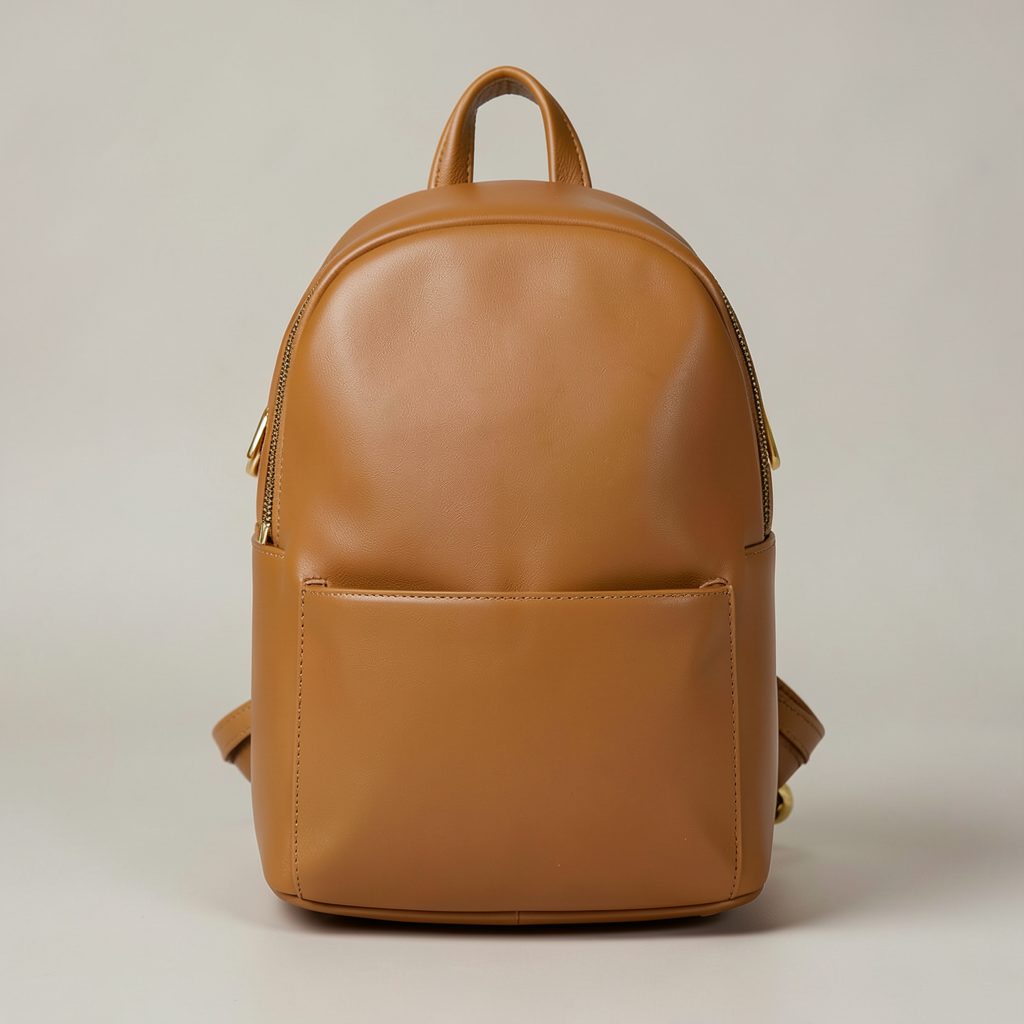
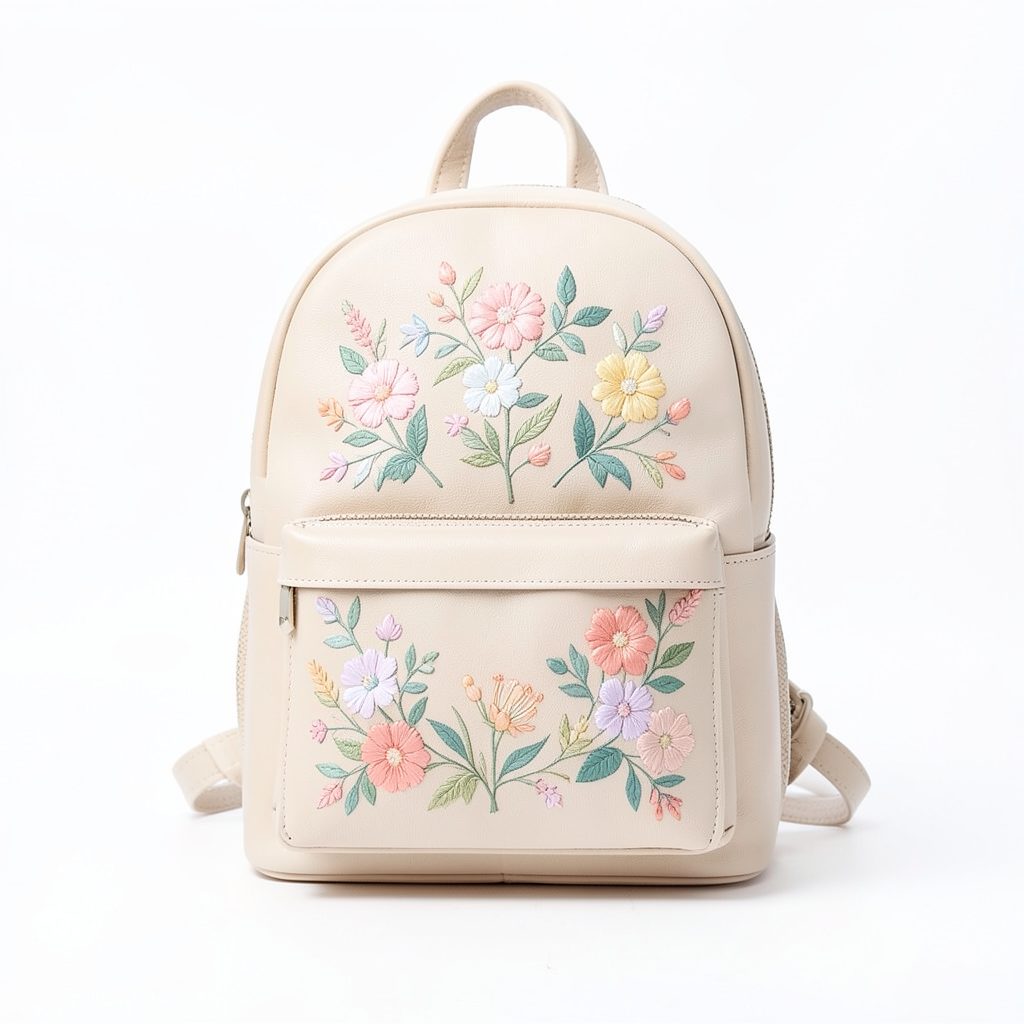
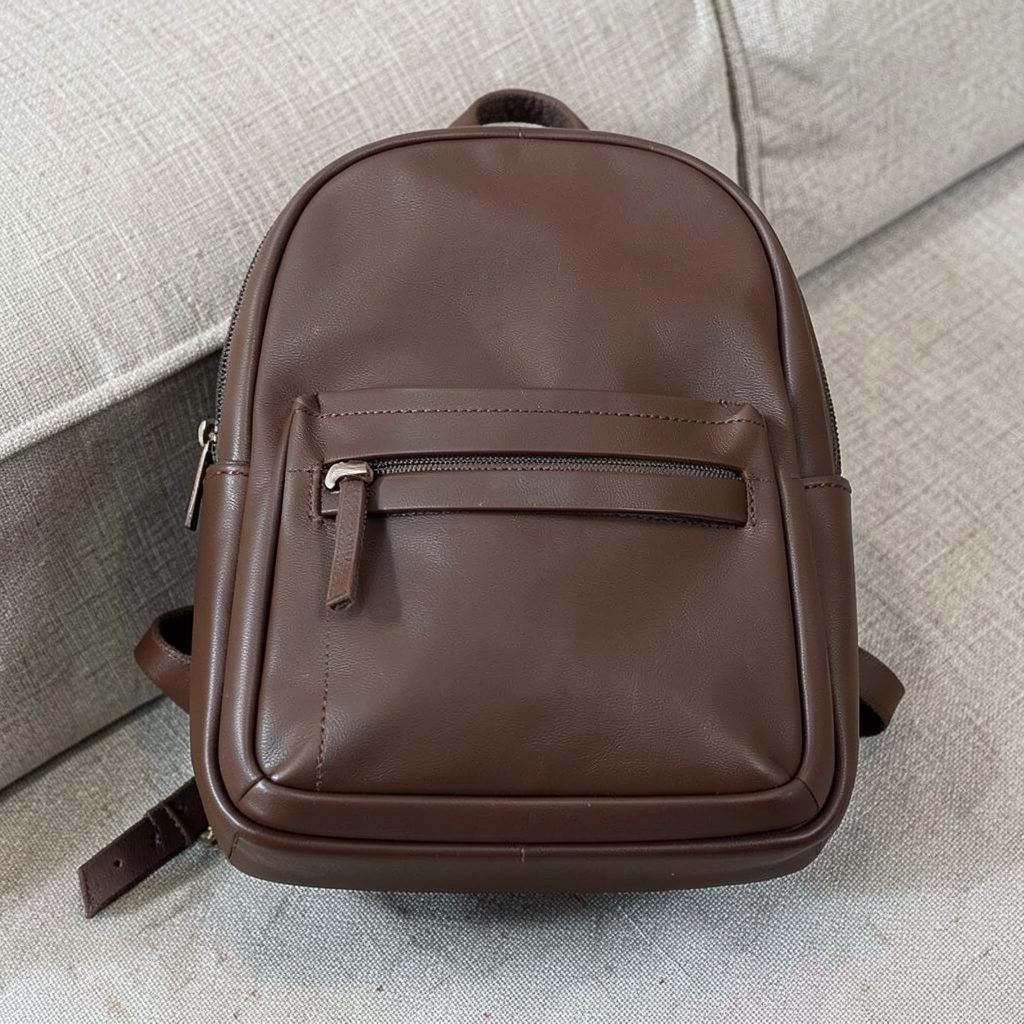
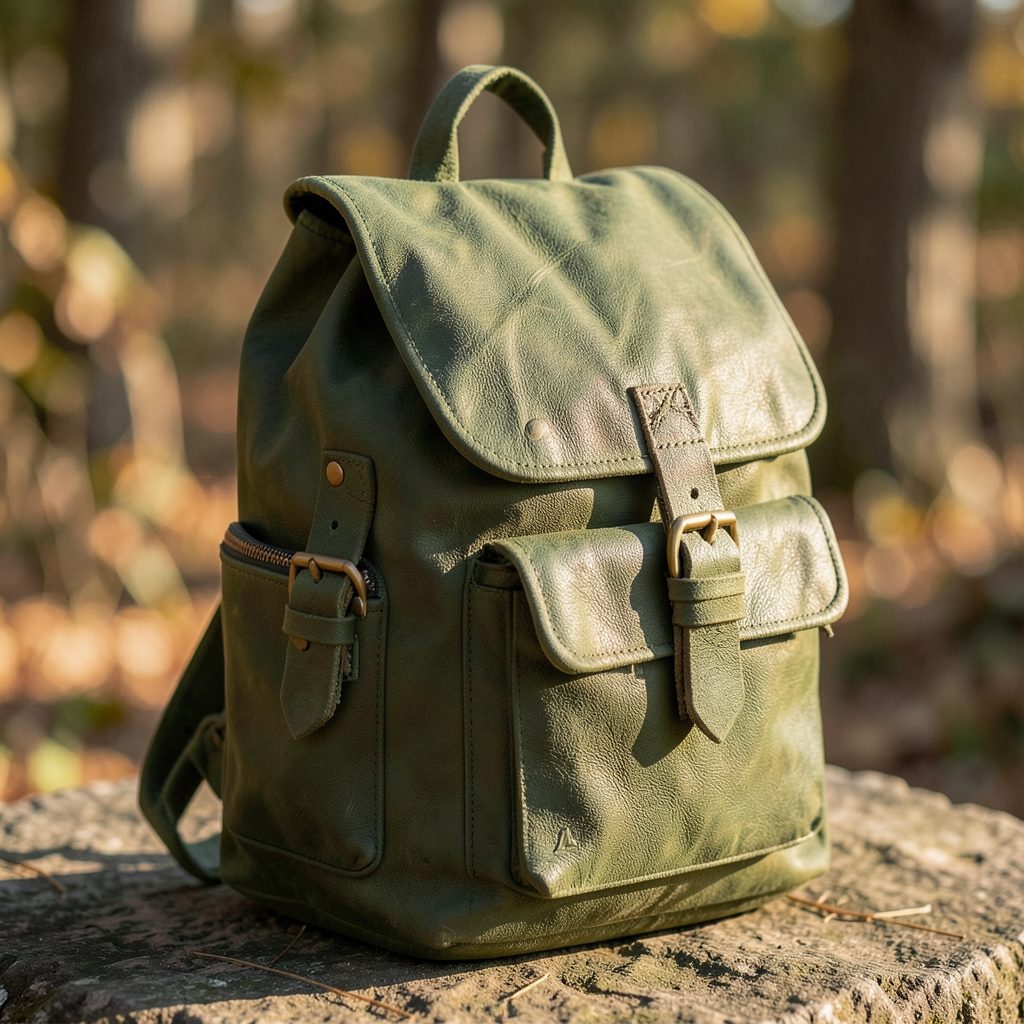
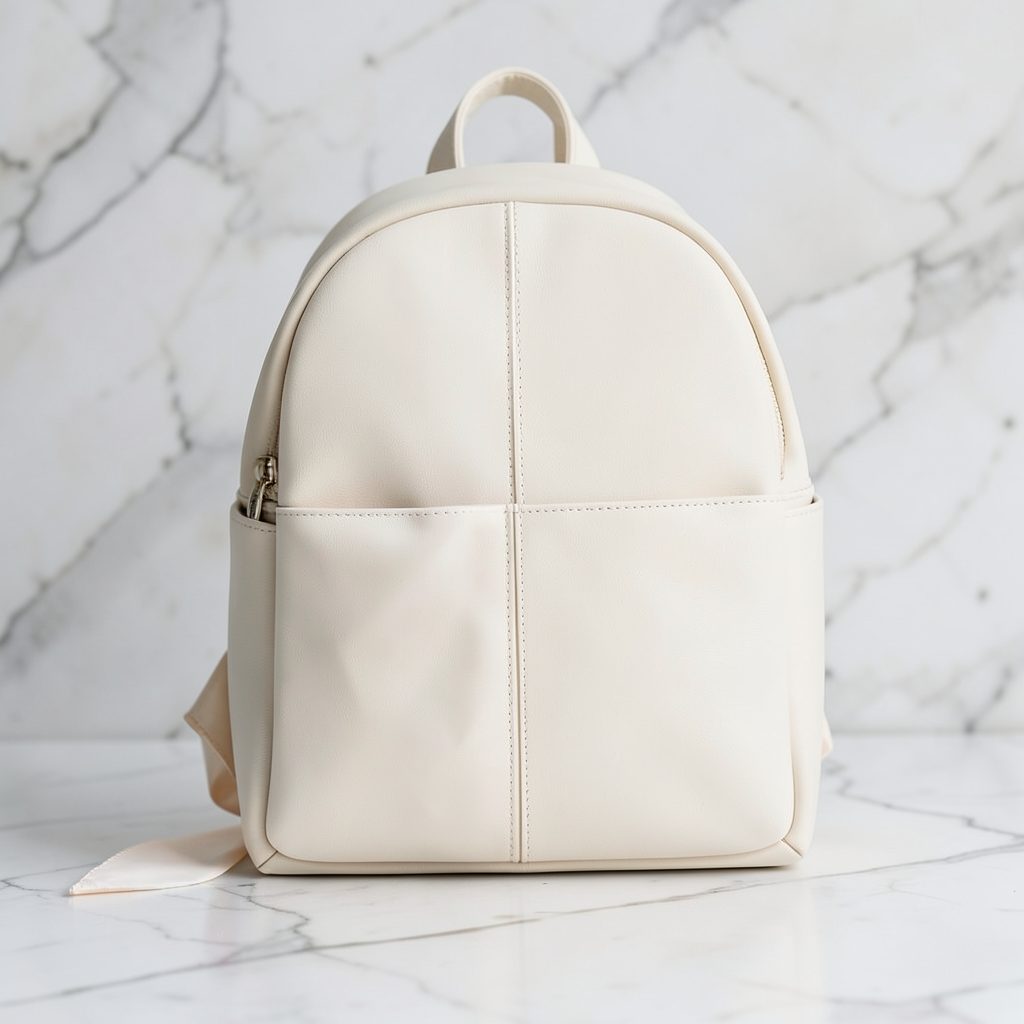
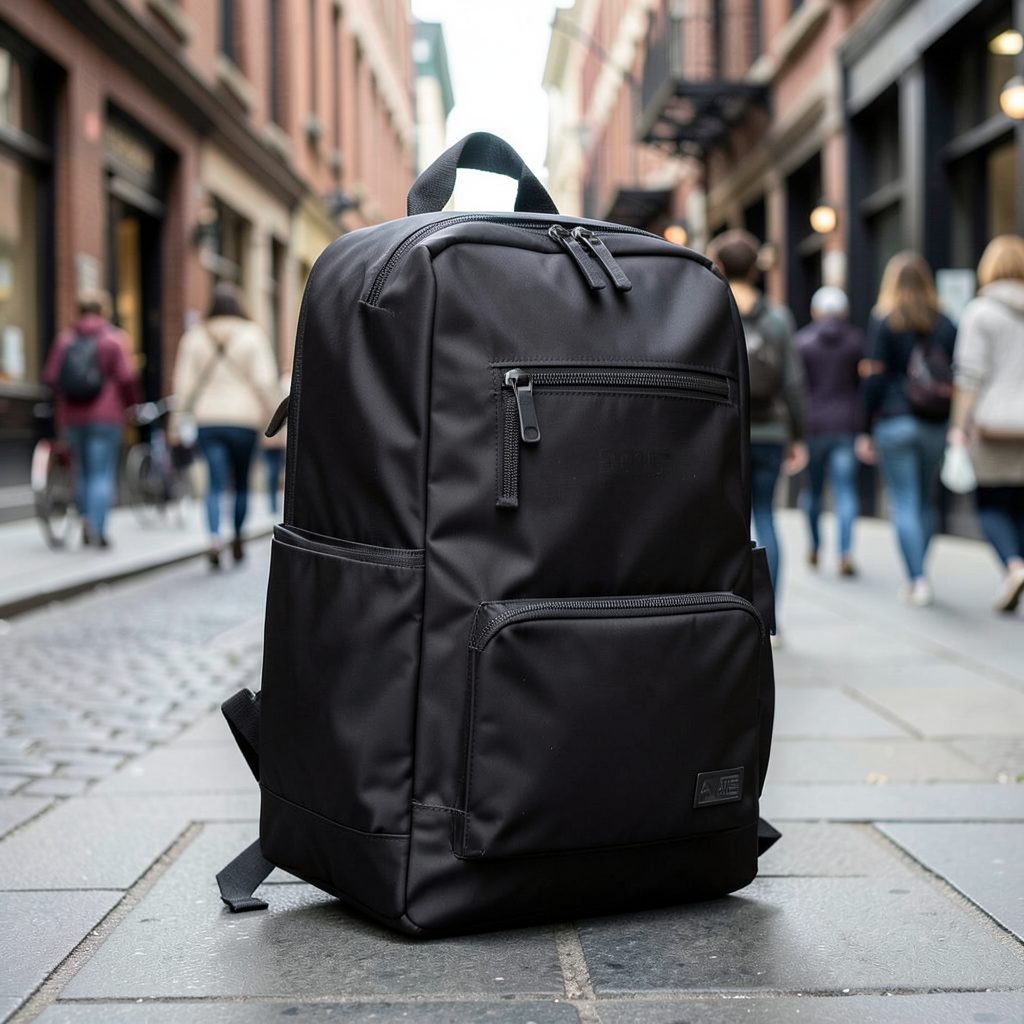
A backpack distributes weight across both shoulders and makes sense for longer walks or a larger camera kit. Its main weakness is access: you may need to remove it before reaching the contents. A front pocket or side-entry compartment can solve much of that problem. Choose a design that lets you swing the backpack around safely rather than placing it on a dirty pavement every time you need your camera.
A belt bag can carry a small camera, one compact lens, and essential cards without the bulk of a larger pack. It is particularly useful for festivals, short excursions, and sightseeing days when minimal equipment is the goal. A tote offers generous space and quick top access, but it needs an internal camera pouch or padded organizer to prevent equipment from shifting and to make the contents less visible.
| Bag Style | Quick-Access Potential | Best For | Protection Priorities |
|---|---|---|---|
| Crossbody bag | Excellent when worn across the front | City walks, airports, casual photography | Padded insert, secure zipper, adjustable strap |
| Backpack | Good with side or front access | Full-day excursions and heavier kits | Structured base, padded camera cube, balanced load |
| Belt bag | Very good for small cameras | Minimalist outings and crowded events | Snug fit, strong buckle, protected inner sleeve |
| Tote bag | Excellent through the open top | Camera plus books, layers, or souvenirs | Removable organizer, closed inner pocket, stable handles |
Matching Pocket Layout To Your Kit
A quick-access pocket is most useful when its contents are predictable. Reserve one exterior compartment for items you reach for repeatedly, such as your phone, boarding pass, lens cap, hand sanitizer, or spare battery. Avoid filling it with unrelated objects. If the pocket becomes a catch-all space, finding a memory card quickly can be as frustrating as having no dedicated pocket at all.
Separate photography accessories by frequency of use. Keep the camera and most-used lens near the opening, while backup equipment can sit deeper in the bag. Memory cards should have a small case rather than resting loose beside keys. A cable organizer or slim wallet can prevent charging cords from tangling with camera straps.
Small accessories can make an everyday bag much more effective for travel. A compact pouch protects cables and batteries, while a slim cardholder reduces clutter in a front pocket. Travel Starter Pack’s guide to vegan leather accessories offers useful inspiration for coordinating practical add-ons with a camera-carrying setup.
Protecting Equipment In Vegan Leather Bags
Vegan leather can provide a neat, structured exterior that suits both travel clothing and everyday outfits. However, the outer material alone does not protect a camera from impact. The essential layer is an internal padded insert, camera cube, or sleeve with dividers. This insert should fit securely so it does not slide whenever the bag is set down or swung across the body.
Water resistance also deserves careful attention. A coated exterior may handle light splashes, but it should not be treated as a guarantee against heavy rain. Carry a compact rain cover or place sensitive equipment in a sealed protective pouch during uncertain weather. Keep silica gel packets away from loose camera parts and replace them when they become saturated.
Inspect the stitching, strap attachments, zipper quality, and base before committing to a daily camera bag. Reinforced stress points matter when the bag is repeatedly lifted, placed under an airplane seat, or carried with a full load. Durable construction extends the useful life of the bag and supports a more considered approach to travel purchases.
Creating A Comfortable Airport Setup
Airports reward a simple arrangement. Place identification, phone, and travel documents in the fastest pocket, then keep the camera in a compartment that can be reached after security without exposing every other possession. A crossbody worn in front or a backpack with a convenient front section can reduce the number of times you open the main storage area.
Keep spare batteries and power banks accessible because security procedures may require them to be removed. Camera bodies and lenses are generally safer in carry-on luggage than checked baggage, where handling and temperature changes can be unpredictable. If you use a camera cube inside a tote or backpack, lift the entire insert out when needed instead of pulling equipment through a crowded pocket.
Comfort continues after the security checkpoint. Adjust the strap so the bag sits close to your body without pressing into your neck. Distribute dense items near your center rather than at the outer edge. A compact setup also makes it easier to keep one hand free for luggage, coffee, or a rail while moving between gates.
Styling A Practical Everyday Camera Bag
A camera bag does not need to look technical to perform well. Neutral vegan leather in black, brown, tan, or muted tones can blend with travel clothing and transition into work or weekend use. A clean exterior is especially helpful when you want to visit a restaurant or gallery without carrying an overtly photographic look.
Color and shape can support your packing habits. A lighter interior makes small accessories easier to spot, while a structured silhouette protects the bag from collapsing over the camera compartment. If you prefer a relaxed outfit, a compact belt bag can add function without overwhelming the look. For ideas on coordinating this style, see the guide to belt bag styling.
The best choice is the bag you will carry consistently. A technically impressive pack that feels heavy or awkward may stay in the hotel room, while a smaller crossbody with a reliable camera insert can encourage spontaneous photography throughout the day. Consider your normal clothing, walking distance, climate, and photography habits together rather than shopping by appearance alone.
Practical Features Worth Prioritizing
A well-designed camera carry system should make common travel tasks easier without adding unnecessary bulk. Prioritize features that support quick retrieval, comfort, and equipment stability rather than choosing a bag based on the number of pockets alone.
- Choose a dedicated, zippered quick-access pocket for your phone, cards, and frequently used camera accessories.
- Add a padded insert or camera cube when the bag does not include built-in protection.
- Select adjustable straps and reinforced attachment points for long walking days.
- Keep batteries, memory cards, and cables in separate small pouches.
- Check dimensions, closure details, and care instructions before ordering.
Think about how each feature will work in real conditions. A pocket positioned against your back may be secure but inconvenient for frequent access, while a large open compartment may be fast but less protective. The ideal layout gives you a clear place for every item and allows you to retrieve the camera with minimal movement.
Free worldwide shipping and order tracking can make it easier to arrange a new travel bag before a trip, especially when you need to monitor delivery timing. Review the product details carefully, compare the dimensions with your equipment, and select a design that can serve as both a camera carrier and a dependable everyday bag.
A camera bag should support the experience rather than distract from it. Browse Travel Starter Pack’s vegan leather backpacks, crossbody bags, totes, belt bags, and accessories to create a setup that keeps your equipment protected, your essentials organized, and your best travel moments within reach.
Our Backpack Styles
Every backpack is crafted from premium vegan leather with thoughtful details — multiple pockets, removable straps, and colors that work with any wardrobe. Browse the lineup below.