Travel Organizer Hacks For Smarter Bag Packing
A well-packed travel bag should make every item easy to find, whether you are moving through an airport, commuting across town, or checking into a hotel after a long journey. Pouch sets turn one large compartment into a simple system of smaller zones, helping you separate essentials without overloading your main bag.
The idea is straightforward: give each category a dedicated zip pouch, then place those pouches inside a backpack, tote, crossbody bag, or weekender. Instead of digging through loose chargers, cosmetics, documents, and snacks, you can lift out the exact kit you need in seconds.
This approach also supports lighter, more flexible packing. You can move a pouch between bags, refresh one category without unpacking everything, and keep your everyday carry ready for spontaneous trips. With durable vegan leather organizers and a practical main bag, organization becomes part of your travel routine rather than an extra chore.
Build A Pouch System Around Daily Tasks
The most useful pouch arrangement is based on what you do during a journey, not simply on the shape of your belongings. A “tech” pouch, for example, can hold charging cables, earbuds, a power bank, and adapters. A “refresh” pouch can carry lip balm, hand cream, tissues, and a compact mirror. When the categories reflect real travel moments, packing becomes faster and unpacking becomes less frustrating.
Keep the number of pouches manageable. Four or five coordinated cases are usually enough for a personal item or carry-on bag. Too many tiny compartments may create a new form of clutter, especially when each pouch contains only one or two items. Choose a few broad categories that can absorb small changes from one trip to the next.
Color coding can make the system even more efficient. A dark pouch might hold electronics, a bright one could contain health and comfort items, and a neutral case could be reserved for documents. If your set does not come in multiple colors, add a small tag, ribbon, or luggage label to each pouch so you can identify it without opening every zip compartment.
Match Pouch Sizes To Your Main Bag
Before buying or arranging an organizer set, measure the inside of your main bag. Pay attention to width, depth, and the opening, since a pouch may fit inside the body of a tote but still be too wide to slide through its top. Soft-sided bags offer more flexibility, while structured bags benefit from flatter cases that preserve their shape.
A backpack usually works best with slim, vertical pouches that can stand against the back panel. This keeps weight close to your body and leaves room for clothing or a laptop. A tote can accommodate wider organizers, especially if it has a generous base. For a carry-on-only setup, look for a combination of one medium pouch, two slim cases, and a small essentials wallet rather than several bulky containers.
The main bag should remain easy to lift and comfortable to carry. Pouches help distribute contents, but they can also encourage overpacking. Test your setup by placing the heaviest items low and near the center, then checking whether the bag still closes naturally. A stylish tote designed for flexible carry-on travel can be especially useful when you want quick access without sacrificing room for organized inserts; these carry-on tote ideas offer useful context when choosing a roomy everyday companion.
Assign Every Pouch A Clear Role
Start with a document and valuables pouch. Store your passport, boarding passes, identification, reservation details, spare cards, and a pen in one secure place. If the pouch has a wrist strap or a bright interior, even better. Keep it near the top of your bag during transit and return it immediately after using it.
A technology pouch should prevent cables from becoming a tangled bundle. Use small elastic loops, cable ties, or a compact cord wrap inside the case. Place the power bank where it is easy to remove at security screening, and keep charging cables separated by length or device. This prevents the common problem of carrying several cords but being unable to identify the correct one.
A personal-care pouch can hold travel-size toiletries, tissues, medication, sunscreen, and hygiene products. Check airline liquid rules before packing, and use leak-resistant containers inside a transparent bag when required. Keeping these items together also makes hotel check-in easier because you can transfer the entire pouch to a bathroom instead of unpacking individual products.
Finally, consider a comfort or entertainment pouch. Add an eye mask, earplugs, a small notebook, reading glasses, snacks, or a deck of cards. For travelers who enjoy games during downtime, a phone-sized guide to playing blackjack can fit neatly beside other compact entertainment items without taking over the main compartment.
| Pouch Type | Useful Contents | Best Position In The Bag | Packing Tip |
|---|---|---|---|
| Documents and valuables | Passport, cards, tickets, pen | Top or hidden rear pocket | Choose a secure zip and bright lining |
| Technology | Cables, earbuds, adapter, power bank | Near the center or laptop section | Add cable ties to prevent tangles |
| Personal care | Toiletries, tissues, medication, sunscreen | Upright along one side | Use leak-proof containers |
| Comfort and entertainment | Eye mask, snacks, notebook, cards | Easy-access outer area | Keep only items you use during transit |
| Emergency extras | Bandages, stain remover, sewing kit | Bottom or secondary compartment | Recheck contents before every trip |
Use Vertical Packing And Quick-Access Zones
A common packing mistake is placing every pouch flat across the bottom of a bag. This creates a layered stack, so reaching one item means removing everything above it. Instead, stand slim organizers vertically whenever the bag’s shape allows. You will be able to see their edges and pull out one case without disturbing the rest.
Reserve the outer pocket or top section for items you need while moving: phone, passport, hand sanitizer, tissues, sunglasses, and a small wallet. Less frequently used items, such as spare cables or backup toiletries, can go deeper inside. This simple access hierarchy reduces unnecessary rummaging in queues, on public transport, and at café tables.
Use the space between pouches carefully. A soft scarf can fill a gap without adding structure, while a folded tote can sit beside an organizer and serve as a backup shopping bag. Avoid filling every open space with “just in case” items. Empty room gives you flexibility for receipts, snacks, souvenirs, or a layer you remove during the day.
For backpacks, use the compartment closest to your back for flat or valuable items and place soft pouches toward the front. For totes, keep the heaviest organizer centered rather than at one edge. Crossbody bags usually need a smaller system: one flat wallet pouch, one slim essentials case, and perhaps a key clip are enough to maintain order without making the bag feel crowded.
Create A Reusable Packing Routine
Pouch sets are most effective when they reduce decisions before every trip. Keep the basic contents of each organizer consistent, then replenish anything used as soon as you return home. A small checklist inside a closet door or travel drawer can remind you to replace medication, charge the power bank, and restock tissues.
Before leaving, empty the main bag completely. This prevents work receipts, old snack wrappers, and random cables from migrating into your travel setup. Wipe the interior, inspect zips, and check that your organizer set still fits comfortably. A two-minute reset can save much more time at the next departure.
After a trip, avoid unpacking every pouch immediately if you are likely to travel again soon. Remove laundry and perishable items, recharge electronics, and return the remaining essentials to their assigned cases. For short weekend journeys, you can then select only the pouches you need instead of starting from an empty bag.
Durable vegan leather cases are practical for this routine because they can handle repeated handling and are easy to wipe clean. They also bring a polished appearance to an otherwise utilitarian system. Look for smooth zippers, reinforced seams, washable linings, and shapes that remain flexible enough to fit into different bags.
Make Organization Work For Different Trips
A business trip may require a document pouch, technology organizer, compact grooming case, and a slim wallet. A beach holiday may call for sunscreen, sunglasses, medication, and a waterproof phone sleeve. The pouch system remains the same, but the contents change according to the destination and schedule.
For day trips, leave larger cases at your accommodation and transfer only the essentials into a crossbody or small tote. This is easier when your pouches are modular. A mini version of your personal-care case can move into a smaller bag, while the full kit stays packed for the next morning.
Families can assign one color or label to each traveler. Shared items, such as chargers, first-aid supplies, and snacks, can go into a communal pouch, while passports and medication remain personal. This prevents everyone from carrying duplicates and makes it clear who is responsible for returning each organizer to the main bag.
Pouches can also support a more sustainable travel routine. Reusable cases replace disposable plastic bags, and a carefully chosen collection avoids buying new organizers for every journey. Select durable accessories in versatile colors, repair small issues when possible, and use the same set for commuting, overnight stays, and longer holidays.
Recommendations For A More Efficient Setup
- Start with three core pouches: documents, technology, and personal care.
- Choose flat or flexible cases that match the dimensions of your backpack or tote.
- Keep frequently used items in an outer pocket or at the top of the main compartment.
- Label organizers by purpose instead of packing by random item type.
- Reset and restock each pouch after returning from a trip.
A good organizer system should make your bag feel calmer, not fuller. Begin with the items you reach for most often, give them dependable homes, and test the arrangement on a short outing before using it for a major journey. Travel Starter Pack’s vegan leather bags and accessories can help you build a durable, animal-free setup with practical designs for daily carry and travel. Explore the collection, choose the pouches and main bag that fit your routine, and pack your next trip with less searching and more confidence.
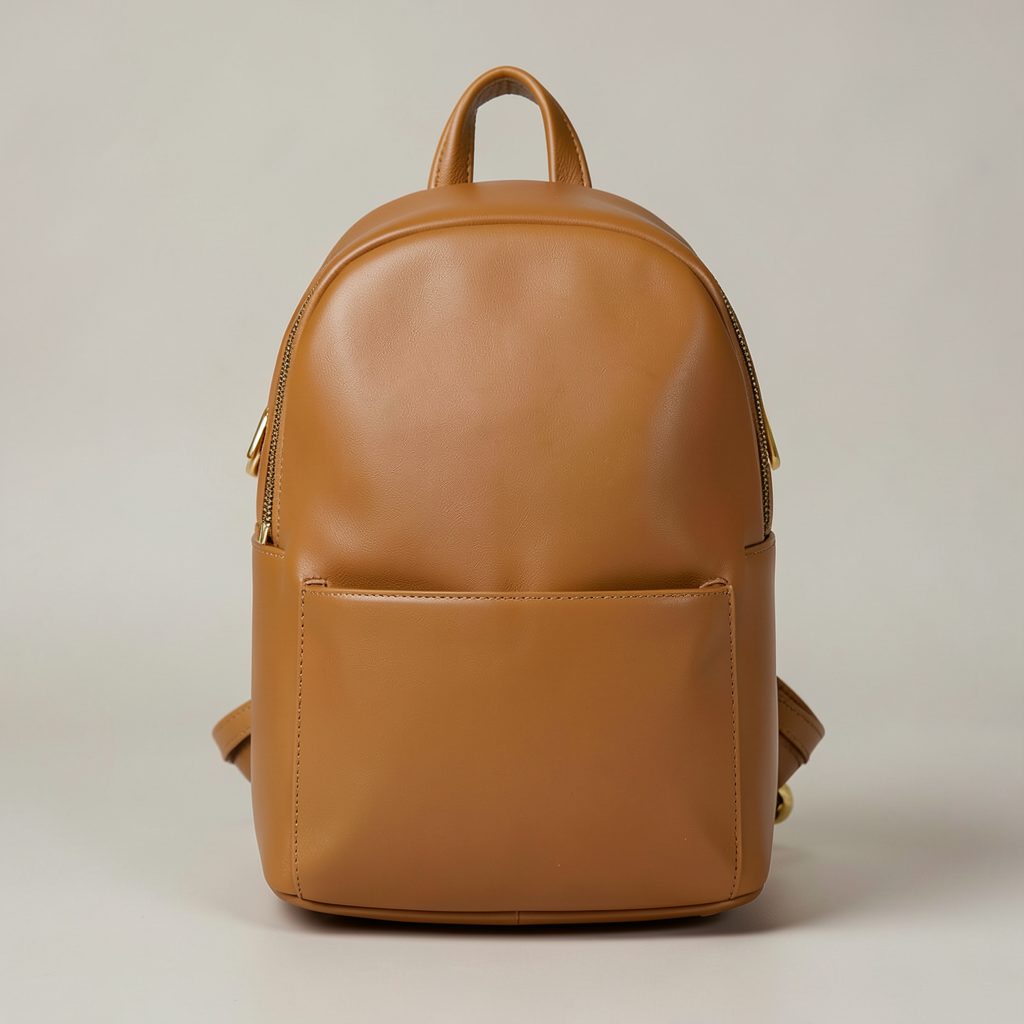
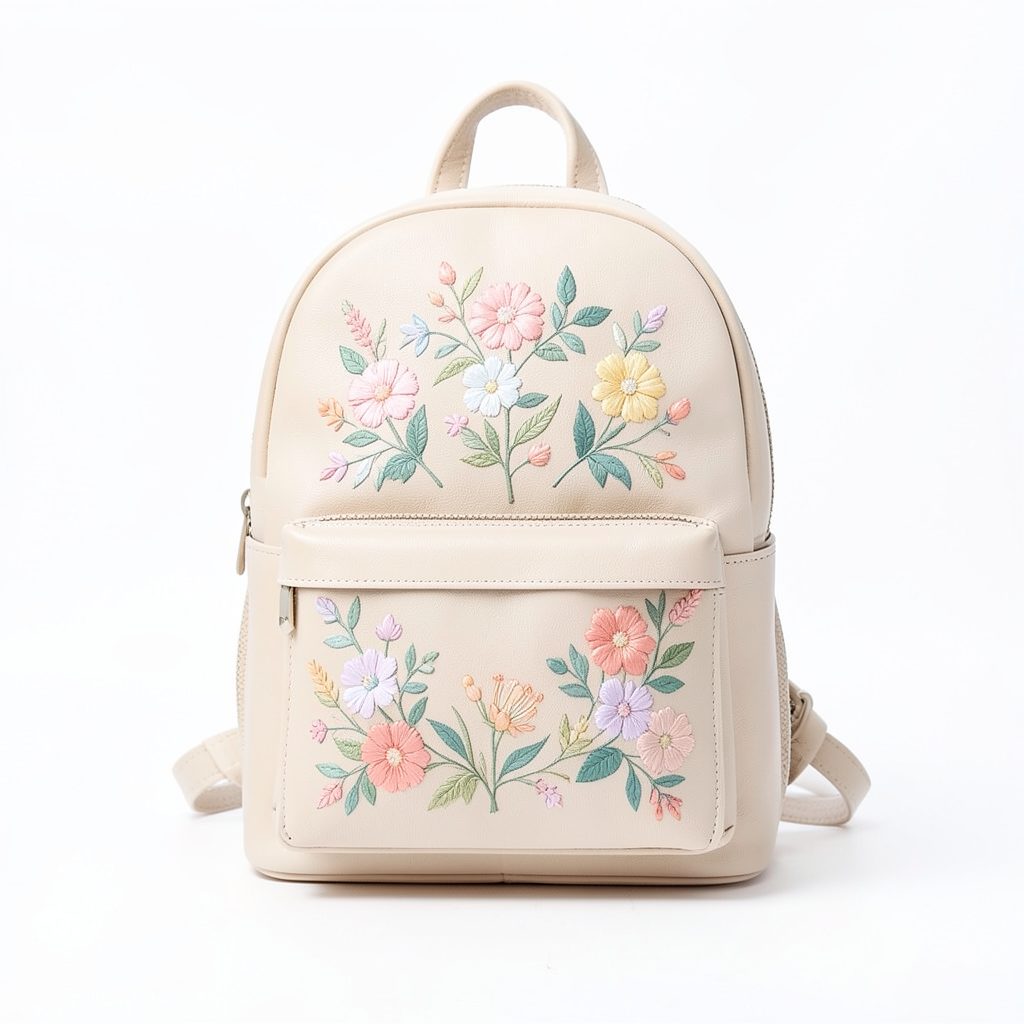
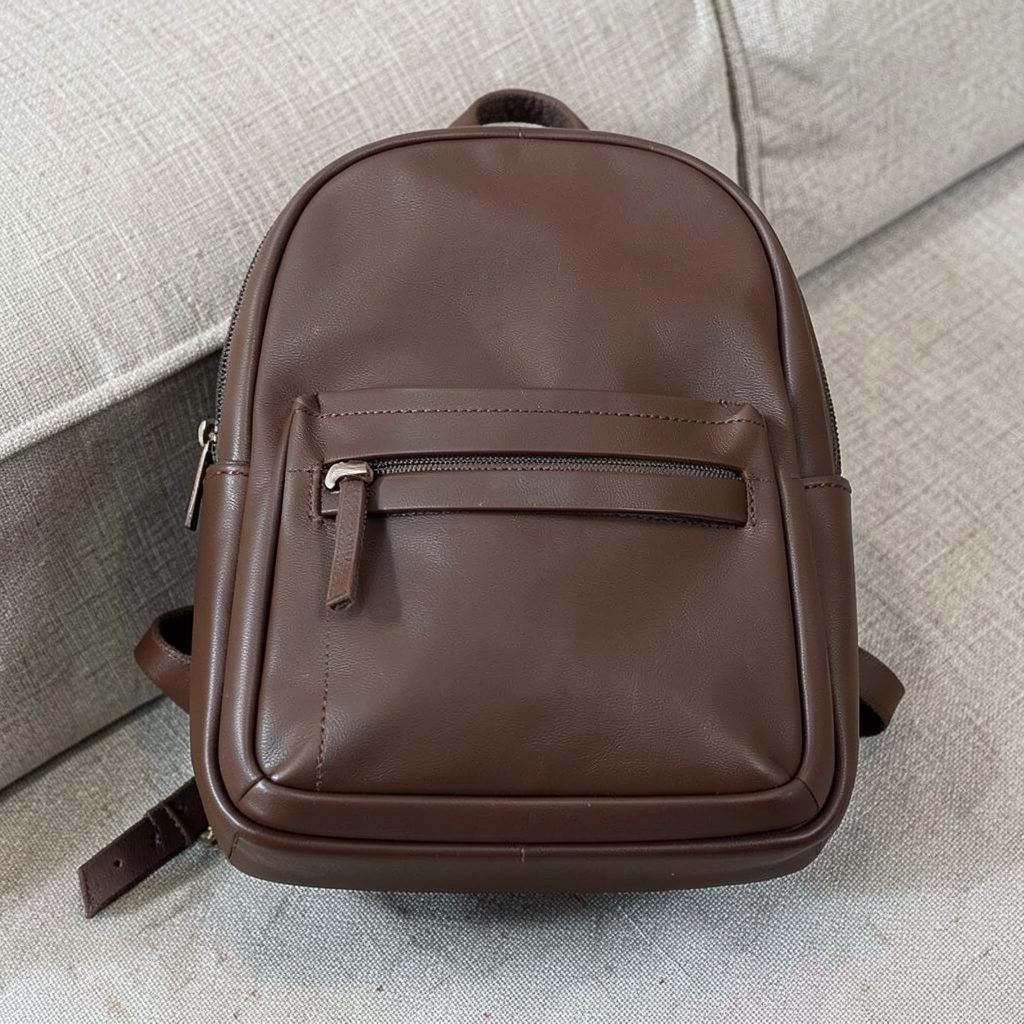
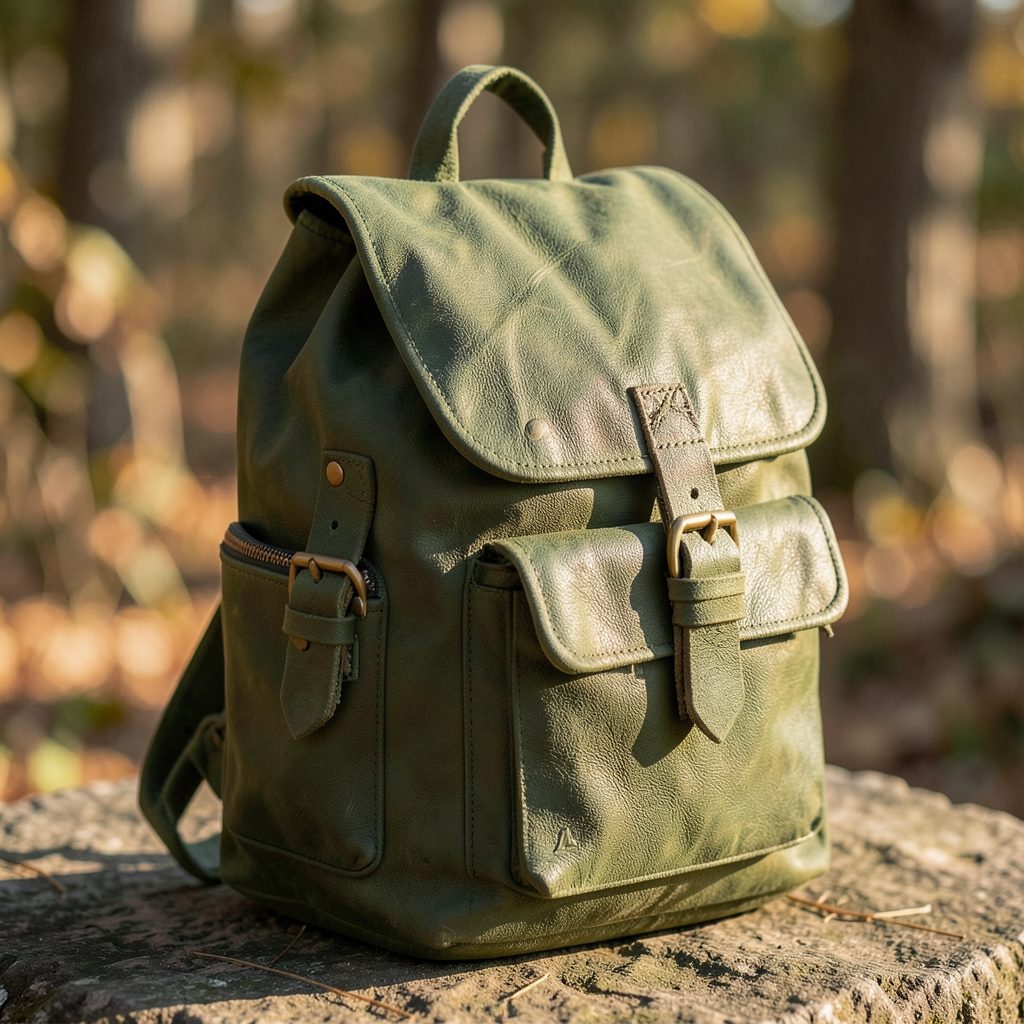
Our Backpack Styles
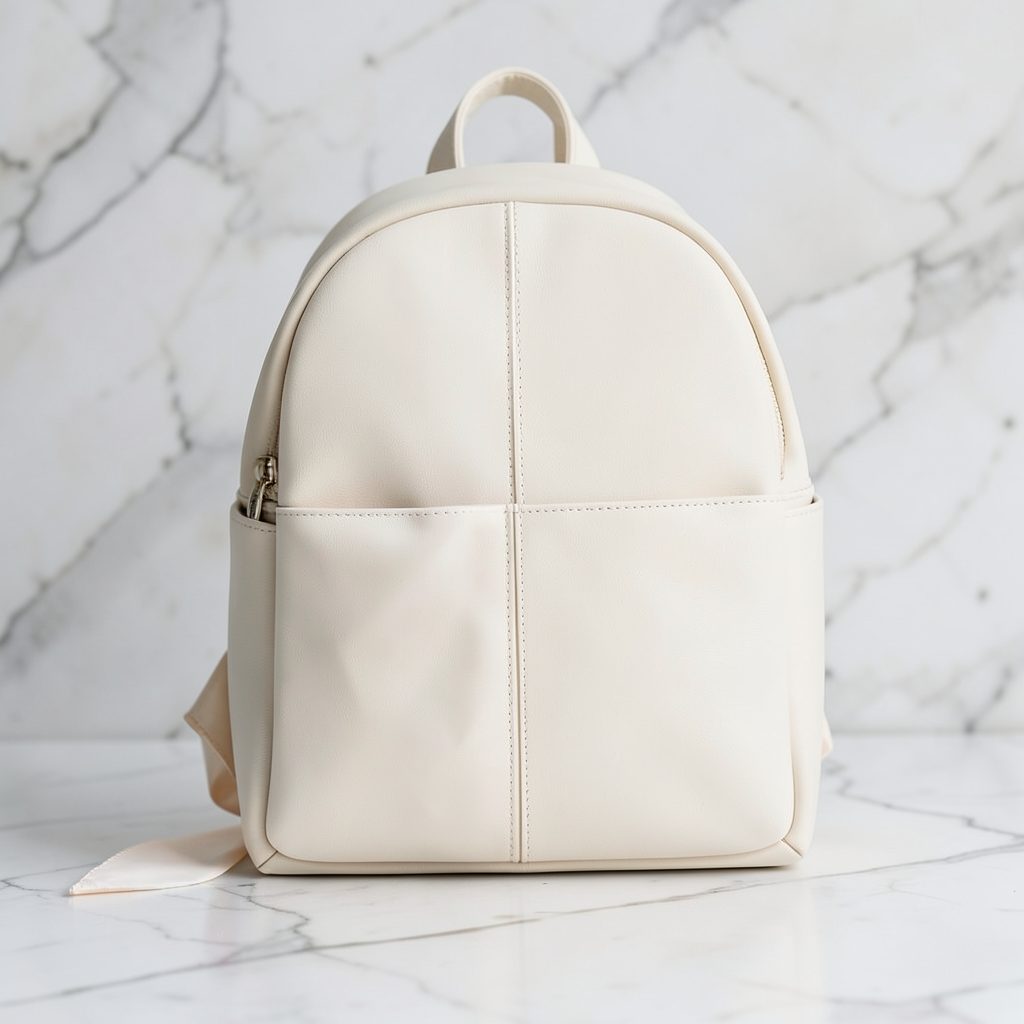
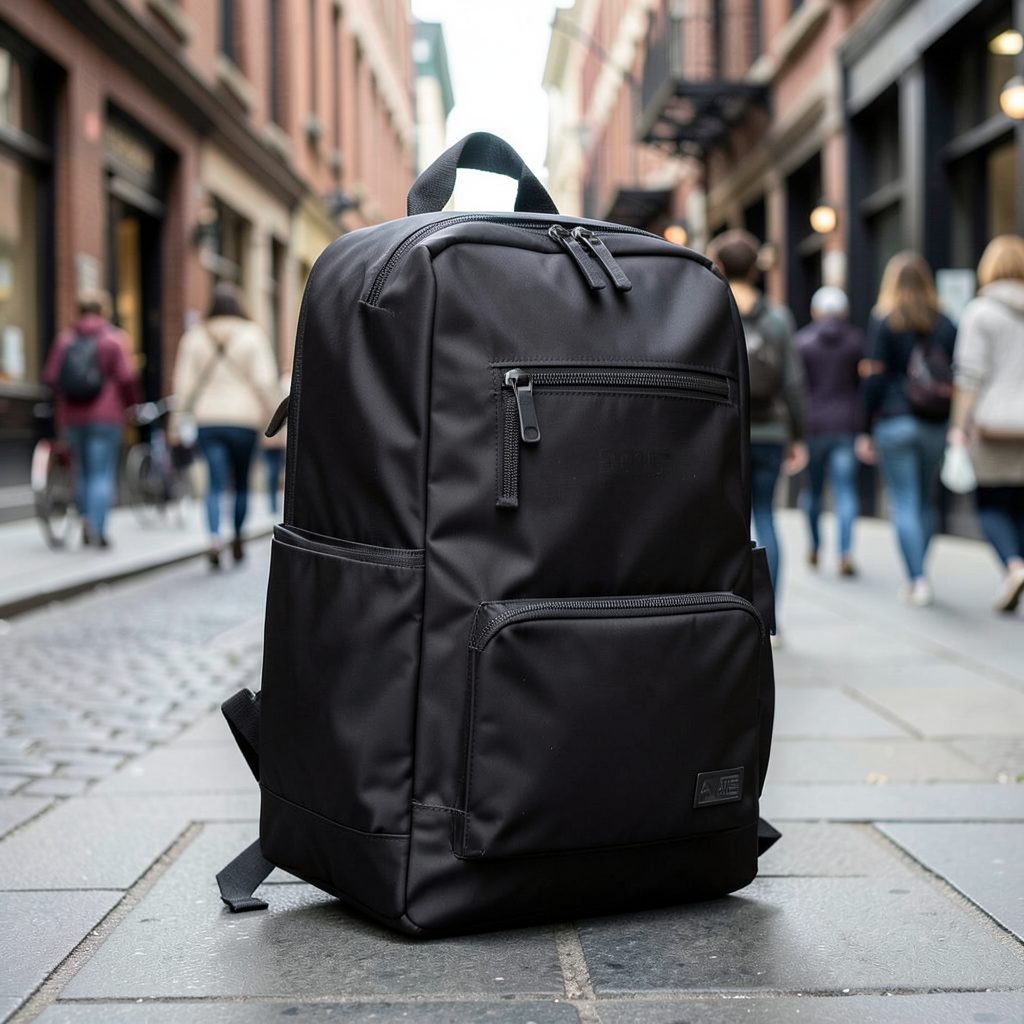
Every backpack is crafted from premium vegan leather with thoughtful details — multiple pockets, removable straps, and colors that work with any wardrobe. Browse the lineup below.