Travel Wallets That Keep Every Essential Organized
A well-designed travel wallet does more than hold cash and cards. It gives passports, boarding passes, identification, coins, receipts, and small travel documents a dedicated place, so you can move through airports, hotels, cafés, and city streets with less rummaging. The right compact organizer also helps prevent important items from slipping into the bottom of a backpack or being scattered across several pockets.
Vegan leather wallets are especially practical for travelers who want an animal-free accessory with a polished appearance and dependable everyday performance. Available in slim, zippered, structured, and multi-compartment designs, they can suit different packing habits without adding unnecessary bulk.
The best choice depends on how you travel. A frequent flyer may need passport storage and a secure zip closure, while a minimalist commuter may prefer a small cardholder that fits inside a crossbody bag. These ten travel-friendly wallet styles cover a range of needs, from short city breaks to longer international trips.
What Makes A Wallet Travel-Ready
Travel wallets work best when their storage reflects the items you actually carry. Separate card slots reduce clutter, a bill compartment keeps currency flat, and a zipped pocket gives coins or keys a contained space. For international trips, dedicated passport and boarding-pass sections can make document checks faster and more organized.
Materials and construction matter just as much as capacity. A sturdy vegan leather exterior should feel comfortable in the hand, resist everyday scuffs, and maintain its shape when filled. Smooth zippers, reinforced stitching, and a lining that does not snag on cards all contribute to a wallet that remains useful over many journeys.
Size should be considered alongside your main luggage. A large travel organizer may be ideal inside a tote or backpack but inconvenient in a small crossbody. If you are also choosing a larger personal item, these tips on choosing a vegan leather backpack can help you match wallet capacity with the rest of your travel setup.
Slim Cardholder For Minimal Packing
1. The streamlined cardholder is a smart option for travelers who carry a few payment cards, identification, and a small amount of folded cash. Its narrow profile slides easily into a front pocket, belt bag, or compact crossbody without creating a noticeable bulge. This is particularly useful for museum visits, walking tours, and evenings when you want to leave your larger luggage at the hotel.
A cardholder also encourages intentional packing. Carrying only the cards you need can reduce the impact of losing a wallet and prevent unnecessary clutter. Look for a design with several firmly stitched slots and a central compartment that can hold folded notes or a few receipts.
2. The zip card wallet adds an extra layer of security without becoming bulky. A zipper keeps cards, coins, and folded bills enclosed, making this style useful for busy train stations and crowded urban areas. It can also serve as a compact everyday wallet after a trip, especially if you prefer carrying a small bag.
3. The coin-and-card pouch is suited to destinations where cash, transit tokens, or small change are still common. Its flexible interior gives you room for coins and cards together, while a zip closure keeps contents contained. Choose one with a structured base or easy-grip pull if you expect to access it frequently during a day of sightseeing.
Organized Wallets For Documents And Daily Essentials
4. The passport wallet is designed for international travelers who want their primary document protected and easy to reach. The most useful versions include a passport sleeve, card slots, a bill section, and perhaps a narrow pocket for a boarding pass. Keeping these essentials together reduces the chance of leaving a passport behind at a security desk or hotel reception.
A passport wallet should close securely while remaining easy to open with one hand. It should also fit comfortably inside your personal item rather than being so large that it becomes a second handbag. Vegan leather gives this style a refined appearance for business travel, weekend escapes, and holiday itineraries alike.
5. The long travel wallet offers generous organization for travelers who carry multiple currencies, printed reservations, receipts, and full-length bills. Its expanded shape is best suited to a tote, backpack, or larger shoulder bag. Interior dividers make it easier to separate daily spending money from emergency cash or documents.
This style is valuable on longer journeys because it gives every category a place. A traveler might use one section for local currency, another for cards, and a third for receipts or tickets. The trade-off is a larger footprint, so it may be less convenient for minimalist packing or small bags.
6. The wristlet wallet combines storage with a practical carrying option. A detachable or built-in wrist strap lets you hold the wallet securely while checking into a hotel, buying a coffee, or walking through a market. Many wristlets offer space for a phone, cards, cash, and a few small essentials.
Choose a wristlet with a comfortable strap, dependable hardware, and a closure that does not open accidentally. It can work as a standalone evening accessory or as an organizer inside a larger travel bag. A neutral color makes it versatile, while a brighter shade can make it easier to identify quickly inside luggage.
Comparing Compact Travel Wallet Styles
Different wallet formats solve different packing problems. The table below provides a quick way to match storage, portability, and typical use with your itinerary.
| Wallet style | Best for | Storage level | Ideal bag pairing | Main advantage |
|---|---|---|---|---|
| Slim cardholder | Minimal daily carry | Low | Small crossbody or pocket | Takes up almost no space |
| Zip card wallet | Cards, coins, and folded cash | Low to medium | Crossbody or belt bag | Secure compact storage |
| Coin-and-card pouch | Cash-heavy destinations | Medium | Shoulder bag or backpack | Keeps change contained |
| Passport wallet | International flights | Medium | Personal item or tote | Groups travel documents |
| Long travel wallet | Multiple currencies and receipts | High | Tote or backpack | Separates many essentials |
| Wristlet wallet | Hands-free short outings | Medium to high | Standalone or larger bag | Easy to carry and access |
| Accordion wallet | Many cards and categories | High | Structured handbag | Expands while staying organized |
| Phone wallet | Phone, cards, and cash | Medium | Crossbody or coat pocket | Combines two daily essentials |
| RFID-style organizer | Security-conscious packing | Medium to high | Backpack or tote | Adds organized document storage |
| Zipped pouch wallet | Flexible mixed essentials | Medium | Any medium-sized bag | Adaptable for travel and daily use |
The most spacious option is not automatically the best. A wallet should be large enough for your essential items but compact enough to fit the bag you plan to carry. Overfilled compartments can strain zippers and make frequently used cards difficult to reach.
Flexible Designs For Longer Trips
7. The accordion wallet uses gusseted sections that expand as you add cards, currency, and receipts. Its divided interior is useful for travelers who want clear categories, such as transport cards, hotel information, local currency, and backup payment methods. Because the compartments open outward, it is easier to see what you have without removing everything.
This wallet is particularly helpful for multi-stop itineraries. You can dedicate each section to a different purpose or destination and keep unused items separate from what you need that day. A secure top closure is important because the wallet’s expanding design can become crowded when fully packed.
8. The phone wallet combines a smartphone compartment with card and cash storage. It reduces the number of items you need to carry during quick outings and is convenient for digital tickets, contactless payments, and navigation. A removable strap or slim profile gives you flexibility between hands-free wear and placement inside another bag.
Check the measurements carefully before choosing this style. The phone compartment should accommodate your device and case without stretching the material or putting pressure on the closure. It is best for light packing rather than travelers who carry many documents.
9. The RFID-style travel organizer appeals to travelers who want a dedicated place for cards, identification, and passports, along with an added focus on shielding stored payment cards. The practical benefit is the organization: several compartments keep documents separated and make it easier to check that everything is present before moving locations.
When evaluating this style, pay attention to the actual layout rather than relying on the security feature alone. A well-arranged interior, secure closure, and durable vegan leather exterior make the wallet useful throughout a trip. It should still be easy to access when passing through transportation checkpoints.
10. The versatile zipped pouch wallet is a flexible choice for travelers whose needs change from day to day. It can hold cards, cash, keys, earbuds, tickets, and small personal items, functioning as a wallet on one outing and a mini organizer on another. Its adaptability makes it useful for both travel and regular errands.
A pouch wallet is most effective when it includes internal divisions or at least a dedicated card section. Otherwise, small items can collect in one undifferentiated compartment. Choose a size that offers room to sort essentials without encouraging you to carry every spare receipt and loose item.
Choosing The Right Wallet For Your Itinerary
Start by listing the items you need to carry, then choose a format that gives each category a logical home. For a short domestic trip, a zip card wallet or phone wallet may be enough. An international journey may call for a passport wallet, long organizer, or accordion design with space for multiple currencies and documents.
Think about access as well as capacity. Items used several times a day should sit in easy-to-reach slots, while emergency cash and backup cards can stay in a deeper compartment. A wallet that opens flat or has contrasting sections can make quick checks simpler, particularly in dim aircraft cabins or crowded stations.
Use these practical guidelines when narrowing down your choice:
- Select a slim cardholder for essentials-only packing and small bags.
- Choose a passport or long travel wallet when documents and currencies need to stay together.
- Pick a zipped style for crowded destinations, loose change, and frequent movement.
- Match the wallet’s dimensions to your crossbody, tote, or backpack before ordering.
- Favor durable vegan leather, secure closures, and strong stitching for repeated use.
Color can also support organization. A bold wallet is easier to spot inside a dark backpack, while black, tan, or brown can blend naturally with work bags and everyday accessories. If you carry more than one wallet, assigning different colors to travel documents and daily spending can make packing checks faster.
Make Every Journey Easier To Manage
A travel-friendly wallet earns its place by reducing small sources of friction. It keeps payment cards together, protects important documents, and gives receipts, coins, and cash a predictable location. The right design also transitions easily from airport days to everyday commuting, making it a useful accessory well beyond one trip.
Explore vegan leather wallets and coordinating travel accessories from Travel Starter Pack to find a style that fits your packing routine. With durable animal-free materials, practical designs, free worldwide shipping, and order tracking, you can organize your essentials before setting out and keep them close throughout the journey.
Our Backpack Styles
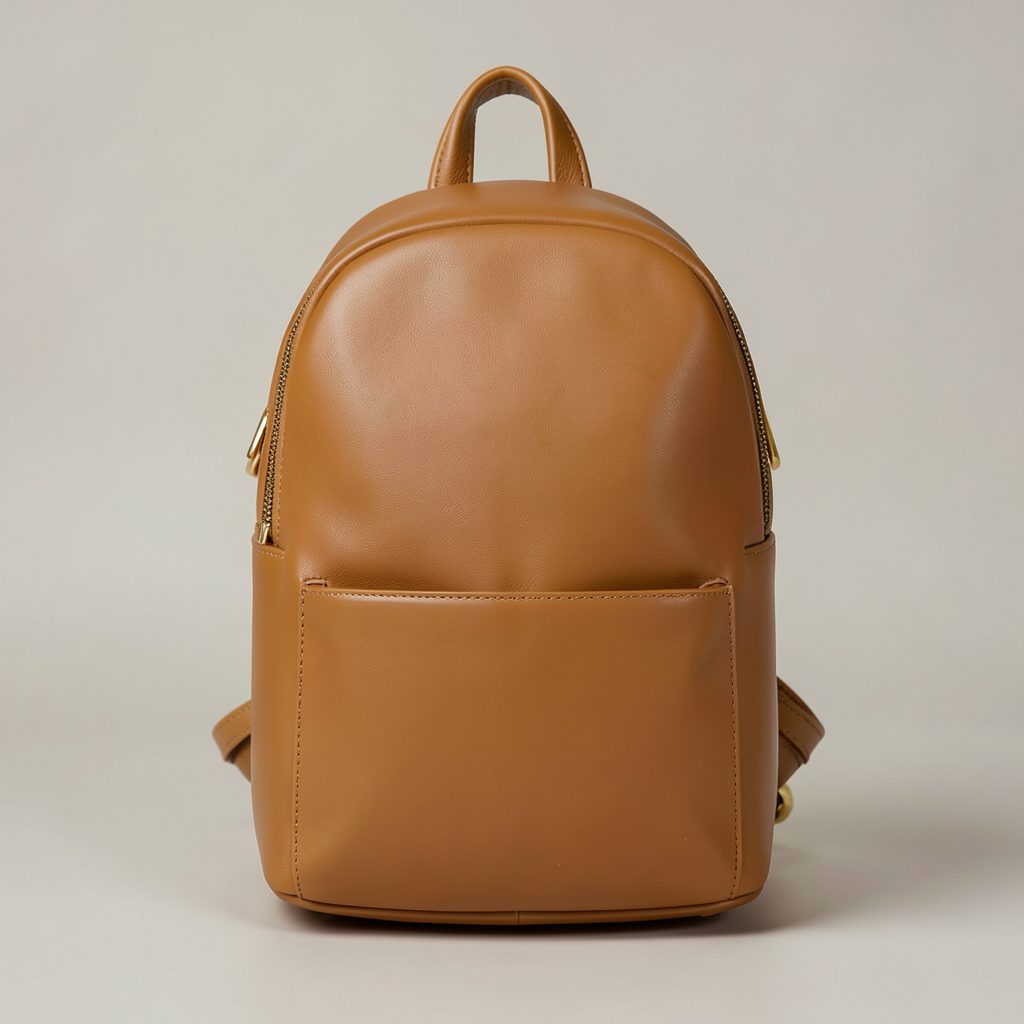
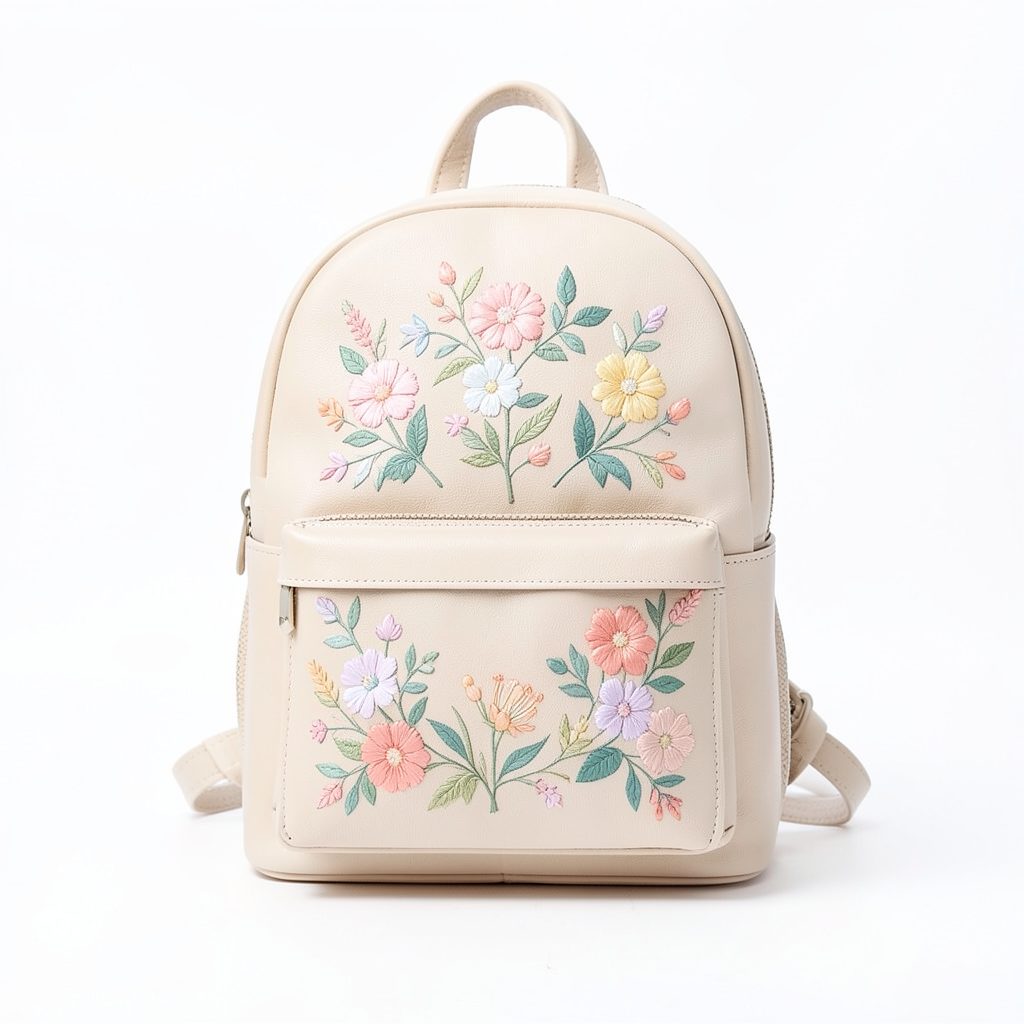
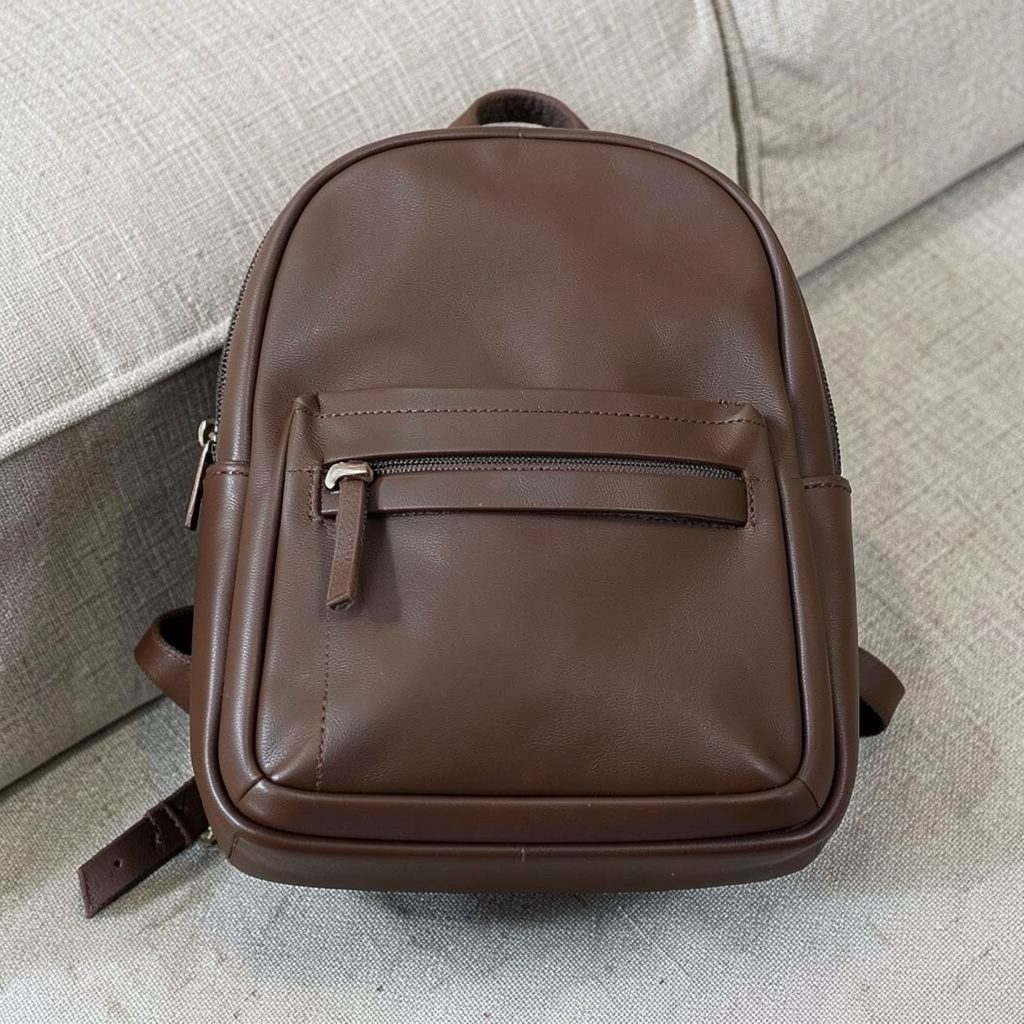
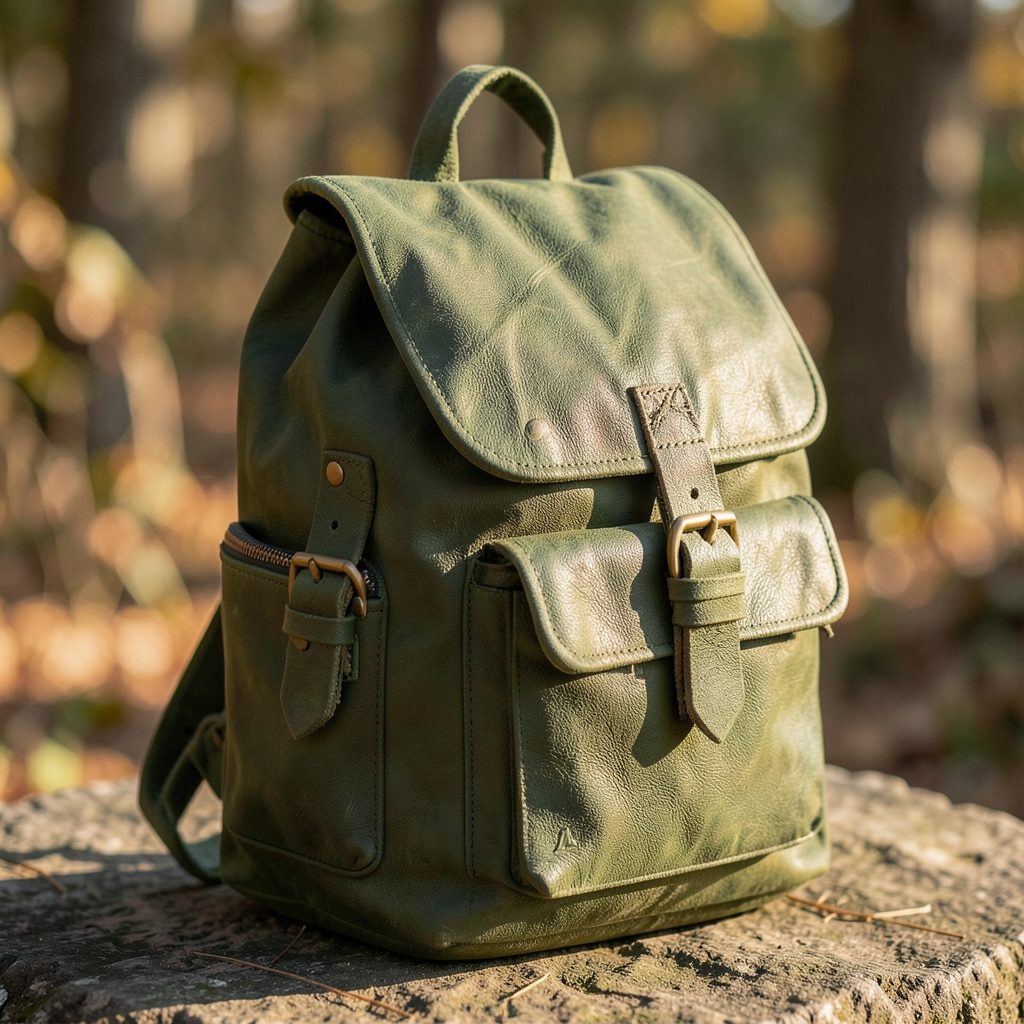
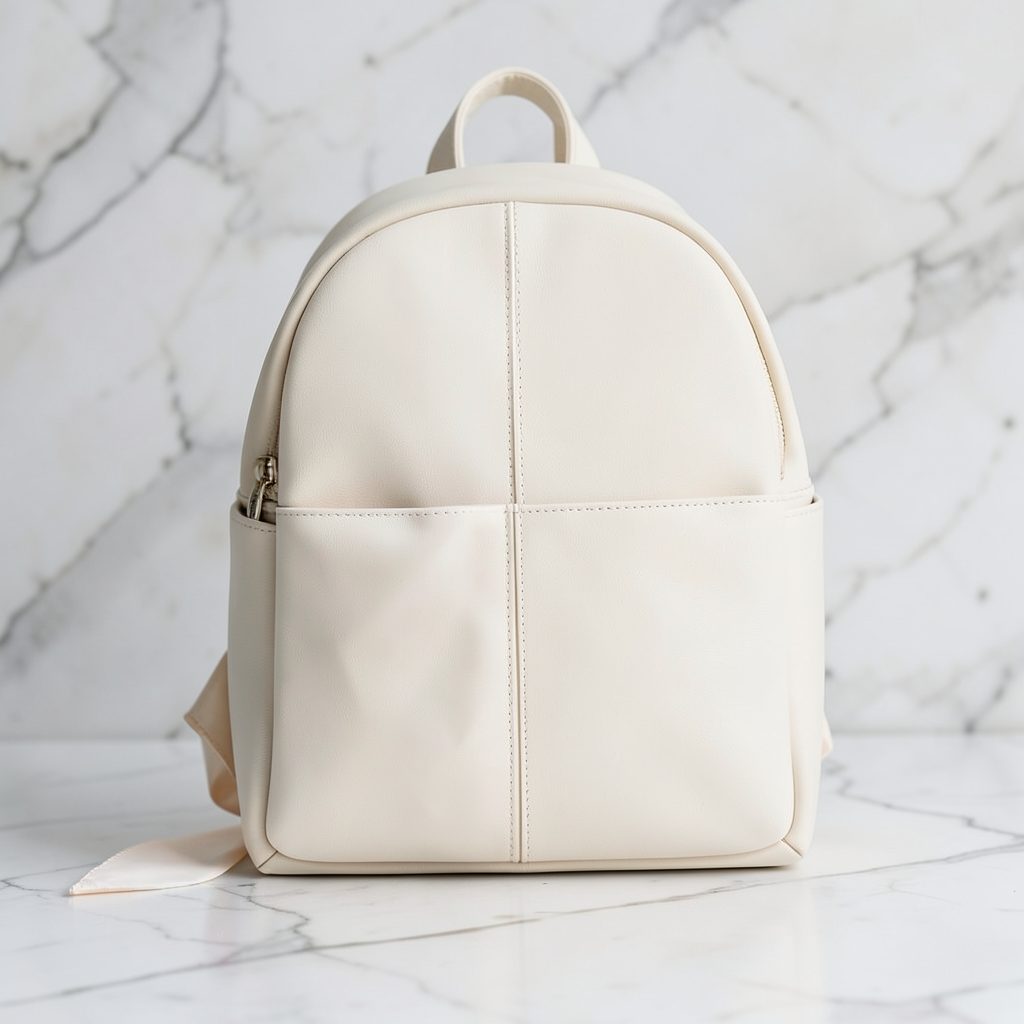
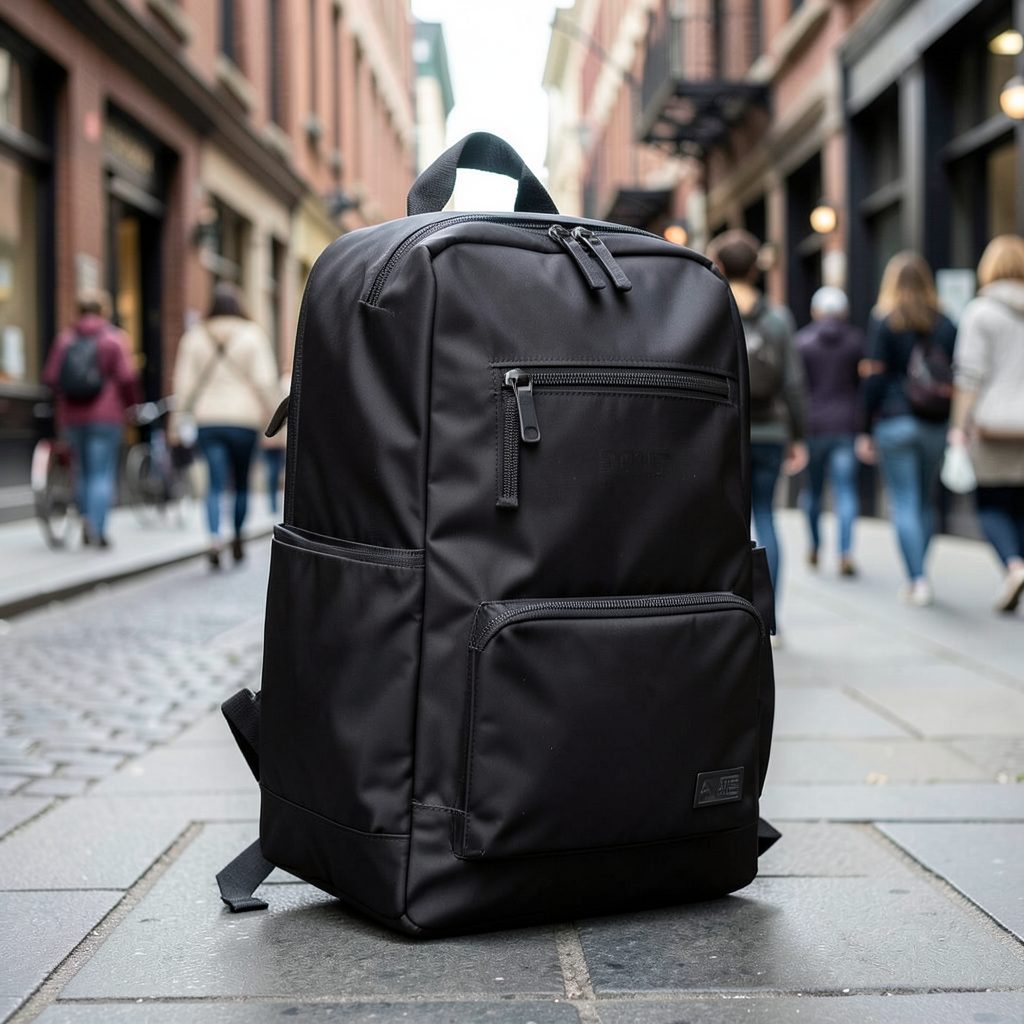
Every backpack is crafted from premium vegan leather with thoughtful details — multiple pockets, removable straps, and colors that work with any wardrobe. Browse the lineup below.