The Ultimate Guide To Vegan Leather Bag Care For Humid Destinations
Humidity can make travel bags feel sticky, develop odours, or lose their polished finish. Vegan leather is practical and animal-free, but it still needs thoughtful care when exposed to tropical weather, sudden rain, sweaty commutes, and poorly ventilated luggage.
For Australian travellers, this matters during a wet-season escape to Cairns, a weekend in Darwin, or a hot Brisbane summer. Even coastal cities such as Sydney and Perth can bring salty air and damp conditions that affect bags over time. A simple maintenance routine keeps backpacks, crossbody bags, totes, and wallets looking presentable for longer.
The best approach combines prevention, gentle cleaning, careful drying, and sensible storage. Harsh products are rarely necessary. In fact, strong solvents, excessive heat, and rough scrubbing can damage synthetic coatings faster than humidity itself.
Whether you are heading overseas or carrying a bag to work each day, the following advice will help protect vegan leather in warm, wet environments. It also explains how to care for different finishes, hardware, linings, and woven details without compromising the bag’s shape.
Why Humidity Changes Bag Care
Moisture in the air can affect vegan leather in several ways. Polyurethane-coated materials may become tacky when damp, while PVC-based finishes can collect a hazy film from sweat, sunscreen, dust, or salt. Fabric panels and linings absorb moisture more readily, creating an environment where musty smells can develop.
Humidity also slows evaporation after rain or cleaning. A bag that feels dry on the outside may still hold moisture around seams, inside pockets, beneath straps, or near metal fittings. Packing it away too soon traps that dampness and can encourage mildew on textile components.
Tropical weather is often paired with intense sunlight, which presents a second risk. A bag left on a car seat in the Gold Coast heat can experience high surface temperatures that soften adhesives, distort synthetic coatings, and fade darker colours. Shade and ventilation are useful forms of protection.
Identify The Material And Construction
“Vegan leather” describes a category rather than one single material. Common versions include polyurethane, PVC, plant-based coated fabrics, microfiber, and combinations of synthetic leather with canvas or recycled polyester. Each has a slightly different surface, but most respond well to a mild, low-moisture cleaning method.
Look closely at the bag before treating it. Smooth panels, pebbled finishes, suede-like sections, woven surfaces, cotton linings, and metallic hardware should not all be cleaned in the same way. Check the product care label first, and test any cleaning solution on a hidden area.
Construction matters as much as the outer material. Piping, folded edges, magnetic snaps, zips, and glued embellishments can be more vulnerable than the main panel. Avoid soaking the whole item, especially if it contains structured inserts or internal padding that may take a long time to dry.
Build A Daily Humidity Routine
Small habits prevent most problems. Empty the bag each evening, open its compartments, and allow air to circulate before placing it in a wardrobe or suitcase. If the bag has been caught in a shower, blot it with a clean microfibre cloth rather than rubbing moisture deeper into the surface.
Keep wet swimwear, umbrellas, gym clothing, and drink bottles in separate waterproof pouches. An insulated bottle can still create condensation, and a leaking sunscreen tube may leave oily marks that attract dust. In Australia, where beach trips and outdoor lunches are common, these simple barriers make a meaningful difference.
The following routine is useful for regular travel and daily commuting:
| Situation | Best response | Avoid |
|---|---|---|
| Light condensation or sweat | Wipe gently with a dry or barely damp cloth | Scrubbing while the surface is wet |
| Rain exposure | Blot, open all compartments, and air-dry in shade | Hairdryers, heaters, and direct sun |
| Salt or sunscreen residue | Use diluted mild soap on a cloth, then wipe clean | Alcohol, bleach, and abrasive cleaners |
| Musty lining | Empty the bag and ventilate it fully | Spraying perfume inside |
| Long-term storage | Use a breathable dust bag with desiccant nearby | Sealed plastic bags in a warm cupboard |
A reusable silica gel sachet can help manage excess moisture during storage, provided it is kept away from children and pets and replaced when saturated. Do not pour loose moisture absorbers directly into the bag, as spills can damage the lining or hardware.
Clean Stains Without Stripping The Finish
For everyday marks, begin with a soft, dry cloth. This removes loose dust before it turns into grime. If more cleaning is needed, mix a small amount of mild, pH-neutral soap with lukewarm water. Dip the cloth into the solution, wring it out thoroughly, and wipe the affected area with light strokes.
Follow with a second cloth that is only slightly damp, then dry the surface with a towel. Work in small sections so moisture does not sit on the bag. Never pour cleaner directly onto the material, and do not use kitchen scourers, melamine sponges, acetone, nail-polish remover, or antibacterial wipes containing strong solvents.
Oil-based marks need patience. Blot fresh residue with a clean tissue, taking care not to spread it. A small amount of diluted soap may lift the remaining film, but repeated rubbing can create a shiny patch. If a stain remains after gentle treatment, professional cleaning is safer than escalating to harsh chemicals.
Woven and textured designs require a slightly different touch. Use a soft brush to remove dry dust from grooves, then dab rather than scrub. For a bag such as the woven crossbody bag, pay attention to spaces between woven strips, where sand and salt can collect. Allow those areas to dry completely before closing the flap or storing the bag.
Dry Bags Slowly And Evenly
The safest drying method is simple: blot the bag, reshape it, open every pocket, and leave it in a cool, shaded place with good airflow. A ceiling fan or open window can help, but the bag should not be placed directly in front of powerful heat. Stuffing it loosely with unprinted paper can support the shape, though the paper should be changed if it becomes damp.
Direct sunlight may seem useful after a tropical downpour, but ultraviolet exposure can fade colour and make some coatings brittle. Radiators, heated towel rails, hairdryers, and clothes dryers create concentrated heat that can warp panels or loosen adhesive. Patience is more effective than speed.
Inspect the seams and lining before declaring the bag dry. Run a clean finger along the base, check the underside of straps, and smell the interior. If any area still feels cool, clammy, or stale, continue airing it. A bag should be completely dry before it goes into a suitcase or closed cupboard.
If mildew spots appear, isolate the bag from other accessories. Do not brush mould indoors, as this can spread spores. For valuable or heavily affected items, a specialist cleaner familiar with synthetic materials is the sensible option. Replacing a damaged lining or coating is usually more expensive than maintaining ventilation from the start.
Protect Hardware, Linings And Shape
Metal components can react to moisture, salt, and sweat. After visiting the beach or walking through a humid city, wipe buckles, zip pulls, and chains with a dry cloth. If a fitting looks dull, avoid metal polish unless the manufacturer specifically permits it; abrasive formulas may stain surrounding vegan leather.
Straps deserve regular attention because they receive body oils and friction. Rotate between bags when possible, and avoid overloading one crossbody or backpack. Excess weight can stretch attachment points and cause creasing, while damp shoulders or clothing can transfer moisture to the strap.
Keep pens, cosmetics, and snacks inside separate pouches. A leak inside a bag is harder to treat than an exterior mark, particularly when the lining is made from light-coloured fabric. For a reliable selection of travel-ready designs, the Travel Starter Pack collection offers different shapes for commuting, sightseeing, and everyday errands.
Shape retention is equally important. Do not hang a heavy bag by a narrow strap for long periods, as this may distort the handle or mounting points. Store structured styles upright with light paper support, while softer bags can lie flat without being compressed beneath luggage.
Store Bags Between Trips
Before storing a bag after a holiday, remove every item and shake out sand, receipts, and crumbs. Wipe the exterior, air the lining, and check pockets for damp tissues or travel-size toiletries. Even a tiny amount of organic residue can contribute to unpleasant smells in a warm wardrobe.
A breathable cotton or non-woven dust bag is preferable to a sealed plastic cover. Place the item away from bathroom steam, laundry areas, and direct window light. In a humid apartment, leave a little space between stored bags so air can move around them.
Avoid storing bags on the floor, where they may encounter spills, rising damp, or insects. A shelf in a cool interior cupboard is better. Refresh moisture absorbers according to their instructions, and inspect stored items every few weeks during the wet season.
When packing for international travel, place the bag in a protective cover inside your luggage rather than compressing it under shoes. Keep the bag away from wet towels and leave some room around it. Once you arrive, unpack it promptly and let it breathe before using it.
Choose A Sustainable Care Routine
Good care extends the useful life of a bag, which supports a more considered approach to fashion and travel accessories. Buying fewer items, choosing versatile colours, and maintaining the bags already in your wardrobe can reduce unnecessary replacement. Vegan materials still require resources, so durability and responsible use remain important.
For Australians, a practical routine may change with the season. In the Top End, frequent ventilation is essential during the wet season. In southern cities, winter storage may be less humid, but sudden rain and heated interiors can still affect coatings. During summer road trips, never leave a synthetic leather bag in a hot boot or car for hours.
Use these habits as a straightforward care checklist:
- Wipe down high-contact areas every few weeks, including handles, straps, and zip pulls.
- Air the bag after rain, beach visits, workouts, or long flights.
- Carry a small microfibre cloth and a waterproof pouch when travelling.
- Keep cosmetics, drink bottles, and damp clothing separated from the lining.
- Store clean, dry bags in breathable covers away from heat and direct sunlight.
A regular inspection also helps identify early wear. Look for peeling edges, loose stitching, stiff zips, cloudy patches, and changes in texture. Addressing a small issue quickly may prevent it from spreading across a panel or compromising the bag’s structure.
With the right routine, vegan leather bags can handle humid destinations, busy Australian commutes, and frequent travel while retaining their appearance. Clean gently, dry slowly, store thoughtfully, and choose designs suited to the way you actually move through the world. Browse Travel Starter Pack’s animal-free bags and accessories to find a durable companion for your next trip, with free worldwide shipping and order tracking available for added peace of mind.
Our Backpack Styles
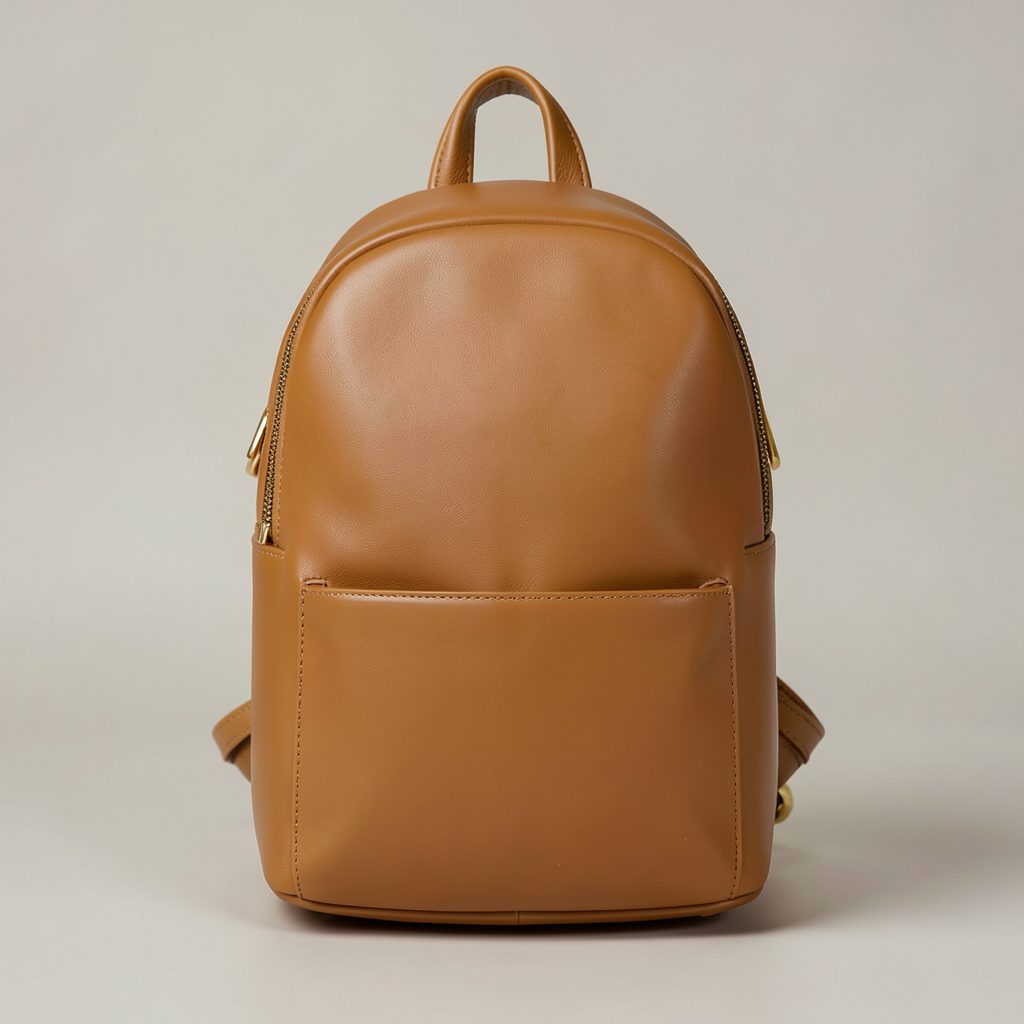
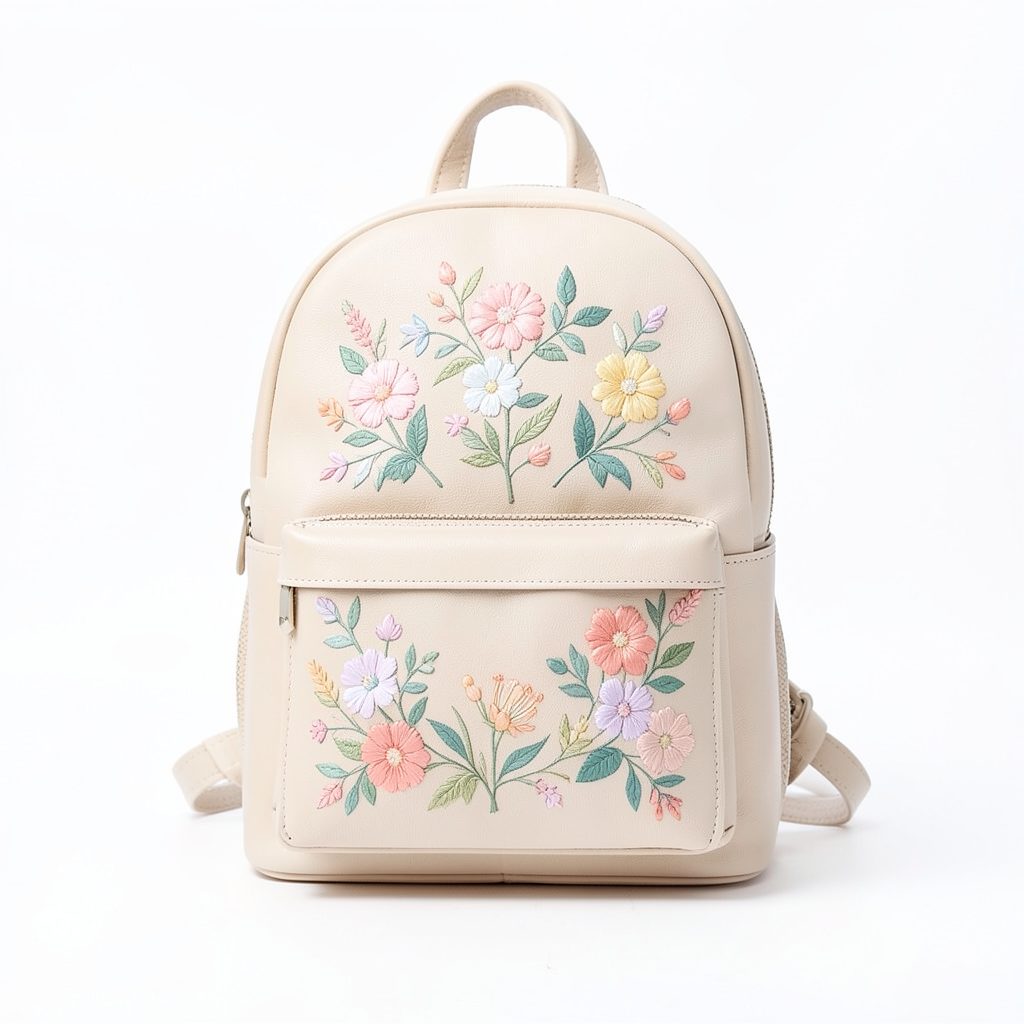
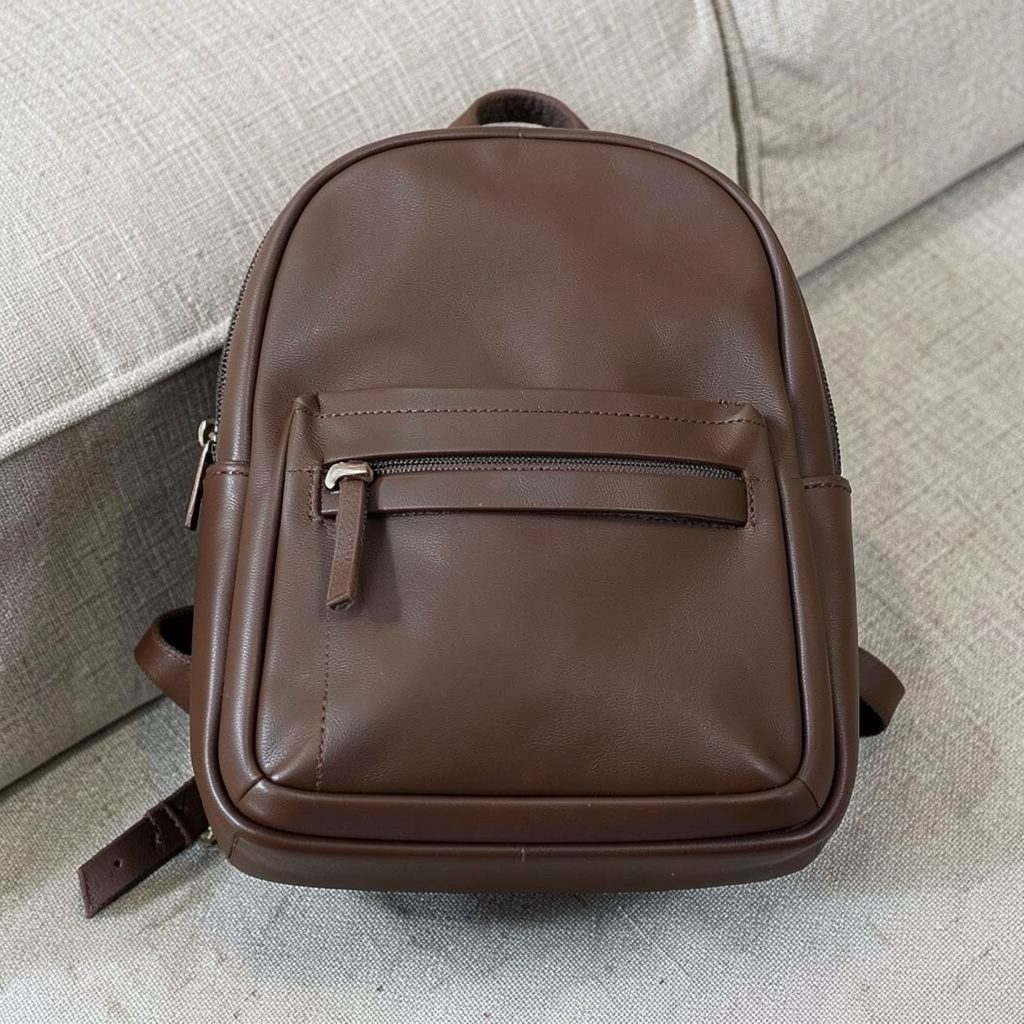
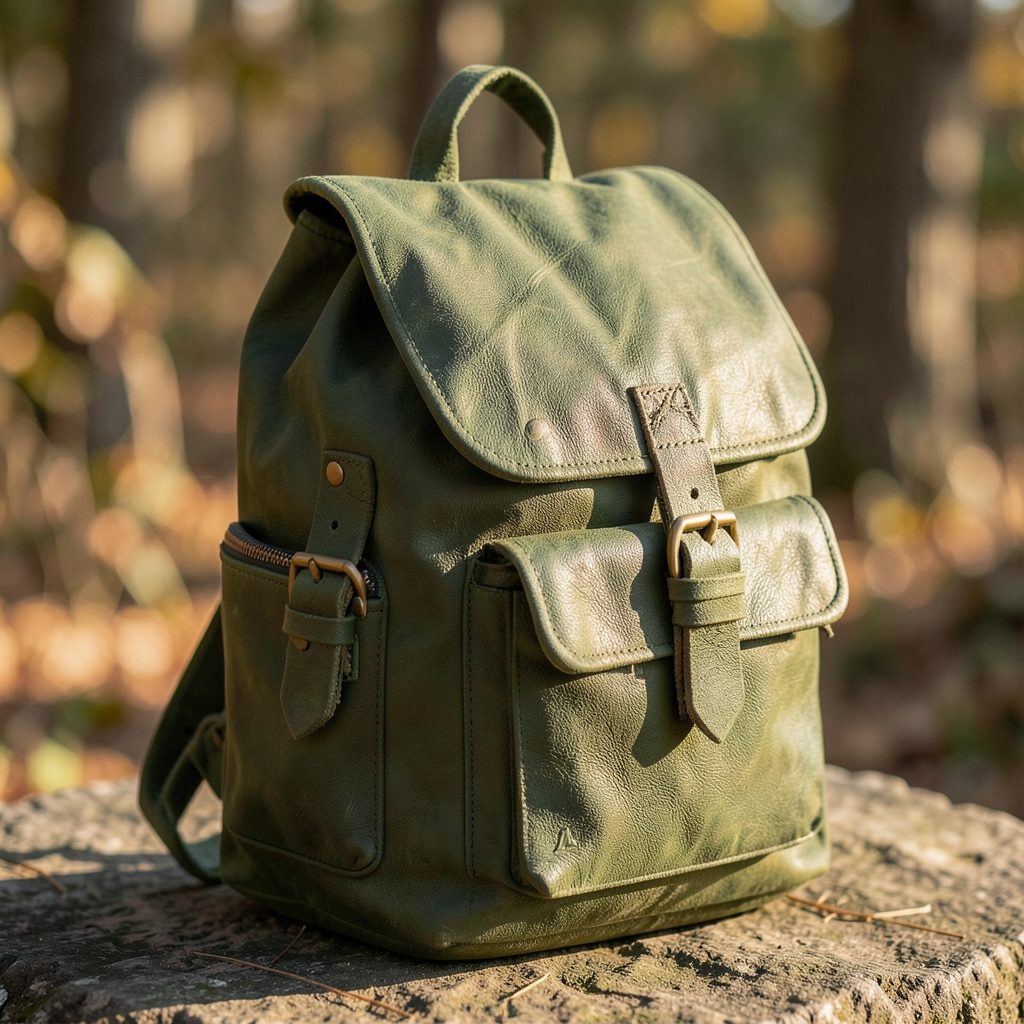
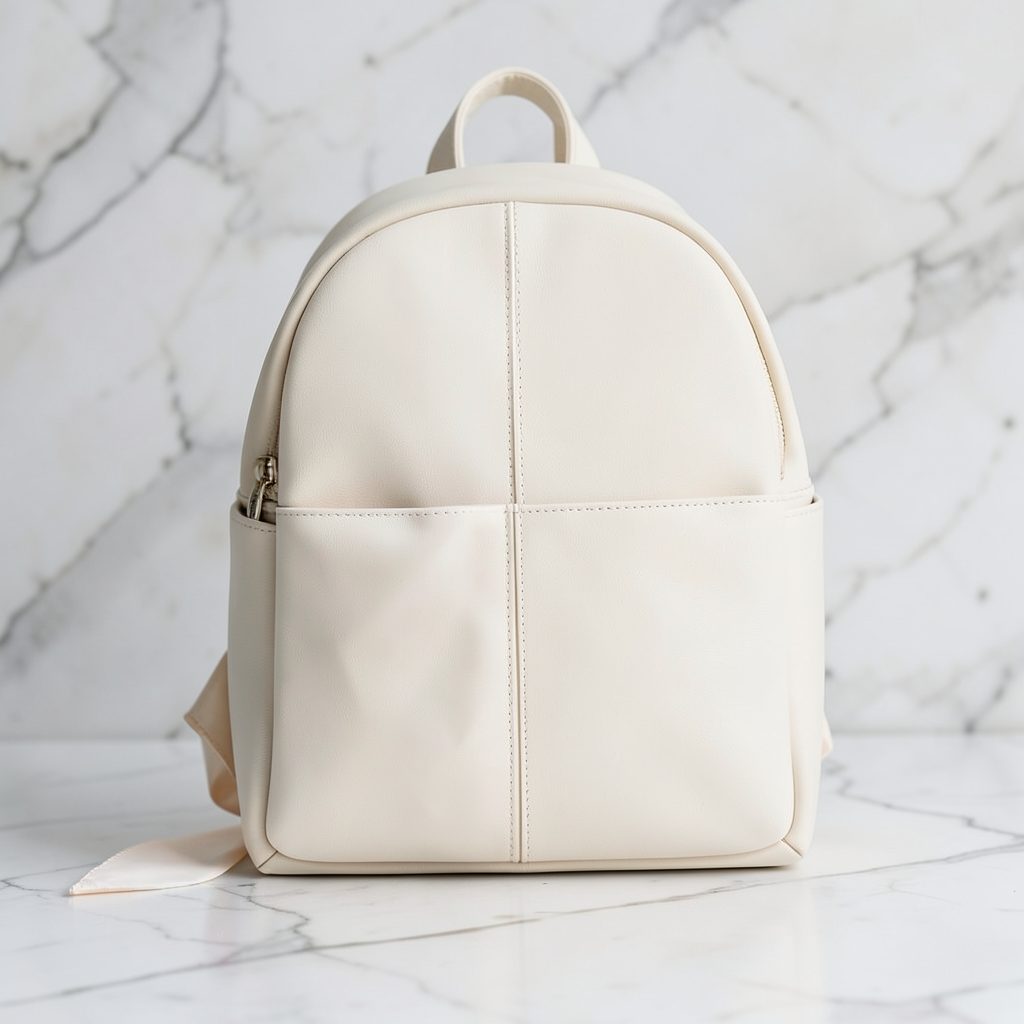
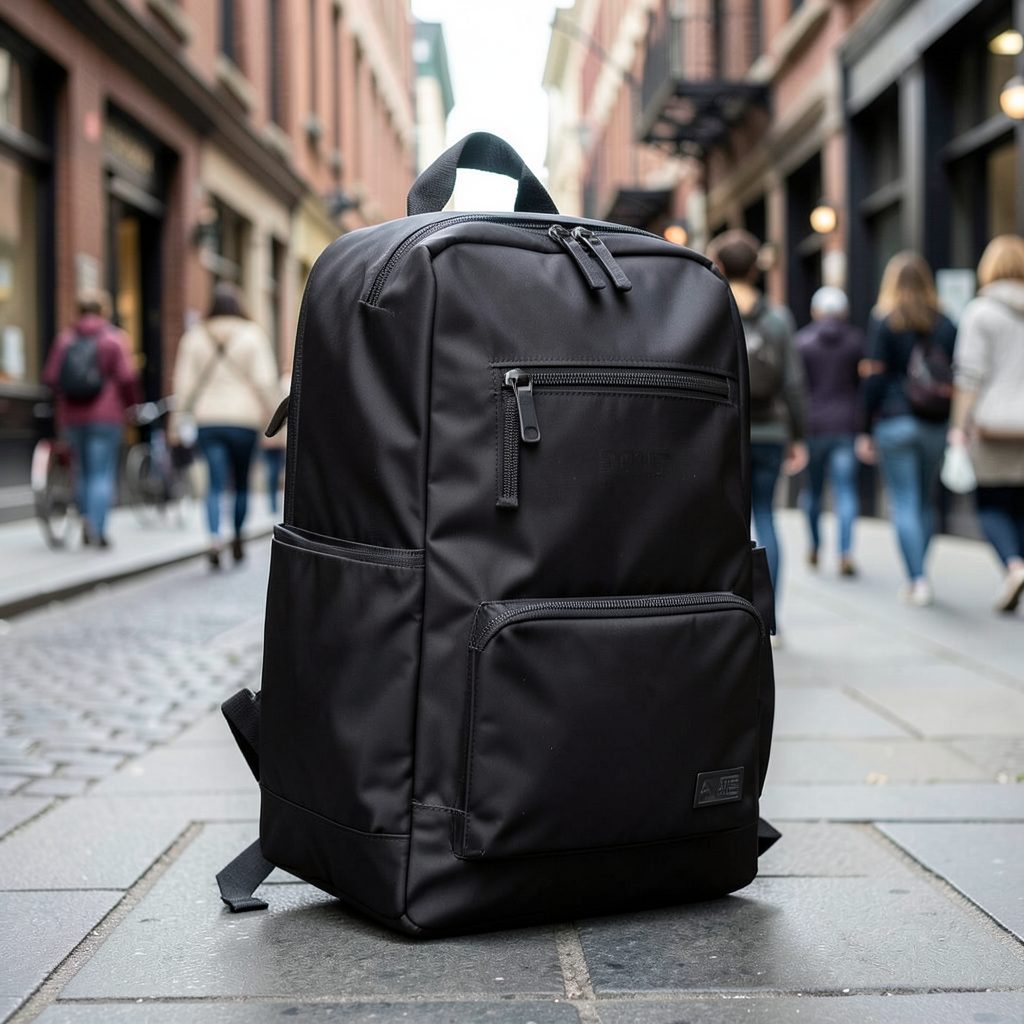
Every backpack is crafted from premium vegan leather with thoughtful details — multiple pockets, removable straps, and colors that work with any wardrobe. Browse the lineup below.