The best vegan leather bag for a solo trip to a big city
Solo travel through a big city asks more of a handbag than a decorative accessory. You move between stations, cafés, galleries and hotel lobbies with one person responsible for every item. The right bag keeps your phone, wallet, keys and water bottle secure without turning a short walk into a shoulder workout, and it still looks good when you need to feel a little more put together.
Vegan leather can deliver that balance, but the label covers several different materials. Polyurethane, PVC and recycled-backed alternatives vary in weight, flexibility and how they cope with heat, rain and constant handling. Animal-free does not automatically mean low impact, so the best choice is the one whose construction, care needs and expected lifespan suit your trip.
Think about the bag as part of your travel system rather than a fashion purchase. A compact daypack might suit a packed itinerary; a crossbody bag can be easier to manage on crowded transport. Whichever direction you take, check the measurements, closure and comfort while carrying your normal load, especially when shopping for an Australian market where currency, returns and local weather add practical detail.
Why material and security matter on the move
Vegan leather describes material made without animal-derived ingredients, but its environmental performance depends on the fibre, coating and backing. Polyurethane and PVC dominate the category, while some designs use recycled or bio-based layers. Look for a stated composition, credible recycled-content details and clear care instructions rather than treating the word sustainable as a guarantee.
Heat is a genuine test in Australia. A bag left in a hot car or under direct summer sun may dry out, soften or develop a tacky finish, particularly if it is thin PU. A lined, structured design with covered seams is usually more reassuring than a soft pouch, and a dark colour can disguise travel marks. Always check how the manufacturer expects you to clean it.
For solo travel, security can outweigh fashion. Look for a fully closing zip or flap, a strap that resists snagging, and a rear pocket that is difficult for another passenger to reach. An RFID-blocking lining adds protection for cards, while a concealed inner pocket improves pickpocket resistance. Keep frequently used items in front and your passport in the least accessible compartment.
Matching your bag shape to the itinerary
Crossbody bags and totes suit different city plans. For a typical solo itinerary built around public transport and sightseeing, a compact crossbody is the most versatile option because it keeps both hands free and stays close to your body. A tote handles a laptop, a light jumper and a picnic lunch better, but needs a secure closure rather than an open top. Choose the smallest shape that covers your actual essentials.
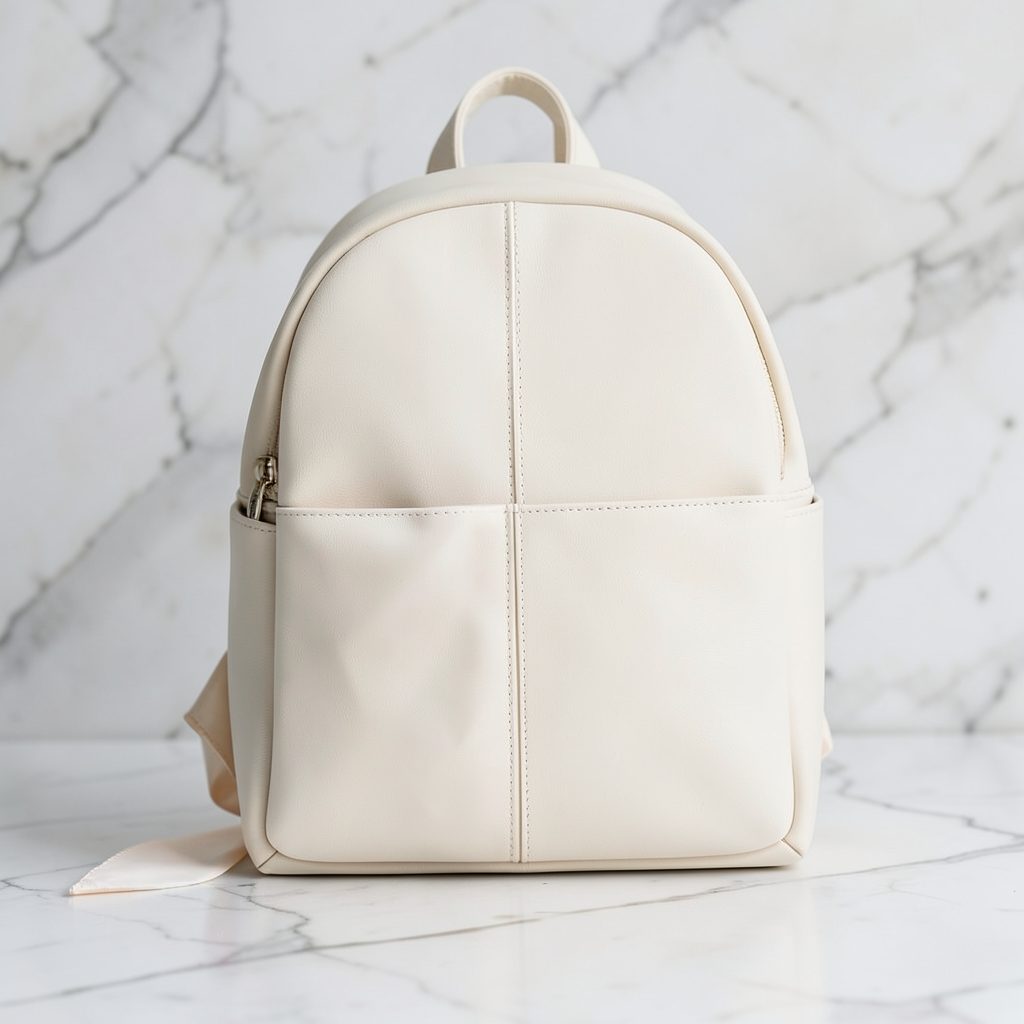
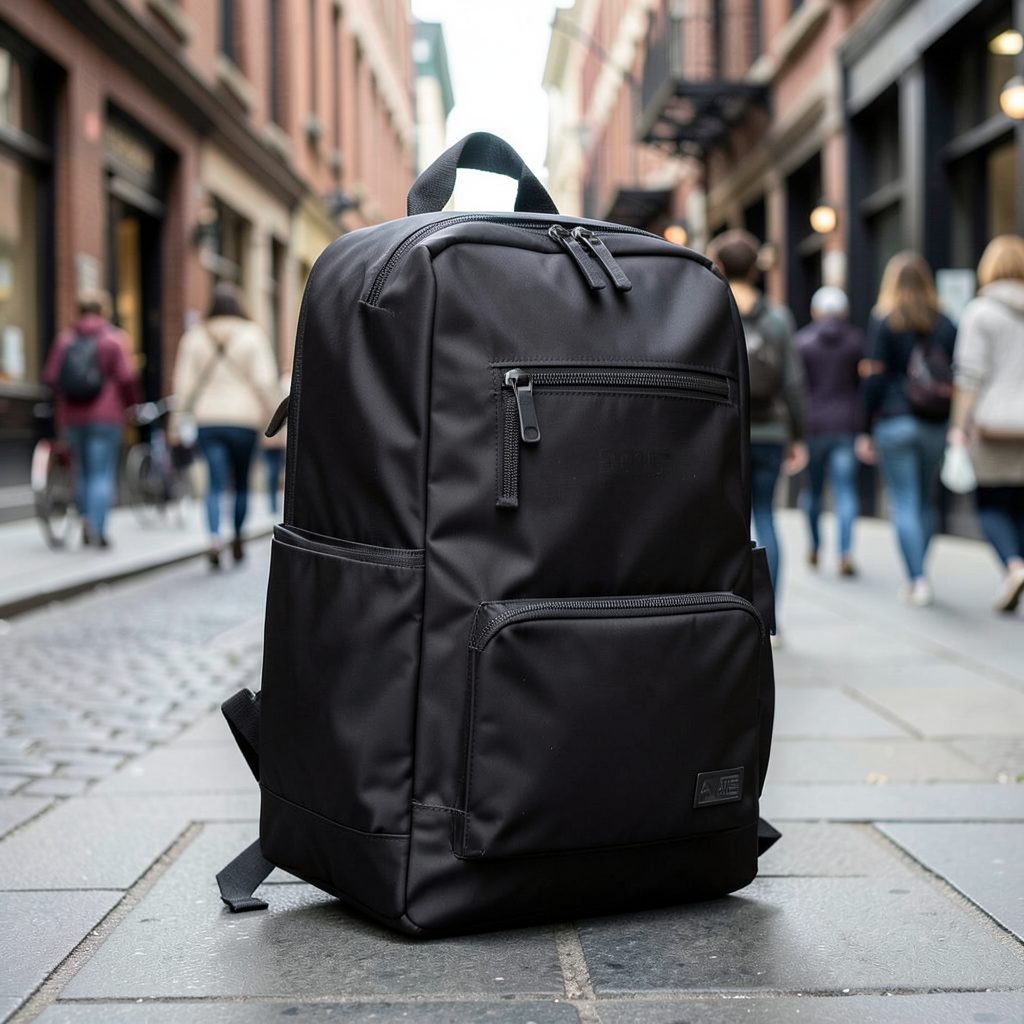
A small backpack is useful when your itinerary includes long walks, a change of weather or a day trip beyond the centre. Padded shoulder straps and a padded back panel make a difference once the bag is loaded. If you also have a cabin case, a daypack should be easy to stow underneath the seat without adding bulk to your main luggage.
A softer bucket silhouette offers another compromise. For a relaxed day bag, the tassel bucket bag shows how a bucket shape and decorative tassel can soften a practical carryall. Check whether the opening has a secure inner clip, how the strap adjusts and whether the base sits flat before choosing it as your main city bag.
Built for Australian cities and everyday transit
City transport sets the rules for your bag. Sydney’s Opal system makes buses, trains, light rail and ferry trips convenient, and eligible contactless cards can also provide daily and weekly caps. In Melbourne, the extensive tram network can simplify the centre, yet boarding and alighting with a bulky bag can slow you down. A slim profile and a closure that stays shut in a crowd are valuable features.
Brisbane’s humidity and sudden summer downpours make water resistance and protected zips more useful than an open outer pocket. Adelaide’s free city-centre trams make short hops easy without buying a ticket for every journey. These local conditions favour lightweight, wipe-clean materials and a compartment that keeps damp items away from your phone and wallet.
A bag also becomes part of how you remember a journey. Instead of filling every pocket with souvenirs, keep a small notebook and photograph one interesting doorway, sign or market stall each day. For visual inspiration, this design studio offers a useful reference for turning those fragments into a cohesive travel journal without adding bulk to your luggage.
Comparing the main bag formats
Capacity is easiest to judge when it is linked to purpose. The figures below are sensible planning ranges rather than promises, because shape can leave useful space unused. Compare empty weight as well: a roomy bag that feels comfortable empty may become uncomfortable after a full day of walking.
| Format | Typical planning range | Strongest feature | Main trade-off |
|---|---|---|---|
| Compact crossbody | 5–9 litres | Hands-free access and a close-to-body profile | Little room for bulky purchases |
| Everyday tote | 10–16 litres | Simple access to larger everyday items | An open top is quicker to use but harder to secure |
| Lightweight daypack | 15–24 litres | Balanced carrying for walks and extra layers | Can look bulky when overfilled |
| Bucket bag | 7–13 litres | Relaxed style and easy access to small essentials | A cinched opening needs an inner clip for busy areas |
Your itinerary should decide which column matters most. A crossbody is usually the easiest bag to manage alone because it stays close to the body. A tote can be smarter if your day includes a laptop, while a backpack wins when you are carrying a water bottle, extra layers and a camera. For a typical city trip combining transport and long walks, either a compact crossbody or a lightweight backpack offers the strongest balance.
Australian shoppers should read the total price, not just the sale figure. Check that checkout displays Australian dollars and includes GST, and compare dimensions with something you already own. A clear returns policy, tracked delivery and a fault-remedy process aligned with Australian Consumer Law add meaningful value. Free worldwide shipping is useful, but it cannot compensate for poor sizing or a strap that digs in.
Health essentials deserve a place in the plan, too. Keep prescriptions in their original packaging. Use travel health information as a starting point, then confirm medicines, doses and import rules with an Australian pharmacist or GP rather than relying on a website alone.
Recommendations for choosing and packing your city bag
A day bag should carry what you repeat, not every possibility. Plan one complete day, including a hot afternoon, a cool evening and a bus ride with no luggage rack. A small organiser for cards, a cable and sunscreen can stop loose items from searching through the main compartment. A slim zip pouch also gives wet umbrellas and damp layers a separate home.
If your day bag must do double duty as a personal-item bag, this day-pack guide shows how to balance access, storage and comfort for old-town walks. Try the straps after packing. A secure fit against your back is more valuable than a slim profile when you are moving through unfamiliar streets.
- Choose a compact crossbody for frequent transport and short walks; it keeps both hands free and stays close to your body.
- Choose a small backpack for long sightseeing days, but check that the padded straps feel comfortable under load.
- Select a secure zip, flap or inner clip so a crowded platform does not turn your bag into an open-access handbag.
- Test the bag empty and with your usual daily load; comfortable straps matter more than an attractive shape.
- Check litres, dimensions and airline rules before buying, especially if the bag will serve as your personal item.
- Pack a bottle, broad-spectrum sunscreen, a light rain layer and only the clothing layers you expect to wear.
Getting a durable bag that suits your stride
Comfort becomes durability when you carry a bag for several hours. The backpack buying guide is useful for understanding the relationship between litres, straps and load distribution. Choose a design that holds its shape when empty, then add the weight of your usual day kit. Volume should suit your body rather than a generic idea of what counts as a cabin bag.
Australian domestic airlines commonly ask passengers to keep cabin bags within seven kilograms, although limits and sizer dimensions differ by airline and fare. Check the current allowance before buying, and try the bag as your under-seat item if that is your plan. A compact crossbody or tote can also serve as a personal item under some carrier rules, leaving room for a larger suitcase without overpacking.
Care instructions matter just as much as the hardware. Wipe vegan leather gently with a damp cloth, avoid harsh solvents and do not leave it in a hot car or full summer sun. During Australia’s warmer months, carry a lightweight rain cover if the seams are not waterproof. A repairable strap or replaceable zip pull can add years of useful life.
Make your next solo city trip simpler
Personalise the bag so it is recognisable without advertising where you stay. A small woven tag, muted luggage strap or removable charm can help you spot it on a rack or café table. Keep emergency contact details offline, save your accommodation address in your phone, and tell one trusted person where you are heading when plans change.
When you are ready to shop, browse Travel Starter Pack’s collection of animal-free backpacks, crossbody bags, totes and wallets, then compare each design against your itinerary rather than its styling alone. Look for sale items, new colours and measured dimensions, and use the brand’s newsletter to catch arrivals and offers before your departure date.
Choose the bag that lets you move through Sydney stations, Melbourne tram stops or a weekend market without checking every pocket. Your bag should carry the day smoothly, leaving your attention for the city around you.
Explore the range, select your ideal carryall and take advantage of free worldwide shipping and order tracking for your next solo city break.
Our Backpack Styles
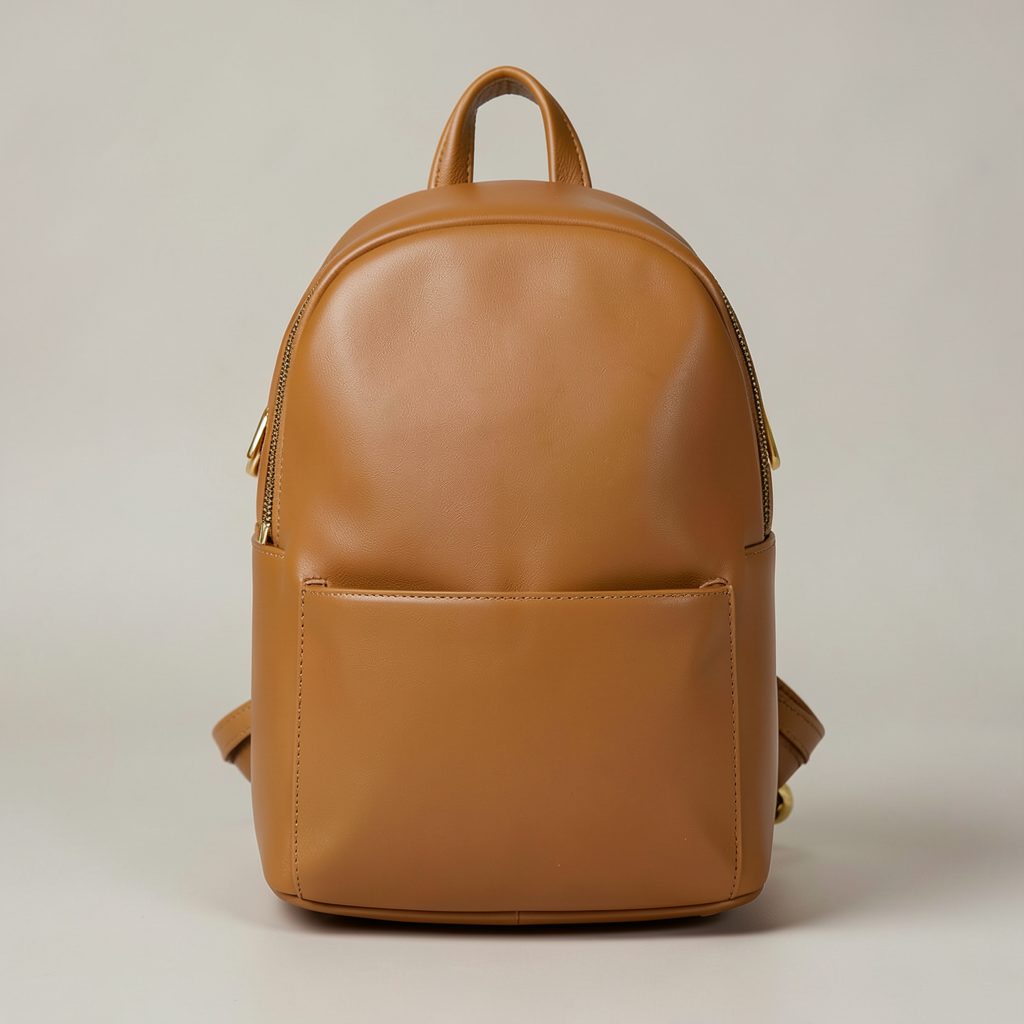
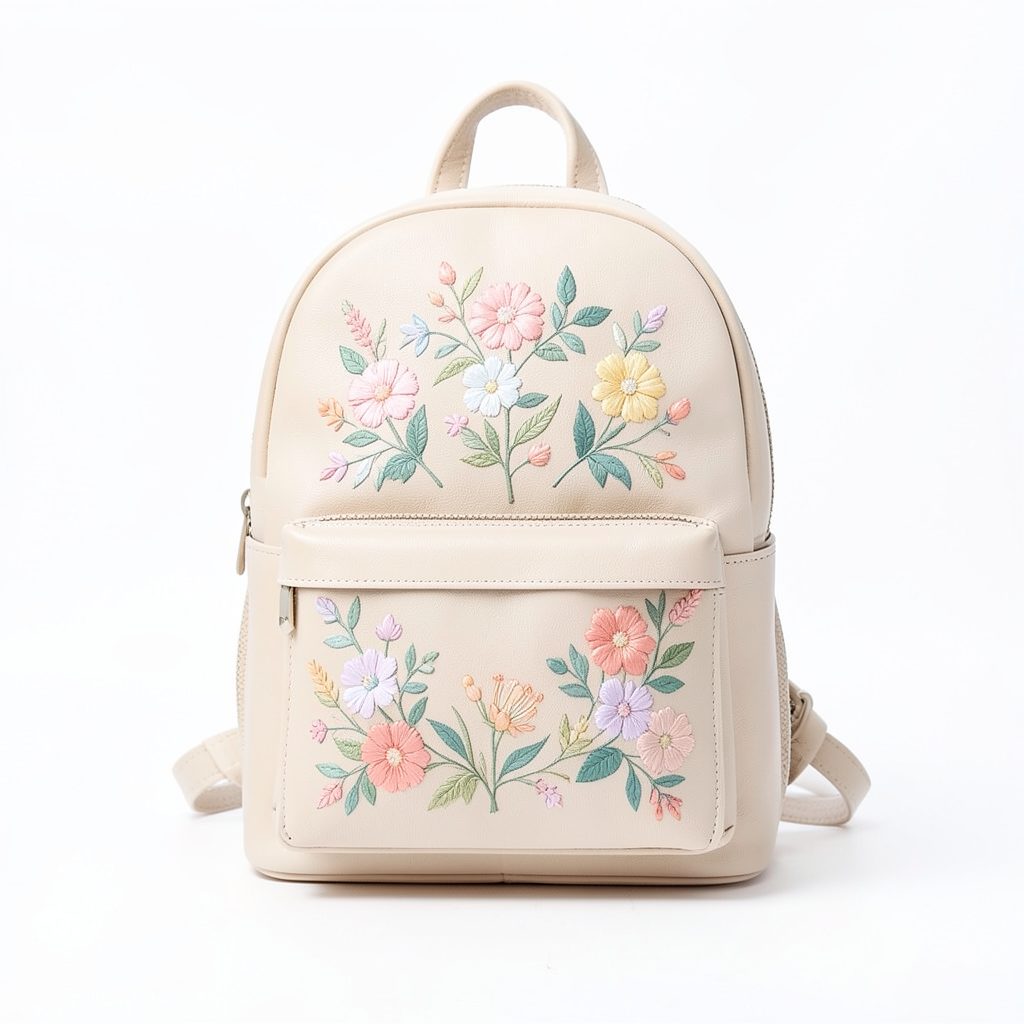
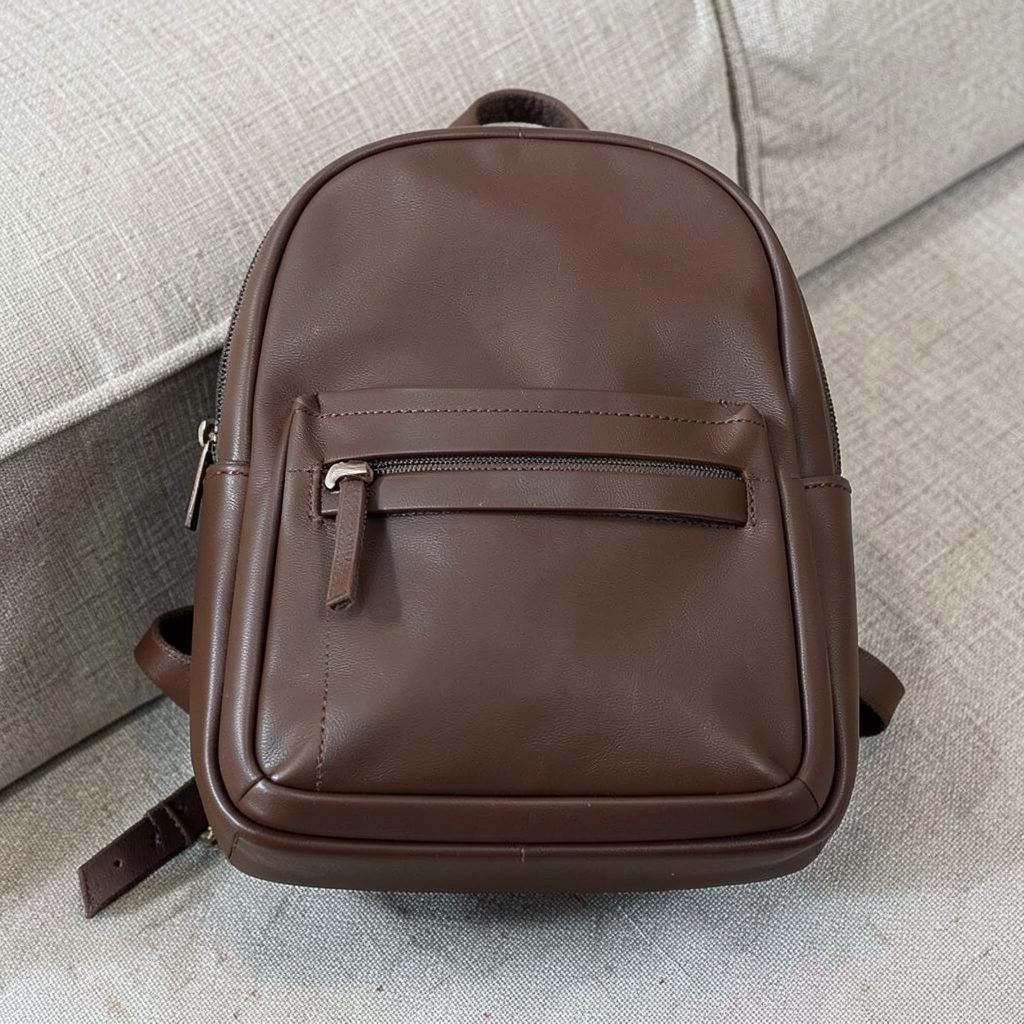
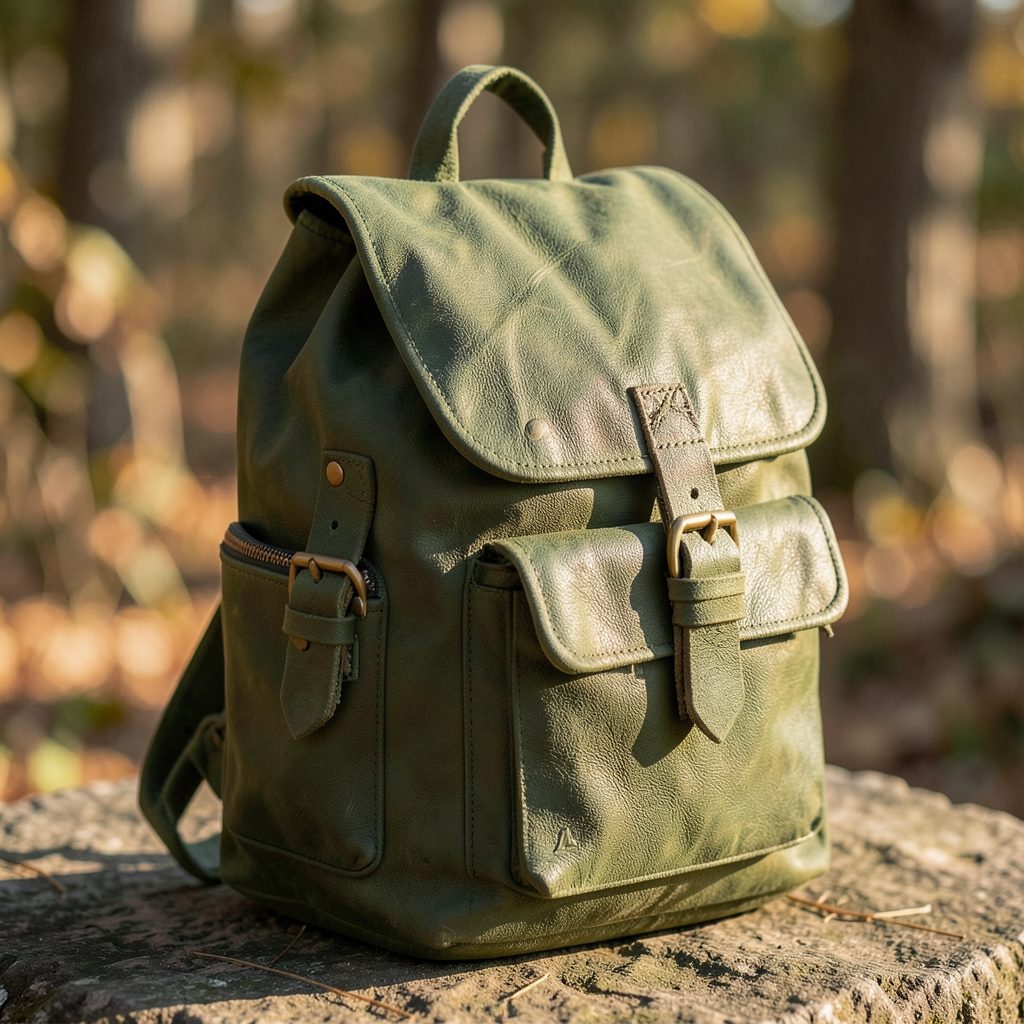
Every backpack is crafted from premium vegan leather with thoughtful details — multiple pockets, removable straps, and colors that work with any wardrobe. Browse the lineup below.