The Best Vegan Leather Bag for a Library Research Day
A full day in a library or archive calls for a bag that works harder than a simple everyday handbag. You may need to carry a laptop, charger, notebook, pencils, headphones, a water bottle, reading glasses and a light layer, while keeping everything organised enough to reach without disturbing a quiet study room. The right vegan leather design should feel polished, supportive and practical from the first catalogue search to the final train ride home.
For Australian researchers, the setting can change throughout the day. You might begin at the State Library of Victoria, take a tram across Melbourne, and finish with notes in a café, or move between the State Library of New South Wales and a university collection in Sydney. A reliable library bag needs to handle public transport, variable weather, security checks and long periods of sitting while protecting your essentials.
What A Research-Day Bag Needs To Carry
The most useful size is usually medium to generous rather than oversized. A bag should fit an A4 notebook or document folder without forcing the corners to bend, with room for a tablet or compact laptop in a protected compartment. Look for enough depth for a pencil case, charging cable, glasses case and reusable bottle, while avoiding a shape so large that it becomes difficult to manage beside a reading-room chair.
A structured tote is often the best choice when your day is centred on a library desk. Its wide opening makes it easy to see your equipment, and two sturdy handles allow it to sit neatly beside you. A zip-top tote is particularly useful in busy buildings because it keeps contents secure while you walk between floors or browse a bookshop afterwards. Travel Starter Pack’s range of vegan leather tote bags offers styles that can bridge research, commuting and everyday errands.
Weight matters as much as capacity. A bag that feels manageable in a shop can become tiring after several hours when loaded with a computer and books. Check the handle drop, base construction and overall balance before choosing. Soft but durable vegan leather can provide a refined appearance without adding the bulk associated with some heavy traditional materials.
Tote, Backpack Or Crossbody For Archives
A tote is ideal when you need frequent access to your belongings. It works well for researchers who move between a desk, photocopier and reference shelves, and it can accommodate a folder of loose notes more naturally than a narrow crossbody. Choose a flat base so the bag remains upright and a reinforced handle attachment so the weight does not pull at the seams.
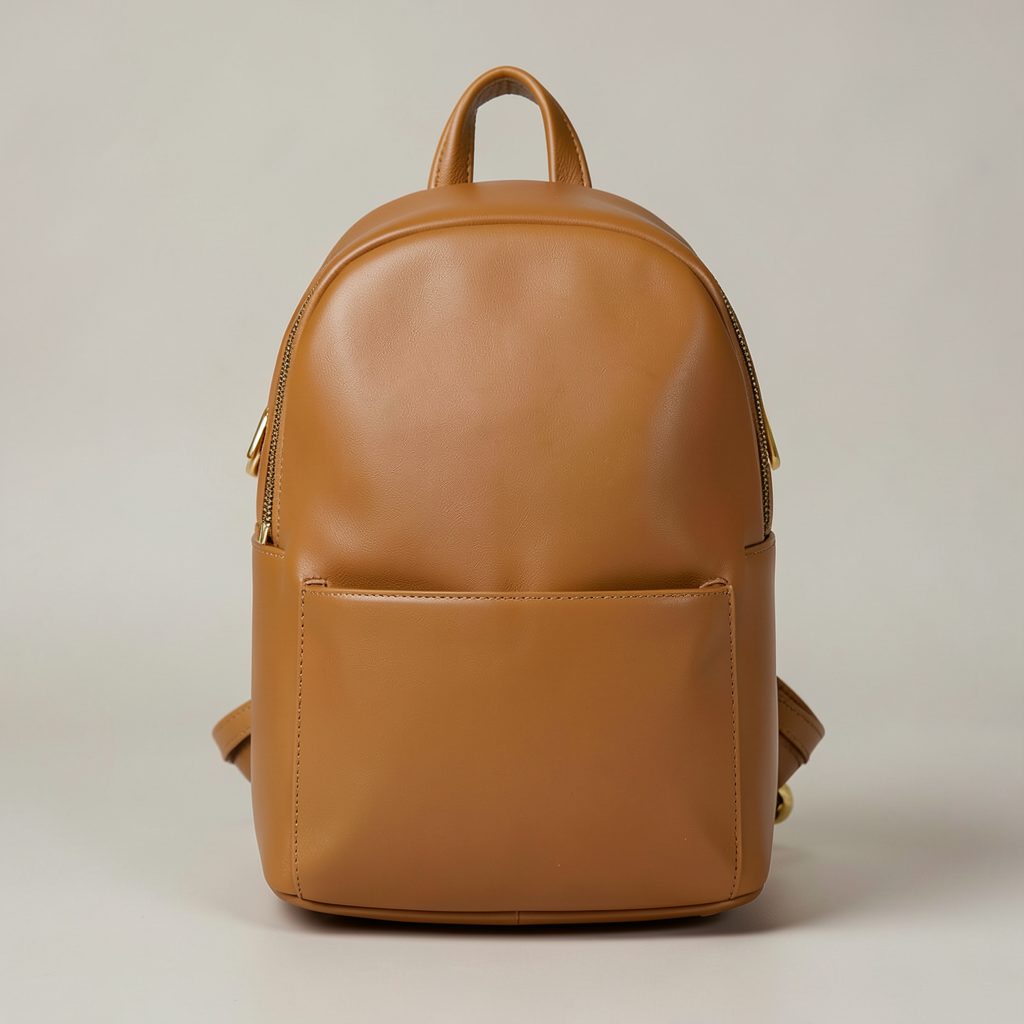
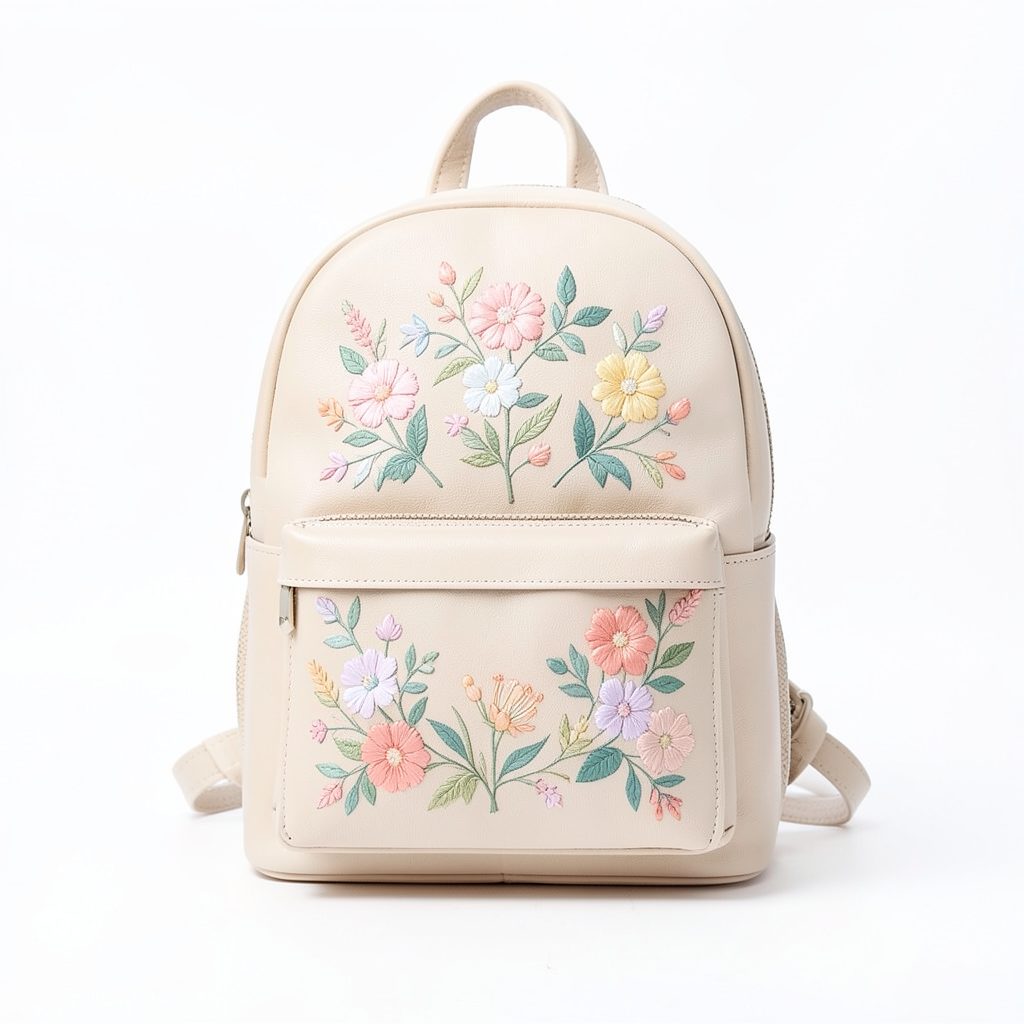
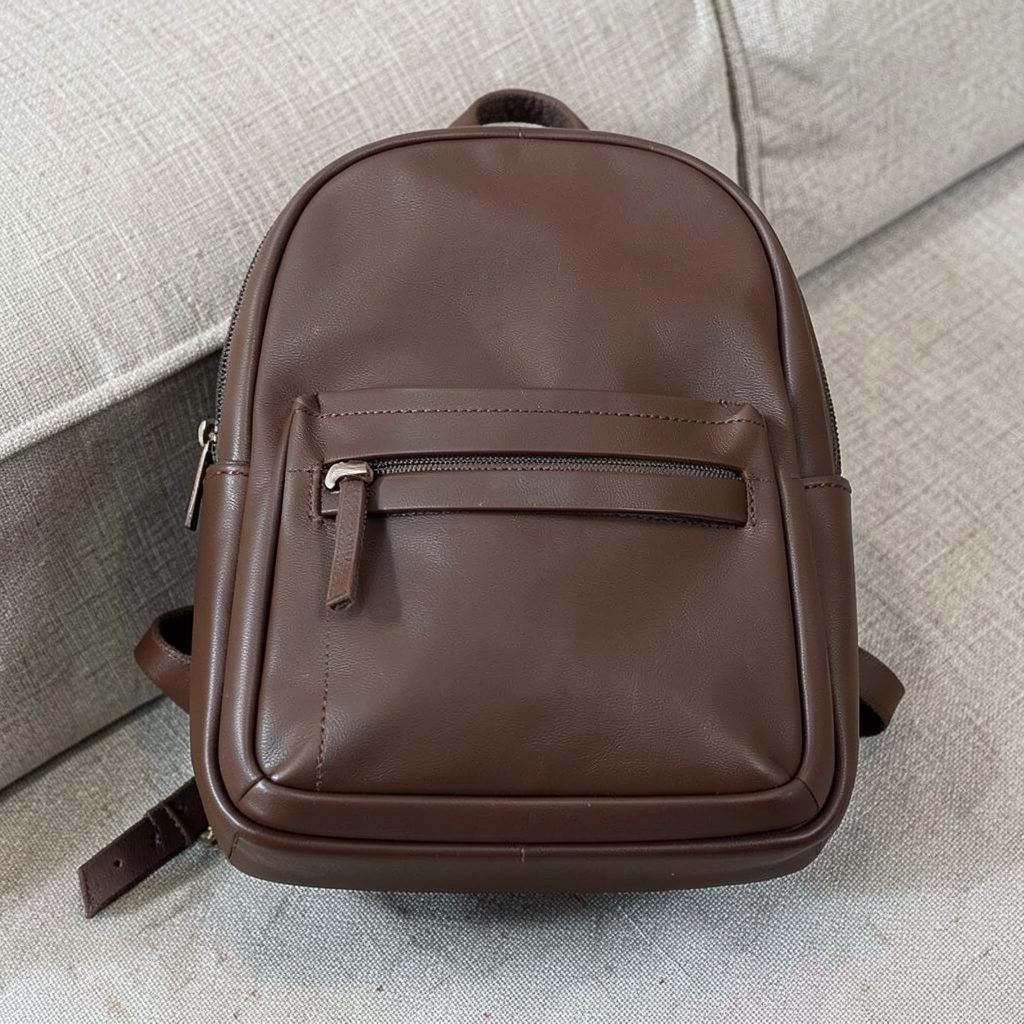
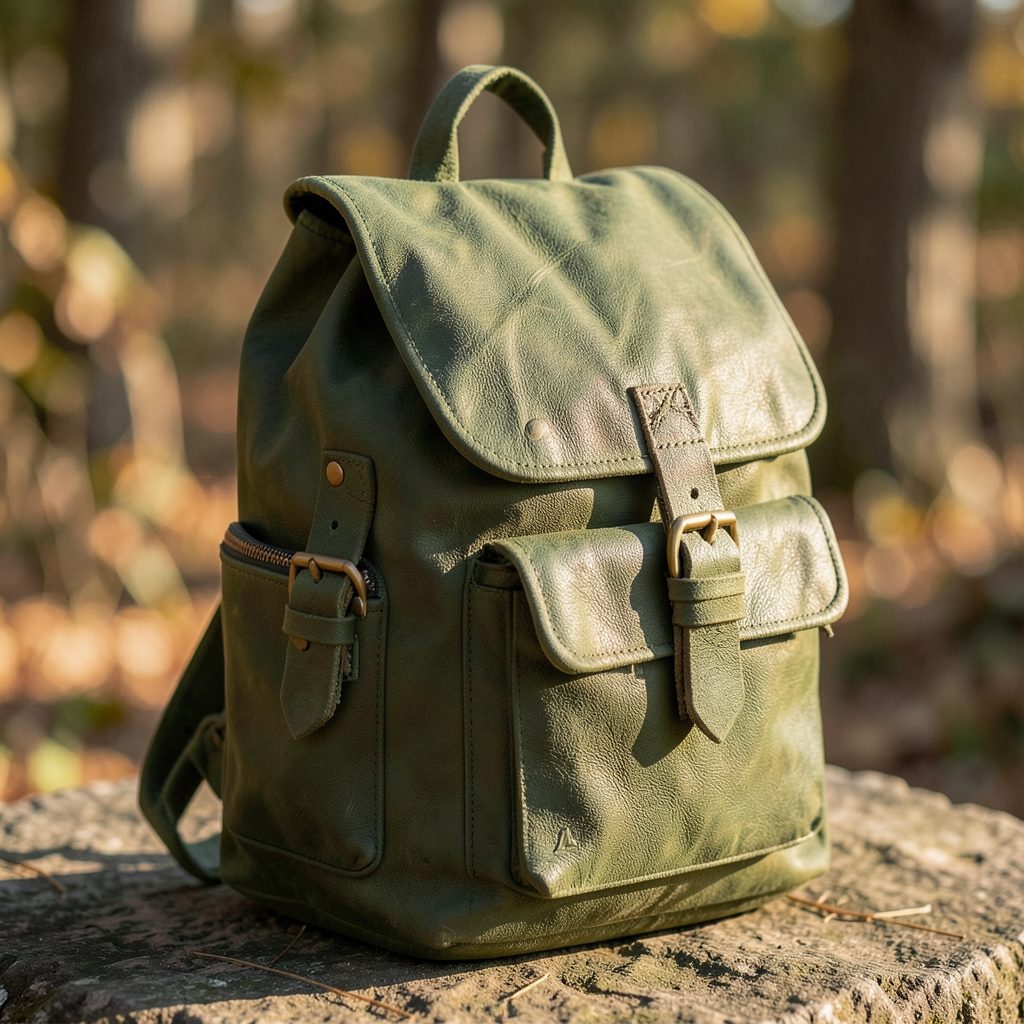
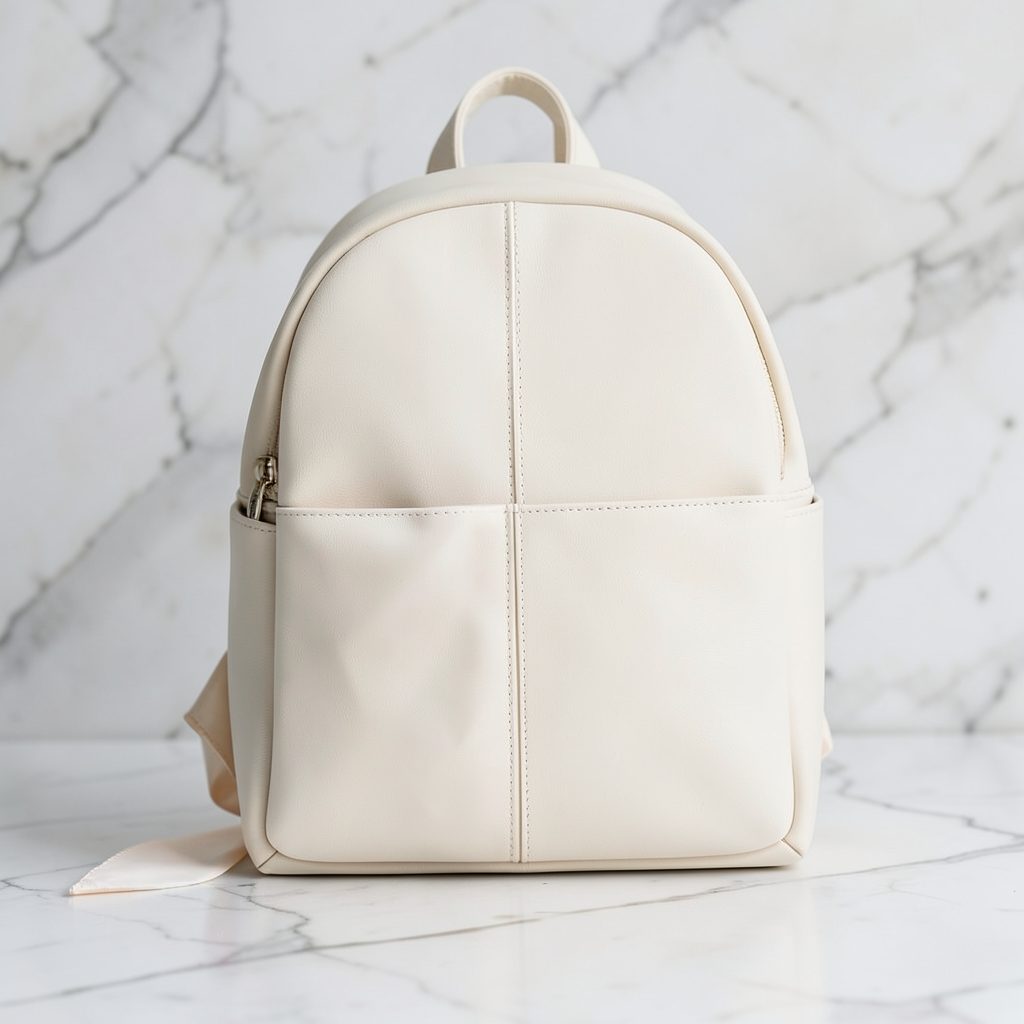
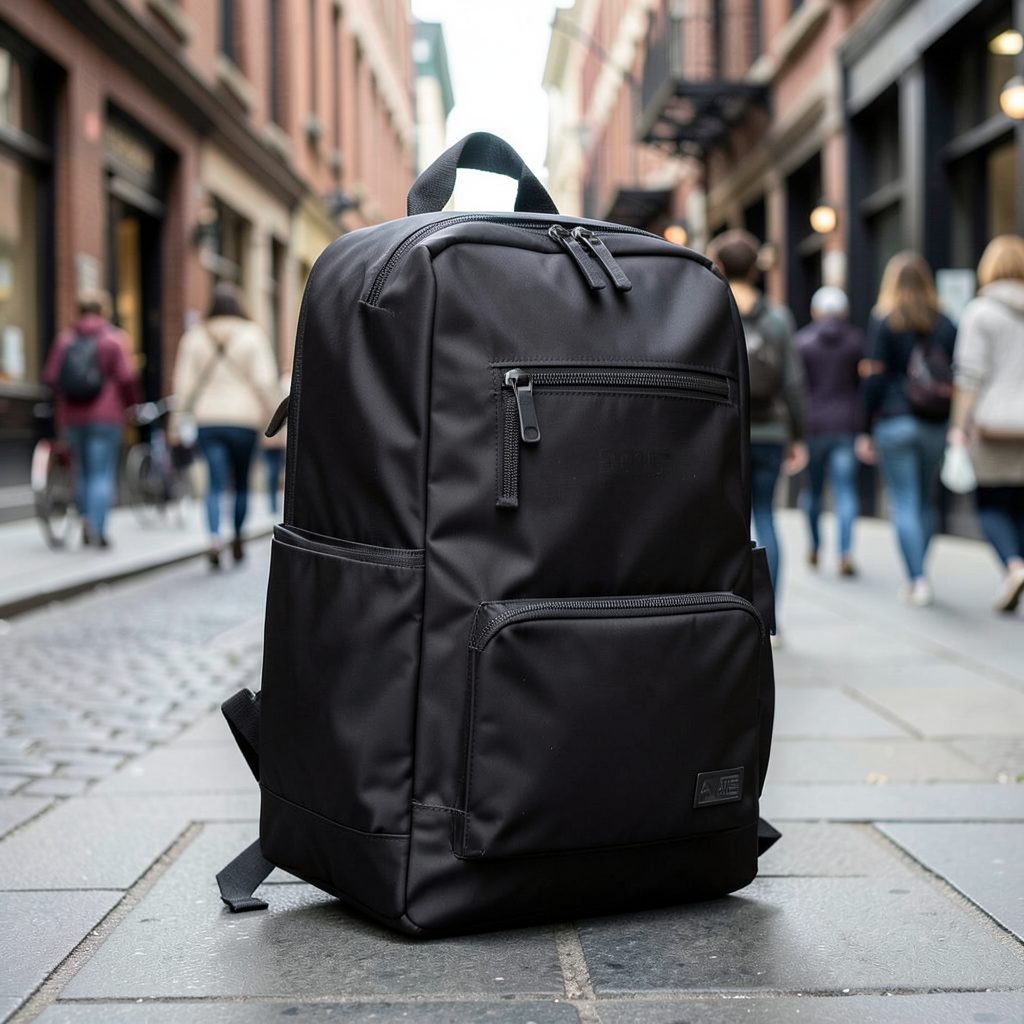
A backpack is often better for a long commute or a day involving several institutions. Distributing weight across both shoulders can make a laptop and research materials easier to carry through Central Station, Flinders Street Station or a university campus. Padded straps, a breathable back panel and a separate laptop sleeve are worthwhile features, especially when you are walking between train platforms or dealing with a warm afternoon.
A crossbody bag suits lighter research sessions, particularly when you are carrying only a tablet, notebook, phone and wallet. It keeps your hands free for checking catalogue references or holding a coffee, though its capacity is limited. If you choose one, look for a wide adjustable strap and an internal pocket that prevents small items from collecting at the bottom. For a longer archive visit, a crossbody can work as a secondary organiser inside a larger tote or backpack.
Vegan Leather Features Worth Checking
Vegan leather is available in different finishes, so pay attention to the texture and construction rather than choosing by appearance alone. A smooth finish can be easy to wipe after a commute, while a lightly pebbled surface may disguise small marks from daily use. Strong stitching, reinforced corners and quality hardware are better indicators of longevity than a glossy finish.
Interior design makes a major difference during research. A padded laptop sleeve protects technology from bumps, while a zipped compartment gives passports, keys and memory cards a secure home. Open slip pockets are useful for a phone, transport card and lip balm. If you carry archival pencils, sticky notes or USB drives, a small accessory pouch can stop them from disappearing beneath larger items.
Water resistance is valuable in Australia, where a bright morning can turn into a sudden shower. It does not make a bag waterproof, so sensitive documents should still be stored in a sleeve, but a wipe-clean exterior can protect against light rain and spilled drinks. Pale colours may show marks more quickly, while black, deep brown, navy and burgundy tend to suit frequent commuting and professional settings.
Staying Organised In A Quiet Reading Room
The best library bag reduces the number of times you need to unpack everything. Use separate sections for technology, stationery and personal items, and keep your most-used objects near the top. A slim notebook, pen and phone should be accessible without rummaging through cables or lunch containers. This small amount of preparation also helps you work quietly in rooms where zips and loose objects can quickly become distracting.
Archive rules may require you to leave larger bags in a locker and take only approved materials to the desk. Before your visit, check the institution’s website for restrictions on bags, food, photography and laptop use. The National Library of Australia in Canberra, for example, may have different procedures from a local university library or a specialist collection. A compact inner pouch lets you transfer your essential items quickly when a locker is required.
Research days often include unrelated digital tasks between catalogue searches. You might save a Dutch support resource for a separate project, compare a health shopping page that appeared in your browser history, or review a wellness website while sorting personal bookmarks. Keeping these activities in separate browser folders and using a private, secure connection is sensible, particularly when working on a public library network. Your bag can support that organisation with a dedicated cable pouch and a discreet document compartment.
Making The Bag Work Around Australia
Weather and transport should influence your choice. In Melbourne, a research day may involve trams, narrow platforms and a walk through wind or rain, so a zip closure and comfortable shoulder carry are useful. In Sydney, a lighter bag can be more comfortable when you are moving between the CBD, campus buildings and ferries, while a structured base helps protect contents when you put it on the ground.
Canberra’s cultural institutions are often spread across a broad area, making a backpack practical if your schedule includes the National Library, galleries and nearby archives. In Brisbane, Perth and Adelaide, strong sunlight and warm weather make breathable straps and a lighter-coloured interior helpful. Across Australia, free library Wi-Fi can be convenient, but it is wise to keep your devices charged and carry a compact power bank in a fire-safe, well-made pouch.
Local habits matter too. Many Australians carry a reusable water bottle, Opal or Myki card, sunscreen and a light jacket even on a workday. These items take up more space than expected, so allow room without overfilling the bag. If you cycle to a campus or walk from a station, a backpack may be more secure; if you drive directly to a suburban library, a tote may offer quicker access and a smarter desk-side profile.
Choosing Colour, Shape And Everyday Versatility
A library bag does not need to look formal to appear considered. Clean lines, minimal hardware and a stable silhouette suit archive reading rooms while remaining useful for shopping, work or weekend travel. Neutral shades such as black, tan, chocolate and stone are easy to coordinate, but muted green, rust or burgundy can add personality without looking impractical.
Consider how the bag will look when it is partly full. A slouchy design may be attractive but can collapse when placed beside a chair, while a very rigid model can be uncomfortable against the body. A softly structured tote or streamlined backpack usually offers the most flexible compromise. Check that the opening is wide enough for your largest item and that the bag can be closed securely when carried on public transport.
It is also worth choosing a piece that fits into a broader travel wardrobe. A well-selected vegan leather bag can serve as a work tote, personal-item bag on a flight and daily carryall rather than being reserved for one purpose. Travel Starter Pack’s guide to building a three-piece bag collection explains how different silhouettes can cover commuting, travel and lighter outings without creating an overfilled wardrobe.
How To Select The Right Size
Start by listing what you carry on a normal research day, then add only the items you genuinely expect to use. Measure your laptop and notebook rather than relying on general size labels. A bag described as “large” may still have a narrow opening or insufficient internal depth. Look for measurements in centimetres and compare them with your equipment before ordering.
Think about security as well as storage. A zipped top is useful on a crowded tram, and an internal pocket can keep your phone and wallet away from the main compartment. If you frequently handle fragile papers, choose a design with a smooth lining and enough structure to prevent folders from bending. For archive work, avoid carrying metal drink bottles or bulky objects next to original documents unless the institution permits them.
Finally, consider how the bag feels after several hours. Adjust the straps, inspect the handle width and check whether the weight sits close to your body. Durable materials, careful construction and a practical interior will matter far more than a temporary trend. Free worldwide shipping and order tracking can also make online purchasing easier for Australian customers, particularly when you are planning around a fixed research appointment or upcoming study term.
Choose a vegan leather tote, backpack or crossbody that matches your equipment, commute and research habits, then organise it with a few dedicated pouches before your next library visit. Browse the collection at Travel Starter Pack to find a polished, animal-free bag ready for archive shelves, university campuses and everyday Australian travel.
Our Backpack Styles
Every backpack is crafted from premium vegan leather with thoughtful details — multiple pockets, removable straps, and colors that work with any wardrobe. Browse the lineup below.