Best vegan leather bag for foodie tours with a reusable water bottle
A foodie tour turns a short walk into a moving tasting room: coffee in one hand, a pastry or market snack in the other, and a bottle you do not want to leave behind. The best vegan leather bag for a foodie tour with a reusable water bottle must balance capacity with comfort. It should keep the bottle upright, protect a phone and wallet from crumbs, and leave both hands free for a tram, ferry or market trolley. It also needs to look good for a long lunch and survive a wet footpath.
Australia gives this kind of day plenty of variety. You might follow Melbourne’s coffee laneways, browse Queen Victoria Market, sample the counters at Adelaide Central Market, or work through Sydney’s riverside food halls. Brisbane’s South Bank can be humid and bright, while a coastal walk can pick up wind before a sudden shower. Local public transport, including Melbourne’s Myki and Sydney’s Opal, makes it easy to cover several stops without returning to a hotel between meals.
Travel Starter Pack’s range of vegan leather backpacks, crossbody bags, totes, wallets and accessories suits both travel and everyday use. The brand emphasises sustainable, animal-free materials and durable designs, while offering free worldwide shipping, order tracking, sale items and newsletter updates for new arrivals and offers. Choosing well comes down to three questions: where the bag will spend its time, what will be inside it, and how long it should last without looking tired.
Match the bag to your route
A long tasting itinerary calls for a different shape from a quick coffee-and-cake outing. A backpack distributes a full bottle, a jacket and several small purchases evenly. A crossbody sits closer to the body and is less noticeable in a crowded queue, while a tote is handy for market produce and takeaway containers. Choose by the transport and walking involved, not by fashion alone.
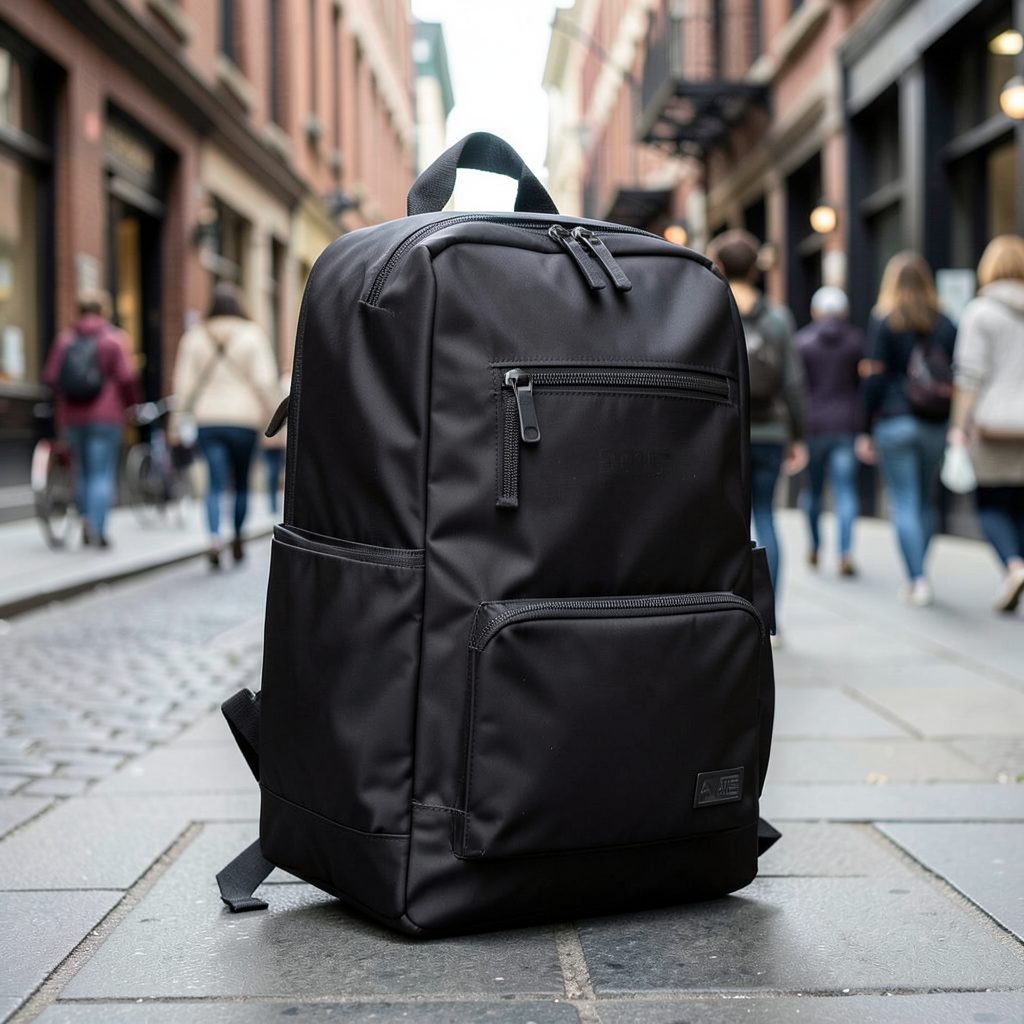
For a route that crosses neighbourhoods, the store’s guide to lightweight backpacks is a useful starting point for comparing features that make an all-day pack workable. Look for padded, adjustable shoulder straps, a flat base and a top opening that can be reached without setting the bag down. A bottle compartment should hold the base of your bottle, not merely rest against the outside panel. Zipped pockets for valuables matter once a busy food stall becomes a jostling crowd.
For most multi-stop tours, a lightweight backpack is the strongest all-rounder. A crossbody is better for a compact café crawl, especially where you want the bag to stay close to your body. Choose a tote when the plan includes a farmers market, picnic or several takeaway items. A shape that stays compact also fits more easily in a locker, under a café chair or beside you on a train.
Give the bottle a proper home
Your bottle is a fixed part of the day, so measure it before choosing the bag. A 750 ml bottle is common for a long walk, while a 1-litre bottle suits hotter days and longer distances; neither should be chosen by capacity alone. Check the bag’s stated dimensions, then compare them with the bottle’s base and total height. Leave clearance for the cap and carry loop, and test whether the opening or pocket accepts the bottle without forcing it.
Insulation and leakproofing are more useful than a decorative sleeve. In an Australian summer, an insulated stainless bottle helps keep water cool, but condensation still forms outside it. Keep the bottle away from passports, paper receipts and unpackaged food, and use a wipe-clean lining or a separate waterproof pouch. Vegan leather may be easy to spot-clean, yet it should not be treated as waterproof unless the product description says so. Direct sun on a dark bag can also fade the finish.
Plan refills around the route. Urban tap water is generally suitable for drinking, and many councils, stations, workplaces and cafés offer bottle-filling points, so a reusable bottle can replace a stack of single-use drinks. Keep it empty at airport security and fill it after screening. If you have a dietary or medical requirement, use general health information as a starting point and confirm anything important with a qualified clinician; no travel accessory replaces individual care.
Keep food stops light and organised
Food is the reason for the trip, but loose sauces and crumbs do not belong beside your phone. Bring a small reusable container, a folded napkin, a stain-resistant cloth and a clear, zip-sealed section for anything wet. Keep open food off the lining, especially in warm weather, and use an ice pack if you are carrying dairy, meat or prepared meals for later. Packaged food must still meet Australian food labelling requirements under the Food Standards Australia New Zealand Food Standards Code; cafés and other food businesses also follow state and local hygiene rules.
Your everyday essentials deserve the same protection. Keep cards, a transit card, cash and identification together in a slim travel wallet rather than letting them migrate to the bottom of a deep bag. A separate inner pouch makes it possible to hand over a card at a market stall without opening the main compartment. If you carry a phone, choose a padded divider or a soft sleeve that will not scratch when you set the bag on a rough market table.
Australian food markets often reward flexibility. Bring a washable produce bag for fruit and vegetables, and expect to move between independent cafés, food festivals, bakeries and specialist grocers. Many venues accept cards, but a little cash can help at a small stall or when the connection fails. Several states and councils are restricting single-use plastics, making a reusable bag a useful extra rather than disposable clutter.
Stay comfortable from market to tram
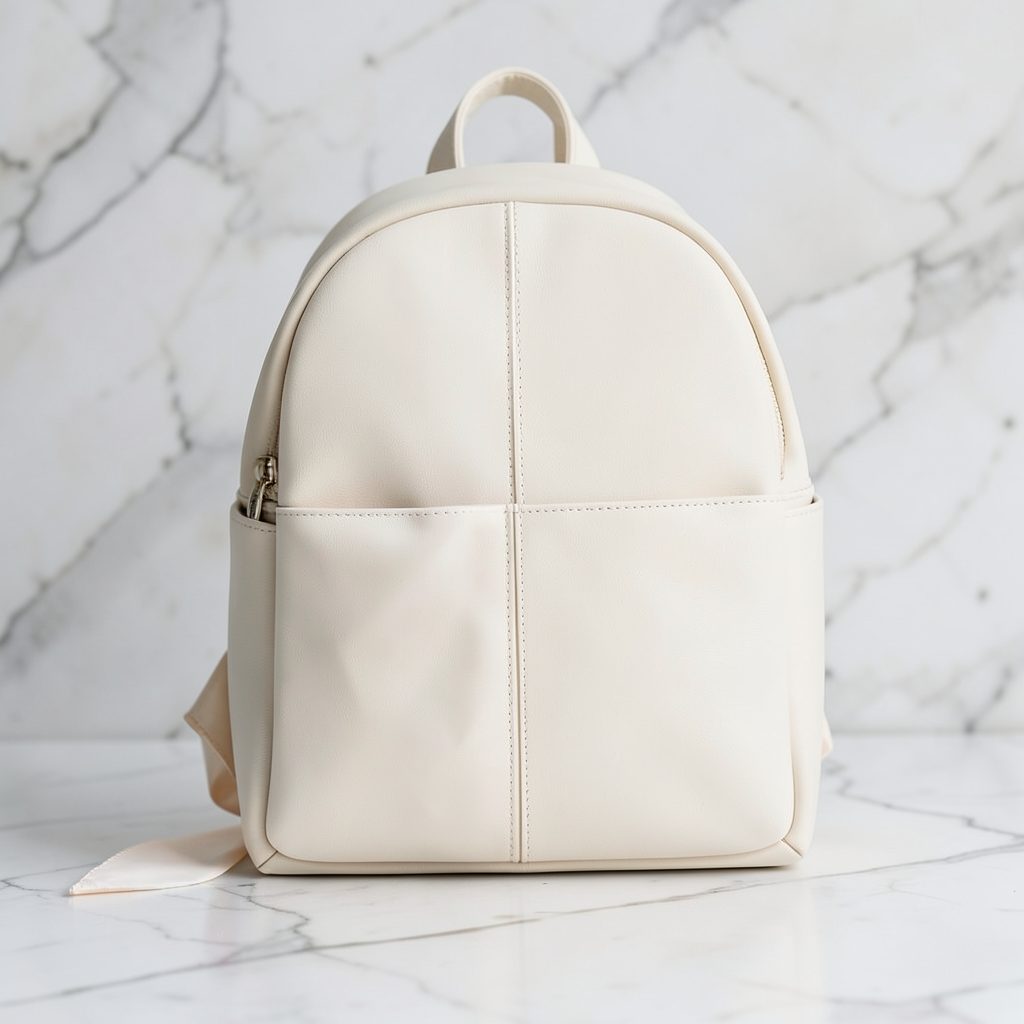
Start with a fit check, not a colour check. The bag should rest close enough to your back or hip that it does not bounce when you walk, and the strap should distribute the bottle’s weight rather than digging into one shoulder. Try it with your actual bottle, phone, wallet and a light layer. A lightly structured vegan leather backpack can look polished for dinner while still working for a long day; a soft tote may need a separate base or insert to stay upright.
Weather changes the equation. Melbourne can deliver a cool morning and rain within the same afternoon, while Adelaide and inland Australia can become hot and dry very quickly. Sydney’s coastal breeze and Brisbane humidity can pull moisture into seams. Wipeable material helps with splashes, but storage and construction matter too. A covered zip, reinforced strap attachments and a bottle pocket that does not leak into the main compartment are valuable features in real conditions. Store a power bank in a protected pocket, not beside a damp bottle.
For public transport and busy footpaths, less bulk is usually better. Keep bulky purchases in a foldable tote rather than forcing them into a small bag, and use a refillable bottle so you are not carrying an empty container all day. Look for a strap you can adjust one-handed, and check that metal fittings do not catch on crowded Opal or Myki gates. These details are easy to overlook online but determine whether a bag feels pleasant after the fourth stop.
Compare features before you choose
Look beyond the labels vegan and sustainable. The material description should say what the bag is made from, and the care guide should explain cleaning, heat exposure and expected lifespan. Vegan leather may be polyurethane or another synthetic material; adhesives, dyes and edge finishes also affect environmental impact. Under the Australian Consumer Law, part of the Competition and Consumer Act 2010, businesses must avoid misleading claims and match their description. That makes a clear product specification more persuasive than a vague green promise.
Travel Starter Pack offers backpacks, crossbody bags, totes, wallets and related accessories in several styles and colours, so you can build one coordinated carry rather than buying unrelated pieces. Compare the product highlights with your own route, then check current sale items if you are working to a budget. Free worldwide shipping and order tracking make remote shopping straightforward, while the newsletter can alert you to new arrivals and offers without requiring repeated site checks.
If your route leaves Australia, confirm the current rules for taking food across borders before buying an insulated lunch tote or packing snacks. Use destination guidance as one secondary reference, then check Smartraveller and the Department of Agriculture, Fisheries and Forestry for the authoritative answer. This is particularly important for cheese, meat, fresh produce and other items that may be restricted.
Before checkout, use this checklist:
- Measure the bottle base and height, then check the bag’s pocket and opening against those dimensions.
- Choose a lightweight backpack for multi-stop days, a crossbody for compact routes, or a tote for market-heavy itineraries.
- Prioritise a wipe-clean lining, secure zips, a stable base and comfortable adjustable straps over purely decorative details.
- Read the material, care and shipping details, and confirm that any vegan, recycled or sustainable claim is specific.
Now you can turn the checklist into a simple purchase. Pick the bag style that matches your route, put your actual reusable bottle in the pocket, and imagine the order of your stops: first a coffee queue, then a crowded market, then a train platform. A bag that handles those ordinary moments is likely to become the one you reach for beyond the food tour as well.
Visit Travel Starter Pack to explore the backpacks, crossbody bags, totes and accessories, check the current sale items and subscribe to the newsletter for new arrivals and offers. With free worldwide shipping and order tracking, you can order the right everyday travel companion, then follow its journey from checkout to your first Australian market stop.
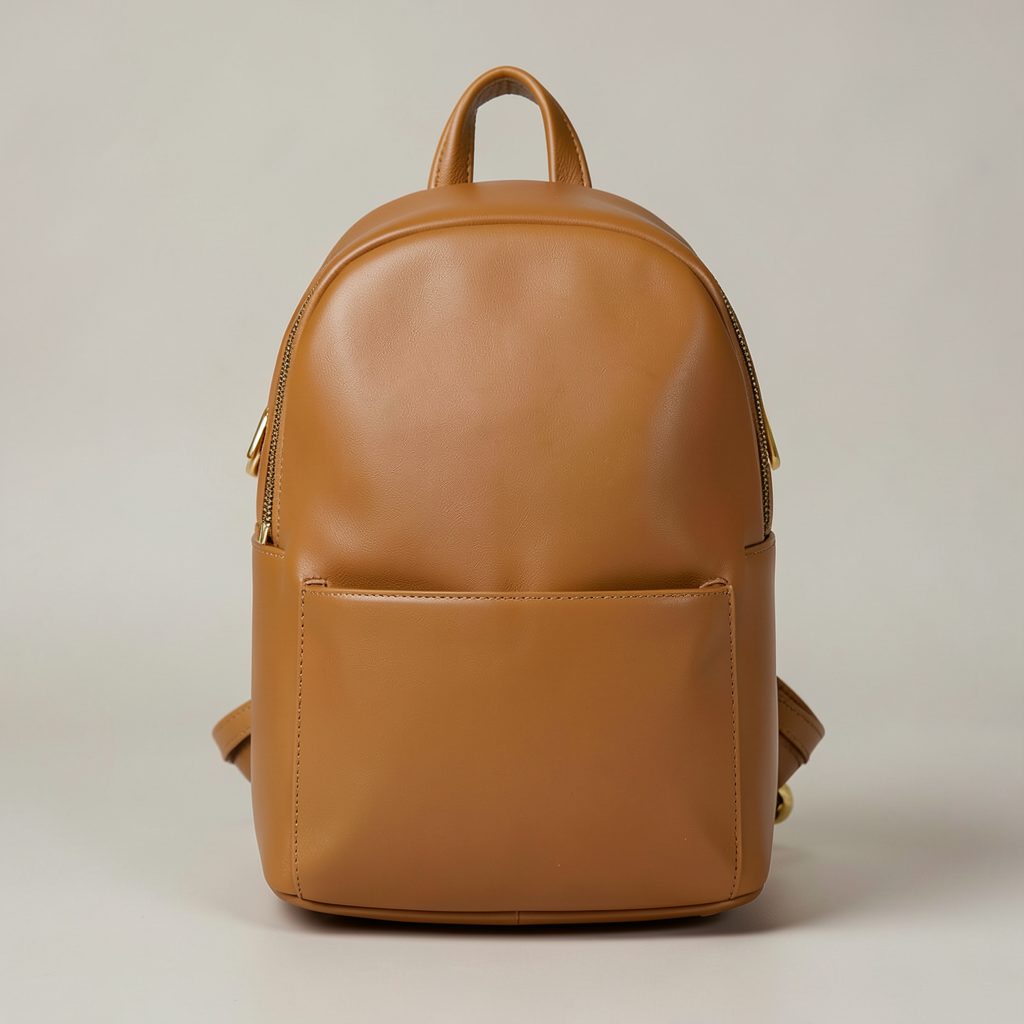
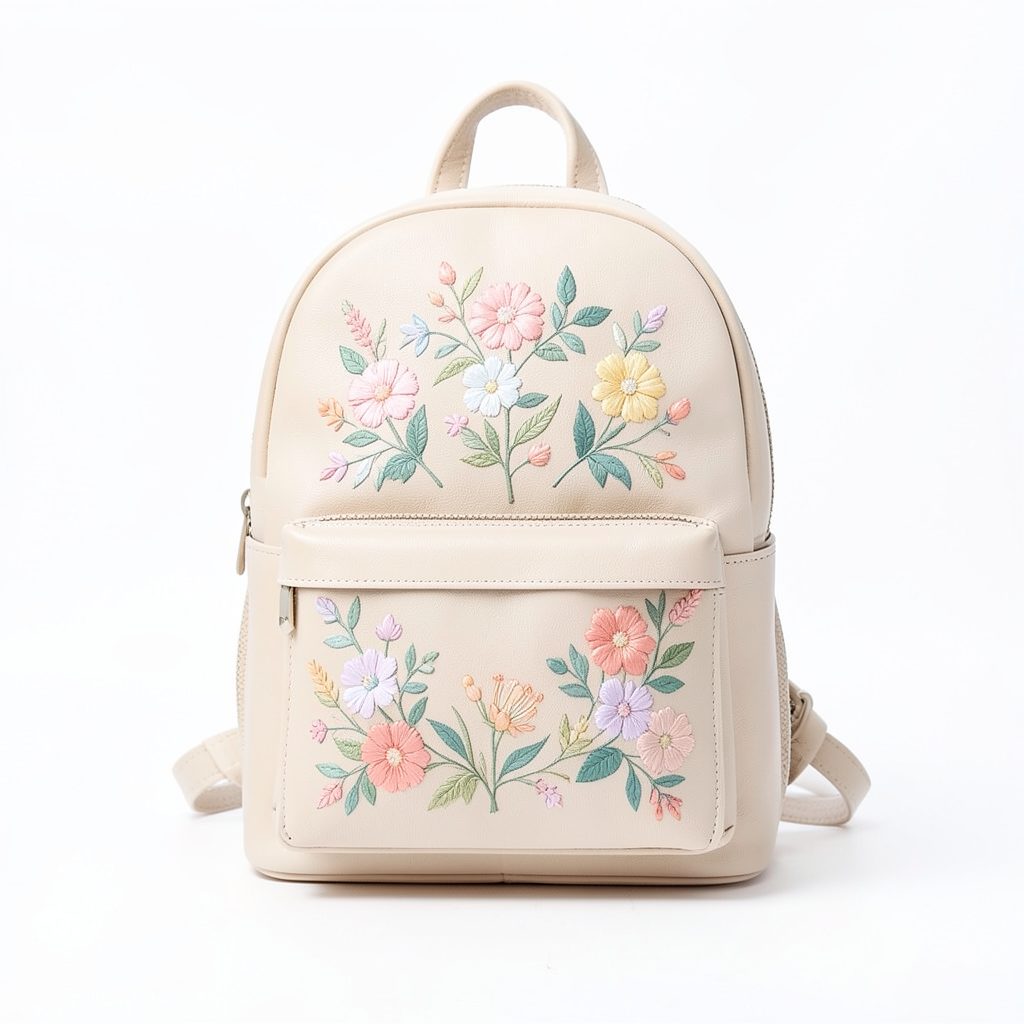
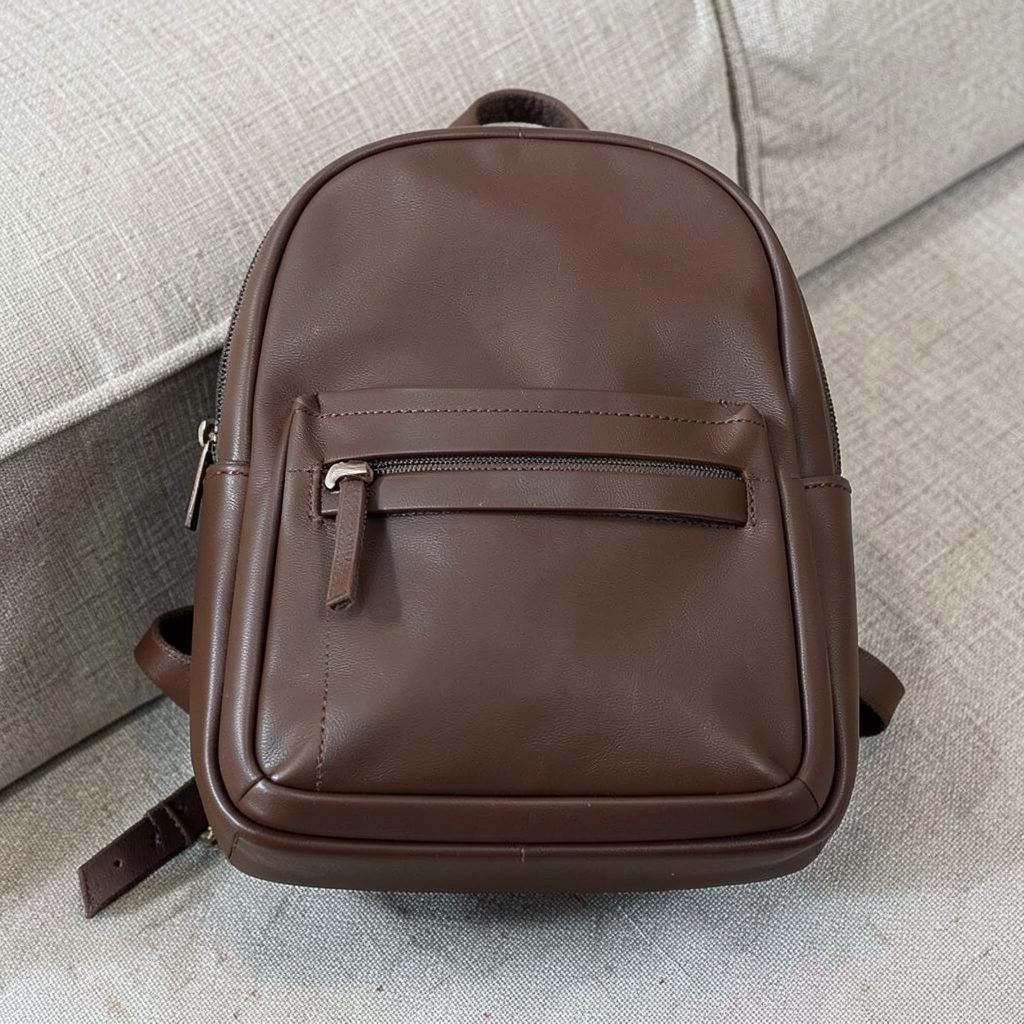
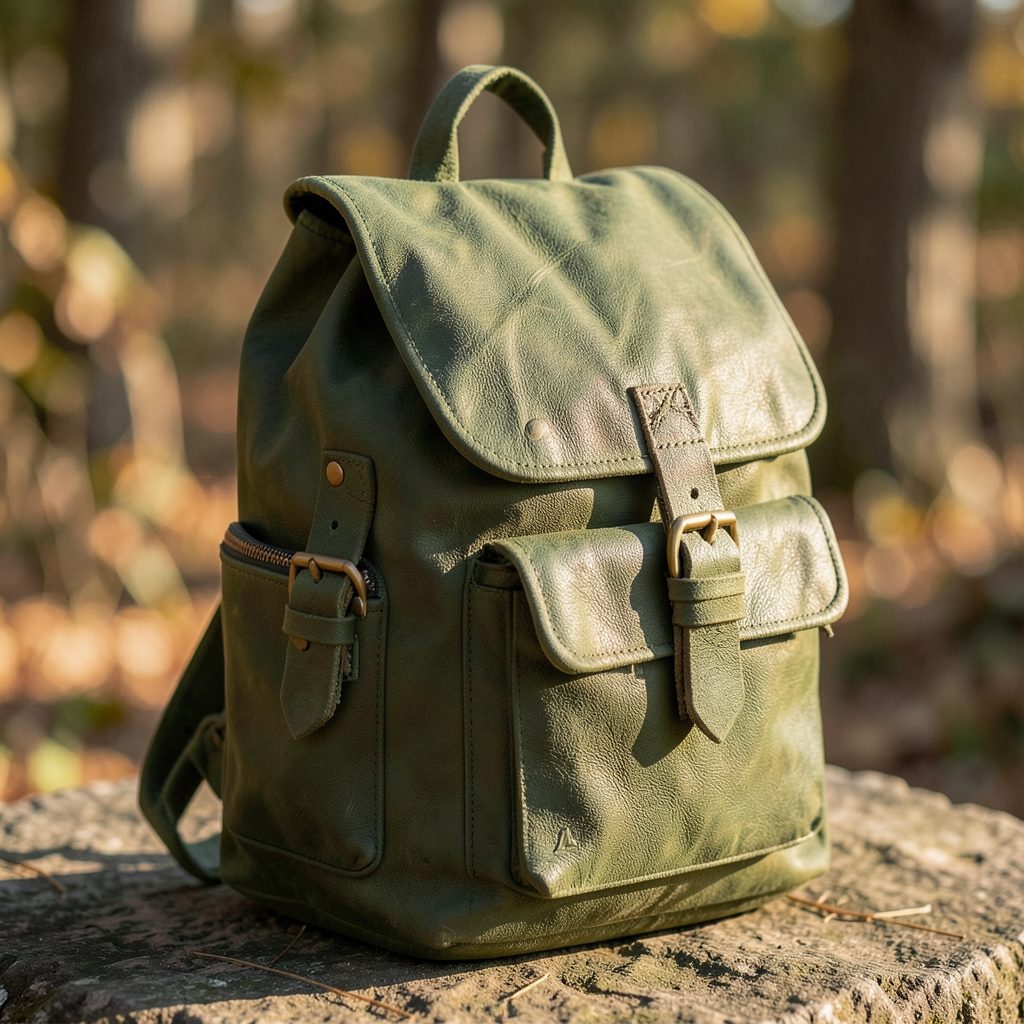
Our Backpack Styles
Every backpack is crafted from premium vegan leather with thoughtful details — multiple pockets, removable straps, and colors that work with any wardrobe. Browse the lineup below.