Minimalist Packing: One Bag, Three Ways for a Short Getaway
A short trip rarely needs a different outfit for every hour. With a thoughtful capsule wardrobe, a few adaptable accessories, and one well-designed bag, you can leave home lighter without feeling underprepared. The goal is to make every item earn its place while keeping your essentials easy to reach.
Minimalist packing: one bag, three ways for a short getaway works best when the bag suits several parts of the journey. It should hold your travel documents, small electronics, toiletries, a change of clothes, and everyday necessities without becoming awkward to carry. The right shape can move from airport to café to evening plans with very little adjustment.
Travel Starter Pack’s vegan leather bags and accessories are designed for this kind of flexible routine. Animal-free materials, practical compartments, durable construction, and a variety of colors make it possible to build a compact travel setup that still reflects your personal style. Free worldwide shipping and order tracking also make ordering a travel companion straightforward before departure.
Choose a Flexible Base
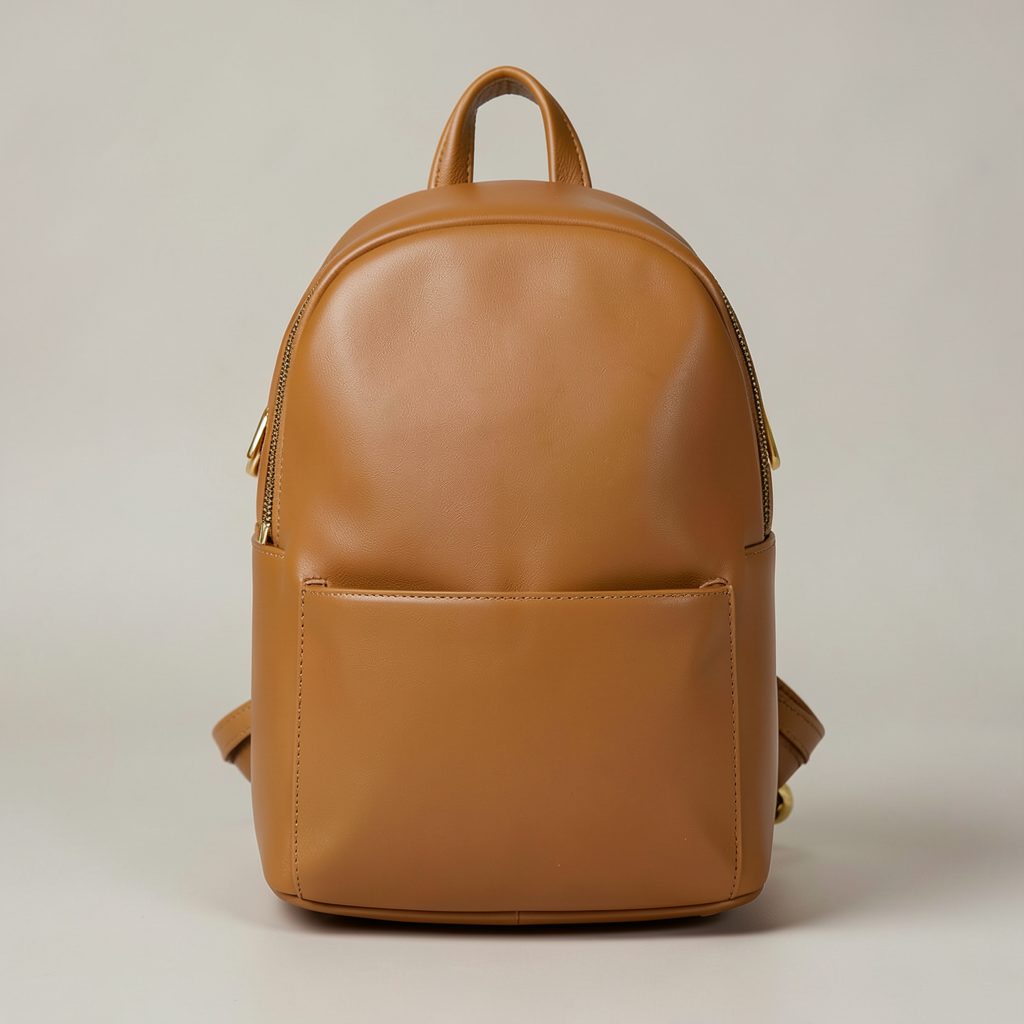
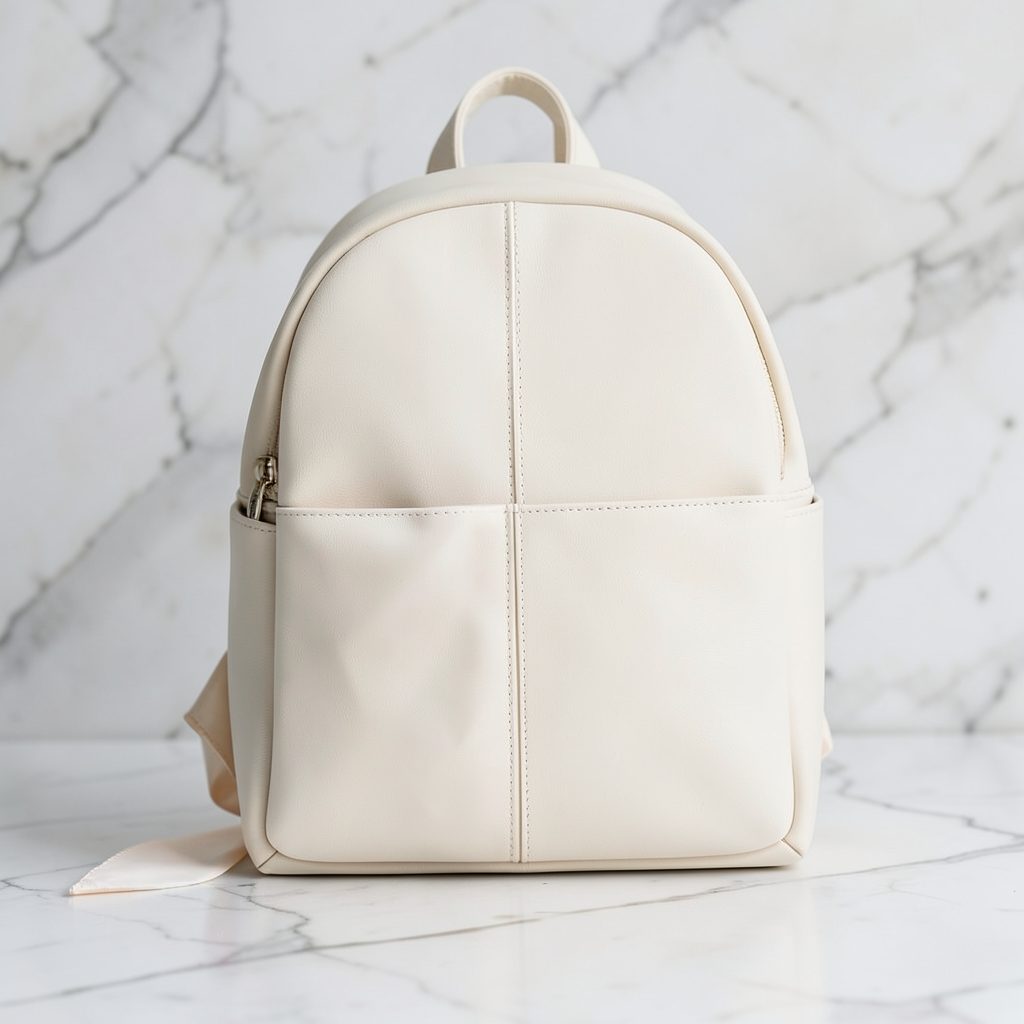
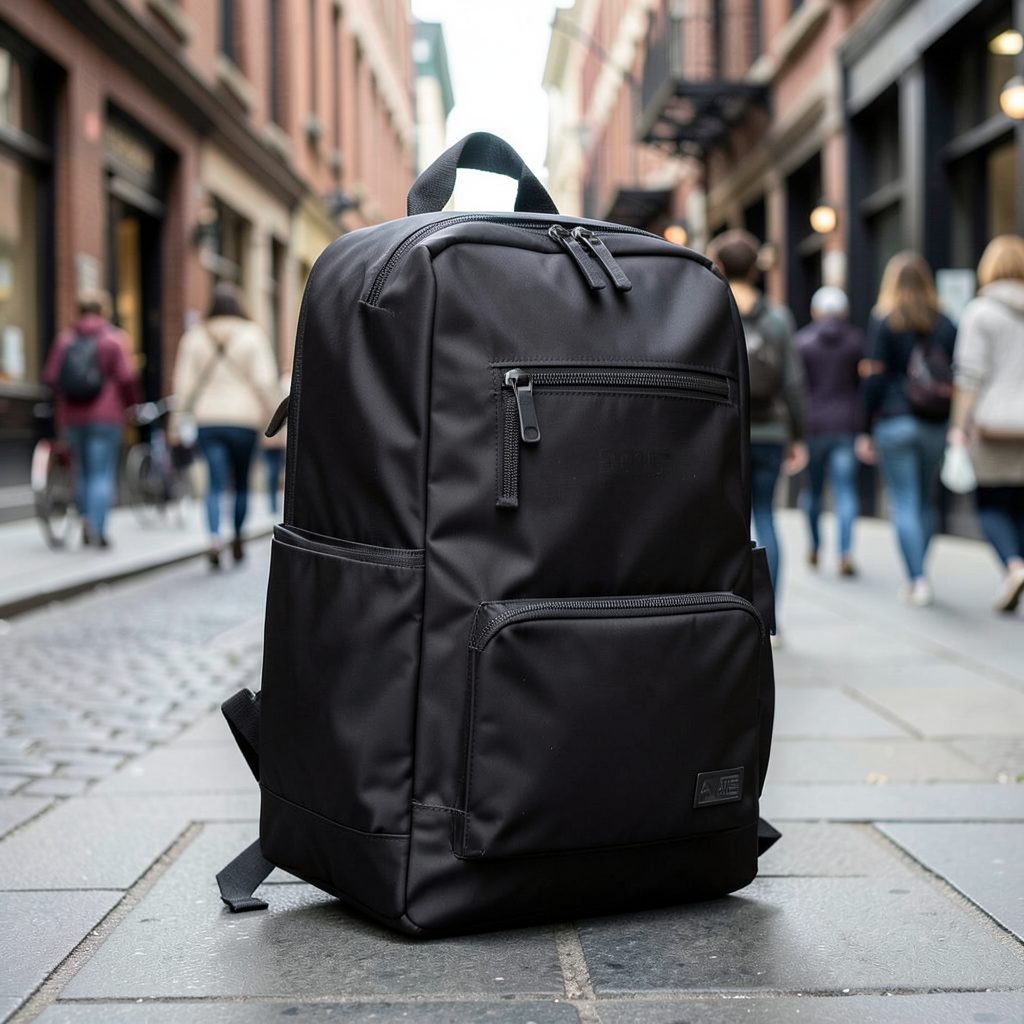
Start with one primary bag that matches the length and purpose of your trip. For a two- or three-night getaway, a structured backpack is often the most versatile choice because it keeps both hands free, distributes weight comfortably, and accommodates bulkier items such as a light sweater or compact shoes. A tote can work well for train travel or relaxed city breaks, while a crossbody is ideal when your packing list is especially small.
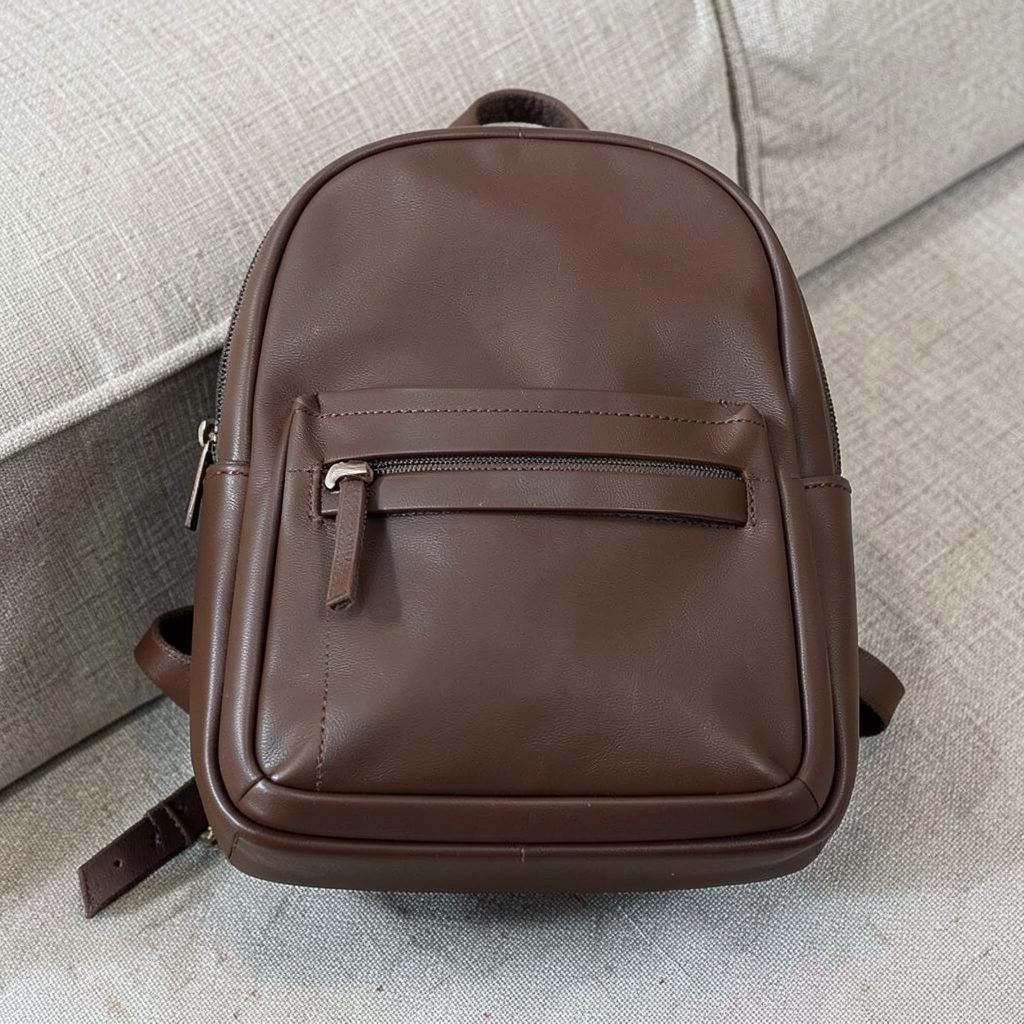
Look for a bag with enough internal organization to prevent small belongings from disappearing. A padded laptop sleeve may be useful for a work trip, while a zipped pocket protects passports, cards, and keys. Strong handles, dependable fastenings, and wipe-clean vegan leather can make a noticeable difference when your bag moves between luggage racks, hotel floors, and busy streets.
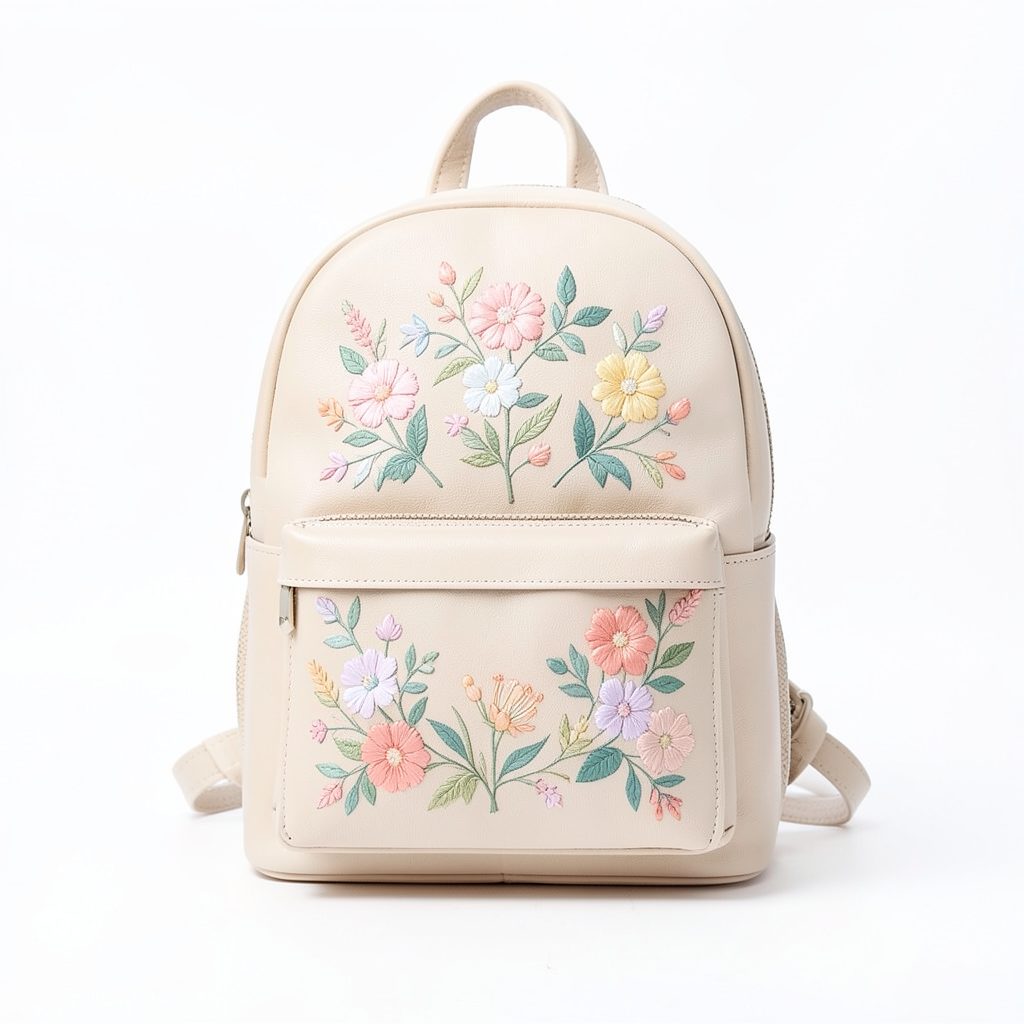
A decorative detail does not have to undermine a minimalist approach. For example, the floral embroidered backpack can serve as a practical focal point while replacing the need for extra statement accessories. When one item adds both function and visual interest, the rest of the packing list can stay simple.
Build A Three-Day Capsule
A compact wardrobe should cover your planned activities rather than every possible weather scenario. Begin with a comfortable base layer, two tops, one pair of versatile trousers or jeans, and one polished alternative such as a skirt, smart shirt, or lightweight dress. Select colors that coordinate easily so you can create several outfits from a small number of pieces.
For a three-day stay, consider packing three tops, two bottoms, one outer layer, underwear for each day plus one spare set, and sleepwear. Choose fabrics that resist creasing and dry quickly when possible. A thin knit or overshirt can provide warmth during a cool morning and become part of an evening outfit without taking up much room.
Shoes often consume more space than clothing, so wear your largest pair during transit. Pack a second pair only if it serves a clear purpose, such as walking-friendly trainers for a city itinerary or simple flats for dinners. Add a compact scarf, belt, or piece of jewelry rather than several accessories; one carefully selected finishing item can change the character of a basic outfit.
Give Every Item A Job
The most efficient packing lists combine items with multiple uses. A lightweight scarf can add warmth on a plane, cover shoulders at a place of worship, or work as a colorful accent. A button-down shirt can be worn open over a T-shirt during the day and tucked into trousers for dinner. A small pouch can hold chargers in transit and become a bathroom organizer at the hotel.
Divide belongings by function instead of packing randomly. Keep clothing in the main compartment, technology in a protective sleeve, and frequently used items near the opening. A wallet, travel card, lip balm, and earbuds should never be buried beneath a folded outfit. This simple arrangement reduces unpacking and helps you notice when something is missing.
The bag’s proportions should guide your choices. A narrow vertical backpack encourages you to pack flatter pieces and prevents excessive accumulation, while a soft tote may invite last-minute additions. If you can still close the bag comfortably after your planned items are inside, you have left room for a small purchase or a layer removed during travel.
| Packing approach | Best for | Typical contents | Main advantage |
|---|---|---|---|
| Compact backpack | Active city breaks and public transport | Capsule clothing, tablet, water bottle, toiletries | Hands-free movement and balanced weight |
| Structured tote | Train journeys, work trips, and relaxed weekends | Folded clothing, notebook, accessories, light layer | Easy access with a polished appearance |
| Crossbody plus compact pouch | Minimal itineraries and warm-weather escapes | Phone, wallet, passport, cards, small essentials | Low bulk and quick access |
Match The Bag To The Day
One-bag travel does not mean carrying the same setup from morning until bedtime. It means choosing a main bag that can support a few smaller configurations. During transit, keep your core belongings together. Once you reach your accommodation, remove items that are unnecessary for sightseeing and switch to a lighter everyday arrangement.
A compact crossbody can hold the essentials for museums, markets, and restaurant visits without the weight of your full travel pack. The woven crossbody bag is especially suitable when you want a smaller silhouette with enough room for daily necessities. Wear it close to the body in crowded areas and keep the strap adjusted so the bag sits comfortably at hip level.
For a flexible three-way system, use the backpack or tote as your transit bag, the crossbody as your daytime bag, and a pouch as your evening organizer. The pouch may remain inside the larger bag when you need everything together, then move into the crossbody when you head out. This creates three practical modes without requiring three full bags.
Pack By Activity And Access
Think through the sequence of your trip before placing anything inside the bag. Items needed during the journey should be positioned at the top or in an exterior pocket: identification, tickets, headphones, a snack, hand sanitizer, and a charging cable. Clothing and less urgent belongings can sit deeper in the main compartment.
If you will work remotely, separate professional essentials from personal items. A tablet or laptop should have its own padded space, while chargers can be grouped in a slim case. For a leisure trip, replace that equipment with a paperback, camera, or compact notebook. The principle stays the same: carry only the tools that support your actual plans.
Toiletries should be kept to travel sizes and stored in a transparent or washable pouch. Choose a solid cleanser, refillable containers, and a small cosmetics case when suitable. Avoid packing full-size products simply because they are familiar; three nights rarely require the volume used at home. The space saved can accommodate a warmer layer or a more comfortable pair of walking socks.
Protect Comfort And Durability
A minimalist bag still needs to feel good after several hours of use. Check how the straps sit on your shoulders, whether the handles are comfortable when the bag is full, and if the weight stays close to your body. A visually attractive bag that strains your back or slips from your shoulder will quickly become frustrating on a short trip.
Vegan leather can be a practical choice for travelers who want an animal-free alternative with a smooth, polished finish. Care is simple: wipe away surface marks with a soft damp cloth, avoid overloading the compartments, and store the bag in a cool, dry place between trips. Keeping sharp objects in a pouch also helps protect the interior and lining.
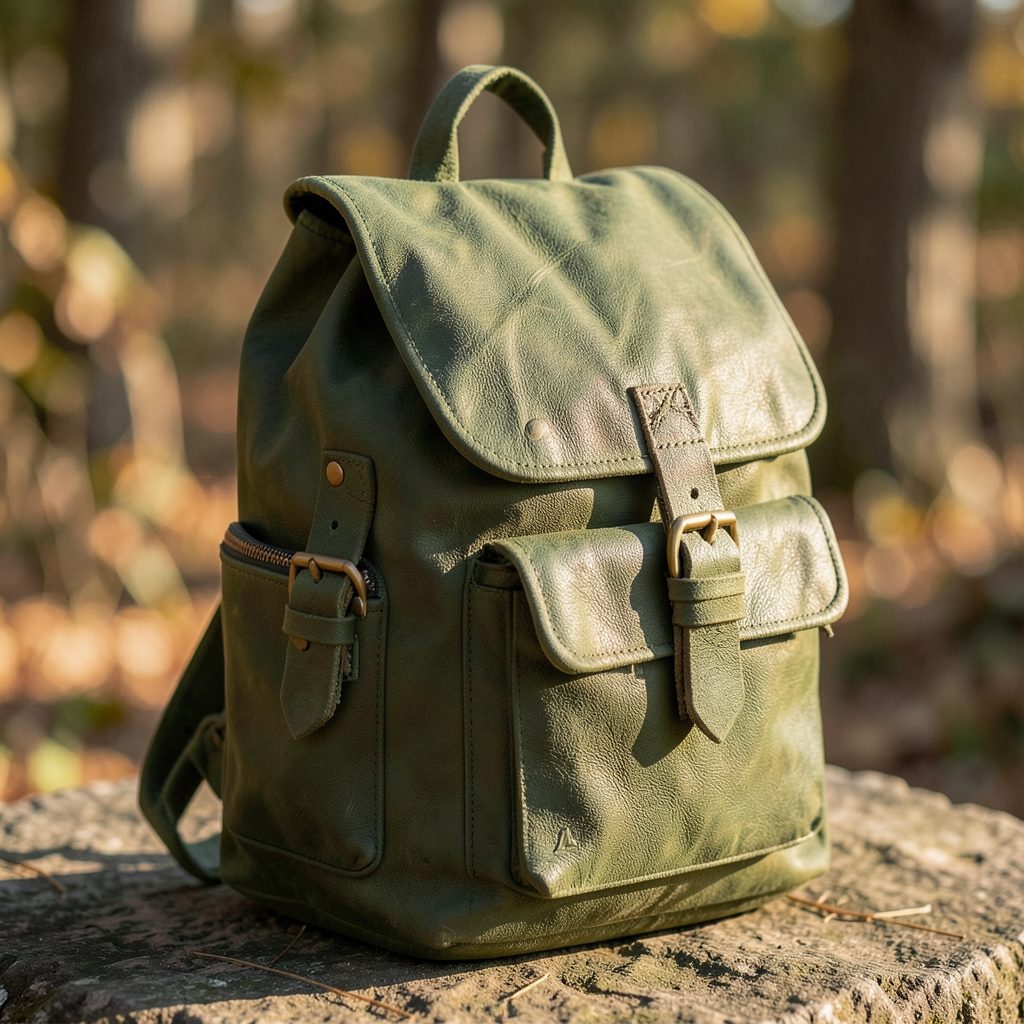
Color can support a smaller wardrobe. Black, tan, cream, and deep green coordinate with many outfits, while a brighter shade can act as the central accent in an otherwise neutral capsule. If you choose a distinctive bag, keep shoes and outerwear understated. If your bag is classic, use a scarf or small accessory to add personality without adding bulk.
A Practical Pre-Departure Checklist
Use this final review before closing your bag:
- Choose one primary bag and remove any item that does not support the itinerary.
- Lay out complete outfits before folding, including underwear, socks, and sleepwear.
- Wear the bulkiest shoes and outer layer during transit.
- Keep documents, medication, chargers, and valuables in quick-access compartments.
- Leave a small amount of space for a souvenir, snack, or clothing layer.
The best test is a short trial run. Pack everything, carry the bag around your home or walk around the block, then reassess the weight and accessibility. If you need to dig through multiple layers to find your wallet, reorganize before departure. If the bag feels heavy while emptying it is still easy, remove one more nonessential item.
It also helps to prepare a repeatable travel kit. Keep a compact charger, laundry bag, foldable tote, and travel-size toiletries together so future packing takes minutes instead of requiring a complete search through your home. A reusable system makes light packing easier for spontaneous weekends and planned holidays alike.
Travel Starter Pack accessories can help complete that system with coordinated wallets, pouches, and bags built for everyday movement. Browse the collection to find an animal-free travel companion that fits your wardrobe, carrying style, and next short escape. Pack the essentials, keep the arrangement simple, and set off with room to move.
Our Backpack Styles
Every backpack is crafted from premium vegan leather with thoughtful details — multiple pockets, removable straps, and colors that work with any wardrobe. Browse the lineup below.