How to Use a Vegan Leather Crossbody Bag for a Day of Kayaking and Sightseeing
A day that combines kayaking with sightseeing calls for a careful balance between convenience and protection. You need quick access to your phone, transport card, sunscreen and wallet, yet you also need to keep those essentials away from paddle splashes, wet decks and sudden changes in weather. A vegan leather crossbody bag can work well for the sightseeing part of the day when it is packed thoughtfully and kept out of the water.
The best approach is to treat the bag as a dry-zone accessory rather than a waterproof piece of kayaking equipment. Use it for walking between the launch point, cafés, galleries and viewpoints, while storing it inside a sealed dry bag during the paddle. With the right arrangement, one compact bag can support a full day around Sydney Harbour, Brisbane’s riverside precincts, Perth’s waterfront or a coastal town without becoming bulky or uncomfortable.
Choose the Right Bag for a Mixed Activity Day
A crossbody bag is useful because it keeps your hands free when you are carrying a paddle, checking a map or climbing a set of steps to a lookout. Choose a medium-sized design with a secure zip or flap, an adjustable strap and enough structure to prevent its contents from shifting. A slim profile is usually more practical than a large tote when you are moving between a kayak hire centre and busy sightseeing areas.
The strap should sit comfortably across your body, with the bag resting near your hip rather than swinging around your back. Before launching, shorten it enough to reduce movement, but do not wear it while paddling unless the operator specifically allows it and the bag can be secured safely. Straps can catch on equipment, snag on a seat or interfere with a personal flotation device, so keeping the bag inside a dry compartment is the safer choice.
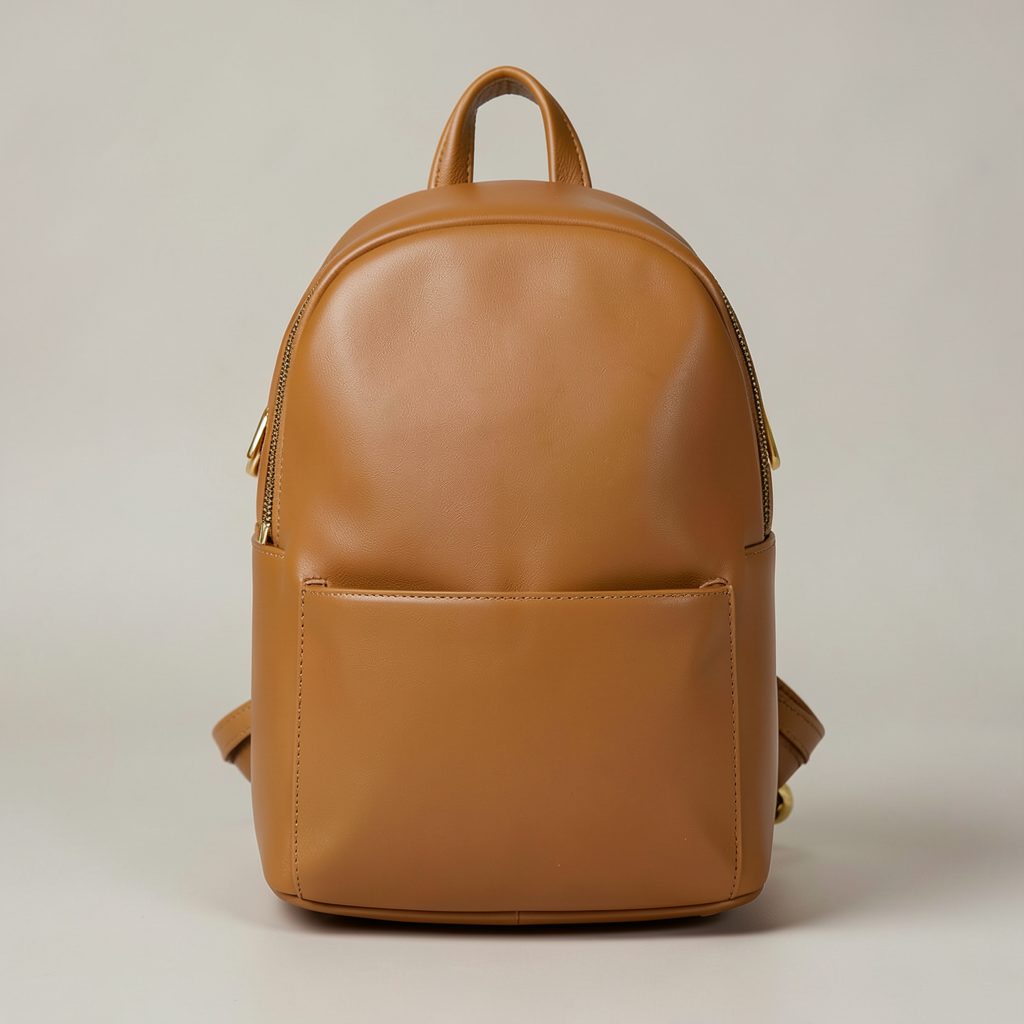
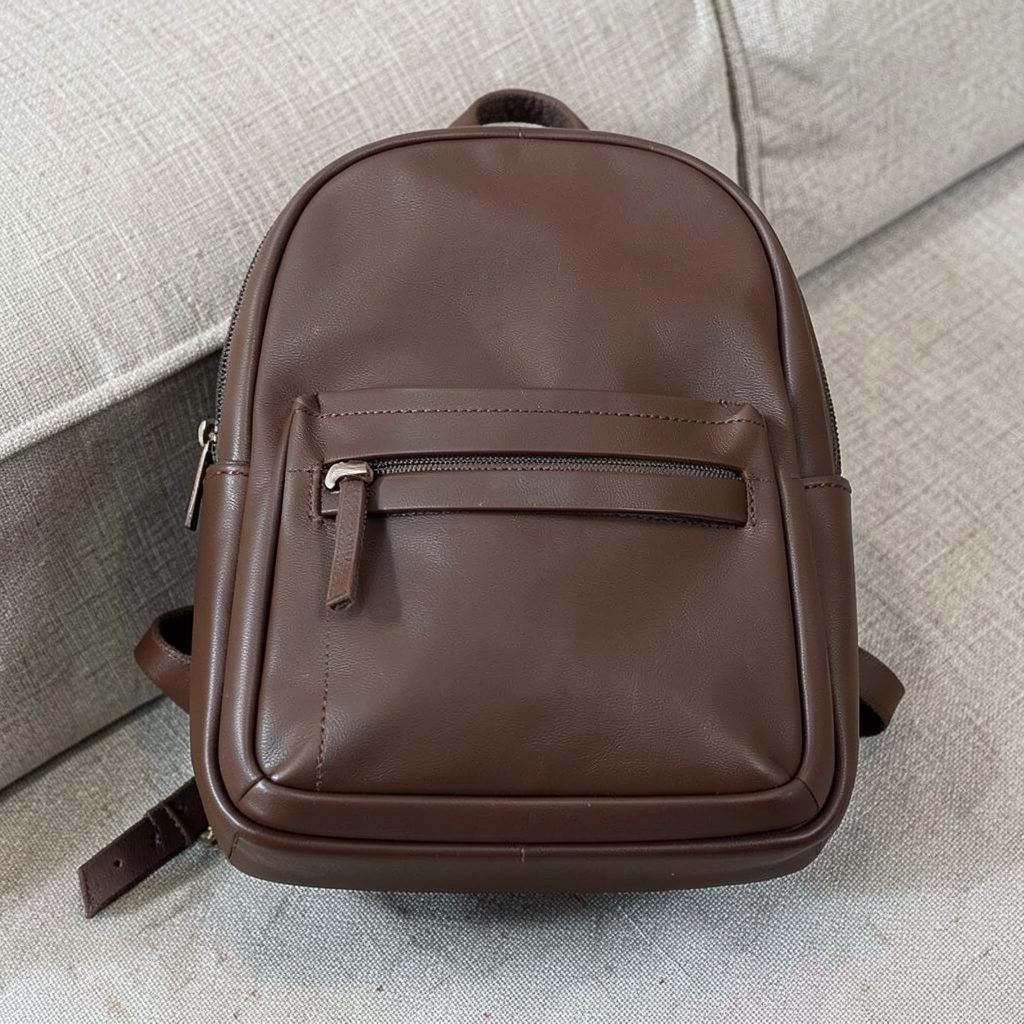
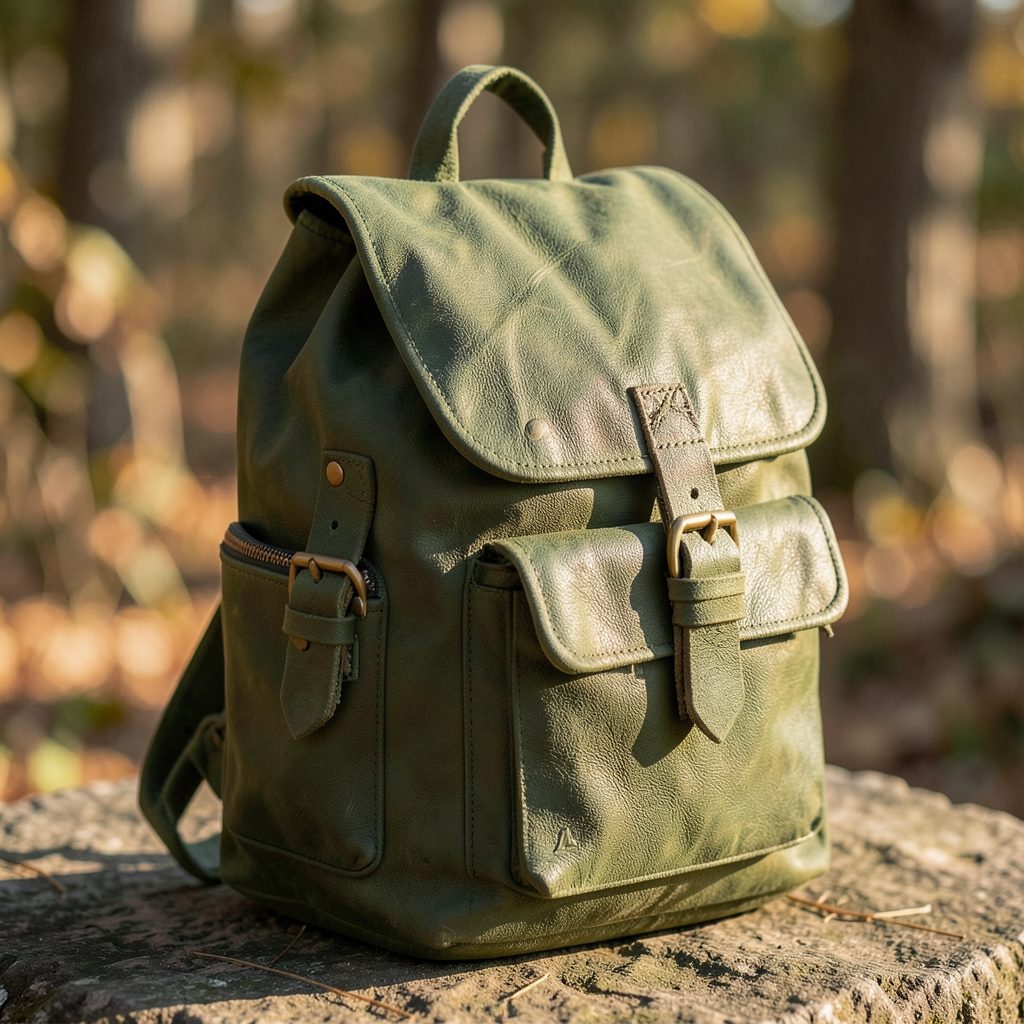
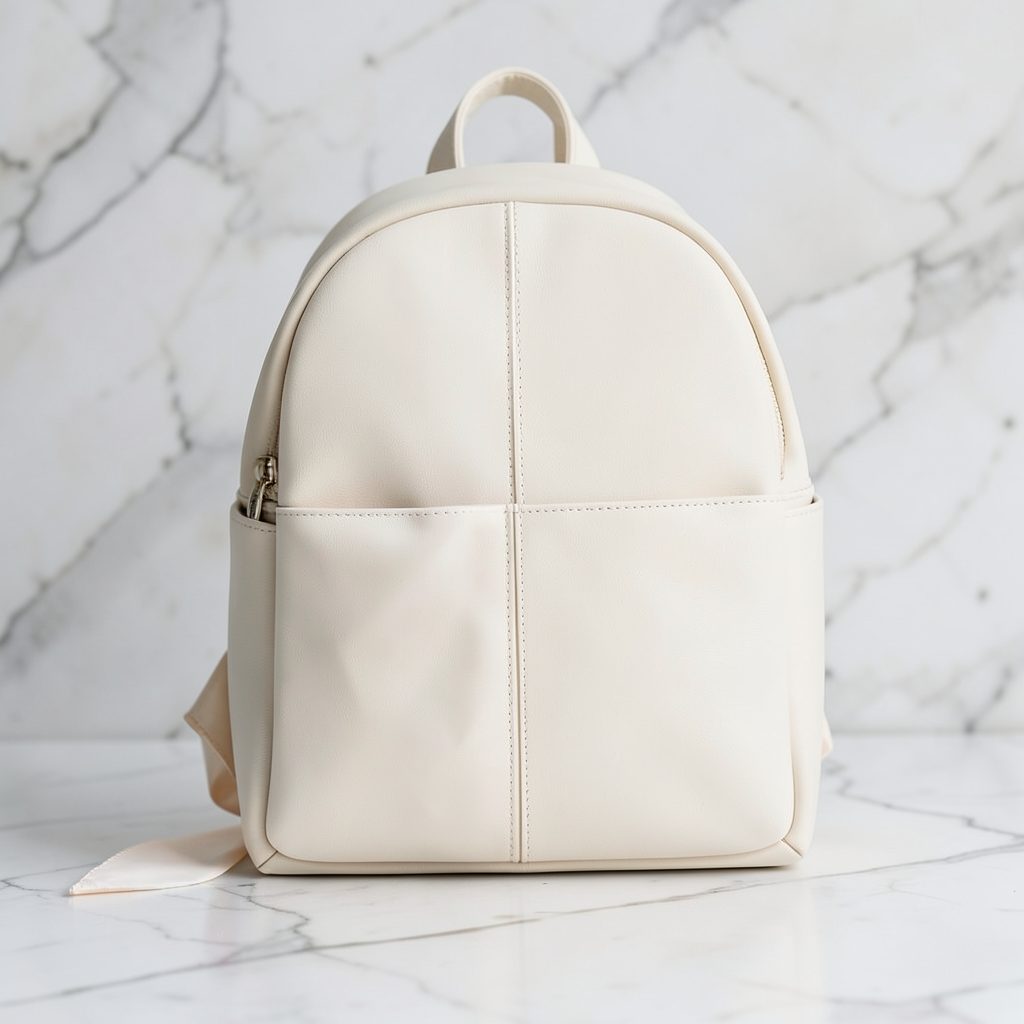
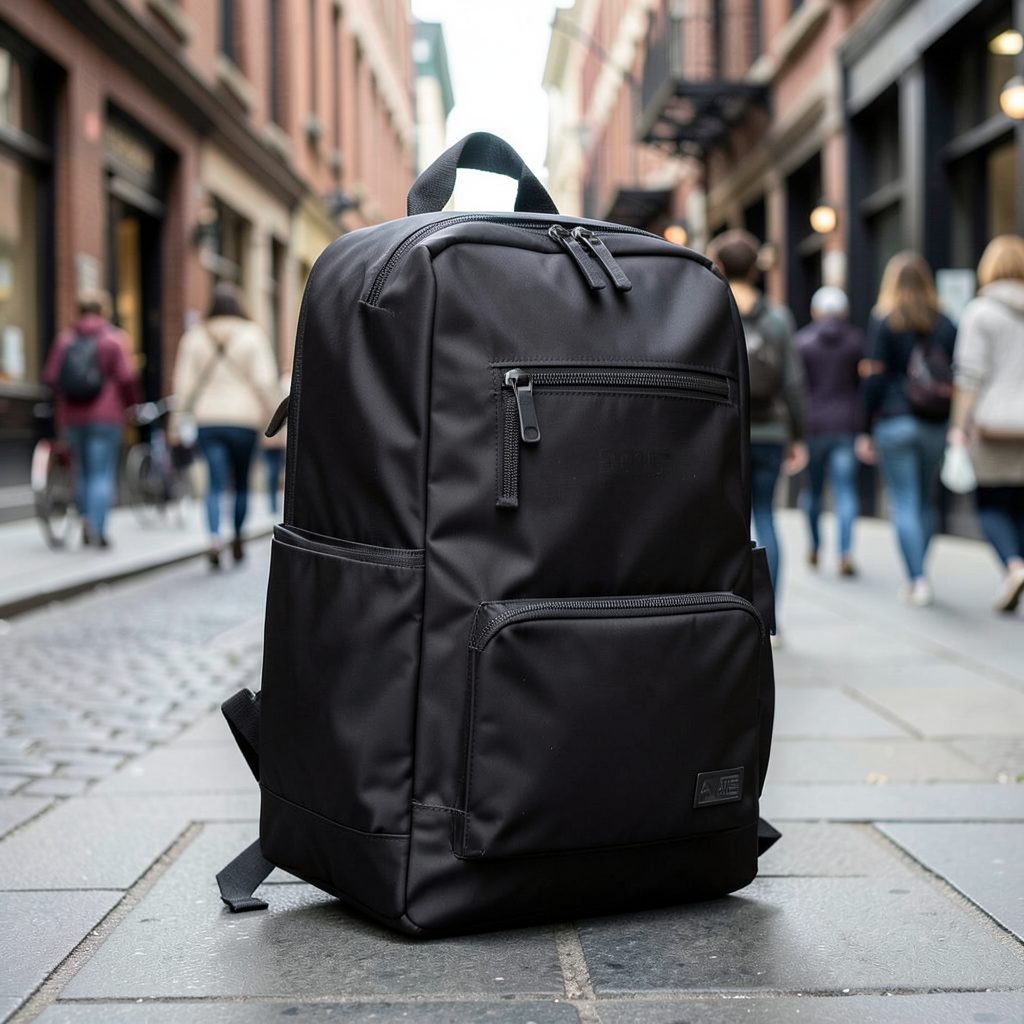
For travellers comparing shapes, the store’s range of vegan backpacks can help you consider whether a backpack would be better for a longer walking route. A crossbody generally wins for quick access, while a small backpack may distribute weight more evenly if sightseeing continues for several hours after kayaking.
Prepare the Contents Before You Leave
Pack only the items you expect to use. A phone, slim wallet, identification, transport card, lip balm, hand sanitiser, compact sunscreen and a small packet of tissues will usually cover the basics. Australian sun can be intense even on a cooler morning, so add sunglasses and SPF 50 sunscreen, especially for open-water routes where reflected light increases exposure.
Keep liquids in leak-resistant containers and place them in a small pouch. Sunscreen that spills inside a vegan leather bag can leave an oily mark or affect the lining, while a damp swimsuit can create lingering moisture and odour. If you are carrying medication, store it in a separate sealed pouch rather than placing it loose beside drinks or wet clothing.
A portable power bank can be useful for navigation and taking photos, but keep it protected from water and excessive heat. Avoid overloading the bag with a camera, guidebook and large water bottle if you already have kayaking equipment. For longer outings, put a refillable bottle and extra layers in a separate daypack or hire locker, keeping your crossbody light enough for comfortable walking.
The bag should also hold small items that are easy to lose, such as a pair of wireless earbuds or a hotel key card. Use an internal pocket for valuables and close every zip before moving through crowds. This is particularly helpful around Sydney ferry terminals, Melbourne laneways and busy markets where a bag that stays close to the body is easier to monitor.
Keep Vegan Leather Away From Water Damage
Vegan leather is practical for everyday travel, but it should not be treated as fully waterproof. Paddle spray, light rain and a few droplets are very different from submersion. If the bag becomes wet, wipe it with a soft, clean cloth and let it dry naturally in a shaded, ventilated place. Do not place it directly beside a heater, in a hot car or under strong midday sun, as heat can affect the surface and shape.
Use a waterproof phone pouch and a small dry bag inside the crossbody for valuables when you are near the launch site. Once the kayak is on the water, transfer the crossbody into the vessel’s sealed storage or a larger dry sack. Double-bagging is sensible if the route includes waves, frequent splashing or an exposed sea passage. A zip closure offers convenience, but it is not a substitute for a watertight container.
Before your trip, check the bag’s seams, strap attachments and hardware. If you notice loose stitching or a stiff zip, resolve the issue before leaving rather than discovering it beside the water. After a beach launch, rinse salt or sand from removable accessories with fresh water, then dry them thoroughly. Sand can work into zips and scratch coated surfaces when the bag is opened and closed repeatedly.
Australian conditions make this care especially important. A kayak tour on the Gold Coast may involve bright sun and humid air, while a morning around Hobart can be cool, windy and damp. Weather can shift quickly near the coast, so a lightweight rain shell for you and a separate protective cover for your belongings are more reliable than assuming the bag will handle every condition.
Style the Bag for Sightseeing Afterwards
Once the kayaking session is finished, empty any wet gear from the dry bag before returning the crossbody to regular use. Wipe your hands before handling the bag if they are covered in sunscreen, salt or sand. A quick check of the strap, zip and base prevents small grains from being carried into a museum, café or public transport carriage.
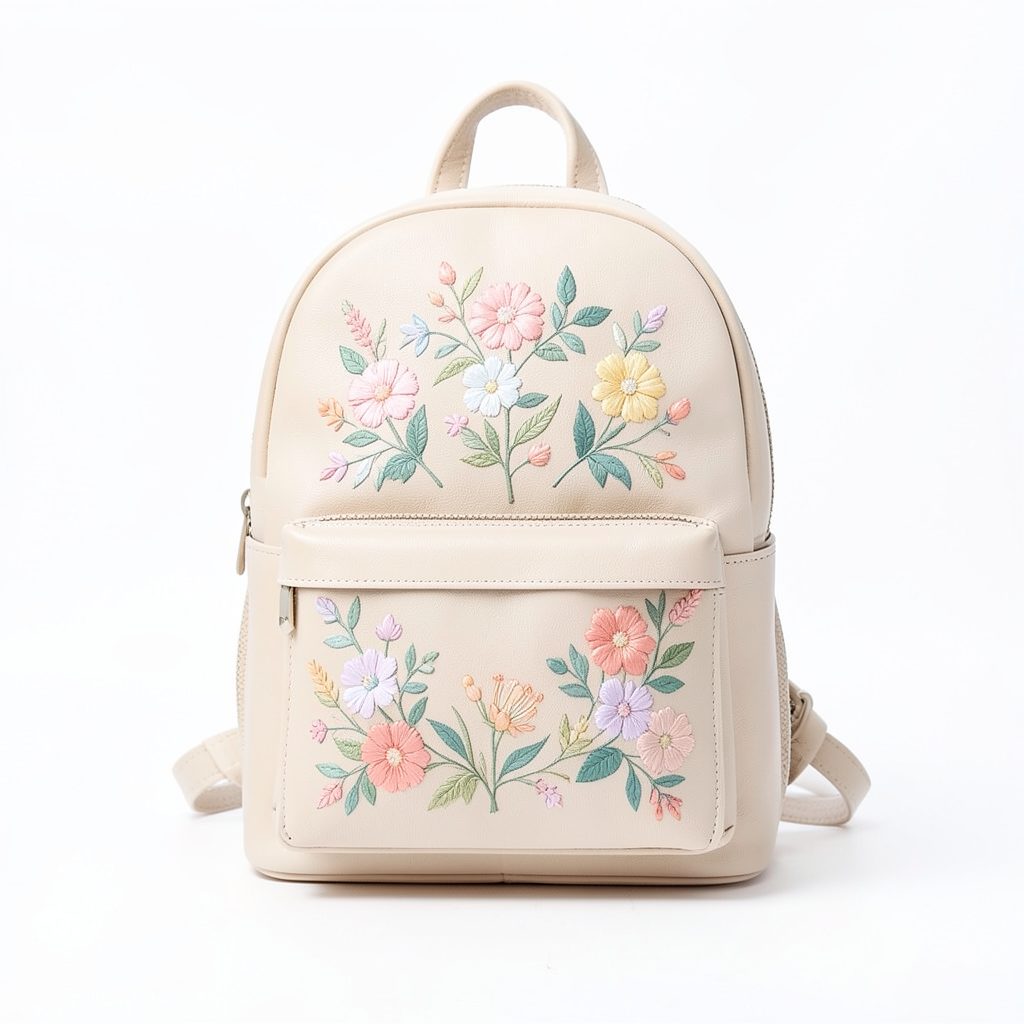
A neutral crossbody in black, tan or cream can move easily from practical daytime travel to lunch at a waterfront restaurant. If you prefer a more expressive look, a textured or embroidered accessory can add colour to simple travel clothing. For example, a floral embroidered backpack offers a decorative alternative when the day involves more walking and less contact with water.
Wear the bag across your chest in crowded areas, especially when exploring tourist precincts or boarding public transport. In Australia, many cafés and galleries have limited space beside tables, so a compact bag that stays close to your body is easier to manage than a large shoulder bag. It is also considerate to keep the bag off seats and walkways in busy venues.
For a relaxed local routine, pair the bag with lightweight trousers, a breathable shirt and shoes that can handle both wet paths and city pavements. A hat is essential for many Australian day trips, while a thin layer is valuable in places such as Melbourne, where conditions can change noticeably between morning and afternoon. The goal is to look prepared without carrying equipment that belongs in the kayak rather than on the sightseeing route.
Build a Simple Routine for a Full Day
Start by dividing your belongings into three groups: items that stay on your body, items that go into the dry bag and items that can remain in a locker or accommodation. Identification, essential medication and a phone should receive the highest level of protection. Spare clothing, towels and food can stay in the larger kayaking pack, while the crossbody carries only what you need during transitions.
At the launch point, take a photograph of your bag’s contents if you are travelling with others or using a shared locker. It makes repacking easier and helps you notice if something is missing before moving on. Follow the operator’s instructions about lockers, deck storage and personal flotation devices, even if your bag feels small or lightweight.
Plan a dry break between activities. After paddling, use a changing room or facilities near the marina rather than placing wet gear directly beside the crossbody. In areas such as Sydney’s Circular Quay or Fremantle’s waterfront, a short pause for water, shade and a snack can make the sightseeing portion more enjoyable. It also gives the bag time to air out if it has been exposed to humid conditions.
Before booking, check whether the operator restricts personal belongings in the kayak. Some guided tours provide sealed storage, while others expect participants to leave non-essential items on shore. Australian national parks and marine areas may also have local rules about wildlife, waste and access points. Follow marked paths, carry rubbish out and avoid disturbing birds, seals or other animals while taking photographs.
Practical Essentials to Pack
- Phone in a waterproof pouch, with offline maps downloaded before departure
- Slim wallet containing only necessary cards, identification and a small amount of cash
- SPF 50 sunscreen, sunglasses and a compact hat for strong Australian UV exposure
- Small hand sanitiser, tissues and any medication in sealed individual pouches
- Lightweight rain protection or a separate dry bag for items that must stay completely dry
A compact wallet can make the crossbody more comfortable by reducing bulk, and keeping only the cards you need limits inconvenience if the bag is misplaced. If you are travelling between states, remember that public transport payment systems differ, so check whether your destination uses a contactless bank card, a local travel card or another method.
Use the final packing check before leaving the accommodation: zip the bag, adjust the strap, seal the phone pouch and confirm where the dry bag will be stored. When you return, wipe the bag clean and empty every pocket so damp receipts, sandy tissues or sunscreen sachets do not remain inside overnight.
Care for the Bag After the Adventure
Daily maintenance helps vegan leather accessories retain their appearance through frequent travel. Remove dust with a soft dry cloth, then use a lightly damp cloth for marks. Avoid abrasive sponges, strong solvents and household cleaning sprays, since they may dull the finish or weaken decorative details. Always follow the care information supplied with the specific product.
Let the bag dry fully before storing it. Keep it upright or lightly filled with clean tissue so it retains its shape, and store it away from direct sunlight. Do not compress it under wet towels or place it in a sealed suitcase while moisture is still present. These habits are especially useful after coastal trips where salt air can settle on buckles and strap fittings.
If you are building a small collection for different travel styles, look at the sale collection for discounted colours and accessories that can be assigned to separate uses. One bag can be reserved for city days, another for carrying a little more on inland walks, while a small pouch can organise valuables inside a dry sack.
Travel Starter Pack’s animal-free materials, practical designs and free worldwide shipping make it easier to prepare for trips from Australia without adding unnecessary complexity. Order tracking is useful when you are planning around a departure date, particularly if the bag needs to arrive before a kayaking booking or a weekend away.
Choose a crossbody that fits your essentials, protect it from immersion, and keep wet equipment in a separate sealed layer. With that simple system, your bag can move confidently from the kayak launch to a waterfront walk, local café or sightseeing stop. Browse the styles that suit your route, pack the essentials securely and make your next Australian day on the water easier to carry.
Our Backpack Styles
Every backpack is crafted from premium vegan leather with thoughtful details — multiple pockets, removable straps, and colors that work with any wardrobe. Browse the lineup below.