Making a Vegan Leather Bag Work During a Long Airport Layover
A long layover can turn a simple airport transfer into a serious walking session. You may need to move between terminals, find a new gate, collect and recheck luggage, pass security again, or reach a distant train platform before boarding starts. With a practical vegan leather bag, the right packing method can keep essentials close without making every kilometre uncomfortable.
The best setup is compact, balanced, and easy to access. A bag that looks polished in the departure lounge should still handle a crowded walkway, a rushed security queue, and hours of carrying. Choosing the right shape matters, yet how you load and wear the bag has just as much effect on comfort.
Australian airports can make these distances feel especially noticeable. Melbourne Airport’s terminals are spread across a large complex, Sydney Airport may require a transfer between domestic and international areas, and Brisbane’s busy concourses can involve extended walks from check-in to the gate. Planning for kilometres rather than a few minutes helps you avoid overpacking.
A vegan leather backpack, crossbody bag, or soft tote can become a reliable personal item for this kind of journey. The goal is to create a small mobile base for your passport, electronics, water, medication, and travel documents while keeping your hands free and your posture supported.
Choose A Shape That Supports Your Route
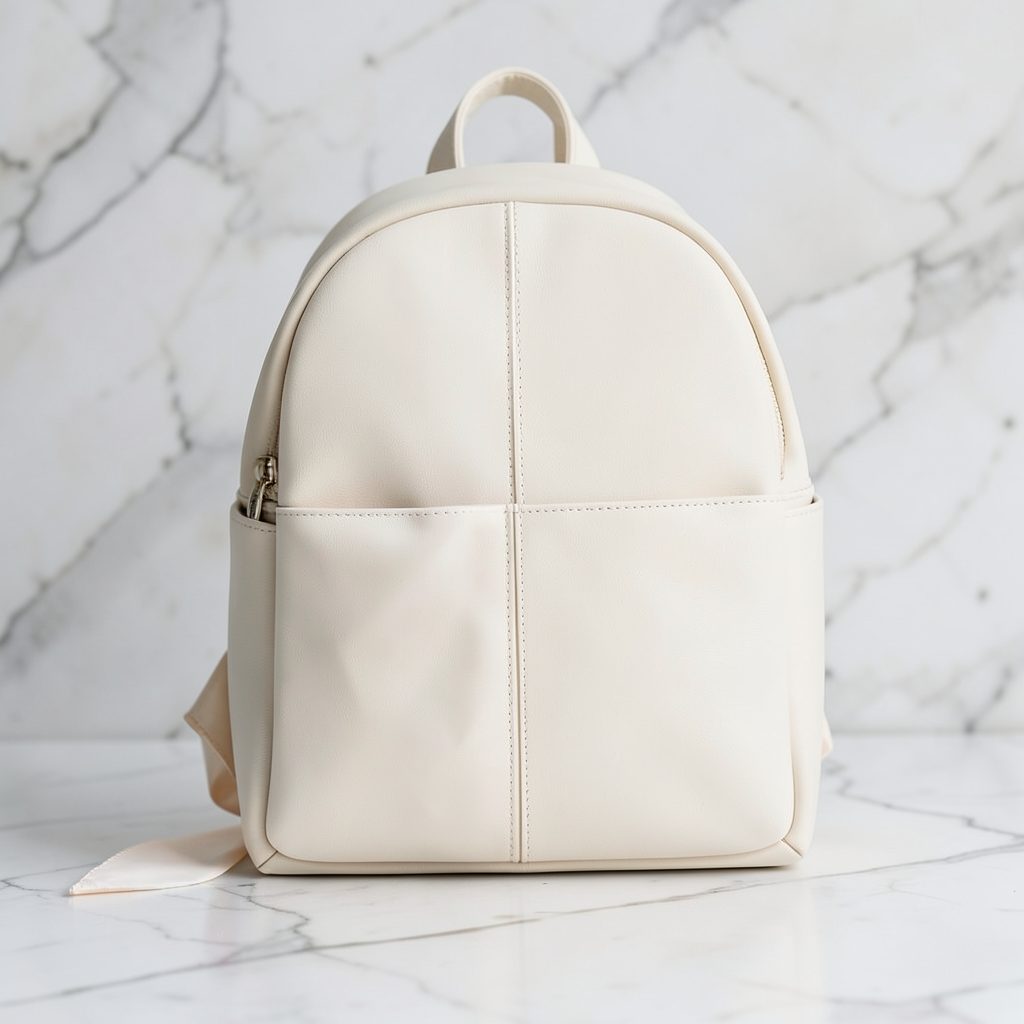
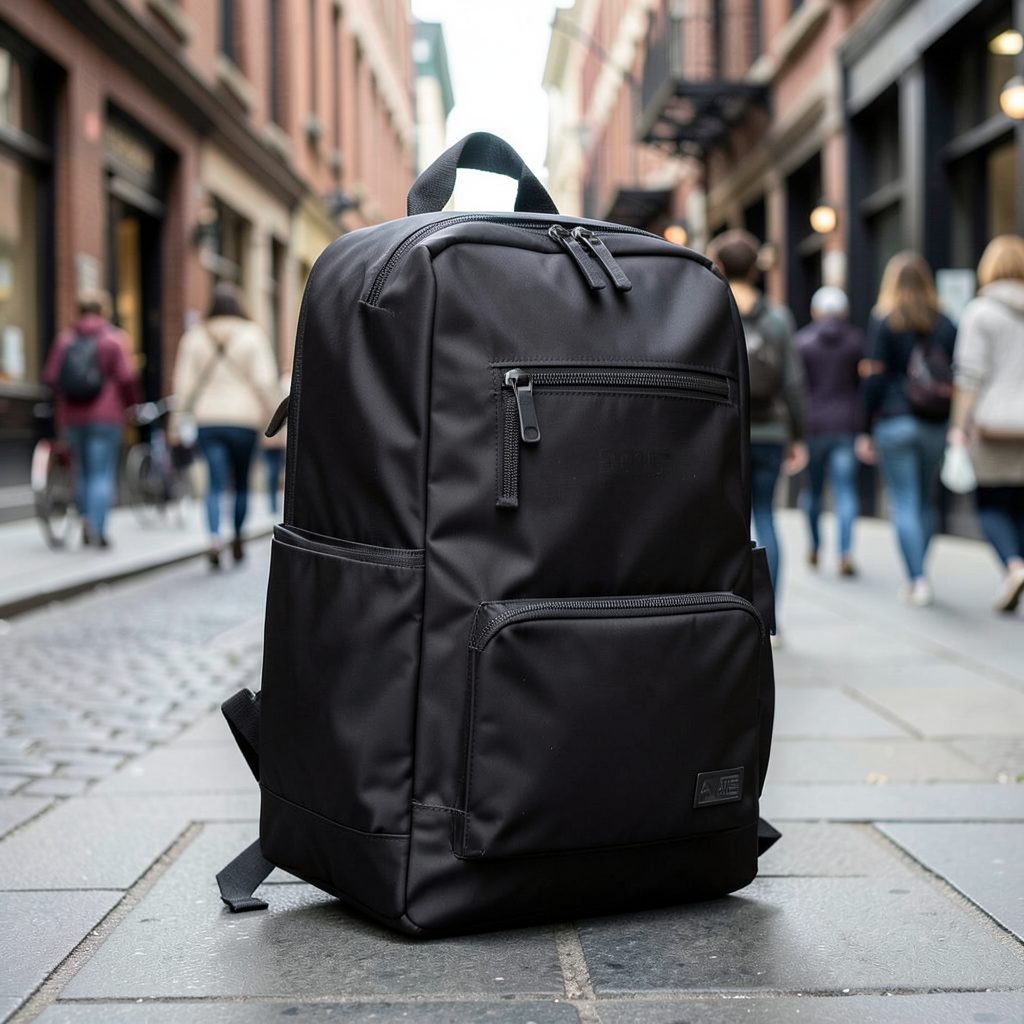
A backpack is usually the most comfortable option when a layover involves several kilometres on foot. Two shoulder straps distribute weight more evenly than a single strap, which can reduce tension through your neck and upper back. Look for padded straps, a structured base, and a back panel that keeps the contents from pressing into you.
A crossbody bag works well when you want quick access and a lighter load. Wear it across your body with the bag resting near your hip, rather than letting it hang from one shoulder. A medium-sized style is often enough for a passport, phone, cardholder, charging cable, headphones, tissues, and a small toiletry pouch. Keep the weight low so it does not pull your shoulder forward.
Tote bags are useful for short transfers, shopping, or carrying a folded layer, but they can become tiring during a long airport walk. If you choose a tote, select one with broad handles and a secure top closure. Use it for lightweight items and keep heavier belongings in your roller suitcase or a smaller internal pouch.
Vegan leather is particularly practical for travel because it can be wiped clean after contact with airport floors, café tables, or a damp baggage trolley. Still, avoid stuffing the bag until the seams are strained. A bag with a little spare room is easier to carry, close, and place beneath the seat.
Pack For Movement And Security
Start by placing the heaviest items closest to your back or at the bottom of a tote. A power bank, compact camera, or book should not sit at the outer edge where it can swing as you walk. Keep soft items around harder objects to prevent scratches and to stop the contents from shifting every time you change direction.
Use small pouches to group cables, medication, lip balm, and personal care items. This prevents you from emptying the whole bag beside a security tray. Place your passport, boarding pass, and phone in a shallow external pocket or an internal sleeve that can be reached with one hand. Check local airline rules before packing liquids, batteries, and devices.
A slim reusable water bottle can help during a long transfer, but empty it before security and refill it afterwards. In Australia, airport drinking fountains and refill stations are useful at major terminals, although availability varies by concourse. Keep a snack such as nuts, crackers, or a muesli bar in a sealed pouch, especially when a delay leaves you far from cafés.
Your bag should close fully when you sit, walk, or place it under a seat. If you are carrying souvenirs, read about vegan leather travel souvenirs before deciding whether a new bag can double as useful cabin storage. Avoid adding bulky purchases until you have checked the airline’s personal-item dimensions.
Reduce Strain As The Kilometres Add Up
Before leaving your gate, adjust every strap while the bag is fully packed. A backpack should sit high enough that it does not bounce against your lower back. Tighten the shoulder straps evenly, and use a chest strap if the design has one. For a crossbody bag, shorten the strap so the base stays close to your hip instead of swinging behind your leg.
Change your carrying position during the journey. If you use a tote, alternate hands when possible and move it onto your suitcase handle during straight sections of the terminal. If you carry a crossbody bag, switch the shoulder during a quiet stretch, taking care not to do so in a crowded queue. Small adjustments can prevent a mild ache from becoming a major distraction.
Wear shoes with cushioning and secure soles. Airport floors can be hard, polished, and slippery near bathrooms or rainy entrances. In wet-season conditions in Brisbane or Darwin, a wipeable bag and shoes with useful grip are more sensible than delicate accessories. A light layer is equally valuable because air-conditioning can feel cold after walking outside in summer.
Take short pauses before discomfort becomes severe. Sit near your gate, loosen your straps, roll your shoulders, and check whether anything is pressing into your back. If your layover includes a Sydney domestic-to-international transfer, allow time for transport and processing rather than attempting to cross the airport at a rushed pace with a fully loaded bag.
Keep Valuables Close In Crowded Areas
A layover often includes queues, escalators, shuttle buses, and crowded airport trains. Wear your bag in front when moving through dense areas, especially while boarding transport or waiting at a café counter. Keep zips facing inward or within your line of sight, and avoid leaving the bag on the floor beside your chair.
A secure zipper is more useful than a decorative clasp when you are tired and distracted. Features such as two-way zips, lockable pulls, concealed pockets, and a firm top opening can make your belongings harder to reach unnoticed. This secure zipper guide can help you compare practical details before choosing a travel bag.
Keep your passport and wallet in separate compartments so losing one item does not mean losing everything. A phone should be easy to reach for a boarding notification, but do not place it in an open outer pocket. Store a backup payment card away from your primary card, and save a digital copy of key travel details in a secure account.
Australian airport security and airline procedures can change, so follow current instructions from your carrier and the airport. Do not leave the bag unattended while using a refill station or checking a departure board. If you need both hands for a suitcase, place the smaller bag securely on top rather than setting it several metres away.
Build A Quick-Access Travel System
Organise the bag according to how often you will need each item. The most frequently used objects belong in the top or front section: phone, passport, boarding pass, earphones, hand sanitiser, and a small pen. Items needed only in an emergency, such as spare medication or a compact sewing kit, can go deeper inside.
A simple three-part system works well. Keep documents in one sleeve, technology in a padded pouch, and comfort items in a washable organiser. This makes it easier to move between airport zones without unpacking everything. It also leaves the main compartment clear for a folded cardigan or lightweight scarf.
Use your phone to track gate changes, but keep a paper note with your flight number and destination in the bag. Airport Wi-Fi may be unreliable, and a low battery can make digital information harder to access. If you browse entertainment during a long wait, keep it separate from travel decisions and use reliable sources, such as this guide to locking in wins, rather than making rushed choices while tired.
Keep cords short and labelled where possible. A long charging cable can tangle around other contents and slow you down at a security checkpoint. A small power bank should be stored where you can remove it easily if requested, and any spare batteries should follow the airline’s current carriage rules.
Recommendations For A More Comfortable Transfer
The most effective airport bag is the one that matches your body, itinerary, and carrying habits. A sleek design does not compensate for a strap that cuts into your shoulder or a compartment that makes every security check chaotic. Test the bag at home with the approximate weight you expect to carry, then walk for at least 30 minutes before travelling.
Consider the following when preparing for a long airport transfer:
- Choose a backpack for several kilometres, stairs, or frequent terminal changes.
- Select a crossbody bag for light packing and fast access to documents.
- Keep the total load modest, with heavy items close to your back.
- Use internal pouches so cables, medication, and toiletries stay organised.
- Check zipper security and wear the opening towards your body in crowds.
- Leave spare capacity for a layer, water bottle, or small travel purchase.
- Confirm airline personal-item rules before departure, including battery requirements.
A vegan leather bag should support the rest of your travel system rather than become an extra burden. Wipe it down after the trip, empty every pocket, and check the stitching and strap attachments before your next flight. Storing it upright and away from direct heat can help preserve its shape between journeys.
During a long layover, walk at a steady pace, keep your essentials accessible, and use every pause to reset your posture. Browse Travel Starter Pack’s vegan leather backpacks, crossbody bags, totes, wallets, and travel accessories to find a durable carry option for airport transfers, everyday commutes, and future trips. Look for a style that fits your routine, then pack it deliberately before your next departure.
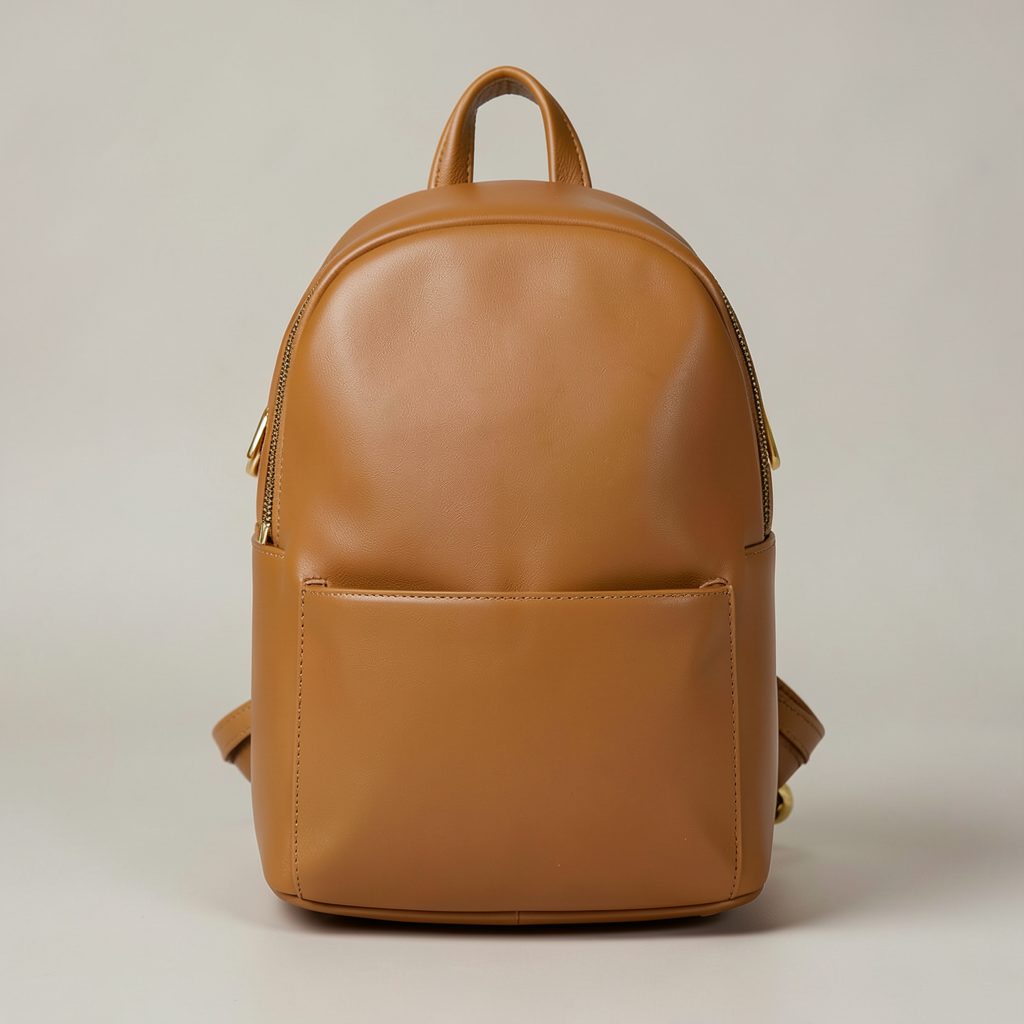
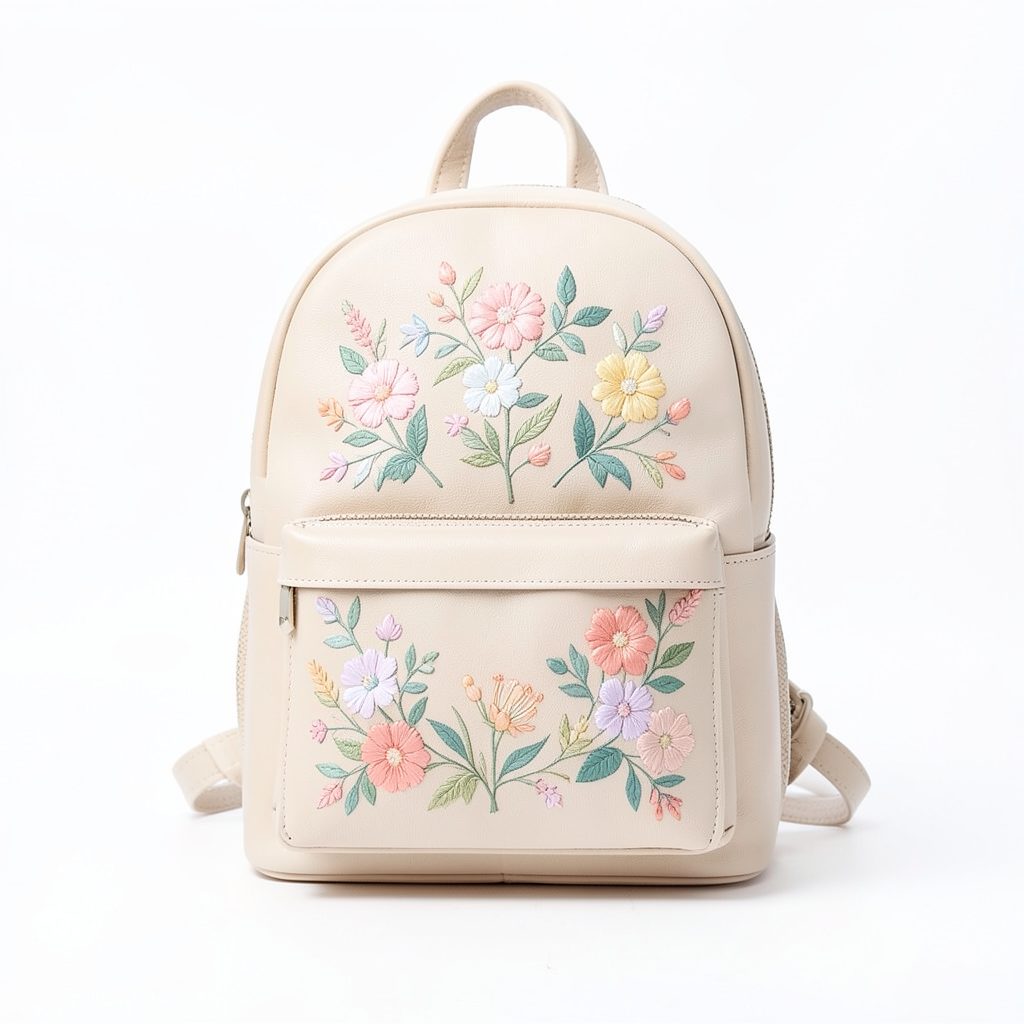
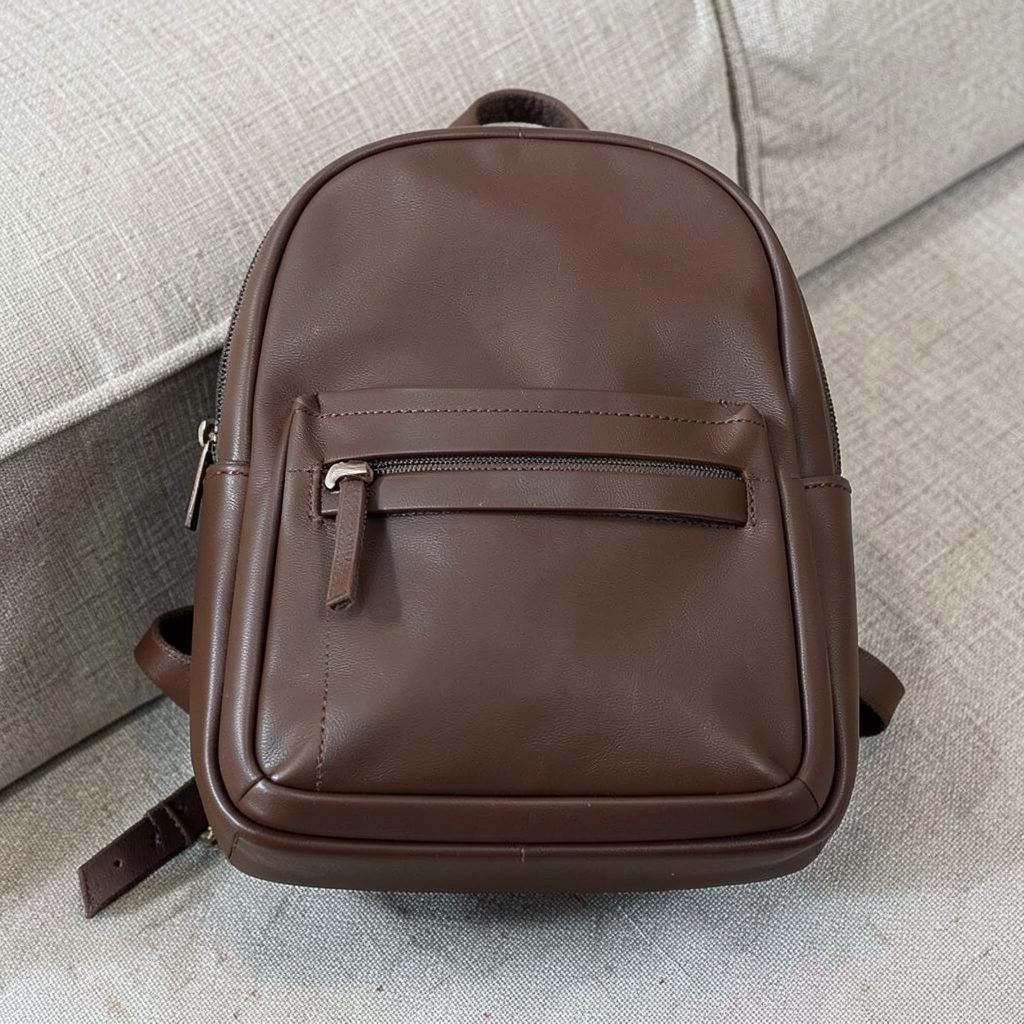
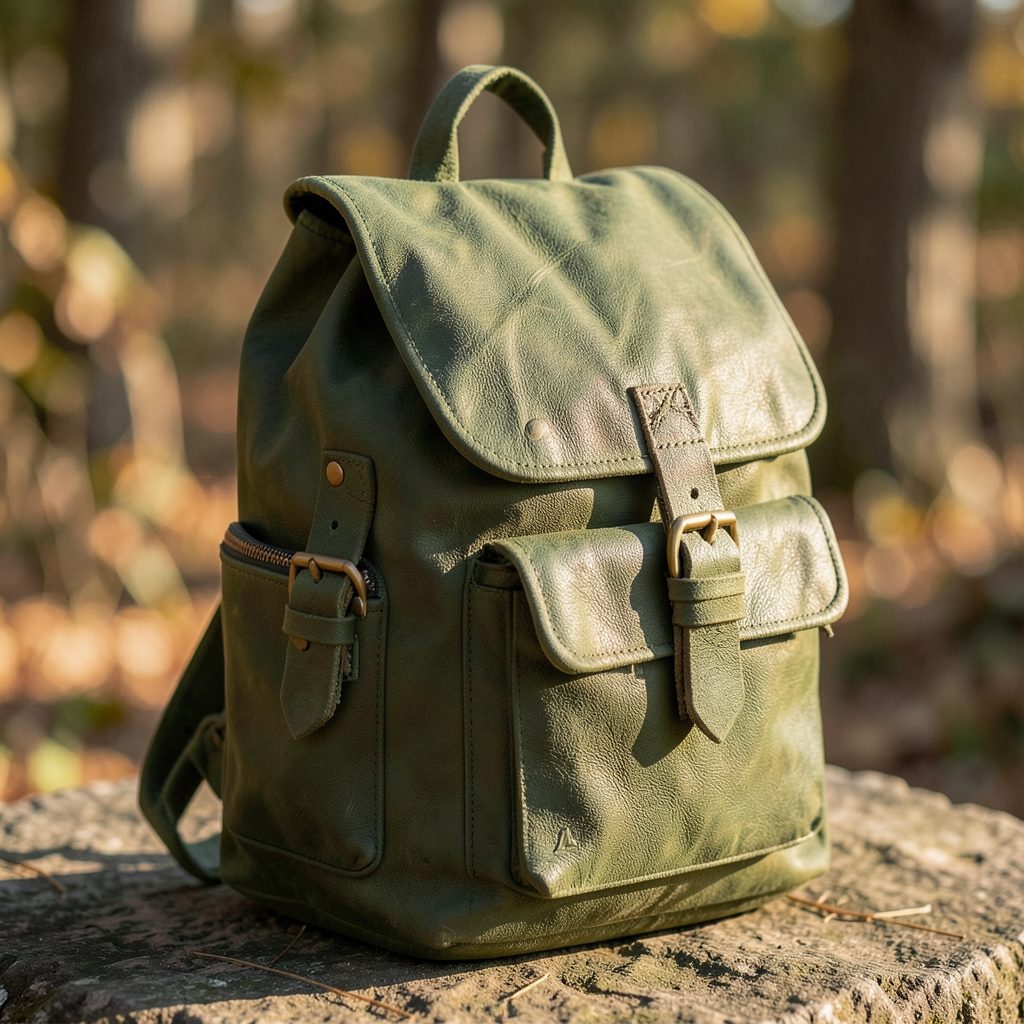
Our Backpack Styles
Every backpack is crafted from premium vegan leather with thoughtful details — multiple pockets, removable straps, and colors that work with any wardrobe. Browse the lineup below.