How to Test Your Vegan Leather Bag Before a Long Trip
A bag can look excellent on a shop page and still feel wrong after several hours in an airport, on a train platform or while walking through a busy city. Testing it before departure helps you find weak stitching, awkward straps, difficult zips and storage problems while there is still time to adjust your packing or choose another design.
Vegan leather is valued for its animal-free materials, polished appearance and easy everyday styling. Its performance can vary, however, depending on the coating, lining, hardware and construction. A sensible pre-trip check should examine the whole bag rather than focusing only on colour or capacity.
Australian travellers often move between very different conditions in one journey. A Melbourne morning can be cool and wet, a Brisbane afternoon humid, and a Sydney walking itinerary demanding on both your shoulders and your footwear. Domestic flights also encourage compact packing, while airport screening makes quick access to documents especially useful.
The best approach is to treat your bag like travel equipment. Fill it with the items you expect to carry, use it around your home or neighbourhood, expose it carefully to realistic conditions and review how it behaves after repeated handling. This gives you a practical answer about comfort, durability and organisation before your long trip begins.
Check the material and construction
Start with a slow visual inspection in good light. Look across the front, back, base and side panels for uneven texture, creasing, peeling or areas where the surface coating appears thin. Small natural variations are normal, but bubbling, lifting edges or deep folds that remain after the bag is empty may signal a finishing problem.
Examine every seam, especially where handles, shoulder straps, pockets and zip panels meet the main body. Gently pull the fabric beside a seam rather than yanking the stitching itself. The material should flex without making a sharp tearing sound or revealing gaps. Double stitching and reinforced points are reassuring in areas that carry the most weight.
Inspect the lining and internal pockets with the same care. Put your hand into each compartment and feel for rough edges, loose threads or exposed backing material. Open and close the zips several times, testing them from different angles. Snaps should close firmly without excessive force, while magnetic fasteners should align naturally rather than needing to be pressed into place.
For a compact option that still needs to cope with daily movement, compare your findings with the construction of this woven crossbody bag. A crossbody style can be particularly useful when you want both hands free for a passport, coffee or public transport card.
Test capacity with your real essentials
A bag’s advertised dimensions do not show how efficiently it holds your belongings. Pack the actual items you plan to take: phone, passport, wallet, sunglasses, charger, power bank, reusable water bottle, hand sanitiser, medication, headphones and a light layer. If you are travelling with children, include the small extras you genuinely carry rather than relying on an imagined minimalist load.
Keep heavier objects close to the back panel or base, depending on the design. Then check whether the bag still closes without bulging. Vegan leather can lose its clean shape when overfilled, and excessive pressure may strain zips or distort magnetic closures. A bag that only works when packed perfectly may become frustrating during a busy travel day.
Try retrieving your passport, boarding pass and phone without emptying the main compartment. Stand up and perform the movements you will make at an airport: place the bag under a seat, lift it into an overhead locker, remove a laptop or tablet, and open a pocket while wearing a jacket. If an important item is buried beneath everything else, reorganise before departure.
A tote may suit a farmers’ market stop, but that does not automatically make it ideal for a flight or long walking day. The advice in this guide to a vegan leather tote can help you judge whether open access, structure and carrying space match the activities on your itinerary.
Measure comfort during extended wear
Wear the bag for at least 30 to 60 minutes, then repeat the test on another day. Walk upstairs, sit on public transport and stand in a queue while carrying it. Notice pressure around your shoulder, collarbone, waist or lower back. A strap that feels fine for five minutes may become irritating after a full afternoon exploring Sydney’s streets or changing trains in Melbourne.
Adjustable straps should move smoothly and stay in place once set. Check whether the adjustment hardware digs into your clothing or slides under weight. If the bag has a short handle and a longer strap, switch between both carrying methods. Different options are useful when moving through an airport, eating at a café or walking in a crowded market.
Test the bag with the clothing and footwear you expect to wear. A crossbody strap may rub against a linen shirt, while a bulky winter coat can make a narrow shoulder strap uncomfortable. In warmer areas such as Cairns or the Gold Coast, breathable clothing and exposed skin can make friction more noticeable, so comfort testing should reflect the local climate.
For hands-free movement, review this practical waist bag guide and copy the suggested positioning during your own trial. The right placement can improve access and reduce the temptation to overfill a larger bag.
Simulate airports, streets and weather
Create a short travel circuit near home. Walk to a café, use a bus or train, enter a shop, sit down, stand up and carry the bag for at least an hour. If you live in Brisbane, test it during a warmer part of the day; if you are in Adelaide or Perth, include an outdoor walk where sun and wind may affect your comfort. The goal is to recreate interruptions rather than simply carrying the bag around one room.
Airport routines deserve their own rehearsal. Practise removing electronics, liquids and documents from the bag, then repacking them without losing smaller items. Keep in mind that Australian airport security rules can require liquids and aerosols to be presented separately, and international screening procedures may differ at your destination. A clear internal layout saves time when queues are long.
Think about the journey beyond the airport. A bag may encounter café spills, dusty walking paths, light rain, sunscreen and the occasional contact with a luggage trolley. For itinerary research, bookings and unfamiliar travel services, rely on verified information and avoid entering personal details into suspicious pages; this travel safety reference is a useful reminder to check online sources carefully.
Do not deliberately soak the bag unless the care instructions specifically permit it. Instead, place a few drops of clean water on an inconspicuous area and observe whether the finish darkens, absorbs moisture or allows water to bead. Wipe it away promptly. This simple check is not a waterproofing test, but it may reveal how cautiously you need to treat the bag in unpredictable weather.
Check cleaning, security and daily handling
Use a soft, dry cloth to remove ordinary dust and fingerprints. If the manufacturer’s care guidance allows a damp cloth, test it first on the underside or inside edge. Never use harsh alcohol, bleach, abrasive sponges or household leather polish unless the product instructions specifically approve them. A glossy coating can become cloudy or sticky when exposed to unsuitable cleaners.
Place the bag on a clean floor, a café chair and a luggage bench to see how the base behaves. A structured base that remains stable is easier to pack and less likely to tip over. Look at the feet or lower corners for early scuffing after several placements. This matters when you are moving between accommodation, airport transfers and outdoor dining areas.
Security is part of usability. Check whether zips face your body when worn, whether the main compartment closes completely and whether an exterior pocket can be reached by someone standing behind you. In crowded areas such as Melbourne’s laneways, Sydney’s light rail stops or a busy weekend market, keeping valuables in a secure internal section is sensible.
Test the hardware while wearing the bag over different layers. Fasteners should be easy for you to operate but not so loose that the contents can spill. If a strap can be detached, confirm that both clips lock into place. A small hardware fault is easier to address at home than after your luggage has been checked and your itinerary has begun.
Make a final decision before packing
After your trial, empty the bag and inspect it again. Look for new creases, stretched seams, marks from your clothing or strap slippage. Weigh it with your intended contents and compare that total with your airline’s cabin baggage limits. Weight restrictions vary, and a bag that feels light when empty may become surprisingly heavy once water, technology and personal items are added.
Give each compartment a job before the trip. For example, keep documents in a secure inner pocket, technology against a padded section, frequently used items near the opening and emergency supplies in a zipped compartment. This prevents last-minute stuffing and makes it easier to notice if something has been left behind at a hotel or café.
Use these checks as your final screening process:
- Carry the fully packed bag for at least 30 minutes without pain, rubbing or strap movement.
- Open every zip, snap and magnetic closure repeatedly, including while wearing the bag.
- Confirm that your passport, phone, charger and medication are easy to reach.
- Check the surface, lining, seams and base after a realistic walking test.
- Weigh the packed bag and compare it with your airline and destination requirements.
A simple decision guide can help separate minor preferences from genuine concerns:
| Test area | Ready for travel | Needs attention |
|---|---|---|
| Surface finish | Even, clean and free from lifting or bubbling | Peeling, sticky patches or permanent deep creases |
| Seams and handles | Firm stitching with no gaps or loose threads | Pulling seams, exposed backing or weak attachment points |
| Capacity | Holds essentials while closing naturally | Bulges, strained zips or poor access to key items |
| Comfort | Stable strap with no rubbing after extended wear | Shoulder, waist or back pressure within minutes |
| Security | Reliable closure and protected valuables | Open pockets, loose fasteners or exposed contents |
| Weather and care | Clear cleaning guidance and sensible moisture tolerance | Unclear care requirements or immediate surface damage |
If the bag passes the practical checks, pack it with a little spare capacity rather than filling every centimetre. That extra room makes it easier to store a scarf, souvenirs or a water bottle during the day. If it fails a basic safety, comfort or construction test, do not rely on optimism. Choose a better-fitting option before departure and keep the tested bag for lighter everyday use if appropriate.
A few minutes of realistic testing can turn a stylish accessory into dependable travel equipment. Browse animal-free bags and accessories from Travel Starter Pack, select a design that suits your route, and put it through these checks before your next Australian departure.
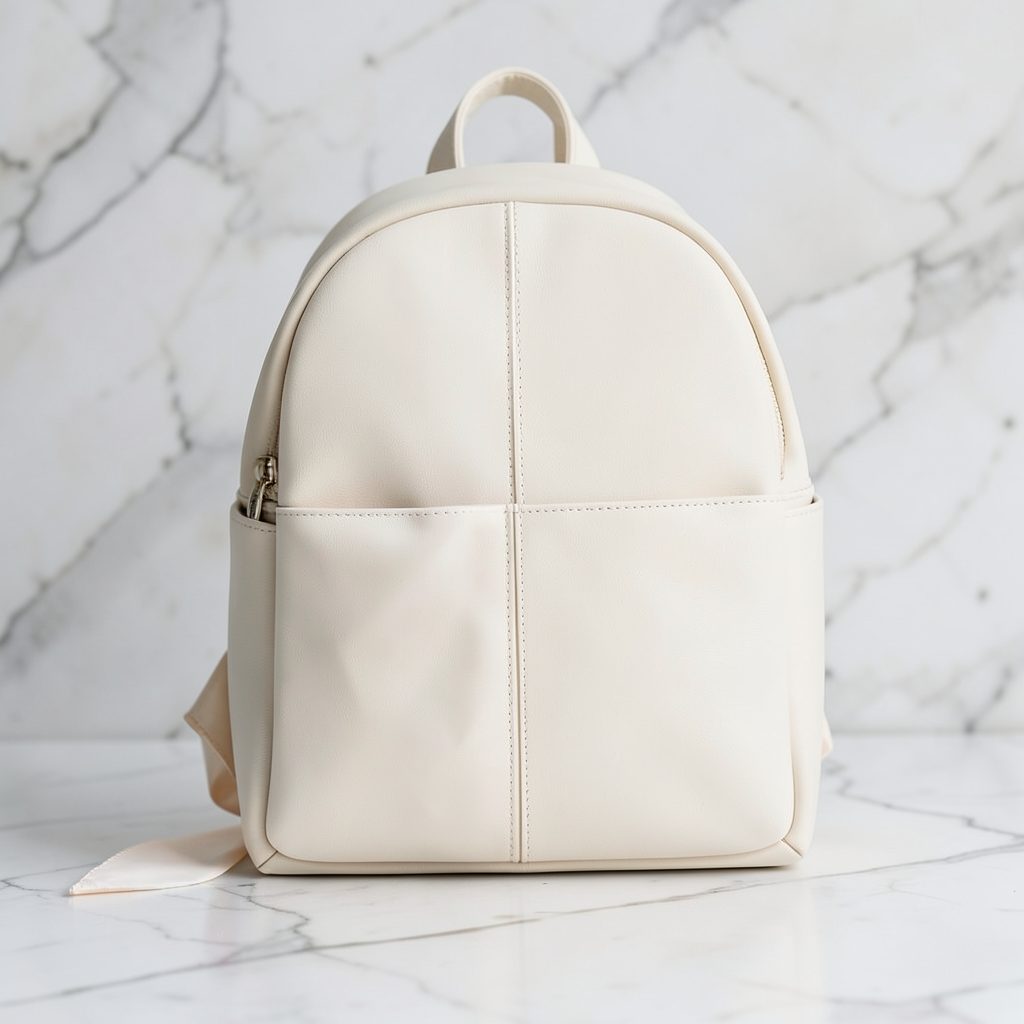
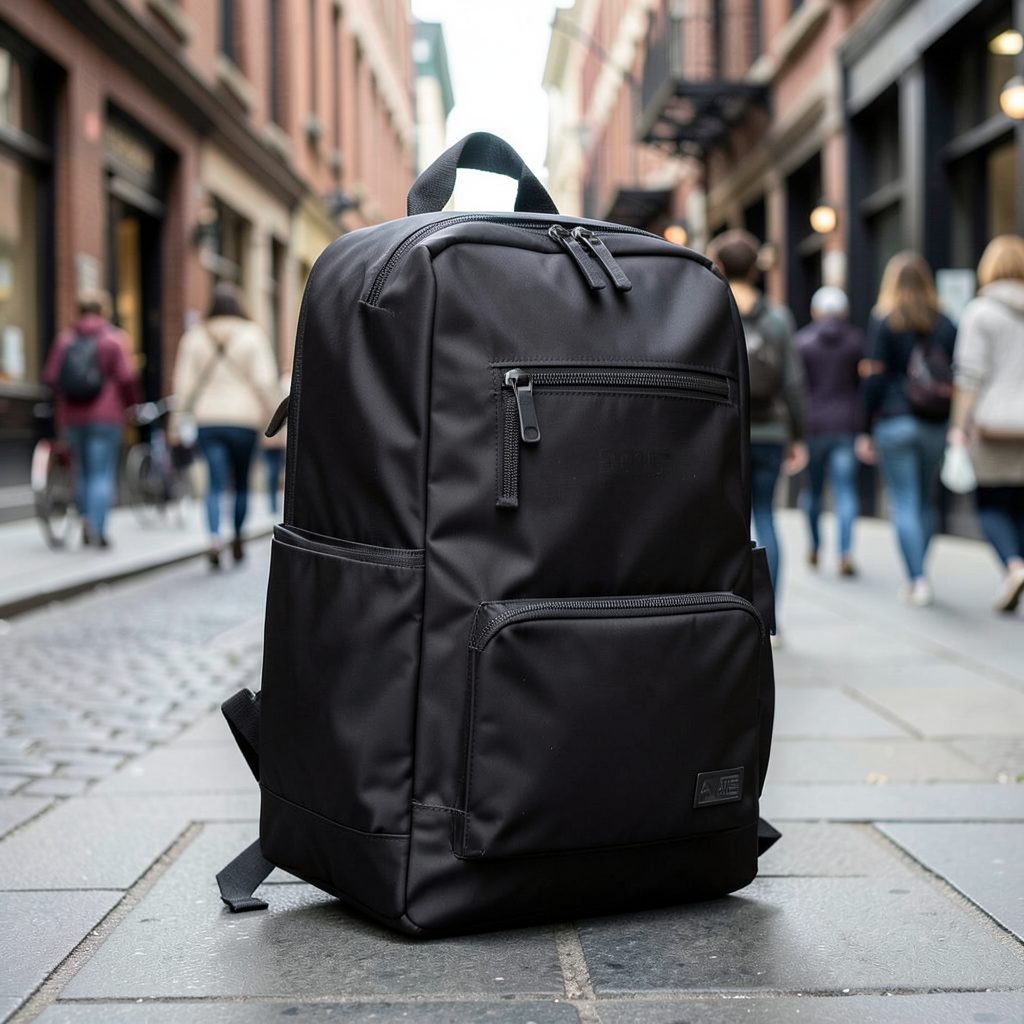
Our Backpack Styles
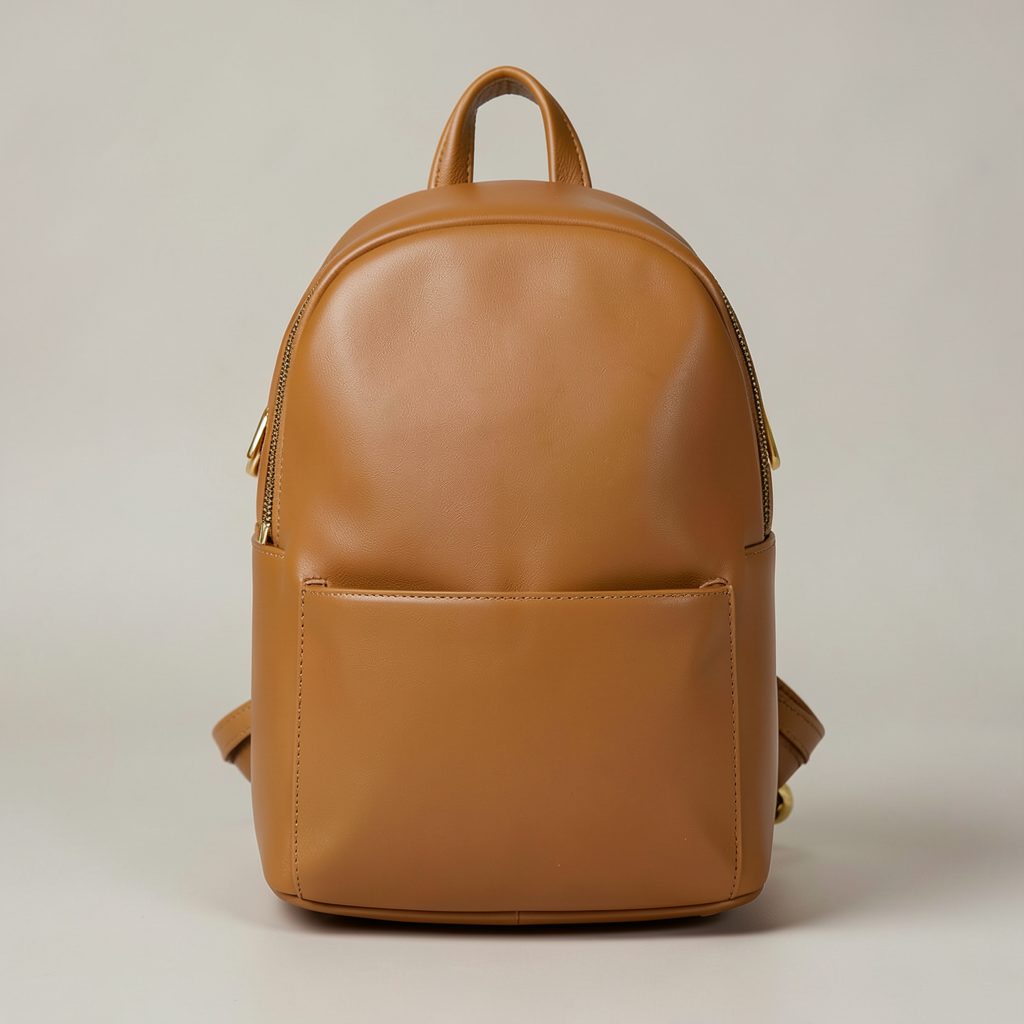
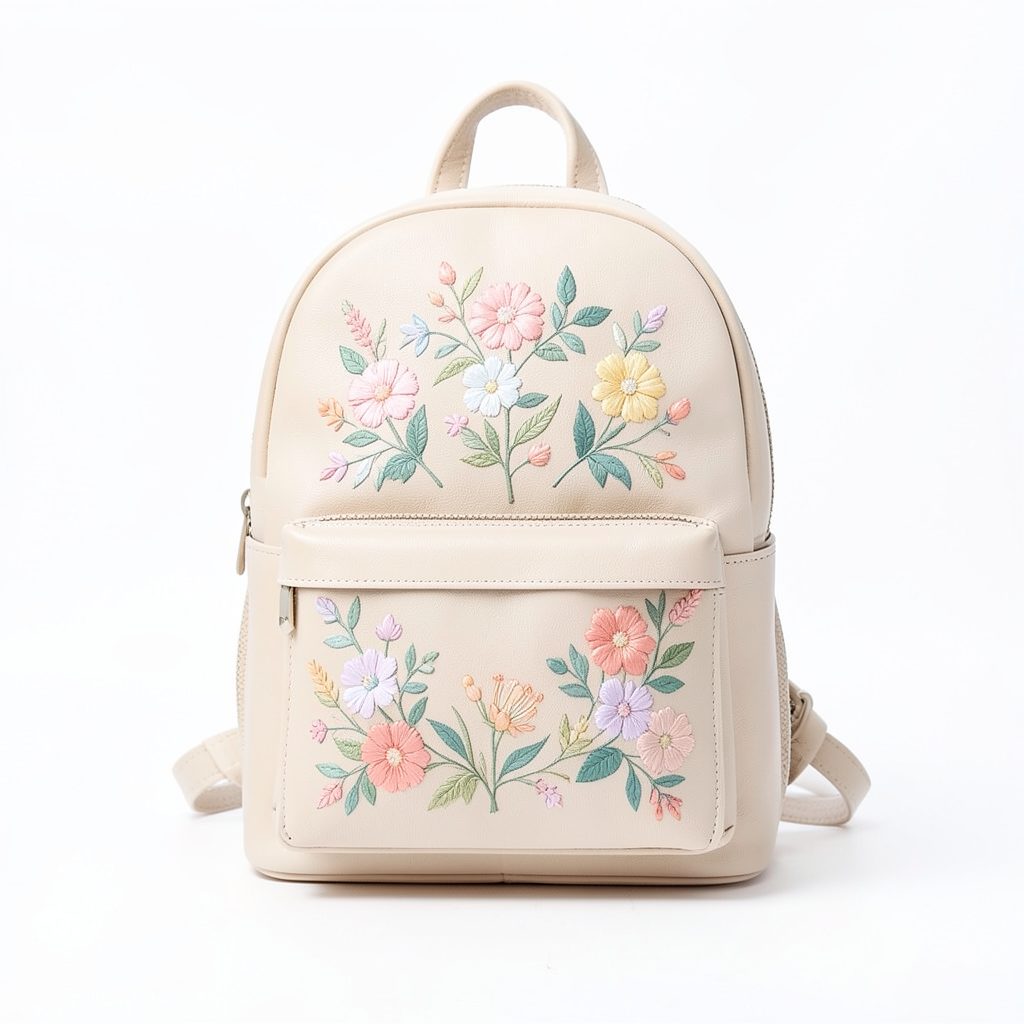
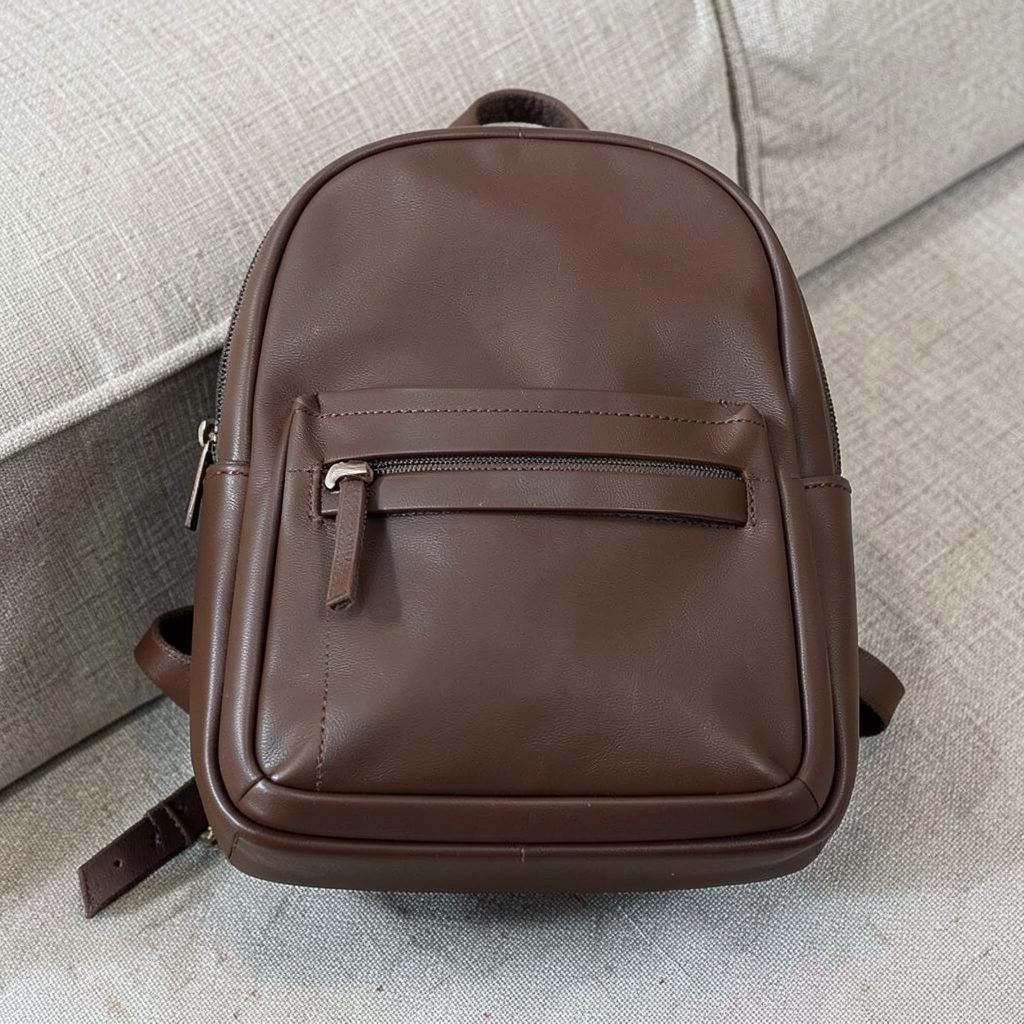
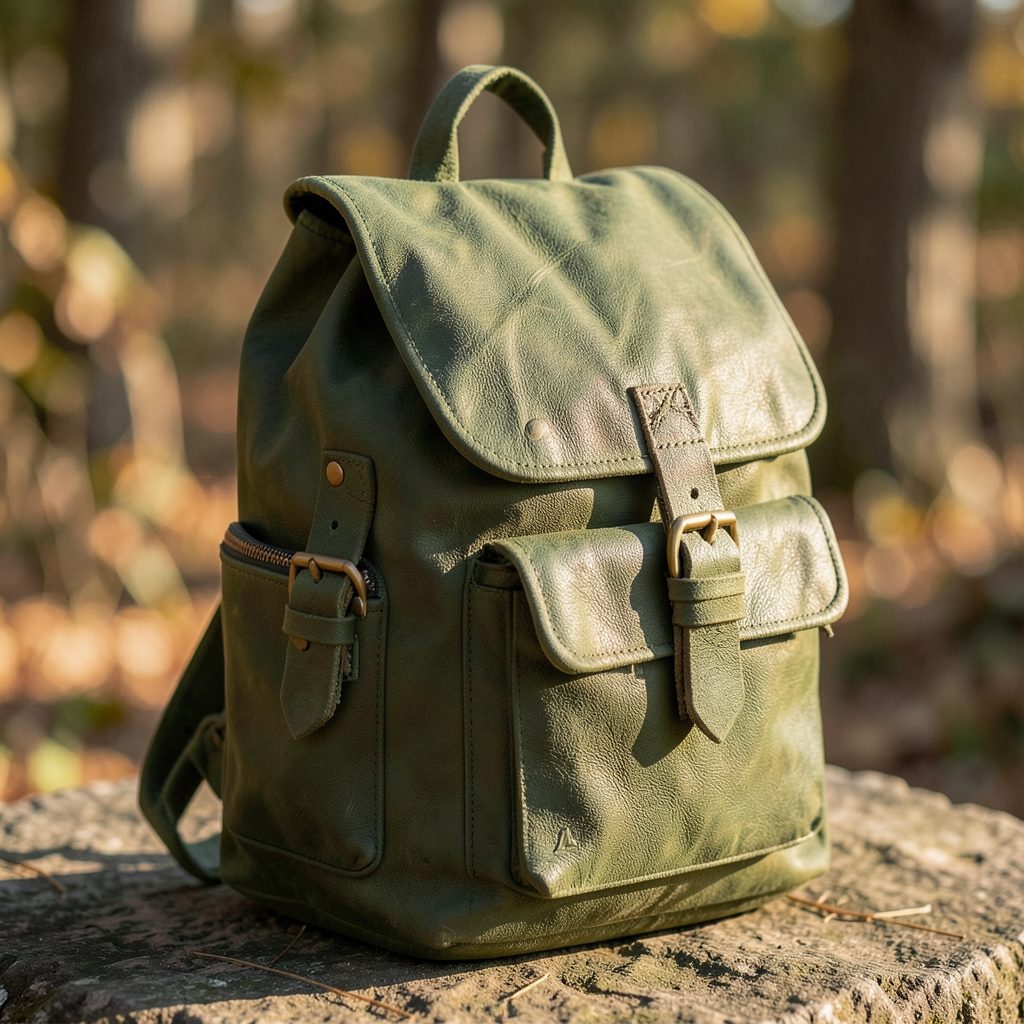
Every backpack is crafted from premium vegan leather with thoughtful details — multiple pockets, removable straps, and colors that work with any wardrobe. Browse the lineup below.