How to Test the Zippers on a Vegan Leather Bag Before You Book a Trip
A bag can look polished on a product page and still reveal weak hardware when it is packed, carried and opened repeatedly. Zippers are among the most frequently used parts of a travel bag, so a few minutes of testing at home can prevent a frustrating split pocket, jammed pull or lost passport at the airport.
Vegan leather bags are practical for holidays and daily commuting because they are easy to wipe clean and available in a wide range of shapes and colours. Whether you are preparing for a weekend in Melbourne, a domestic flight from Sydney or a longer journey overseas, inspecting the zip construction before departure helps you pack with greater confidence.
Start with the bag’s overall construction
Before focusing on the zip itself, examine how the opening sits within the bag. A well-made zipper should follow a smooth, even line without pulling the vegan leather into ripples. Look at both ends of the opening, where the teeth or coil meet the fabric, and check that the stitching is consistent rather than loose or bunched.
Run your fingers along the zipper tape and the surrounding seams. The tape should be firmly attached, while the material around it should feel supported when you gently press the opening. On a tote or backpack, a broad zip may carry more stress because it holds the main compartment closed. On a crossbody bag, smaller pocket zippers may be used for keys, cards or an Australian driving licence and deserve the same attention.
Inspect the puller, slider and stop at each end. The puller should sit securely on the slider and should not wobble excessively. A metal or coated pull can feel reassuring, but its shape matters too: sharp edges may catch on clothing, while an oversized pull can be awkward when the bag is held close in a crowded tram or airport queue. Product details from a specialist travel-ready collection can help you compare bag shapes, pocket layouts and hardware before ordering.
Check the zip before applying pressure
Open the compartment completely, then close it slowly using the puller rather than tugging the fabric. The motion should remain steady from one end to the other. A little resistance can occur with a new zip, but it should not require force or produce a grinding sensation. If the slider stops, move it back a short distance instead of pulling harder.
Repeat the movement with the bag empty and then with a light load. Use soft items such as a T-shirt, scarf or pouch rather than hard objects that could distort the lining. Observe whether the zip remains aligned when the compartment is filled. A zipper that works perfectly on an empty bag may strain when the sides are pushed outward.
Avoid testing with a full load of books, shoes or electronics at first. Excess weight can make it difficult to tell whether the issue comes from the zipper or from overpacking. The aim is to assess the hardware under normal use, not to force the bag beyond its intended capacity. This is especially relevant for carry-on luggage, where travellers often try to fit one last jumper before a flight from Brisbane or Perth.
Test the slider from both directions and from different starting points. Close it halfway, open it again, and repeat several times. Then check whether the slider reaches the end cleanly without leaving a gap behind it. A gap between the teeth after closing may indicate misalignment, an obstruction or a defective slider and should be taken seriously before travel.
Inspect for snags and separation
Use a bright lamp to examine the teeth or coils along the entire opening. Look for missing teeth, uneven spacing, bent sections, loose threads and areas where the zipper tape has lifted from the seam. On darker bags, these details can be hard to see in a shop or bedroom light, while a close inspection can reveal a weakness that may worsen after repeated use.
Check the inside as well as the outside. The lining should not be caught in the zipper path. Place a few fingers inside the compartment and gently move the slider while watching the lining. If fabric is repeatedly drawn into the mechanism, the pocket may become difficult to close when you are in a hurry. A smooth lining and a cleanly finished seam reduce the chance of snagging.
Try a gentle side-to-side check with the zipper closed. Hold the bag near the opening and apply only light, even pressure, as though the contents were pressing outward. The zipper should stay closed and the teeth should remain engaged. Do not yank the two sides apart, since that can damage even a sound zip and does not represent ordinary use.
Small pockets deserve particular attention because they often carry items that matter most. A card wallet, medication, boarding pass or phone may be stored in an external compartment for quick access. If a pocket opens unexpectedly when the bag is placed under a café table or on a seat beside you, its contents can be lost before you notice. For a compact option, inspect details such as the closure and pocket access on a woven crossbody bag before deciding how you would organise essentials.
Recreate everyday Australian travel conditions
A zipper test should reflect the way you will actually use the bag. Walk around the house with it over one shoulder, place it on the floor, lift it by the top handle and set it down several times. Open the main compartment while standing and while the bag rests on your lap. These movements imitate common moments at a hotel reception, a suburban café or a busy terminal.
Australia’s climate can also influence how a bag feels in use. In Brisbane or Darwin, warm humidity may make synthetic materials and linings feel less slippery, while hot conditions can encourage travellers to carry a water bottle, sunscreen and extra clothing. Add the items you expect to take, without overloading the bag, and check whether the zipper still closes without the sides bowing sharply.
If you are travelling through Melbourne, test the bag while wearing a jacket or light jumper, since extra layers can change how a crossbody strap and top opening sit against the body. Travellers using trains, trams or buses may open a pocket with one hand, so practise operating the zip without putting the bag on a bench. The pull should be easy to locate and move, but not so loose that it catches on nearby fabric.
For road trips, regional flights or dusty walks, look at how exposed the zipper is. A covered zip can help limit contact with grit, while an uncovered mechanism may need more frequent cleaning. Sand around coastal areas such as the Gold Coast or Western Australia can be particularly troublesome for small moving parts. Do not deliberately rub sand into the zip, but think about whether the opening can be brushed clean before you put the bag back in a car or cabin.
Security and storage habits matter as well. At an Australian airport, you may need to remove electronics or liquids quickly during screening, depending on the terminal and current instructions. A main zipper that opens fully and runs smoothly is easier to manage than one that sticks halfway. During a domestic trip, keep valuables in a closed interior pocket and verify that every compartment is shut before placing the bag under a seat.
Decide whether the bag is ready to travel
Once the bag passes the basic checks, perform a short repeat-use trial over a day or two. Use the zippers for normal tasks: take out your phone, store keys, open the main compartment and close it again. Repeated use can reveal an intermittent snag that is easy to miss during a single inspection. It also shows whether the puller is comfortable when your hands are wet, cold or carrying another item.
Keep the bag lightly packed overnight and check the opening again the next morning. The vegan leather should not be sharply creased around the zip, and the slider should still move along the same path. If the bag has an adjustable side or gusset, test it in both its narrow and expanded positions. Changes in shape can place different amounts of tension on the closure.
A tiny amount of zipper-safe lubricant may help with a stiff metal mechanism, but do not apply household oil, cooking oil or greasy products to vegan leather. These substances can mark the surface, attract dust and affect the lining. Start with a dry, clean cloth to remove loose fibres, then follow the care instructions supplied with the bag. If the slider repeatedly catches, the teeth separate, or the tape pulls away from the seam, contact the retailer before booking travel rather than trying to repair it with force.
Pack with the zipper’s limits in mind. Keep sharp objects in a protective case, avoid pressing bulky shoes against a narrow opening and leave enough room for the compartment to close naturally. A luggage tag, pouch or small organiser can prevent loose items from gathering beside the slider. For long journeys, place the bag inside a larger suitcase only after checking that the zip is fully closed and the puller cannot catch on other belongings.
A dependable bag does not need to feel rigid or heavy. It should open and close predictably, hold its shape under a sensible load and keep important items secure during ordinary movement. Careful testing also gives you a better understanding of which pocket suits your passport, travel documents, cards and daily essentials, making the bag more useful after the trip as well.
Make zipper testing part of your pre-trip routine before you commit to a new vegan leather bag. Browse styles suited to commuting, flights and weekends away, check the hardware with the steps above, and choose a design that combines secure closures with the capacity you genuinely need. When your bag is ready, pack calmly, track your order if it is still on the way, and set off knowing your essentials are protected from departure to arrival.
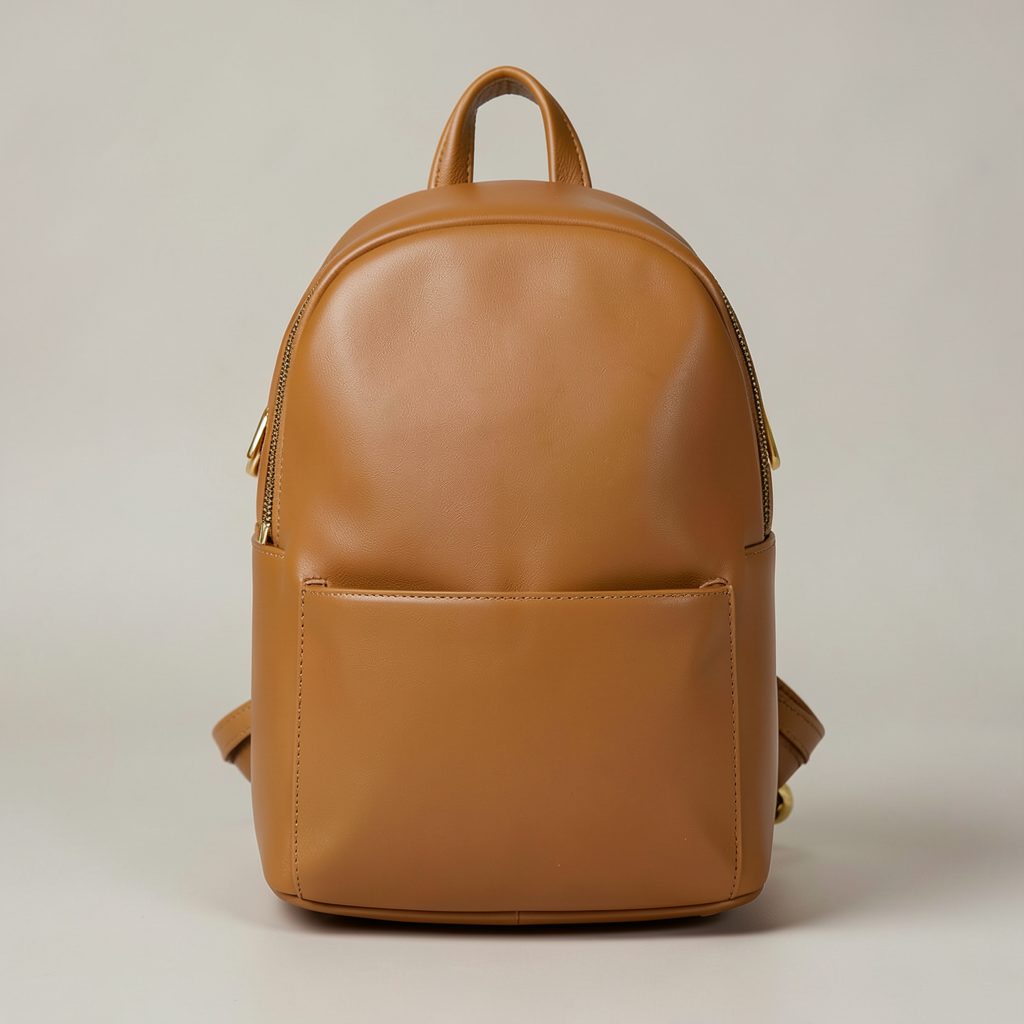
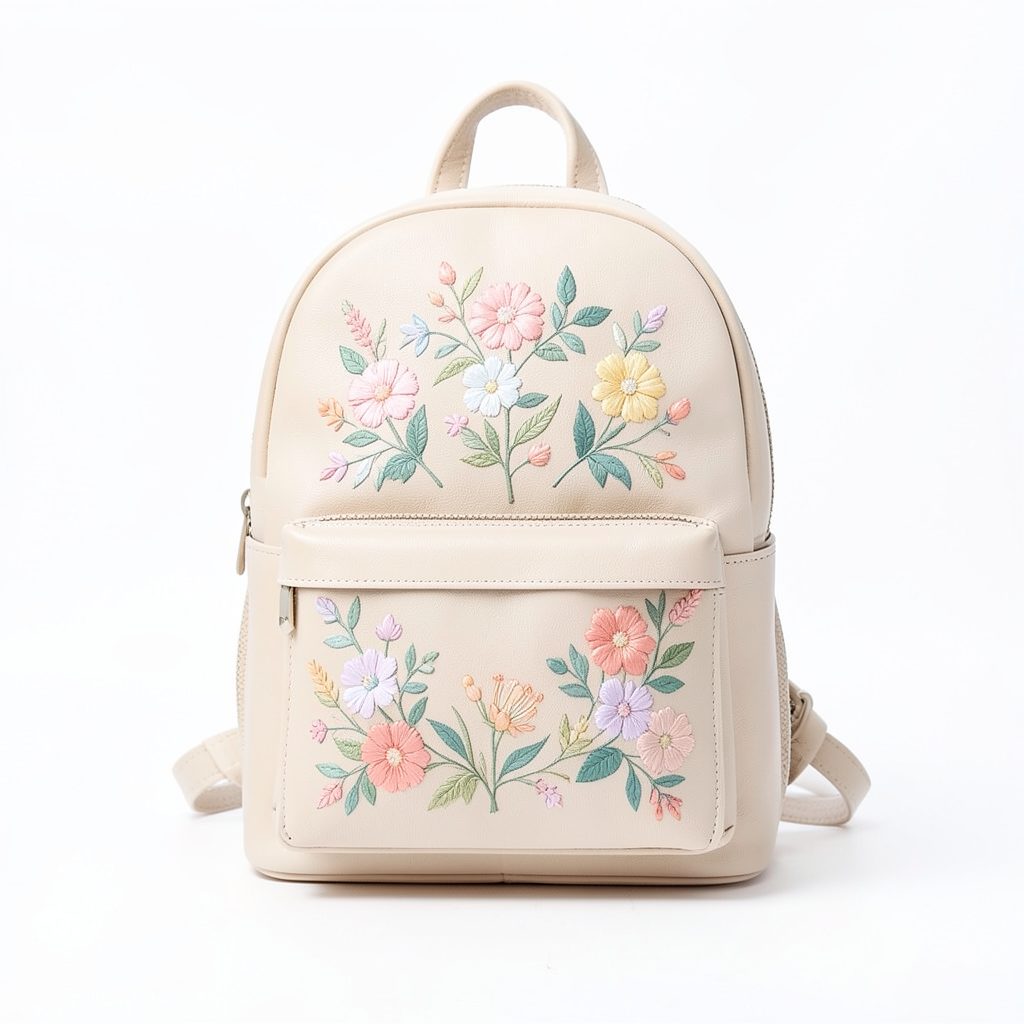
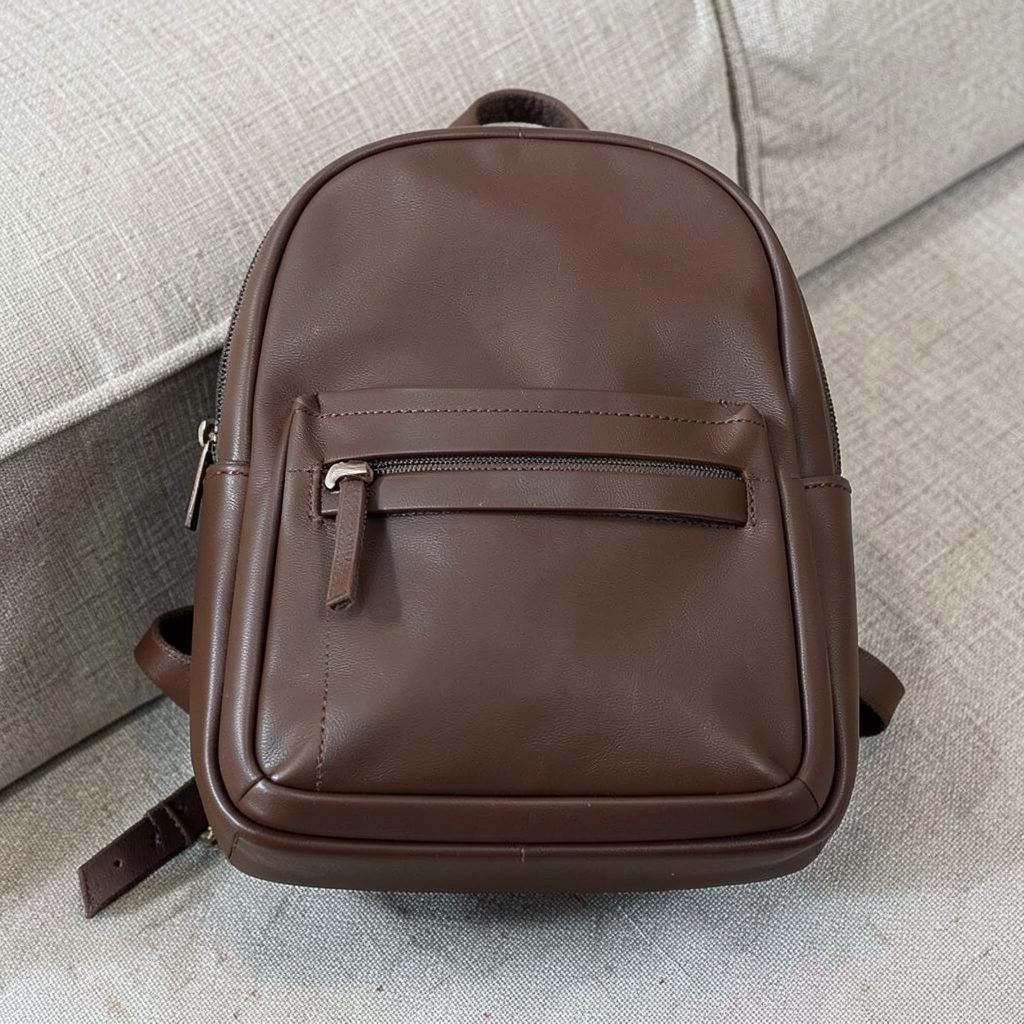
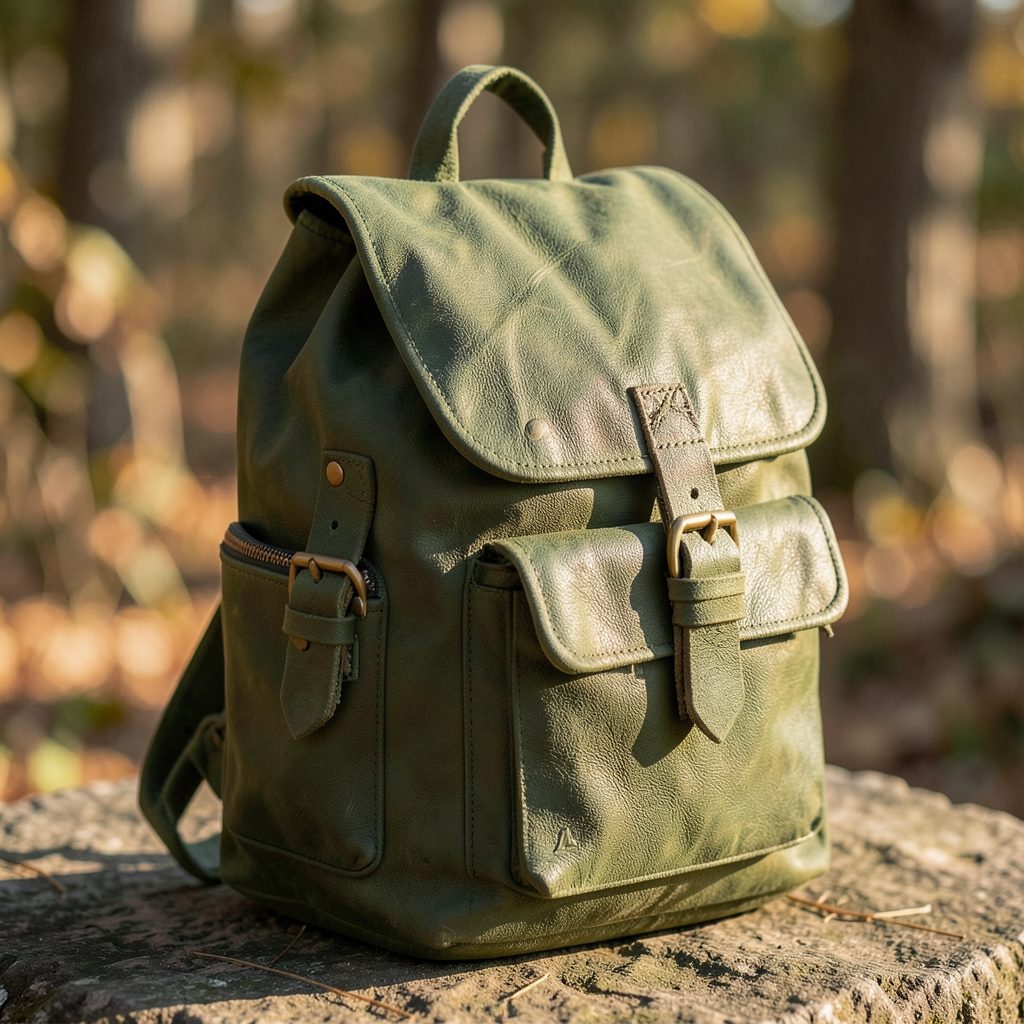
Our Backpack Styles
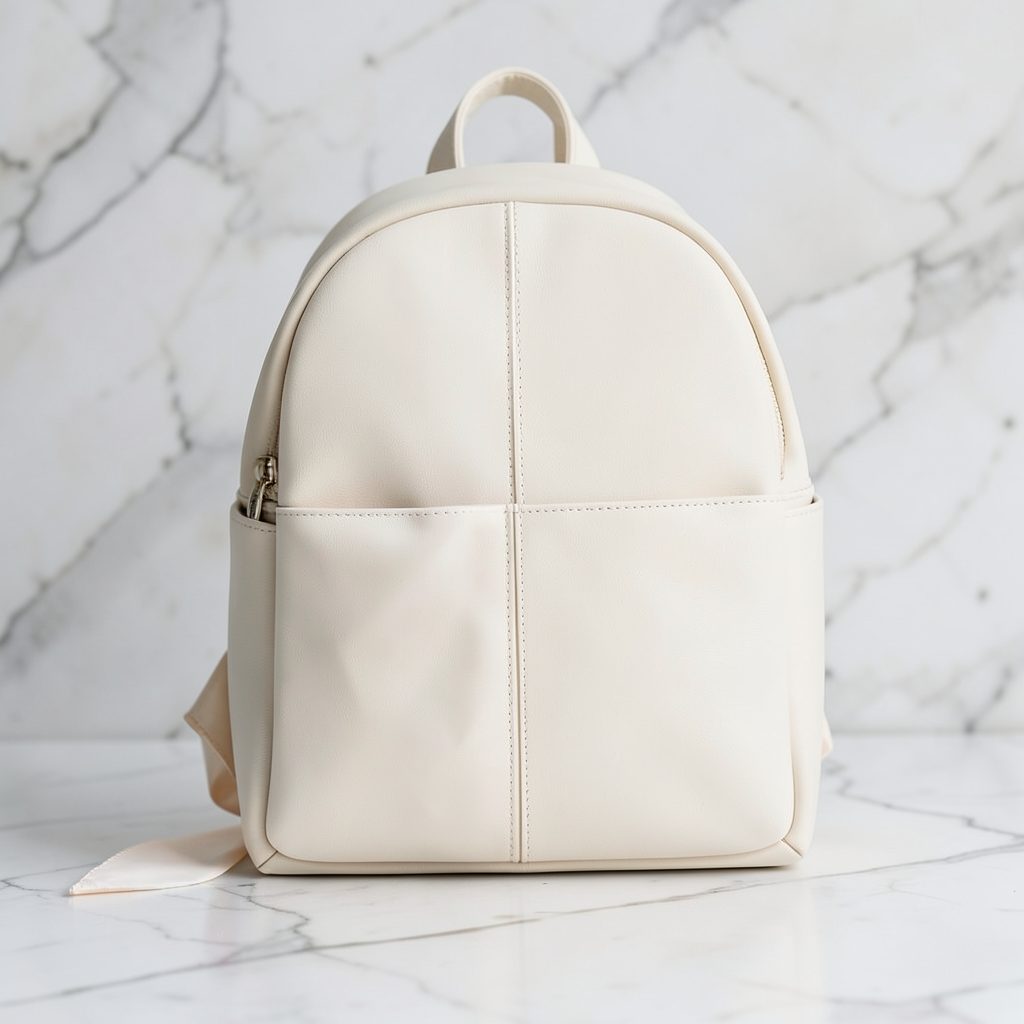
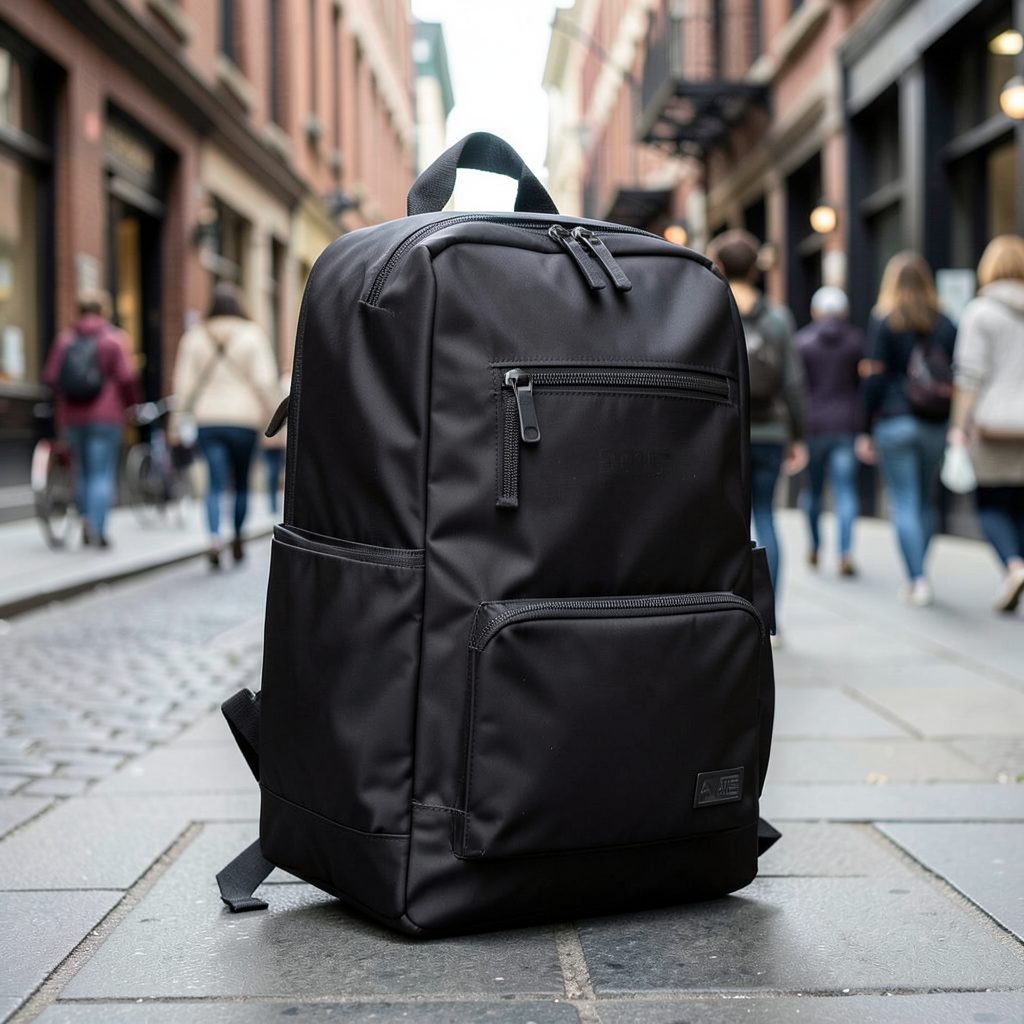
Every backpack is crafted from premium vegan leather with thoughtful details — multiple pockets, removable straps, and colors that work with any wardrobe. Browse the lineup below.