How to Spot Vegan Leather That Will Last Through Frequent Travel
Frequent travel puts unusual pressure on a bag. It may be squeezed into an overhead compartment, dragged across airport floors, exposed to rain, and opened dozens of times during a single journey. A stylish finish matters, but long-term performance depends on the material beneath it, the quality of the construction, and how well the design suits the way you travel.
Vegan leather is a broad category rather than one single fabric. Some bags use polyurethane, often called PU, over a textile backing. Others use PVC, recycled synthetics, or newer plant-based materials such as cactus, apple, or pineapple fibers. The name on the product page does not automatically reveal how the bag will age.
The most reliable approach is to assess the complete product. Look beyond the color and grain pattern to examine the backing, seams, lining, hardware, closures, handle attachments, and care instructions. A well-made vegan leather backpack or crossbody can remain practical for years when these details work together.
Understand What The Material Reveals
PU vegan leather is widely used because it can feel soft, remain flexible, and take on a convincing leather-like grain. Its performance varies considerably according to the coating thickness, textile backing, and finishing process. A dense, even surface with a strong woven backing is generally a better sign than an extremely thin coating that feels papery or overly plastic.
PVC can be resistant to water and abrasion, but it is often stiffer and less breathable than PU. It may work well for a structured tote or travel pouch, though it can become brittle when exposed to repeated folding, intense heat, or very cold temperatures. A product made with recycled or bio-based content may have a different feel and care profile, so material claims should be read alongside practical specifications.
Plant-based content does not automatically mean a bag will outperform synthetic alternatives. Many plant-derived materials are combined with polyurethane or another binder to create a flexible, water-resistant surface. Check whether the brand explains the composition clearly, rather than relying on a broad label such as “eco leather” or “green leather.”
Inspect The Surface And Backing
Run your fingers across the material, if you can inspect it in person. The surface should feel consistent from panel to panel, with no bubbling, flaking, deep creases, or areas that feel noticeably thinner. A slight synthetic feel is not itself a problem; uneven coating and weak flexibility are more important warning signs.
Bend a discreet section gently and look at the crease. Durable vegan leather should flex without immediately showing white stress marks, cracking, or separation between the coating and backing. Avoid aggressively folding a display item, but a careful movement can reveal whether the finish is supple enough for regular packing and handling.
The reverse side also matters. Exposed edges should be neat, sealed, or covered with binding. If the textile backing is visible at unfinished corners, around strap holes, or beneath the opening, moisture and abrasion can reach the weakest layer. A clean edge finish suggests that the maker has considered everyday wear rather than focusing only on the front-facing appearance.
A subtle grain can also be useful because it disguises minor scuffs better than a perfectly smooth, glossy finish. Very dark colors may hide marks, while pale or bright shades can show transfer from denim, luggage belts, and dirty surfaces. Choose the finish with your travel habits in mind.
Evaluate Construction Before Style
Stitching is one of the clearest indicators of whether a bag can handle repeated use. Examine the points where handles, shoulder straps, pockets, and side panels meet. Stitches should be straight, evenly spaced, and securely locked at their ends. Loose threads or skipped stitches may become larger failures when the bag is loaded.
Stress points deserve reinforcement. Look for boxed stitching, bar tacks, rivets, or layered panels where weight is concentrated. A decorative handle attached only to a narrow strip of material is less reassuring than one anchored through the body of the bag with strong stitching and reinforcement on the inside.
Zippers should move smoothly without catching the lining or separating from the tape. Metal hardware often feels substantial, but weight alone is not proof of quality. Test clasps, magnetic snaps, buckles, and adjusters several times. They should close securely and operate without excessive looseness.
The interior deserves equal attention. A durable lining should fit properly without sagging into the zipper track, and internal pockets should be sewn into stable seams. For frequent travel, a washable or wipe-clean lining is especially useful because cosmetics, snacks, pens, and travel documents can all create messes.
Compare Materials For Travel Use
Different vegan leather constructions suit different forms of travel. A flexible PU crossbody may be comfortable for sightseeing because it moves with the body. A firmer coated material can hold the shape of a tote or laptop bag. Lightweight designs reduce strain, but extremely thin panels may sacrifice abrasion resistance.
The best choice depends on exposure, load, and frequency. Someone taking occasional weekend trips may value a soft, lightweight finish, while a daily commuter who travels every week may need reinforced handles, a thicker backing, and a protective base. Product dimensions and weight should be considered alongside appearance.
| Material or Feature | Typical Strengths | Possible Limitations | Useful Travel Application |
|---|---|---|---|
| PU-coated textile | Flexible, lightweight, soft hand feel | Surface may peel if coating is thin or poorly cared for | Crossbody bags, backpacks, daily totes |
| PVC-based finish | Water resistance, structured shape, easy wiping | Can feel stiff and become brittle with heat or age | Structured totes, toiletry cases |
| Plant-based composite | Lower reliance on conventional fossil-derived coatings in some designs | Durability depends on the binder and backing | Everyday bags where material transparency is clear |
| Recycled synthetic backing | Can add strength and use recovered fibers | Sustainability and performance vary by blend | Travel bags with reinforced panels |
| Smooth glossy finish | Easy to wipe and visually polished | Scratches and scuffs may be more visible | Occasion bags and compact accessories |
| Textured grain finish | Hides small marks and adds visual depth | Deep texture can collect dirt | Frequent-use backpacks and crossbody bags |
Material information becomes more valuable when it is paired with measurable details. Look for dimensions, weight, lining composition, strap length, closure type, and care guidance. A product description that explains these features gives you a stronger basis for judging quality than broad promises about luxury or durability.
If you are comparing several styles, browse vegan travel bags alongside their specifications rather than shopping by color alone. A useful travel design should balance capacity, comfort, organization, and protection for the items you carry most.
Match The Design To Your Routine
A bag can be well made and still wear out quickly if it is used beyond its intended purpose. A small purse designed for a phone, keys, and a passport should not be packed with a water bottle and a tablet. Overloading stretches seams, strains closures, and places constant pressure on the base.
For air travel, consider a bag with a stable bottom, secure top closure, and compartments that prevent contents from shifting. A backpack may distribute weight more evenly than a tote, while a crossbody can keep essentials close during city walks. If you carry electronics, look for padding and enough room to avoid forcing a device through a narrow opening.
Travel accessories can also reduce wear on a larger bag. A separate wallet, pouch, or cable organizer prevents sharp objects from rubbing against the lining and makes security checks easier. Ideas gathered in these travel gift ideas can help build a coordinated set without filling one compartment with loose items.
Color and finish should reflect your expected environment. A medium-tone textured bag may be forgiving during long journeys, while a pale smooth design might require more careful handling. Hardware in a neutral finish can also reduce the appearance of small scratches compared with highly polished metallic surfaces.
Check Care Requirements And Warranty Details
Good care cannot repair poor construction, but it can extend the life of a vegan leather bag. Most styles should be wiped with a soft, slightly damp cloth and dried naturally. Strong solvents, abrasive sponges, alcohol-based cleaners, and excessive heat can damage the coating or cause discoloration.
Do not leave the bag in a hot car, on a radiator, or in direct sunlight for long periods. Heat can soften adhesives and alter the finish, while prolonged sunlight may fade darker or brighter colors. When storing the bag, empty it, close the zippers, and keep it in a cool, dry place with enough support to prevent permanent creasing.
Moisture resistance is not the same as waterproofing. A bag may handle light rain while still allowing water through seams, zipper tracks, or unsealed edges. If your trips involve wet climates, use an internal pouch for passports and electronics and follow the maker’s advice rather than applying an untested conditioner.
Read the return policy and warranty terms before purchasing. A clear policy does not guarantee perfect durability, but it shows that the seller has considered product performance after delivery. Keep your order details and inspect the bag when it arrives, especially around the seams, hardware, lining, and edges.
Use This Buying Checklist
Before choosing a vegan leather bag for frequent journeys, assess the product as a working travel tool rather than a decorative accessory. The following checks can help separate a resilient design from one that only looks convincing in a product photograph:
- Look for a clearly described surface, backing, and material blend instead of a vague “vegan leather” label.
- Flex the material gently and reject visible cracking, peeling, bubbling, or severe whitening at the crease.
- Inspect handle attachments, strap anchors, zipper tape, bottom corners, and pocket openings for reinforcement.
- Test closures and adjusters to ensure they operate smoothly and hold securely.
- Choose a size and structure that match the intended load, with a lining and compartments suited to your routine.
Online shoppers can compensate for not handling the product by studying close-up images, measurements, reviews, and care instructions. Reviews that mention months of use, commuting, rain, or repeated flights are usually more informative than comments focused only on first impressions.
It is also worth considering the seller’s wider product range. A brand that offers coordinated bags, wallets, and accessories may make it easier to distribute belongings sensibly and avoid overloading one item. For compact essentials, browse the selection of vegan leather wallets and compare their closures, card capacity, and interior lining.
Travel With A More Informed Choice
A durable vegan leather bag is defined by more than a convincing grain or an attractive color. The material should flex without breaking down, the backing should be protected, and every stress point should be reinforced for the way the bag will actually be used. Clear care instructions and honest construction details add further confidence.
Before your next purchase, examine the full product description, compare the design with your travel routine, and inspect the bag as soon as it arrives. With the right combination of material, stitching, hardware, storage, and maintenance, your animal-free travel accessory can remain polished and dependable through frequent journeys.
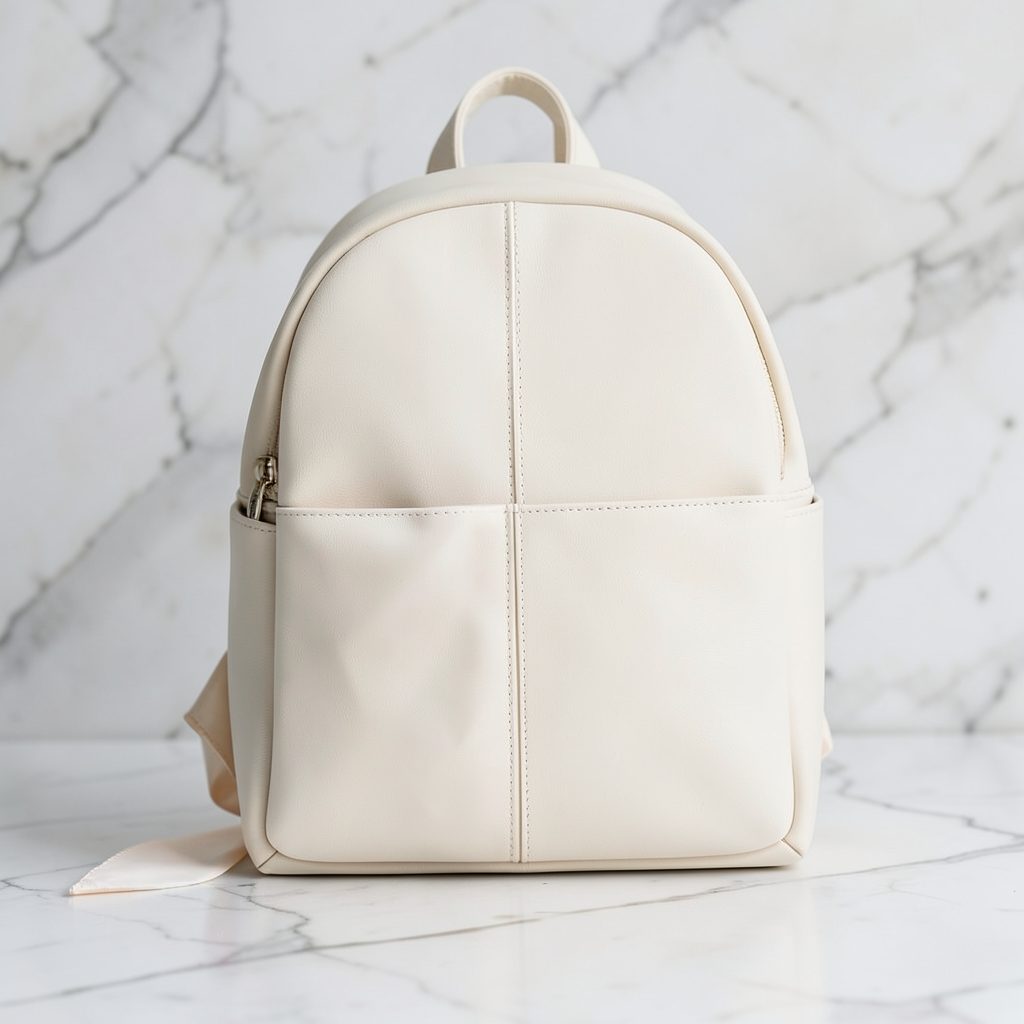
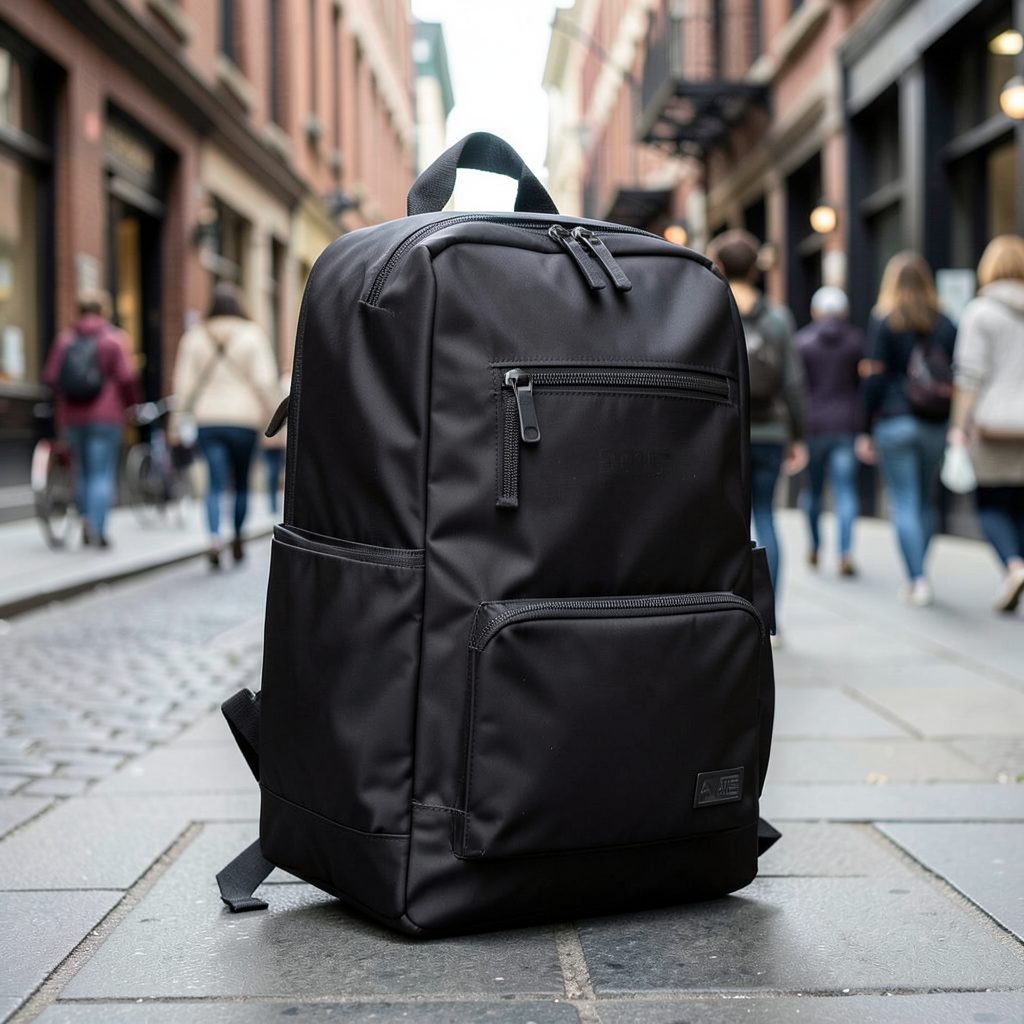
Our Backpack Styles
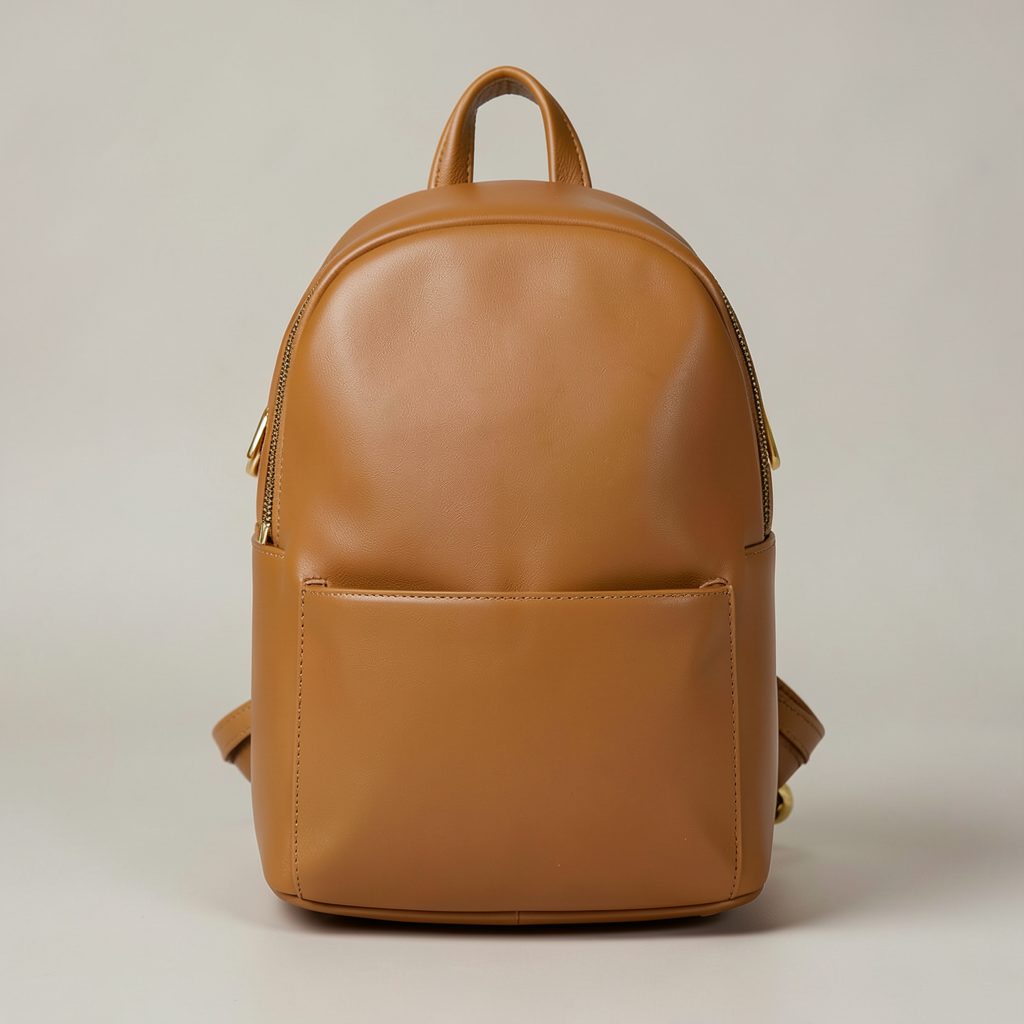
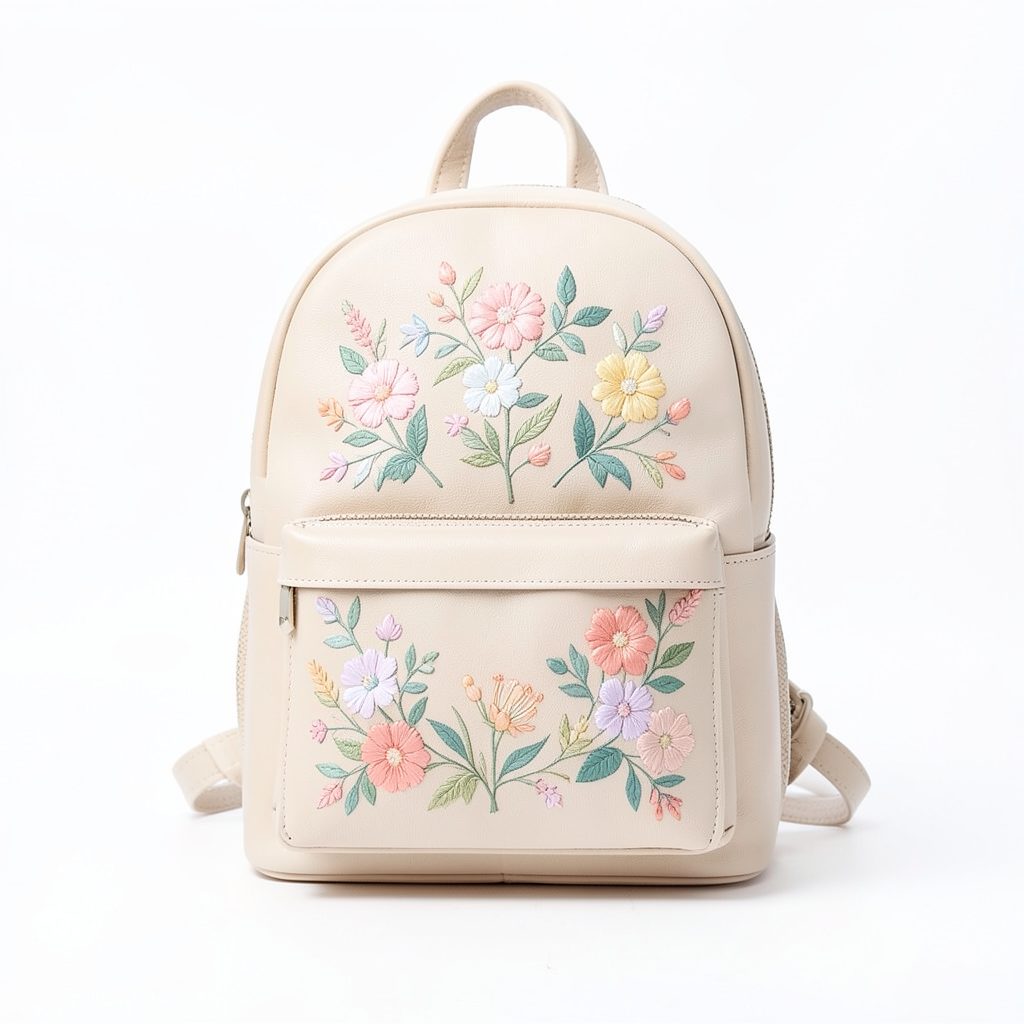
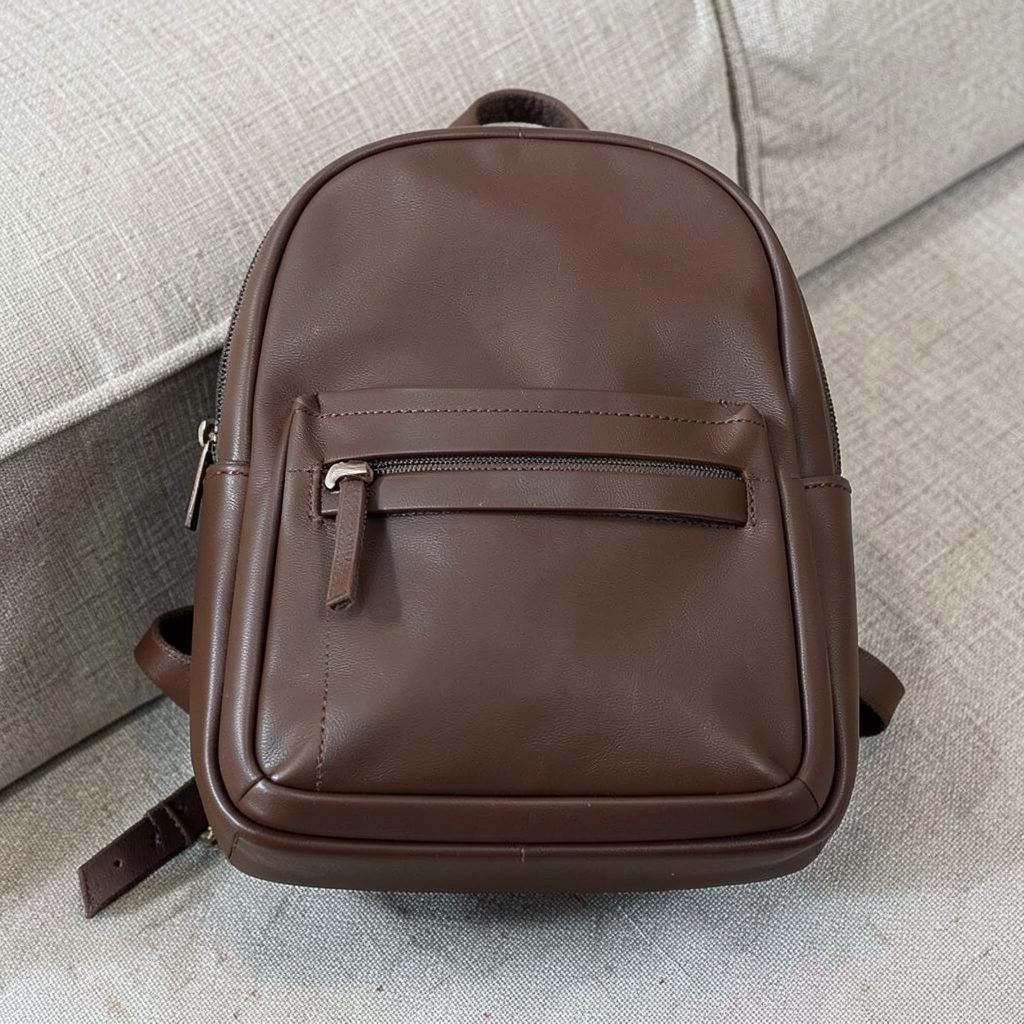
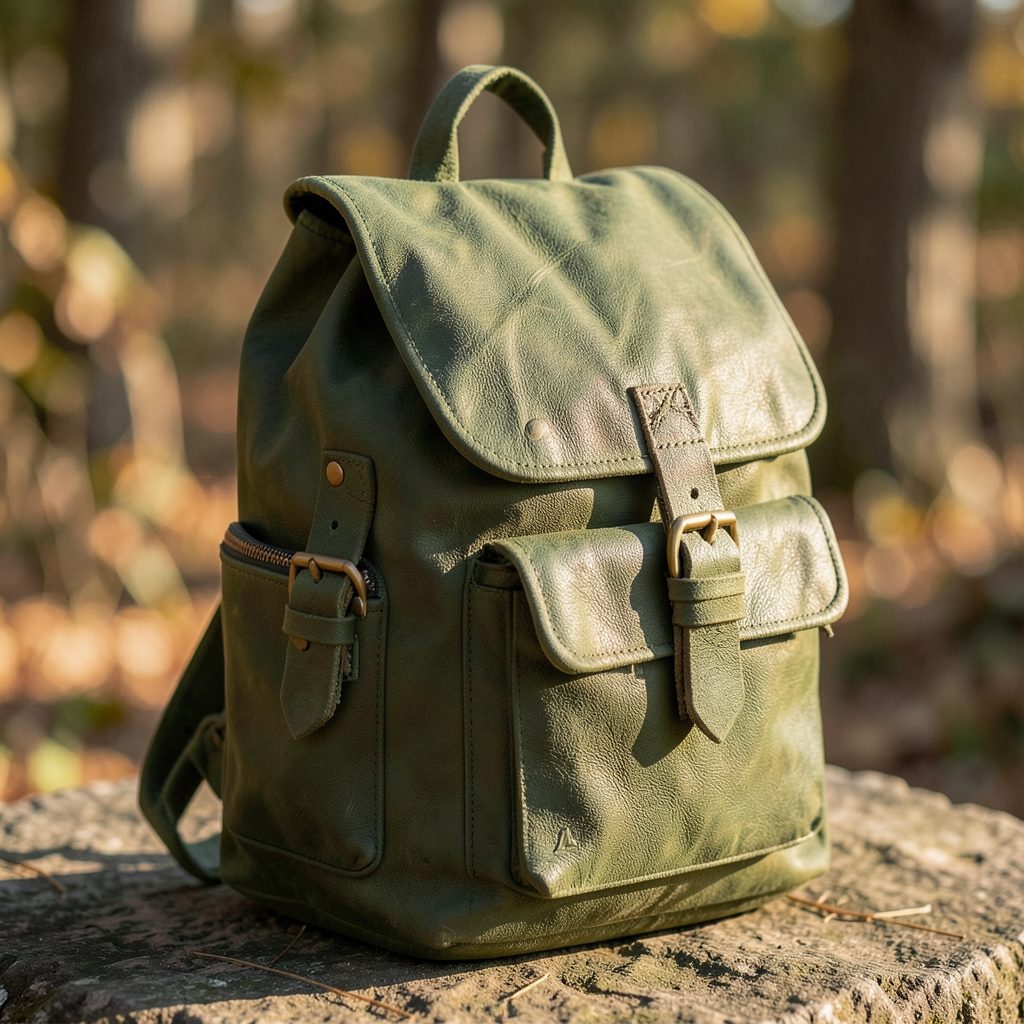
Every backpack is crafted from premium vegan leather with thoughtful details — multiple pockets, removable straps, and colors that work with any wardrobe. Browse the lineup below.