How to securely carry a vegan leather crossbody bag on a camel ride
A camel ride can be a memorable way to experience Australia’s red desert, coastal dunes or outback scenery. It also creates a few practical packing concerns. A bag that feels secure while walking through a city may swing, twist or become uncomfortable when you are seated high above the ground.
A vegan leather crossbody bag is a useful choice for a camel tour because it keeps essentials close without occupying both hands. The right fit, strap position and packing method can help protect your phone, wallet, sunscreen and travel documents throughout the ride.
Australian camel experiences range from sunset tours near Alice Springs to beach rides around Broome and guided desert trips near Uluru. Conditions can vary considerably, so your bag needs to cope with heat, dust, movement and the occasional need to mount or dismount quickly.
Good preparation starts before you leave your accommodation. Choose a compact design, secure every closure, keep the weight low and follow the operator’s instructions. These simple habits make the ride more comfortable for you, the camel and the people guiding the group.
Choose a suitable crossbody design
Select a crossbody bag with an adjustable strap that can sit close to your body. A medium or small profile is usually easier to manage than a large, loosely hanging style. The bag should hold your essentials without encouraging you to pack items you will not use during the excursion.
Look for a wide, durable strap and secure hardware at the attachment points. A zip-top compartment is preferable to an open pocket because movement can cause loose items to fall out. A flap with a press stud or magnetic closure can add convenience, though valuable belongings should still sit inside a zipped section.
Vegan leather is often easy to wipe clean after contact with dust or sunscreen. Before the trip, inspect the stitching, strap joins and zip pull. A quick check can reveal a loose seam or damaged fastening before it becomes a problem on the trail.
Colour and finish also have a practical role. Very pale surfaces may show red dust, while highly glossy materials can become uncomfortable if exposed to strong sunlight. A darker neutral shade or a textured finish may be easier to maintain during an outback excursion.
Position the bag before mounting
Wear the crossbody bag across your chest rather than letting it rest at your hip. The position should keep the bag between your torso and the camel’s neck area without placing it directly under the animal or where it could catch on equipment.
Many riders find that wearing the bag slightly to the front gives better control. You can keep one hand near the bag while climbing on, settling into the saddle and getting off. Follow the guide’s instructions about where to place your belongings, since each saddle and tour setup is different.
Adjust the strap while standing on firm ground. It should be snug enough to prevent bouncing but loose enough to allow comfortable breathing and arm movement. A dangling strap end can flap in the wind, brush against the camel or catch on another piece of gear, so secure or tuck it away.
Do not place the bag behind your back if you will lean against the saddle. That position can create pressure on your spine and make the bag harder to reach. It can also push the contents into your body when the camel changes pace.
Pack only essential items
A lighter bag is easier to control during a camel ride. Carry your phone, a small wallet, identification, accommodation details, sunscreen, lip balm and any essential medication. A compact packet of tissues or hand sanitiser can also be useful after handling reins, rails or dusty equipment.
Avoid packing glass bottles, bulky power banks, heavy camera lenses or items with sharp edges. These can cause discomfort if the bag presses into your body. If you need a larger camera, water bottle or jacket, ask the tour operator whether a vehicle or storage area is available.
Keep heavy objects at the bottom and close to your body. This arrangement helps the bag hang steadily instead of pulling away from your chest. Place fragile items in a soft pouch, and use internal pockets to prevent coins, keys and cables from moving around.
Your phone should be inside a zipped compartment rather than in an external pocket. Sand and fine dust can enter small openings around a phone case, especially on rides near Alice Springs or through exposed desert country. A resealable fabric or waterproof pouch offers an extra layer of protection.
Protect valuables from heat and dust
Australian sun can be intense, even when the air feels cool during an early morning ride. Avoid leaving electronics in direct sunlight for long periods. Position the bag so the main compartment is shaded by your body whenever possible, and do not leave it in a hot tour vehicle after the ride.
Dust is another consideration on unsealed tracks and sandy coastal routes. Keep zips fully closed and resist the temptation to repeatedly open the bag while moving. A small internal pouch can separate clean items from dusty sunglasses, gloves or a bandana.
Use a soft cloth to wipe the bag after the excursion rather than applying harsh cleaning products. Check the manufacturer’s care instructions for vegan leather, since some coatings may react poorly to alcohol-based sprays, abrasive wipes or excessive water.
Sunscreen deserves special attention. Apply it before mounting and allow it to absorb before handling the bag. Oily residue can transfer to vegan leather and make the surface attract dust. Keep a small sunscreen tube in an upright inner compartment if you need to reapply during the day.
Keep both hands available
A crossbody bag should leave your hands free for balance and following the guide’s directions. Do not hold the bag in your lap while the camel is standing, walking or kneeling. A sudden movement can make it slide, and trying to catch it may affect your balance.
When mounting or dismounting, keep the strap close to your body and make sure it cannot catch on the saddle horn, stirrup or other equipment. Listen carefully to the guide’s instructions because camels kneel and rise in stages, creating a stronger forward or backward movement than many first-time riders expect.
Avoid attaching the bag to the saddle unless the operator specifically provides a safe attachment point. Homemade clips, carabiners or long straps can interfere with tack and may create a hazard for the rider or animal. A close-fitting personal bag is generally easier to manage.
If the strap begins to slip, tell the guide rather than attempting a complicated adjustment while the camel is moving. Tours around Broome, Uluru and other popular destinations commonly include safety briefings for this reason. Treat those instructions as part of the riding experience, not as optional background information.
Match your bag to the wider travel plan
A crossbody bag works well for the ride, but you may need a different carry option for the rest of your trip. For airport transfers, longer walks and city sightseeing, browse vegan tote bags for a roomier option that can hold a layer, water bottle or shopping items when you are back on level ground.
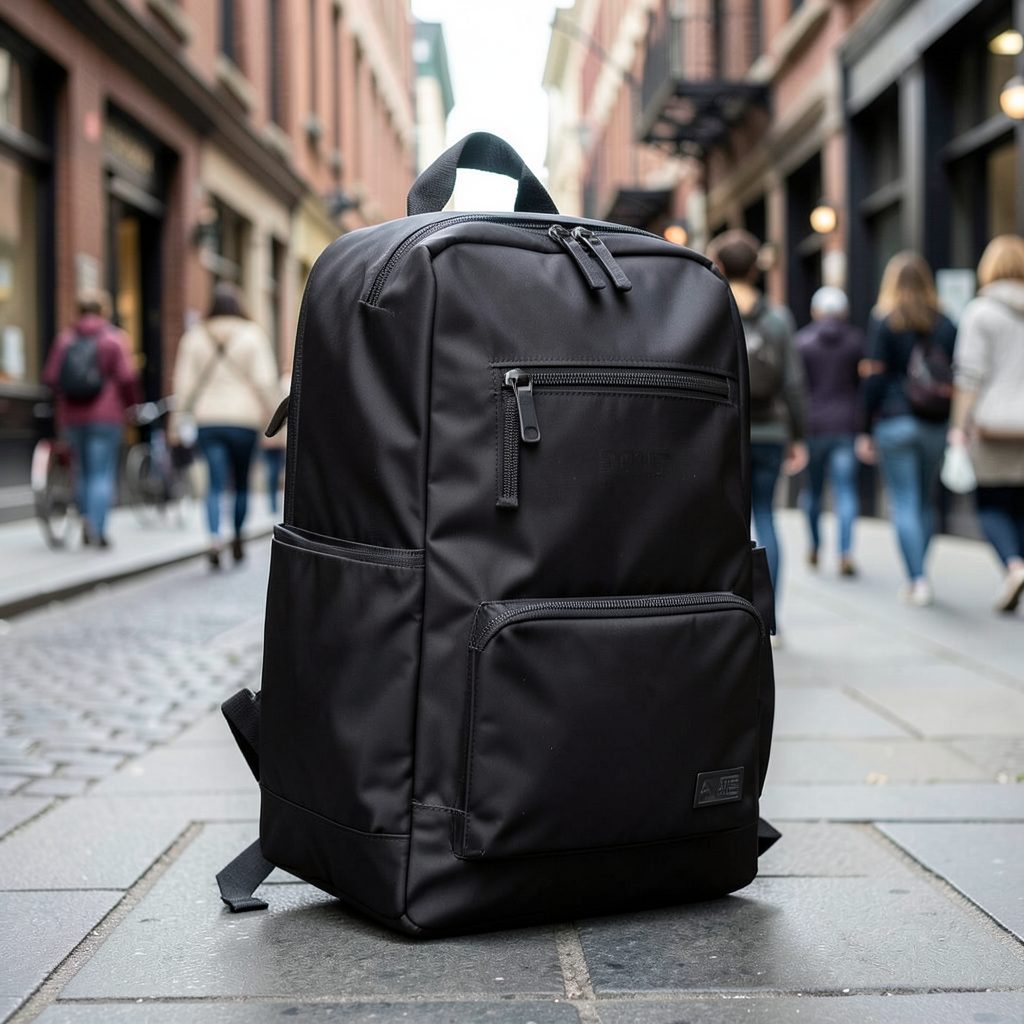
If your itinerary includes hiking, camping or carrying camera equipment, a backpack may distribute weight more comfortably. Travel Starter Pack’s everyday backpacks can suit longer periods away from the saddle, while the crossbody remains useful for short excursions and evening meals.
Keep the camel-ride bag packed separately from your main luggage on the morning of the tour. This prevents last-minute searching and makes it easier to remove unnecessary items. A small packing list also helps when you are moving between hotels, stations and tour pickups.
Australian travellers may be dealing with changing conditions across one itinerary: a cool morning in Melbourne, a hot afternoon in the Red Centre or humid weather in Broome. Choose a bag that works with light layers and breathable clothing, rather than one that requires a heavy coat or bulky outfit to stay in place.
Follow tour etiquette and animal-safety rules
A camel is a working animal, so your bag should never interfere with its movement or equipment. Keep loose accessories, dangling scarves and long straps under control. Do not swing the bag near the camel’s face or attempt to feed the animal unless the guide has given permission.
Some Australian operators have strict rules about photography, mobile phones and personal belongings during mounting and dismounting. Follow the instructions even if you have ridden before. Saddle designs, group sizes and trail conditions differ between a beach ride, a station experience and a desert tour.
Respect local environmental guidance as well. Stay on marked paths, keep packaging inside your bag and avoid leaving tissues or wipes behind. In remote areas, rubbish removal is harder, and small pieces of plastic can affect wildlife or become scattered by wind.
After the ride, check that you still have your essentials before leaving the tour site. Look through the inner compartments for your phone, cardholder and keys, then wipe away dust before storing the bag. This small routine is especially valuable when the day includes several transfers or activities.
Make comfort a priority from start to finish
A secure bag cannot compensate for unsuitable clothing or poor sun protection. Wear enclosed shoes, breathable layers and a hat that will not obstruct your view or fall loose. Sunglasses with a retaining cord can be helpful, provided the cord is short and kept away from the camel’s equipment.
Drink water before the ride and follow the operator’s guidance about hydration. A crossbody bag is not a replacement for carrying enough water, so ask where larger bottles can be stored or whether the tour supplies them. In hot parts of Australia, dehydration can develop faster than expected.
Test the complete setup at home. Put the items you plan to carry inside the bag, adjust the strap across your chosen clothing and walk up and down stairs. If the bag bounces, digs into your shoulder or blocks your movement, change the arrangement before the tour.
Once you find a comfortable position, keep it consistent. A close-fitting vegan leather crossbody bag, sensible packing and careful attention to the guide can let you enjoy the scenery without constantly managing your belongings. Pack light, secure every closure and prepare your bag for the conditions before setting out.
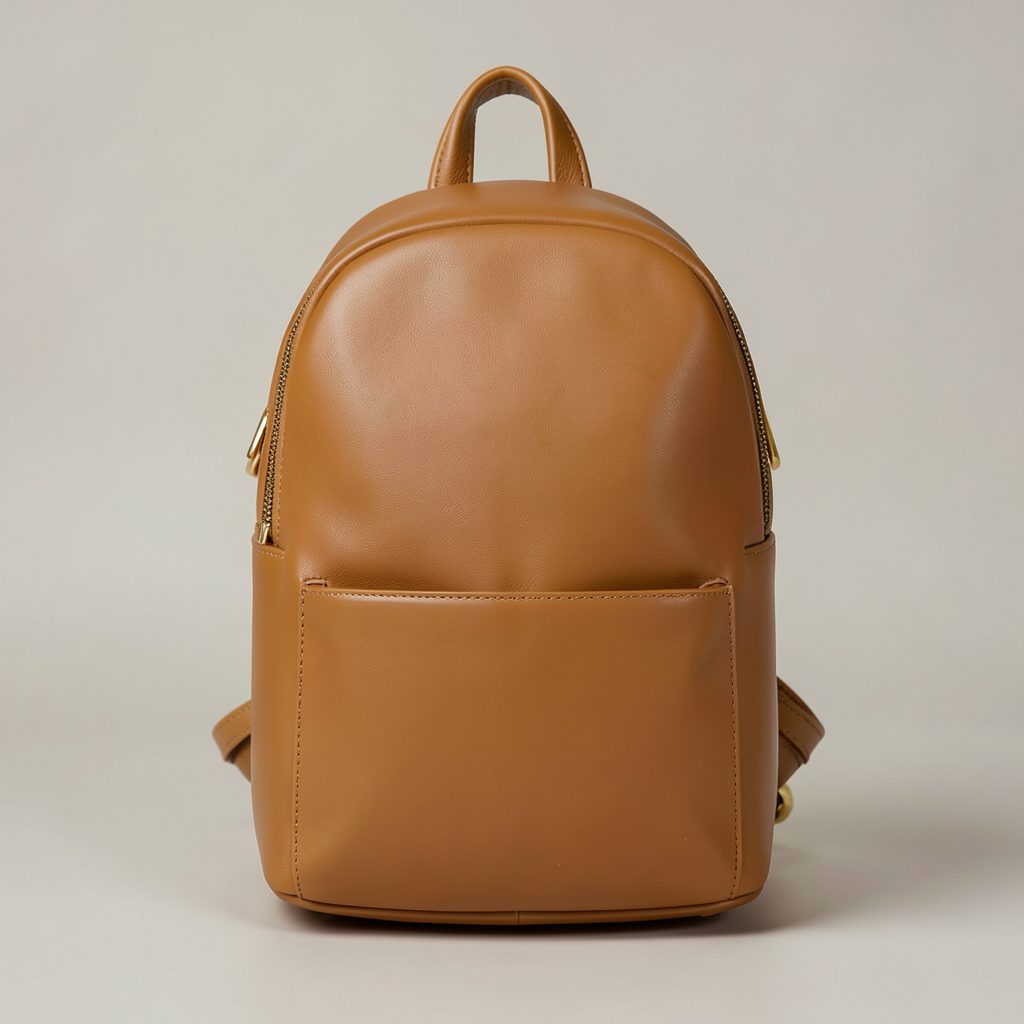
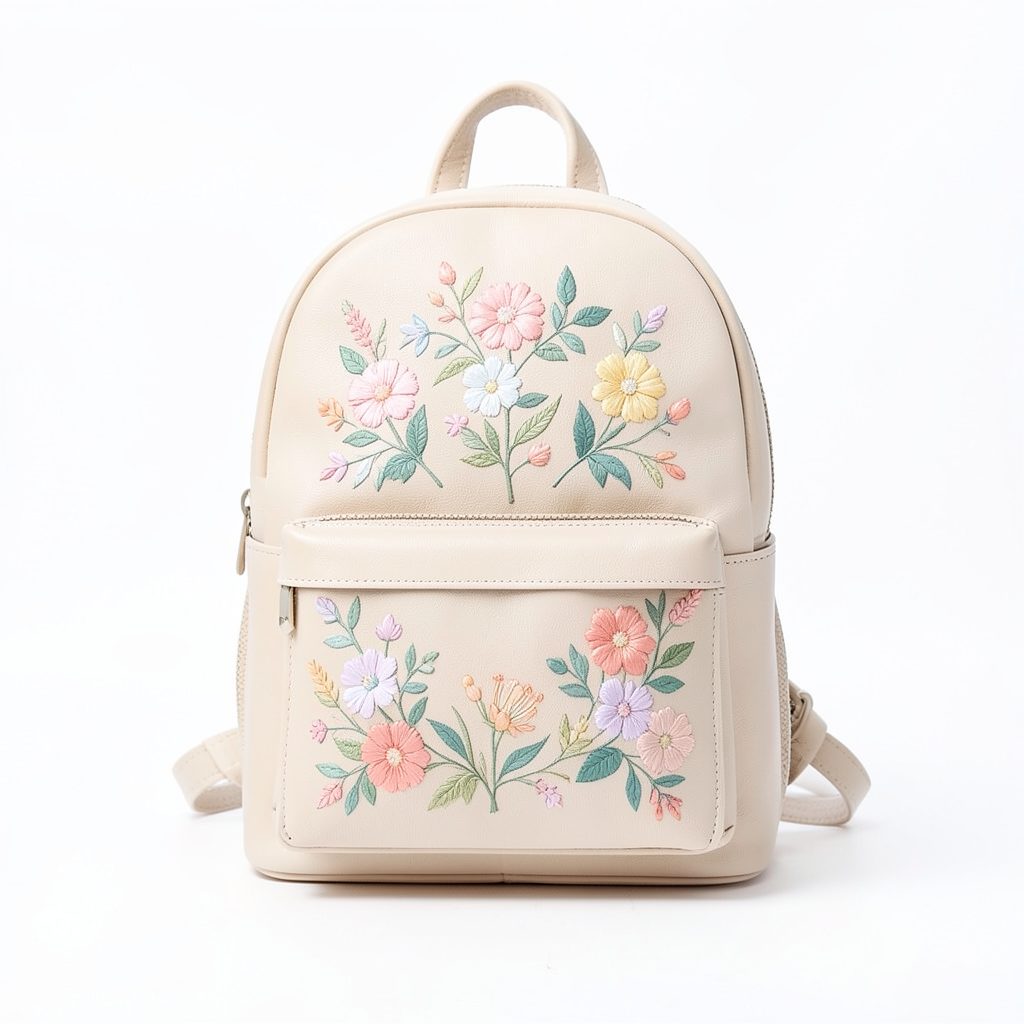
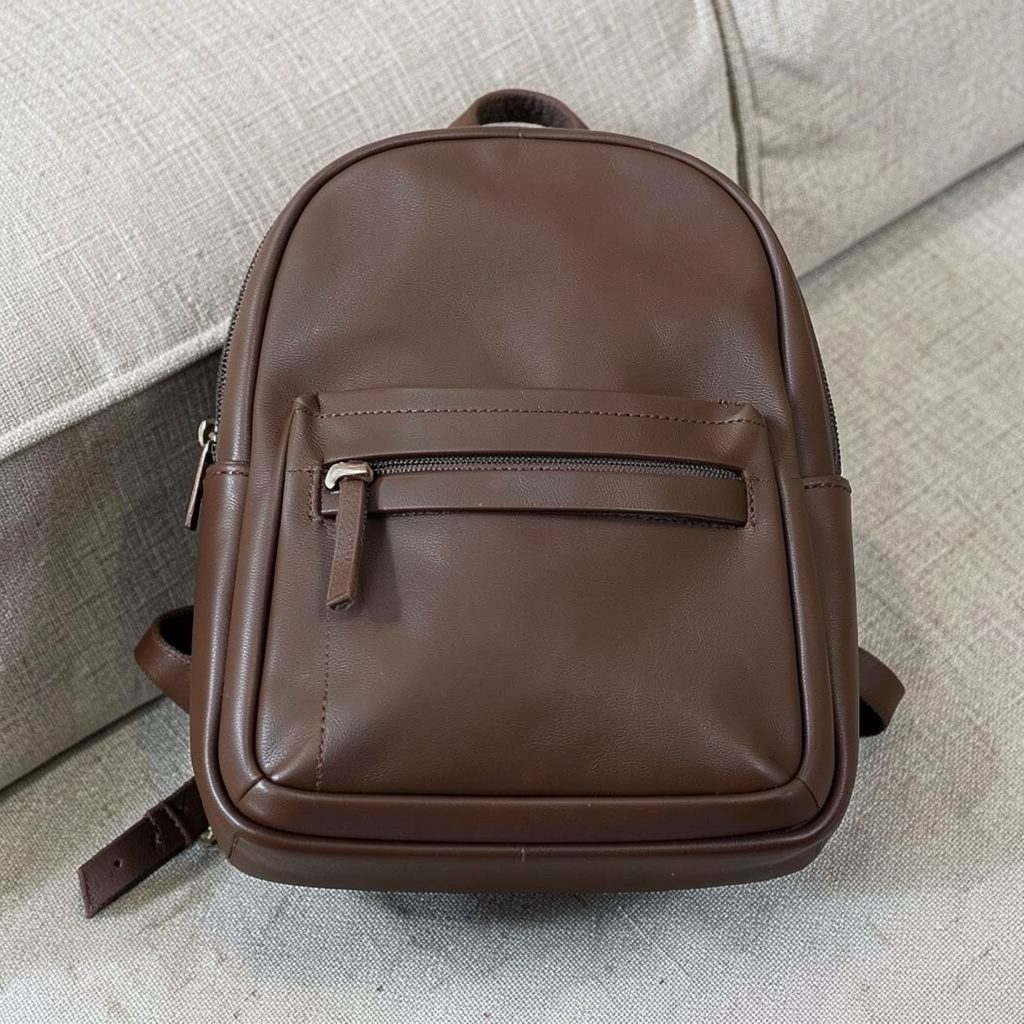
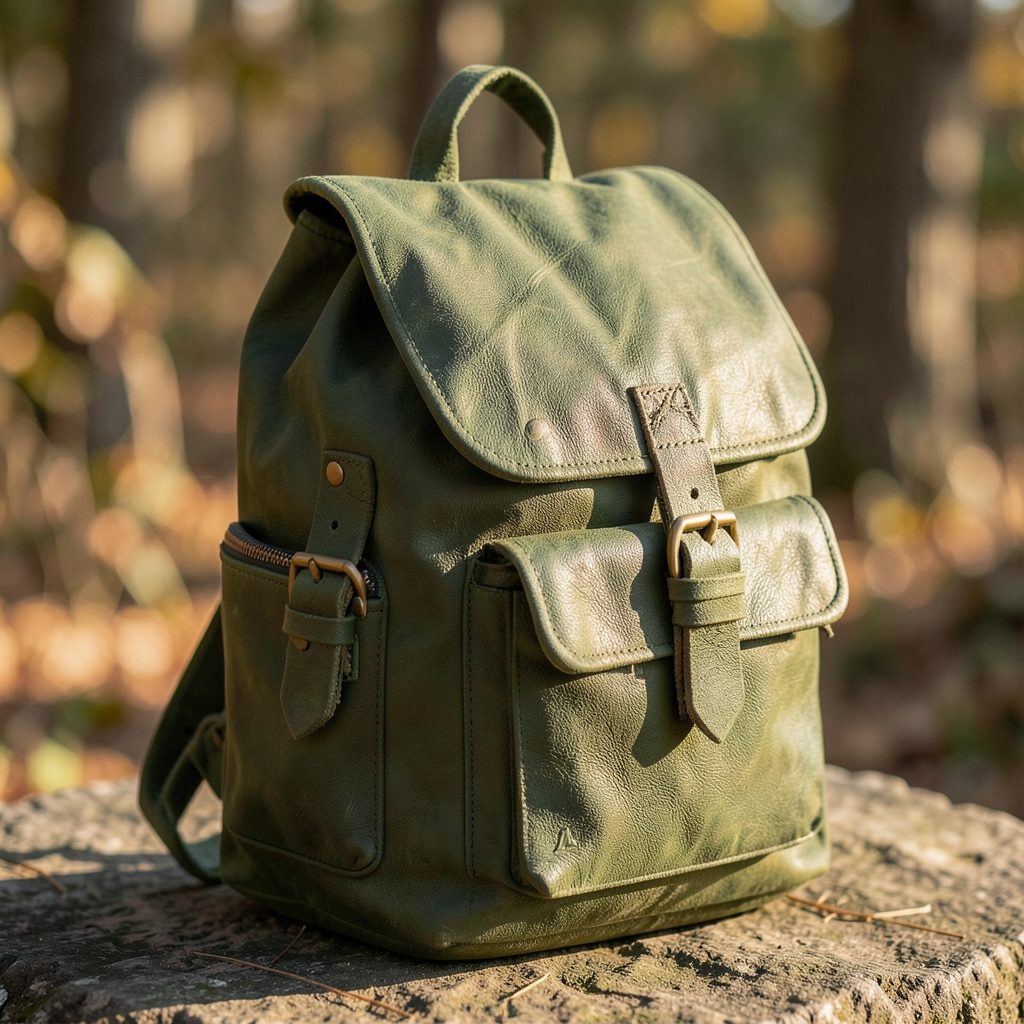
Our Backpack Styles
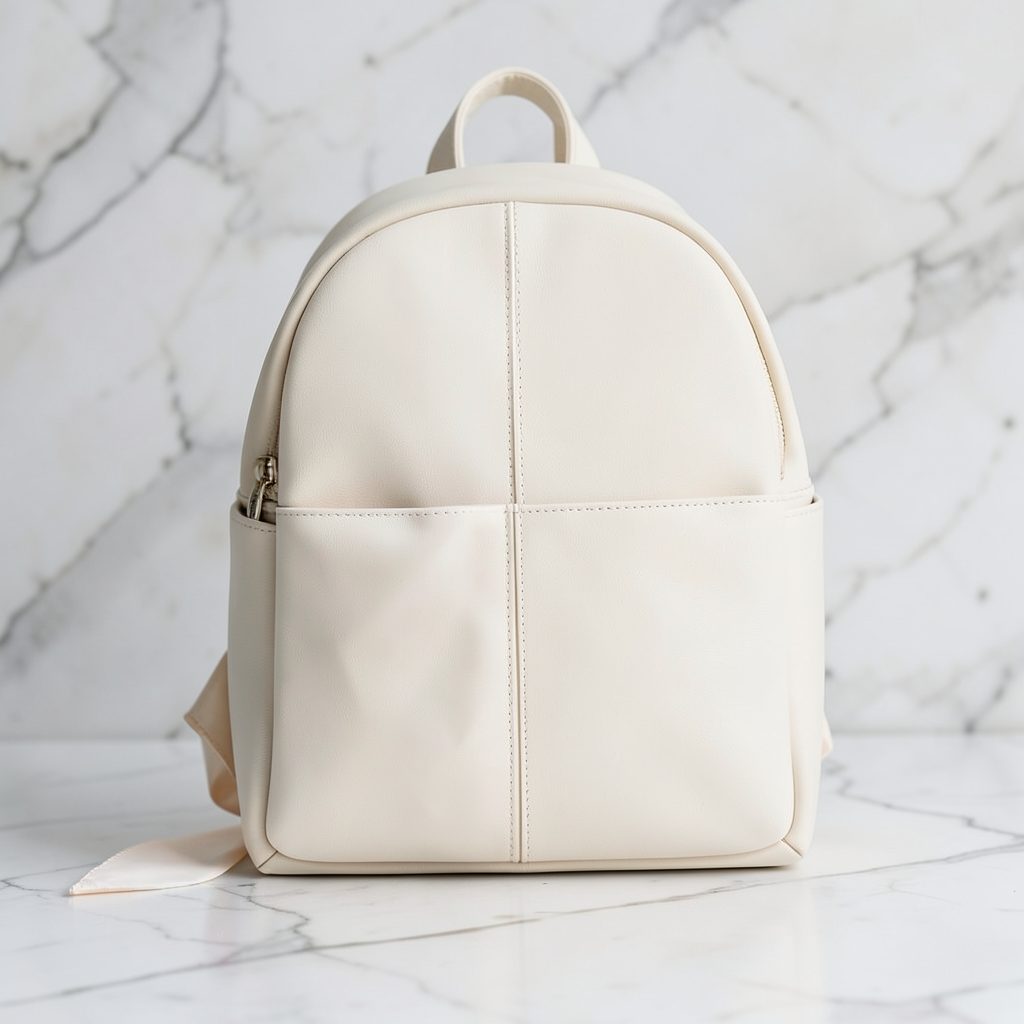
Every backpack is crafted from premium vegan leather with thoughtful details — multiple pockets, removable straps, and colors that work with any wardrobe. Browse the lineup below.